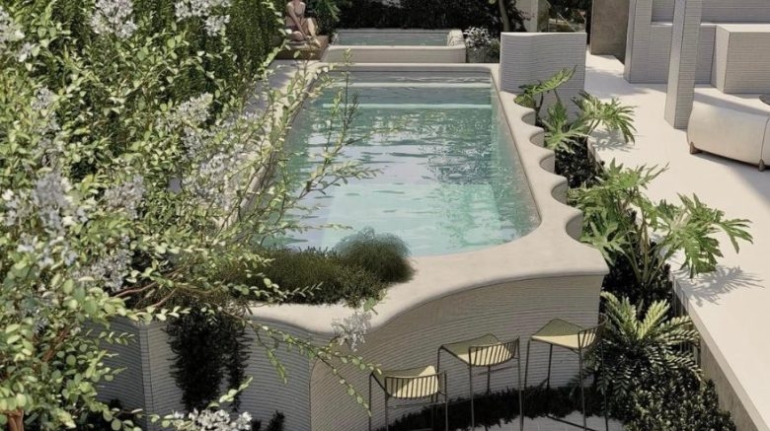
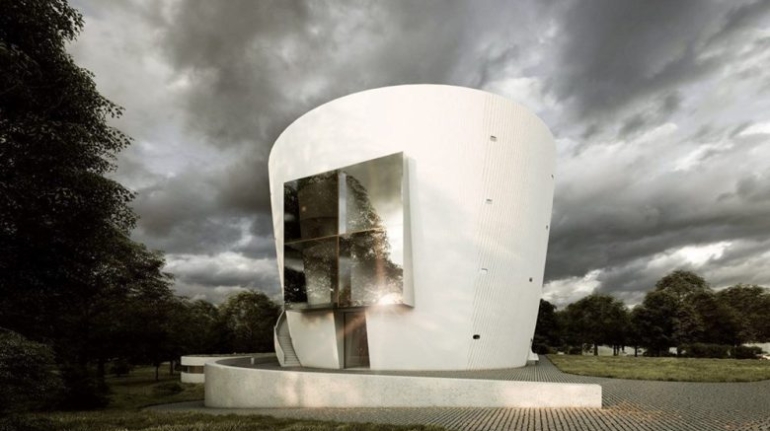
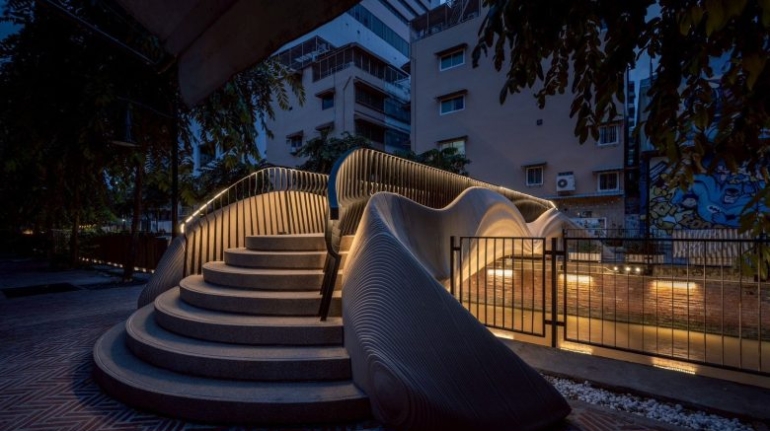
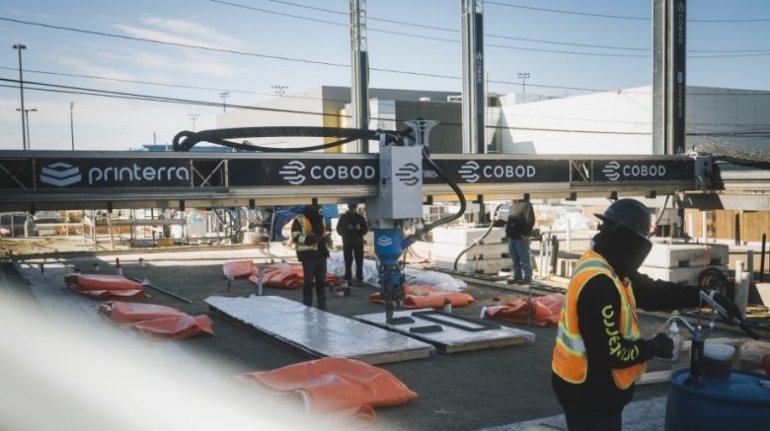
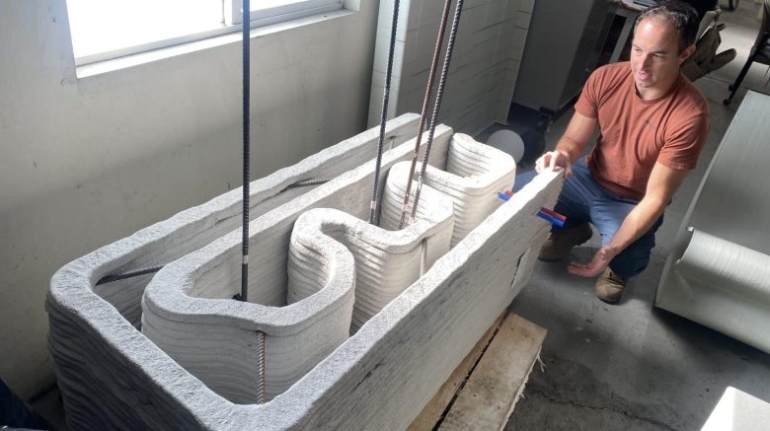
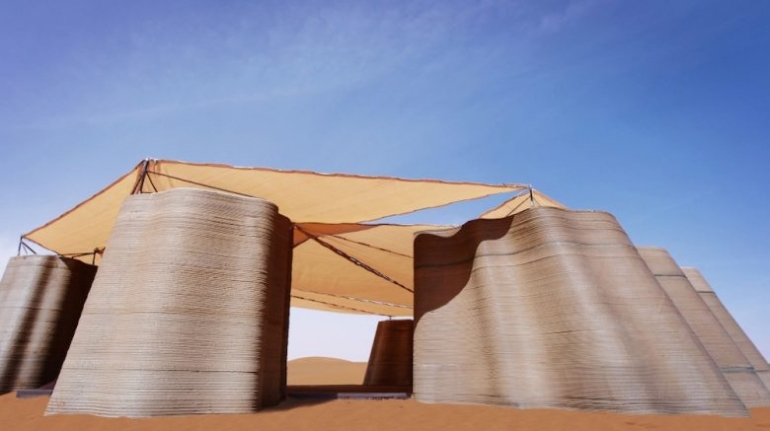
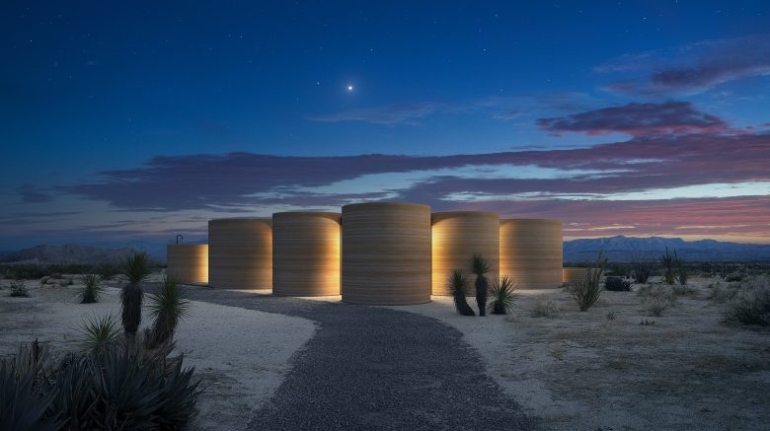
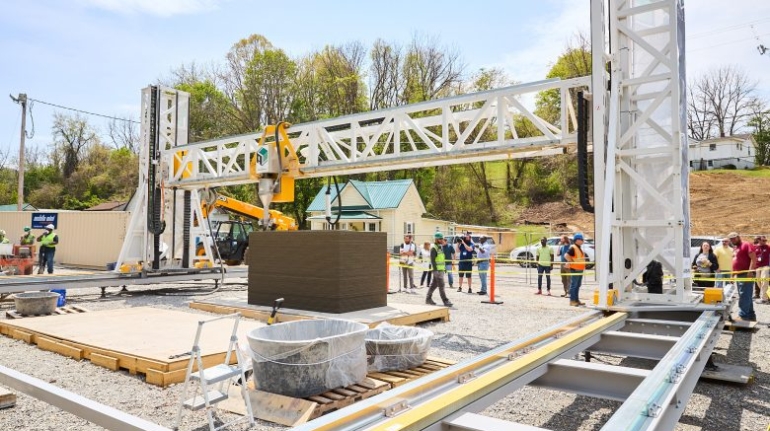
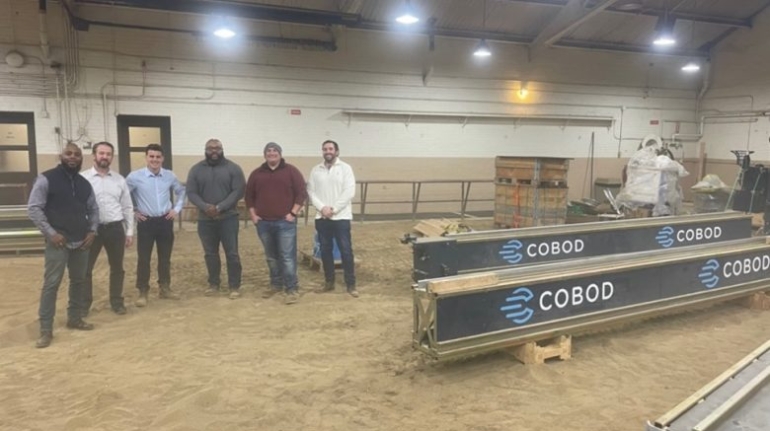
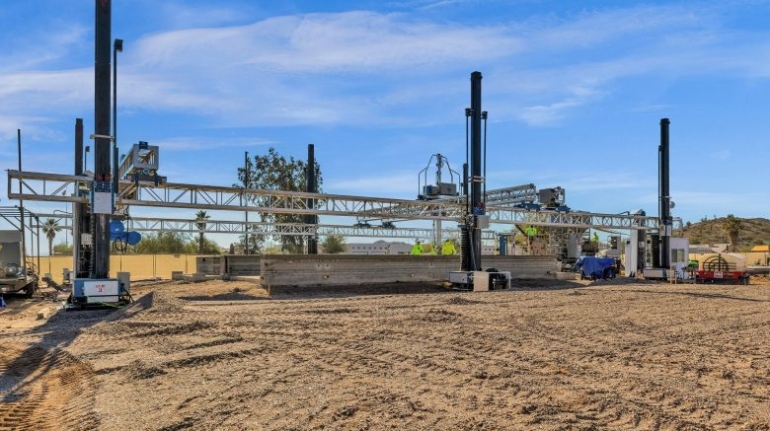
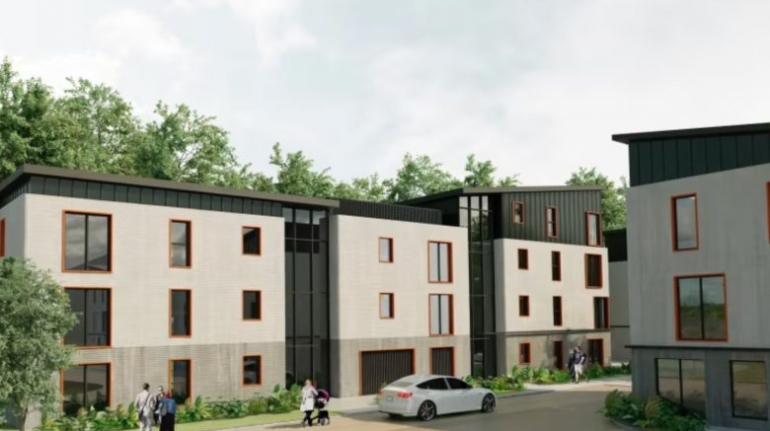
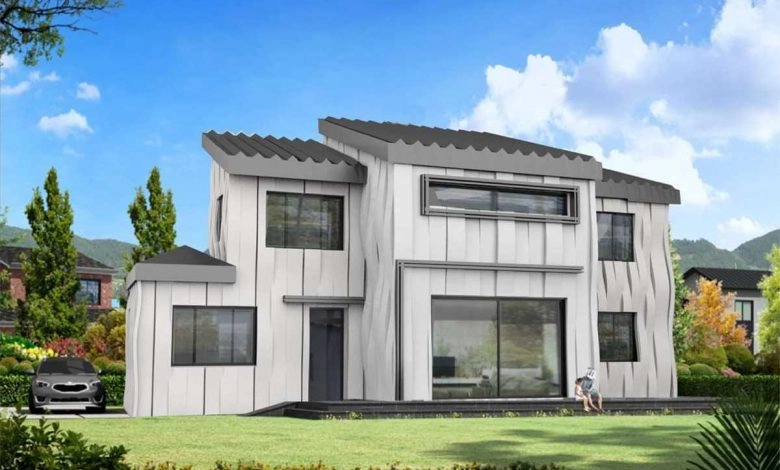
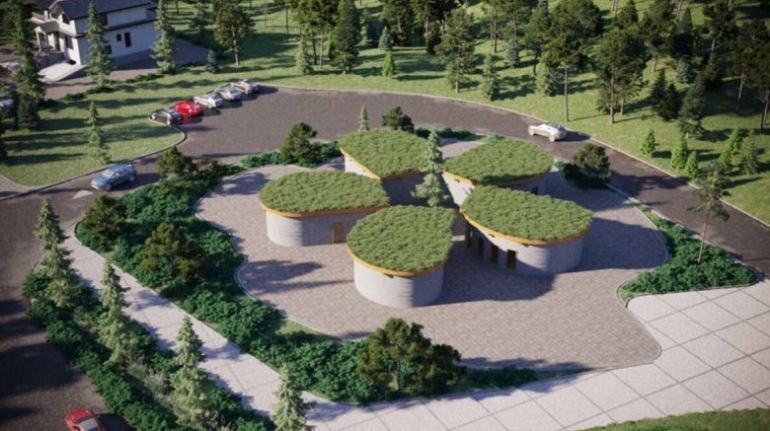
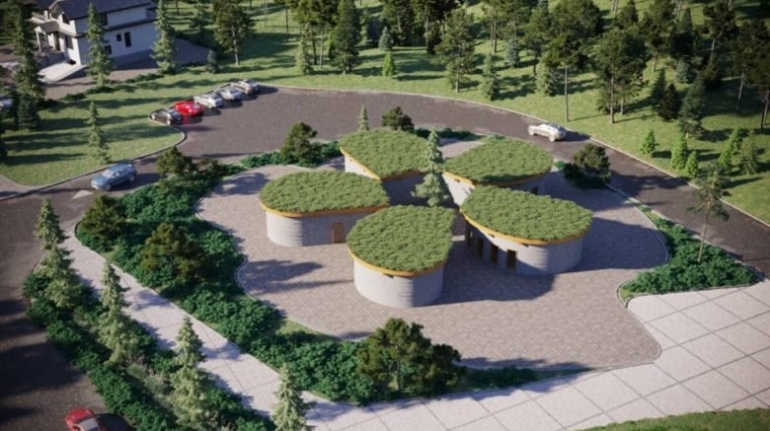
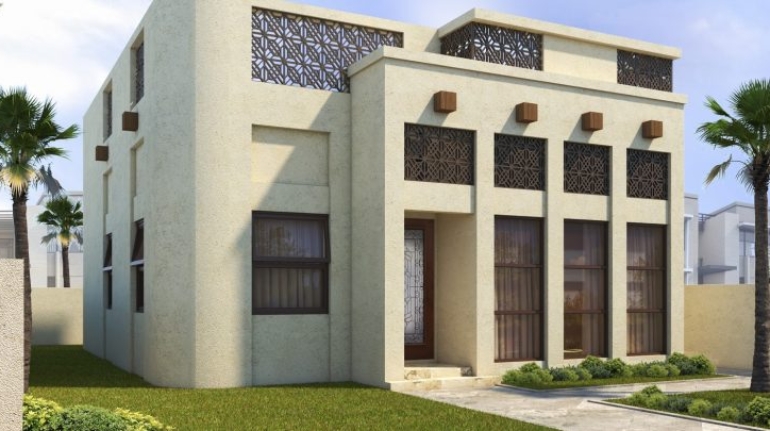
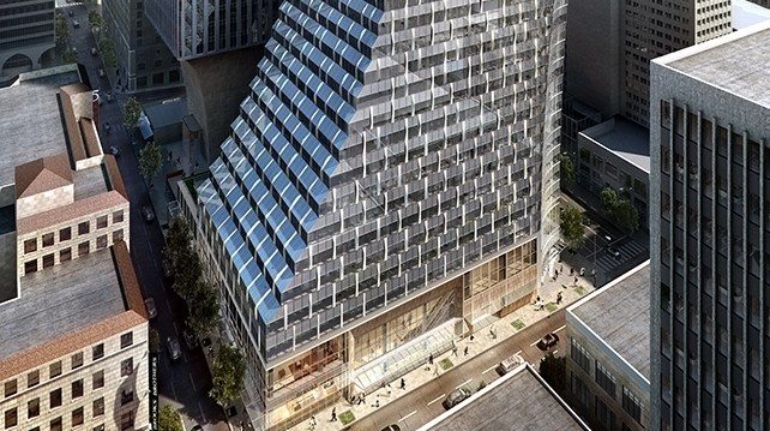
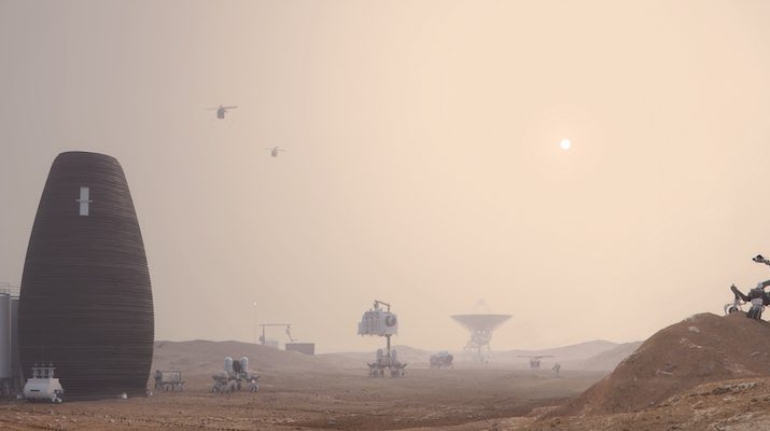
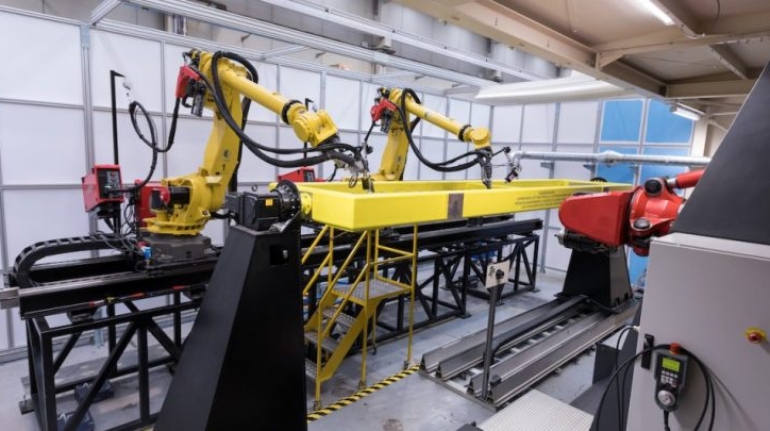
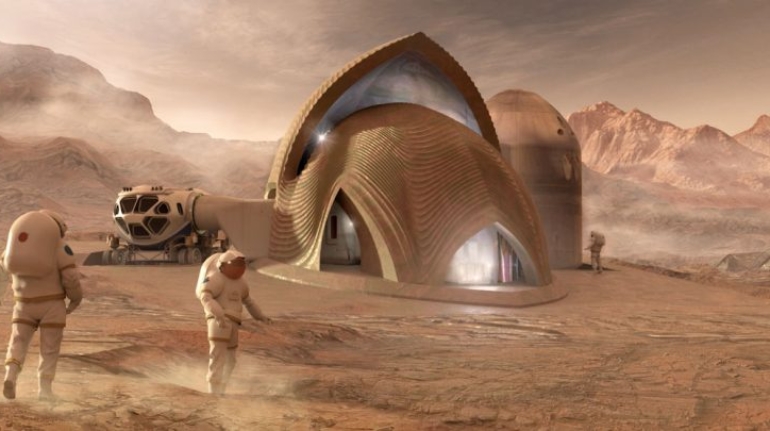
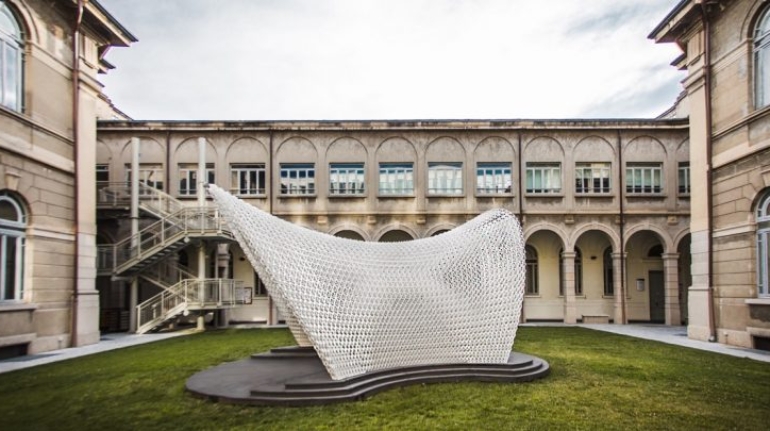
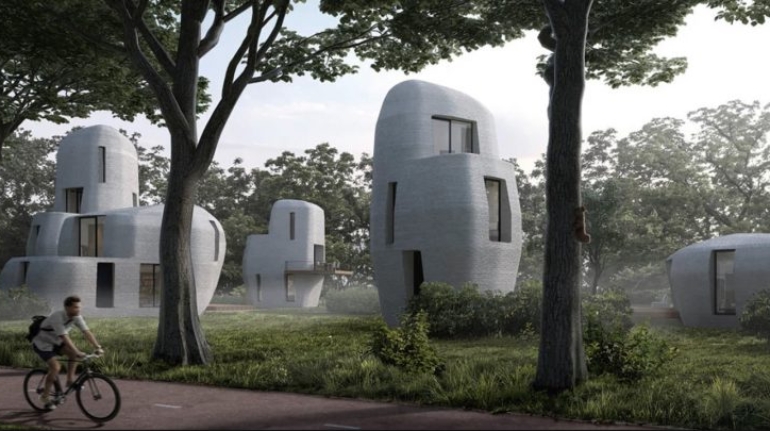
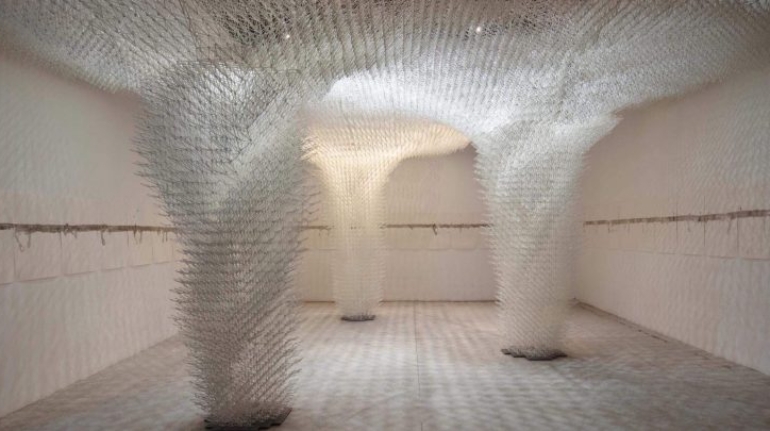
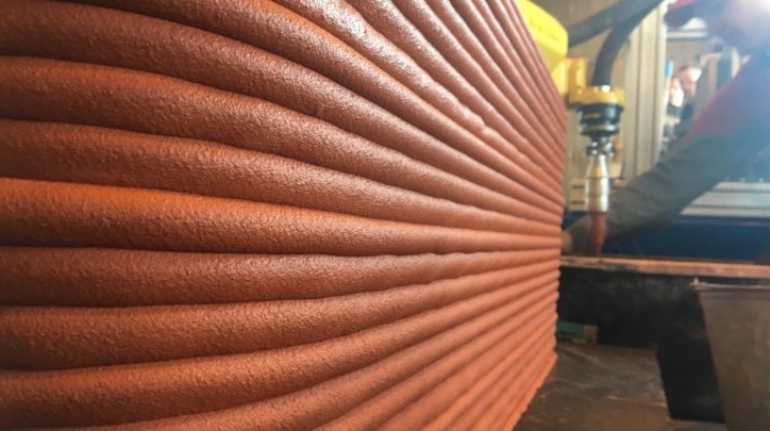
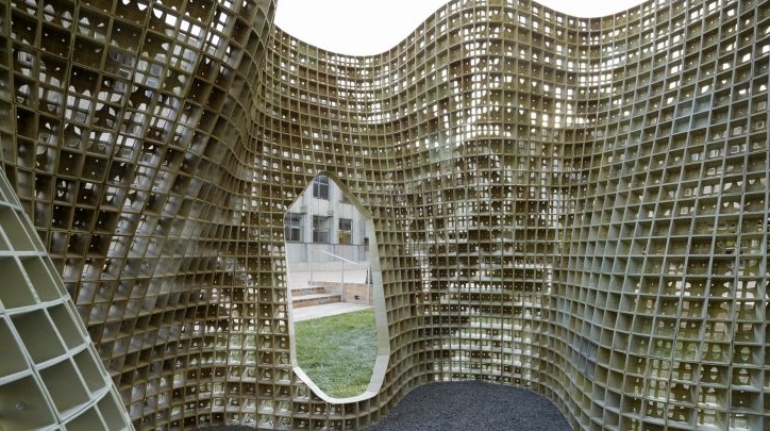
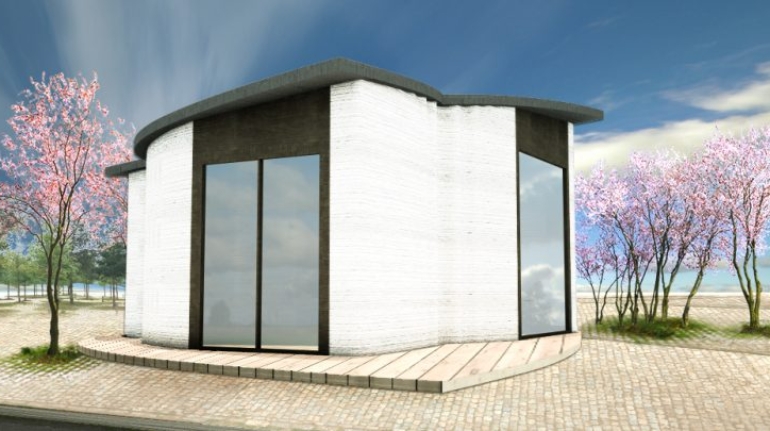
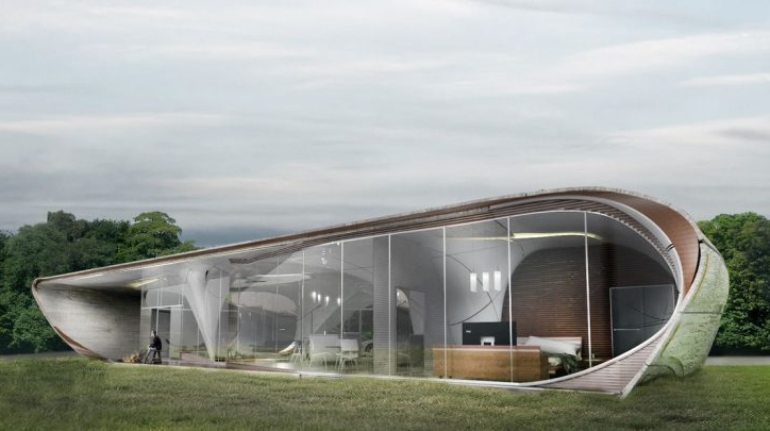
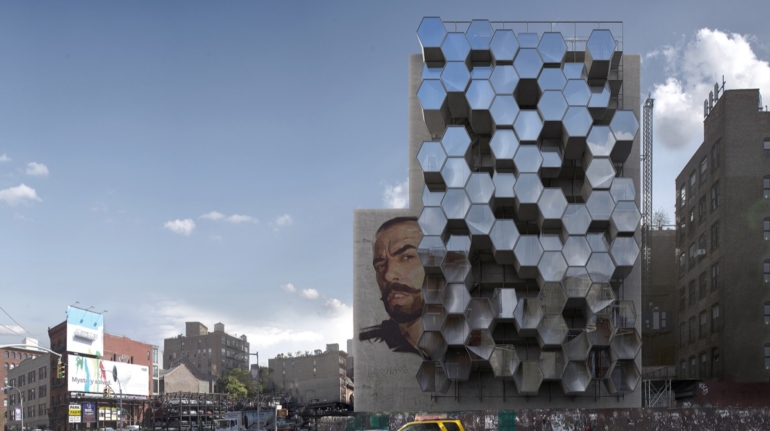
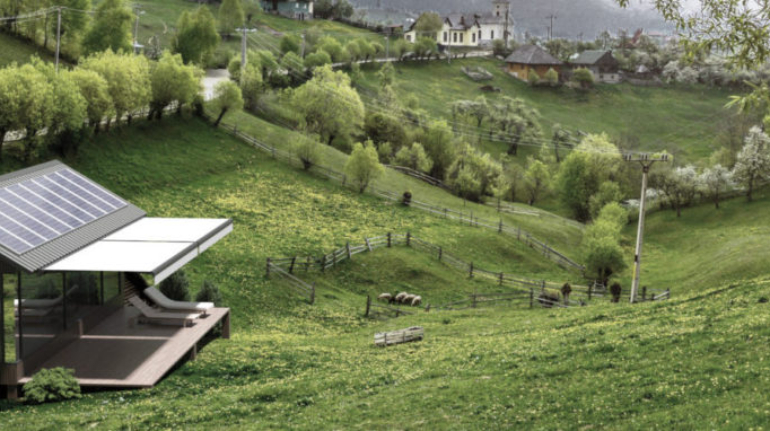
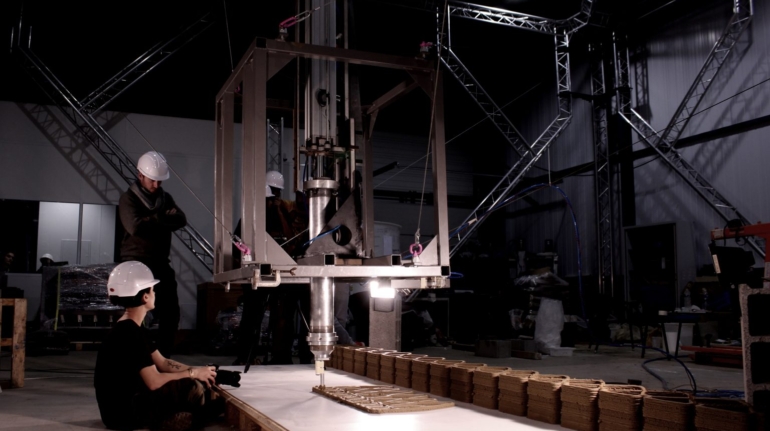
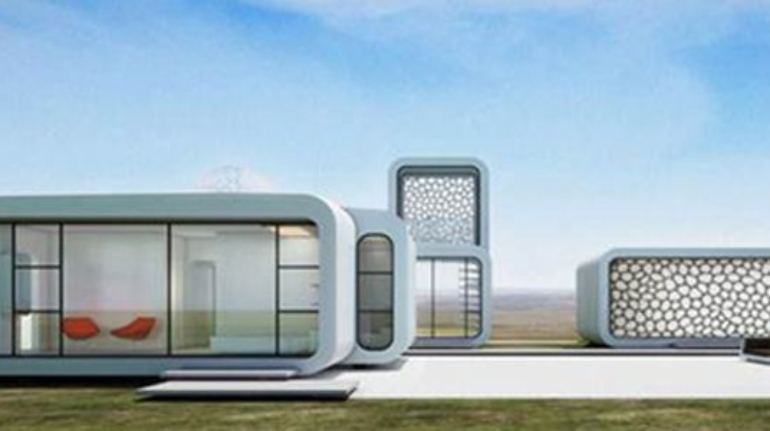
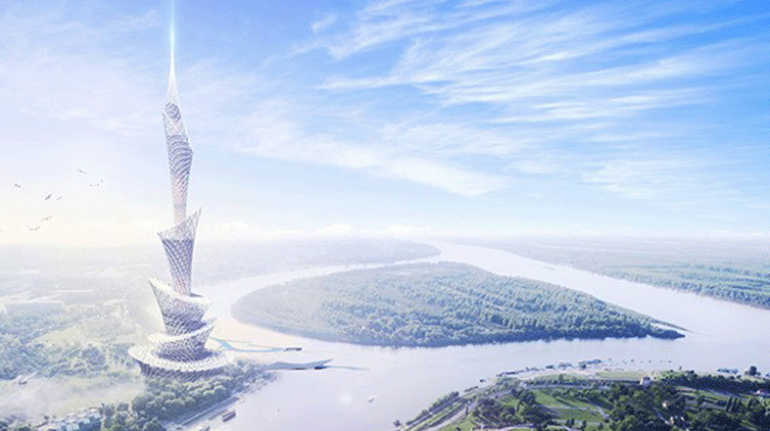
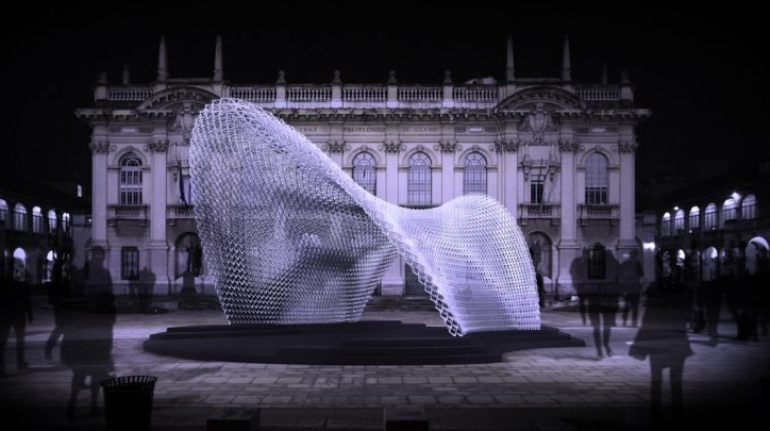
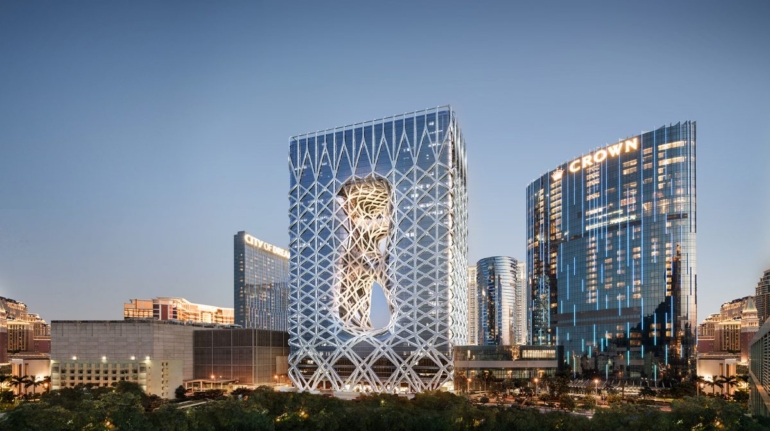
Branch Technology Presents Curve Appeal Vision for Freeform 3D Printed House Professional Additive Manufacturing
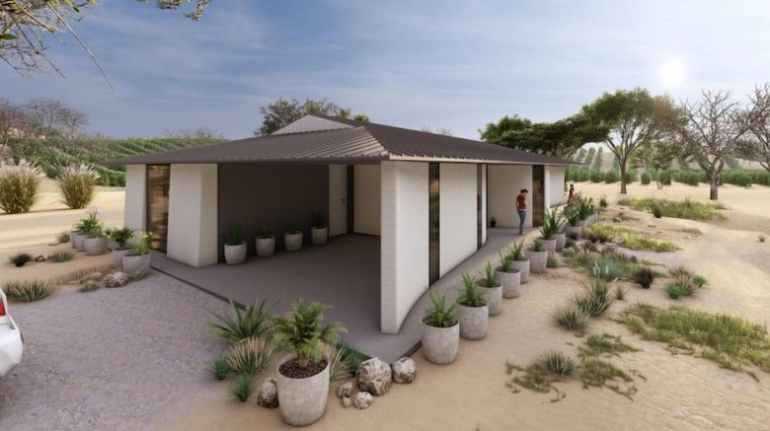
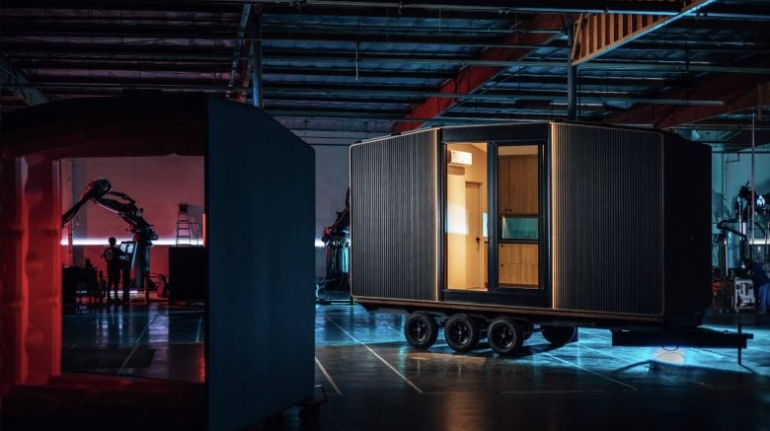
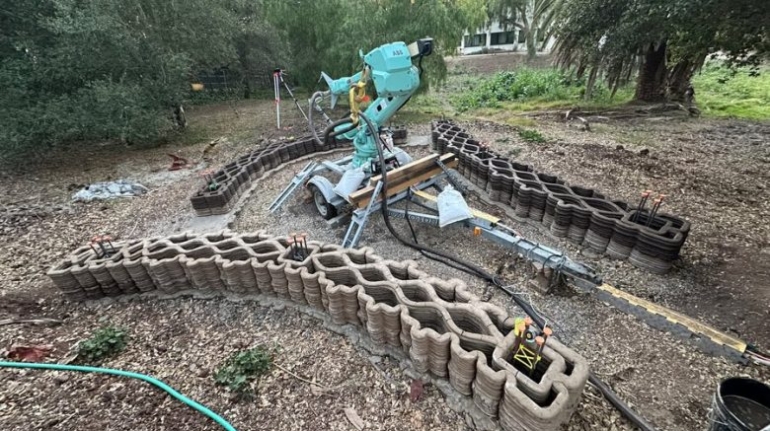
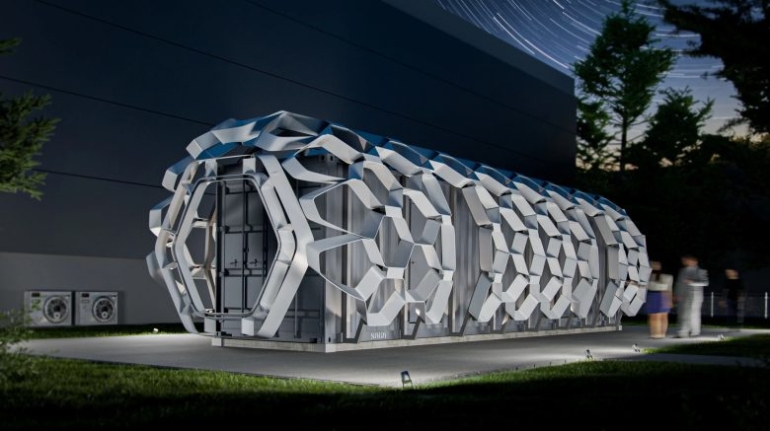
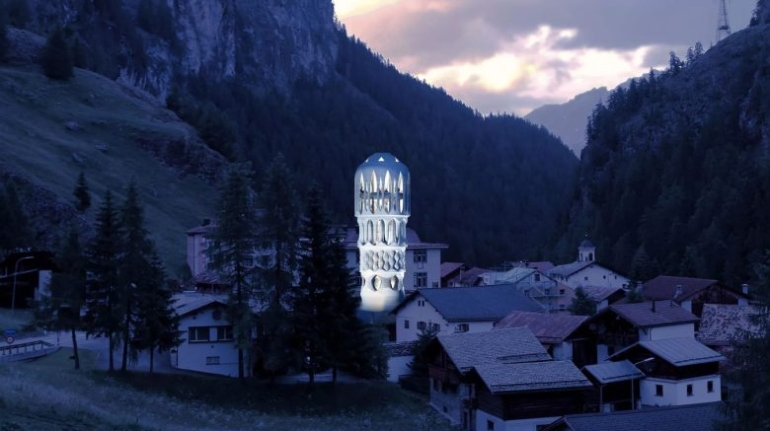
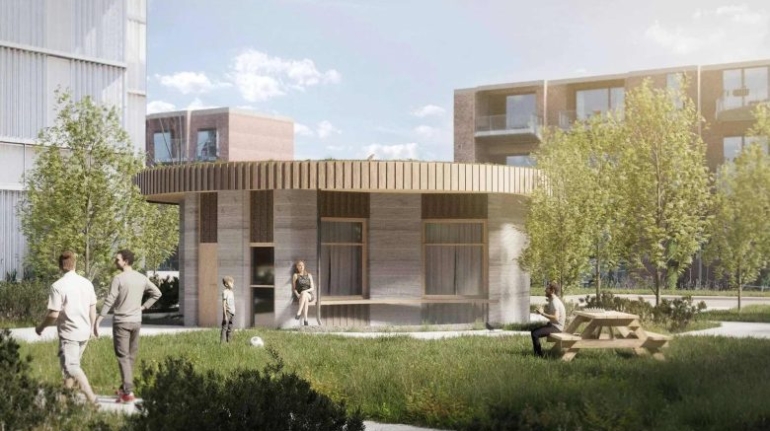
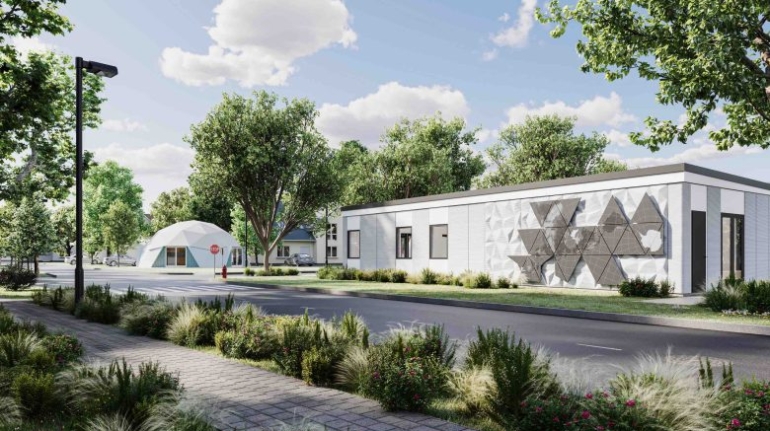
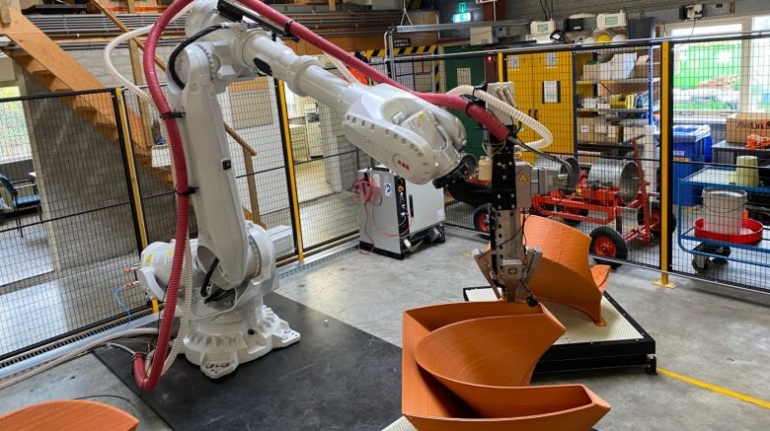
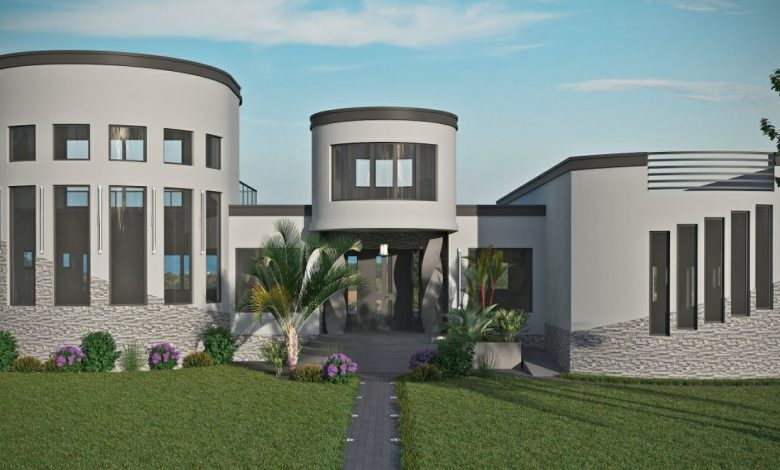
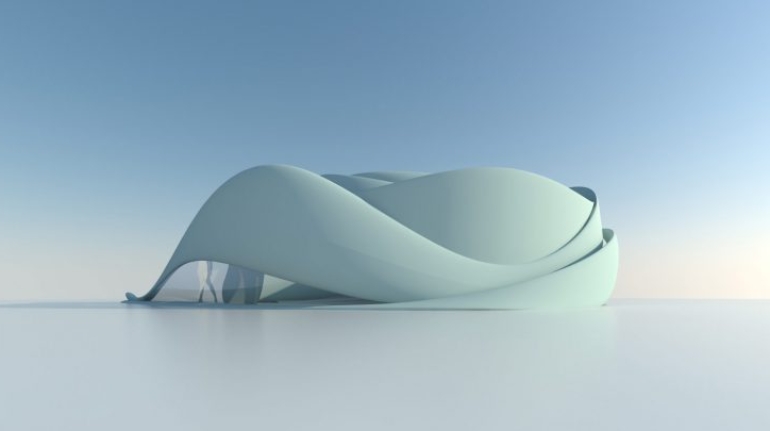
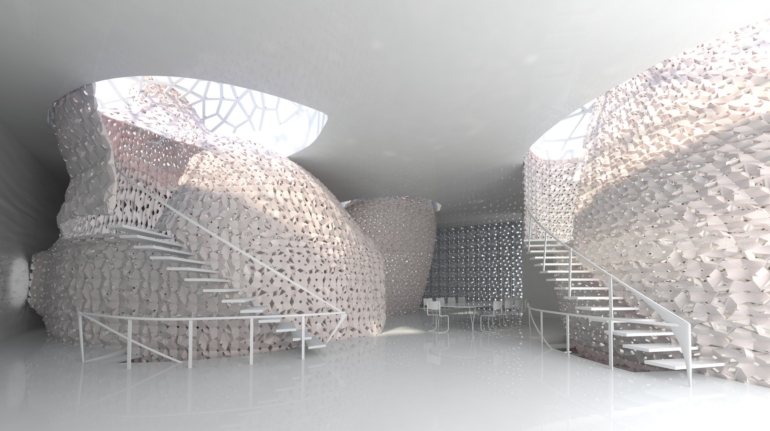
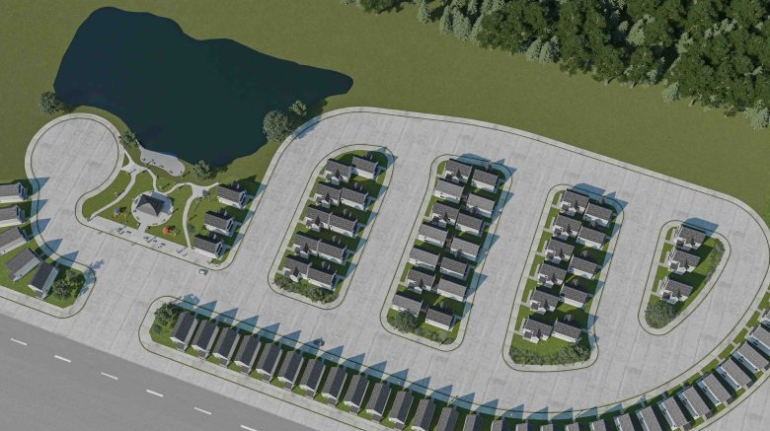
The Curve Appeal project showcases the conceptual design work for the world’s first freeform ...

News and Insights of 3D Printing and Manufacturing
HomeArchitecture
The Curve Appeal project showcases the conceptual design work for the world’s first freeform ...
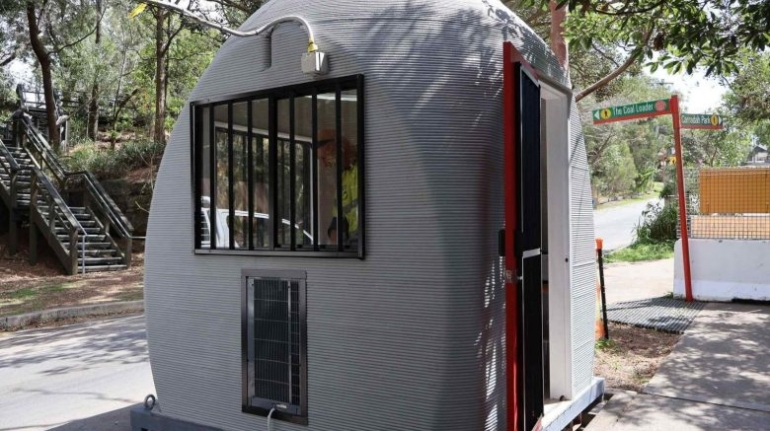
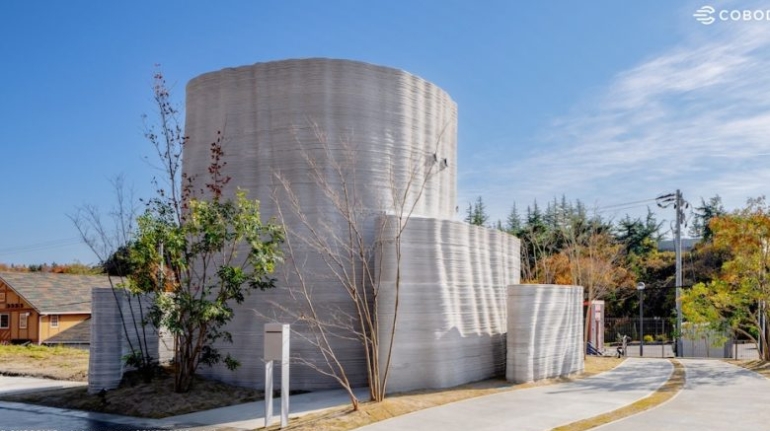
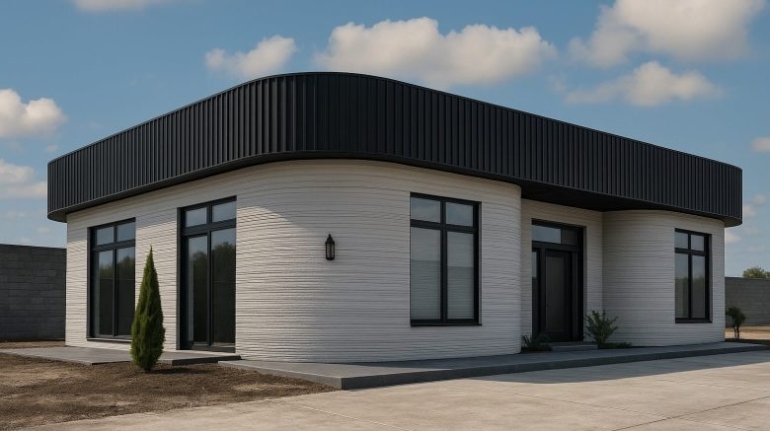
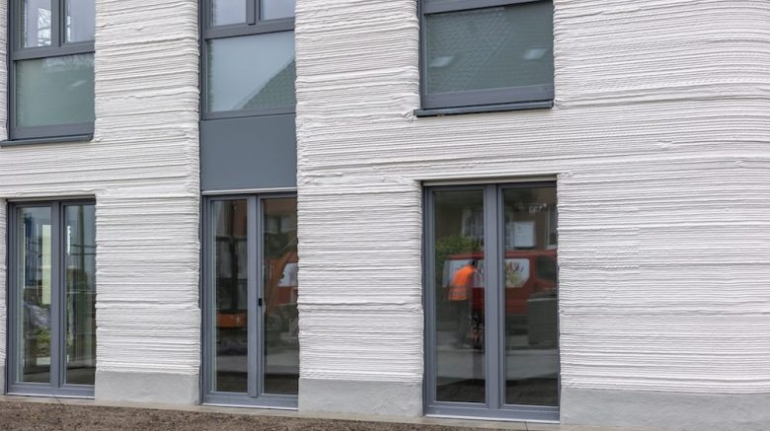
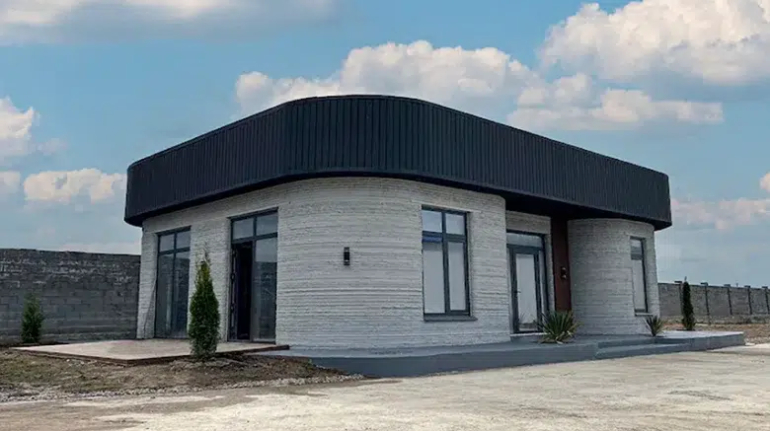
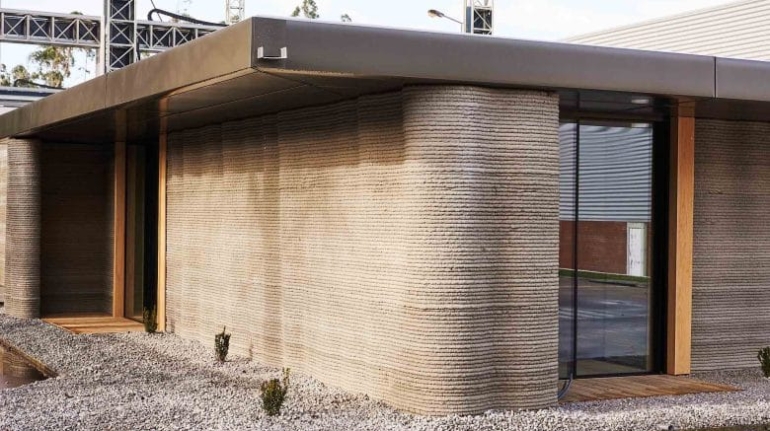
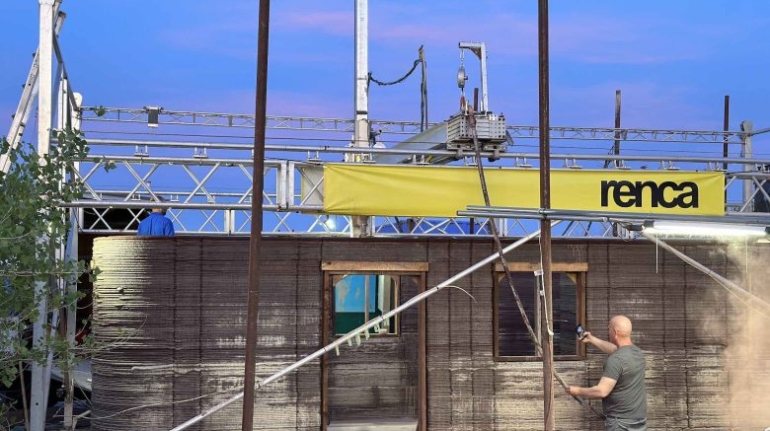
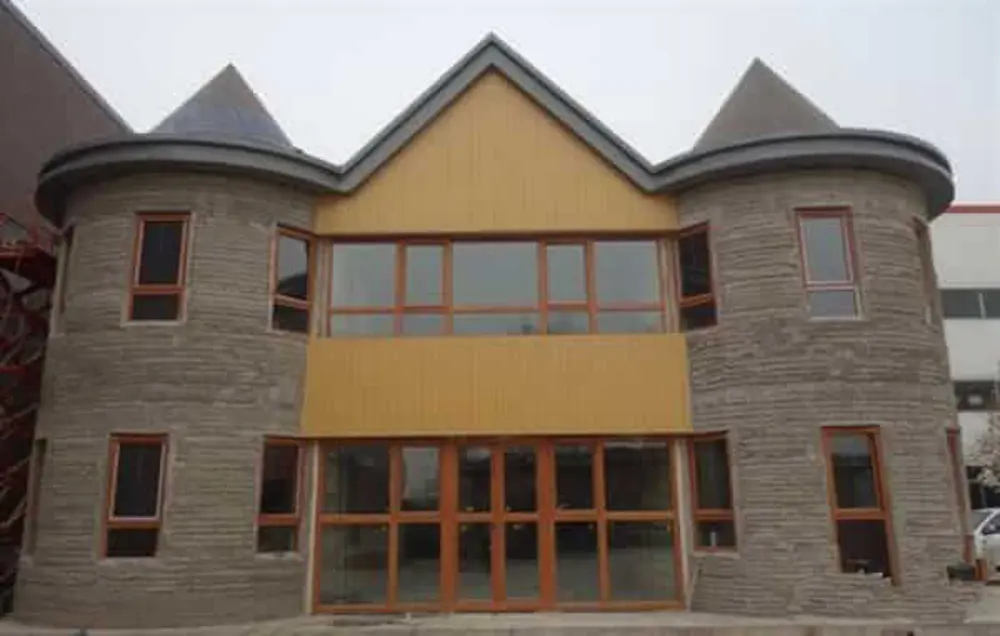
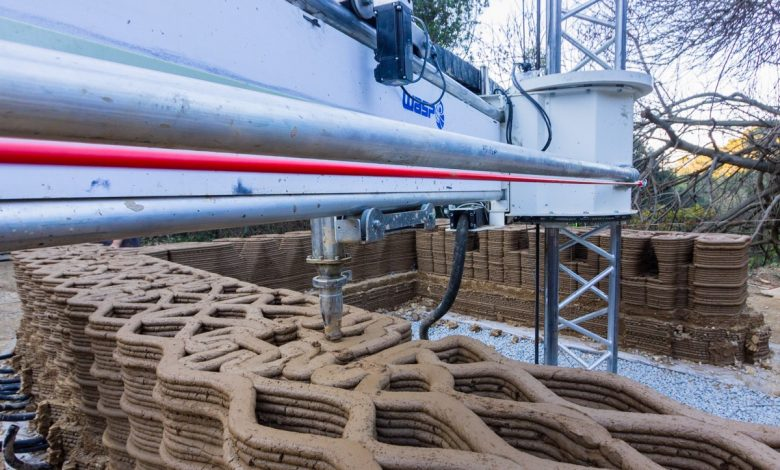
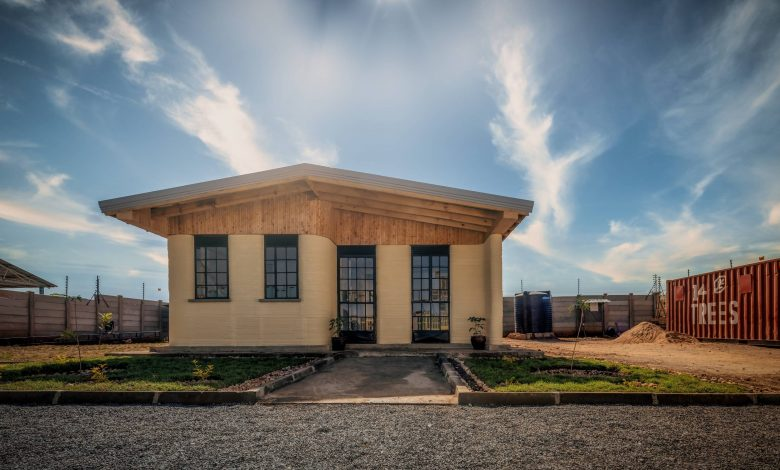
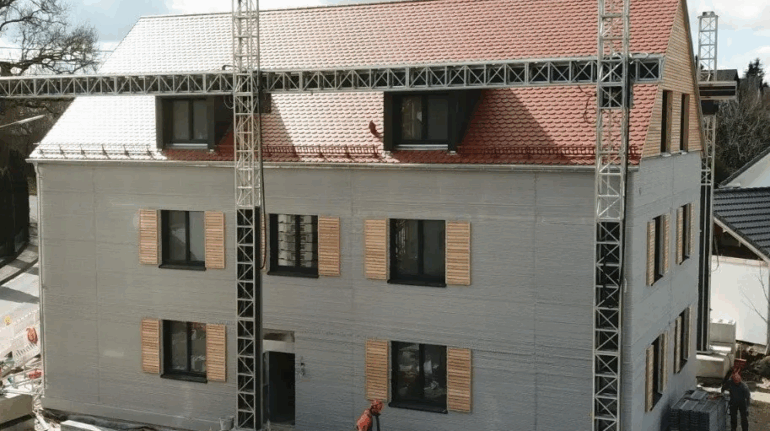
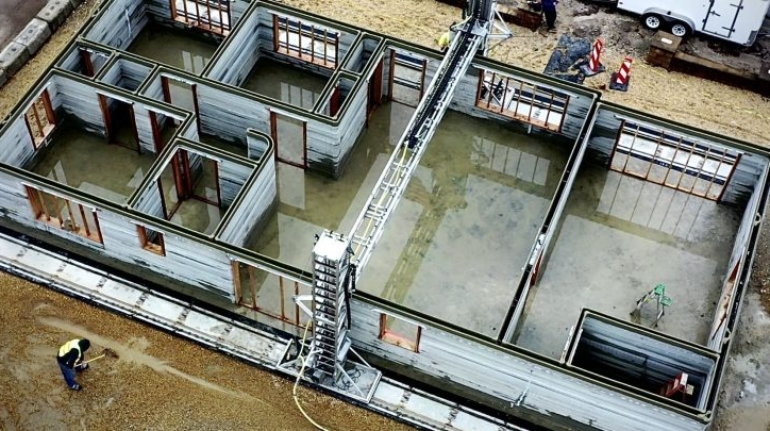
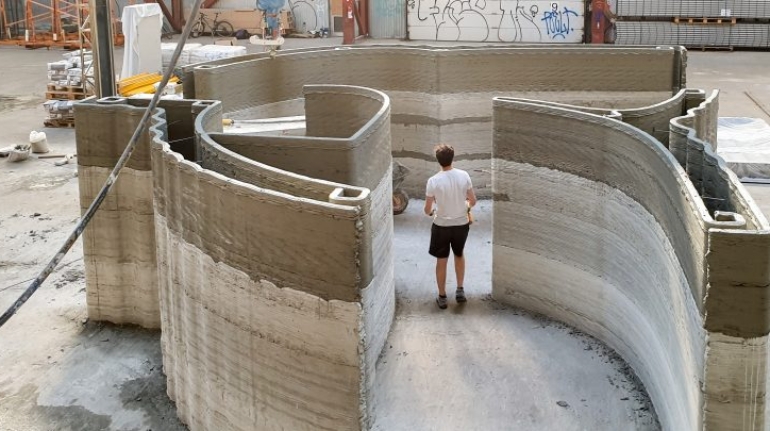
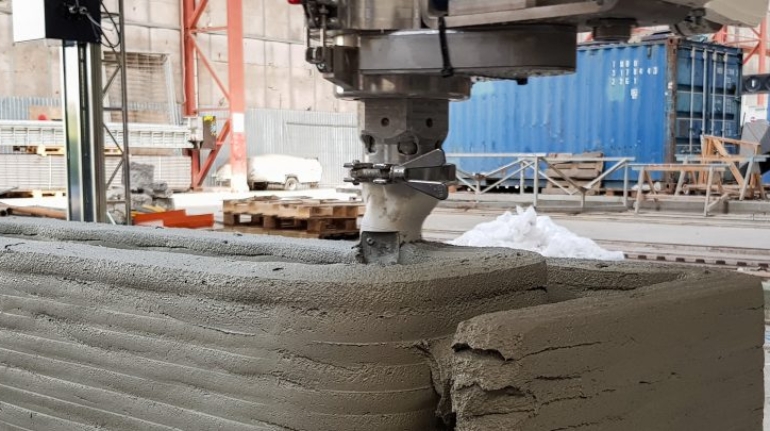
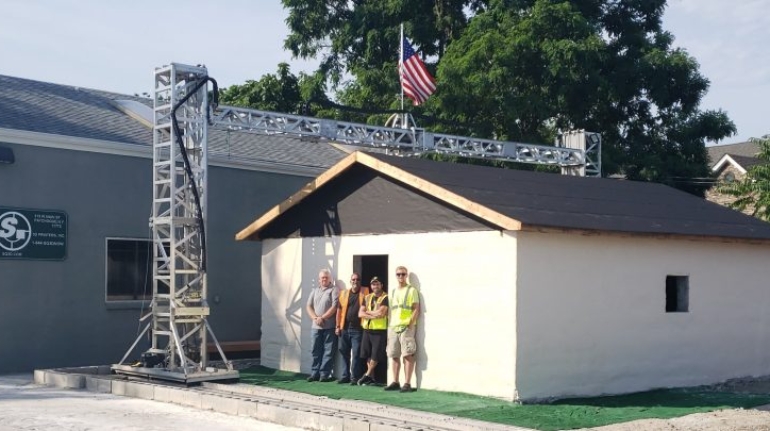
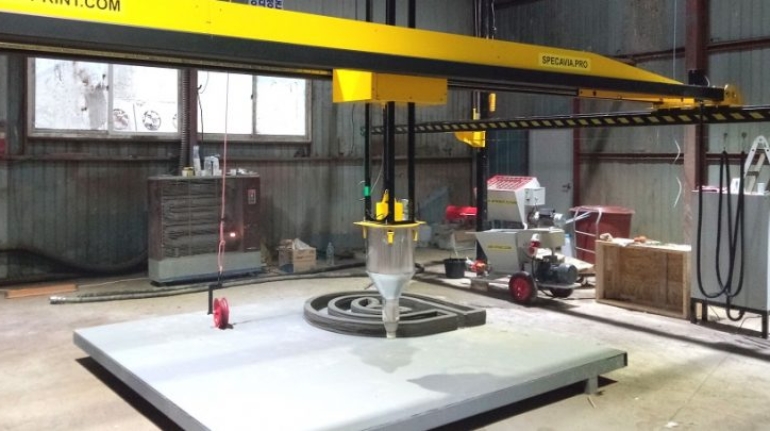
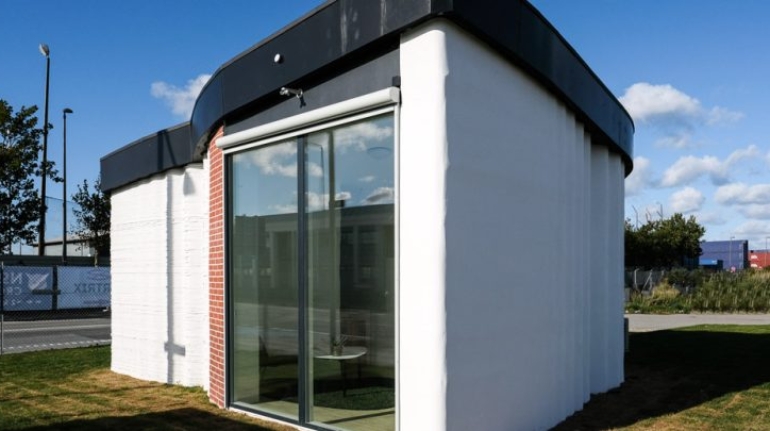
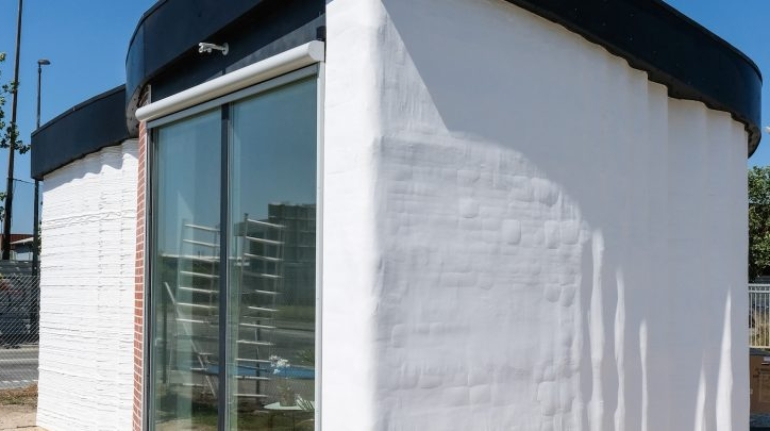
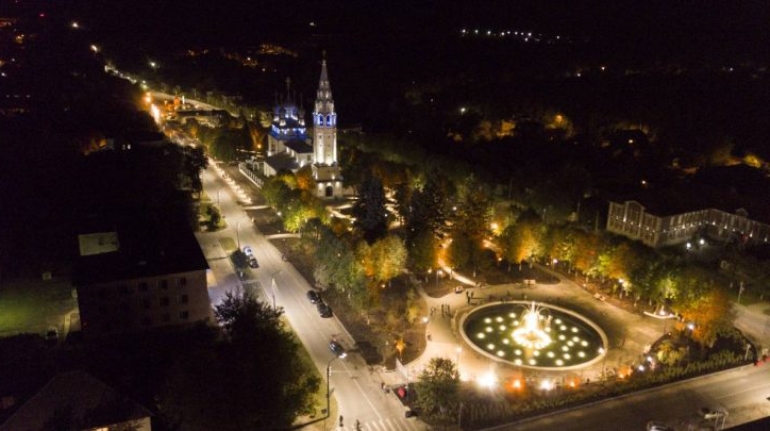
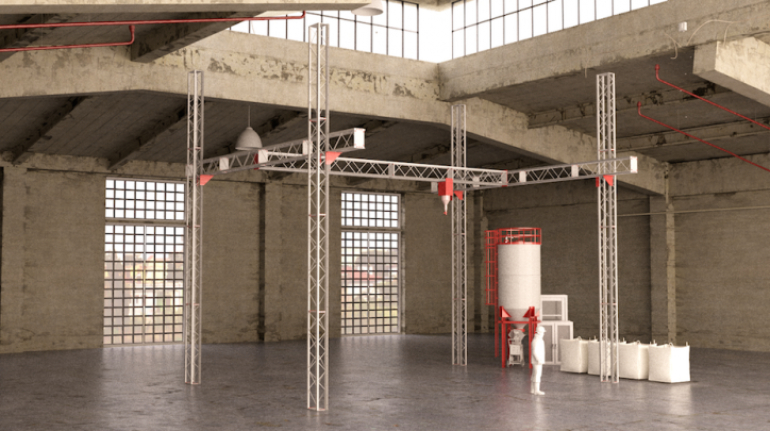
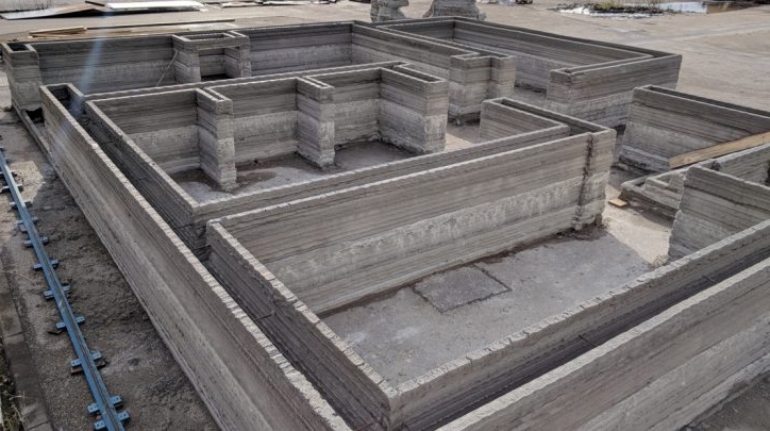
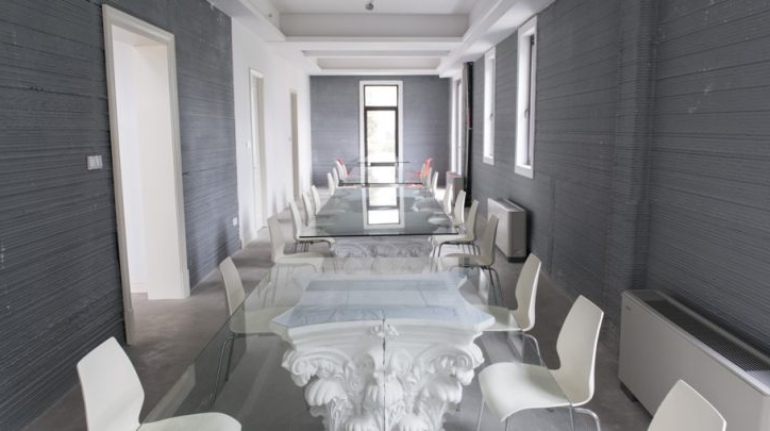
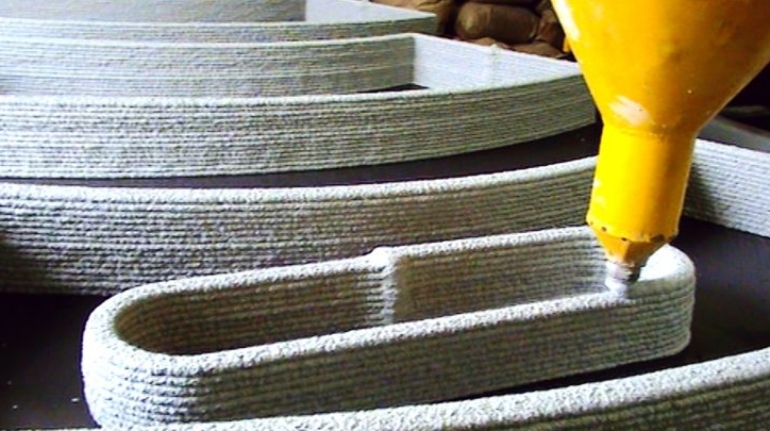
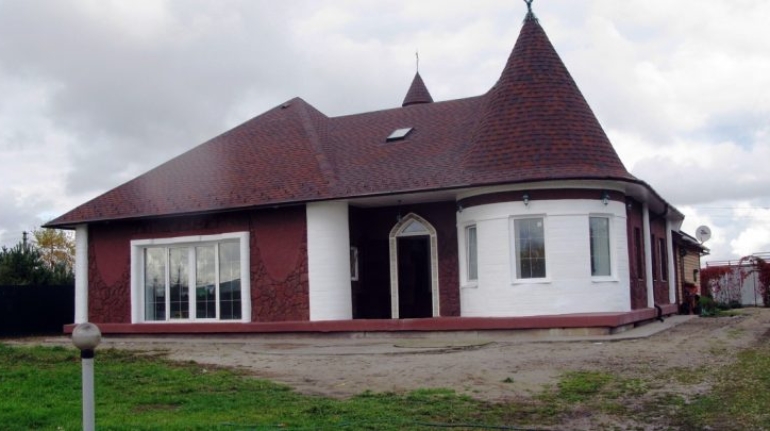
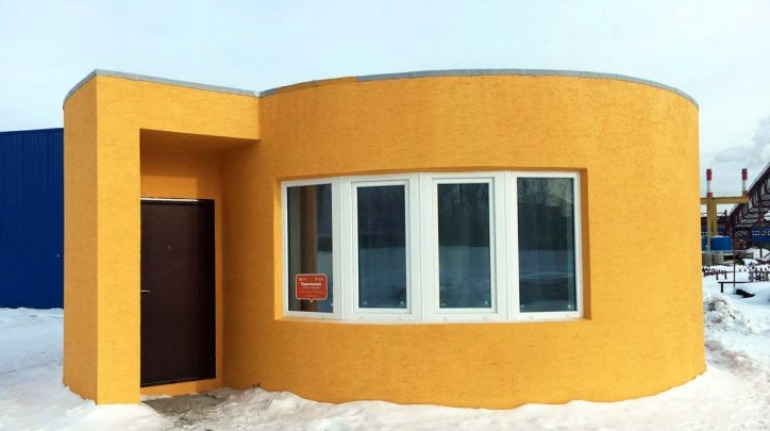
Our friends and media partners at 3D Today, the leading 3D printing news website in Russia, are exclusively reporting on the first residential house in Europe and the CIS, that was just built in Yaroslavl (Russia) using AMT-SPECAVIA’s 3D construction printing technology. 3D construction printing consists of creating the 3D model on the computer, dividing the model into layers in cross section, layer-by-layer extrusion of the cement-based mixture in accordance with the model, solidifying of the material until the completion of the object.
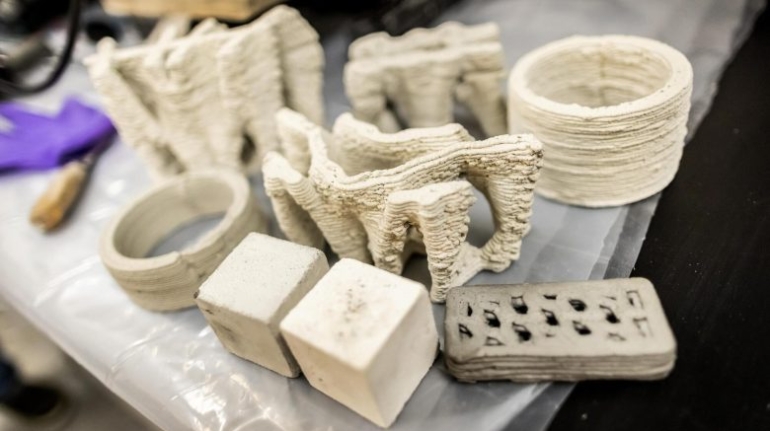
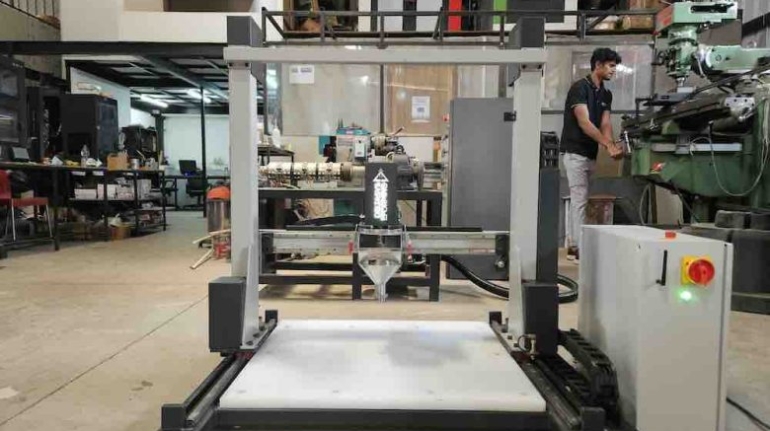
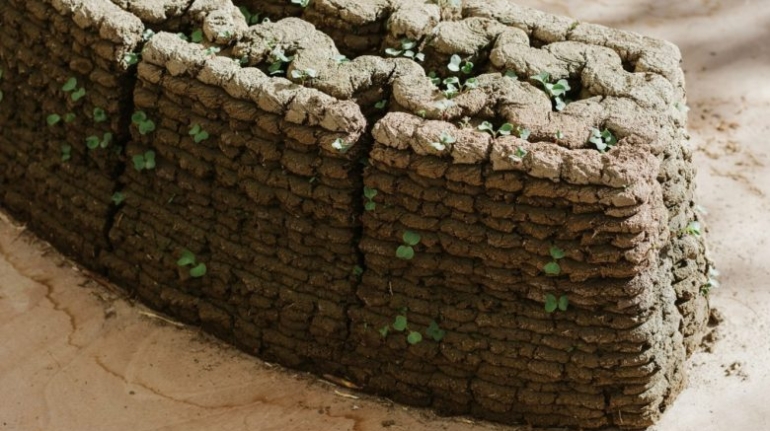
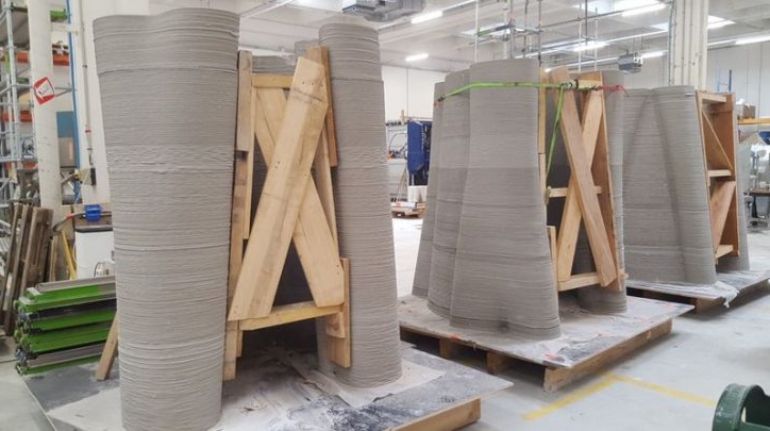
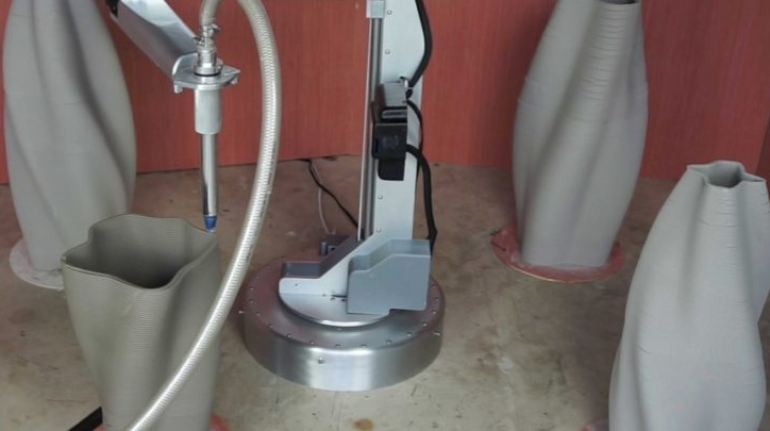
3D printing innovators, 3D Potter and Emerging Objects, have joined forces to introduce a new innovation in robotic ceramic/paste extrusion additive manufacturing technology. Called the Potterbot XLS-1, the printer represents a huge leap in innovation, with build dimensions and speeds that facilitate llarge-scaleprinting as well as multiple object manufacturing.
The latest edition to PAMM’s dining program, STARR Catering Group introduces Cucuyo, a fusion of art ...
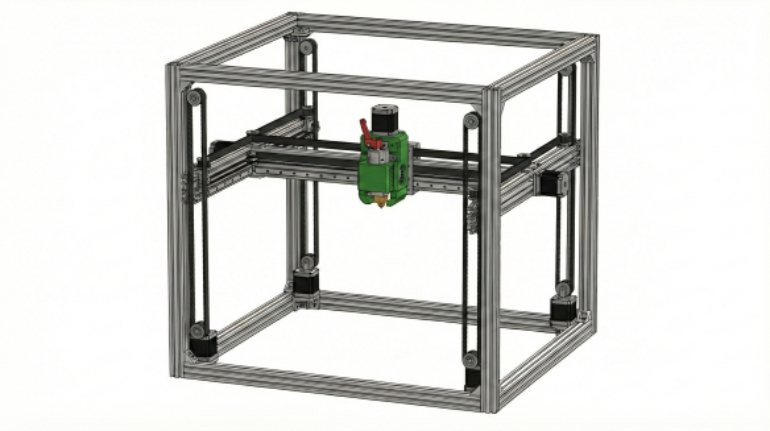
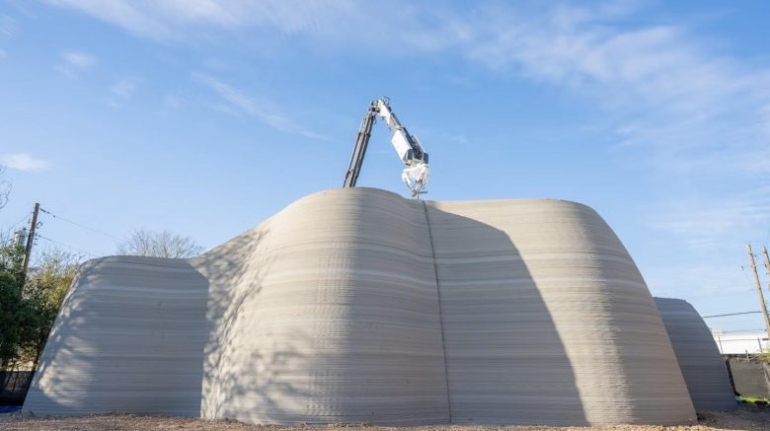
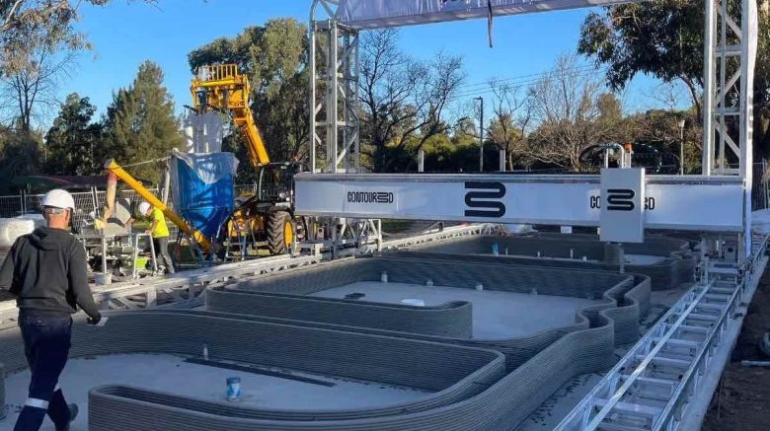
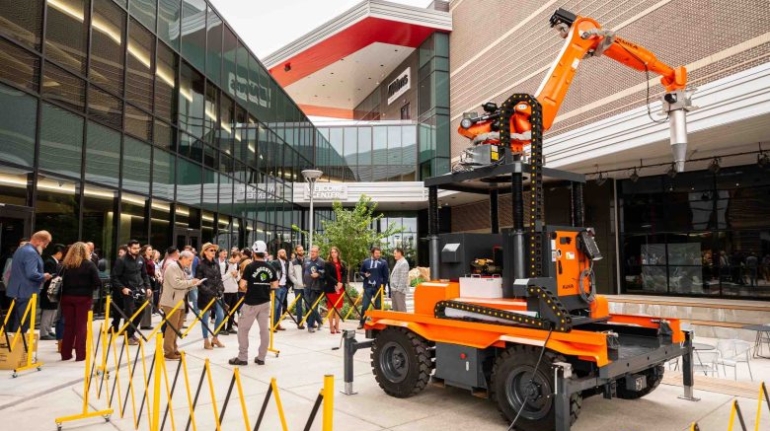
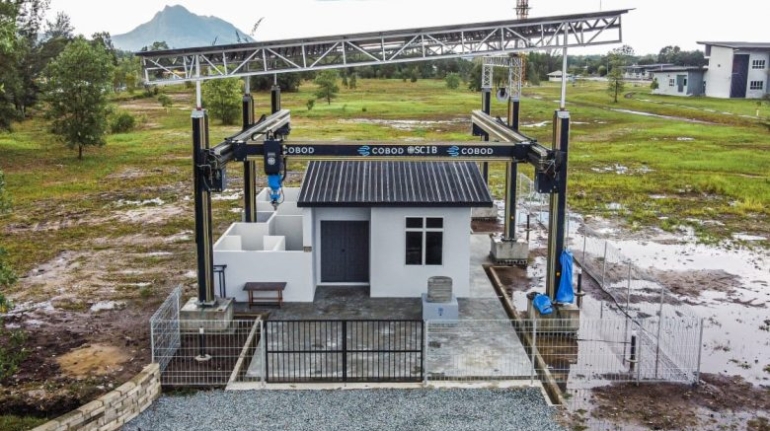
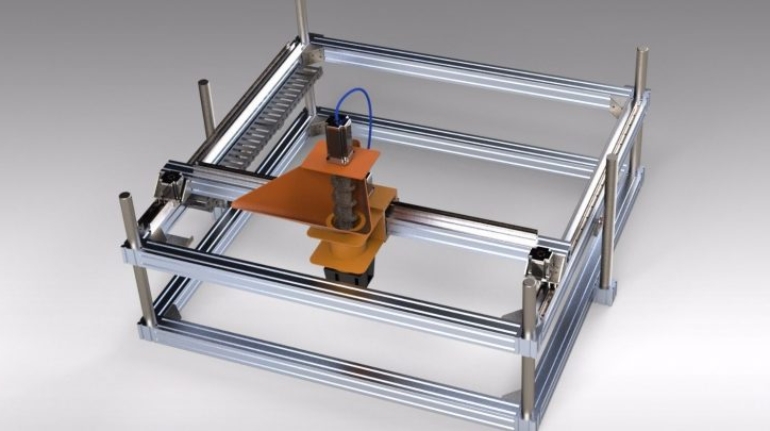
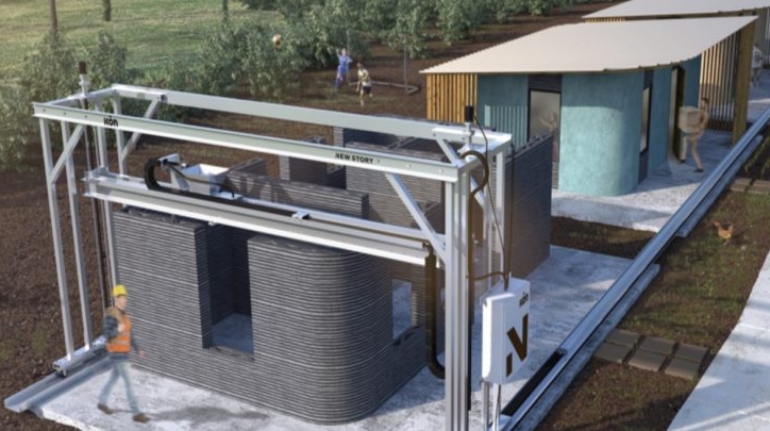
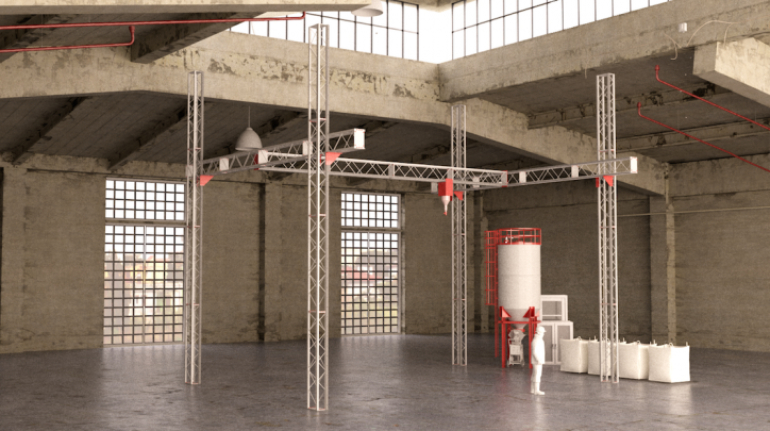
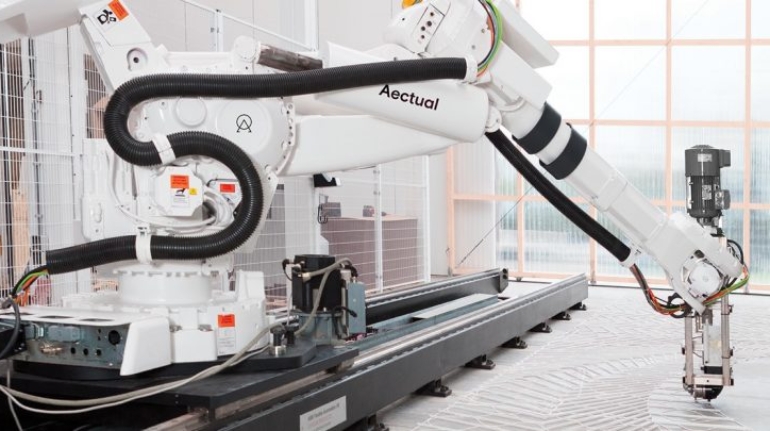
The Cazza X1 is a 3D printing robot used to build houses, villas, shelters, warehouses, prefab modules, commercial buildings and free-standing structures up to 5m in height. Cazza robots can reduce the time and cost of building by traditional methods. In the case of constructing a 2000 square foot two story house, it would take 8 days and be up to 30% more cost effective in comparison to traditional build methods.
Apis Cor, the parent company of a Skolkovo resident startup that uses 3D printing to construct buildings, has raised about $6 million in investment from the Rusnano Sistema Sicar venture fund, the Vedomosti newspaper reported Thursday. Apis Cor made headlines and received global media coverage for its efficient and scalable construction 3D printing business.
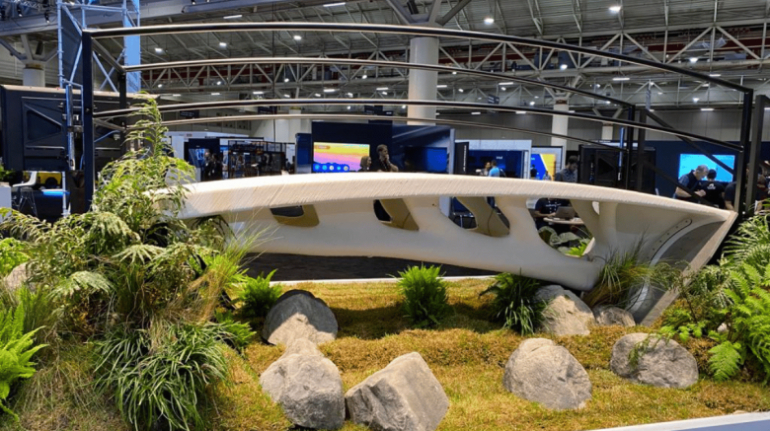
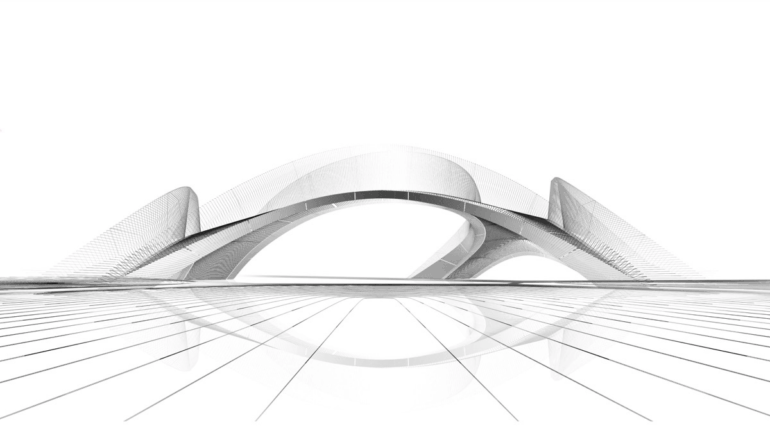
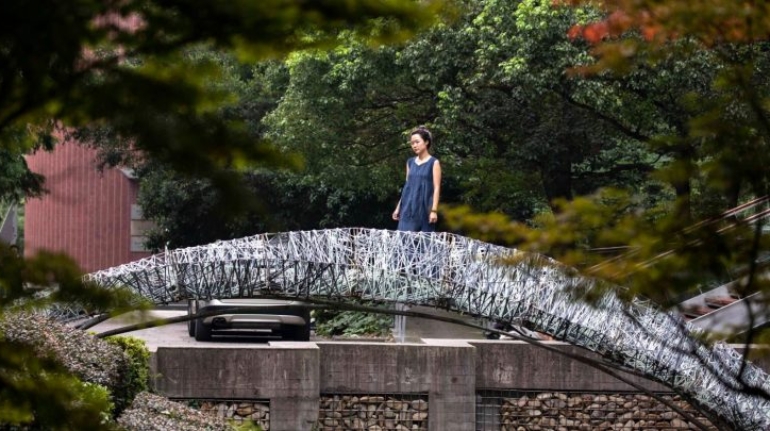
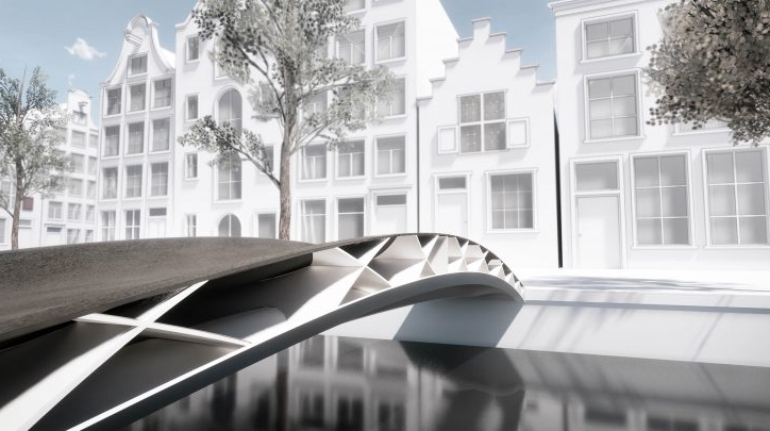
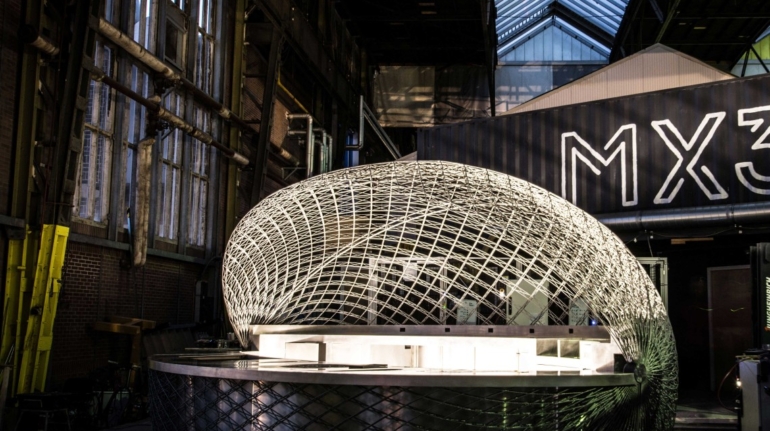
With close to a third of the bridge printed, Dutch design studios MX3D are well on track to be finished printing in early 2018 as programmed (see timeline below). By now, the company working on the bridge designed by Joris Laarman also mounted a robot directly on the bridge. Unlike so many high-profile 3D printing projects that clash with physical impossibilities, the first generatively designed, metal 3D printed bridge looks like it is going to become reality (and no, you cannot buy it).
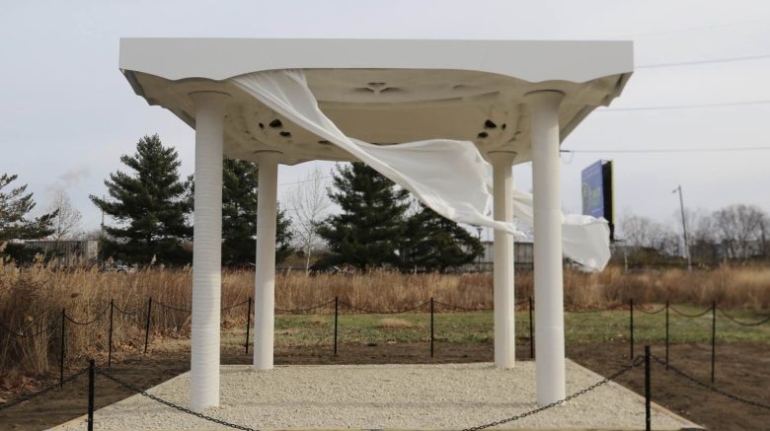
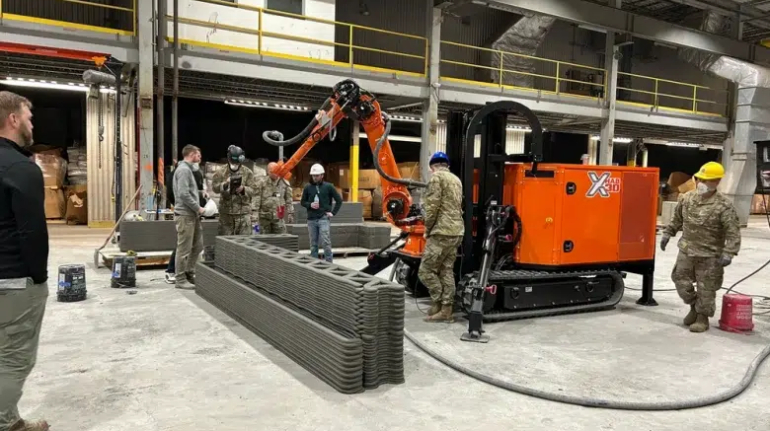
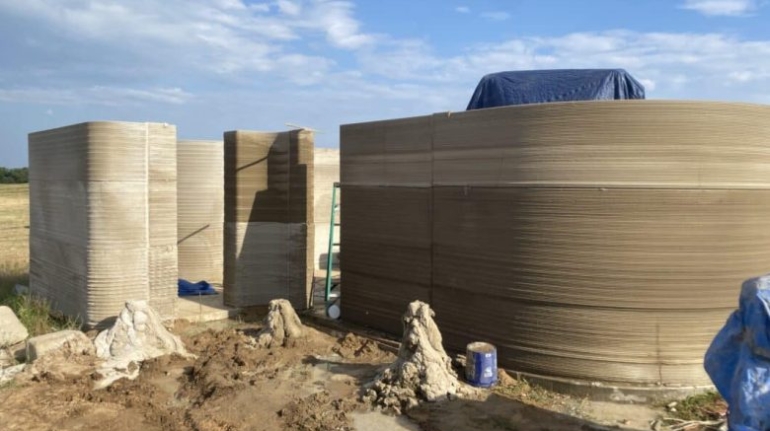
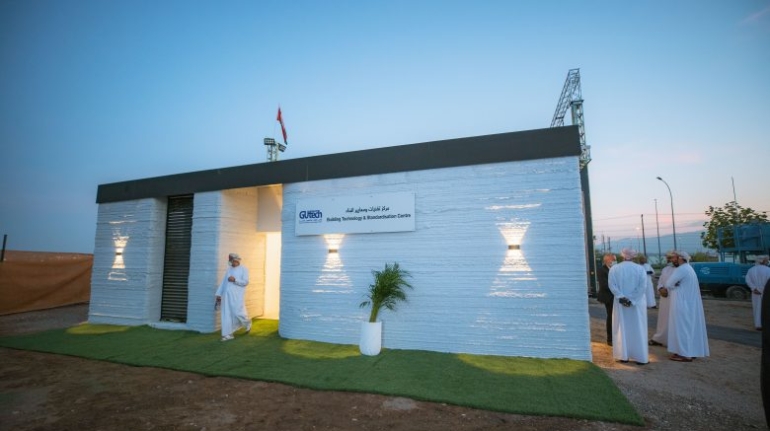
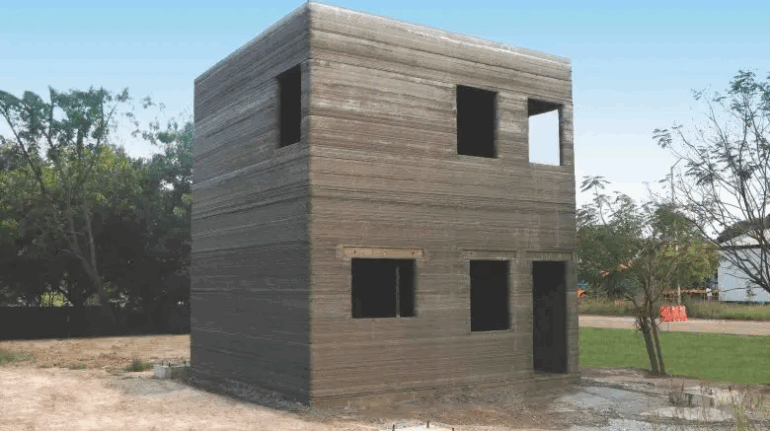
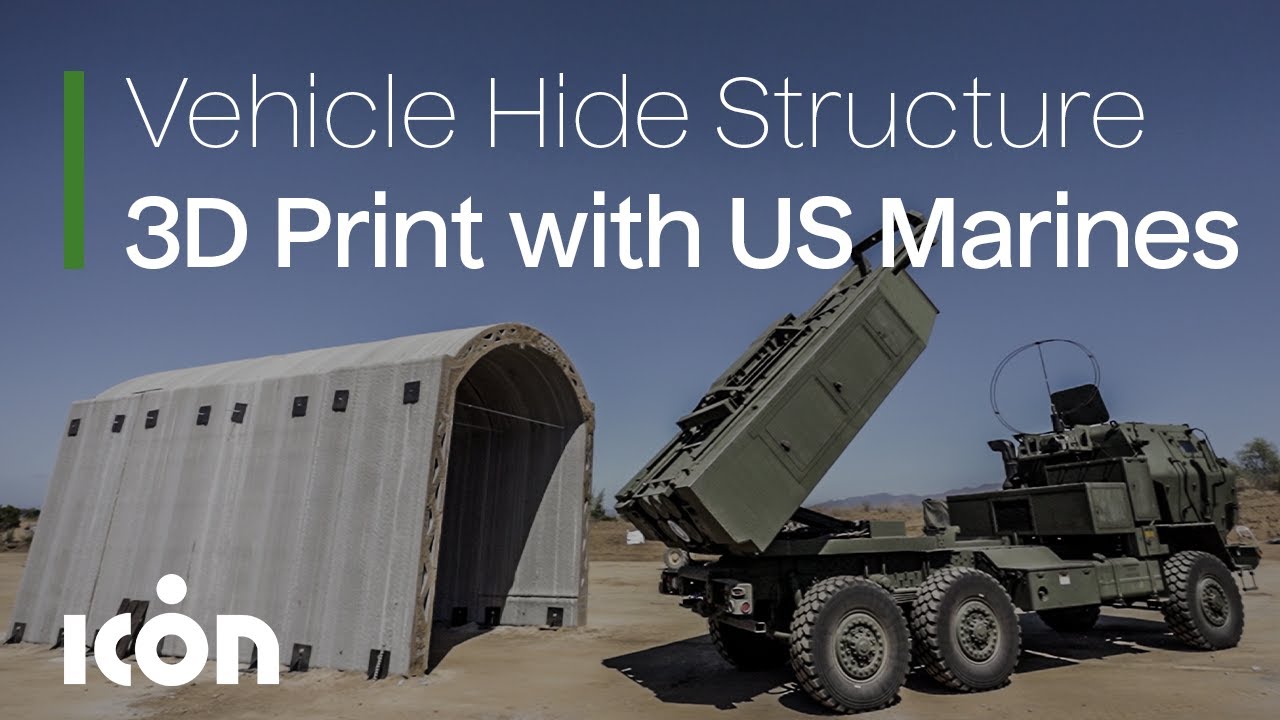
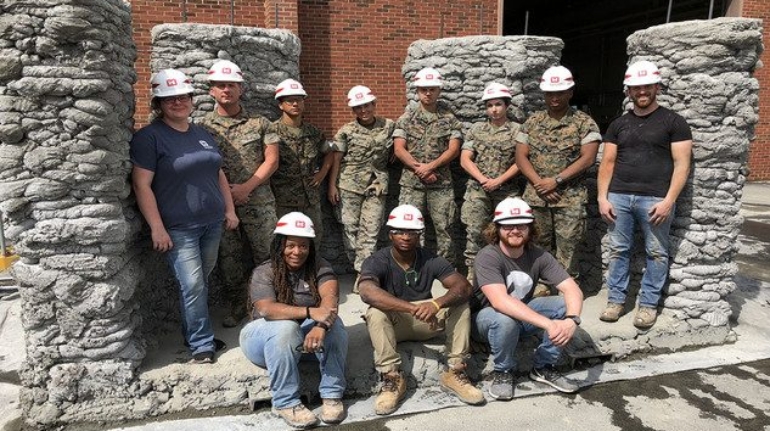
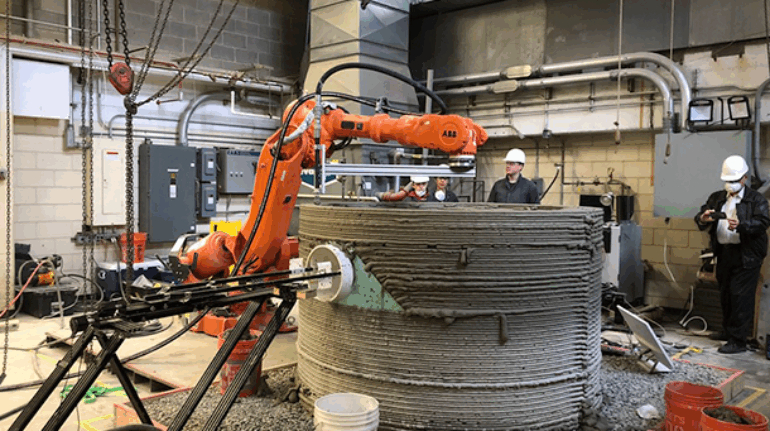
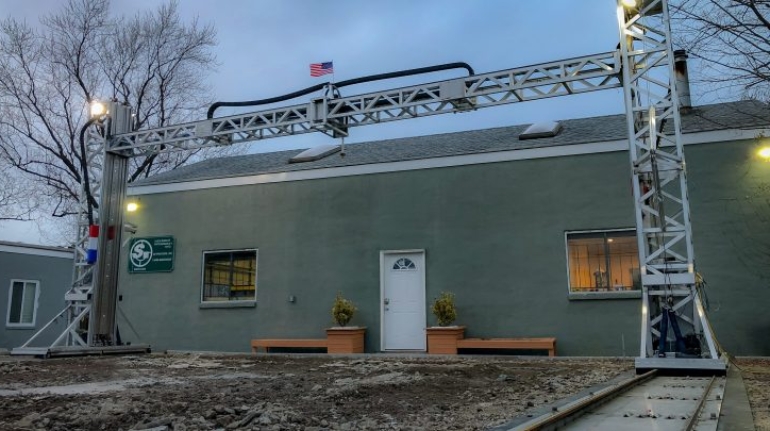
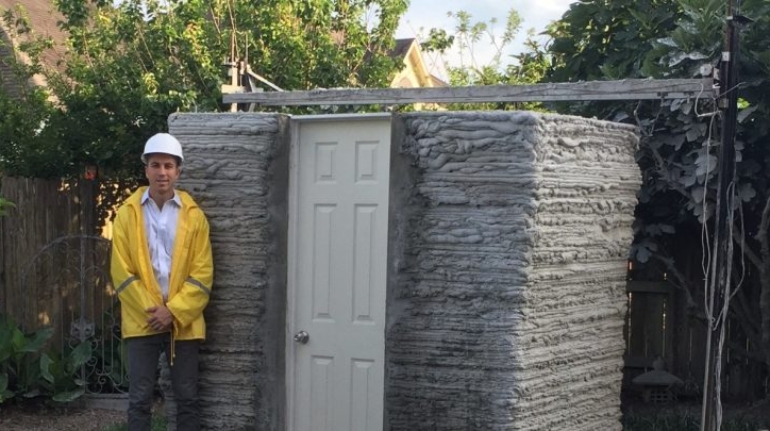
The Construction Engineering Research Laboratory in Champaign, Illinois, has successfully three-dimensionally printed a 512 square-foot concrete structure. The structure, called a barracks hut or B-Hut, was printed as a result of a three year Army Program called ACES, “Automated Construction of Expeditionary Structures.” It uses an additive manufacturing process to “print” semi-permanent structures in a theater of operation. The ability to use concrete sourced from readily available materials reduces logistical requirements for the U.S. Army.
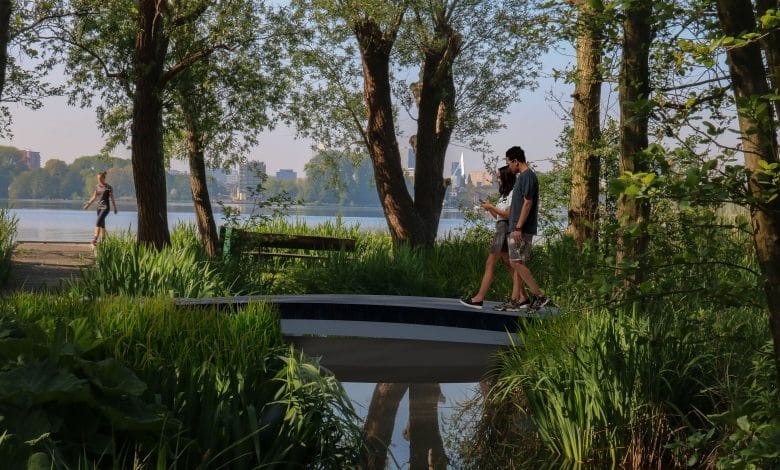
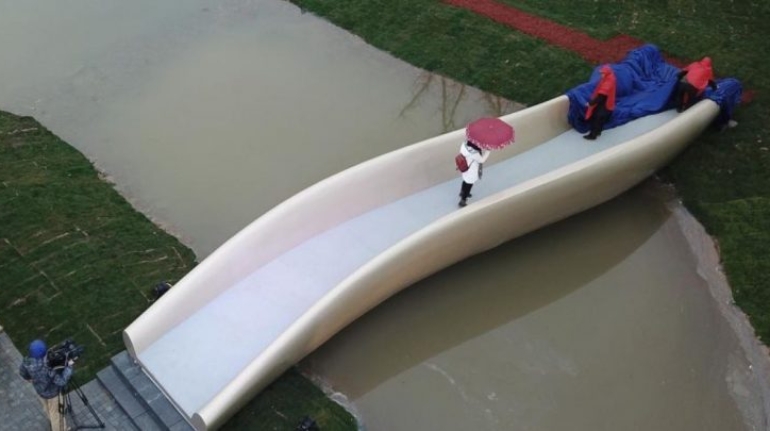
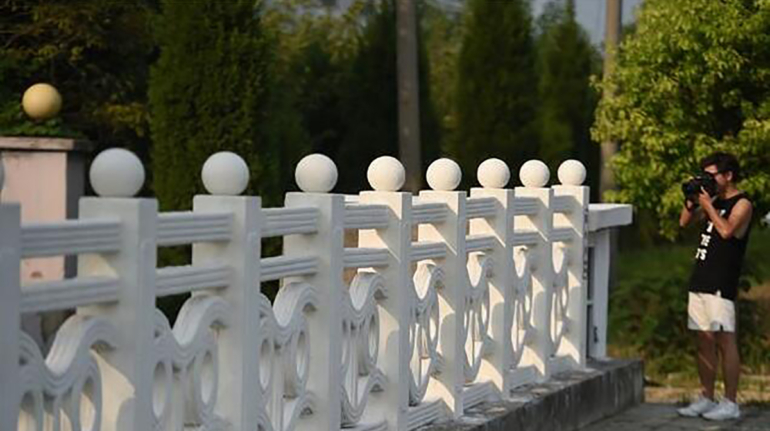
As reported by just about every Chinese 3D printing media, a bridge in the Chinese city of Nanjing was just completed with 3D printed railings, drastically reducing time and costs required for construction. According to an article on 3D Printing World, the railings were built by Nanjing Jiayi Precision Machinery Manufacturing Co., Ltd.
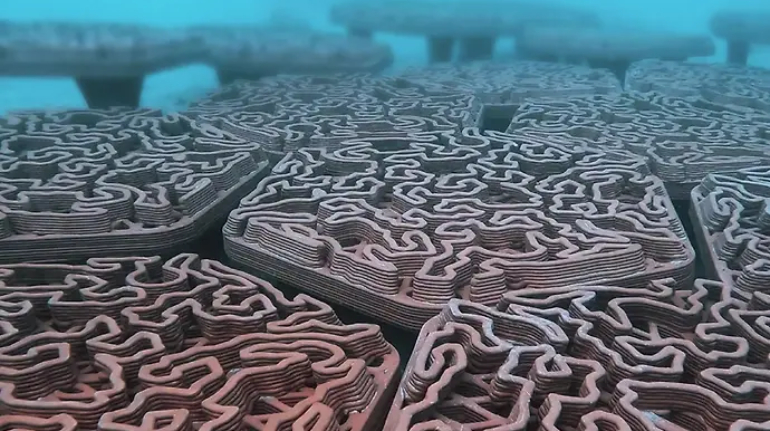
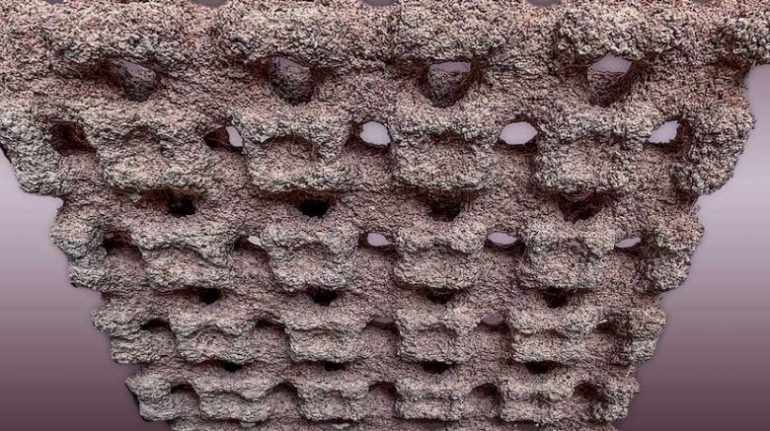
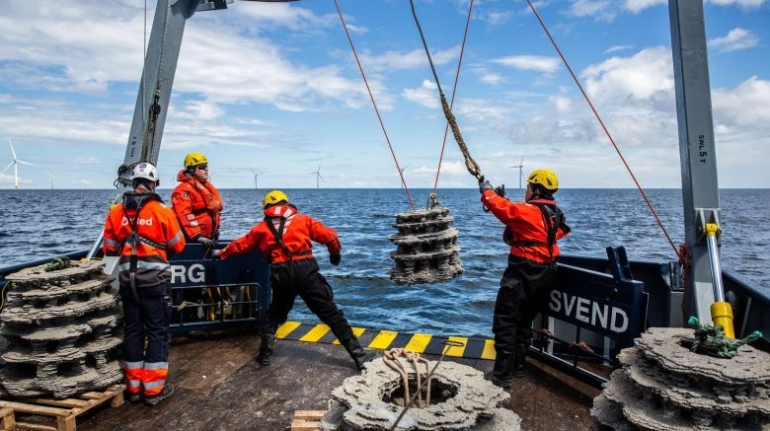
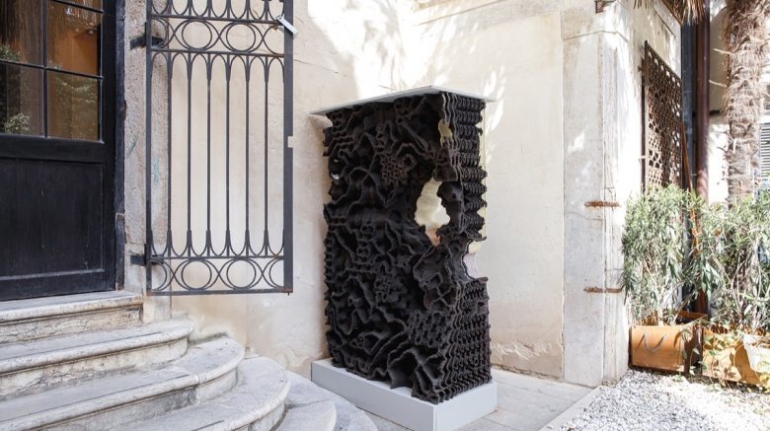
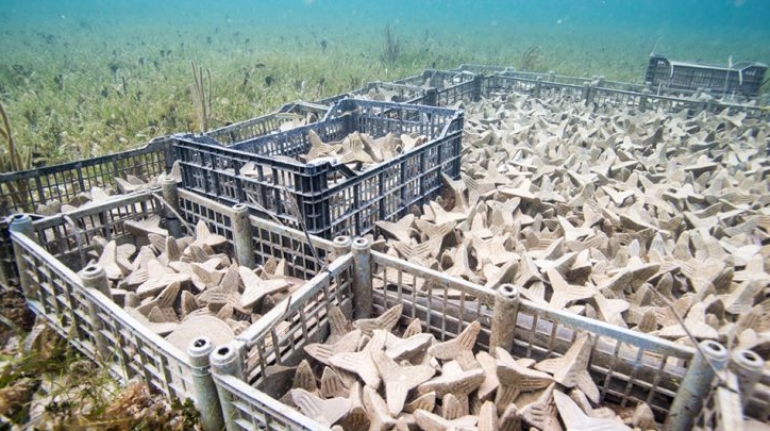
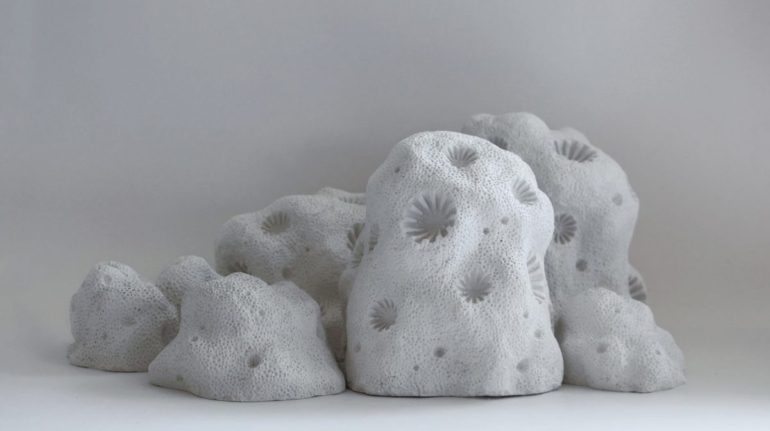
Coralise is a project by Jessica Gregory which aims to irradiate juvenile coral mortality (99%). The substrates are a unique ceramic material made of calcium carbonate from coral skeletons. This, along with its carefully designed organic form, attracts the coral larvae.