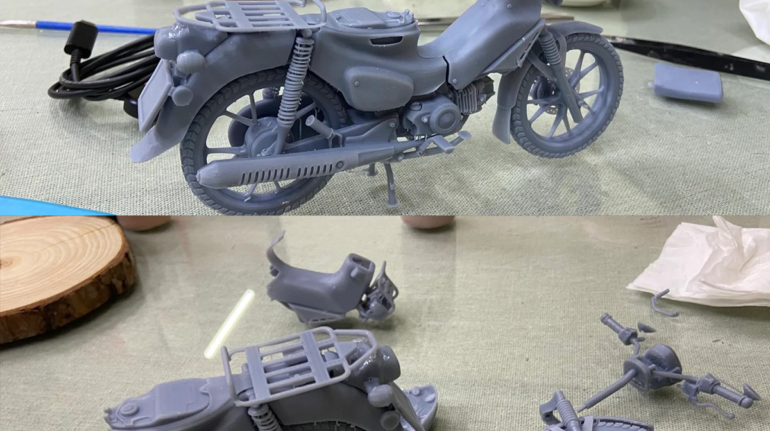
3D Printing and Motorcycles: From Miniature Models to Real-World Mods
3D printing is reshaping the way motorcycle enthusiasts, designers, and manufacturers approach both ...

News and Insights of 3D Printing and Manufacturing
3D printing is reshaping the way motorcycle enthusiasts, designers, and manufacturers approach both ...
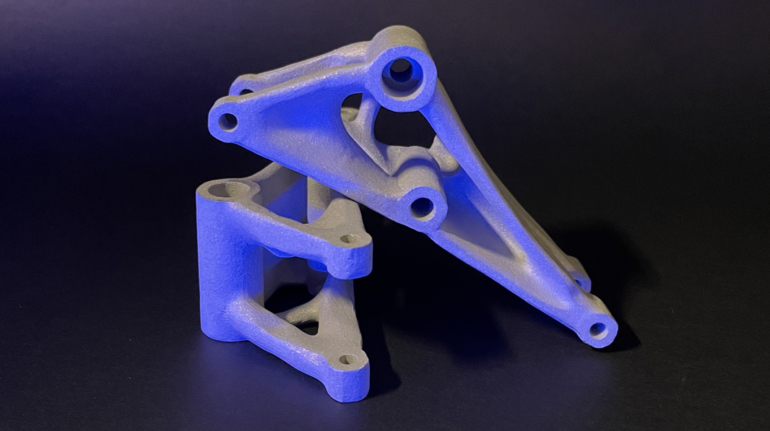
At FacFox, we're passionate about empowering engineers and designers to push the boundaries of what' ...

As anticipated by 3dpbm in July 2022, the Cadillac CELESTIQ, described by GM “as the most technologically advanced Cadillac ever”, features an impressive 115 3D printed parts in the production vehicle, demonstrating GM’s broadest use of this process. Additively manufactured parts include the steering wheel center, which is the largest metal part GM has printed in production, combining the show surface and the structural B-side of the part. Another 3D printed part is the seat belt adjustable guide loop, which is GM’s first safety-related 3D printed part.
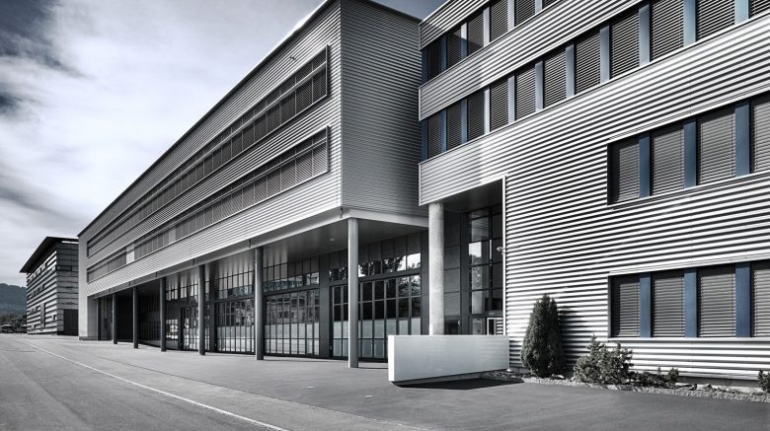
Sauber Motorsport will be the strategic partner of Audi’s F1 program as per a new agreement signed by Audi AG and the Sauber Group. Audi AG also plans to acquire a stake in the Sauber Group, which means that the company will likely be able to leverage Sauber Technologies’ state-of-the-art AM facility in Switzerland.
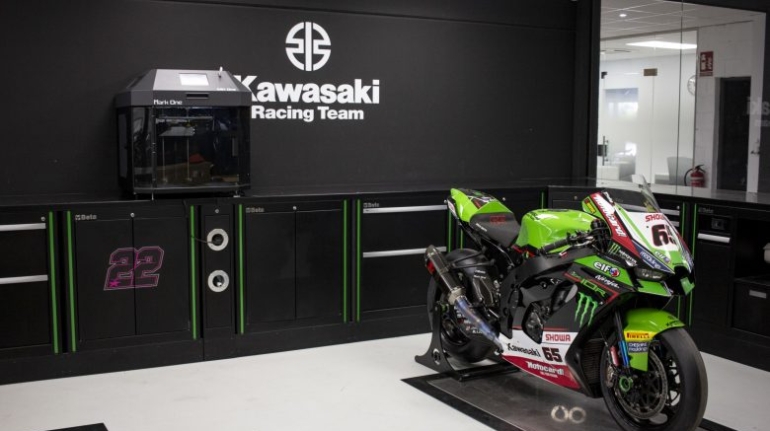
Mark One, an Italian company that creates customizable professional 3D printers, and the Provec Kawasaki Racing Team (KRT) have renewed their technical partnership for the 2022 WorldSBK racing season. The KRT currently leads the field with more than 500 podium finishes, thanks to the efforts of six-time World Superbike champion Jonathan Rea and teammate Alex Lowes.
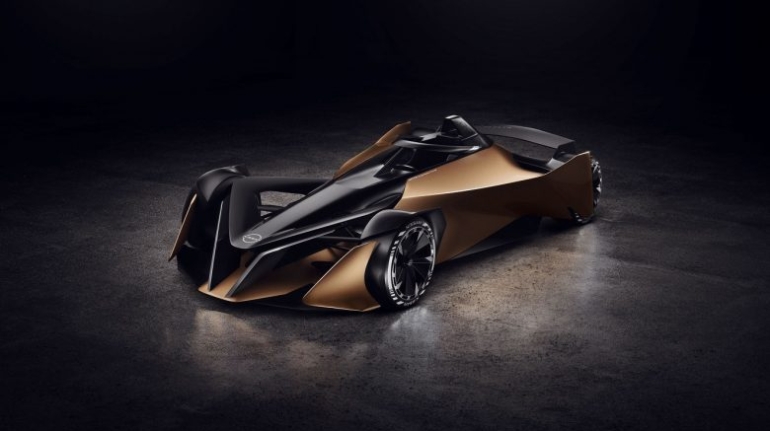
Back in December last year, Nissan unveiled its Ariya single-seater concept car using the powertrain of the all-electric Ariya SUV. The development of the ground-breaking, bespoke, single-seater car chassis, with its futuristic and sleek appearance, showed what a fully electrified performance motor could look like.
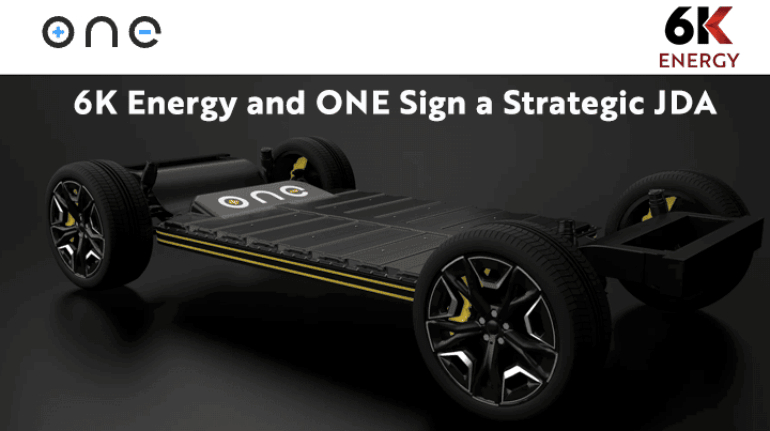
6K Energy, a division of 6K, a leader in the sustainable production of engineered materials for lithium-ion batteries and additive manufacturing produced from its UniMelt plasma technology, has signed a joint development agreement with Our Next Energy (ONE) to develop and produce the critical battery material that ONE will use in their Gemini and Aries battery platforms. The agreement strengthens the procurement of domestically produced electric vehicle batteries for automotive OEMs manufactured by ONE, made with battery materials produced locally by 6K Energy. Both organizations are focused on supplying the industry with domestically-sourced batteries and battery materials while also lowering the environmental impact associated with traditional production technologies.
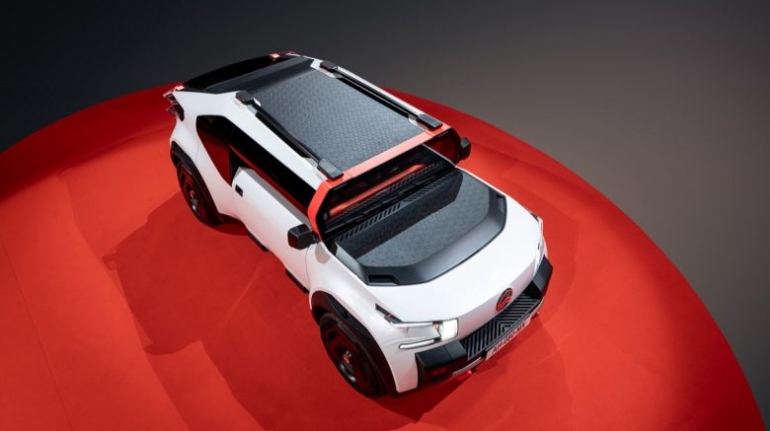
It’s no longer about the fastest or most luxurious car. Citroën and BASF have unveiled an all-electric concept car oli [all-ë], as a manifesto on how much can be saved by reducing weight and resource usage. “This concept car shows what can be achieved when partners trust one another and are bold enough to tread new paths,” explained Uta Holzenkamp, President Coatings, representing the automotive team at BASF. “The result is an entire microcosm of ideas and solutions that goes way beyond the original concept.”
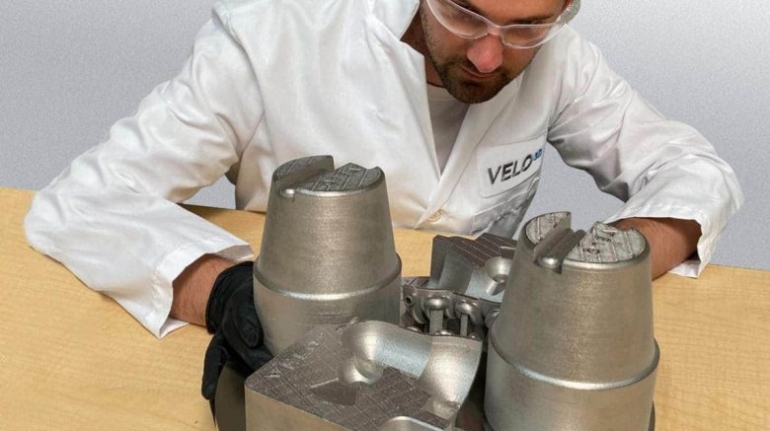
Velo3D, a leading metal additive manufacturing technology company for mission-critical parts, has qualified M300 tool steel, an ultra-low carbon alloy that delivers very high strength and hardness, for use in Velo3D’s Sapphire printers. Velo3D has already seen extensive interest in the alloy from automotive manufacturers for use in high-pressure die cast inserts, injection molding, and other types of tooling.
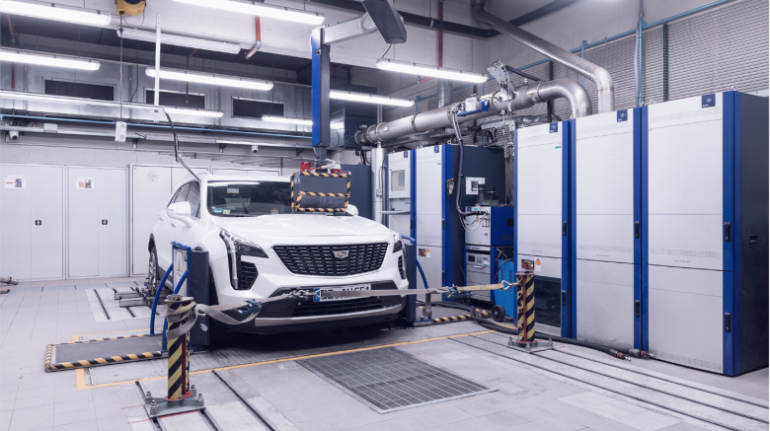
PUNCH Torino and Roboze, both at the forefront of the additive manufacturing sector, have signed a partnership agreement that will see the pair work towards accelerating the industrialization of 3D printing in the automotive and marine sectors.

Formula One team McLaren Racing is responding to the FIA’s tighter vehicle production time and budget limits by 3D printing tens of thousands of parts with the large Neo 800 stereolithography 3D printers from Stratasys.

Hyliion Holdings Corp., a leader in electrified powertrain solutions for Class 8 semi-trucks, has entered into a definitive agreement to acquire a new hydrogen and fuel agnostic capable generator (“KARNO”) from GE Additive – part of GE – a world leader in metal additive technologies and manufacturing.

Czinger Vehicles has revealed for the first time two pathbreaking never-before-seen additions to its line-up at The Quail during Monterey Car Week: the 21C V Max and Hyper GT. The company is known for its pioneering and extensive use of additive manufacturing and unique digital workflow in producing its cars’ frames.

Aston Martin has chosen the 2022 Monterey Car Week to unveil the spectacular DBR22 for the first time: a V12-engined two-seater coach-built design concept, celebrating the marque’s extraordinary bloodline of open-cockpit sports racers. Among other key innovations, the DBR22 features a 3D printed rear subframe.
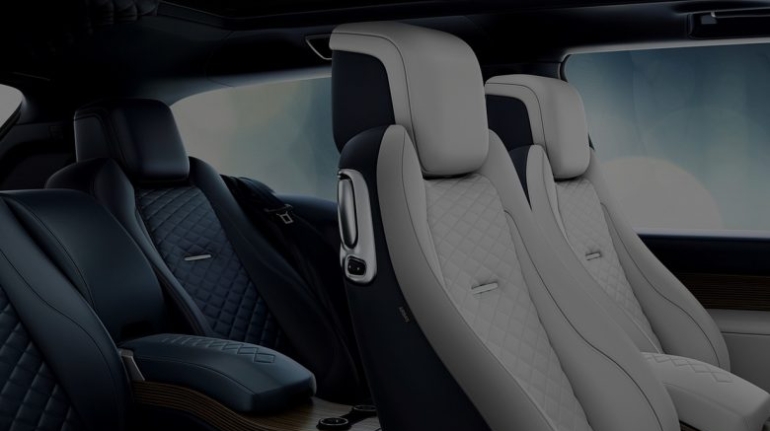
Automotive Trim Developments (ATD), a group of companies focused on the engineering and manufacture of complete interior trim and electro-mechanical assemblies to the automotive and other transport industries, has installed two EOS M 290 metal 3D printers.

Sakuu Corporation, developer of the world’s first rapid printed battery, today announces that its first-generation non-printed lithium metal battery has achieved continuous 3C discharge rate under extensive testing, marking yet another achievement on the road to mass 3D printed solid state batteries.
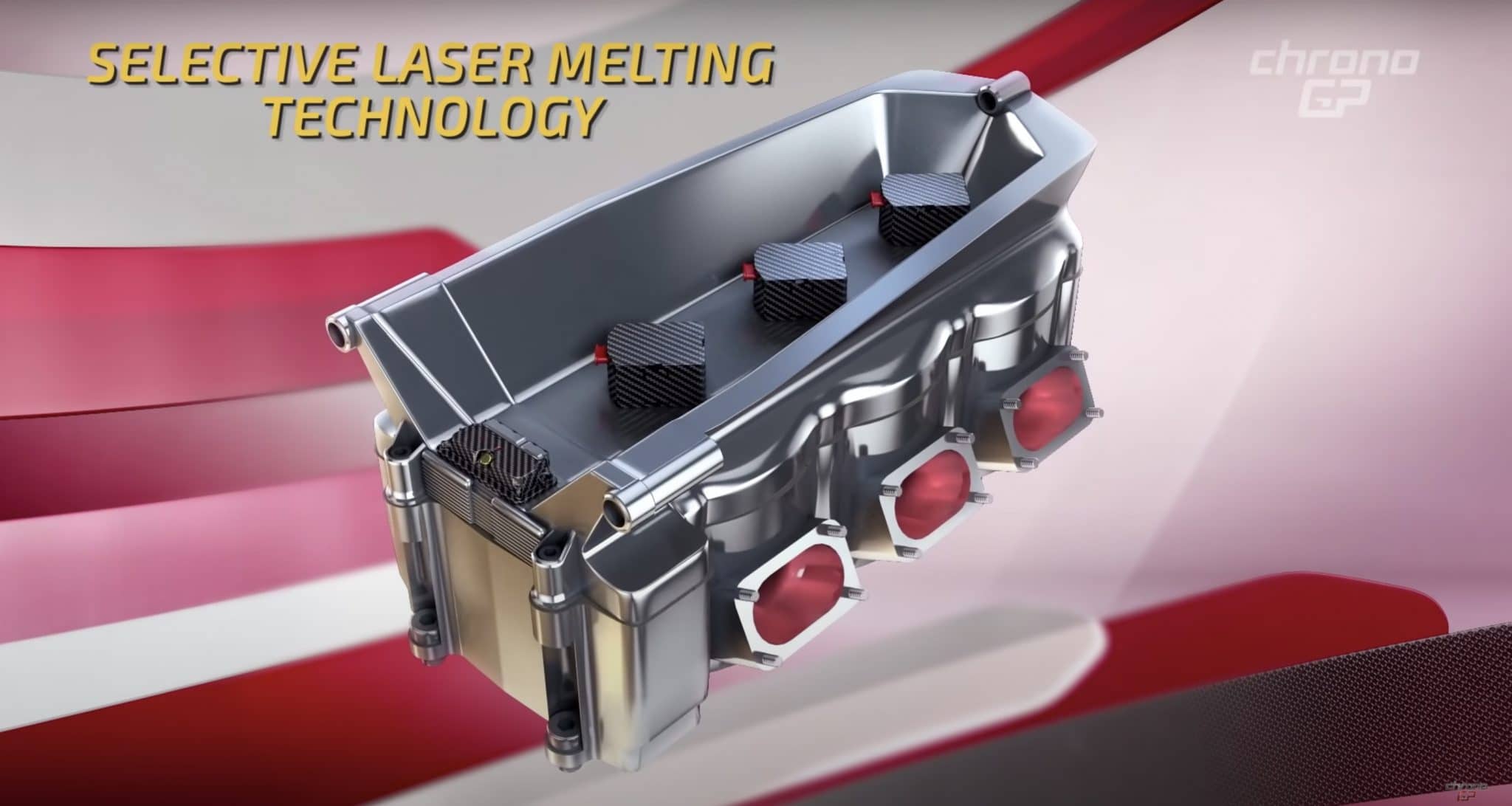
We have been arguing on these pages that the incredible dominance of Mercedes in Formula 1 for the past decade was due in part to the team’s ability to heavily implement AM for both development and optimized parts (and we’ve had sources confirm this). We’ve also argued that Scuderia Ferrari’s failures during the past decade were due to the team’s reticence in adopting AM technology, especially in terms of reliability. Things seem to be turning around with the 066/7 power unit of the new F1 75 car for the 2022 season.
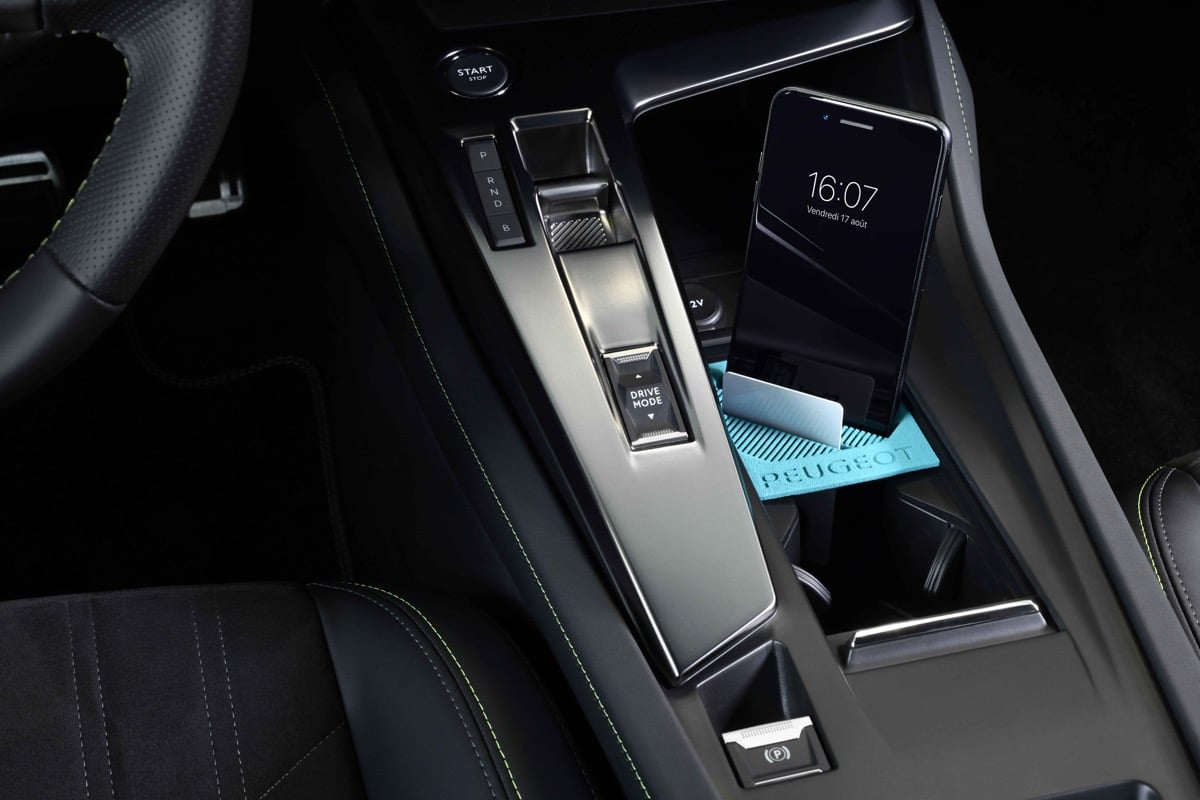
The Stellantis group has been eyeing 3D printing for some time, especially through the activities of its French PSA (which includes PEUGEOT and Citroën) component. PSA has made deals with Divergent 3D and introduced experimental printed parts – even metal ones, – for Citroën cars. The Italian-Amerian side of the company, FCA, has been working on prototyping for over two decades, with the famous example of the Alfa Giulia’s front grill. More recently the company has been working with MJF technology for production components on its Jeep branded cars and other long-term conceptual projects. Now it’s all coming together with commercial MJF 3D printed accessories for the PEUGEOT 308.
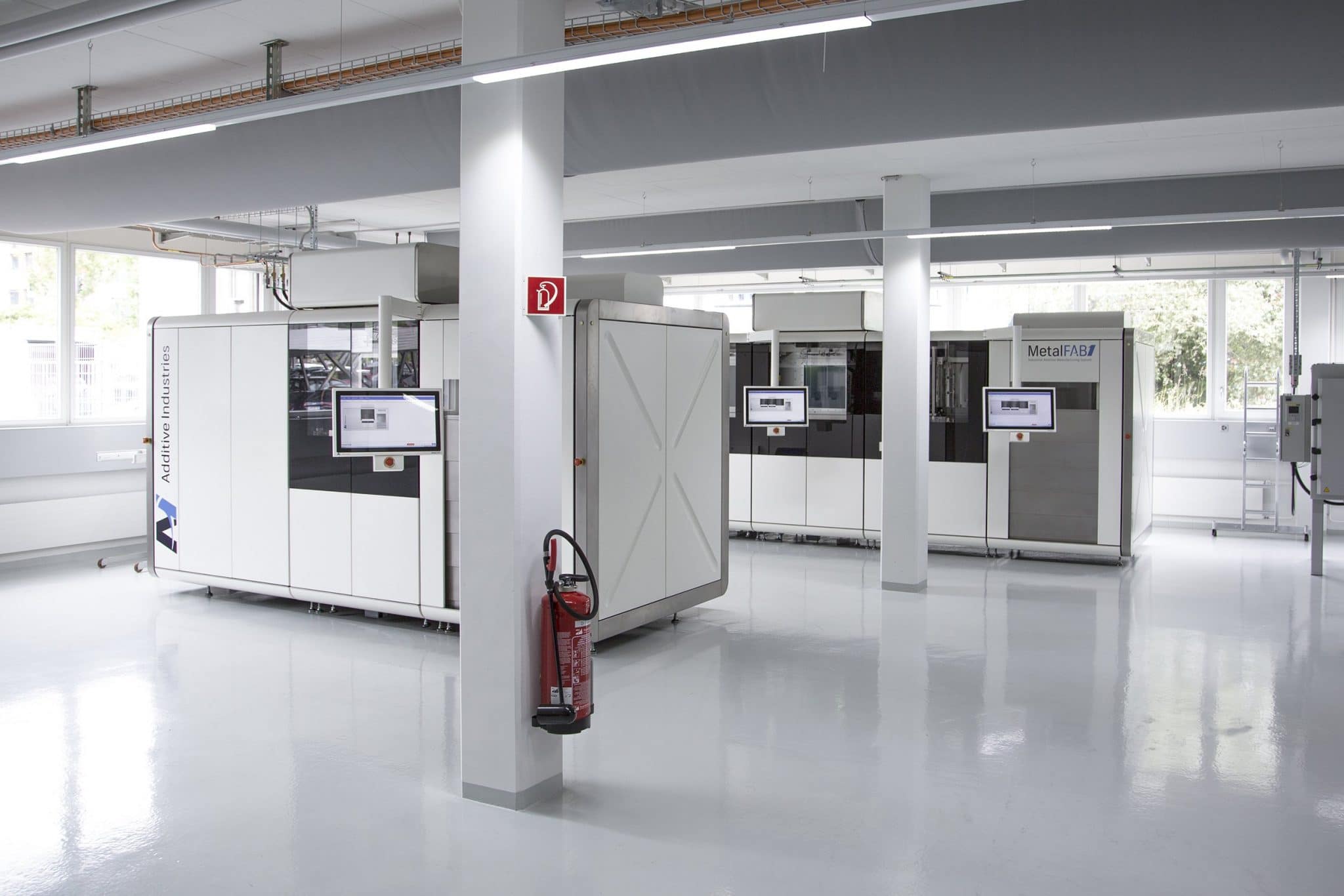
Sauber Technologies has extended its technology partnership with metal additive manufacturing leader, Additive Industries for a further three years. Sauber Technologies has been using Additive Industries’ MetalFAB platform for metal additive manufacturing (AM) since 2017, with a current count of four systems in-house as the company embarks on new, ambitious projects for third-party customers. Sauber Technologies is also part of the same group as Alfa Romeo F1 Team ORLEN.
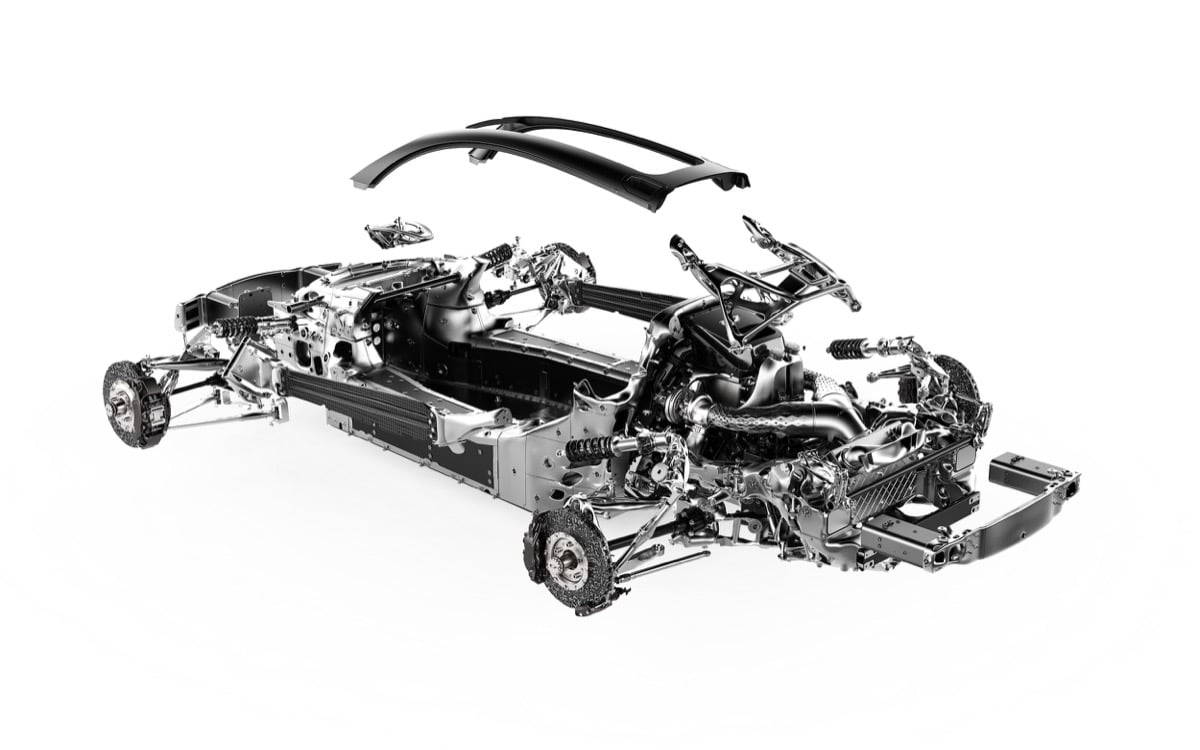
Czinger Vehicles is expanding its global reach, with H.R. Owen as its first international retail partner and exclusive Czinger dealer in the U.K. The alignment opens up the European market to the Los Angeles-based automotive brand as sales begin for its first production car, the pathbreaking 21C, a marvel of modern engineering which integrated dozens of 3D printed parts in its body structure.
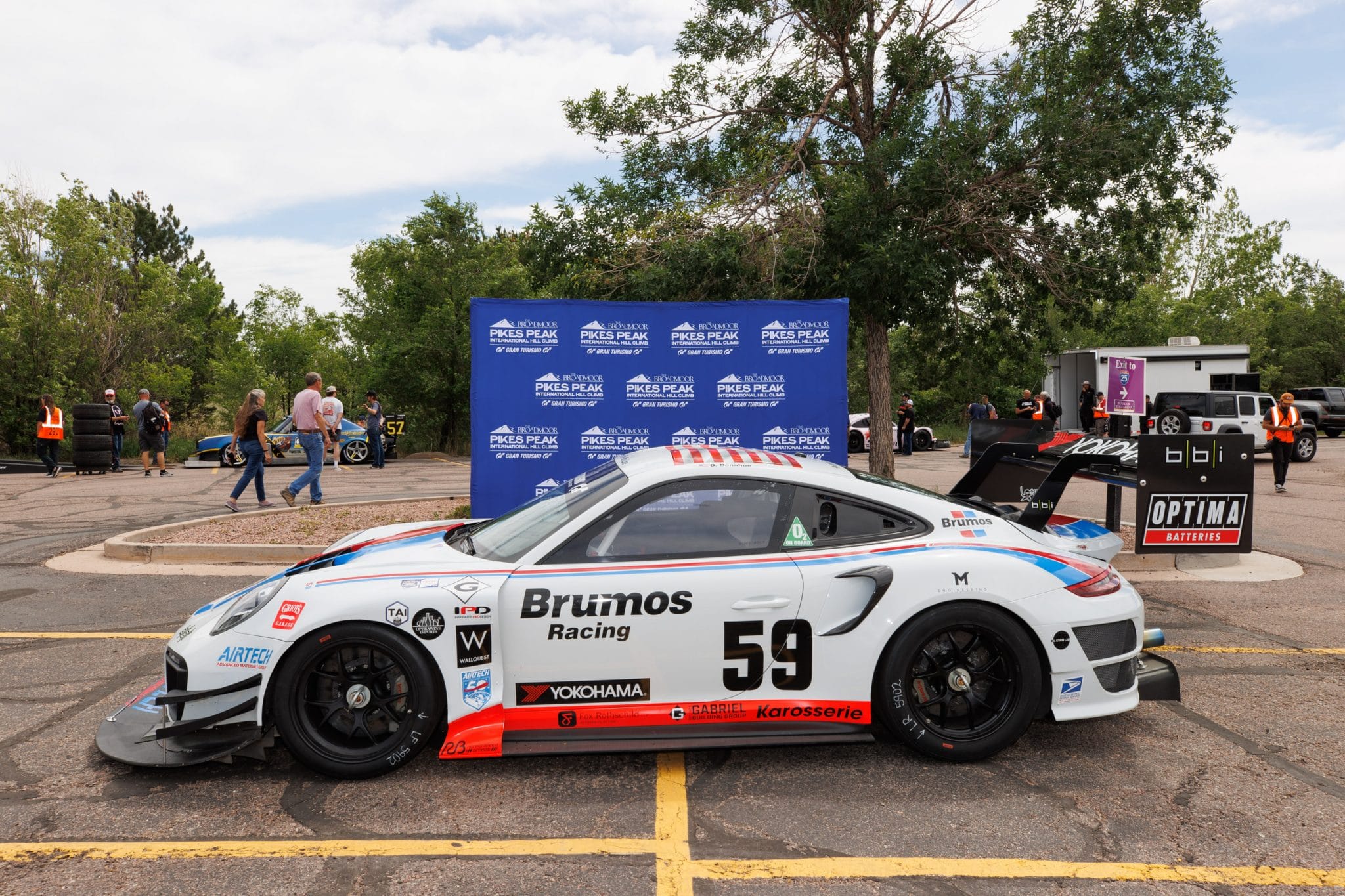
Airtech Advanced Materials Group, a leading manufacturer of composite tooling solutions, has announced that it has been named a Brumos Racing Technical Partner. Airtech has teamed up with BBi Autosport to produce 3D printed molds and composite production parts for a newly updated Porsche GT2 RS Clubsport racecar, for the Brumos Racing team. Helmed by racing legend David Donohue, and brandishing the Brumos Racing livery, this state-of-the-art vehicle can be seen in competition at the 100th running of the Pikes Peak International Hillclimb on June 26, 2022.
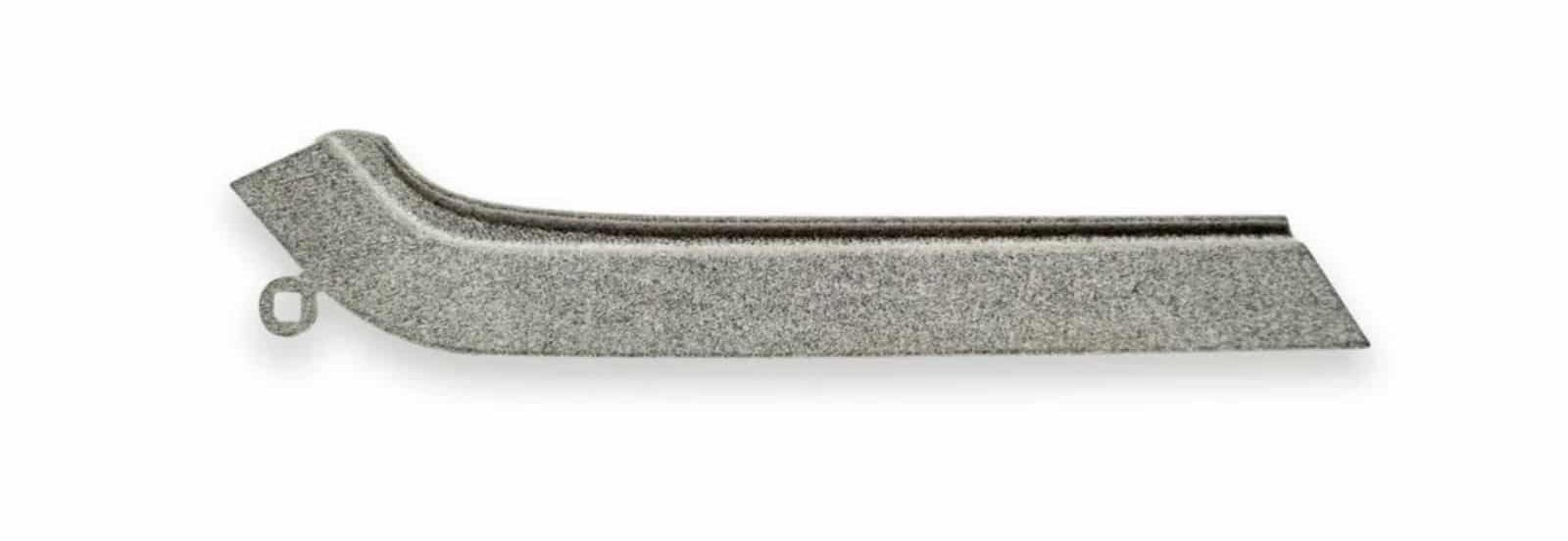
When General Motors was unable to produce a component needed for the delivery of the 2022 Chevrolet Tahoe, the company’s engineers turned to 3D printing, as many companies facing supply chain challenges are doing, increasingly.

EOS, a leading supplier of industrial 3D printing technology, and Sauber Technologies, the company devoted to bringing Sauber’s Formula One mindset and innovation to businesses all over the world, signed a three-year AM technology partnership at the F1 Grand Prix in Barcelona, Spain, last weekend. The partnership includes installation of a new EOS P 500 for polymer parts production.
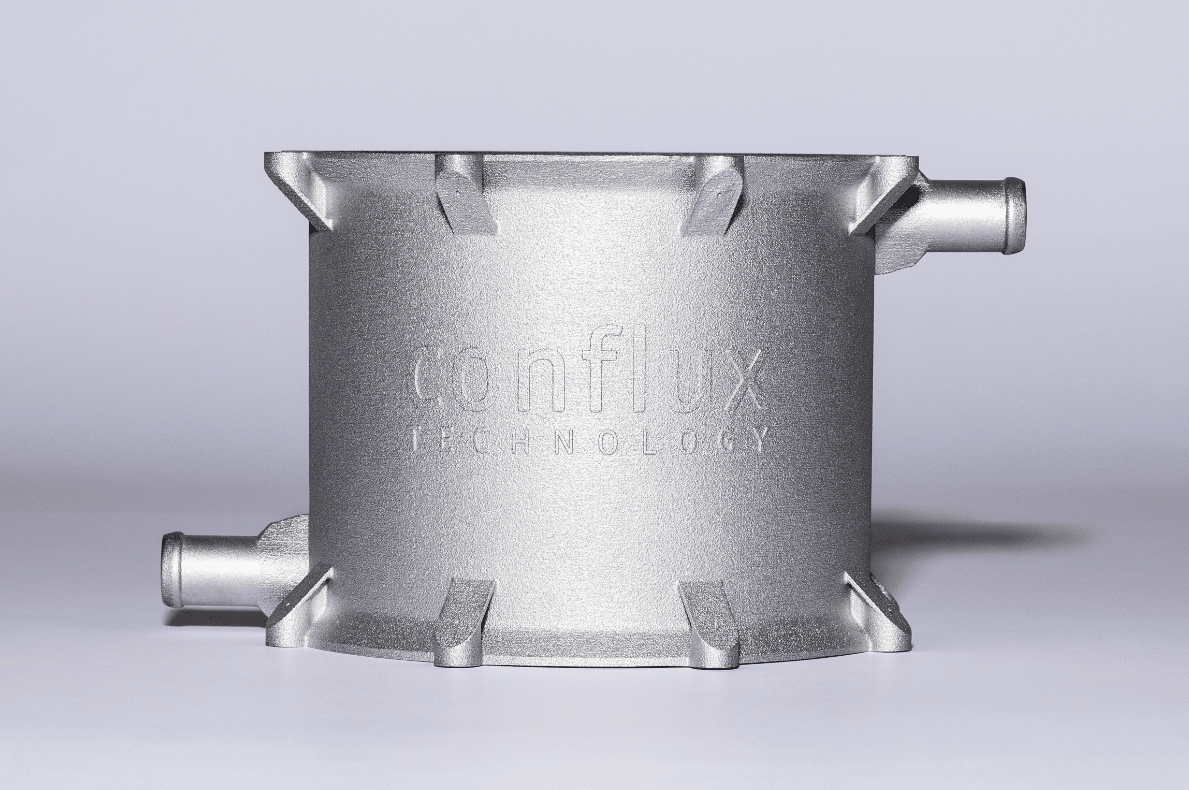
Conflux Technology has used its extensive knowledge in additively manufactured heat exchangers to deliver its first product: a premium, scalable, configurable, ultra-high performing water charge air cooler (WCAC) that outperforms other leading WCACs, applicable to motorsport and high-end automotive markets. The Conflux WCAC is configured to specific customer requirements and has been launched with a focus on performance, competitive pricing, and rapid delivery.
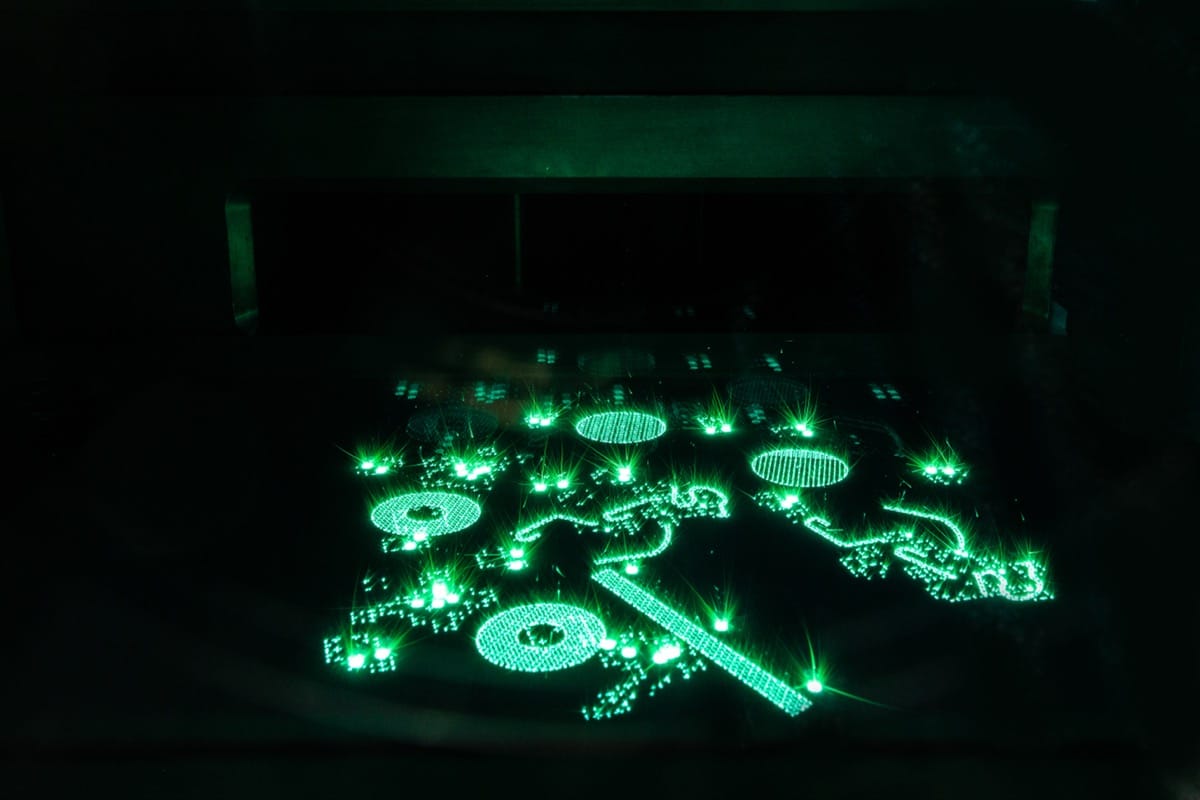
The Industrialization and Digitization of Additive Manufacturing project (IDAM project) for automotive series processes has been successfully implemented. The project consortium, funded by the Federal Ministry of Education and Research (BMBF), and led by the BMW Group, started three years ago with small and medium-sized companies, large companies, and research institutions. All members had a common goal – to revolutionize metallic 3D printing in the field of automotive series production.

Stratasys has been named an official partner of Toyota Racing Development (TRD). Through the partnership, TRD is expanding its use of AM, from prototyping to end-use parts. The partnership is set to make its debut with 3D printed production parts on the forthcoming Toyota GR86 for the GR Cup – a new single-make racing series sanctioned by SRO America.
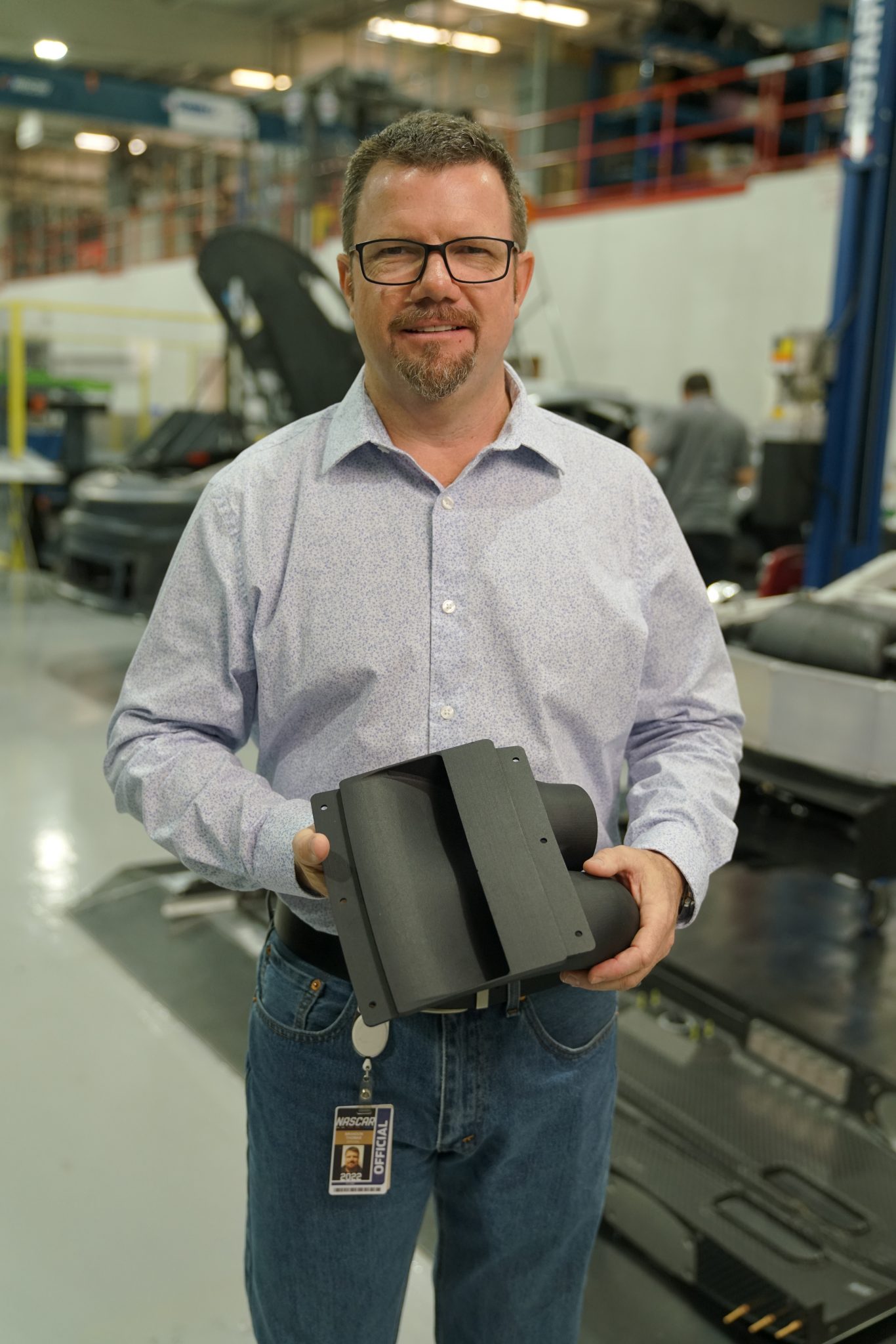
Stratasys has been named a NASCAR Competition Partner and has teamed up with NASCAR to produce the first-ever 3D printed production parts to be featured across all NASCAR Next Gen cars.
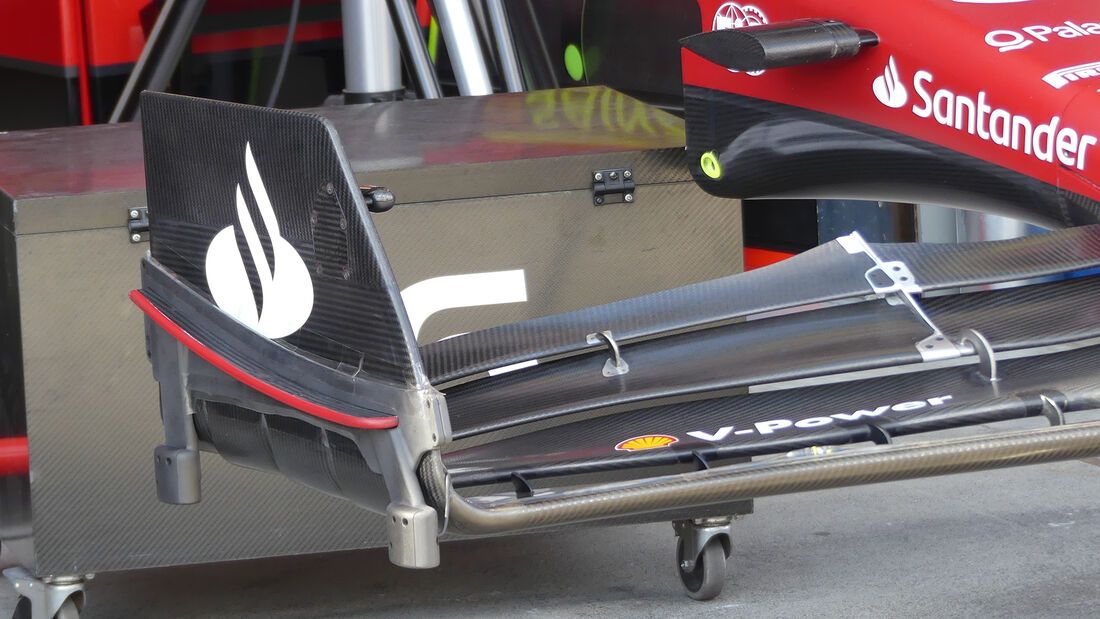
After the story we reported on the team’s use of metal AM for the cylinder block, Scuderia Ferrari F1 has turned to 3D printing again, this time for polymer PBF 3D printed sensor mounts, fitted on the F1-75 during the Formula 1 Australian Grand Prix Friday practice session.
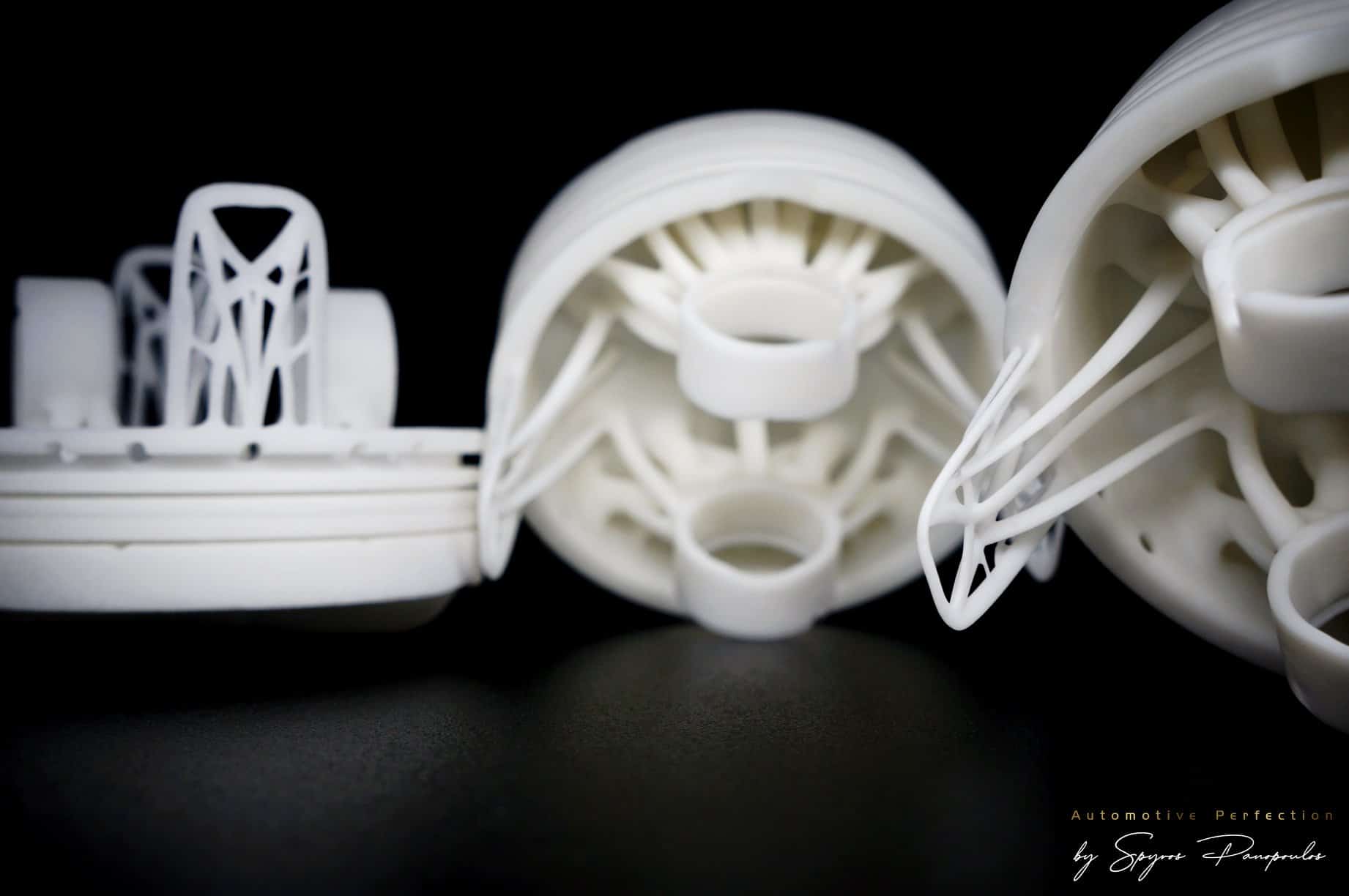
The world’s first additively manufactured car engine piston, made entirely with ceramic, has been developed by Spyros Panopoulos Automotive (SPA) for its Chaos Ultra car using XJet technology.
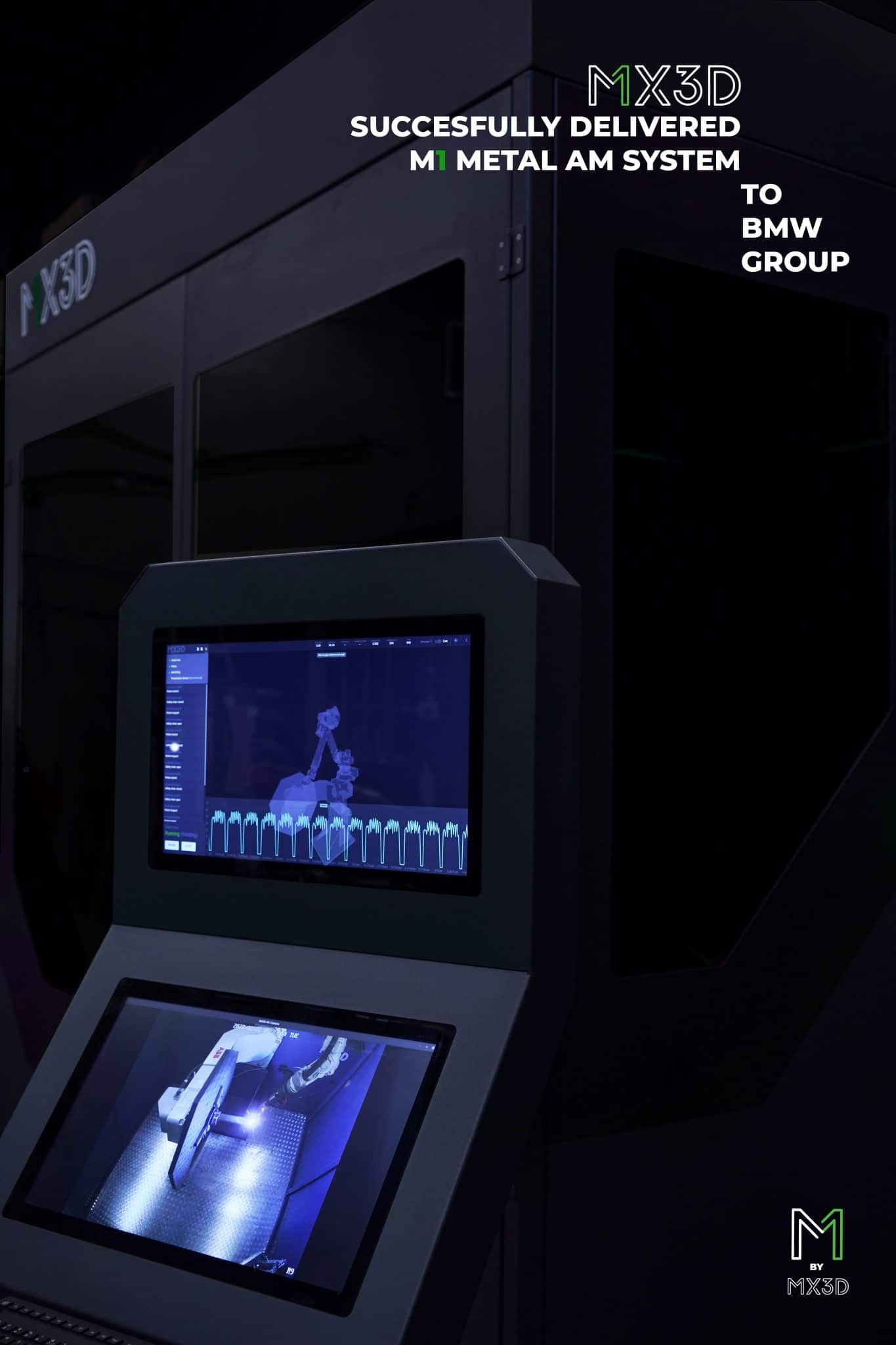
An M1 Metal AM System from Dutch company MX3D is going to be installed at the Additive Manufacturing Campus of BMW Group in Munich, Germany. With the M1 Metal AM System, BMW Group has acquired one of the most advanced setup the market has to offer with respect to Robotic Wire Arc Additive Manufacturing (WAAM). This will allows the company’s engineers to explore the potential of this highly flexible and productive method of metal additive manufacturing.
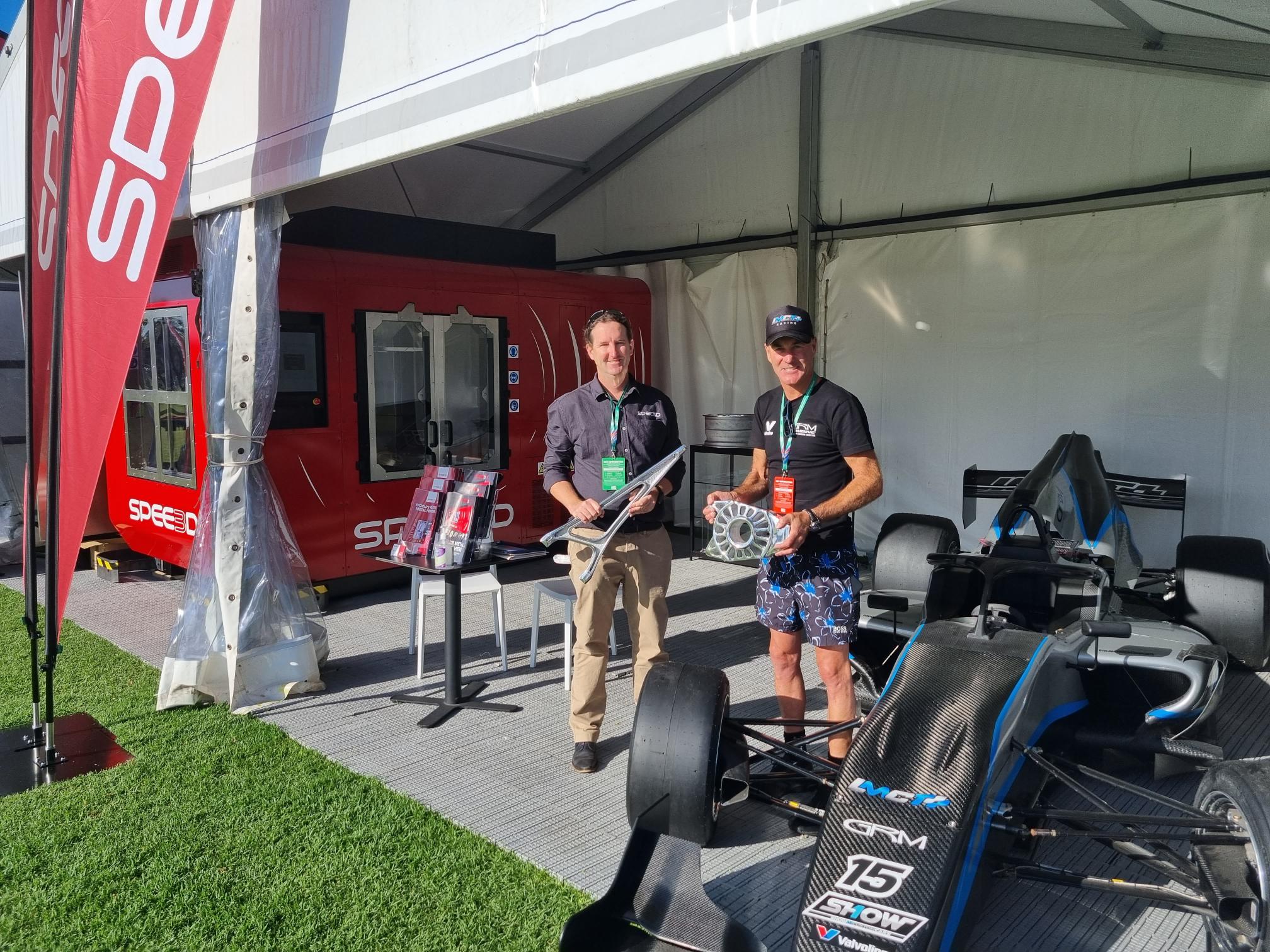
Australian additive manufacturing company, SPEE3D, showcased their world-leading metal 3D printing technology at the Melbourne Grand Prix.
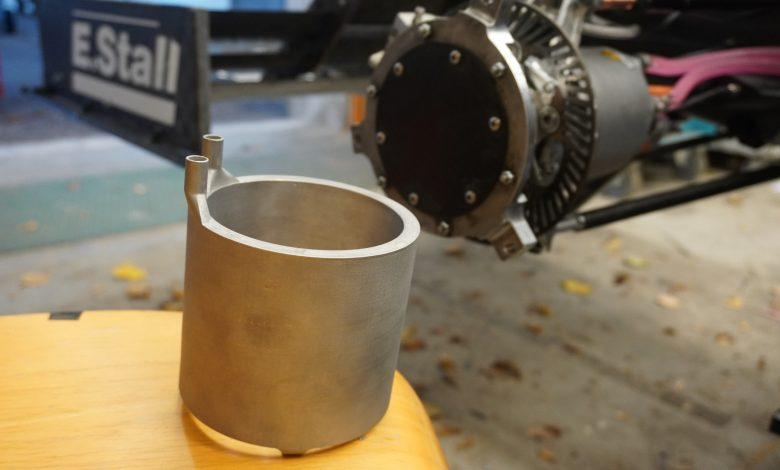
Using Additive Manufacturing technology, the Formula Student Racing Team E-Stall of the University of Applied Sciences Esslingen, Germany, improved cooling of the electric drivetrain and power electronics. Printed with the highest accuracy on the EP-M260 by Eplus3D, the aluminum-made parts were able to easily dissipate the generated heat and therefore improve the performance of the racecar.
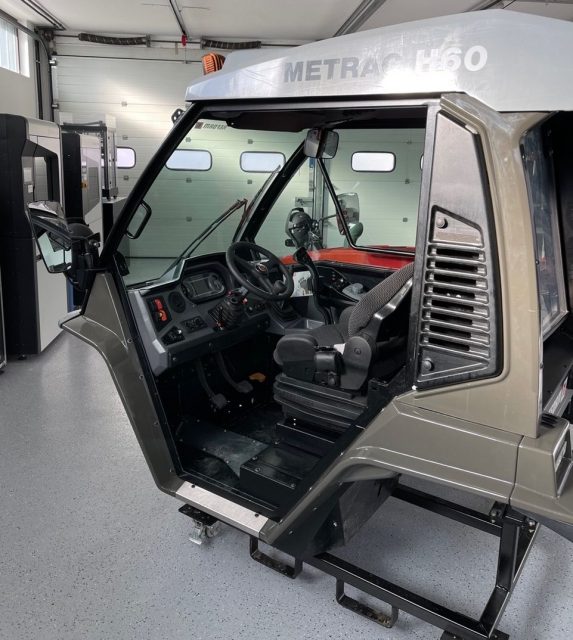
REFORM, the vehicle specialist, develops and manufactures special vehicles for year-round use in mountain agriculture and municipal areas. For flexible and innovative product development, the company relies on additive manufacturing and the Upper Austrian 3D specialist Prirevo.
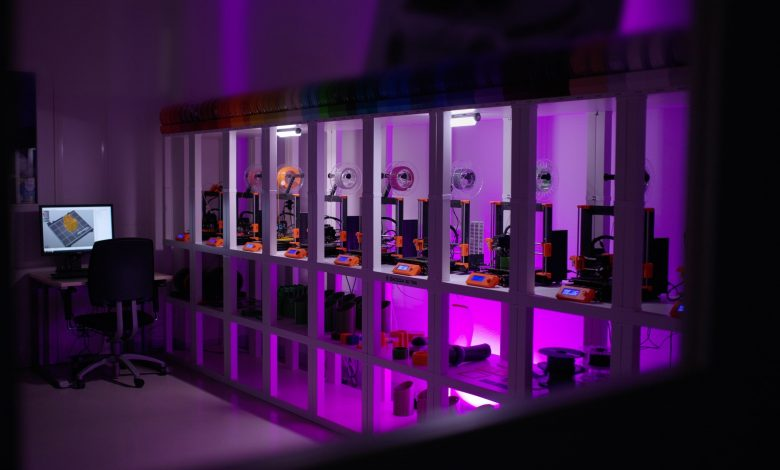
ŠKODA AUTO revealed it is now employing 3D printing for the production of components, spare parts and tools. The Czech car manufacturer is making its production and logistics more flexible and efficient by using a 3D print farm based on systems from local material extrusion 3D printer manufacturer Prusa, founded by the industry legend Josef Prusa. The Confederation of Industry of the Czech Republic (Svaz průmyslu a dopravy České republiky) recognized the ‘More flexible with 3D print farms’ project, considering it one of the five most innovative Industry 4.0 applications from the past year in the country.
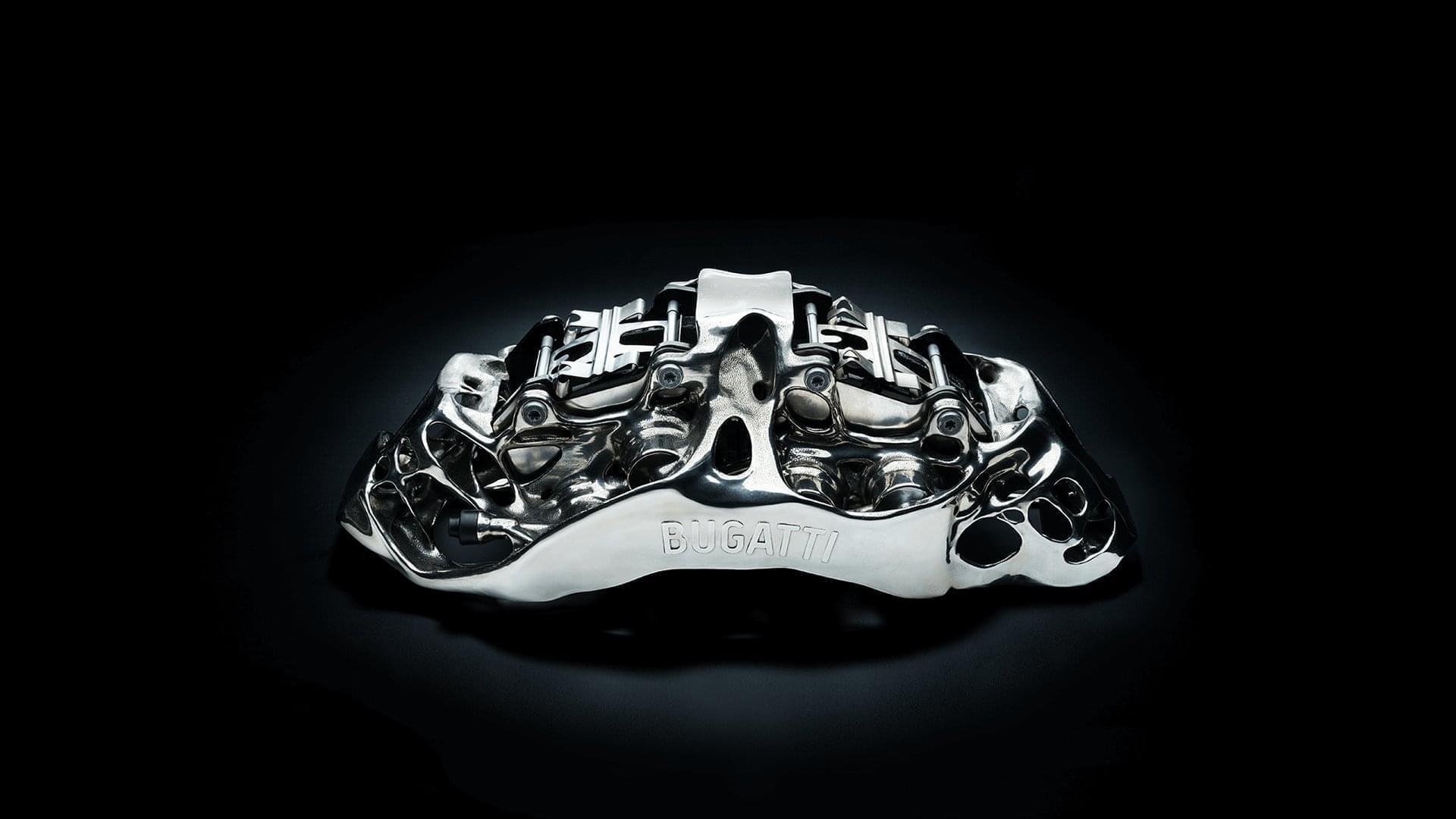
Sparks flew as Bugatti tested its generatively designed 3D printed brake caliper, additively manufactured with SLM Solutions technology. Volumetrically this part is the largest functional titanium component built with SLM technology.

SLM Solutions has started a cooperation with MAHLE, one of the leading automotive suppliers and development partners from Stuttgart, Germany. MAHLE will utilize SLM Solution’s systems to empower OEMs and Tier 1 suppliers to fulfill their need for metal Additive Manufacturing in serial production. By joining forces, the two companies are improving the speed and quality of automotive components in both prototype and serial production.
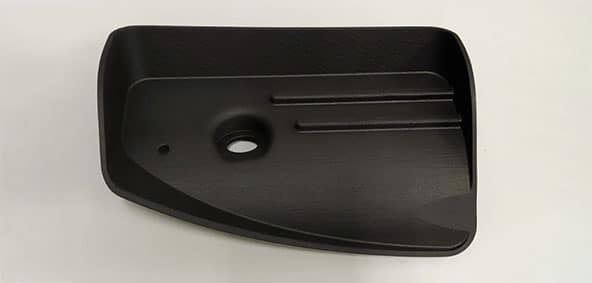
Olli 2.0, the autonomous electric vehicle from the ground sustainable mobility company Local Motors, now includes 3D printed parts manufactured by CRP Technology using Windform composite materials.

Conflux Technology, an Australian studio developing some of the most advanced additively manufactured heat exchanger designs, will be producing a new set of 3D printed heat exchangers in partnership with Dallara, Italy.

Remember the LSEV? The largely 3D printed EV from a mysterious company called XEV? We first reported on this project back in 2018, when some overly hyped-up stories announced the car was ready for mass production. Back then we were at least able to confirm the project was real and real it is. It took a bit longer than the original 2019 timeline for launch, but the car is here, it’s real and it’s already zooming around. In fact, the official launch of the YOYO (the new name of the LSEV) took place in May 2021. XEV’s first fully electric city car can be driven from the age of 16 with a B1 licence.
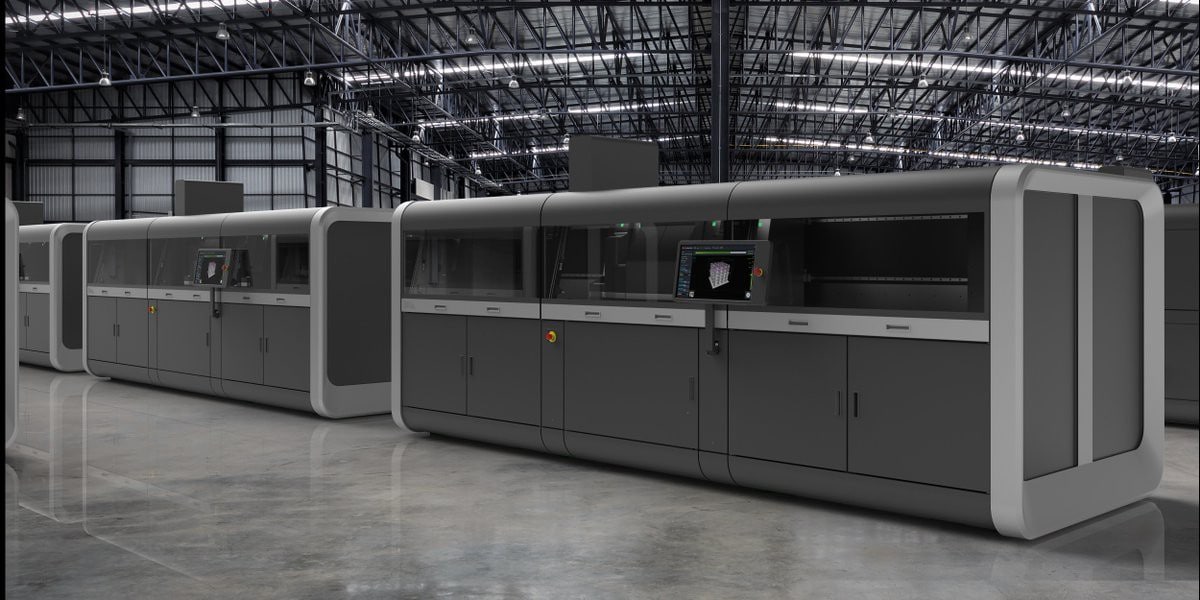
Desktop Metal (NYSE: DM) received a $7.9 million order for binder jet additive manufacturing systems from a major German carmaker for the mass production of metal automotive powertrain components at scale. Considering the BMW was (and is) among Desktop Metal’s first investors via its BMW i Ventures, that Volkswagen is actively working with HP, and that Daimler Benz (Mercedes) has done a lot of work with EOS, we guess (and we stress the word “guess”) that the major German carmaker is BMW.

Uniformity Labs (Uniformity) has successfully printed an additively designed automotive component with its ultra-low porosity AlSi10Mg, a high throughput, aluminum alloy powder that exhibits optimal material properties. The Uniformity AlSi10Mg powder and optimizing print processes have previously been deployed with a variety of parts in various industries with great success.
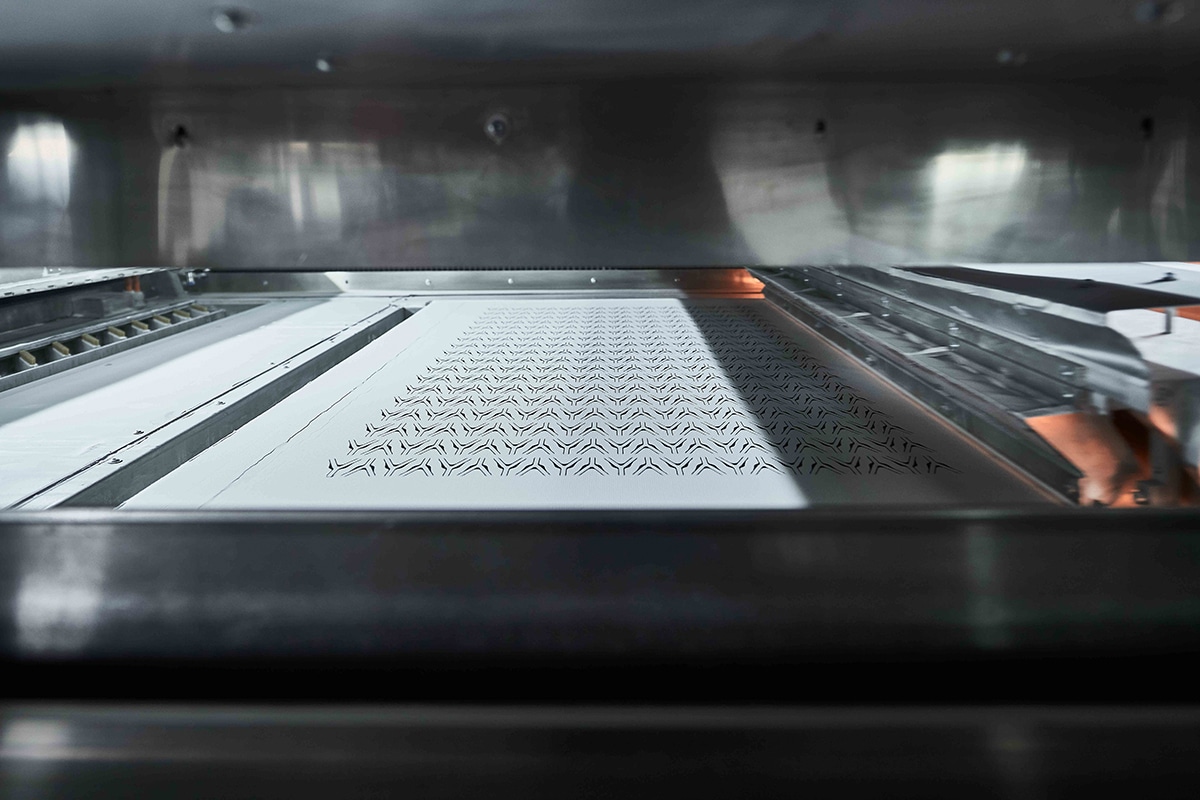
Brose, a global automotive supplier, is now confirmed as one of the first participants in the High-Speed Sintering (HSS) Early-Access Beta Program for the VX1000 HSS 3D printer. The company will work with voxeljet AG as a cooperation partner to further develop the VX1000 HSS for use in additive series production of polymer components for the automotive industry. With HSS, voxeljet combines the advantages of two existing additive technologies: selective laser sintering and binder jetting, giving the benefit of both SLS part properties and binder-jetting productivity. The new VX1000 HSS 3D printer has a significantly larger build volume and a faster print speed than previous systems, enabling true additive series production.
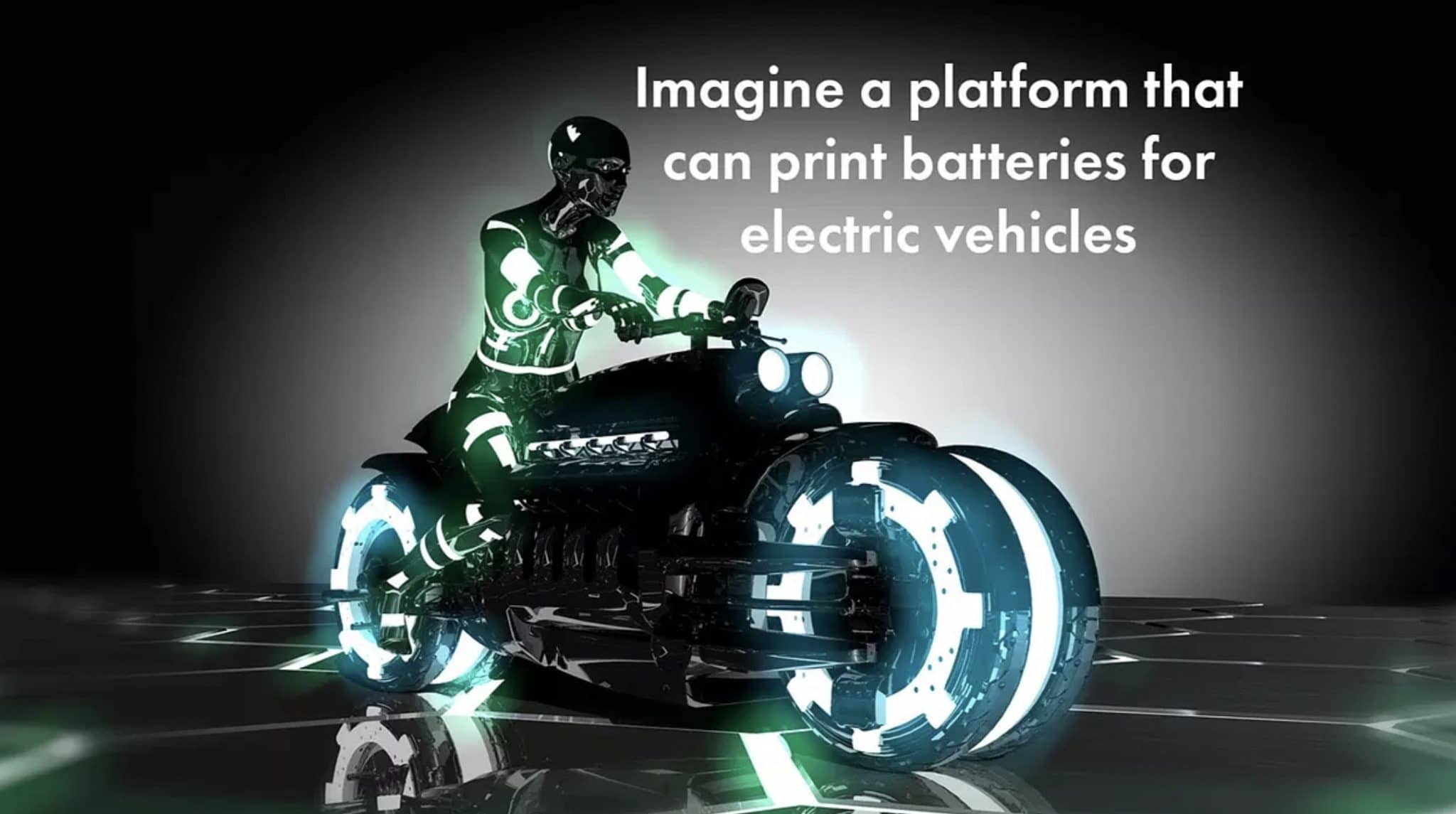
Sakuú Corporation, a company leading the development of an automated multi-material multi-process additive manufacturing to produce 3D printed SSBs (solid-state batteries), today closed a follow-on financing round bringing total funds raised to date to $62M. This funding bolsters the company’s ability to commercialize its first-generation solid-state batteries and bring to market the world’s first multi-material multi-process additive manufacturing platform that will 3D print its second-generation SSBs and other active devices.
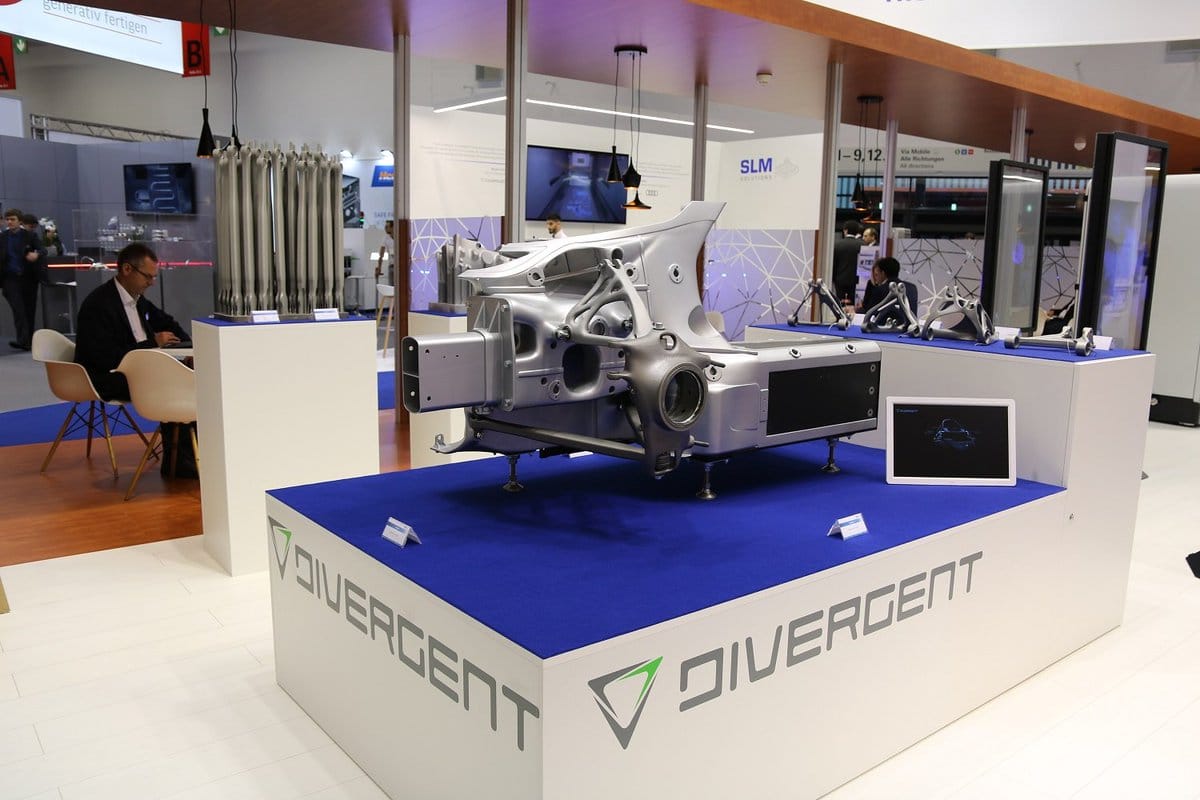
Divergent Technologies harnesses the power of additive manufacturing to unleash innovation in the automotive industry, making them a global innovator in the advancement of economical serial production. They have developed a state-of-the-art Divergent Adaptive Production System (DAPS), which will now be strengthened with the addition of three production SLM NXG XII 600 systems, following a years-long development partnership with SLM Solutions. Deliveries of the machines will start in Q1 2022.
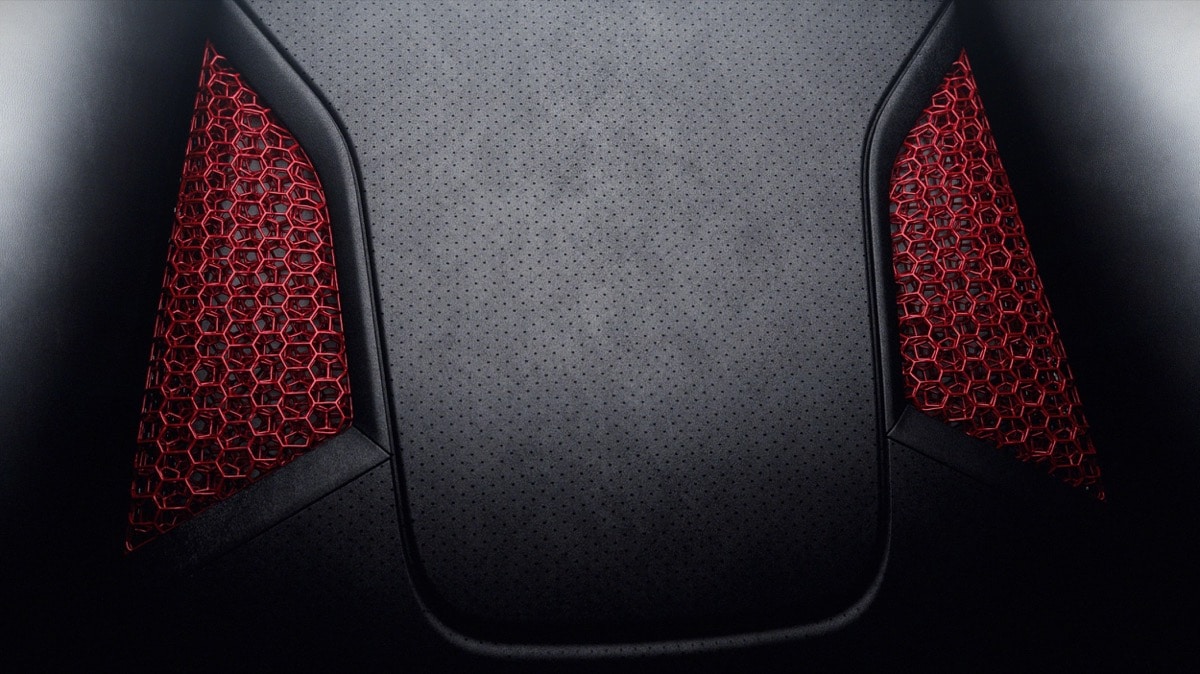
Following some final adjustments, the customized 3D-print bodyform full bucket seat is now available as part of the new Performance Parts offering from Porsche Tequipment. The seat is suitable for various Boxster, Cayman and 911 models. From February 2022 onwards, it can also be ordered from Porsche Exclusive Manufaktur as a standard feature and it will be integrated into the Porsche Car Configurator at this point too. In addition to its unique look, the new central section of the seat is its main innovation: parts of the cushion and backrest surfaces are produced using a 3D printer and are available in three different rigidity grades, meaning the seat can be customized to suit the customer’s specific needs.
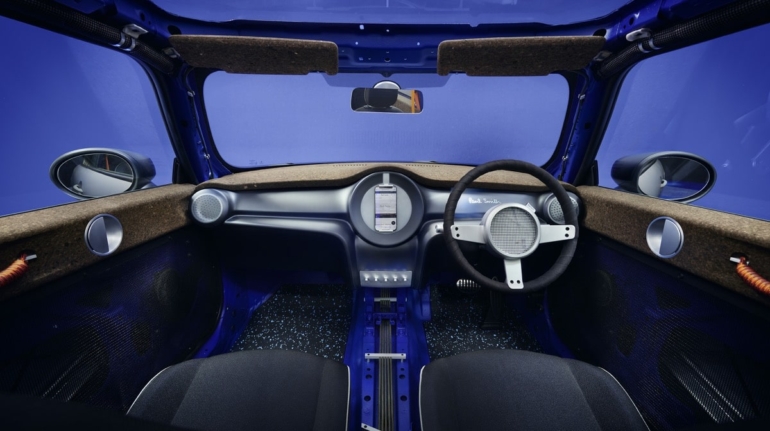
(Co-)created by Paul Smith, The MINI STRIP is a custom-made one-off car which has resulted in these two iconic British brands sharing creative thoughts on sustainable design for the past few months. Considering that the car has been made to be both sustainable and unique, 3D printing naturally has to play a part and did so in several parts made with recycled polymers through an extrusion process.
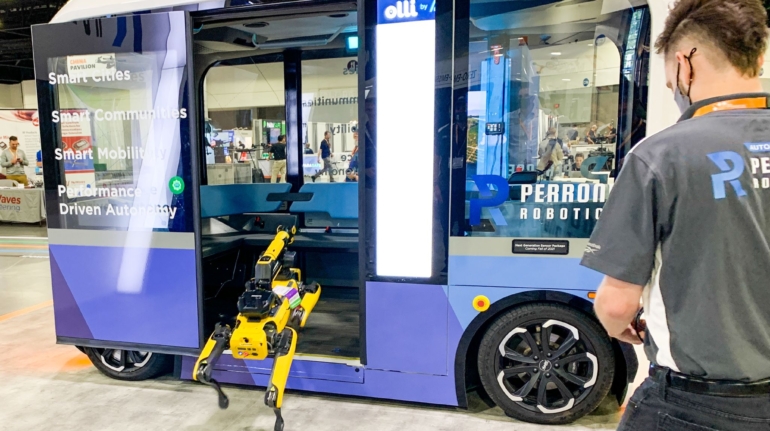
Perrone Robotics, Inc., a provider of fully autonomous vehicle (AV) technology, and Local Motors Inc., a manufacturer of largely 3D printed shared electric autonomous shuttles, have signed an original equipment manufacturer (OEM) agreement. The two companies have agreed to develop next-generation autonomous shuttles that will integrate Perrone’s autonomous vehicle technology into Olli, the shuttle designed and manufactured by Local Motors.
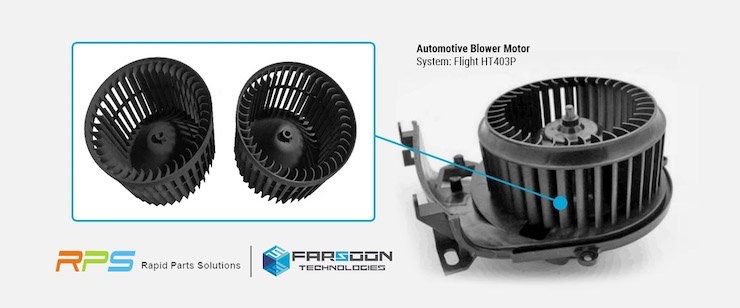
Rapid Parts Solutions, or RPS, is located in Shenzhen, China, the capital of commercial passenger car manufacturing. As part of the automotive ecosystem, RPS is the chosen part supplier for many tier 1 car manufacturers, offering rapid fabrication of prototyping to series production. RPS added two Farsoon Flight HT403P machines as an expansion of their manufacturing capabilities, offering comprehensive solutions of digital models, production, post-processing, and final products.

In an effort to highlight its commitment to technology, Eastern Michigan University’s (EMU) GameAbove College of Engineering and Technology will deploy autonomous Olli smart EV shuttles this school year as it will open a new research and development space at the American Center for Mobility (ACM) in Ypsilanti, Mich.

Daimler Buses and its service brand Omniplus have created a mobile 3D printing center for the decentralized production of spare parts in order to be able to provide bus customers with replacements more quickly. The “mini-factory” in the form of a container includes all of the stations relevant to the production of spare parts using a 3D printer on an area of only 36 square meters. The twelve-by-three-meter container can be transported by truck to any location. Once there, only electricity and an internet connection are required for its operation.
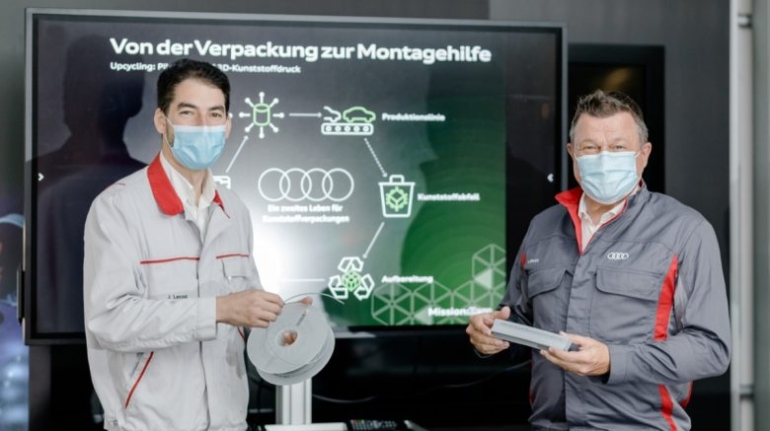
A new upcycling pilot project being implemented at Audi’s Neckarsulm site, among other initiatives, highlights just how important the sustainable use of resources is to the company. At this location, Audi produces 3D printed assembly aids for vehicle production – and as of recently, from waste that is generated right there on site. These assembly aids are not only made of recycled material. They also promote ergonomic and safe work processes and are tailored precisely to the requirements of the employees. As such, the project is helping the company achieve the objectives of its cross-site environmental program “Mission:Zero.”
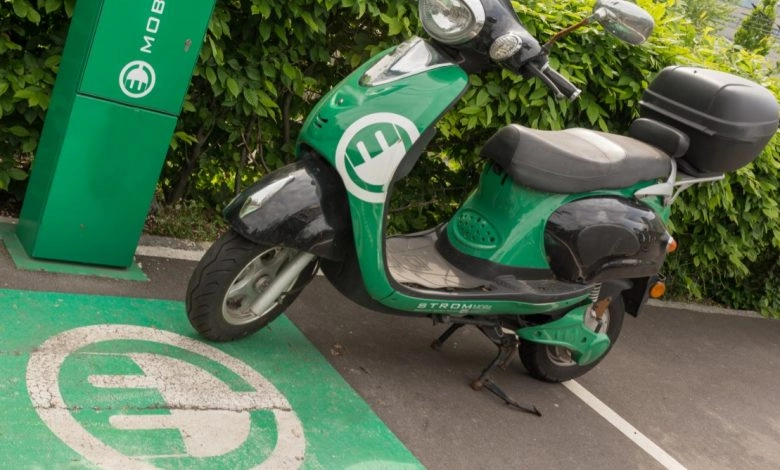
Sakuu Corporation (previously KeraCel Inc.), a pioneer in automated multi-process additive manufacturing (AM), presented a new industrial-grade battery 3D printer, developed specifically for e-mobility batteries. The breakthrough technology is intended to unlock the mainstream adoption of EV and e-mobility vehicles by solving the previous issues of cost, performance, sustainability, and range. Offering an industrial scale ‘local’ battery production capability, the Sakuu technology is likely to significantly expedite the use of EV’s, by providing increased manufacturer and consumer confidence.

CHAMPP, an Alloyed‘s consortium, has been awarded a significant grant to research, develop and test an innovative new hybrid production process that will address a number of the key limitations of additive manufacturing for the automotive sector, specifically electric vehicles (EVs). The Casting-Hybrid-Additive-Manufacturing-Parts-Production (CHAMPP) program brings together a critical mass of technical and market expertise with three key partners, namely Alloyed, Brunel University London’s BCAST, Gestamp, and its affiliate Autotech.
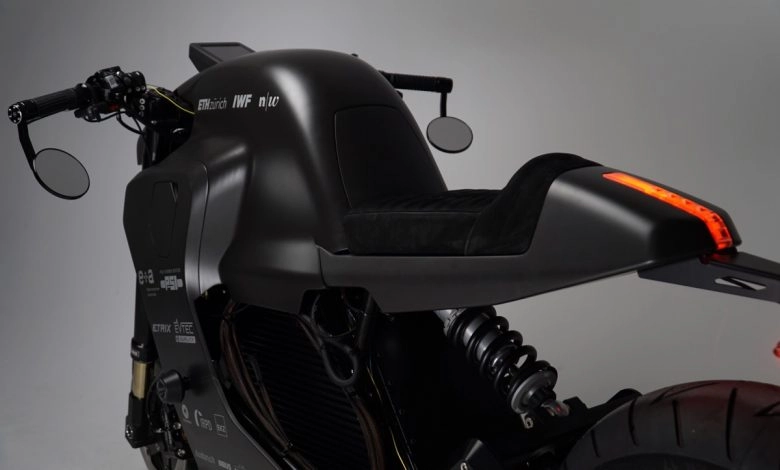
A novel cooling system in the Ethec City electric motorcycle ensures a longer service life for the battery cells. In order to introduce the students to manufacturing processes that can be used for series production outside of prototype manufacturing, voxeljet produced the mold for the innovative battery housing of the prototype using the binder jetting process. A student focus project at ETH Zurich is realizing prototypes of a new type of cooling system with support from voxeljet.
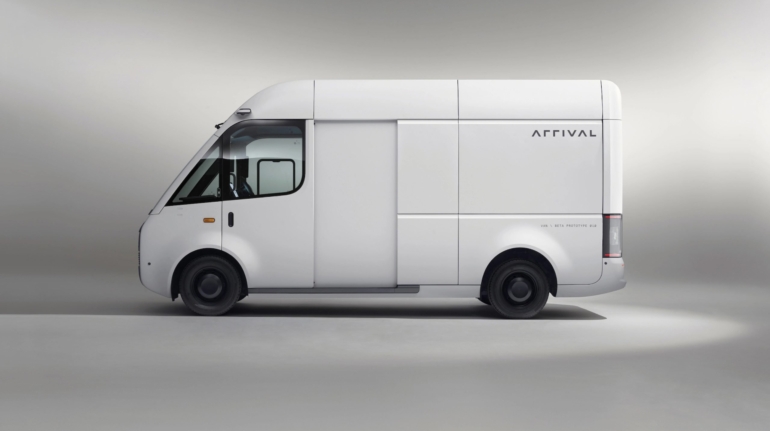
Local Motor‘s recent deal with door2door to bring its smart 3D printed EVs to Germany shows that the new generation of smart EVs is on the way. Local Motors was among the companies that first leveraged the concept of a distributed automated factories and it did so by making heavy use of LFAM composite 3D printing for large sections of the Olli vehicles. Arrival may be the first company to fully deploy highly automated Arrival Microfactories to produce an entire family of next-gen EVs. However, while the company has shown heavy use of robots it has not yet made any reference to implementing 3D printing processes for parts production.
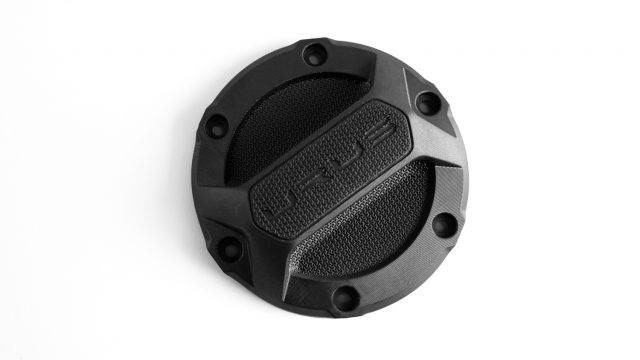
During a recent online webinar, Lamborghini’s Edoardo Trabace, Procurement Lead at Automobili Lamborghini, Jacopo Bardocci, R&D Lead for Additive Manufacturing at Automobili Lamborghini, Gabriele Grezzana, R&D Engineer at Automobili Lamborghini, and Norik Elchibegian, Director of Enterprise Partnerships at Carbon, discussed the importance of reducing time to market and the power of internal partnerships to push forward innovation and make better parts faster.
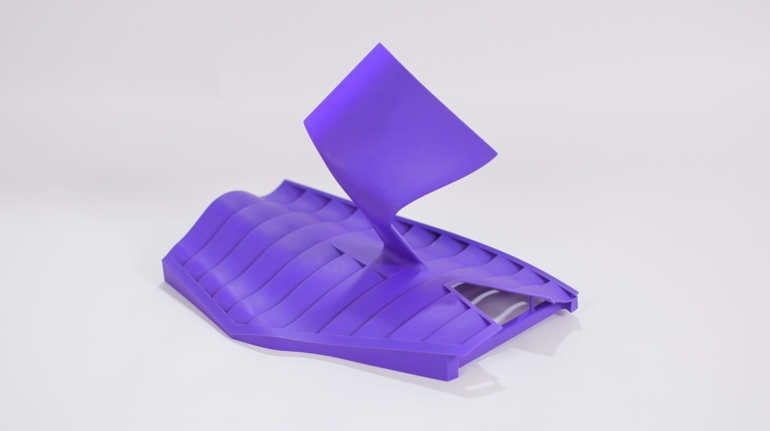
3D Systems confirmed the availability of Accura Composite PIV – a new material specifically designed to address PIV testing applications used primarily in motorsports wind tunnel testing. Developed in collaboration with the Alpine F1 Team (formerly Renault F1 Team), Accura Composite PIV is capable of producing rigid parts in a high-contrast color optimized for PIV testing. Parts produced using this material take significantly less time to prepare – from CAD to wind tunnel – and deliver more accurate, high-resolution data. When used as part of a complete 3D Systems additive manufacturing solution – comprising Accura Composite PIV, the company’s stereolithography (SLA) technology, software, and advanced application services – Alpine F1 Team has been able to maximize its wind tunnel investment and improve its understanding of the airflow over the car.
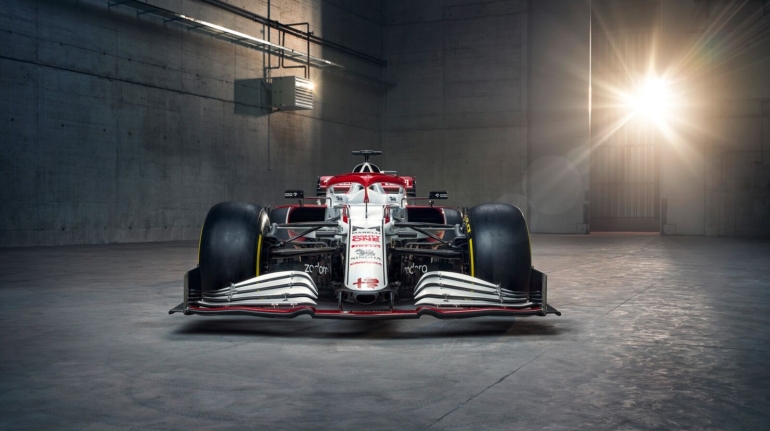
Alfa Romeo Racing ORLEN takes another step forward in the realm of technological innovation as the organization unveils a partnership with AM Solutions, a brand of the Rösler Group. As part of the agreement to bolster the team’s post-processing of additively manufactured parts, Alfa Romeo Racing ORLEN will acquire three S1 systems by AM Solutions – 3D postprocessing technology to bring the automation, economic efficiency and repeatability of its post-processing to the next level.
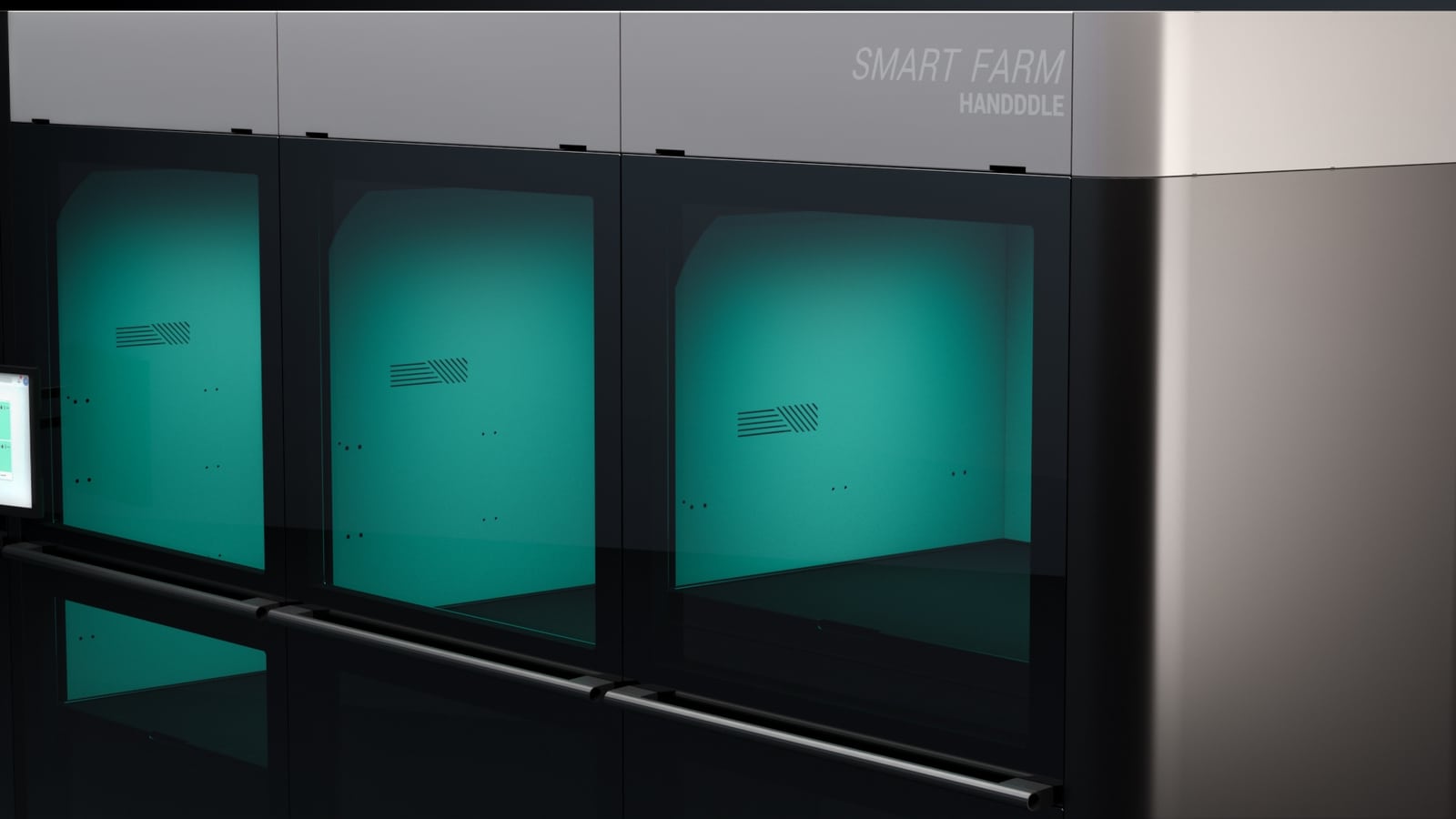
Gryp, a French specialist in the reproduction of automotive parts by 3D printing, is structuring the development of its constantly growing activity by joining forces with the Bordeaux-based startup Handddle to industrialize its manufacturing processes. The new Handddle SMART FARM 3D printer networking solution will enable Gryp to produce more, faster, in better conditions and at lower costs.

Volkswagen is pressing ahead with the use of innovative 3D printers in car production. For the first time, metal binder jetting is being used to manufacture components at the company’s main plant in Wolfsburg, Germany.

Local Motors, a leader in the design, manufacturing, and deployment of autonomous vehicles, and Protean Electric, a specialist of in-wheel motor technology for passenger cars, light commercial vehicles and future transport solutions, have expanded their long-standing partnership, inking a further three-year deal valued at $7.3 million. Under this significant new order, Protean Electric will deliver thousands of its ProteanDrive in-wheel motors (IWMs) to power Local Motors’ largely 3D printed Olli 2.0 electric autonomous shuttles, accelerating the rollout of state-of-the-art vehicles around the world.
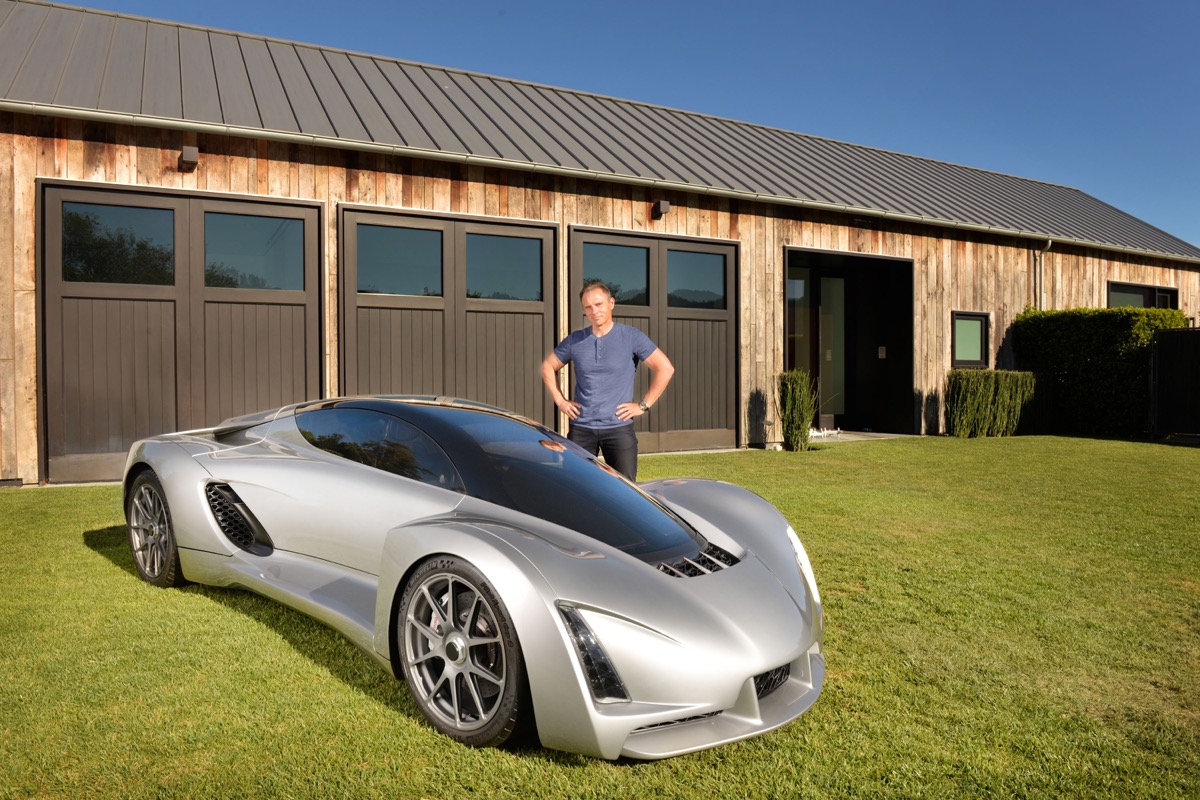
In the beginning, it was the Blade, a concept hypercar featuring the first fully 3D printed frame and a number of other 3D printed parts. That early concept was used by the startup Divergent 3D to raise funds and acquire multiple production metal 3D printers from SLM Solutions; today it has evolved into the Czinger 21C a finished hypercar, the first such vehicle ever built using no tools and featuring an unprecedented number of fully 3D printed parts.
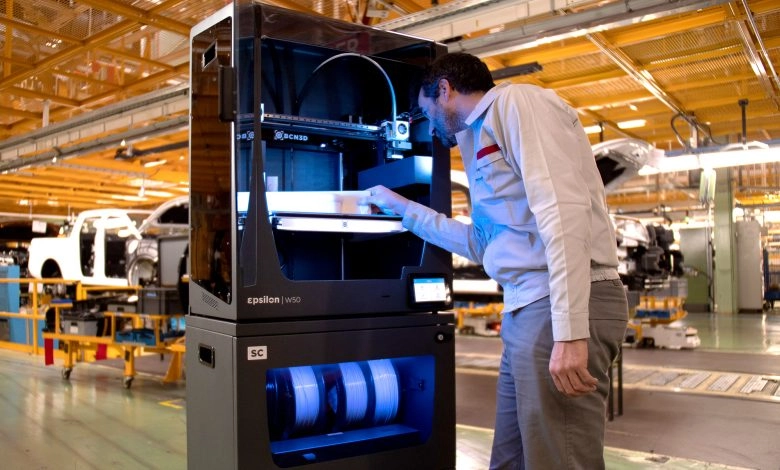
BCN3D, a Spanish 3D printing solutions manufacturer, has been working with the automaker Nissan to successfully integrate 3D printing into production processes at the automotive giant’s Barcelona factory.

Sakuu Corporation (previously KeraCel Inc.), a specialist in automated multi-process additive manufacturing, obtained three patents related to EV battery 3D printing; a hybrid solid-state cell with a sealed anode structure, an additive manufacturing system with the ability to create an active device such as a micro-reactor or solid-state battery, and an electrophotographic multi-material 3D printer.
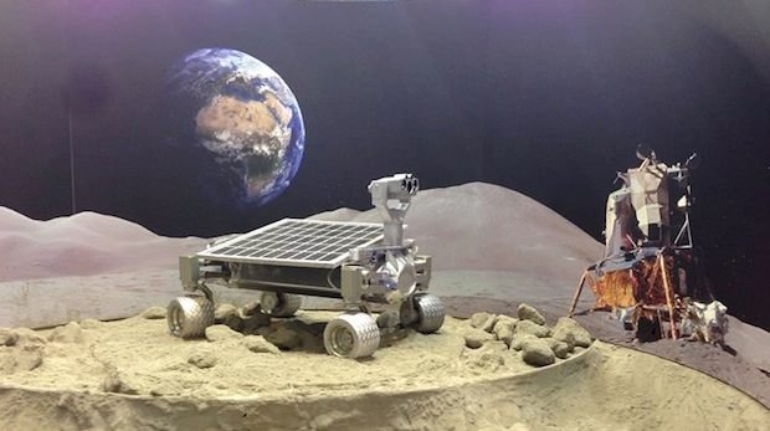
Only 5% of the Moon’s surface has been explored by the human race, and to reach the other 95%, NASA astronauts on the Artemis program are going to need some serious wheels. That’s why Lockheed Martin and General Motors have teamed up to design a next-generation lunar rover, capable of transporting astronauts across farther distances on the lunar surface. While the rover doesn’t need to be lightweight to travel around the Moon, it will certainly have to be extremely lightweight in order to be transported from the Earth’s surface (where it will likely be assembled, until there will be AM factories available in space) to the surface of the Moon. For this endeavor, Lockheed Martin and GM—with both companies already quite familiar with using AM—may want to turn to SLM Solutions. The metal AM hardware manufacturer has built up experience with building both lunar rovers and cars.
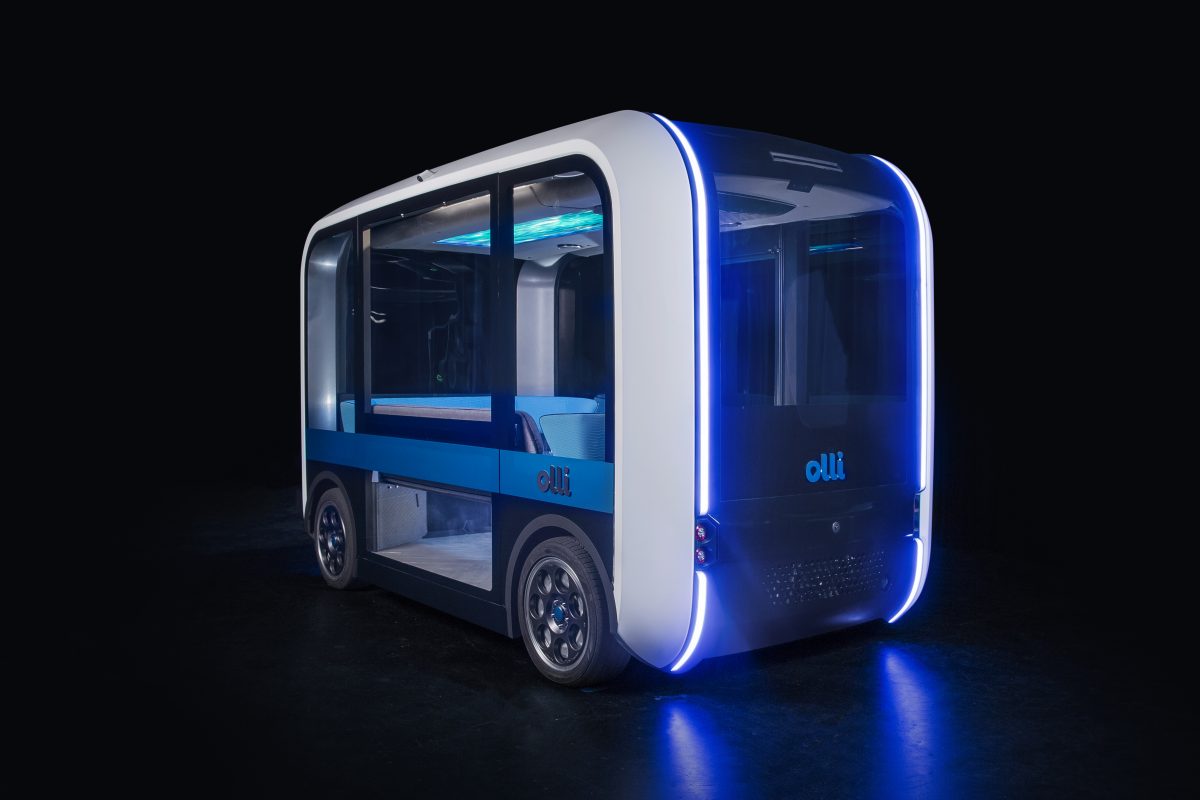
Local Motors, a leader in the design and manufacturing of autonomous vehicles, and door2door, a Berlin-based leader in mobility software, have formed a new strategic partnership. Together they want to use the strengths and experiences of both companies to drive autonomous mobility to the next level.

Local Motors recently began the first-ever project autonomous vehicle project moving packages around Marine Corps Air Station (MCAS) Miramar using the Olli autonomous electric shuttle.
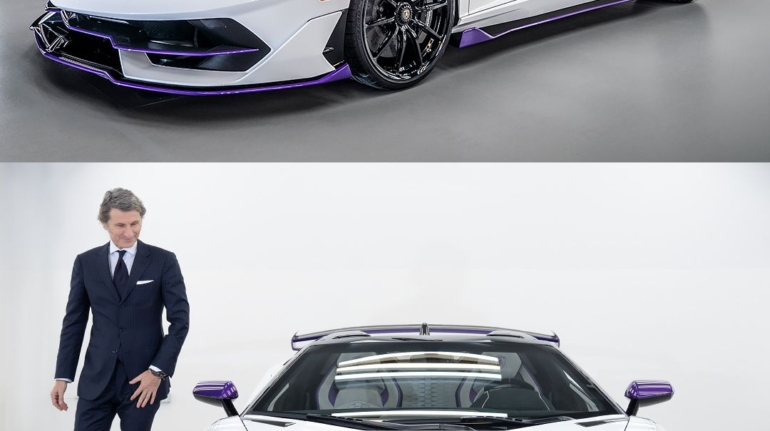
Today more than 50% of Lamborghini cars coming off the production line feature at least one Ad Personam feature. At Bugatti, not one car that leaves the Atelier is like the next, having the highest degree of individualization. It should come as no surprise that VW brands Lamborghini and Bugatti are the ones that have conducted the most experimentation with 3D printed parts, among the established supercar brands.
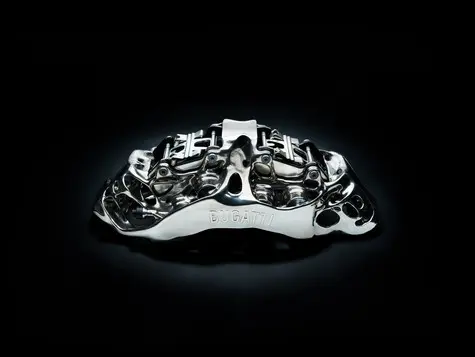
Imagine ultra-lightweight components that are as strong as a reinforced concrete column. Now, as Volkswagen reports in its new blog, this is possible, thanks to technology-led by Bugatti engineers. The newly developed 3D printed pushrod – a pressure-loaded coupling rod in the chassis area – weighs just 100 grams and can transmit forces of up to 3.5 tonnes. The hollow titanium structure with an internal supporting arch gives incredible strength and is yet another AM breakthrough among several Bolide 3D printed parts recently introduced by Bugatti.
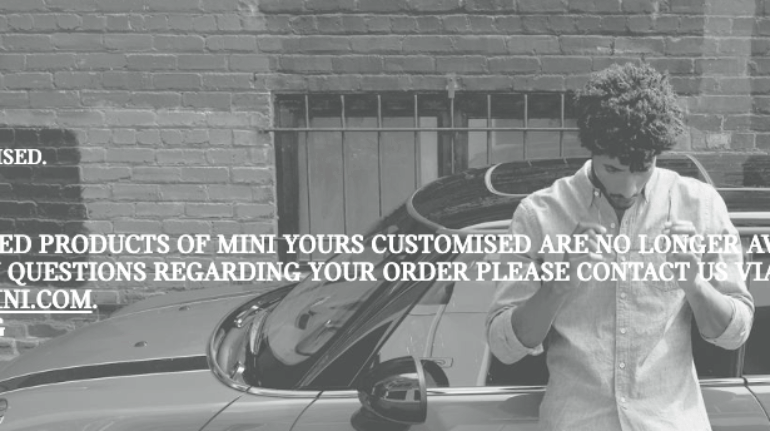
What was a promising experiment in automotive 3D printing has apparently come to an end. While doing some follow-up research for our upcoming Automotive AM eBook, I clicked onto the MINI Yours Customised home page, eager for an update on the personalization service launched by BMW back in 2018. Sadly, I was greeted by a succinct message, stating that the custom automotive program was no longer.
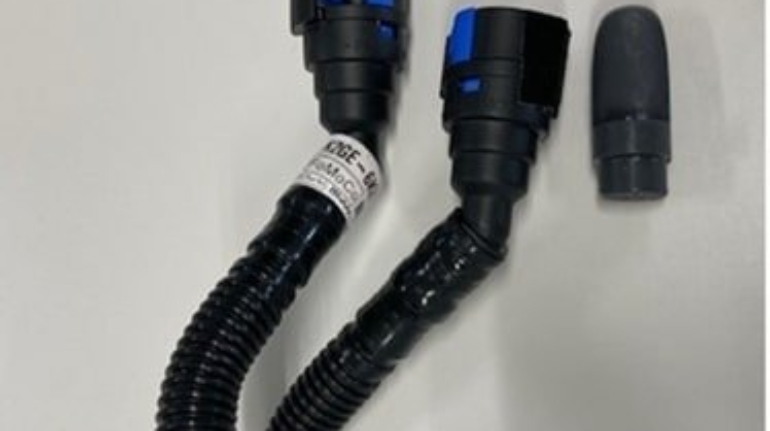
Ford Spain is the first car manufacturer in Europe to use the Form 3L, a larger format 3D printer from photopolymerization 3D printer OEM Formlabs. Ford Body and Assembly in Valencia uses the Form 3L to produce plastic caps that are used in a vacuum test to check engines for leakages. 3D printing helps Ford to prototype new tools and produce specific parts in less time and for a lower cost than with traditional manufacturing.

Callum Automotive installed MakerBot‘s METHOD X 3D printer to produce functional prototypes, tooling, and production parts. Callum’s luxury automotive design business focuses on luxury vehicles and associated lifestyle brands, including the limited edition Aston Martin Callum Vanquish 25 by R-Reforged.

The MINI Electric Pacesetter inspired by JCW is the new safety car of the ABB FIA Formula E World Championship racing series and thus connects the brand’s electrified future with the rich racing history of John Cooper Works. The vehicle, which also sports unique, generatively designed, 3D printed seats, was created on the basis of the new MINI Cooper SE in a previously unique collaboration between MINI Design, BMW Motorsport, the FIA and Formula E.
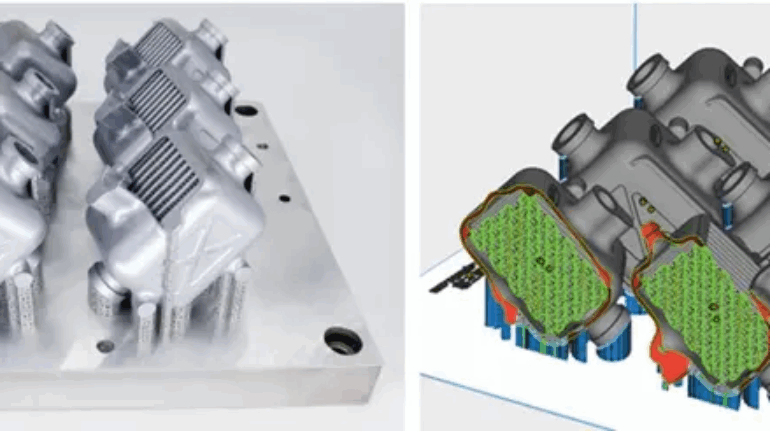
PWR Performance Solutions, based in Australia, decided to look into adding metal 3D printing technology to its current workflow, to stay at the forefront of manufacturing capacity. The heat exchanger pictured above was designed by PWR to test the capabilities of different aspects of 3D printing. PWR engineers designed the fin structure and tube array as a benchmark for testing minimum wall thickness, surface finish, and heat transfer efficiency. To produce the parts, PWR chose E-plus 3D as a supplier and ordered an EP-M250Pro MPBF system.
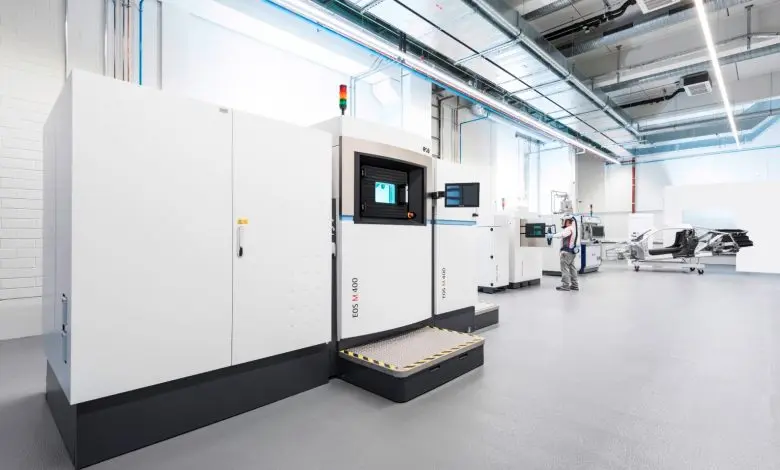
AUDI AG, a leading manufacturer of premium vehicles, is relying entirely on industrial 3D printing at its Metal 3D Printing Centre in Ingolstadt for the production of selected tool segments. Additive manufacturing (AM) with EOS technology is used for 12 segments of four tools for hot forming. Plans call for significantly more segments to be printed this way. Audi uses the tool segments produced using the EOS M 400 system in its press shop to make body panels for models including the Audi A4. The company plans to do the same for future electric vehicles.
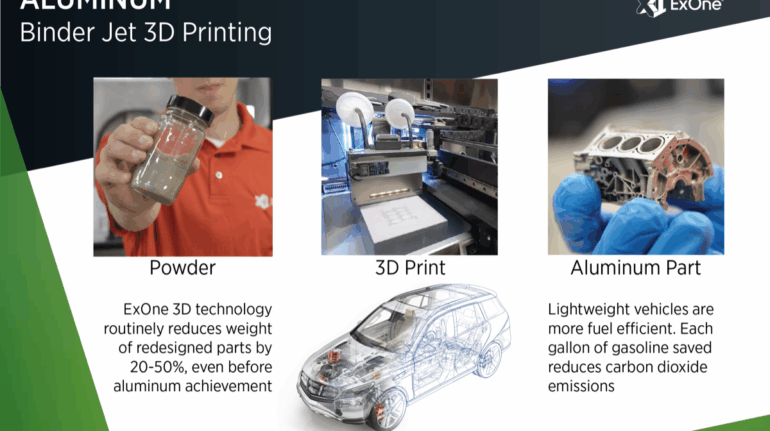
The hottest competition is in metal binder jetting and so it happens that, on the same day, two leaders in this field make a comparable breakthrough announcement: the ability to 3D print aluminum 6061 alloy by binder jetting and, more importantly, to proficiently sinter it. ExOne achieved this aluminum binder jetting breakthrough by working with Ford Motors Company on a new patent-pending process.
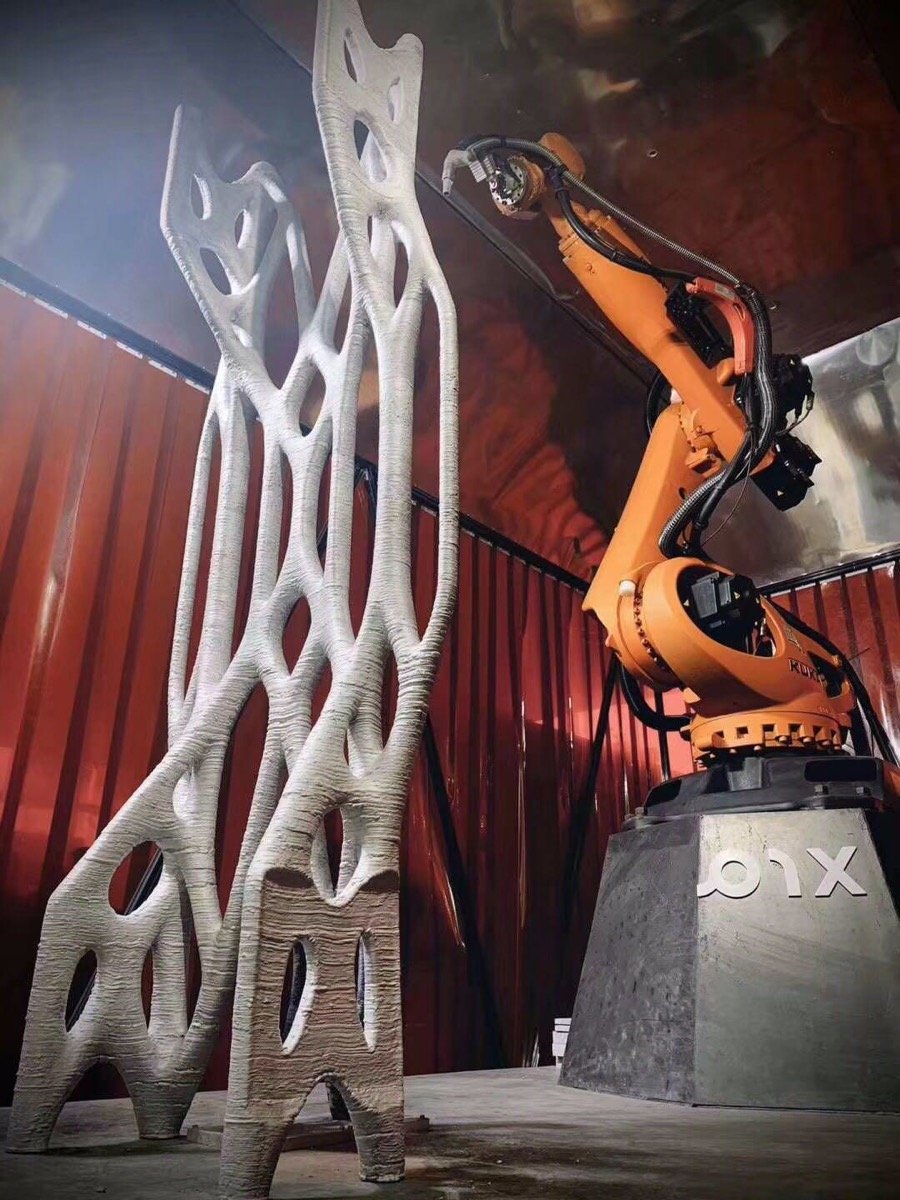
PIX Moving is working to reshape the future of city life by fully exploiting autonomous mobility and bringing mobility to traditionally fixed brick and mortar business spaces. The team developed many electric chassis platforms of various sizes, that customers use as a base to develop their ideas. A few days ago we reported on the company’s unique use of generative design and WAAM technology. Now Mechanical Design Engineer Siddharth Suhas Pawar expands on that, presenting the business case for the use of WAAM processes in actual production.
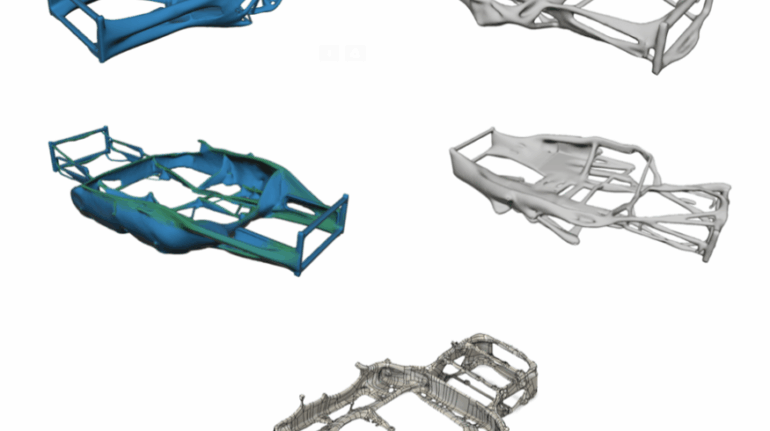
In 2019, PIX turned to WAAM (wire arc additive manufacturing), then an emerging AM technology that used a combination of an electric arc as heat source and a metal wire as feedstock. The result chassis was much lighter and easier to produce, thus reducing costs for PIX, whose goal is to provide cities with sustainable autonomous mobility.
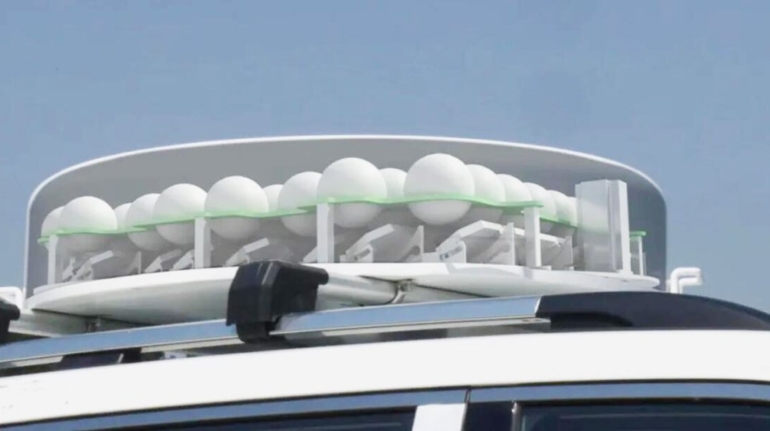
There is untapped potential for 5G, the newest, fastest wireless communication band, in the large automotive market. Rhosoon Intelligent Technology Co. has used Farsoon‘s 403P laser powder bed fusion system to realize some of this latent potential.
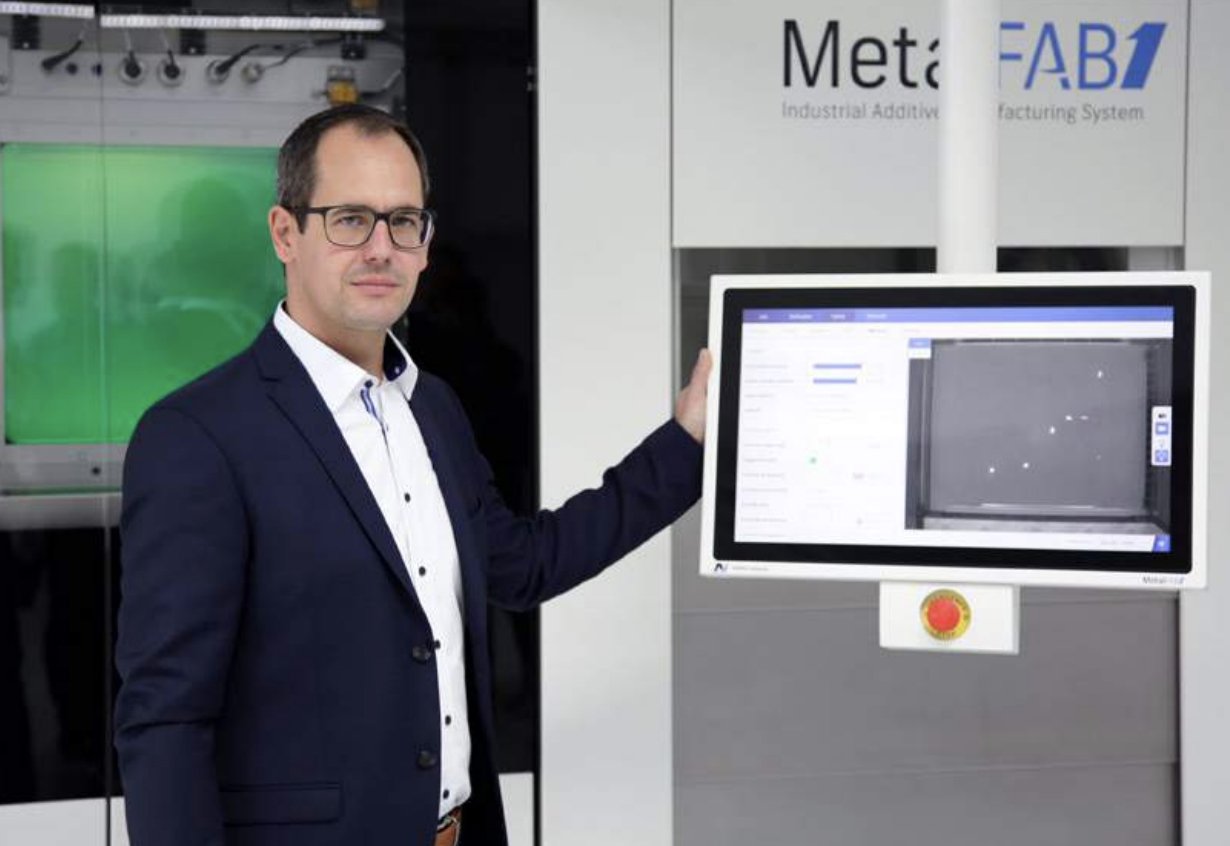
Swiss motorsport company Sauber is a historic team in the Formula 1 circuit, where it has been competing since 1993. The intensive implementation of AM at Sauber since the early 2000s is not the only reason why the company is now playing such a relevant role in the AM industry: Sauber Engineering was established to leverage the team’s unique engineering know-how and provide design and production services using Additive Industries’ MetalFAB1 metal 3D printers. Last year this led to the production of over 22,000 metal laser PBF printed parts; and these are just the start.
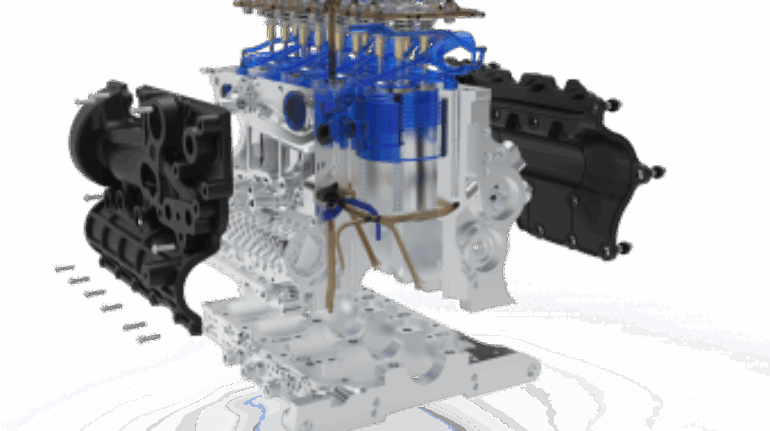
Reducing vehicle weight reduces CO2 emissions and remains a key concern for auto manufacturers. FEV and its partners in the LeiMot (Lightweight Engine) research project use additive manufacturing to demonstrate further combustion engine emission economies. FEV engineers were able to make engine functions, such as cooling or oil circulation, more efficient. Large assemblies of a passenger car reference diesel engine weight in around 21 percent lighter.

As one of the first customers, OECHSLER, one of the largest volume manufacturers of 3D printed plastic components, has purchased the S1 post-processing system from AM Solutions – 3D post-processing technology. The automated S1 will assist the company to fulfill the stringent requirements for quality, repeatability of processing results, traceability and cost efficiency that must be met in the automotive industry.
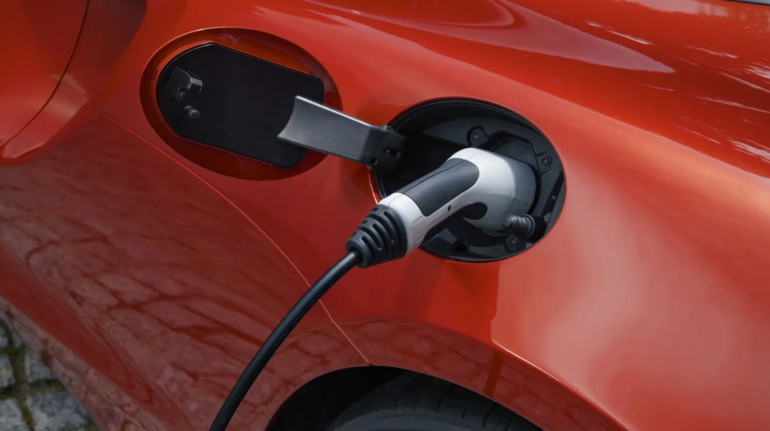
The brief for the McLaren Artura was even more challenging than its predecessors: to create a series-production High-Performance Hybrid supercar that excels on every level, with performance, engagement and efficiency sharing equal top-billing. The engineering and design team approached the challenge holistically – no single part of the process was undertaken in isolation – with ambitious targets set in every area: weight; performance; driver engagement; efficiency; agility; refinement; quality and usability. Of course, 3D printing had to play a part. McLaren confirmed the use of 3D printed cores in the engine production process, however, 3dpbm suspects other parts of the chassis and powertrain were directly printed as well.
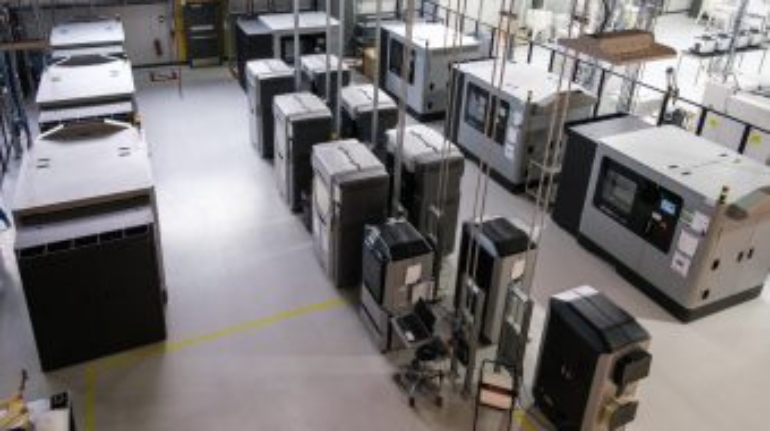
The following is a preview of an interview conducted by 3dpbm with General Motors. Look out for the full story in our upcoming Automotive AM Focus 2021 eBook.
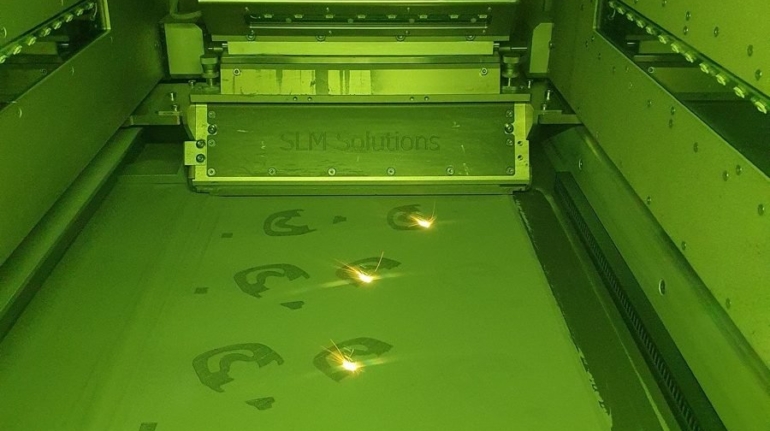
ANM (Azienda Napoletana Mobilità S.p.A.), the traditional Neapolitan public transport company, is collaborating with local AM service provider 3DnA to restore and maintain the mobility of its lines in the city of Naples. The production of needed replacement parts was made possible by re-engineering and 3D printing mechanical components no longer available from their supply chain, where the original technical documentation and drawings could not be recovered.
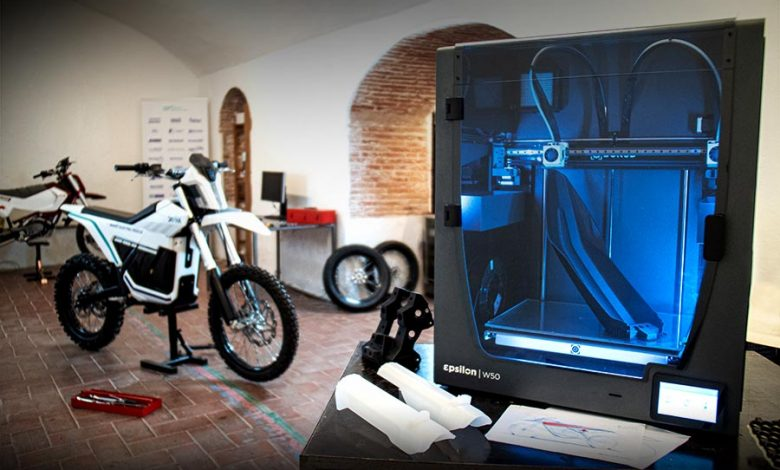
Elisava Racing Team is creating a fully electric, intelligent motorcycle equipped for mountain rescue in hostile terrains. Collaborating with BCN3D, 19 end-use parts were printed using FFF technology in a variety of different technical materials and sizes.

I wanted to inspire people to use 3D printers to build real robots, so I built this car ...

Bugatti routinely uses this innovative 3D printing technology to enhance components with complex thr ...
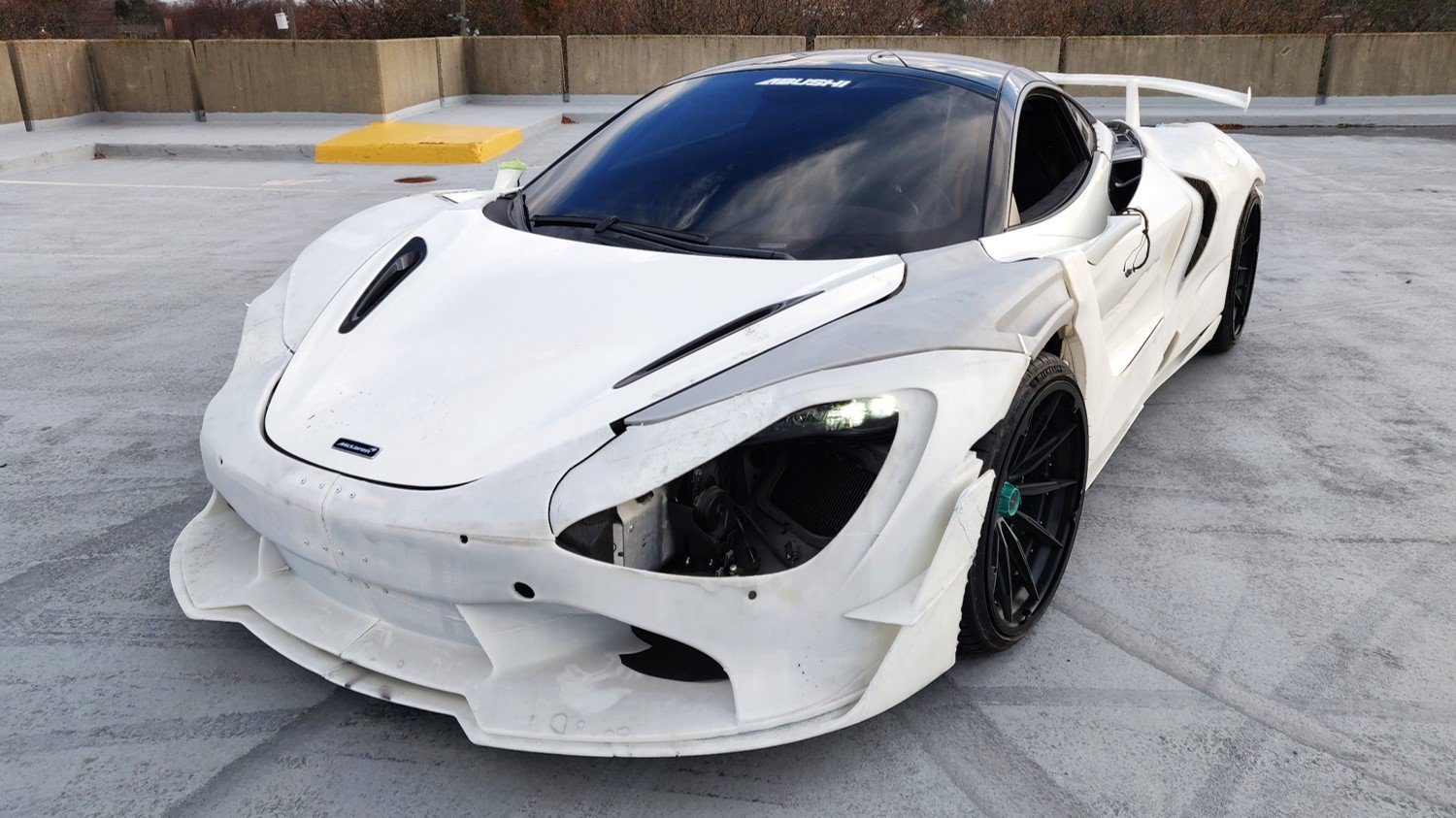
1016 Industries is planning to debut its first full-body 3D printed kit at the beginning of 2021. The company plans to provide directly printed tooling molds for the McLaren 720S and other supercars as well in the near future, with the goal to manufacture products directly as 3D printed parts.
Swiss firm Blackstone Resources has achieved a series of important milestones for its proprietary 3D printing technology to print lithium-ion solid-state batteries. The company has been investing in the next generation of battery technology through its German subsidiary Blackstone Technology GmbH. This includes patented 3D printing techniques and research into the mass production of batteries, which has been shown to offer greater energy density and a higher number of charging cycles.
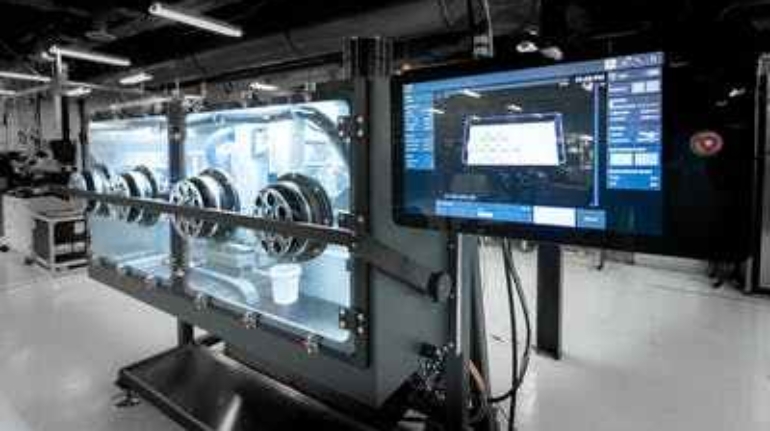
Desktop Metal has begun shipping a new, intermediate version of its P-50 Production System, the new P-1 printer, globally to its early customer base. Key clients who have already received the machine include Ford Motors, an early investor in Desktop Metal, and Cetim, the Centre Technique des Industries Mécaniques, in France, which is the first European institution to receive it. The P-50 remains on schedule to begin volume commercial shipments in 2021: achieving this milestone will be a key passage in DM’s strategy for growth, especially now that the company is publicly listed.
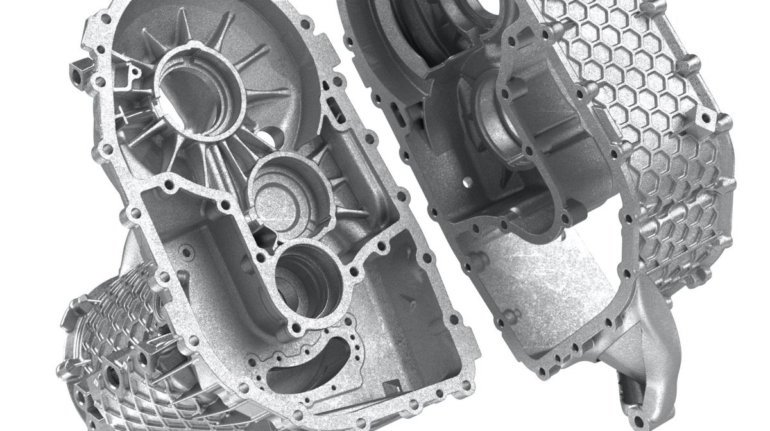
SLM Solutions just demonstrated the productivity of its new 12-laser NXG XII 600 PBF system with Porsche. The Porsche advanced powertrain engineering department focuses on large powertrain applications, such as the E-drive housing and cylinder blocks or cylinder heads in additive manufacturing.

Lighter, more rigid, more compact: as reported this morning by 3D printing partner SLM Solutions, Porsche has produced its first complete housing for an electric drive using 3D printing. The 3D printed E-Drive housing on the engine-gearbox unit produced using the additive laser fusion process passed all the quality and stress tests without any problems.
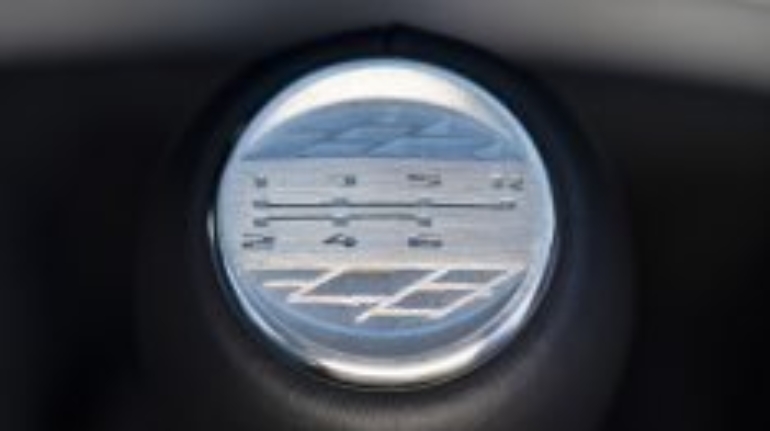
Cadillac’s introduction of the new 2022 CT4-V Blackwing and CT5-V Blackwing will also mark the revival of one of the most popular features for driving enthusiasts – the manual transmission. These manual transmissions were produced using new additive manufacturing applications that will bring 3D-printed parts into the upcoming ultra-high-performance sedans.
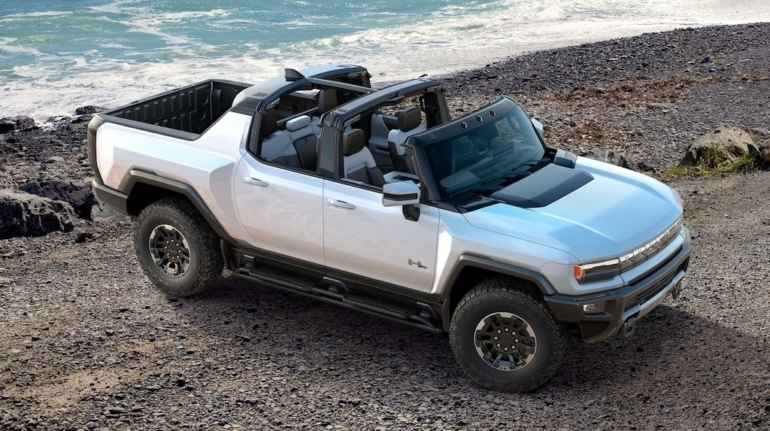
General Motors is opening a 15,000-square-foot Additive Industrialization Center, a ground-up facility exclusively dedicated to productionizing 3D printing technology in the automotive industry. The AIC is the capstone of GM’s expertise and increased investment in 3D printing over the last several years.
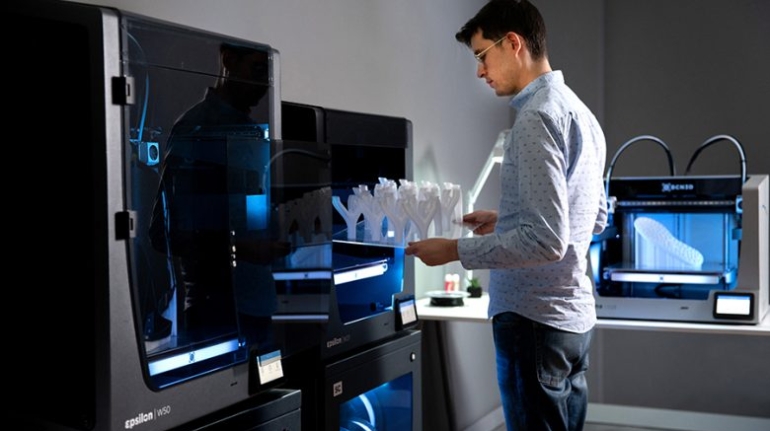
Every day, industries across the world face unique and interlinking challenges as a result of the COVID-19 crisis. For the automotive industry, it’s a complex picture in which there are both hurdles and opportunities. In this feature, Eric Pallarés, Chief Technology Officer at BCN3D, considers the impact of this tumultuous year on the automotive industry and how additive manufacturing can help.

Sometimes a photo is worth more than a thousand words. This is definitely one of those times: Rolls Royce (part of the BMW Group, one of the most active in implementing AM for production) just showed off a large batch of DfAM optimized and serially 3D printed automotive metal parts.
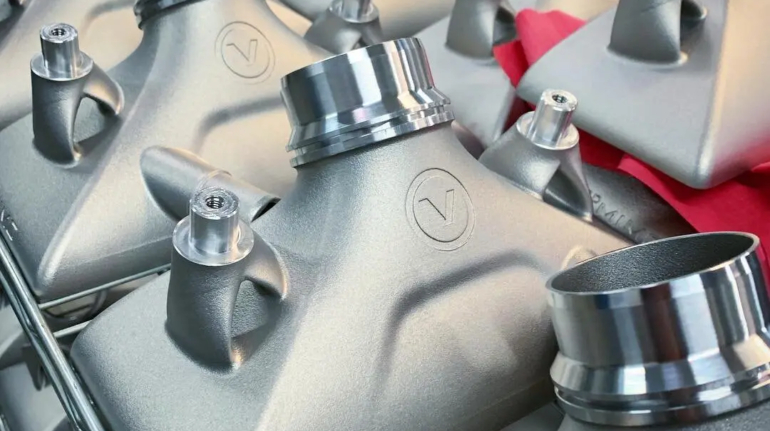
Larger parts seem to be the trend for metal 3D printing lately. Maybe not yet mass produced large parts but certainly some big one-offs for custom luxury and racing cars. Leveraging the expertise and AM capabilities at AM and engineering services provider MIMO Technick, the Papadakis Racing team built an impressively large 3D printed turbo manifold for it latest racing vehicle.

Leavine Family Racing selected the MakerBot‘s METHOD X 3D printer to leverage MakerBot’s portfolio of materials and advanced thermoplastics available for both rapid prototyping and end-use parts. METHOD’s ability to print at extremely high temperatures was also a benefit for Leavine, which needed materials with high strength and high heat resistance for race parts. The team opted for three MakerBot METHOD X 3D printers, two for the garage and one that could be set up in Leavine’s office or taken on the road for use on-site at races.

Volkswagen purchased two Stratasys J850 printers to enhance its prototyping capabilities and to build new automotive design capabilities into its creative process. The J850 is a powerful tool for car manufacturers because it can accomplish multi-material manufacturing tasks in color. The Volkswagen Pre-Series-Center is 3D printing a wide range of ultra-realistic prototypes for both interior and exterior applications, which helps the company drive further innovation in new vehicle design.

EV truck manufacturers are emerging as leading innovators in manufacturing. After Quantron used VJET X technology to produce an engine housing, Nikola Corporation has now invested in a large-format FFF additive manufacturing system, the BigRep PRO, to streamline the design and manufacturing processes of their zero-emission battery-electric and hydrogen fuel-cell electric vehicles, electric vehicle drivetrains, vehicle components, energy storage systems, and hydrogen station infrastructure.

Over the holidays, I flipped through a book called “21 Lessons from the 21st Century” written by Yuval Noah Harari. The first sentence of the introduction goes like this: “In a world deluged by irrelevant information, clarity is power.”

During this month’s AM Focus Automotive, we are mapping out the most accurate and up to date scenario for automotive additive manufacturing in final part production. We present an analysis of the latest progress made by each major automaker group and some of the key activities—either publicly disclosed or confirmed by reliable sources. Here’s a look at BMW additive manufacturing. In the previous episodes, we looked at Volkswagen, General Motors, Daimler Benz and Ford. Still upcopming: PSA, FCA and JLR.

Local Motors has just deployed Olli, a 3D printed, self-driving, electric shuttle, in the Italian city of Turin. The vehicle will be used over a four-month trial period to transport people within the International Training Centre campus of the UN’s International Labour Organization (ITC-ILO). The deployment marks the automated shuttle’s first time in Italy.

During this month’s AM Focus Automotive, we are mapping the most accurate and up to date scenario for automotive additive manufacturing in final part production. We hereby present an analysis of the latest progress made by each major automaker group and some of the key activities—either publicly disclosed or confirmed by reliable sources. This episode is dedicated to French Group PSA additive manufacturing. In the previous episodes, we looked at Volkswagen, General Motors, Daimler Benz, Ford and BMW. The next two episodes will zoom in on FCA and Jaguar Land Rover.

Corporate advisory company XponentialWorks, which specializes in 3D printing, AI and other next-gen technologies, is turning its focus to the road through a new partnership with electric vehicle company Arcimoto. Together, the companies are producing lightweight 3D printed components for Arcimoto’s Fun Utility Vehicle (FUV) with the aim of reducing costs and improving performance, efficiency and environmental friendliness.

During this month’s AM Focus Automotive, we are mapping the most accurate and up to date scenario for automotive additive manufacturing in final part production. We presented an analysis of the latest progress made by each major automaker group and some of the key activities—either publicly disclosed or confirmed by reliable sources. This episode is dedicated to the Italian American group’s FCA additive manufacturing. In the previous episodes, we’ve looked at Volkswagen, General Motors, Daimler Benz, Ford, BMW and PSA. In the final episode, we will present an exclusive look at additive manufacturing at JLR.

Spanish sports car brand CUPRA is seeing the benefits of adopting 3D printing on the racetrack. The company, which has integrated 3D printed components made using HP’s Multi Jet Fusion technology into its new CUPRA Leon Competición vehicle, has reported greater efficiency in its production process thanks to AM.

During this month’s AM Focus Automotive, we mapped the most accurate and up to date scenario for automotive additive manufacturing in final part production. We presented an analysis of the latest progress made by each major automaker group and some of the key activities—either publicly disclosed or confirmed by reliable sources. In the previous seven episodes of this series, we looked at Volkswagen, General Motors, Daimler Benz, Ford, BMW, PSA, and FCA. In this final episode, we will present a look at Jaguar Land Rover additive manufacturing, which will lead to our exclusive interview with Jaguar Land Rover’s Christopher Noble, Additive Manufacturing Strategic Engineer, that you will find in 3dpbm’s upcoming downloadable eBook on Automotive AM.

Automotive giant Ford has developed a novel way to combine driver biometrics with 3D printing to deter car thieves. The innovative new product—bespoke 3D printed locking nuts—can be used to keep alloy wheels safe from theft.

In this month’s AM Focus we sought out to answer one big question: how far along is automotive digital mass production using 3D printing technologies. The answer is: not that far at all. In fact, it’s already here.

Czinger, a Los Angeles-based company founded last year by Divergent3D founder Kevin Czinger, has revealed the first details about its first hypercar, the Czinger 21C. Created by “21st century artisans” using additive manufacturing technologies, the innovative hypercar will make its global debut at the upcoming Geneva International Motor Show next month.

Showing off during tests at the Barcelona Circuit, Additive Industries‘ Technology Partner F1 team Alfa Romeo Racing Orlen dropped its special snakeskin livery camouflage on the C39 and revealed the latest changes in the 2020 season bodywork. Race drivers Kimi Räikkönen and Antonio Giovinazzi, alongside reserve driver Robert Kubica and development driver Tatiana Calderon, pulled the covers off the C39 during a roll-out presentation in the pitlane at the Circuit de Barcelona-Catalunya.

In our automotive focus last month, we spotlighted many of the automakers using additive ...

“New manufacturing processes only come once every several decades,” says Jonah Myerberg, Co-founder and CTO of Desktop Metal, one of the most interesting companies in the global additive manufacturing landscape today. In this one-hour webinar, Mr. Myerberg discusses how Desktop Metal’s bound metal AM technologies can benefit manufacturing processes at all levels.

Although we have not been able to establish a direct channel with their team, EDAG remains one of the most interesting, innovative and capable firms in the entire automotive additive production scenario. After showing some of the interesting cases and research studies in the automotive segment, the German design studio is now tackling materials with the CustoMat_3D research project.

Luxury car manufacturer Porsche has introduced a new concept for sports car seating that leverages 3D printing and lattice design. The seating concept, called “3D-printed bodyform full-bucket seat,” enables customers to personalize their seat for comfort and is partly inspired by seat fittings designed for professional motorsports.

The overlap between the additive manufacturing world and the automotive industry is growing each year. At the forefront of their respective disciplines are Desktop Metal and the Ford Motor Company, whose recent partnership has improved creativity and productivity at the world-renowned carmaker.

The Ford Motor Company today announced its strategy to support the fight against the COVID-19 pandemic. As part of the plan, it is partnering with 3M and GE Healthcare to help scale up production capabilities for medical equipment and necessary supplies using its expansive manufacturing capacity. The automotive leader is also leveraging its in-house 3D printing capability to produce components for personal protective equipment, and plans to assemble over 100,000 face shields per week.

Japanese automaker Honda is hoping to reduce the impact of its vehicles on the environment using smart design and advanced manufacturing processes. Recently, for instance, the automaker’s R&D department teamed up with software company Autodesk to redesign and 3D print a crankshaft component to make it lighter and more fuel-efficient.

The Bugatti factory – like those of just about every major automaker in Europe – is closed due to the COVID-19 pandemic, however, development and automated production is ongoing at APWORKS, one of its suppliers. The advanced manufacturing firm is additively manufacturing the extremely lightweight and highly temperature-resistant exhaust tailpipe for the latest Bugatti Chiron Pur Sport.

Tesla fan website MunroLive published a teardown video of the new Tesla Model Y that was launched – quite softly – at the end of last March, in the midst of Coronavirus crisis-related supply chain issues. Possibly to address those issues, the video shows that the Model Y’s HVAC system integrates a partly 3D printed part.

The Volkswagen Passenger Cars brand resumed vehicle production at its Wolfsburg plant on April 29th with the early shift beginning at 6:30 a.m. Initially, Golf production will recommence on a one-shift basis — with reduced capacity and longer cycle times. The Wolfburg plant also hosts VW’s 3D printing center and a number of 3D printers. It’s not yet clear if and how newly approved healthcare safety policies at VW will affect the adoption and installation of new production-ready systems at the automaker. The new regulations are expected to reduce contact between employees and thus drive an increase in production automation, but it still remains to be seen whether AM workflows will be able to accommodate this new demand.

With a record market cap, Tesla is among the automakers that are best positioned to get through the COVID-19 crisis. The recent – possibly a bit uncalled for – tweets by its exuberant CEO do not seem to be getting in the way of the company’s climb to the top of the automotive world. And the reason is that its technology is – according to experts – six to ten years ahead of competitors (this used to be true for Apple, and look where it got). Tesla is not very open about its use of AM, however in the latest Q1 financial release, the company showed a very large, generatively designed metal part that will go into its new Model Y’s.

Collecting 1:8 models of cars and boats can be an expensive hobby however for many people the best model cars can be considered alongside fine watches and works of art. Amalgam Collections creates unrivaled examples of the world’s most iconic and luxurious cars at scale combining a vast array of manufacturing methods. For such unique, custom-made high-precision products 3D printing can provide an ideal solution. And it does.

For the past two years, officials and teams from Formula 1 have negotiated to come up with a new set of regulations for the 2021 racing season. Among the many updates made to the Formula 1 2021 technical regulations is the approval of two additive manufacturing metal powders developed by Colorado-based Elementum 3D, A6061-RAM1 and A2024-RAM2.

Remember the 3D printed Lamborghini story? So much has happened since, including Lamborghini swapping it for a real one and… a pandemic. However, Sterling Backus never stopped working on the project (actually can you think of anything better to do during a lockdown?) and now he’s taking the beast – whose official name is the 3D Printed Interceptor – out for a spin.

The German Federal Ministry of Education and Research has funded and launched POLYLINE, a collaborative project aimed at developing a next-generation production line for the automotive industry. The €10.7 million project specifically addresses the integration of additive manufacturing into plastic part production in the automotive industry to complement conventional production methods through high-throughput production line systems.

Motorsports, and Formula 1 in particular, is considered one of the driving segments for AM adoption. But one thing is the ability to rapidly produce lighter AM car parts and an entirely different thing, especially in F1, is the ability to actually use them. That’s because the regulations for additive manufacturing in Formula 1 are very (very) strict and sometimes block AM materials and applications.

LEHVOSS North America, a provider of thermoplastic 3D printing materials, has signed a formal agreement with Forward Engineering North America (FENA), a Michigan-based division of global engineering and consulting firm Forward Engineering GmbH that is focused on the use of fiber-reinforced polymer composite materials for the serial production of automotive structures.

Last April – in the midst of the first leg COVID-19 outbreak in the US, General Motors was tasked with building 30,000 COVID-19 ventilators for the national stockpile for a total of $489.4 million, the first contract under the Defense Production Act invoked by the US President Donal Trump.

The BMW Group has now officially opened and further consolidated its new BMW Additive Manufacturing Campus. The new center brings together the production of prototype and series parts under one roof, along with research into new 3D printing technologies, and associate training for the global rollout of toolless production. The campus, which came at an investment of €15 million, will allow the BMW Group to develop its position as a technology leader in the utilization of additive manufacturing in the automotive industry.

After Elementum’s own aluminum alloys, APWORKS‘s Scalmalloy aluminum alloy has now also been officially approved by the FIA (Fédération Internationale de l’Automobile) and added to the Formula 1 regulation as one of the additive metal materials. Given that APWORKS is based in Germany it seems safe to assume that the current world champion Mercedes team will be making use of the material for its seemingly unbeatable vehicle. Mercedes F1 has been a major adopter of AM for rapid car development throughout its tenure.

The new Lamborghini Sián Roadster has just been unveiled and it looks gorgeous as usual while presenting several new technologies, including 3D printing for extreme customization. Engineered around Lamborghini’s iconic V12 engine with unique hybrid technologies, this open-top hybrid super sports car is intended to offer an anticipation of automative future.

With 3D printing of electric motor components, a new era of efficiency is now underway for electric motors. The focus is on copper windings, the main component of every electric motor. German firm Additive Drives is at the forefront of this innovation.

German automotive manufacturer Porsche is taking its use of 3D printing to new places with ...

Superstrata, a Silicon Valley-based bicycle brand linked with composite AM service provider Arevo, just unveiled its flagship product: the world’s first made-to-measure 3D-printed e-bicycle with an impact-resistant unibody carbon fiber frame.

Since significantly expanding its 3D printing capacity – by installing 17 production-grade Stratasys systems – at the end of 2019, automotive giant GM has transformed many of its production lines, leveraging the technology for faster and most efficient tooling and more. In light of the COVID-19 pandemic, the technology has come particularly in handy, helping the company to transition towards the production of ventilators.

With its propensity for custom, one-off designs, it is no wonder that 3D technologies like scanning and 3D printing have been eagerly adopted by automotive restoration professionals. The technologies have literally given them the tools to bring vintage and rare cars back to their former glory, not just in look, but often also in terms of performance. Whether used to reproduce an obsolete component for a vintage model or to replicate the entire car body, 3D printing is now an intrinsic part of automotive restoration projects. Here are a few of our favorite examples from over the years that demonstrate the many ways 3D printing and 3D technologies can be used to rev up old cars.

Eagle, a British restorer of the Jaguar E-Type car, can achieve the bespoke, low-volume production it needs thanks to a partnership with Graphite Additive Manufacturing Ltd., an England-based 3D printing service. More specifically, Graphite Additive Manufacturing provides Eagle with custom 3D printed parts made using the HP Jet Fusion 4200 system.

We may just have to add this case study to our roundup of favorite 3D automotive restoration projects. Pittsburgh-based HV3DWorks LLC, a company specializing in the restoration and customization of classic cars, has leveraged ExOne’s binder jetting 3D printing technology to help restore a vintage Ferrari from 1969. The technology enabled the restoration team to reproduce a critical carburetor component for the Ferrari 365 GT 2+2 V-12 engine.

Spanish automotive company SEAT has transformed its prototyping operations with the launch of an upgraded Prototype Development Center (PDC) in Martorell. The additional PDC facility, which spans 3,000 square meters, unifies the automaker’s pre-production operations into a single location. Central to the new location’s operations is a new, cutting-edge 3D Printing Lab.

A lot of work went into this incredible success for Scuderia AlphaTauri but 3D printing with DSM Somos materials also played a part. Just last month the F1 team reported that it started using Somos PerFORM Reflect AM material to cut production time up to 30 percent, enhancing testing processes and increasing the speed and frequency of aerodynamic improvements. The results are now there for everyone to see after Sunday’s incredible victory by Pierre Gasly. And someone should be taking notes.

Though it may best be known for its tires, Continental AG has its fingers in many pies in the automotive sector, including part production, connectivity, automated driving and mobility services. These business areas are tackled by the company’s Continental Engineering Services (CES) division, which has been a keen adopter of additive manufacturing in recent years.

After working with Team Penske in five championship and over 70 race wins since 2017, Stratasys has announced an enhanced technical partnership with Penske. The parties have entered into a new multi-year partnership agreement, which allows Stratasys to maintain its technical support for the four systems currently deployed in Penske’s shop.

Sterling Backus’ 3D printed Lamborghini was one of 3dpbm’s biggest stories ever and rightly so. The project is truly amazing: to think that someone could 3D print several parts of an Aventador replica’s body at home, on basic desktop systems (used as a base shape for composites), and actually build a working car seemed impossible. And yet, here it is: the (almost) final product looks truly amazing and it is a great inspiration for STEM education, which is exactly what Backus set out to promote.

In yet another example of additive manufacturing in the automotive sector, Chevrolet announced that its 3D printing racing program supported over 80,000 miles of racing. This milestone is indicative of the competitive and manufacturing efficiency derived from AM products. Chevrolet’s announcement pairs with this Network’s recent reporting on Team Penske’s and Oxford Brookes Racing’s implementation of AM parts in their race cars.

Scaled Ltd, a UK firm specializing in large format 3D printing via a robotic extrusion process, unveiled its Project Chameleon 3D printed electric vehicle. The company started working on the Chameleon vehicle less than half a year ago, aiming to demonstrate how the way vehicles are manufactured can be revolutionized through AM.

With the technological concept of the Bugatti Bolide, the french luxury car manufacturer is now providing the answer to the question “what if Bugatti built a radically light vehicle around its iconic 8.0-liter w16 engine?” The experimental study of the Bugatti Bolide is a track-oriented hyper sports car featuring a w16 engine derived from series production as powertrain combined with a minimal body for maximum downforce. It, therefore, promises to offer the ultimate Bugatti performance kick.

The BMW Group has transposed its 3D printing activities to its motorbike racing team by printing S 1000 RR World Superbike components at the curbside, on-demand. This method allows the team to quickly prototype new components at the circuit. Testing is made more efficient, which is an old story for those familiar with additive manufacturing prototyping. Full production runs on these bikes occur after the 3D-printed prototypes are fully tested before final production occurs in Munich. BMW also uses its 3D printers at races to produce non-critical parts track-side.

LM Industries, the parent company of Local Motors – the first company to develop largely 3D printed EVs – raised $15 million from Mirai Creation Fund II (managed by SPARX Group Co., Ltd, the Japanese asset management firm). This financing will help Local Motors deliver Olli to customers and consumers who are seeking ways to redefine local mobility.

Three months after its foundation, Additive Drives GmbH, developers of additively manufactured electric motor components, obtained a seven-digit (€1.5 million) seed investment from the Munich-based investor AM Ventures Holding GmbH. The financing round is intended to further advance the market launch. In addition to scaling the business in the area of prototyping, high-performance series applications are also to be enabled. By means of 3D printing, Additive Drives takes electric machines to unexpected levels of performance and efficiency.

When Rolls Royce makes a car it looks at every detail so that you don’t have to. In order to maintain the minimalistic, luxurious style of the original, the new Rolls Royce Ghost Extended went the extra mile to develop unique part geometries that would enable the increased legroom without compromising the car’s style. In order to achieve this, the British car company made intensive use of 3D printed parts.

TÜV SÜD has performed its first combined audit in the field of additive manufacturing (AM) for Sauber Engineering AG, a company specializing in the development of innovative methods and manufacture of high-quality components. This audit has now resulted in the issue of two certificates, ISO 9001 and DIN SPEC 17071 for metal and plastics production.

Voxeljet, a German leader in large format 3D printing, received three more orders for its high-speed VJET X 3D printers: 1 VJET X unit order was placed in August 2020, and two more units were ordered in September 2020. This brings the total to five units installed for metal automotive part production.

BMW Group is now ready to enter a new era for its EV range, by introducing the new BMW iX. Conceived from the outset for purely electric mobility, the iX sees BMW redefining the successful Sports Activity Vehicle (SAV) concept, initially presented two years ago with the iNEXT project. A defining characteristic of the iX/iNEXT is the front grille, which will house sensors and electronic connectors and is vital for highly-automated driving. It allows the integration of camera technology, radar functions and further sensors required for highly developed driver assistance systems into the front end of the vehicle. The original prototype of the grille was, of course, 3D printed, as we revealed back when the project was originally announced. Will the production of the grille component also involve additive manufacturing?

FCA and Fraunhofer IAPT (Research Institution for Additive Manufacturing Technologies) collaborated on a 3D printed wheel carrier with an integrated brake caliper for an FCA sports car.

On November 11, 2019, the XEV Shanghai Center officially opened in Baoshan district, Shanghai. As a ...

We custom manufacture LSR(Liquid Silicone Rubber) single-shot and multi-shot gaskets, seals, bellows ...

One of the pioneers of 3D printed cars, Local Motors may have switched to autonomous buses, but this ...

Thermwood Company, an Indiana-based company that develops, produces and sells technology-based produ ...
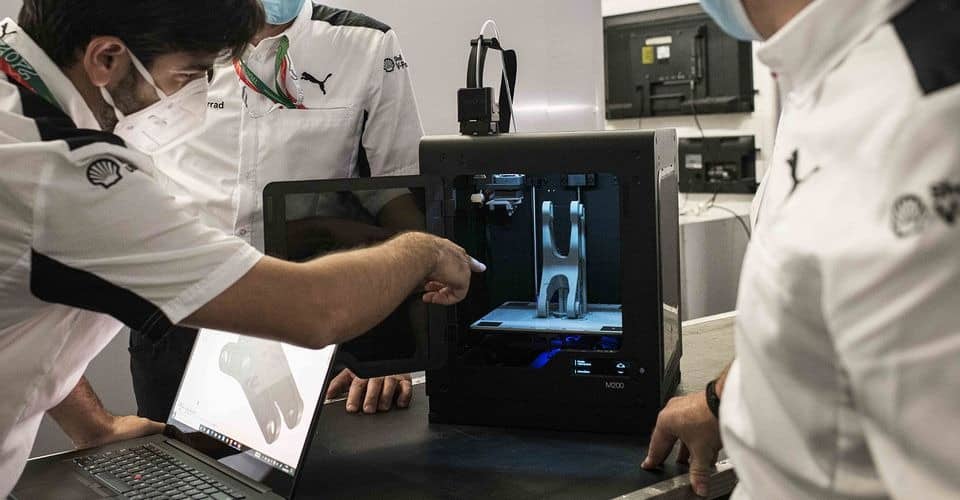
At any time, it is essential to install the right parts at the right time. Although out-of-stock par ...
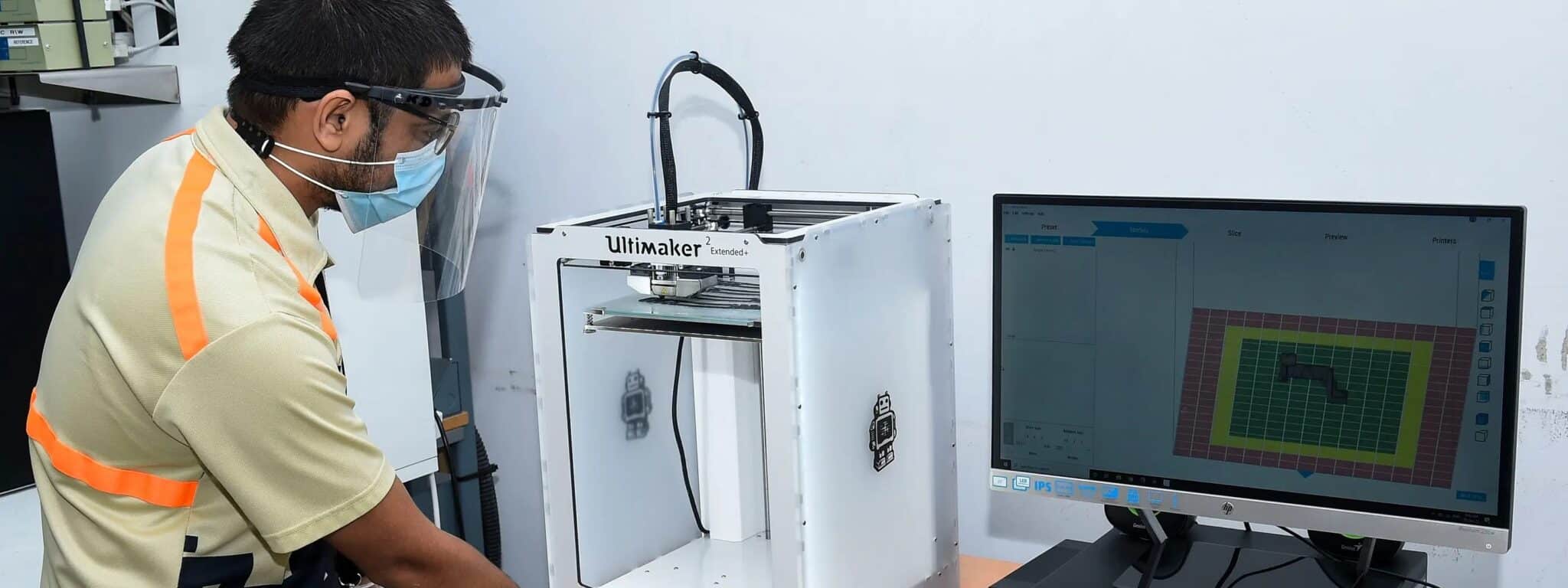
In the exceptional circumstances of the global pandemic, Covid-19, the Dubai Road Transport Authorit ...

High-performance sports car manufacturer Porsche has partnered with machine tool manufacturer TRUMPF ...
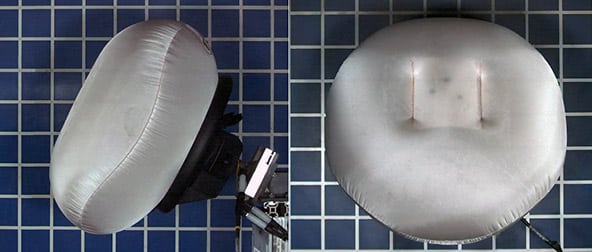
Joyson Safety Systems, a leading provider of mobile safety components, systems and technologies, rec ...
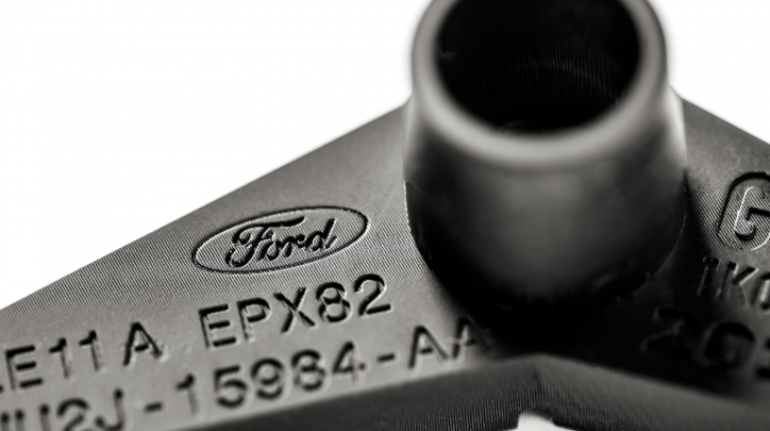
During this month’s AM Focus Automotive, we are going to map the most accurate and up to date scenario for automotive additive manufacturing in final part production. We present an analysis of the latest progress made by each major automaker group and some of the key activities—either publicly disclosed or confirmed by reliable sources. This episode is dedicated to Ford additive manufacturing. In this previous episodes, we took a look at Volkswagen, General Motors, and Daimler Benz. Still upcoming BWM, PSA, FCA and JLR.
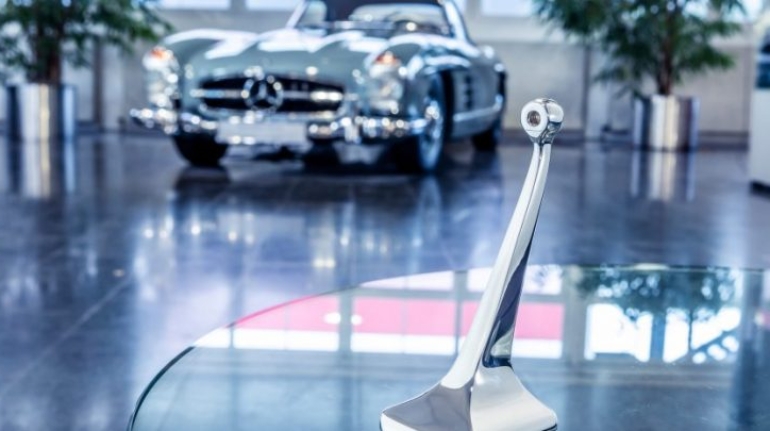
During this month’s AM Focus Automotive, we are going to map the most accurate and up to date scenario for automotive additive manufacturing in final part production. We present an analysis of the latest progress made by each major automaker group and some of the key activities—either publicly disclosed or confirmed by reliable sources. Now it’s time for Daimler Benz additive manufacturing. In this first two episodes, we took a look at Volkswagen and General Motors. The next episodes will zoom in on Ford, BWM, PSA, FCA and JLR.
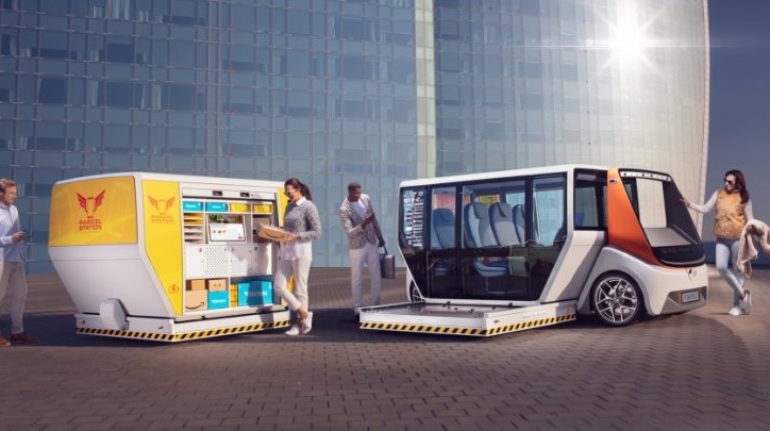
Swiss automobile manufacturer Rinspeed has a unique vision for the future of cars, one driven by modularity and efficiency. At this year’s CES, the forward-thinking company is showcasing its latest concept vehicle, the MetroSnap, an electric and modular vehicle with 3D printed parts that can fulfill multiple functions.
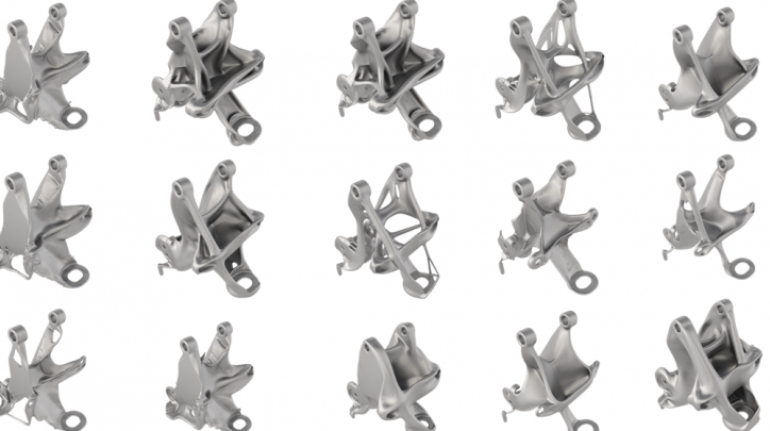
During this month’s AM Focus Automotive, we are going to provide the most accurate scenario for automotive additive manufacturing in final part production. We will present an analysis of the latest progress made by each major automaker group and some of the key activities—either publicly disclosed or confirmed by reliable sources. After the first episode, where we took a look at Volkswagen additive manufacturing activities, now it’s time to visit GM. The next episodes will feature Ford, BWM, Daimler Benz, PSA, FCA and JLR.
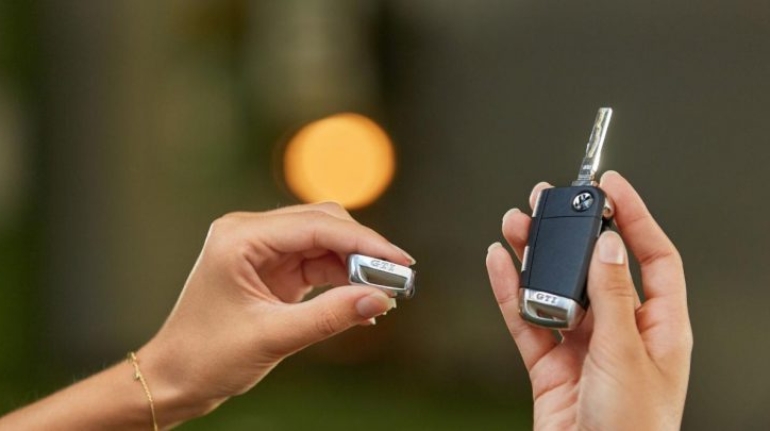
During this month’s AM Focus Automotive, we are going to provide the most accurate scenario for automotive additive manufacturing in final part production. We will present an analysis of the latest progress made by each major automaker group and some of the key activities—either publicly disclosed or confirmed by reliable sources. In this first episode, we take a look at Volkswagen additive manufacturing activities. The next episodes will cover General Motors, Ford, BWM, Daimler Benz, PSA, FCA and JLR.
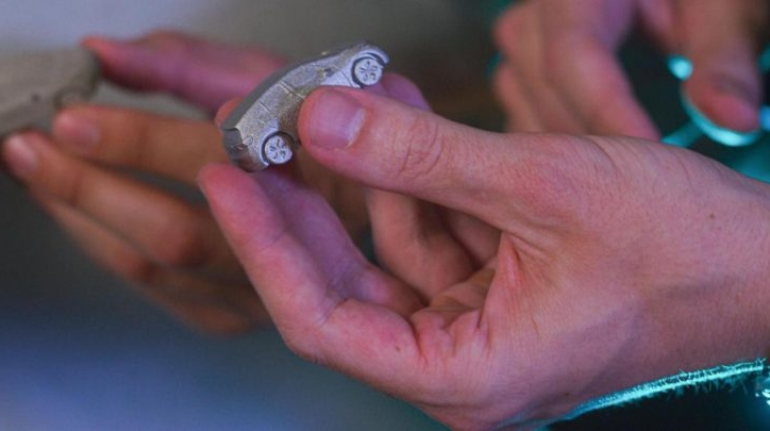
In an anticipation of SmarTech Analysis’s next report on AM for automotive production, which further builds and expands on the study published in 2019, 3D Printing Media Network can exclusively reveal that all revenue streams associated to AM for automotive production (not including prototyping) are now expected to add up to nearly $10 billion in total yearly sales by the end of this decade.

You may remember the 3D printed Lamborghini story that 3dpbm and 3D Printing Media Network exclusively broke – the very first media to do so – a few weeks back. After the story went viral and made it into some of the largest generalist media in the US and worldwide, Lamborghini itself eventually got wind of it. As part of the Lamborghini Real Lover campaign, the company turned this into one of the coolest Christmas tales ever, by swapping the 3D printed ongoing project for a brand new Aventador.
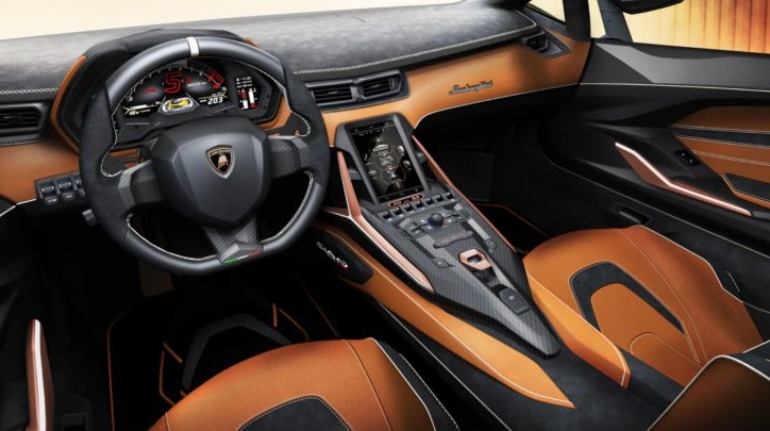
After beginning work together in February, Carbon and Lamborghini have expanded their partnership and will now digitally manufacture both the central and lateral dashboard air vents for the Sián FKP 37, Lamborghini’s first hybrid production car.
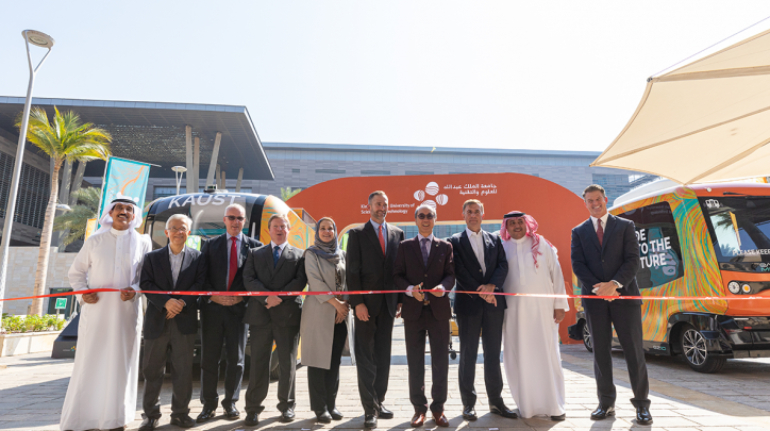
Students at the King Abdullah University of Science and Technology (KAUST) in Saudi Arabia will be among some of the earliest to trial self-driving vehicles. The university, through a partnership with Local Motors by LM Industries and EasyMile, has introduced autonomous shuttles at its campus as part of a pilot project.
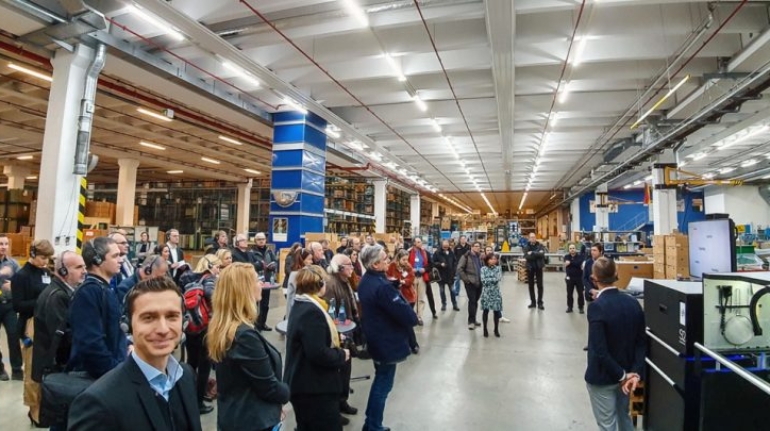
German automotive corporation Daimler is no stranger to additive manufacturing. In recent years, the company has exploited the benefits of AM for the production of prototypes and serial production custom parts. Notably, the company played a key role in the NextGenAM project with Premium AEROTEC and EOS to develop an automated metal AM process for manufacturing truck parts.

SHINING 3D has been working in close contact with automotive companies and motorsports teams for years to help them adopt additive manufacturing and increase productivity while reducing costs. In a recent case, SHINING 3D helped an automotive company design, produce and test a new exhaust pipe through a new phase of product development. The metal powder bed fusion (MPBF) technology from SHINING 3D, with the EP-M250 3D printer, and the high-precision OptimScan 5 blue-light 3D scanning and inspection technology were used during the process.
Industrial CT analysis software company Volume Graphics recently signed a multi-year Official Supplier agreement with Renault F1 Team in order to advance the use of its non-destructive testing tools to inspect 3D printed automotive racing components. Renault F1 Team will use the company’s VGSTUDIO MAX solution to test parts for its Formula One single seater with more efficiency and reliability.
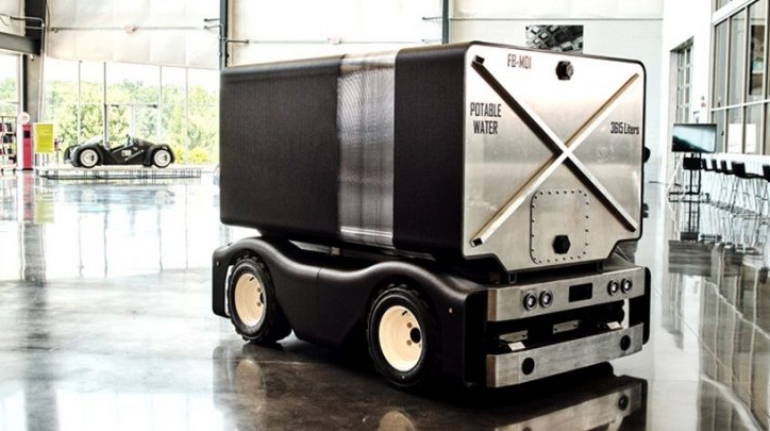
Additively manufactured CoroMill 390 tools from Sandvik and a revolutionary production model are helping Local Motors fulfill its vision of on-demand, 3D printed autonomous EVs for a cleaner and more sustainable future.
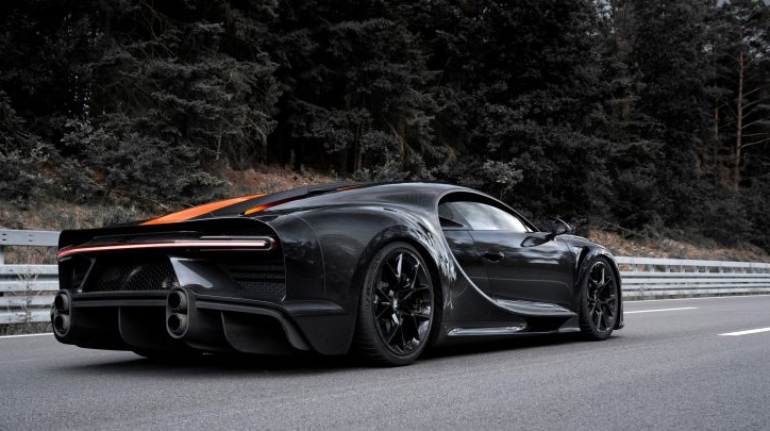
APWORKS, the Airbus-owned industrial 3D printing specialist, has revealed that it provided 3D printed exhaust finishers for the Bugatti Chiron, a hyper sports car that broke a world record when it reached 300 miles per hour (482.80 km/h) in August. APWORKS is currently showcasing the 3D printed exhaust finishers at Formnext.
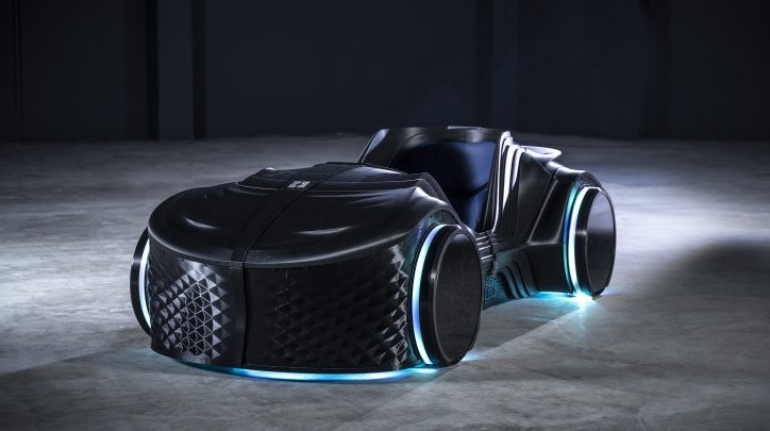
BigRep, the German large-scale 3D printing specialist, has brought a 3D printed “pod car” named LOCI to Formnext 2019. The autonomous electric car demonstrates the new BigRep Part DNA technology, which embeds NFC chips into 3D printed parts.
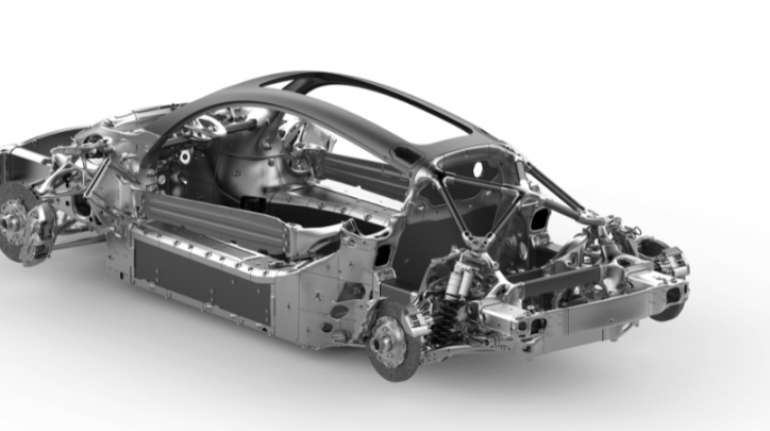
Automotive AM company Divergent Technologies (Divergent 3D) has signed a letter of intent to purchase five pre-production next-generation AM systems from SLM Solutions, with the ultimate aim of manufacturing 3D printed components for hypercars. The two companies have been working under a Joint Development Partnership (JDP) since 2017.

Ajlani Motors, a new hypercar manufacturer from the UAE founded Bashar Ajlani, launched its first, superhot Drakuma model at the Dubai International Motor Show. While the car was certainly the star, the event was also enriched by a gorgeous 3D printed sculpture of a dragon. This work of art, which you can see in the video above, also designed by Ajlani Motors founder and CEO, was 3D printed by local studio Proto21.
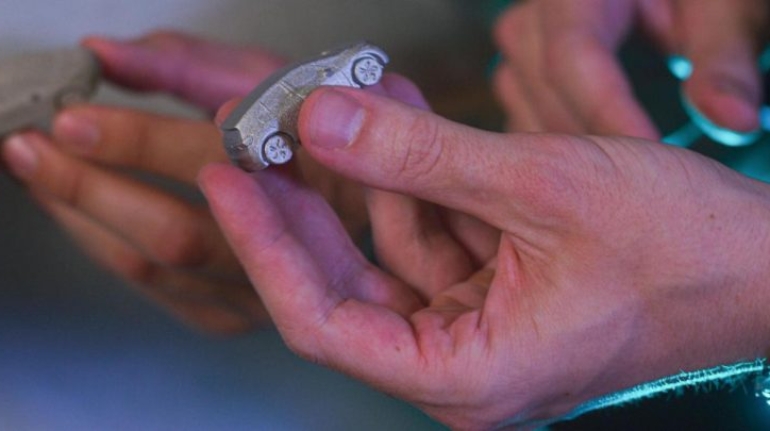
The partnership between HP and Volkswagen, two of the largest companies in the world in their respective fields of expertise, was formed last year with the goal of producing large batches of metal 3D printed automotive parts. One year later the first key milestone has been achieved with a production run of more than 10,000 parts – a set of 3D printed ID.3 models – produced by HP and GKN Powder Metallurgy in just a few weeks, to support the visionary ID.3 electric vehicle launch event.
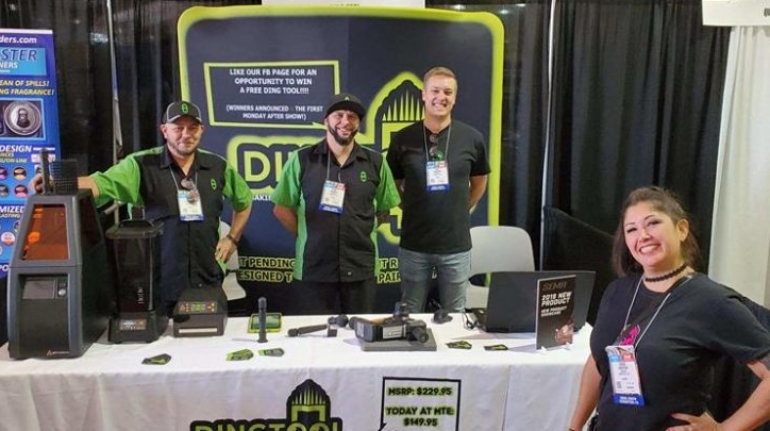
3D printing has found yet another application in the automotive sector. Ding Tool LLC, a company specializing in paintless dent repair tools, is launching a series of 3D printed dent repair tools at the SEMA show this week in Las Vegas. The patent-pending tools were 3D printed using technology and materials from B9Creations, a South Dakota additive manufacturing solutions company.
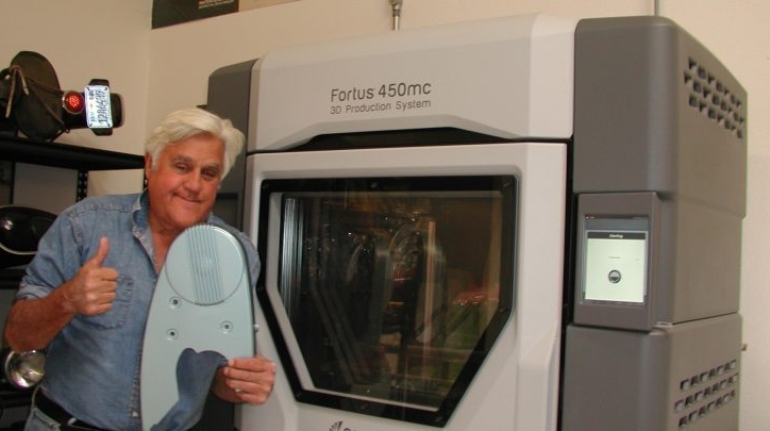
Jay Leno is no stranger to 3D printing. The former Tonight Show host is a massive car aficionado and has, through Big Dog Garage and Big Dog Productions, utilized AM to help restore and refurbish all manner of vintage and rare automobiles. From here on out, it seems the comedian will be turning to 3D printing more than ever, as Leno’s auto repair shop has signed a new partnership deal with 3D printing giant Stratasys.
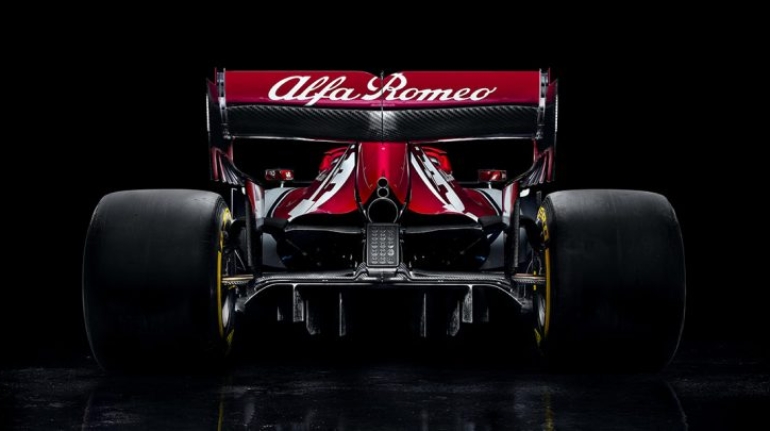
Alfa Romeo Racing, a Formula One team operated by Sauber Motorsport AG, is furthering its investment in additive manufacturing. The racing team, which already has four operational MetalFAB1 3D printers from Additive Industries, has purchased and installed a Hot Isostatic Press (HIP) system from Swedish company Quintus Technologies.

One of the most iconic cars from Bentley’s history – Sir Tim Birkin’s 1929 supercharged 4½-litr ...
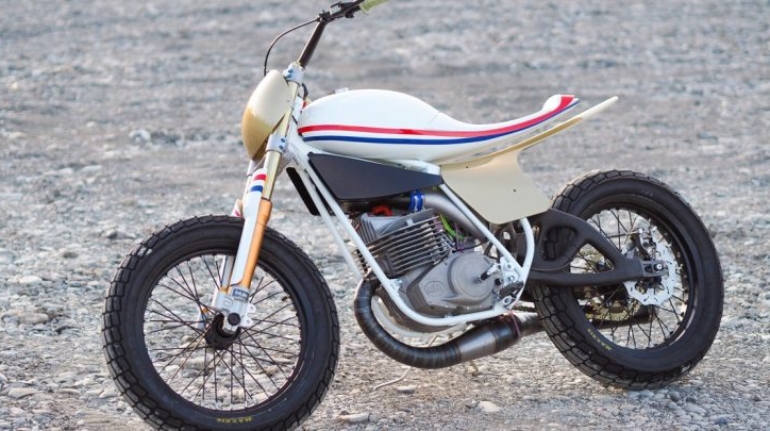
Carboni e Metalli, an innovative startup based in the heart of the Italian Motorvalley, worked with metal AM service provider Beam IT to create a radical concept motorcycle using several metal 3D printed parts. Named Lunar Project, as it pays homage to the successes of the Apollo missions, the bike was presented at the 2019 Wildays in Italy and took home the “BEST OF SHOW” award for the best motorcycle.

Aeronautics company Airbus has partnered with LM Industries to form a new company dedicated to local mobility and autonomy, Neorizon. The mobility startup will operate a microfactory designed to rapidly and efficiently build products for new transportation and mobility solutions.
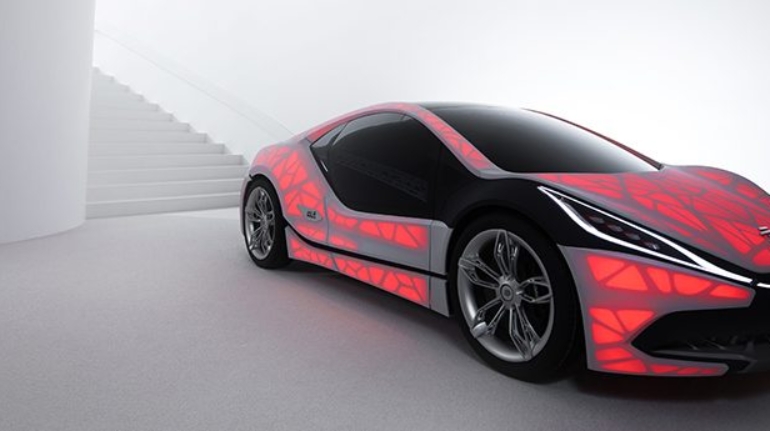
The increasing variant intensity in small series, the reduction in the time-to-market in development, and the demand for material efficiency are all opportunities for introducing metal 3D printing in the automotive industry. This is why the EDAG Group, the world’s largest independent engineering service provider for the automotive industry, and nine leading partners, are carrying out the StaVari research project into a fully integrated process chain for the additive manufacture of complex components using an innovative steel grade.
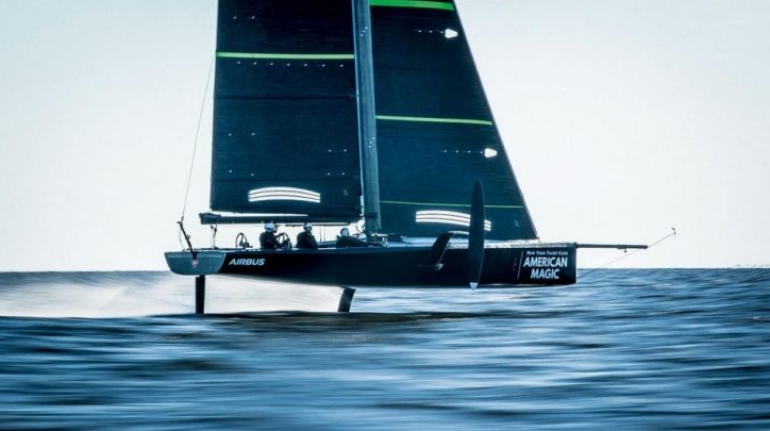
Stratasys has today launched its new Performance Partner Program, which will bring together teams and companies from across auto racing, competitive sailing and next-gen supersonic travel to advance additive manufacturing technologies and applications. The program’s partners include Team Penske, Andretti Autosports, McLaren Autosports, American Magic, Boom Supersonic and more.
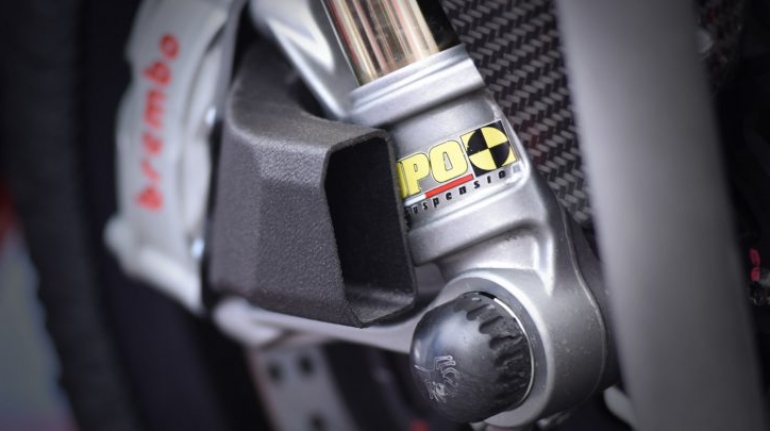
WASP, the first and leading Italian manufacturer of advanced Delta 3D printers, has been pushing the additive manufacturing industry in new directions since it was founded by Massimo Moretti in 2012. The company’s latest evolutions are now heading towards leveraging the consolidated and highly reliable kinematics of its delta systems to address industrial-level end-use part production. With the introduction of the new Delta WASP INDUSTRIAL 4.0 line, the company supports the use of production-grade materials – such as Nylon Carbon – for a growing range of products. One such application highlights the versatility and accessibility of the Delta WASP 2040 INDUSTRIAL 4.0 for a racing team – competing in the Campionato Italiano Velocità (Italian Speed Championship) – to bring, for the first time, a 3D printer inside the box, producing real racing parts.
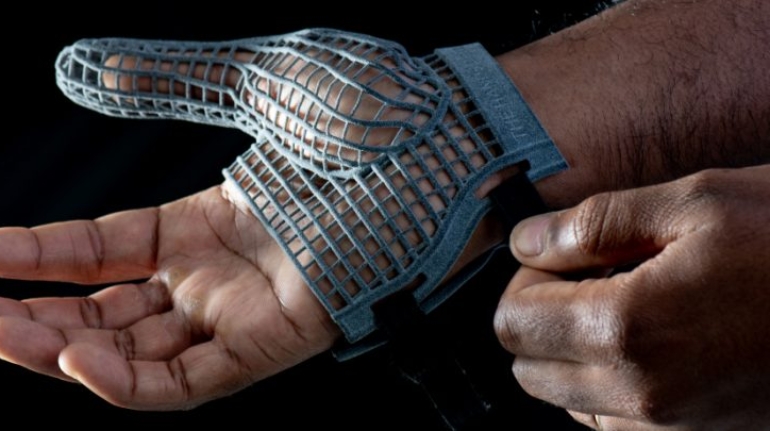
A UK-based team of engineers from Jaguar Land Rover are putting their skills to work by designing a lightweight 3D printed glove that can be worn by people working on the company’s production line. The glove—part of the team’s effort to create next-gen protective workplace gear—could help to prevent musculoskeletal disorders caused by production line duties.
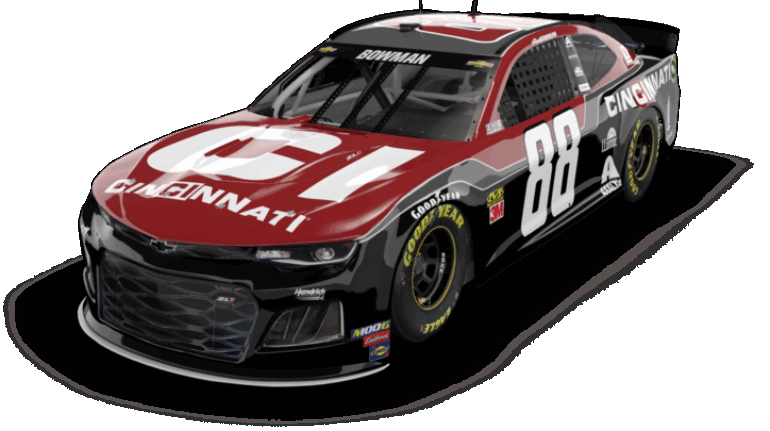
Cincinnati Incorporated, an Ohio-based machine equipment manufacturer, has signed a 10-year partnership agreement with NASCAR racing team Hendrick Motorsports. The agreement will see Cincinnatti Inc. become the 12-time NASCAR Cup Series champion’s official Metal Fabrication and Additive Equipment provider.

Lamborghini is an adopter of 3D printing – that is known. The company has been using the technology for prototyping for several years, although this was never officially confirmed beyond a Lamborghini placed inside the Energy Group (an Italian Stratasys distributor) booth at several AM shows. Lamborghini even went public with a production application using Carbon’s DLS technology for its Urus SUV. The latest Lamborghini model presented ahead of the Frankfurt Motor Show (could the location suggest something, with Formnext on the way?), the Lamborghini Sián FKP37, packs all the latest automotive technologies and – for the first time – introduces a number of 3D printed final parts (likely produced with Carbon’s technology like the Urus). That makes sense since it is also the most customizable Lamborghini ever.
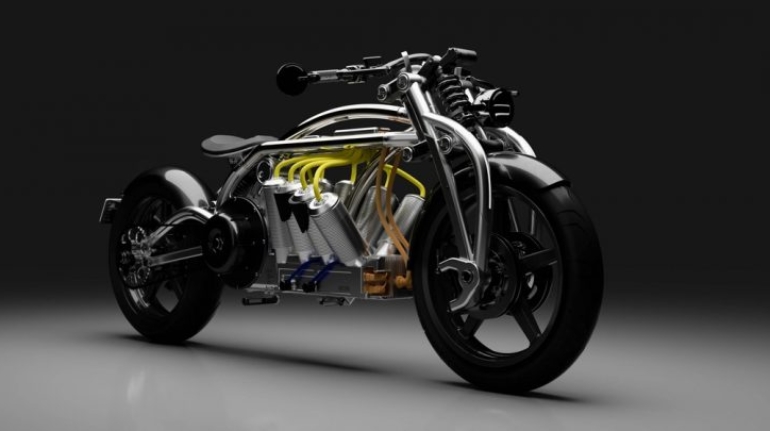
It’s clear when looking at the Zeus 8 motorcycle that it is not your run-of-the-mill chopper. With a dramatic elongated body and exposed battery cylinders, the electric motorcycle is a vehicle that even non-motorcycle-enthusiasts can gawk at. The impressive sickle, designed by Alabama-based Curtiss Motorcycles, has been in development for some time and is now finally approaching production—thanks in large part to hybrid manufacturing company Fast Radius.
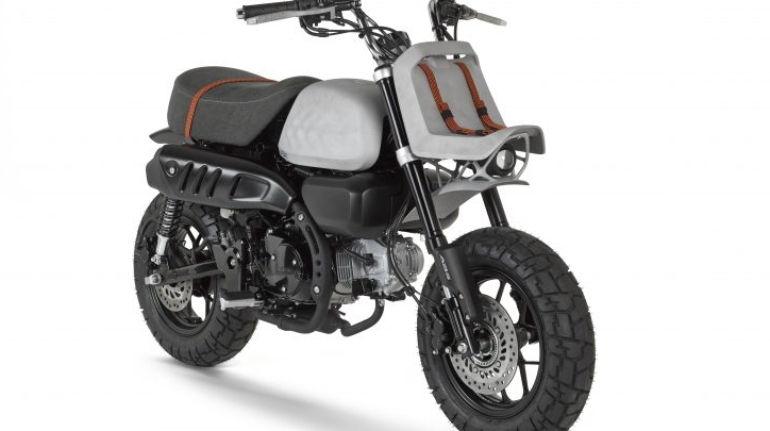
Earlier this year, France-based custom motorbike manufacturer VIBA unveiled a contemporary reimagining of the classic 1970s Honda Monkey motorcycle. The bike, called “Jane,” draws inspiration from the original vehicle’s retro aesthetic but adds more modern touches, including a series of aluminum 3D printed parts.
Volvo Trucks North America announced this week that it has adopted 3D printing for the production of tools and fixtures. The 3D printed components are being used at its New River Valley (NRV) facility in Dublin, Virginia, where all trucks for the North American market are manufactured. Since implementing additive manufacturing for tooling, the automotive company says it has already experienced faster production rates and continuous quality improvements.
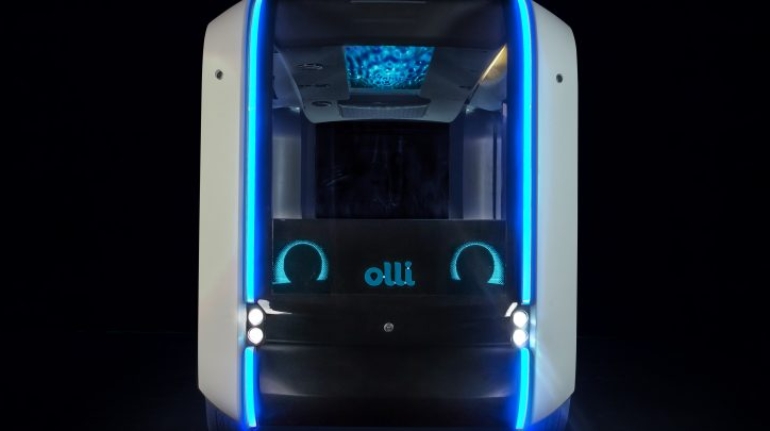
The first Olli made its debut in 2016 and represented the first real and practical application for a mostly 3D printed and co-created vehicle produced by Local Motors. Now the time has come for its new and improved successor: Olli 2.0
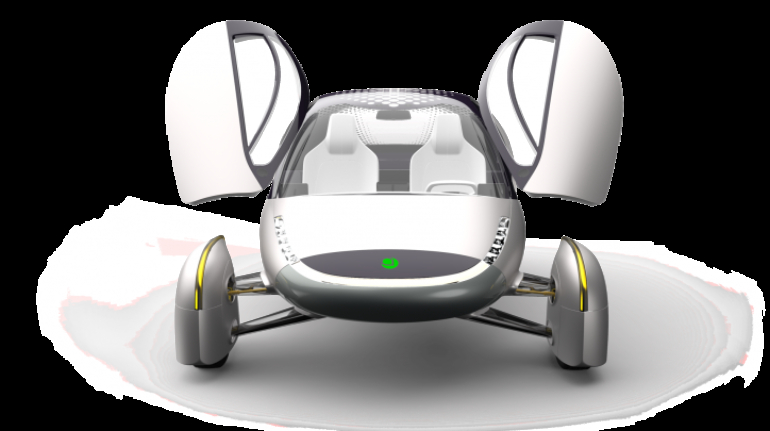
Despite a promising beginning in the mid 2000s, Californian fuel-efficient vehicle company Aptera Motors closed its doors in 2011, failing to deliver more than a prototype of a car that could run 100 miles on a single charge. Today, believers in Aptera Motors’ vision will be happy to learn that the company has risen again and has put forth a concept for a vehicle that can reach 1,000 miles of range on a single charge.
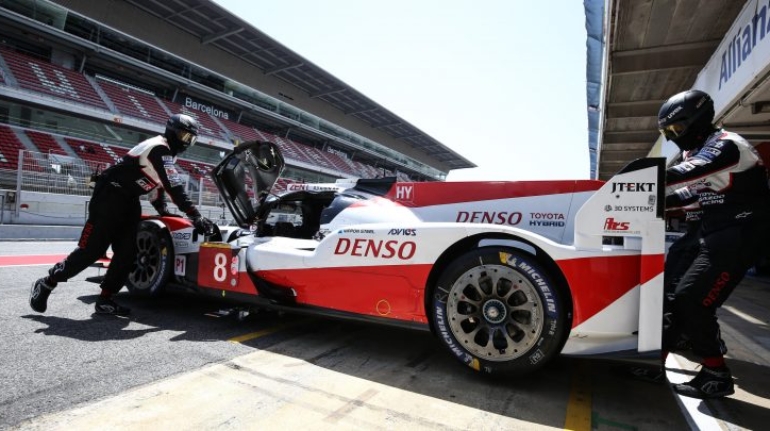
3D Systems and TOYOTA Motorsport GmbH (TMG) are aiming to change the face of automotive engineering through a new collaboration. TMG, a wholly owned subsidiary of TOYOTA Motor Corporation, will work with the 3D printing giant to develop first-to-market manufacturing solutions, including 3D printers, materials and software, with the goal of advancing automotive design and production.

Musashi Seimitsu Industry, a Japanese automotive manufacturing company, has announced a partnership with battery developer KeraCel to develop and bring-to-market 3D printed solid-state batteries for the automotive sector. As a strategic partner, Musashi will support the accelerated development of KeraCel’s additive manufacturing technology for solid-state batteries in order to scale it for high-volume production.
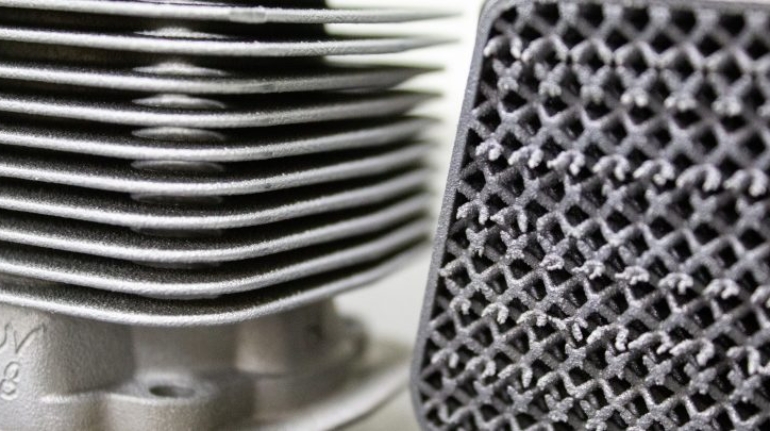
After successfully optimizing its design processes for aircraft and motorcycle engines in collaboration with UK-based metal AM company Renishaw, engine manufacturer Cobra Aero has decided to invest in its own AM 400 3D printer. Prior to the investment, Cobra Aero worked in close collaboration with Renishaw to learn about the company’s metal AM process.
German chemical company Henkel has joined an R&D project called SYMPA in partnership with Rapid Shape GmbH, cirp GmbH and others. The project, which is supported by the German Federal Ministry of Education and Research (BMBF1) and the Federal Ministry Republic of Austria Transport, Innovation and Technology (BMVIT2), aims to develop new materials, printing methodologies and post-processing technologies for stereolithography products. The joint SYMPA project, which launched at the end of 2018, will specifically focus on developing durable SLA parts using DLP processes for the automotive industry.
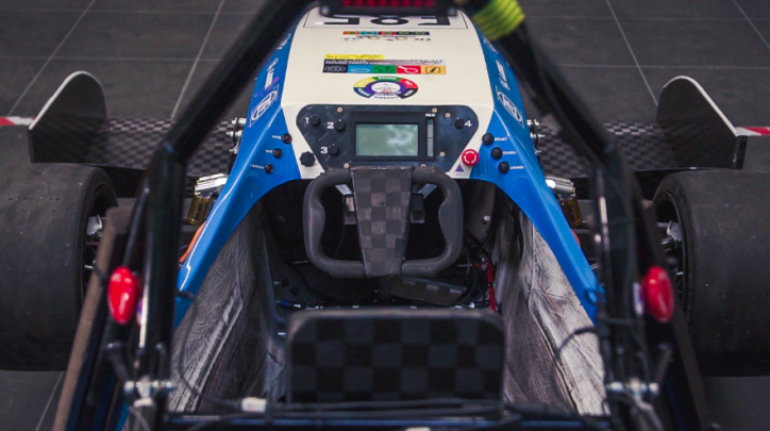
3D Hubs has produced more than 3,000,000 parts since the company was founded in 2013. Many of these parts were manufactured specifically for automotive applications. The unique nature of 3D printing has made automotive design easier and cheaper than ever before.
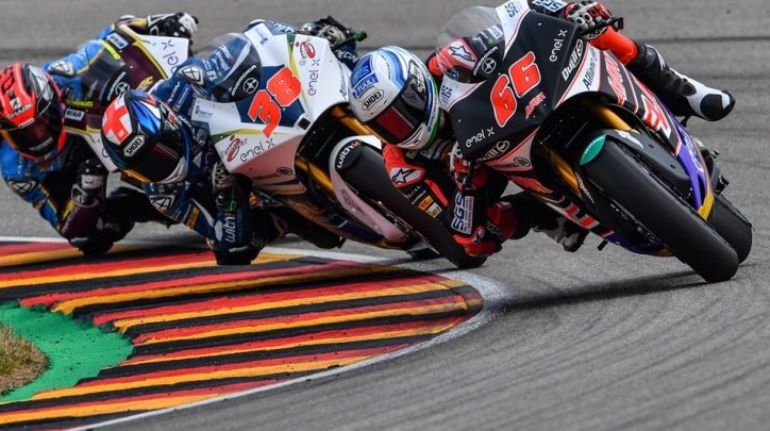
After facing a major setback in March, Italian 3D printing company CRP Group and Energica’s 3D printed electric motorcycles made a successful debut in the first round of the FIM Enel MotoE World Cup at the Sachsenring racetrack in Germany.

Volkswagen Group of America’s former Electronics Research Laboratory (ERL) is evolving into the new Innovation and Engineering Center California. The IECC will be the largest Volkswagen vehicle research facility outside Germany (with lots of 3D printers inside of course), and serve as the heart of an expansion of Volkswagen’s North American engineering resources, driving greater innovation in vehicle technologies closer to the US customer base. The event was celebrated by presenting the Type 20, a unique vehicle concept that combines Volkswagen heritage with futuristic technology: in other words, a new, long-awaited, electric, 3D printed hippie van.
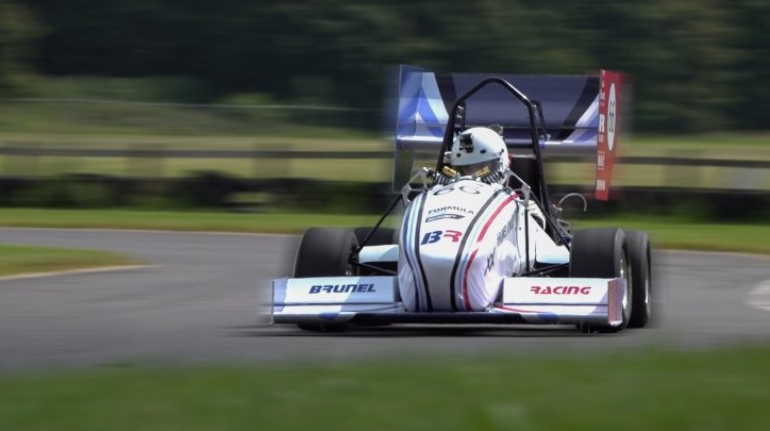
As professional racing and motorsports are relying more and more on additive manufacturing technologies, it only makes sense that the trend would also pick up in student-led racing teams. This year, for instance, the Brunel University London team competed in a number of Formula Student (FS) races with a car that was partially constructed using metal 3D printing. The race car, the BR-XX, was developed in collaboration with UK-based metal AM company Renishaw, which helped in the production of a 3D printed manifold part.
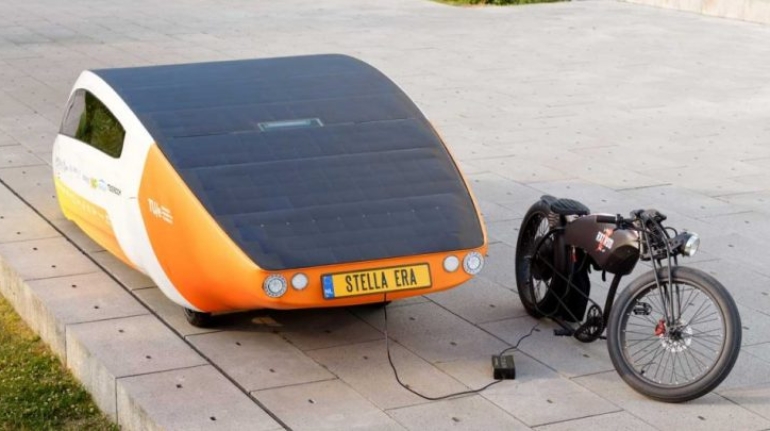
There is no question that electric cars are more environmentally sustainable than vehicles that rely on fuel, but within the realm of electric vehicles, there are still things that can be done to improve eco-friendliness, including using electricity from renewable sources to powder the cars.
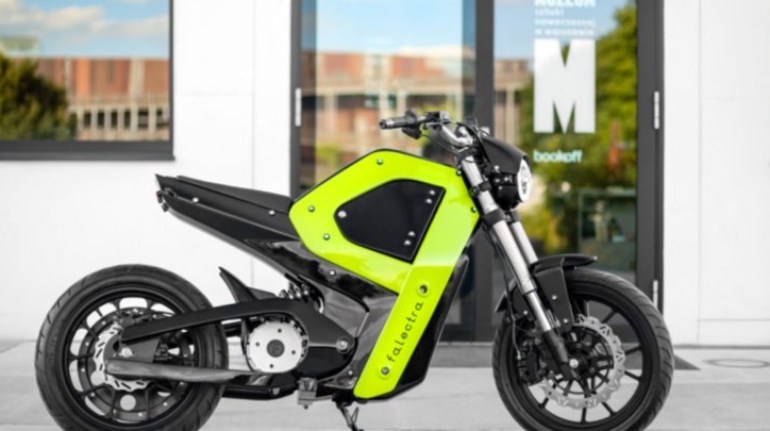
With the climate crisis becoming increasingly more serious, many people are seeking more eco-friendly alternatives to everyday things, like fashion, eating and transport. In the latter category, Polish designer Piotr Krzyczkowski took matters into his own hands by designing a green, urban transport solution in the form of a 3D printed electric motorbike. The vehicle, called Falectra, has become the first Polish electric motorbike brand and will soon become available for road-use.
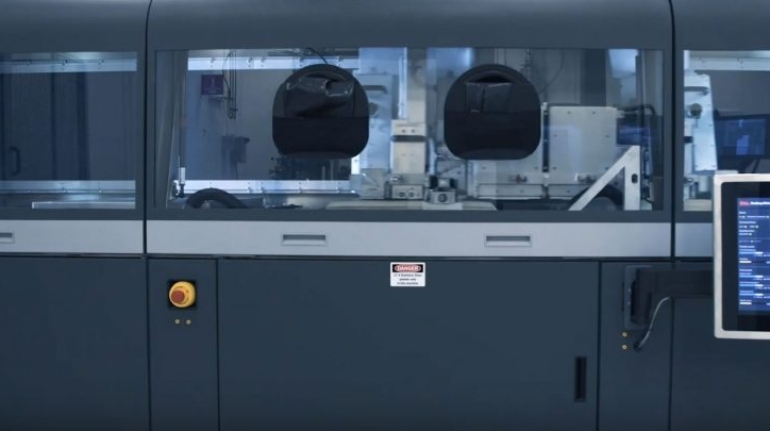
In March 2018, so just a little over a year ago, Desktop Metal received funding for $65M in an investment round led by Ford Motors. Although that news did not make huge headlines, the deal is now starting to bear fruits as Ford just showed off how they have been using several Desktop Metal Studio systems for prototyping and are now implementing Desktop Metal’s Production system for, well, part production.
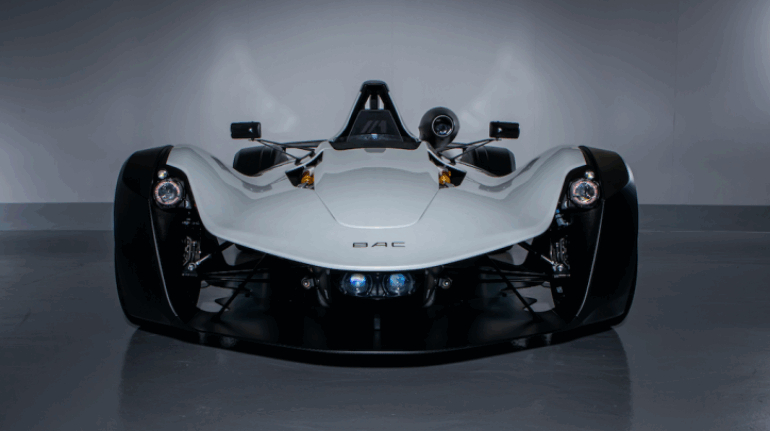
Briggs Automotive Company (BAC) has officially launched the all-new Mono R – a higher-performance, lighter and more advanced new generation of the iconic Mono. Mono R features parts 3D printed using DSM filaments and resins and offers world-beating performance on the road and track.
Australia-based Aurora Labs Ltd recently signed a Memorandum of Understanding (MoU) with Sweden-based aluminum manufacturer Gränges AB. The agreement, signed through Aurora Labs’ wholly owned subsidiary A3D Operations Pty Ltd., will focus on the development advancement of aluminum for additive manufacturing in the automotive and other industries.
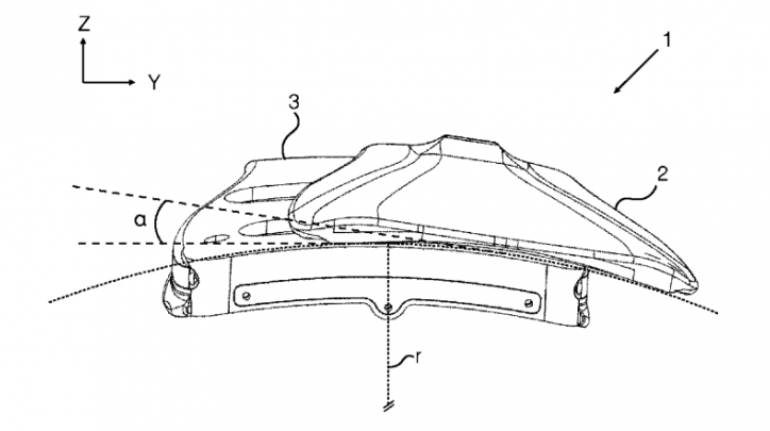
To make something complicated even more complex, patents in 3D printing do not concern only 3D printing technologies but anything you can invent with them. This latest case is a clear example of a 3D printed invention where the patent also covers 3D printing as the manufacturing method. Finnish engineering services company Etteplan received a patent for its invention created through 3D printing: a motorcycle seat equipped with a moving mechanism – and its manufacturing method.

Remember when we told you that life-size 3D printing was a thing? Apparently, it’s already a lot more than that. Or at least it’s a lot more than life-size. In an epic-size project, physicist Sterling Backus has been working on a life-size, functional and mostly 3D printed Lamborghini Aventador in his own backyard. His goal – described in the dedicated Facebook page – is to show his kid, and kids in general, how cool science and engineering are, demonstrating the power of technology.
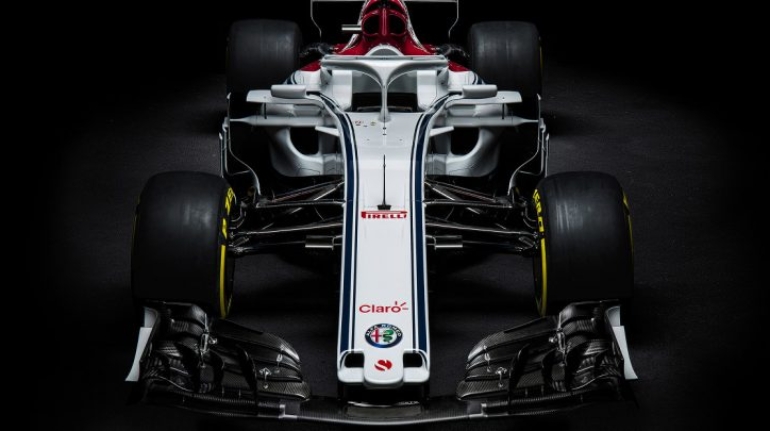
At the opening of the Rapid.Tech – Fabcon Conference on industrial 3D Printing in Erfurt, Additive Industries revealed that it has strengthened its Technology Partnership with the F1 team of Alfa Romeo Racing. On behalf of Alfa Romeo Racing, Sauber Engineering, like the F1 team part of the Sauber Group and using the technology, have ordered their 4th multi-module, 4-laser MetalFAB1 Productivity system.

German automaker BMW has been a keen adopter of 3D printing technologies in recent years, utilizing the technology for prototypes as well as functional and decorative vehicle elements. Last year, the company achieved an important milestone on its additive journey, successfully 3D printing its millionth part in ten years. Today, BMW has introduced a new a clever way to use 3D printing, which it hopes will help share its vision for the future of cars with people around the world.
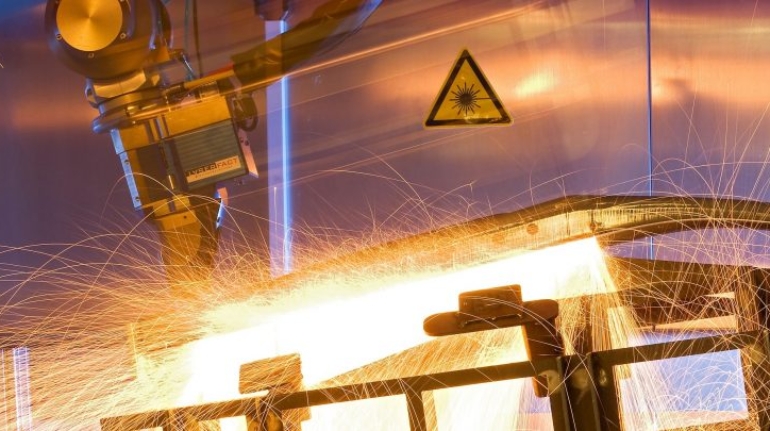
The Fraunhofer Institute for Laser Technology (ILT) and three partners are spearheading MultiPROmobil, an NRW Leitmarkt Project that aims to develop multi-functional laser tools that could help to overcome existing production challenges for electric vehicle designs.

Michelin and GM, two companies that have been making very significant investments in additive manufacturing just presented a disruptive concept for an airless, 3D printed fully recyclable car tire. The Uptis Prototype represents a major advancement toward achieving Michelin’s VISION concept, which was presented at the Movin’On Summit in 2017 as an illustration of Michelin’s strategy for research and development in sustainable mobility.
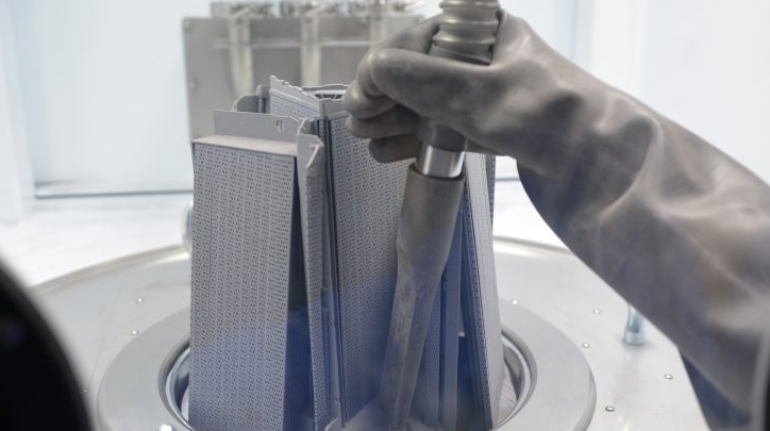
Automotive manufacturing company Continental has opened a new 3D printing competence center at its electronics facility in Karben, Germany. The additive manufacturing center will be run by the company’s experienced Continental Engineering Services team and will serve all of the company’s divisions, producing 3D printed components both internally and for external customers.
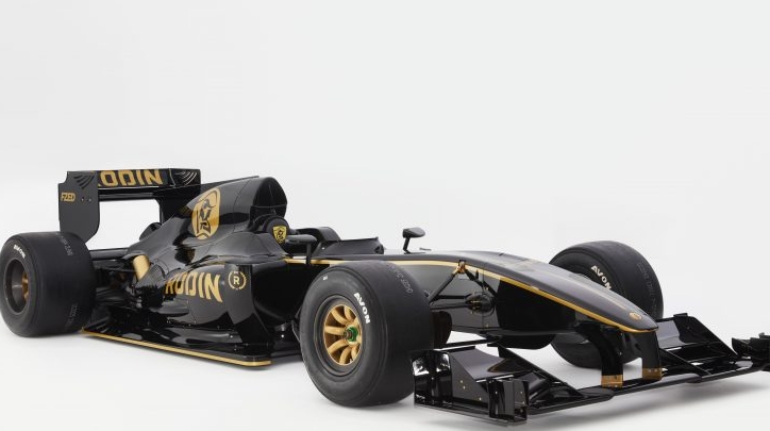
It is inspiring to see the leaps and bounds that additive manufacturing has made in recent years. In the automotive industry especially, the evolution of additive manufacturing is apparent, transitioning from an experimental early prototyping process to a full prototyping and even production technology. 3D printing giant 3D Systems has been along for the ride—often behind the proverbial wheel—showing us the full automotive potential of its AM systems.

Manufacturing services company Jabil has entered into an agreement with Renault F1 Team to accelerate the development and delivery of 3D printed parts for the Renault R.S. 19 race car. The vehicle now competing in the 2019 Formula One World Championship, and, despite a fairly disappointing result in Monaco (9th place), it could get the competitive edge it needs thanks to 3D printed parts.
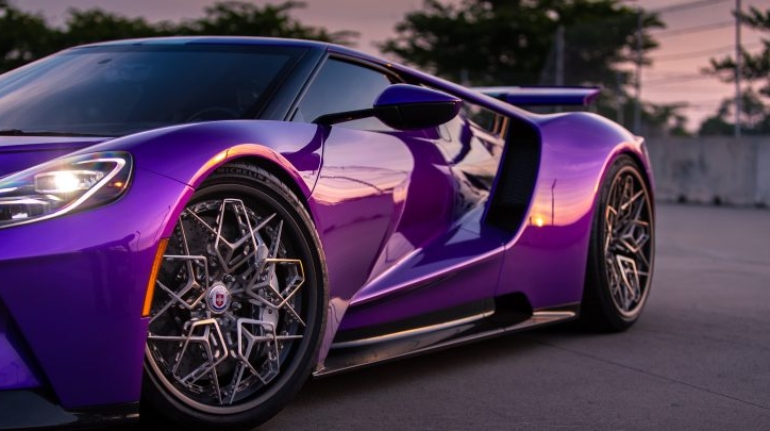
One of the most important inventions of all time, the wheel paved the road for modern transportation to be developed, as it enabled people to travel and move goods faster than before. Today, the wheel is still undergoing development to improve efficiency and performance. At Formnext 2018, for instance, HRE Wheels and GE Additive announced that they had co-developed the first 3D printed titanium wheel, the HRE3D+. Now, the wheel production expert has reinvented the 3D printed wheel. Or, more accurately, it has revealed a new and improved design for the titanium assembly.
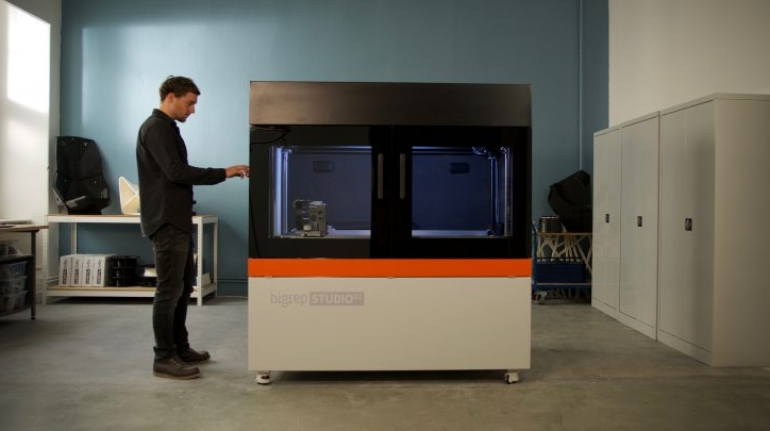
Large-format 3D printer manufacturer BigRep has revealed its newest AM system, the STUDIO G2. The hardware is the latest generation of BigRep’s STUDIO 3D printer line and it introduces a range of improvements, including compatibility with engineering-grade materials.
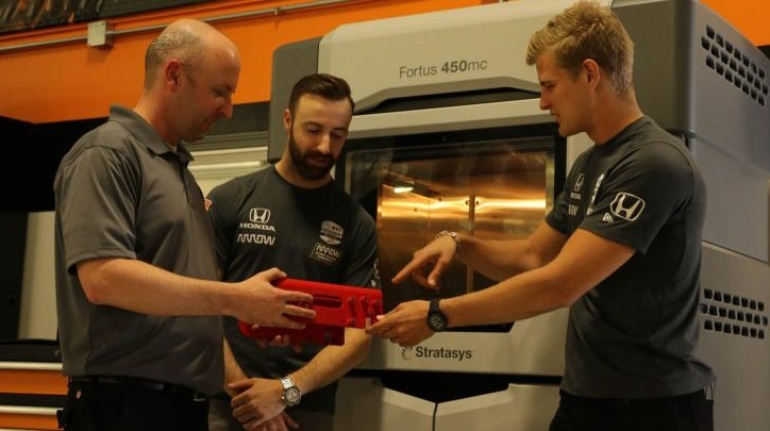
3D printing company Stratasys has signed a deal with NTT IndyCar Series competitor Arrow Schmidt Peterson Motorsports. The agreement sees the professional racing team integrating Stratasys’ Fortus 450mc and F370 3D printers for the production of functional prototypes, tools and end-use components for its race cars.
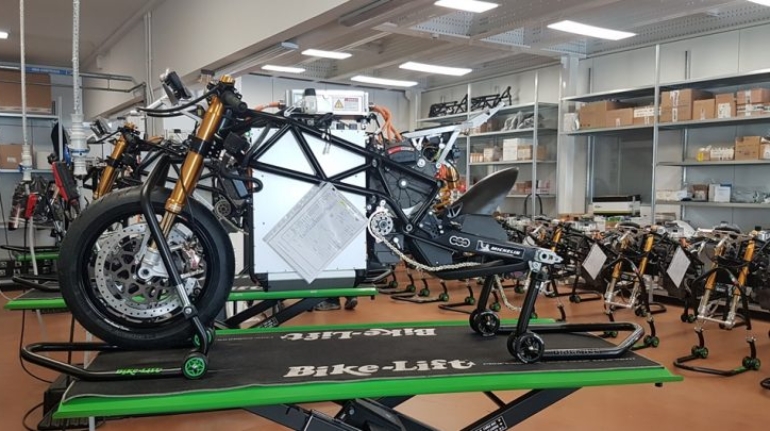
Despite a fire at the Jerez circuit in March that destroyed many MotoE motorcycles and equipment, things are back on track for the Energica Motor Company and the FIM Enel MotoE World Cup, thanks in part to CRP Technology’s additive manufacturing know-how.
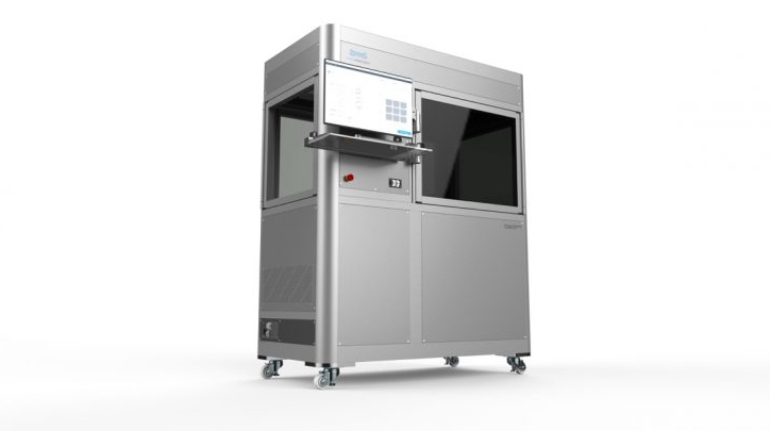
3D printing electronics company Nano Dimension is marking its first entry into the Japanese market with the sale of a DragonFly Pro 3D printer to CMK Corporation, one of Japan’s largest manufacturers of printed circuit boards (PCBs).
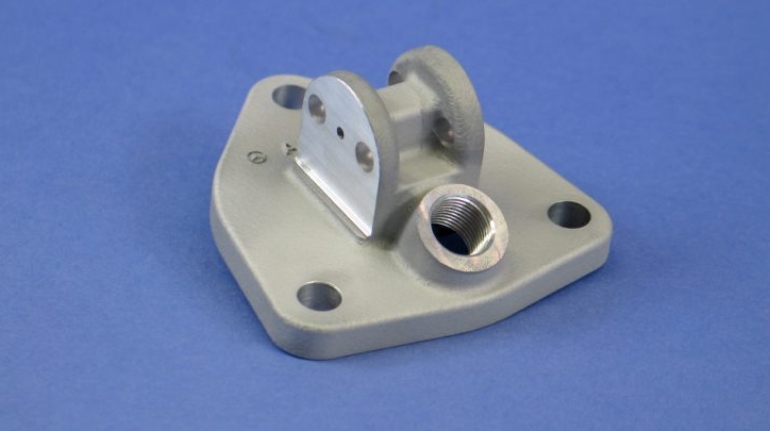
Two years ago, Premium AEROTEC, EOS and Daimler embarked upon an ambitious project to push forward automated metal additive manufacturing, NextGenAM. This week, the partners have announced that the NextGenAM project has reached a successful conclusion and they will go forward with a pilot production line for a next-gen AM process.
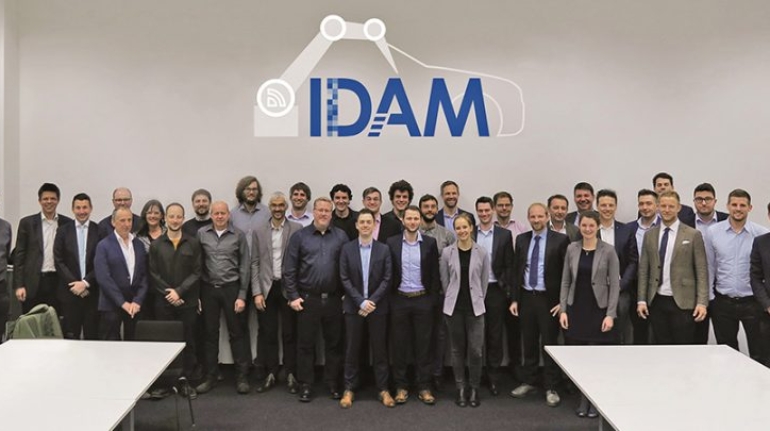
The joint project IDAM, which was recently kicked off in Munich, is intended to pave the way for additive manufacturing to enter automotive series production. Specifically, the project partners – consisting of SMEs, large companies and research institutions – will transfer metallic 3D printing into an industrialized and highly automated series process in the automotive industry.
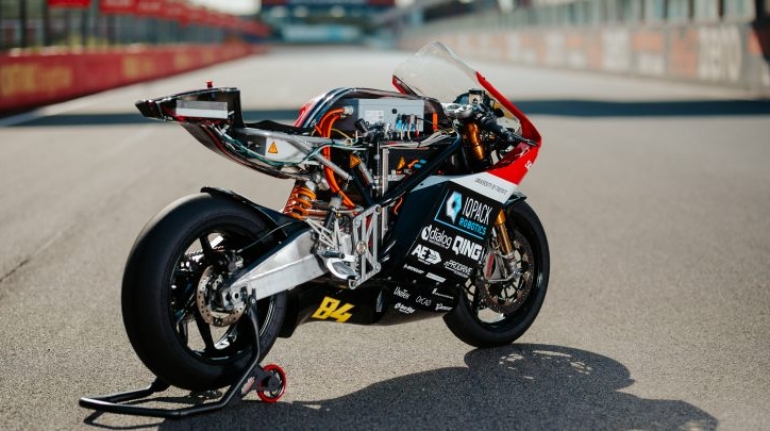
Electric Superbike Twente, a Dutch developer of electric motorcycles, recently teamed up with local AM company K3D to develop one of the first metal 3D printed components for the racing industry. The part in question is an electric motor cooling shell for the company’s second generation Superbike.
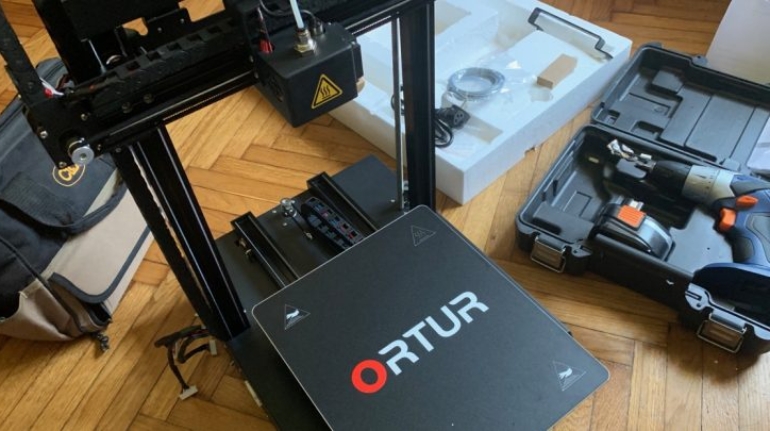
We began reviewing 3D printers when the market thought these hardware products could truly appeal to a wide consumer demographic. That proved not to be the case, as 3D printers proved too costly and too hard to operate for most people, including the author of this piece. While the hype (fortunately) is not as high as it used to be, our Ortur 4 review shows that 3D printers are now truly within everyone reach and that anyone can use them, including the author of this piece (who does cover the global AM industry as a journalist and analyst but can be considered a consumer when it comes to actually 3D printing).
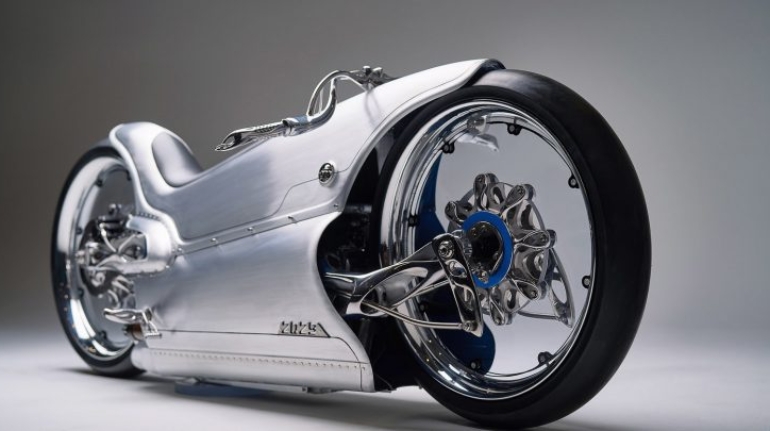
Fuller Moto is a leading automotive and motorcycle design and customization shop that inspires, educates and entertains those with a creative spirit and a do-it-yourself attitude. The Atlanta, Georgia-based company doesn’t just customize bikes but also educates and works with gear-heads, enthusiasts and hands-on builders. It is lead and inspired by Bryan Fuller, who is also a master builder, designer as well as a TV personality and author of how-to-build books through his own publishing company, Full-Bore Publishing. The latest project to emerge from this ideal company is the Fuller Moto 2029, a perfect blend of the how latest manufacturing technologies such as metal 3D printing can be used together with traditional metal craft.
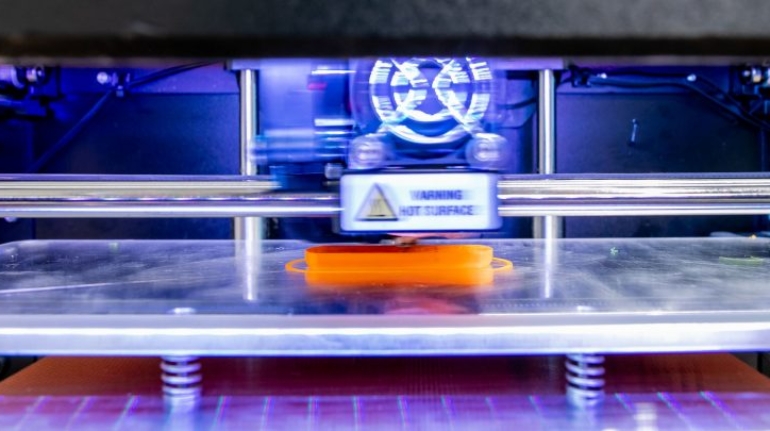
German automaker Audi has announced it will be expanding the use of polymer 3D printing in its production lines. The technology will be leveraged to produce custom designed auxiliary tools on demand. As part of the expansion, Audi will be establishing a separate department to oversee the integration of polymer AM at its Neckarsulm site.

The days of the ubiquitous cup trophies could be limited. Austrian steel technology company voestalpine AG will be awarding the winner of the “voestalpine European Races” with a one-of-a-kind 3D printed trophy. The race series, sponsored by the company, is part of the second half of the ABB FIA Formula E Championship.
The NextGenerationSpaceframe 2.0 project by Siemens and EDAG was presented today at Hannover Messe and is set to significantly streamline the integration of modular AM elements in automotive production via digital twin. Last year at Hannover Messe (where Siemens plays at home), the German giant had presented a number of key application cases for automotive manufacturing and beyond, including a very fascinating one with Bugatti.
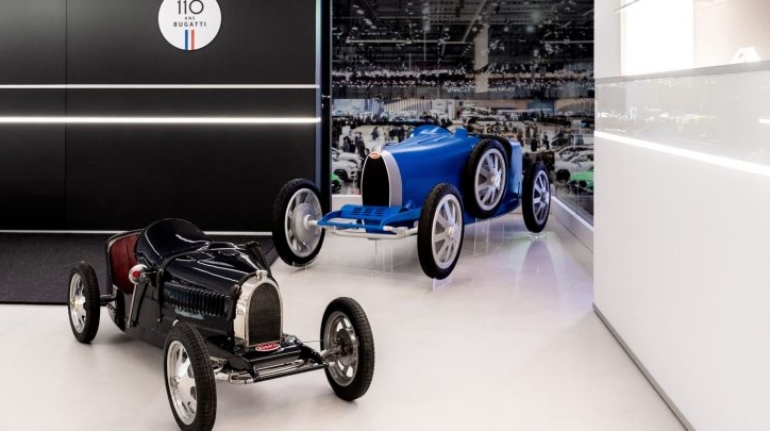
Well if this isn’t just the cutest thing I’ve seen all month: French car manufacturer Bugatti has re-invented a half-scale model of the Bugatti Type 35 race car that was originally created in 1926 as a birthday gift for Ettore Bugatti’s four-year-old son. A 3D printed design model of the appropriately named Bugatti Baby II was recently presented at the Geneva International Motor Show.
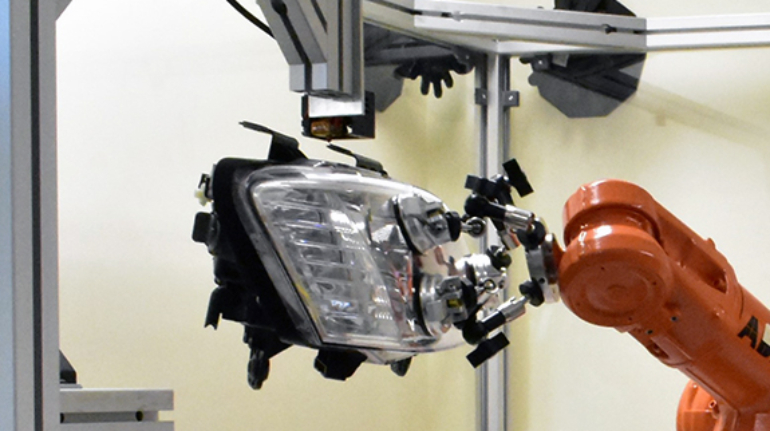
A team from the Swinburne University of Technology in Australia has successfully demonstrated the ability to 3D print a replacement lug directly on an automotive headlight assembly. The achievement was carried out through the university’s Repairbot project.

It’s been a tough week for the Energica Motor Company and the rest of the MotoE community, after a fire at a paddock at the Circuito de Jerez in Spain on March 14th destroyed the majority of the motorcycles and equipment inside.
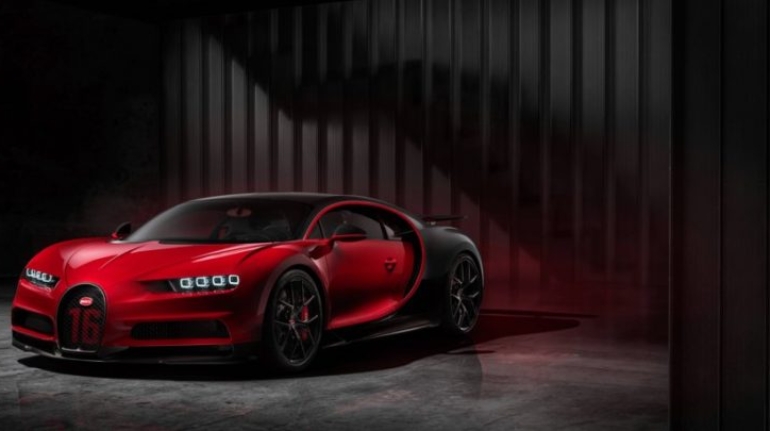
In the intersecting worlds of automotive and additive manufacturing, French luxury carmaker Bugatti and metal 3D printing company SLM Solutions can be considered something of a dream team. The two companies have been working together since as early as 2014 to redesign and optimize vehicle components using additive manufacturing. In fact, Bugatti has become an important example of how metal 3D printing can accelerate industrial development in the automotive industry.
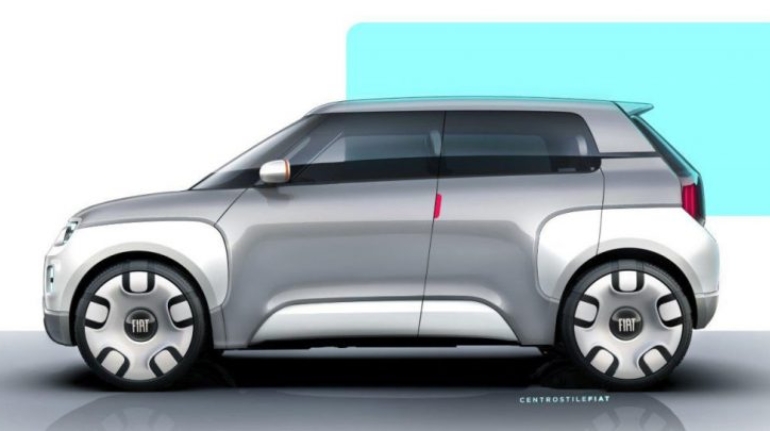
Debuting at the 2019 Geneva International Motor Show, the Fiat Centoventi Concept represents the brand’s vision of electric mass mobility in the near future. The Fiat Centoventi (Italian for ‘one hundred and twenty’) is based on Fiat’s 120 years of history and experience in the field. In keeping with the brand’s tradition, it is destined to distinguish itself from the pack just like the Fiat 500 did in the 1950s. It sparked an industrial and cultural revolution, going beyond the traditional boundaries in design and engineering to become the first real example of mobility affordable to all.
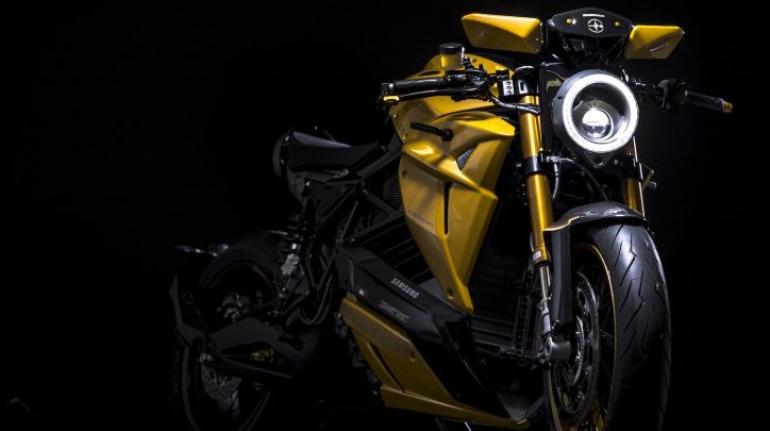
CRP Technology is instigating its own winds of change with the announcement of a new commercial strategy for its Windform composite materials. The 3D printing materials will no longer be available to service bureaus, and will be sold exclusively to original equipment manufacturers (OEMs).
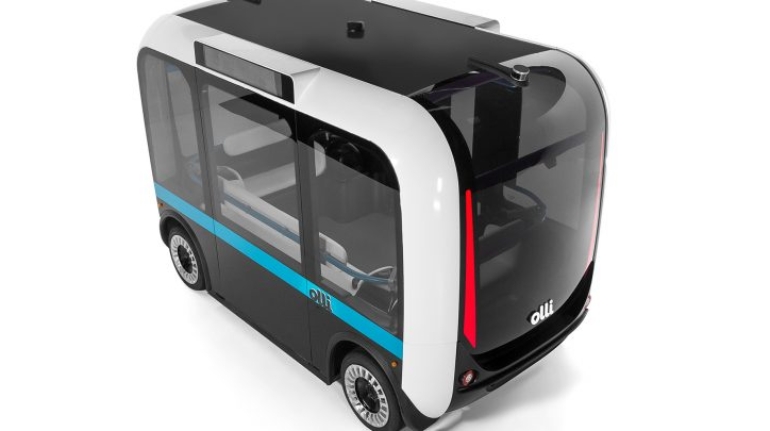
Sacramento State university is welcoming its newest on-campus resident: Olli, the 3D printed, self-driving shuttle. The vehicle, developed by Phoenix-based Local Motors, has been deployed to the California university as the result of Sacramento State submitting a compelling use-case scenario in the Olli Fleet Challenge.
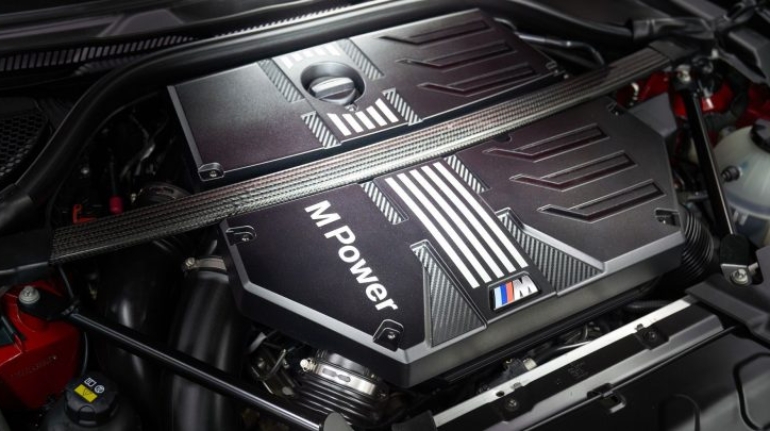
German automotive manufacturer BMW is rolling out a new M straight-six engine, the BMW S58. The innovative engine, which will replace the S55 engine as the face of the M Division, integrates a number of exciting features including a cylinder head made from a 3D printed core.
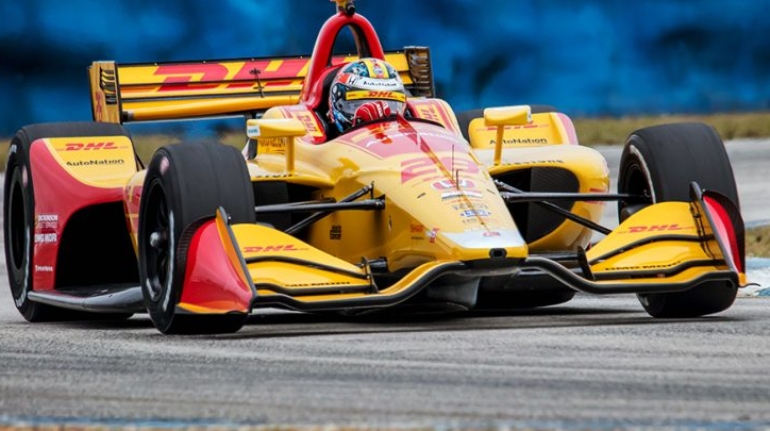
Stratasys has announced a new partnership with Andretti Autosport, a top racing team in IndyCar, Indy Lights, Rallycross and Formula E. The collaboration consists of a multi-year agreement through which Andretti will utilize Stratasys’ FDM 3D printing technology and materials to accelerate the design and development of its racing platforms.
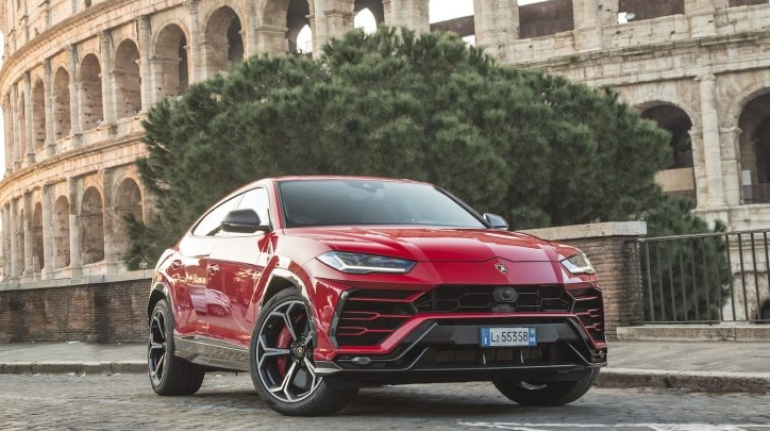
3D printing company Carbon has just announced an exciting new collaboration with Italian sports car brand Lamborghini. Through the partnership, Lamborghini will leverage Carbon’s Digital Light Synthesis (DLS) technology to produce end-use components for its Super SUV, the Urus.
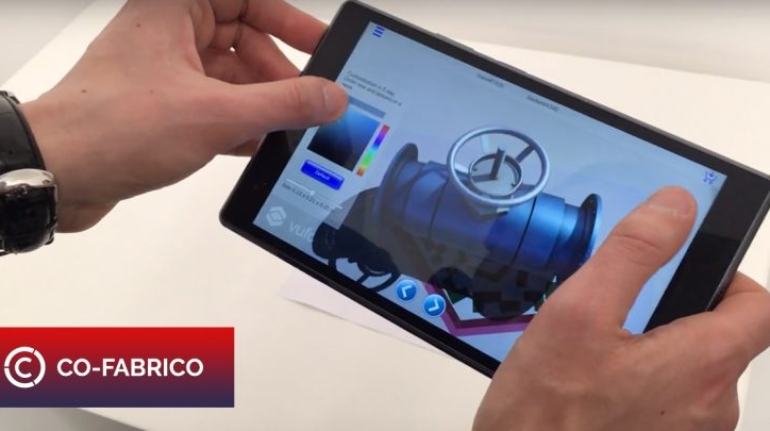
Connect 4.0, a Liverpool-based startup, has been granted a £2 million contract for its Co-Fabrico platform. Introduced one year ago, the platform is an online marketplace that enables the automotive industry to design vehicle parts using augmented reality and purchase the parts as market-ready 3D printed products.
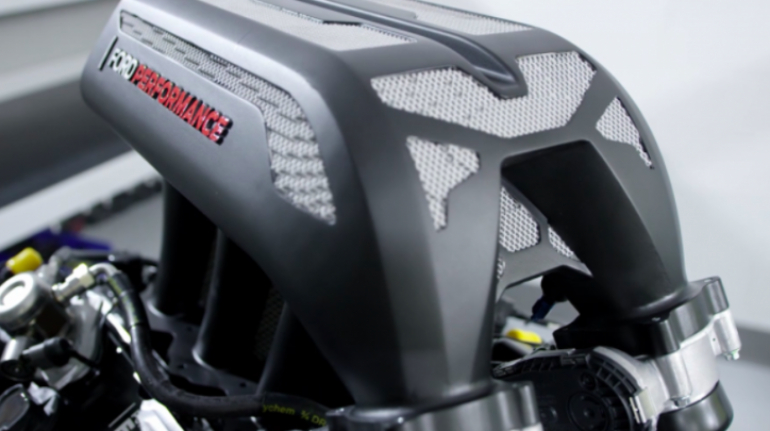
Ken Block, a professional rally driver with the Hoonigan Racing Division (as well as the co-founder of DC Shoes), is preparing to rev up his latest ride: the Hoonitruck. The car, a suped-up old pick-up truck, is equipped with what is easily one of the most cutting edge intake manifolds on the road today. As you might have guessed, it’s 3D printed.
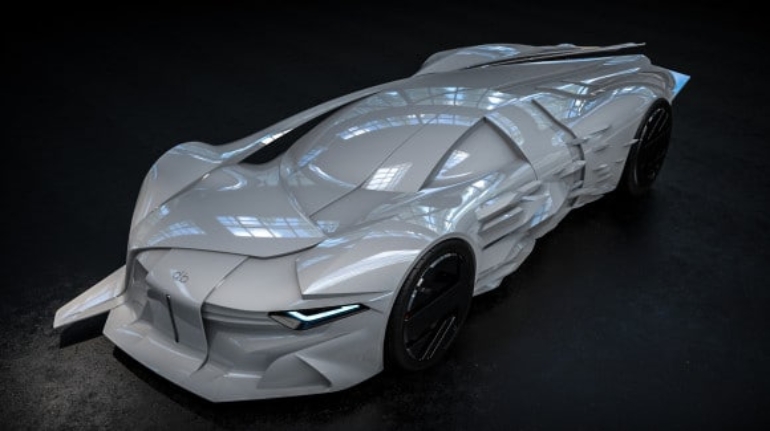
Takumi Yamamoto, a visionary automotive designer, has drawn inspiration from various things in his work, but his most recent car design might be his most personal yet. As a tribute to one of the most influential and iconic rock stars of our time, Yamamoto has created a 3D printed concept car inspired by the one and only David Bowie.
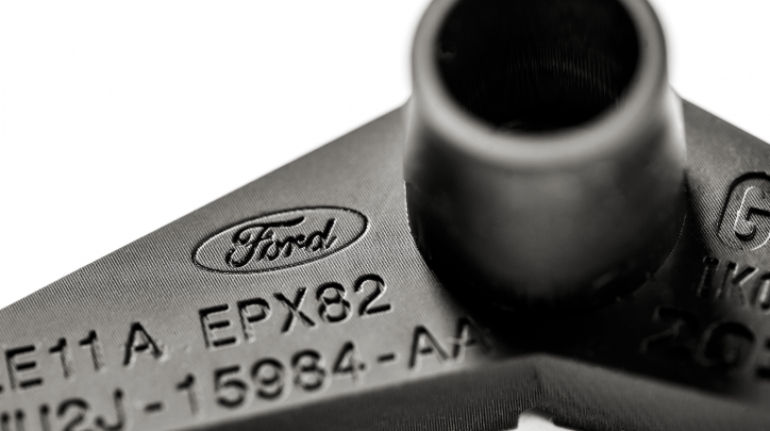
With the 2019 North American International Auto Show (NAIAS) in full swing in Detroit this week, it was only a matter of time before there was some additive manufacturing-related news. 3D printing company Carbon and the Ford Motor Company presented a series of digitally manufactured polymer parts at the Additive Manufacturing for Automotive Workshop today.
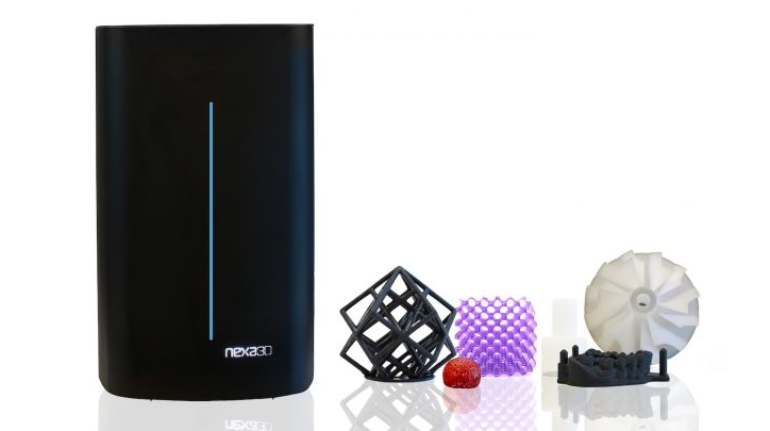
SLA 3D printer manufacturer Nexa3D will be presenting its newest 3D printer in North America for the first time at CES 2019 this week. The machine, the NXE400, is reportedly capable of print speeds six times faster than competing printers and has a build volume 2.5 times larger than comparable machines on the market.

BMW’s Individual Manufaktur customization facility in Garching, Germany is known for producing some pretty amazing and unique vehicles, but its latest car is, to be blunt, out of this world. The vehicle, dubbed the BMW Individual M850i Night Sky, integrates some truly stellar features, including actual extra-terrestrial fragments and innovative 3D printed components.
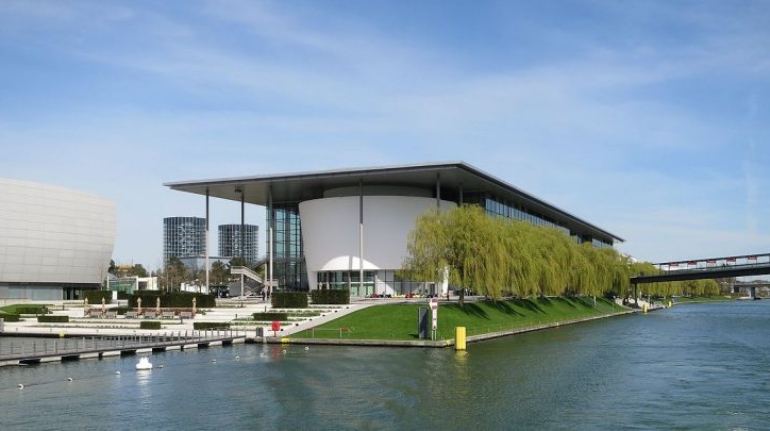
Automotive giant Volkswagen – like other German automotive brands – is rapidly becoming a large adopter of 3D printing – and especially metal 3D printing – technologies not just for prototypes and tools but also for direct production of final car parts and components. The Group – which includes other high profile AM adopter brands such as Porsche, Bugatti and Lamborghini – is now consolidating many of its AM activities within the new 3D printing center in the Autostadt, at the Wolfsburg factory site. What exactly is being 3D printed there? While we did not yet have the opportunity to visit the center in person, Volkswagen recently provided a fairly accurate report from inside the facility. This is what goes on at the new Volkswagen 3D printing center and turning Wolfsburg into the beating heart of automotive metal additive manufacturing.
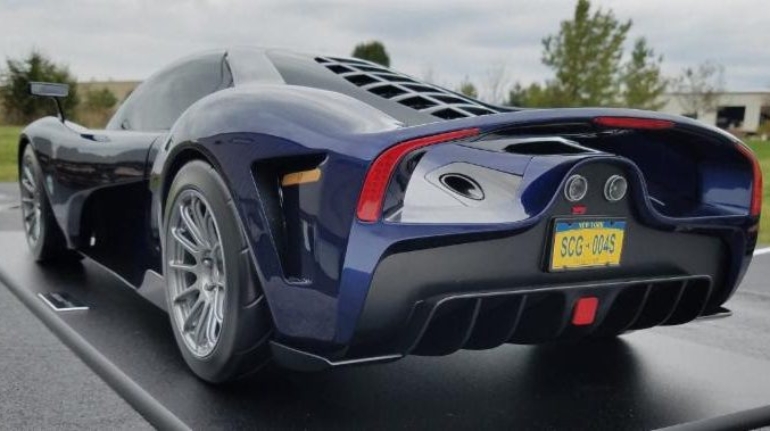
While 2D renderings can help to communicate a product concept well enough, there is something to be said about seeing a concept as a physical, three-dimensional object. This marketing reality has not been lost on manufacturers and designers, who are increasingly turning to additive manufacturing to tactilely visualize design and product concepts.
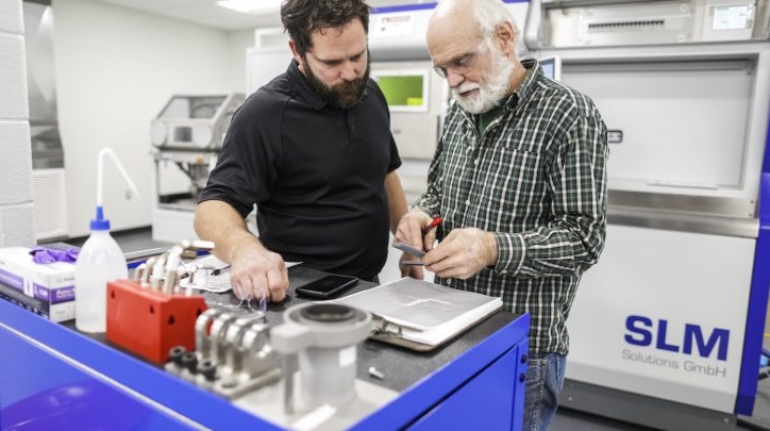
Over one hundred years ago, the Ford Motor Company reinvented manufacturing with the introduction of the assembly line. Today, the company has continued to show its propensity for innovation, exploring and utilizing new technologies to reinvigorate vehicle production.
The inside mirror base for the Mercedes-Benz 300 SL Coupé (W 198 model series), the spark plug holder from the tool kit of this iconic sports car as well as the sliding sunroof rollers for the W 110, W 111, W 112 and W 123 model series: these are important replacement parts for faithfully maintaining this classic of the brand with the star. They are once again available in genuine quality. Mercedes-Benz Classic has them newly produced in a 3D print. The process is particularly well-suited to smaller quantities and if the genuine tools are no longer available, for example. Mercedes 3D printed spare parts allow gaps in the replacement part supply of classic vehicles to be closed.
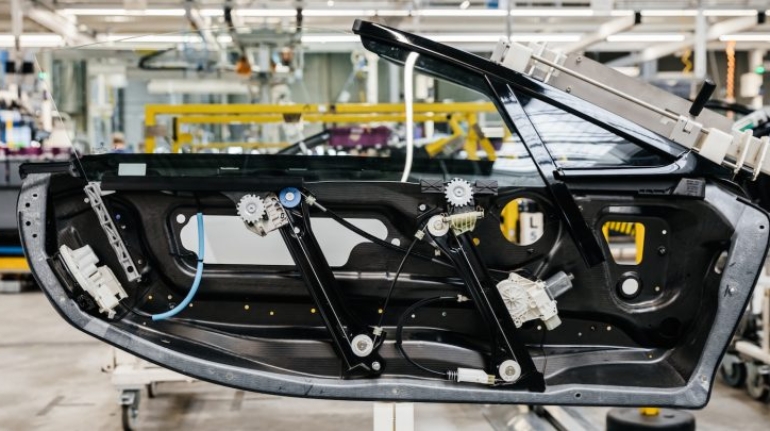
BMW Group has reached a big milestone in its use of additive manufacturing. According to the company, it has produced over a million parts with 3D printing over the past decade. By the end of this year alone it expects to reach more than 200,000 3D printed parts, marking a 42% increase over last year’s total.
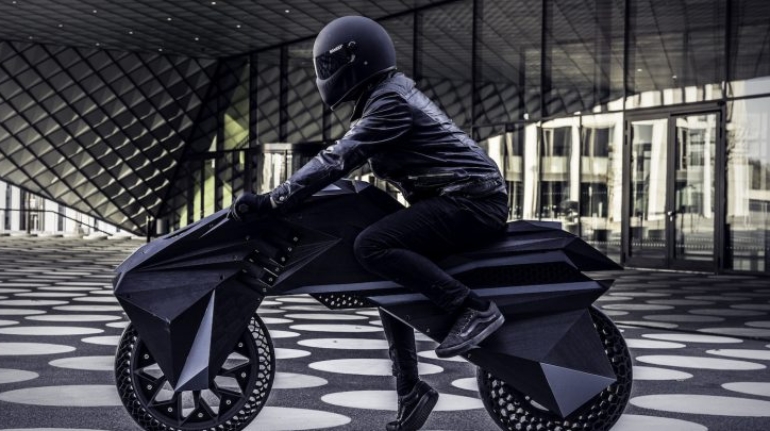
BigRep has leveraged its large-scale 3D printing technology to create what it calls the world’s first fully FFF 3D printed (and functional) e-motorcycle. The 3D printed e-motorcycle, dubbed the NERA, was on display last week at Formnext along with a number of other innovative 3D printed prototypes, including a bionic passenger seat, an adaptive robotic gripper and a 360 degree mobile industry platform.
Energica Motor Company S.p.A., an Italian manufacturer of electric motorcycles, unveiled the Bolid-E, at EICMA 2018 earlier this month. The motorbike prototype, part of Samsung and Energica’s Smart Ride project, integrates a number of 3D printed components realized through a collaboration with CRP Technology.
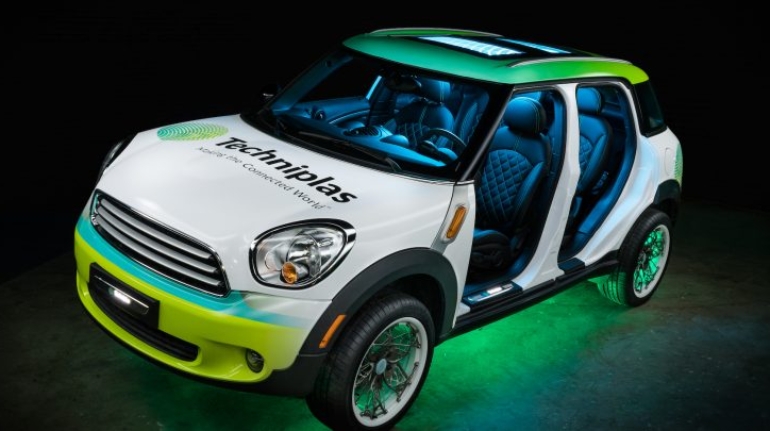
At Formnext 2018 in Frankfurt, Germany, mobility specialist Techniplas is demonstrating a concept vehicle designed to showcase the company’s generative product design and additive manufacturing capabilities and services.
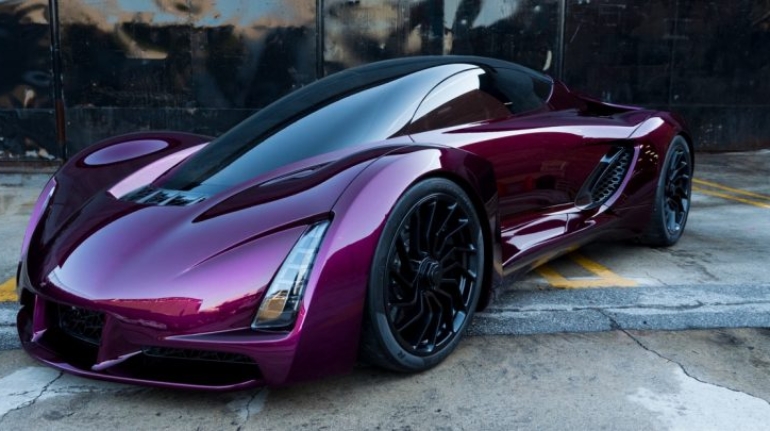
If you’re at Formnext this week, then you may have already caught a glimpse of the world’s first 3D printed chassis. The automobile chassis, developed by Divergent3D, is on display at the Frankfurt event at the SLM Solutions booth. SLM Solutions has been a close partner of Divergent3D in the development of its next-generation vehicles.
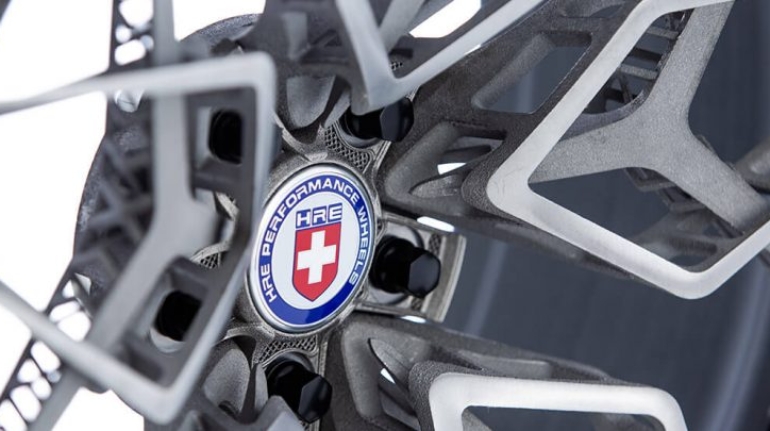
Additive manufacturing is used to make all sorts of automotive components, from lightweight bodywork to metal engine components. However, one part of a car that doesn’t seem especially suited to 3D printing is the wheel.

Ford has been using additively manufactured production and assembly tools for several years. Up to 50% of the respective costs are related to the creation of design data. In order to scale the applications of Additive Manufacturing (AM), Ford is partnering with software company trinckle to automate the design process.
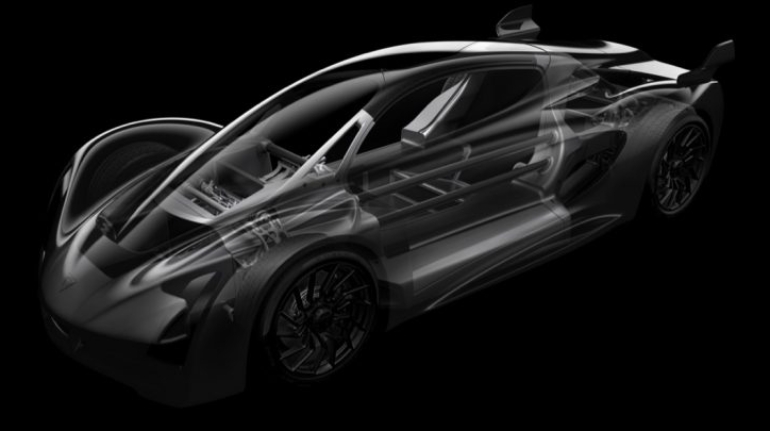
One of the highlights at the SLM Solutions trade fair booth at formnext will be the world’s first 3D printed chassis from Divergent3D. After receiving extensive coverage worldwide, the chassis is finally going to be shown to an audience of AM experts. SLM Solutions is a strategic long-term partner of the company with comprehensive collaboration and consulting in focus: from the co-development of an additive manufacturing facility to individual parameter development.
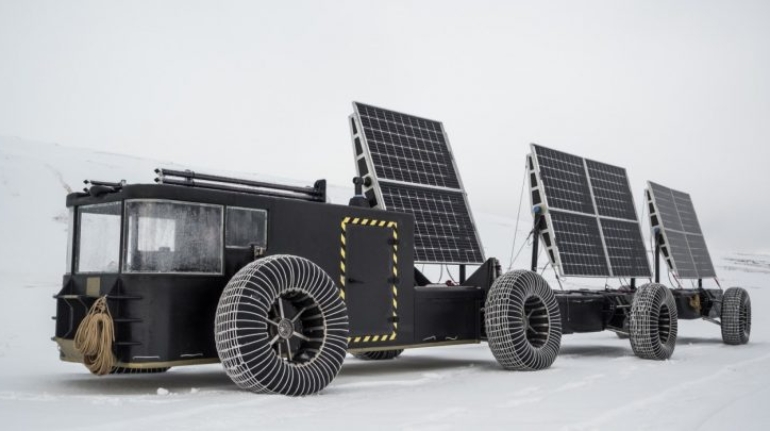
In the summer of 2015, Edwin and Liesbeth were making dinner. When they tossed away another packaging, it was the straw that broke the camel’s back. Why is it now ‘worthless’? They emptied their trashcan and were confronted with their personal habits and widespread plastic consumption and waste. One thing lead to another and the Clean2Antartica dream was born: using that recycled plastic to 3D print a solar-powered vehicle that could take them to the cleanest place on Earth: the South Pole.
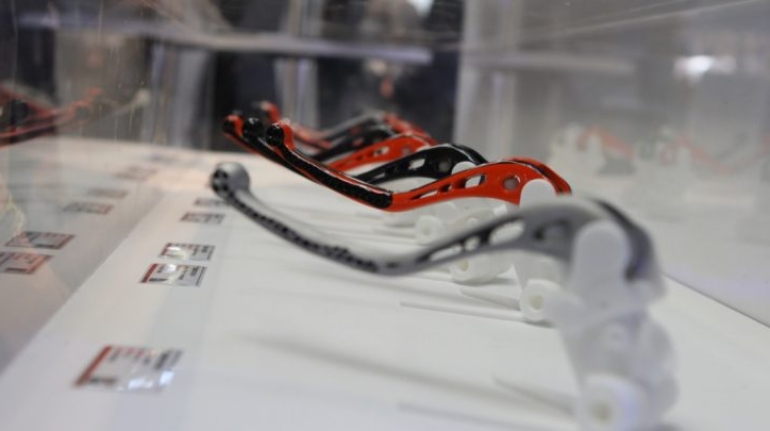
Austrian motorcycle, bicycle and sports car manufacturer KTM is a major adopter of AM technologies. Today many of the company’s R&D activities with additive manufacturing take place through its KTM Technologies division, which in turn includes several different companies and AM service bureaus. KTM was among the first clients of HP’s 3D printing technology and has carried out some fascinating experimental development on the X-Bow sportscar. The latest case study is more closely related to the company’s core business: motorcycles. Specifically, on a brake lever for its top of the line Duke 1290. The lever was generatively redesigned for topology optimization, 3D printed by powder bed fusion in different materials and “hybridized” with continuous fiber reinforced plastics(CFRP) composites in a truly unique application case.
Fira de Barcelona is one of the premier show organizers in Europe and in the World. Now in its third year, the In3Dustry show represents its bet on AM as the future of manufacturing and a window for companies to address local markets and the larger Southern European industrial area. In3Dustry 2019 offered quite a few interesting AM scenarios, products and ideas, originating from both the local Catalunya area and other European regions. These are ten reasons that made it definitely worth it to attend.
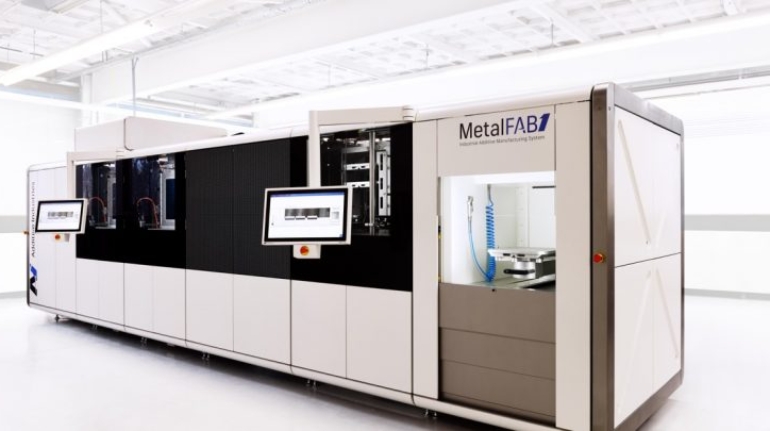
During the Additive Industries partnership event at the Formula 1 race in Austin, Texas, 3rd Dimension Industrial 3D Printing, one of the leading metal additive manufacturing companies from North America, confirmed the first order of a MetalFAB1 system to produce large and high-quality parts at the highest productivity.
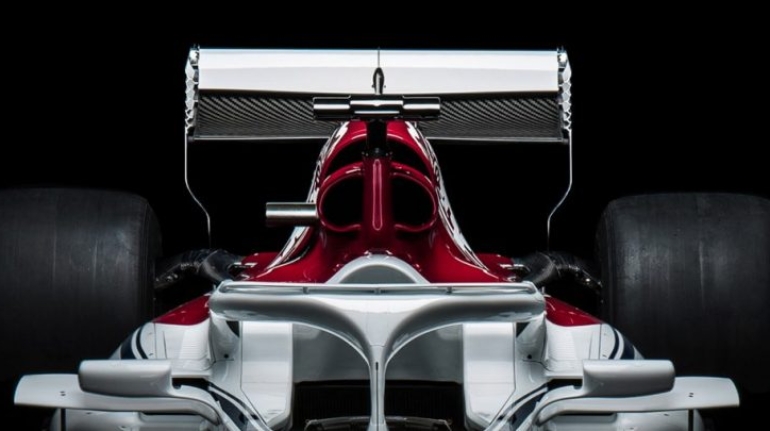
With the Formula 1 race event in Austin, Texas in full swing and drivers preparing for the actual races to begin this weekend, we were hoping for some exciting 3D printing-related news. This morning, it was the Alfa Romeo Sauber F1 Team that delivered by announcing it was extending its partnership with Dutch 3D printing company Additive Industries.
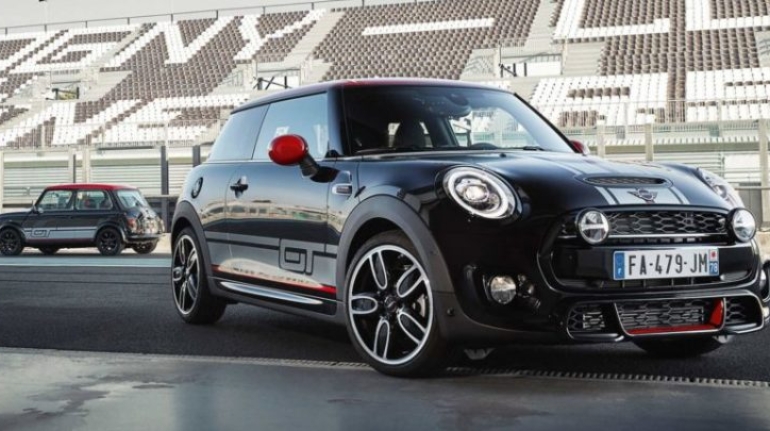
For decades, Britain automotive brand MINI has kept its vehicles stylish, timeless and, of course, mini. But the continued popularity isn’t by mere chance, as MINI has diligently stayed the course, knowing what its customers want and delivering on those wants. The latest car model to be introduced by MINI is the Cooper S GT Edition. The limited edition car has just been launched in France.
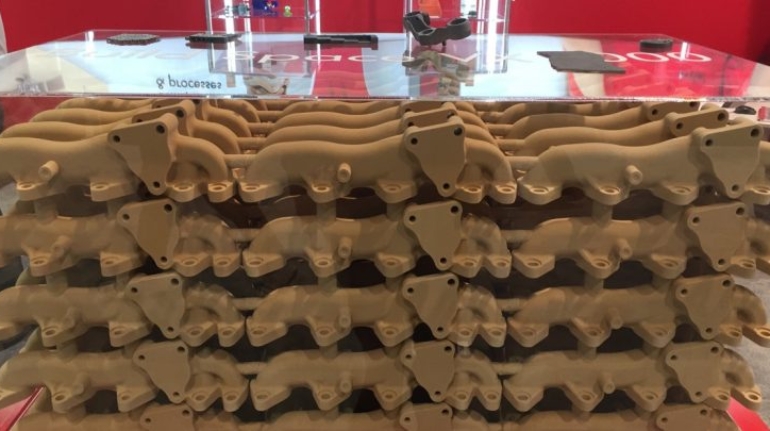
Direct metal and polymer part 3D printing may still require several years to establish itself as a true production technology. PBF systems – especially the metal ones – still have to overcome several challenges limiting their productivity while production-ready binder jetting technologies still need to hit the market entirely. On the other hand, there are almost no real reasons why sand binder jetting technologies for mold-making and tooling are not yet widely adopted (other than a general and still widespread lack of awareness). This may finally be changing as one of the leading manufacturers of said technology, voxeljet, closed a major deal with a German automaker to bring up to 20-30 VJET X systems in-house over the next ten year period, starting with two in 2019 and three more shortly thereafter.
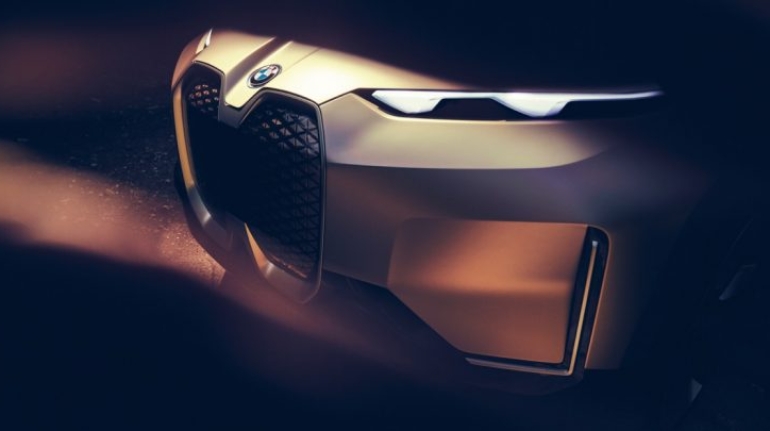
Presented at the BMW AG Annual General Meeting, the new BMW Vision iNEXT project (now officially going into production as the new iX range) is set to take the company’s early moves in all-electric mobility – which began with BMW i3 in 2013 and define how we will move around in the future. The mass customization of parts made possible by 3D printing – something that BMW is intensively experimenting with and investing on for its “i” fleet – will play a central role. In particular, in the first BMW Vision iNEXT concept, it will be shaping custom smart controls through it kidney grille and “four-eyed” front end.

GKN Powder Metallurgy revealed a strategic collaboration with HP Inc. at the 2018 International Manufacturing Technology Show (IMTS). The company will be the first to deploy the just-launched HP Metal Jet, a groundbreaking binder jetting technology, into its factories to produce functional metal parts for auto and industrial leaders, including Volkswagen and Wilo, and for companies around the world.
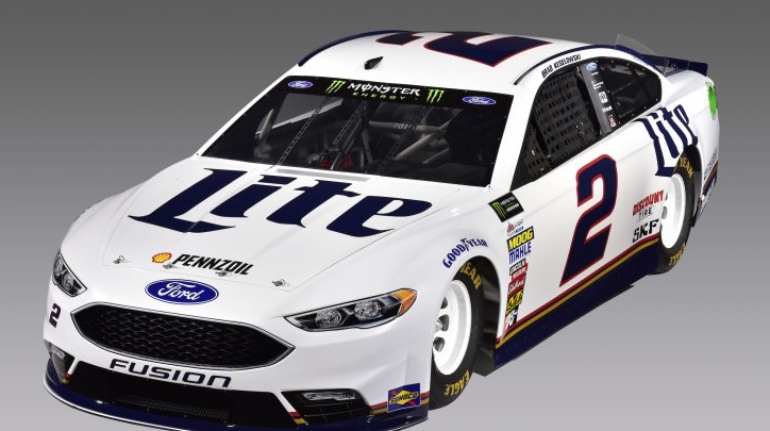
Stratasys is furthering its collaboration with Team Penske, a competitive motorsports team that competes in NASCAR, IndyCar and three other racing series. The technical partnership was originally formed in February 2017.
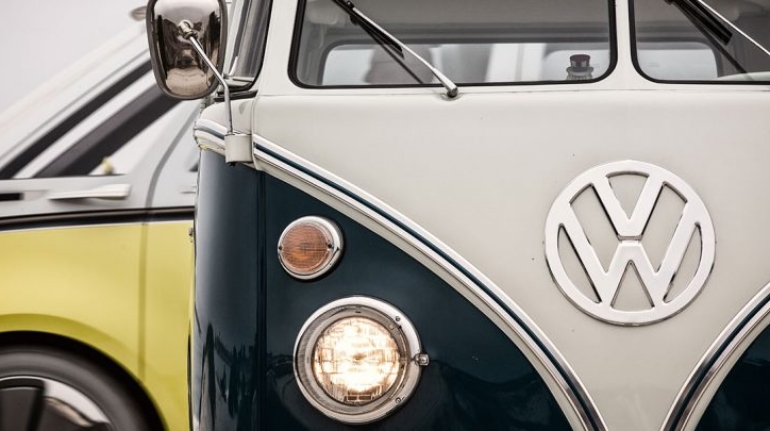
Volkswagen, one of the largest car manufacturers in the world, is inviting designers and innovators to come up with 3D printable designs to take its I.D. Buzz vehicle to the next level. The crowdsourcing initiative, called Print your Buzz, is hosted via the open innovation platform jovoto and aims to generate original and innovative ideas for “customizable and/or functional” elements for the VW van.
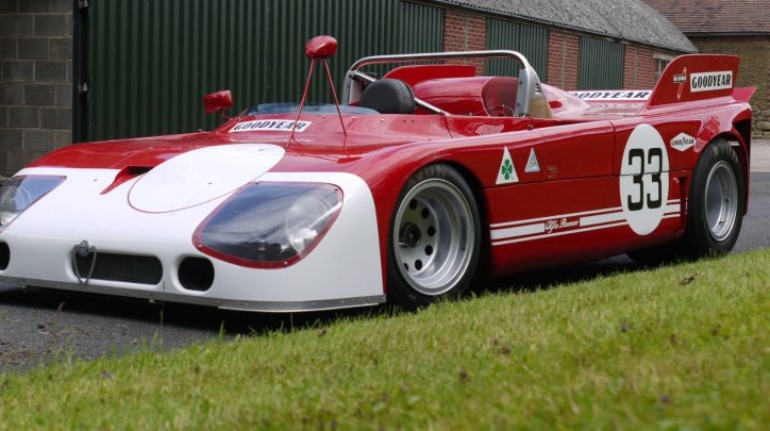
There is no question that additive manufacturing has been a dream technology for restorers of vintage or rare cars. Our latest example of how the two fields have overlapped beautifully is coming from the Goodwood Revival automotive festival, where an ultra-rare, fully restored Alfa Romeo Tipo 33/3 sports car will be on show.
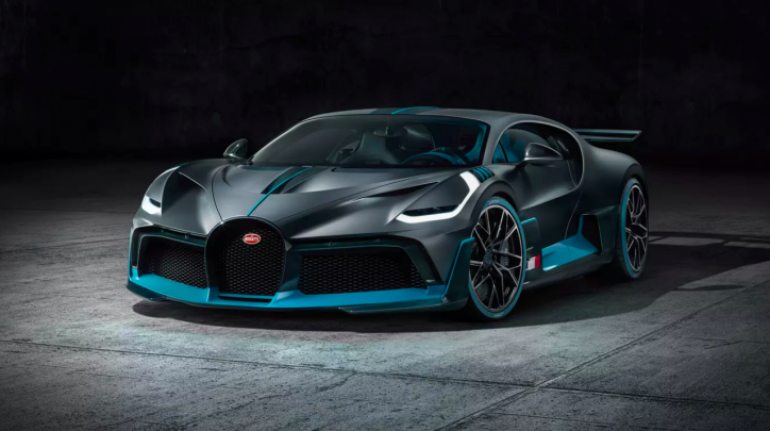
Renowned French car manufacturer Bugatti recently unveiled its newest super sports car model, the Divo, much to the excitement of the automotive world. The car, which premiered at The Quail: A Motorsports Gathering event in Monterey, California, was released in an extremely limited series (only 40 vehicles were made). Even priced at €5 million a unit, the stunning sports car sold out almost immediately.
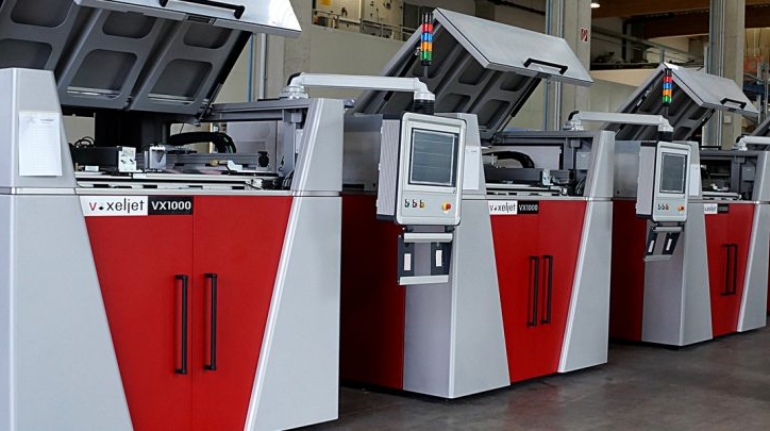
Industrial 3D printer manufacturer Voxeljet has offered a glimpse at its newest development, the VJET X-IOB additive manufacturing system. The innovative product, says the company, is the world’s first fully automated 3D production solution and can offer manufacturers an alternative to traditional serial production processes.
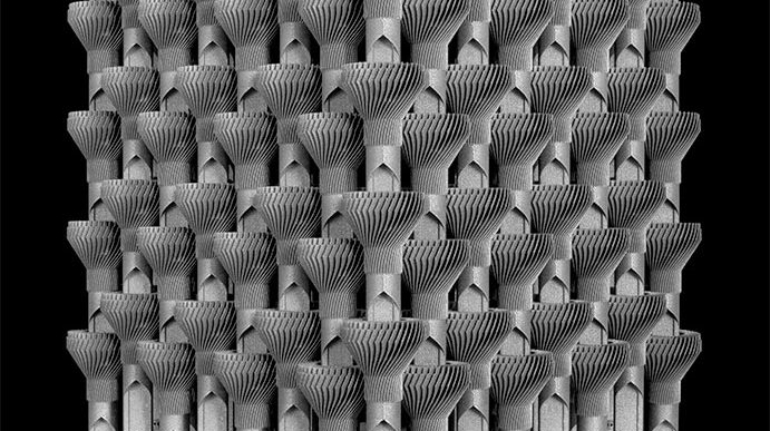
Though the aerospace industry has been a fertile sector for the exploration and adoption of metal additive manufacturing technologies, the automotive industry has remained somewhat more restrained. That is not to say that 3D printing isn’t being used in automotive production—it is being investigated by most if not all car manufacturers—though adoption has been limited due to a number of factors, including productivity and cost-per-part.
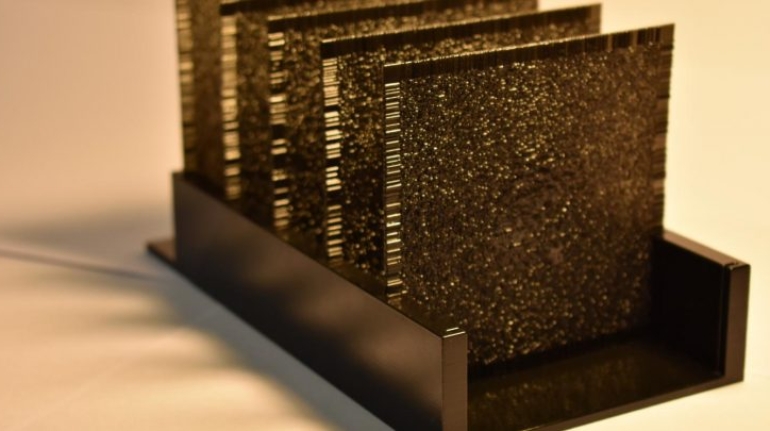
Engineers from the University of California, Los Angeles (UCLA) have successfully developed an artificial neural network using 3D printing. The physical device is reportedly capable of analyzing large amounts of data and identifying objects at the speed of light and could have important applications in autonomous vehicles and more.
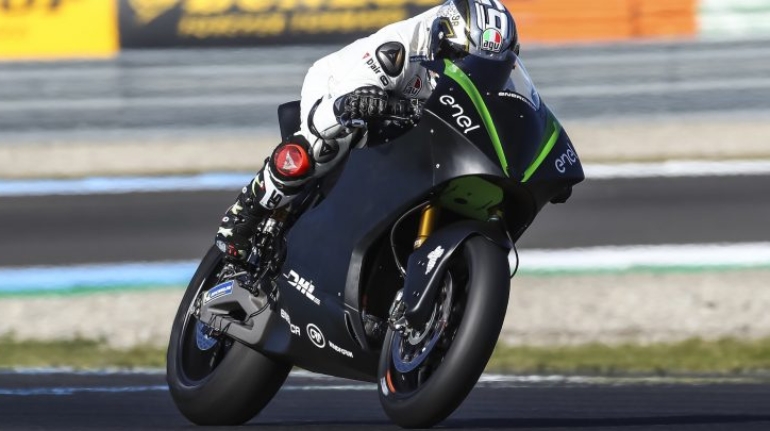
Earlier this year we learned that Italian additive manufacturing company CRP Technology would play a critical role in the development of Ego Corsa, an electric racebike designed by Italian motorcycle manufacturer Energica. The motorbike, which is expected to compete in the FIM Enel MotoE World Cup, is moving ahead in its development with the help of 3D printed parts, CRP Technology tells us.
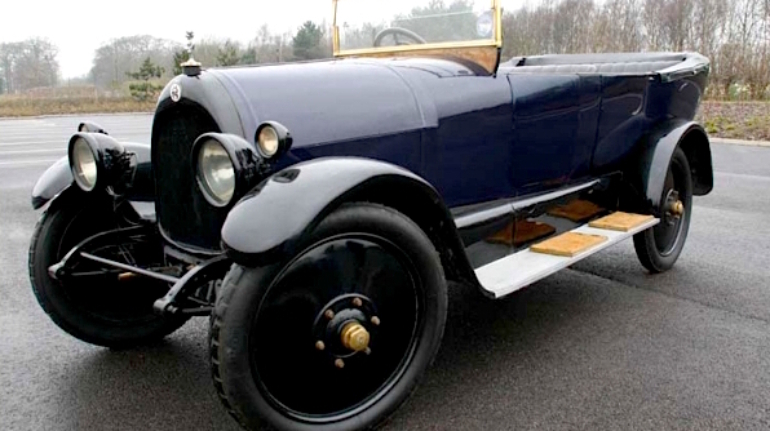
Siemens Industrial Turbomachinery Ltd in Lincoln, England recently turned to 3D scanning and additive manufacturing technologies to restore a hundred-year-old Ruston Hornsby motor car. The car, originally introduced in 1920, was one of the first products released by industrial equipment manufacturer Ruston & Hornsby Limited, now part of the Siemens Group.

French automaker giant PSA has been taking 3D printing seriously. The company signed a high profile partnership with Divergent, makers of a unique supercar with a metal 3D printed frame, to study AM for final part production. Now it is following BMW’s steps into mass customization with its new DS3 Dark Side edition.
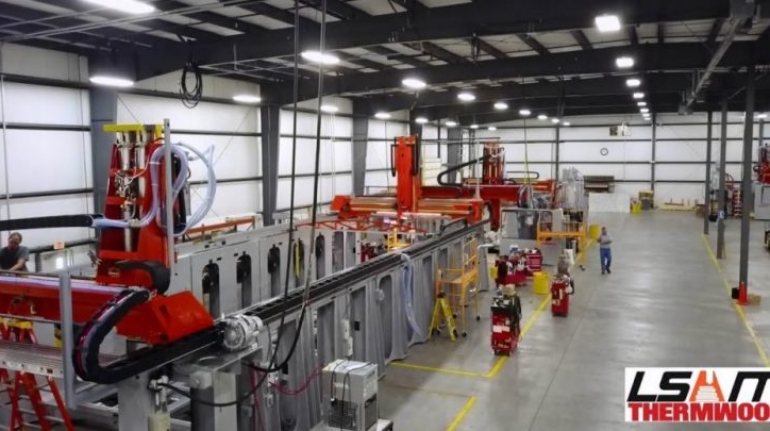
Local Motors has completed the installation of the world’s largest composite 3D printer, the Thermwood LSAM, at its Knoxville, TN microfactory. The large-scale machine will be used to produce Local Motors’ autonomous Olli shuttle.

McLaren officially extended its partnership with Stratasys, Alfa Romeo Sauber just purchased five new 3D printers from 3D Systems and now even Ferrari, perhaps the most legendary team in Formula 1, and one or the most loved Italian brands, revealed in an article published on the Renishaw blog that their racing department, have two metal additive manufacturing systems from the UK manufacturer for fast part production.
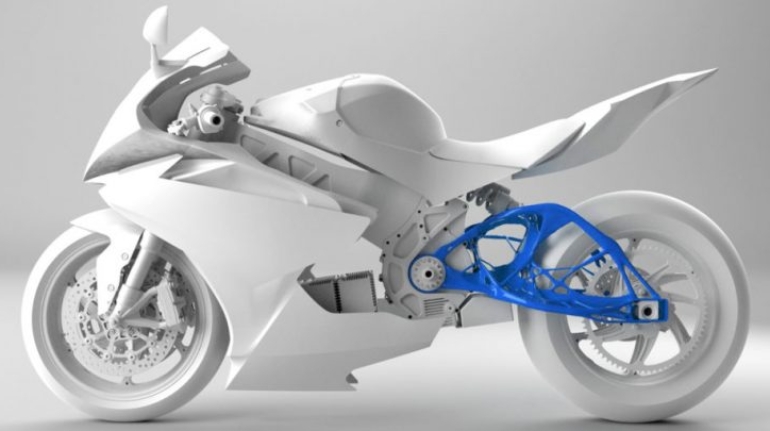
Generative design uses cloud computing and artificial intelligence to accelerate design exploration beyond what’s humanly possible. That’s why Autodesk is now working with Amazon Web Services (AWS) to offer even more compute power to the first 1,000 new Fusion 360 subscribers who want to get started with generative design. The program will officially kick off on July 1st and will be available to new annual subscribers of Fusion 360 Ultimate, ending on September 30 or as soon as 1,000 new subscriptions have been claimed.
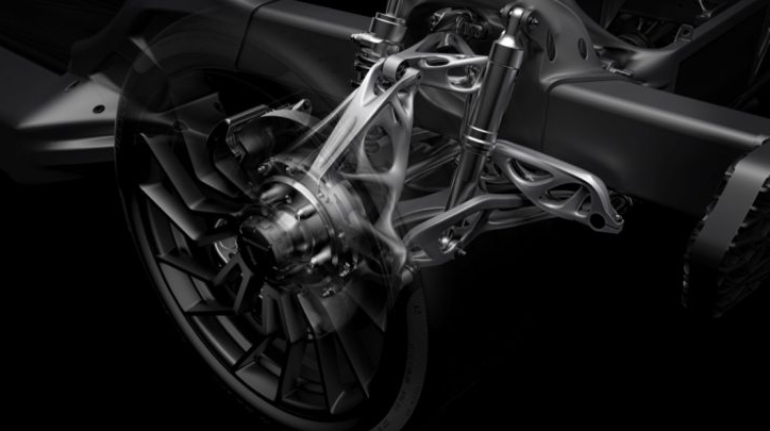
In its latest 200-page report, SmarTech Analysis is forecasting that the overall market for AM in automotive will reach $5.3 billion in revenues in 2023 and then grow to an impressive $12.4 billion US by 2028. Thus, adoption of AM by the automotive segment for production purposes is going to mark an inflection point for the additive manufacturing.
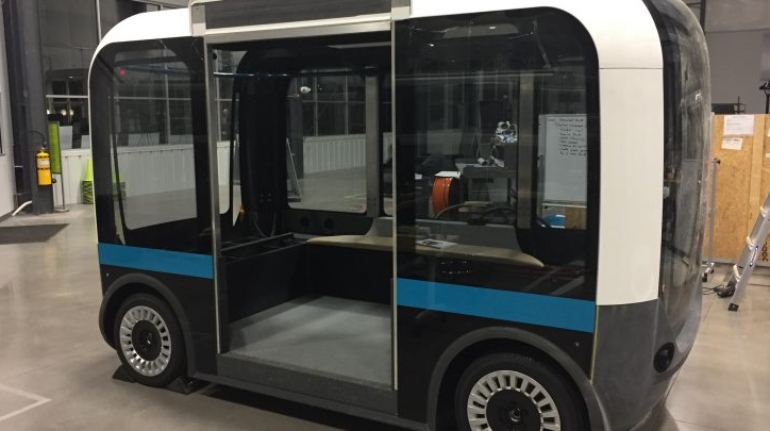
Local Motors, the U.S. company behind the 3D printed Strati car and the autonomous Olli shuttle, has been a pioneering force in the intersecting additive and automotive industries. It seems that the company has even higher ambitions than bringing its own innovative vehicles to roads, however, as it just announced the formation of LM Industries Group, Inc., a technology-enabled manufacturer that will work with other companies to develop and deploy mobility products.
As Formula One becomes more open about the use of AM in its development and production processes, Alfa Romeo Sauber F1 Team has revealed that five new large-format ProX 800 SLA 3D printers from 3D Systems have joined its extensive arsenal of 3D Systems SLS and SLA solutions. In addition, the company is leveraging its experience and capabilities to provide additive manufacturing services and expertise to 3rd parties
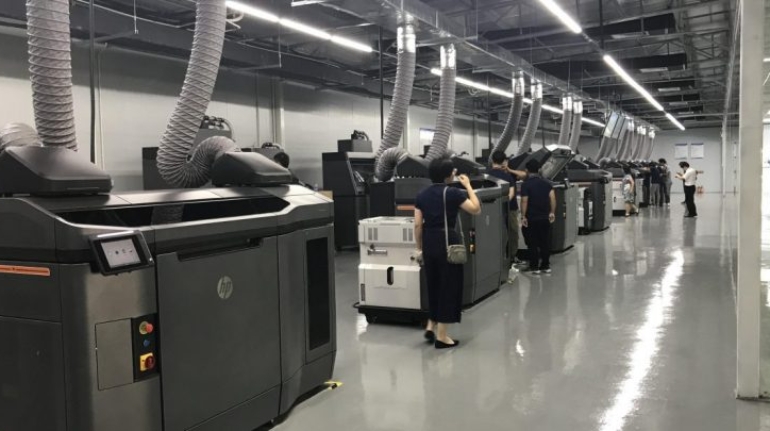
The new platform – created in partnership with Guangdong Lanwan 3D Printing Collaborative Innovation Platform in Dali – will exclusively use HP’s multijet fusion technology for a new digital manufacturing center in China, accelerating the Fourth Industrial Revolution.
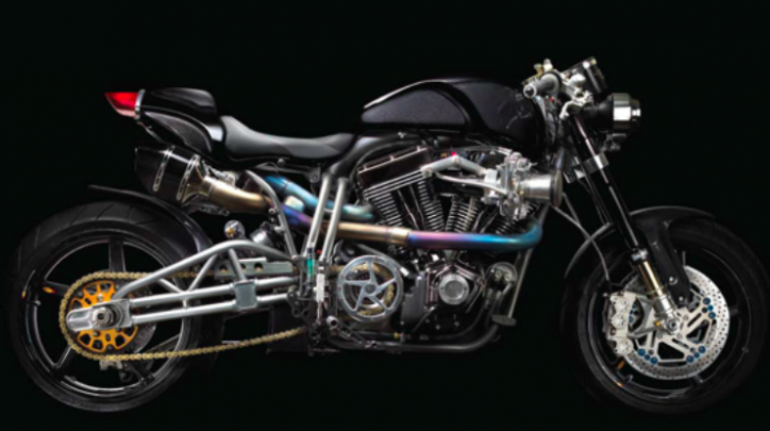
To fully reap the benefits of additive manufacturing technologies for part production, it is often necessary to go back to the drawing board to reengineer the part in question and optimize its structure for AM. Fortunately, with state-of-the-art software programs such as ParaMatters’ CogniCAD, redesigning a part for AM doesn’t necessarily entail going back to the literal drawing board.
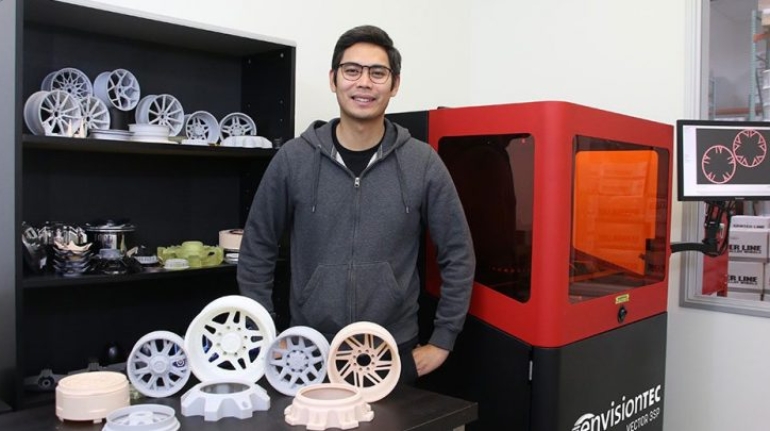
Within the automotive industry, there are countless ways that 3D printing has been adopted, from 3D printed metal replacement parts, to full-colour prototypes, to custom detailing. Recently, Corona, California-based Design Infini highlighted another automotive application for additive manufacturing: wheel design.
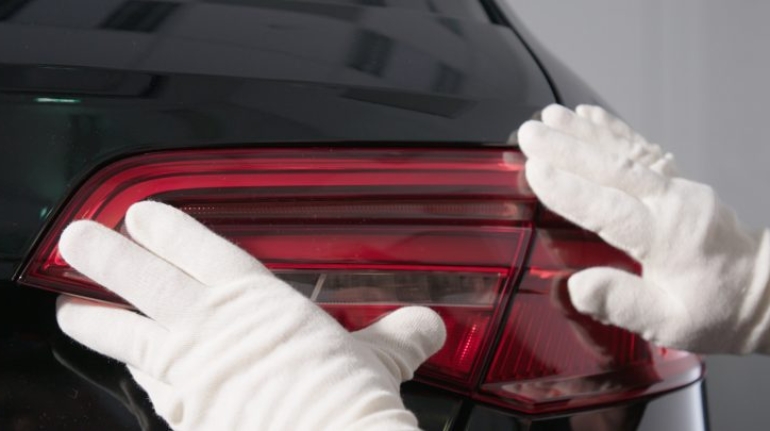
German auto manufacturer Audi has announced that its Pre-Series Center and Plastics 3D Printing Center in Ingolstadt, Germany have adopted Stratasys’ J750 full-colour, multi-material 3D printer for producing faithful prototypes and accelerating the design verification process.
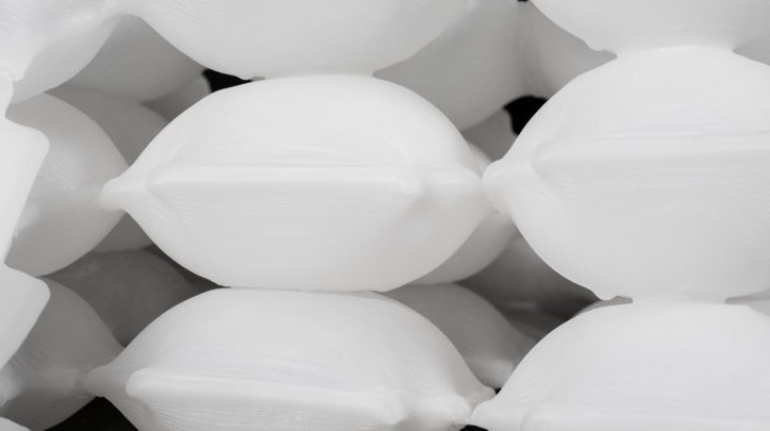
Arguably one of the most cutting-edge niches of the additive manufacturing sector is the development of dynamic and changing printed structures. Sometimes referred to as 4D printing, we’ve seen researchers 3D print self-folding structures and other smart, shapeshifting materials. A recent development coming out of MIT’s Self-Assembly Laboratory has demonstrated a new type of dynamic printing which integrates pneumatics for inflatable 3D printed objects.
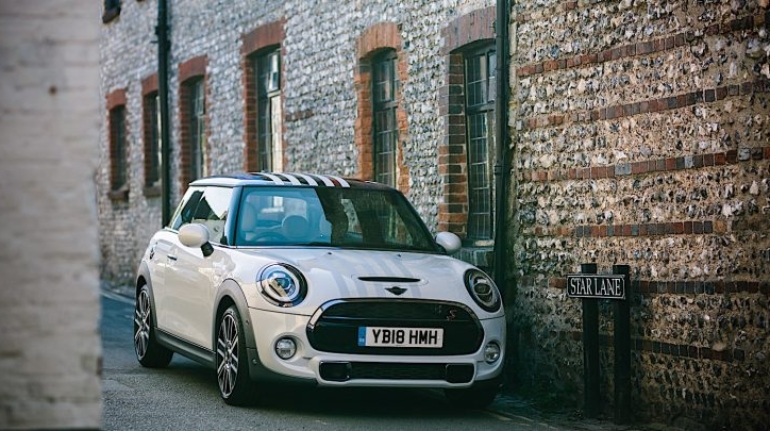
From Star Wars to the Royal Wedding, it seems like cars are the new hottest trend in promotional merchandising. MINI, the British automotive company now owned by BMW, recently unveiled a custom-designed MINI Hatch inspired by the much-hyped wedding of Suits actress Meghan Markle and Prince Harry. Why do we care? Well, the Royal Wedding car features some custom 3D printed accents.
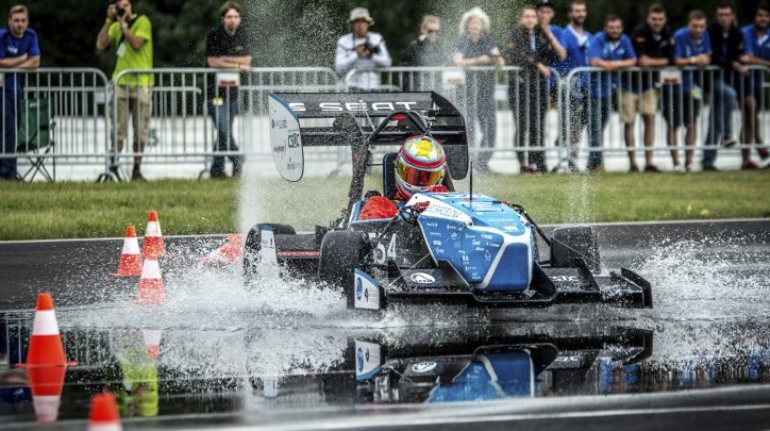
Some of today’s brightest engineers got their start designing race cars for Formula Student competitions, which is why our attention is always piqued when new case studies on the topic emerge. The most recent story is from Barcelona-based ETSEIB Motorsport, one of the most experienced Formula Student teams, which turned to local 3D printer manufacturer, BCN3D Technologies, for assistance on its latest race car model.

In a galaxy not so far away—well, Hollywood—Solo: A Star Wars Story made its screen debut last week. Not only did the world premiere event bring together high profile stars from the sci-fi franchise, but one of Star Wars’ most iconic spaceships also made an appearance, courtesy of automotive company Nissan.
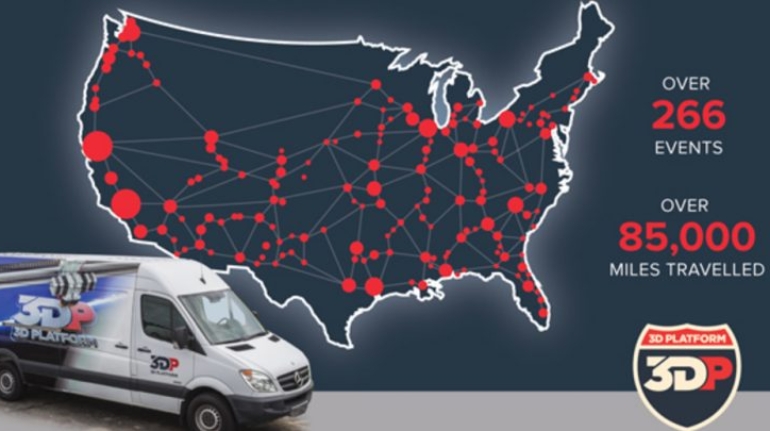
3D Platform (3DP), a global leader in manufacturing large-format, industrial-strength 3D printers, continues to make stops and add new events to its much anticipated 3DP Roadshow Van Tour.
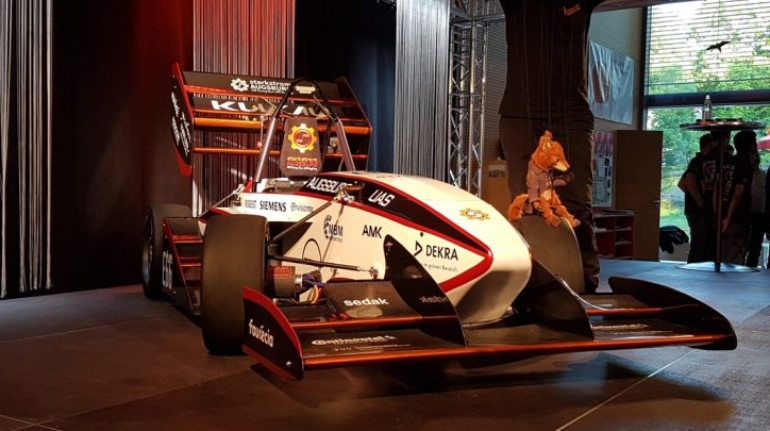
A team of students from the Augsburg University of Applied Sciences in Germany was racing to victory thanks in part to additive manufacturing company EnvisionTEC. Acting as a sponsor, EnvisionTEC provided support and 3D printing expertise to the German students in the development of an electric race car.
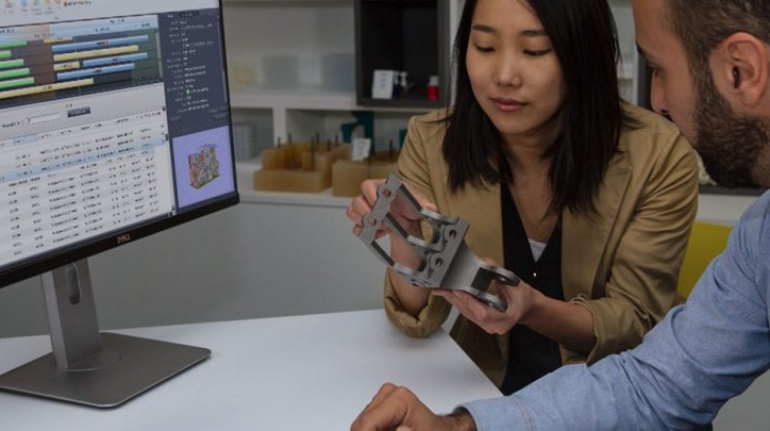
In the automotive manufacturing industry, 3D printing technologies are drastically impacting prototyping processes and turnaround times. However, benefiting from additive technologies isn’t quite as simple as installing printers into a workflow. As Hyundai Motor Company recently demonstrated, in order to fully exploit the advantages of 3D printing—including increased automation and production efficiency—it required software tools offered by AM giant Materialise.

Reuters, one the leading news agencies in the world, is reporting that General Motors is working with Autodesk to manufacture new, lightweight 3D printed parts that could help the automaker meet its goals to add alternative-fuel vehicles to its product lineup.

While 3D printing has now been around for over thirty years, and some 3D printing designers have been exploring the technology since then, until recently, there was no clear-cut approach to fully exploiting the technology’s potential for near-limitless geometries. The recent rise in the adoption of the acronym DfAM (Design for Additive Manufacturing) – which collects under its umbrella a plethora of terms such as parametric and generative design, topology optimization, lattice structures and biomimicry – is an indication that these ideas are making their way into the creative collective consciousness.
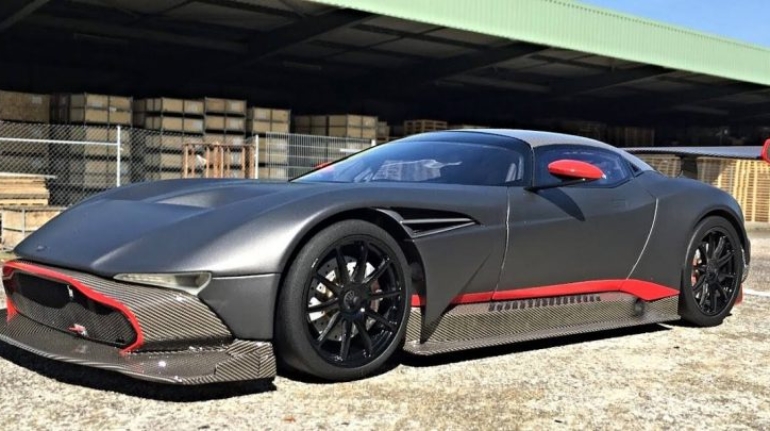
We’ve covered Sebastiaan Pot and his amazing scale model cars before, however, every new creation – and there are now several – is a new work of art that does not cease to amaze. The same applies for this latest 1:8 scale Aston Martin Vulcan – with the added perk that the car brand’s acronym is the same as that commonly used for additive manufacturing.
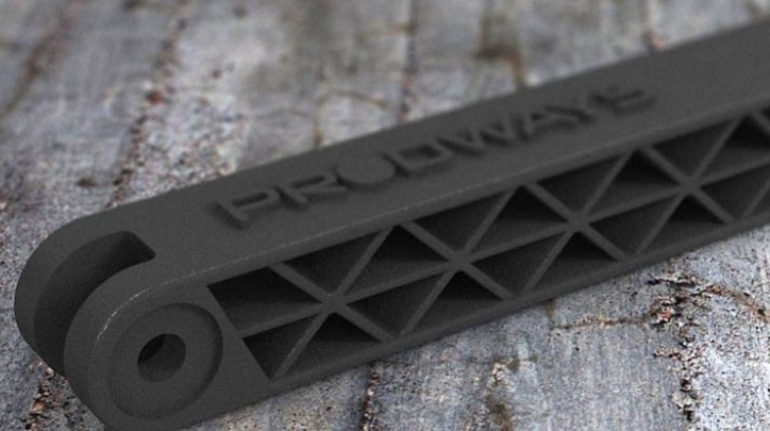
Prodways Technologies is in attendance at the Rapid trade show going on in Fort Worth, Texas. For the first time in the United States, the French company will be presenting its full suite of 3D printing solutions designed for the transportation and automotive sectors and the development of new, break-through applications in this area.
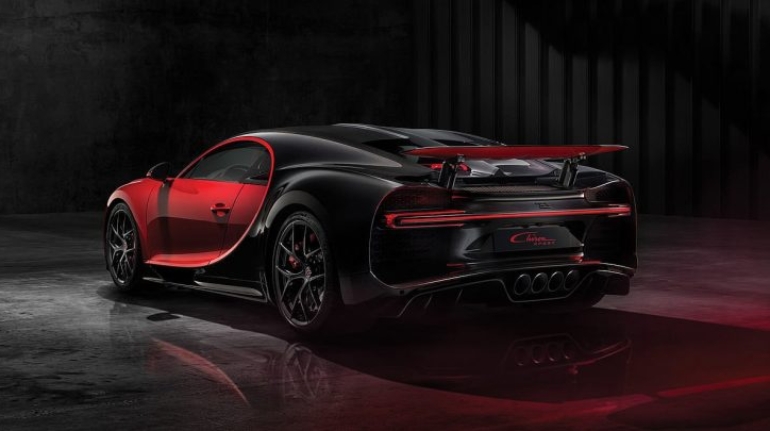
Bugatti Automobiles and Siemens are pushing the limits of performance by perfecting a vehicle that is already perfect with the help of the digital twin. With a team of industry-leading technology companies collaborating, Bugatti has innovated the world’s largest functional vehicle aerodynamics control system, consisting of 3D printed bionic titanium components and carbon fiber reinforced tubes for the 1,500 PS Chiron super sports car.
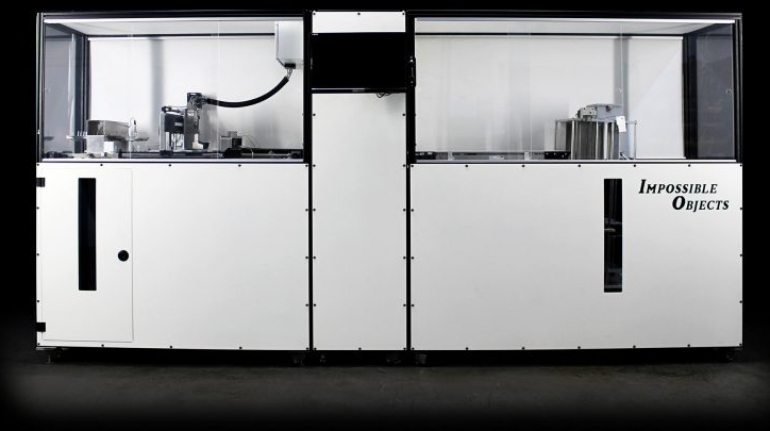
Ford recently purchased two Impossible Objects “Model One” composite 3D printing machines to be used by the company for research and development.
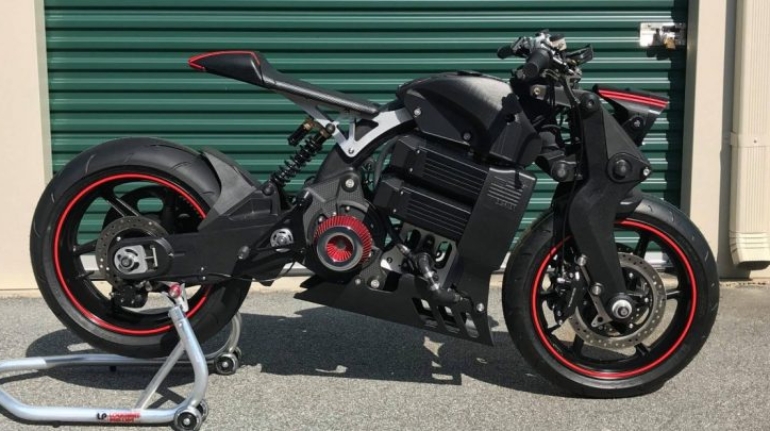
3DXTECH, a US-based leader in high-performance 3D printing filaments, is showing off an insane electric superbike at the upcoming RAPID+TCT show in Fort Worth, Texas. Several parts of the smoking hot ride are clearly 3D printed using the Carbon X composite filament range, which combines high-modulus carbon fiber and premium resins. These filaments are ideal for applications that require superior stiffness, ease of printing, improved dimensional stability, UV-resistance, and lighter weight parts vs. standard structural materials.
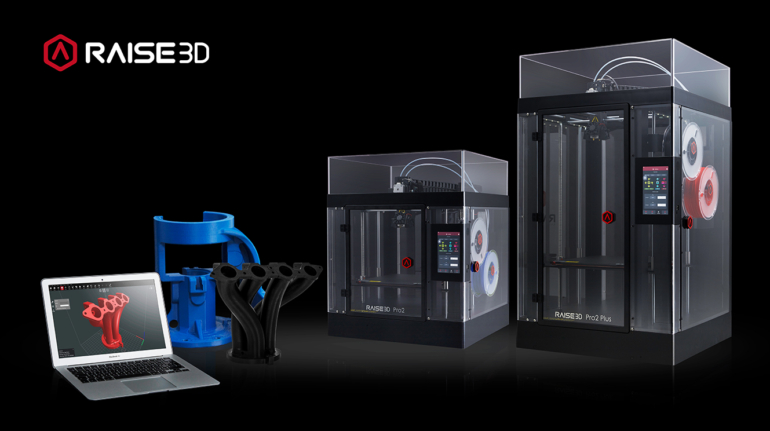
Global 3D printer manufacturer Raise3D is upping the stakes of desktop additive manufacturing with the release of its new Pro Series 3D printers. The series, which consists of the Pro2 and Pro2 Plus, is aimed squarely at the manufacturing sector and at Flexible Manufacturing in particular.
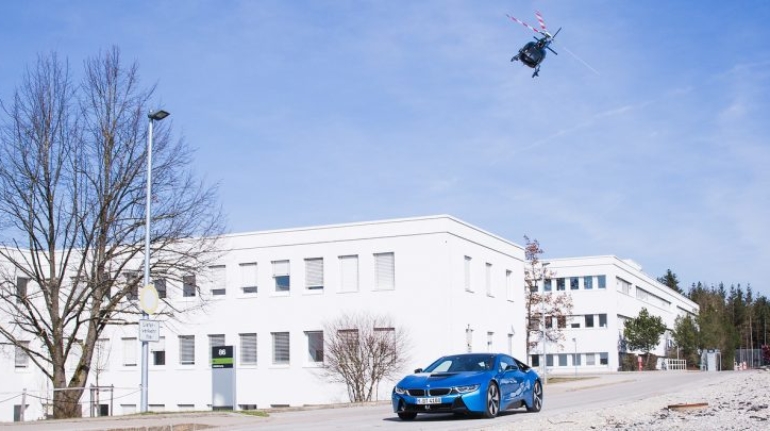
After teasing major 3D printing adoption in a successful April Fools, the BMW Group is now set to – really – invest more than €10 million in its new BMW Additive Manufacturing Campus. Located in Oberschleissheim, just north of Munich, the facility will allow the company to continue developing and further expand its expertise in this field of work.
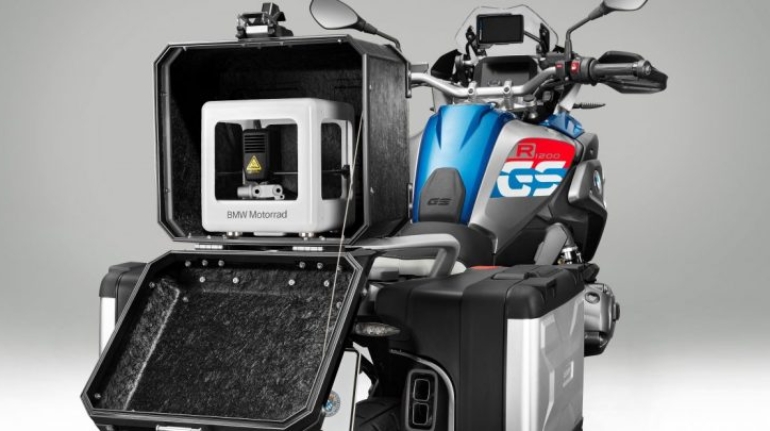
The news is funny and borderline realistic – probably funnier and less realistic than our own April fool’s post – and it’s pretty cool: the good ol’ guys at BMW Motorrad’s PR team announced that the company will be offering BMW Motorrad iParts as an optional equipment item from this summer. This is a 3D printing system which will allow BMW Motorrad dealers and customers to print out spare parts as required on site so as to be able to continue their journey as quickly as possible.
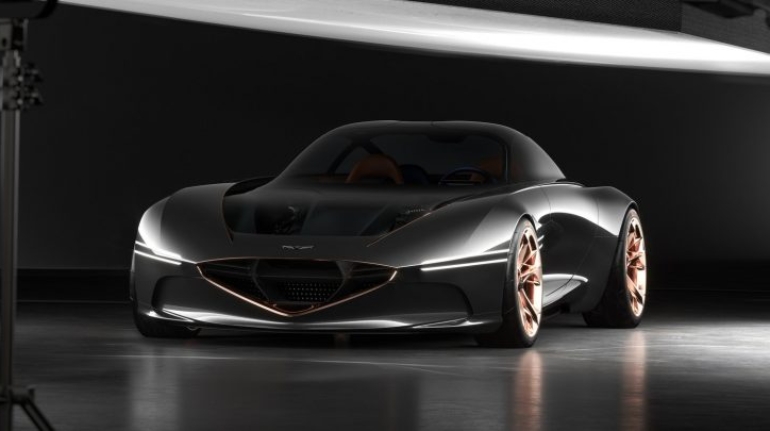
Carmaker Genesis unveiled its groundbreaking Essentia Concept at the New York International Auto Show. The all-electric, high-performance concept elevates and reimagines the “Athletic Elegance” design paradigm, while providing a vision of future Genesis product performance and technology.
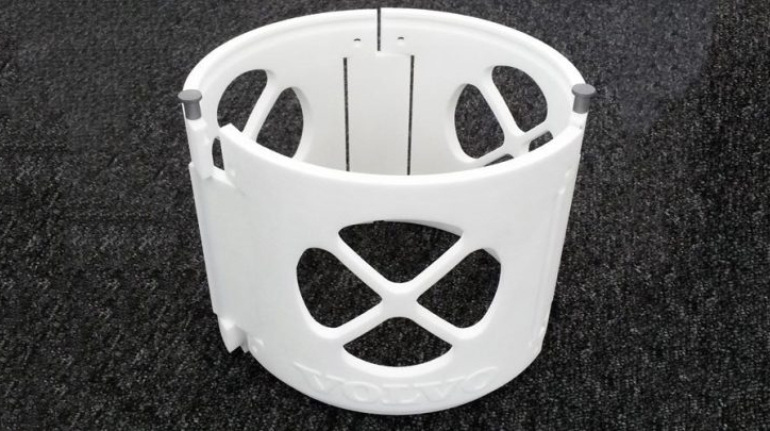
Volvo Construction Equipment moves into a new dimension to assist customers in supplying spare parts, and as part of its commitment to the research and development of new products.
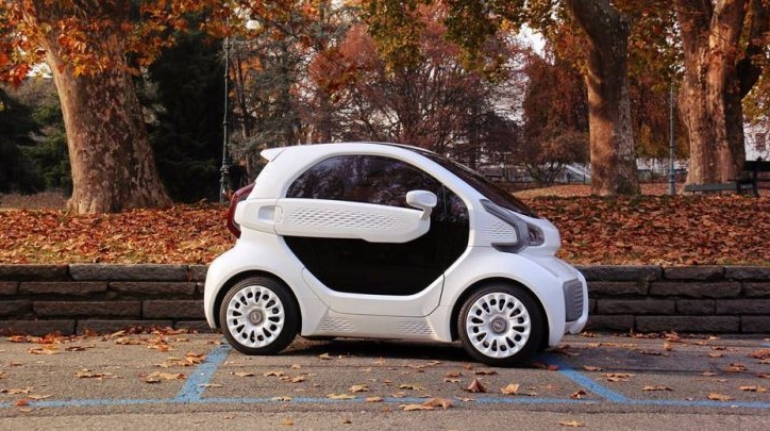
Many major news websites – both in 3D printing and beyond – recently reported the story of the LSEV electric vehicle produced by an Italian company called XEV. We were finally able to independently confirm the story with Polymaker, which is originally based on early reports and images published on Chinese 3D printing news websites such as 3Dayin.net and ChinaDaily.com. The latter reported that “the startup electric vehicle company is exhibiting its first 3D printed LSEV at Shanghai’s China 3D-printing Cultural Museum, a month ahead of its show in Auto China 2018 in Beijing, according to Guo Xiaozheng, a senior designer from XEV”.
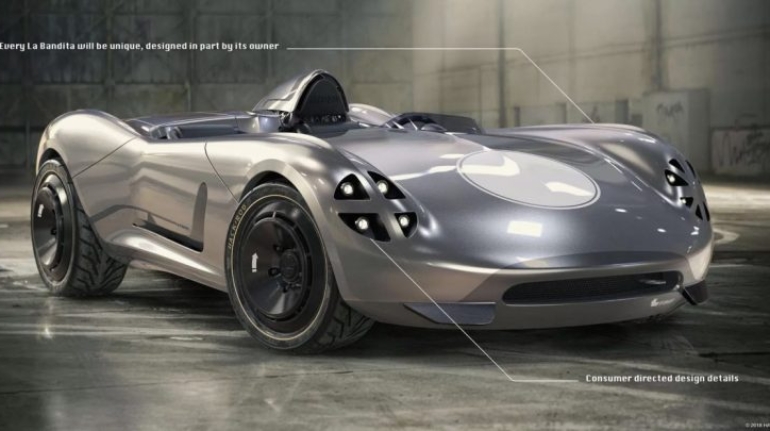
Hackrod, Inc. and Siemens PLM Software today announced a partnership to accelerate their shared vision of the democratization of engineering design and manufacturing where the consumer becomes the creator in the automotive space.
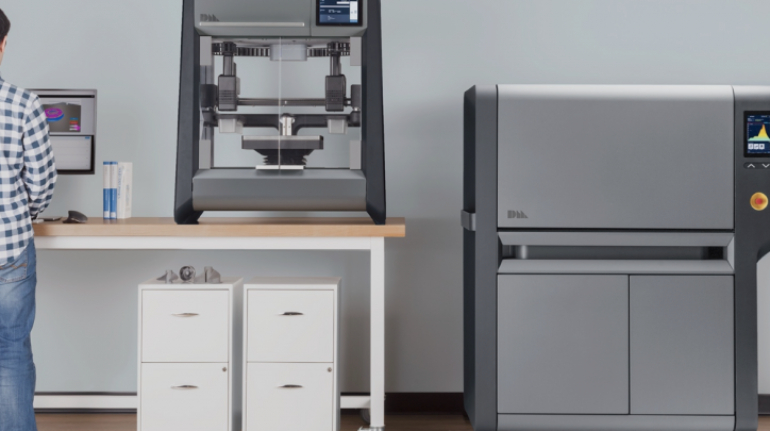
Desktop Metal, the company committed to making metal 3D printing accessible to manufacturers and engineers, has received $65 million in new financing led by Ford Motor Company, with participation from existing investor Future Fund. Since its inception, Desktop Metal has raised a total of $277 million in financing to further accelerate the company’s rapid business growth and adoption of its end-to-end metal 3D printing systems. In a related announcement, the company also announced Ford’s Chief Technology Officer will join the Desktop Metal Board of Directors.
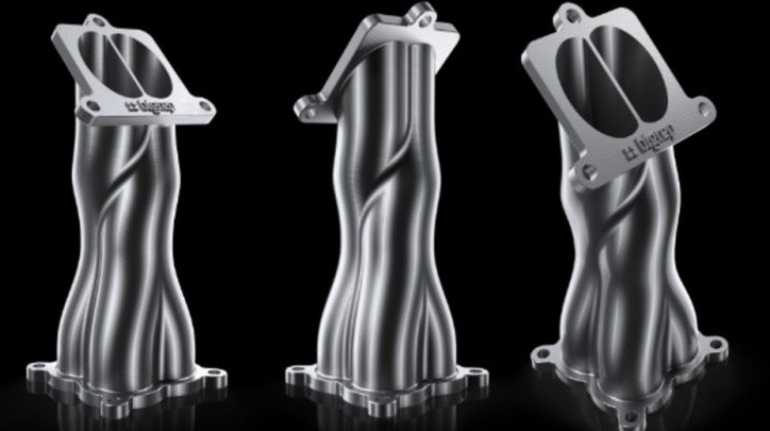
The Automotive industry continues its ongoing race to find ways to accelerate the process of designing and developing new and better vehicles. If we examine a modern car design closely, we see that it contains around 30,000 components, of different sizes and materials, manufactured using a range of techniques. Introducing 3D printing into the process of designing a machine with this number and diversity of parts can make that process of moving from new concept to marketable product much more efficient.
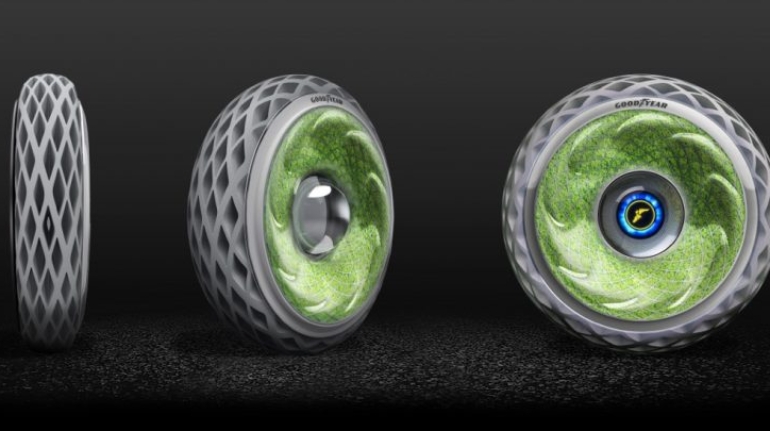
After last year’s beautiful VISION 3D printed tire concept by Michelin, another tire giant is introducing the use of 3D printing to improve performance and sustainability in its vision for the future of mobility. Goodyear’s latest Oxygene concept tire, introduced at the 2018 Geneva International Motor Show, brings the future of mobility to life as a visionary solution for cleaner, more convenient, safer and more sustainable urban mobility.
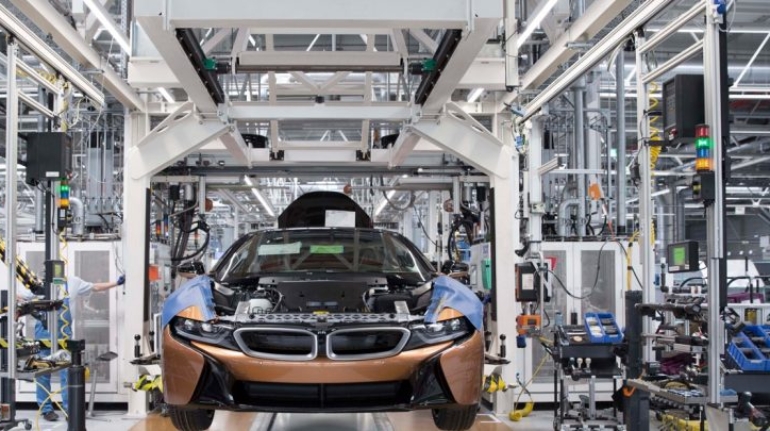
The BMW Group Plant Leipzig has started series production of the BMW i8 Roadster. It is joined by the updated version of the BMW i8 Coupe in the line-up. Both vehicles are flexibly produced per customer demand in BMW Group Plant Leipzig within the same production line.
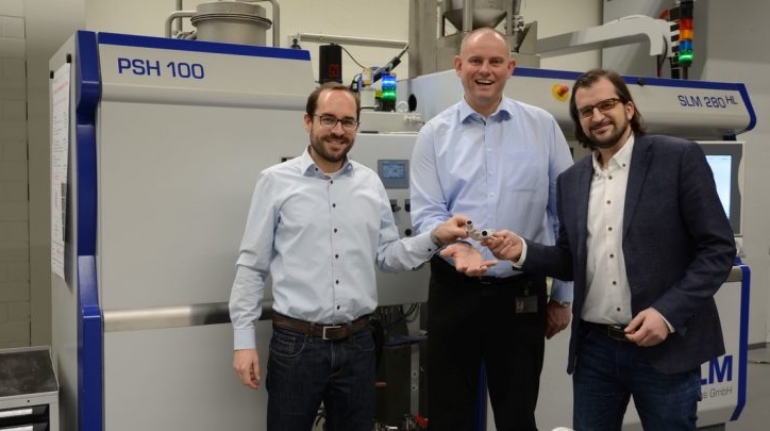
The SLM Solutions Group AG has been collaborating closely with AUDI AG for quite some time. The company uses the selective laser melting process for the manufacture of parts for prototypes and spare parts requested extremely rarely. For example, the water adapters of the Audi W12 engine are manufactured on demand with the SLM280.
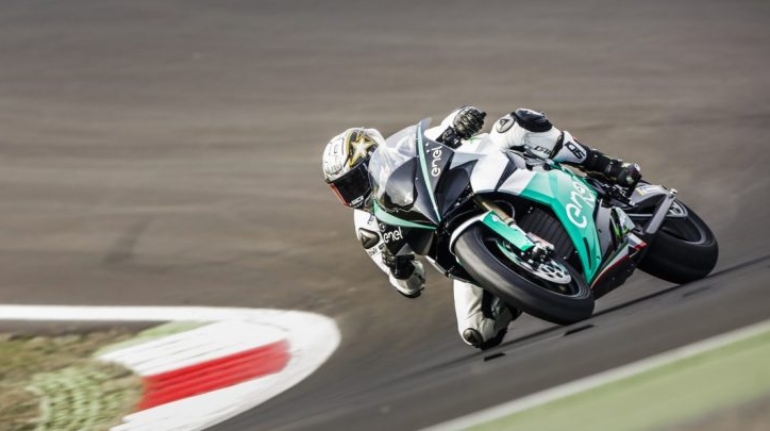
Ego Corsa, Energica’s electric racebike for the FIM Enel MotoE World Cup, will be developed through CRP Group’s know-how

Porsche Classic, the division of Porsche dedicated to classic vehicles, is now producing extremely r ...
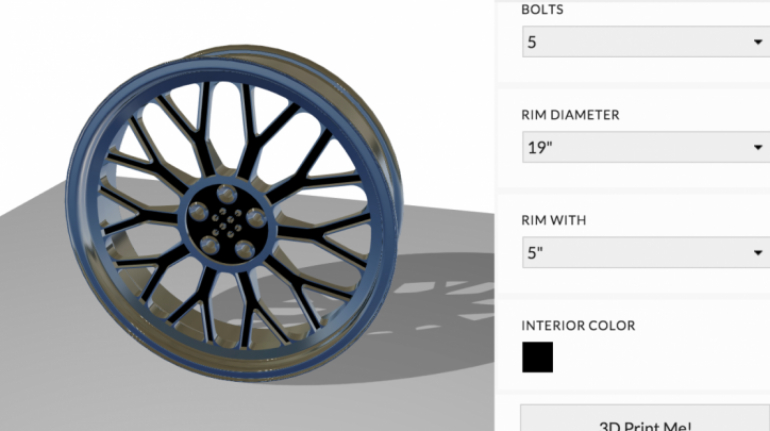
Shapediver designer Ezquiel Lopez gave an interesting demonstration of a real-life customization application possible with paramteric design software such as Grasshopper. He created an online Rim Configurator that lets you rapidly define your own, personal rim design and even download it as a 3D printable file. How you would go from there to a metallic, functional rim is entirely up to you. The bottom line is that you have the file and you can manufacture it if you want to.
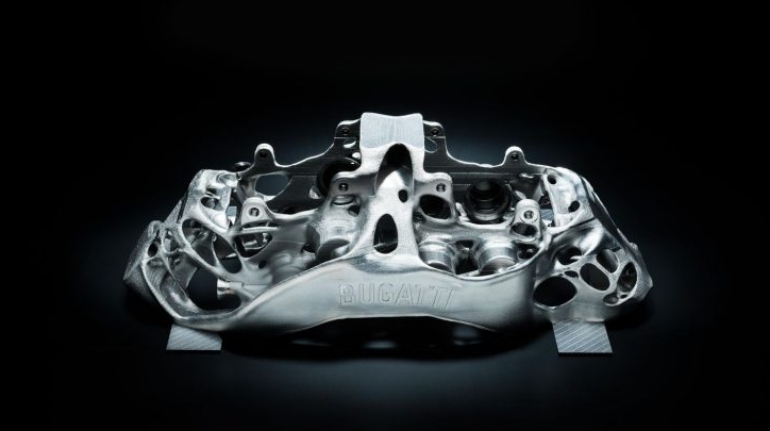
With its Veyron and Chiron super sports cars, Bugatti has established a position as a pioneer ...
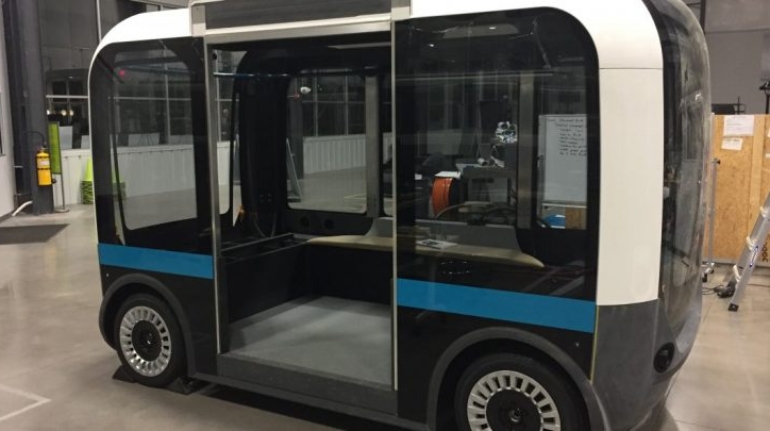
Local Motors has teamed up with industry-leading professionals, Florida-based Elite Transportation Services (ETS), a subsidiary of Elite Parking Services, and Texas-based Xcelerate, securing both third-party operational support and vehicle financing for their autonomous shuttle, Olli.
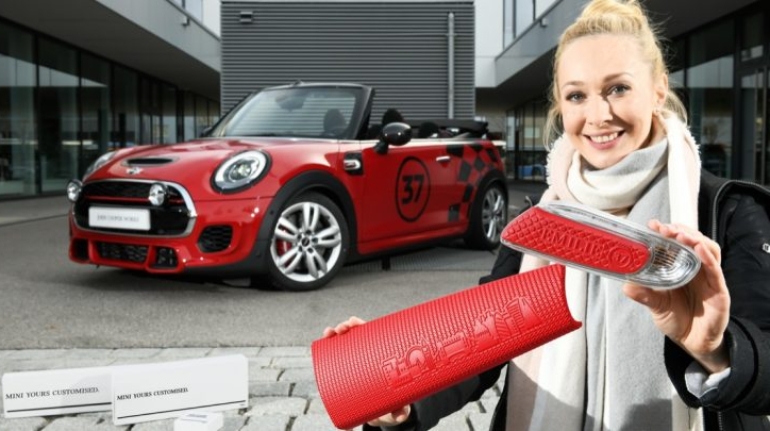
BMW-owned British premium automobile manufacturer MINI launched the MINI Yours Customized service to offer its customers the opportunity of providing selected upgrade products with a design they have selected themselves. They can then transform their own vehicle into a personally styled customized special. The innovative package will become available in the course of 2018 for lots of MINI models in Europe and other large markets. The MINI Yours Customized product range will include the indicator inlays known as side scuttles, trims for the passenger side in the interior, LED door sills and LED door projectors.

During the past year, we’ve seen several successful test cases leading to a significant increase in the adoption of 3D printing for production of aircraft and aerospace parts. Today’s MINI Yours Customised announcement from British-German automaker MINI, coupled with other underlying trends in mobility that have emerged in recent months, indicate that 2018 will likely be the year in which the automotive industry will begin mass adoption of 3D printing for production. Additive manufacturing mass production technologies are ready both in terms of speeds and surface quality. Digital material properties – both for metal and polymer/composites – are now up to par for end-use parts, costs are rapidly dropping and industry awareness is high. The benefits of automotive 3D printing have been largely established and the race is on.
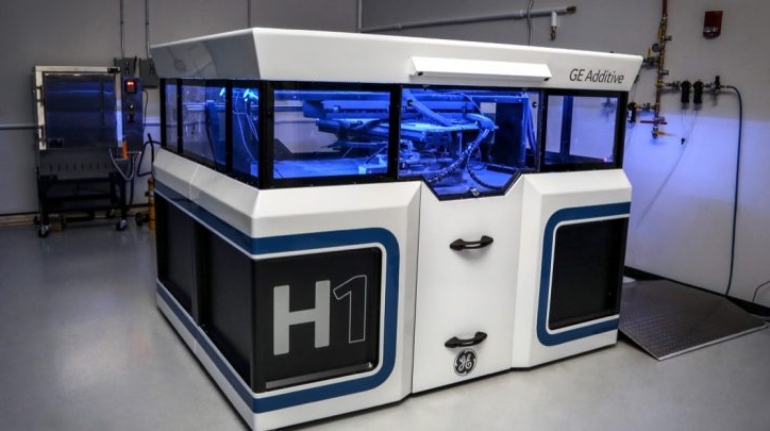
As further proof that binder jetting technologies are living through a new renaissance, GE Additive has released the first image of a prototype of a brand new additive machine, named Project H1, based on binder jet technology that will eventually challenge the need for castings. Further iterations of this machine will be made in early 2018 with the first production machines being shipped mid-2018.
Last November 22nd, 2017, the official opening ceremony of the “HONDA MEETS FABLAB” contest took place in the Cenacle Hall of the Museum of Science and Technology Leonardo Da Vinci. Presented by Davide Sher (3D Printing Business Media), the event was held from 2 p.m to 5.30, in a series of live webinar talks, which gave the active European Fablabs a chance to participate directly. 3D Printing Business Media was the official media partners for this unique and groundbreaking initiative.
Divergent 3D, the disruptive startup behind the hottest, largely 3D printed supercar, is nearin ...
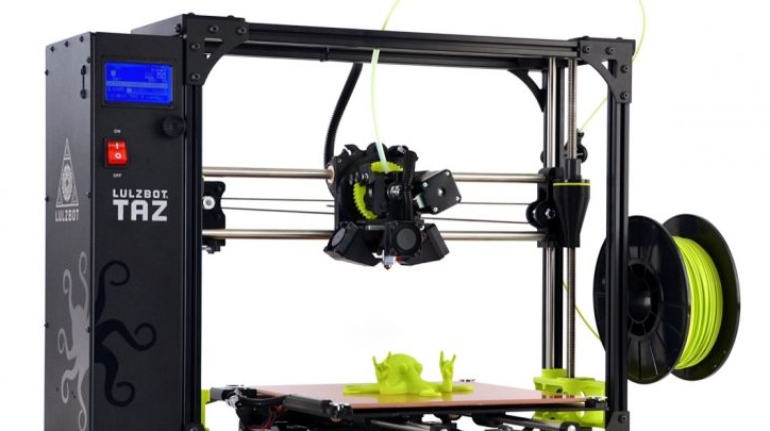
Aleph Objects, makers of the award-winning LulzBot 3D Desktop Printers, has s ...

HONDA MEETS FABLAB is a call for ideas which aims to initiate a dialogue between HONDA R&a ...
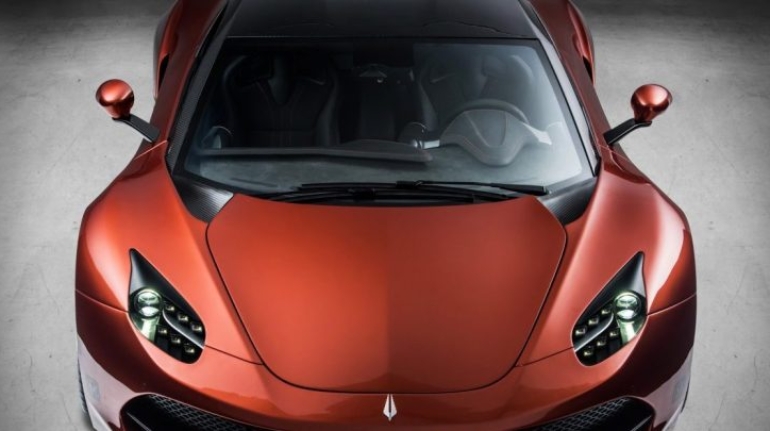
OMNI3D, Arrinera Technology and OE Industry have joined forces to create a fully functional car lamp prototype. The project was carried out in FFF technology, and a 3D scanner test confirmed its high dimensional precision.
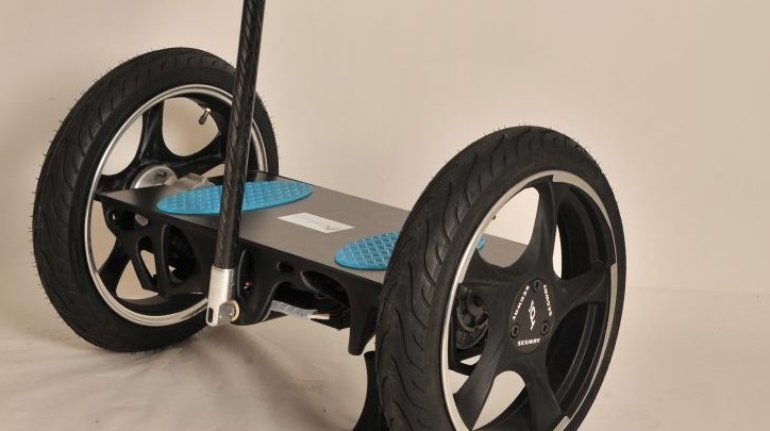
Stratasys worked with the University of Applied Sciences Ravensburg-Weingarten in Germany is developing a first-of-its kind 3D printed self-balancing scooter with Stratasys additive technologies. Tasked with “thinking additively” to achieve true customization, the students built the entire product development process for the scooter around additive manufacturing. As a result, the team produced the first fully-functional prototype 85% faster compared to traditional manufacturing methods.

EOS will launch with the EOS P 500 its newest polymer system at this year’s formnext in Frankfurt. The company will also showcase its latest and growing portfolio of additive manufacturing (AM) systems and software solutions, services and consulting at the show
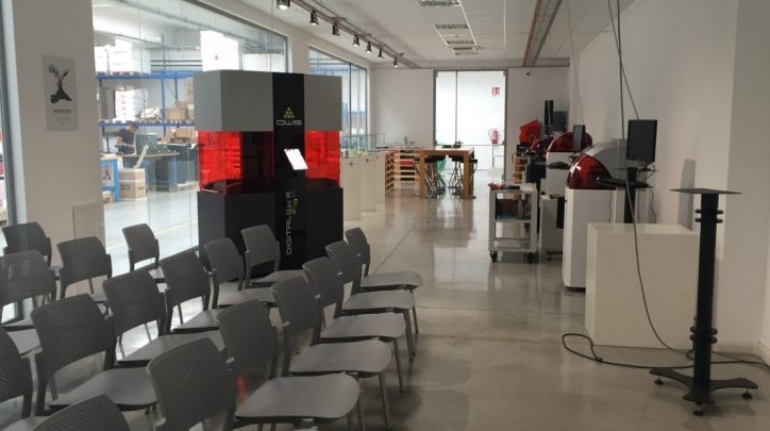
DWS is partnering with Techniplas, a leading global design and manufacturing provider of automotive products and services to further expand its additive manufacturing capabilities. DWS will bring its entire portfolio of professional-grade 3D printing products to the open innovation program at the Techniplas Innovation Center working on Additive Manufacturing in Ventura, California.
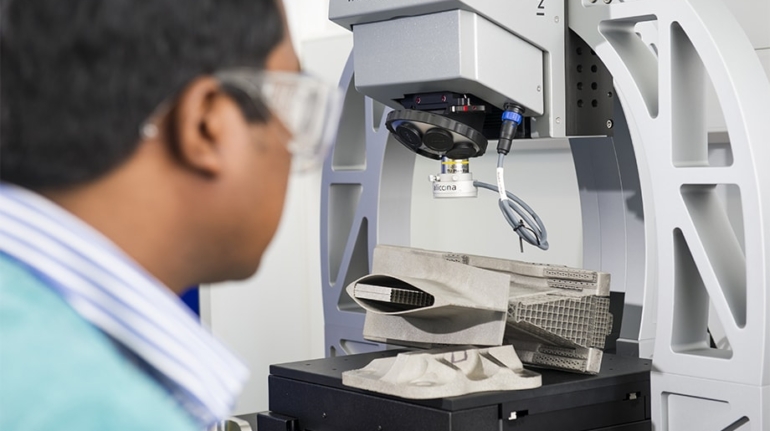
Global aerospace and automotive engineering Group GKN is already an Additive Manufacturing (AM) leader, with AM parts flying on civil, military, business jets and space aircraft, and AM parts driving in cars today, as well as a world-leading powder business. Now the company has pulled its global Additive Manufacturing (AM) activity together into one new brand: GKN Additive.
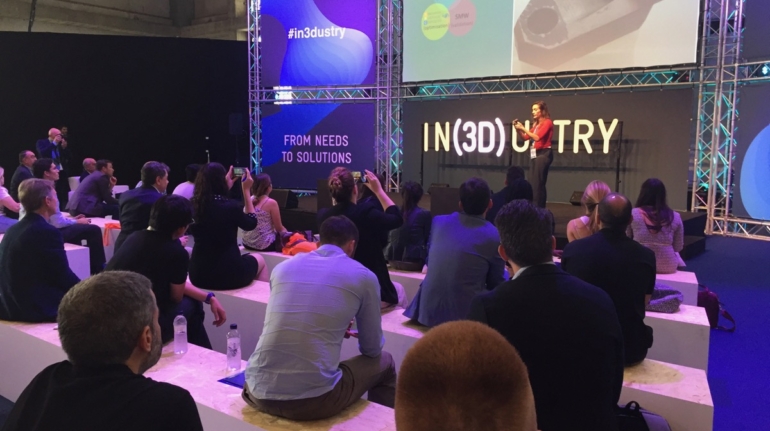
Organizing a show in the midst of political turmoil is challenging, doing it through one of the biggest political events to shake Southern Europe in recent years – the potential secession of the Catalunya region from Spain – could seem impossible and yet IN(3D)USTRY 2017 was highly successful with a good turnout in terms of attendance, showing how passionate people can be about the additive manufacturing industry and its potential benefits to the world.

Techniplas, a leading global design and manufacturing provider of automotive products and services, today announced that Sharebot, a maker of professional grade 3D printers joined its open innovation program. Under this partnership, Sharebot is placing several of its latest Sharebot XXL+ large format 3D printers at Techniplas’ new Additive Manufacturing Innovation Center in Ventura. By embedding 3D printed tools, jigs and fixtures that are powered by Sharebot into its factories, Techniplas plans to boost operational yields and develop next-generation cost-effective flexible manufacturing cells.
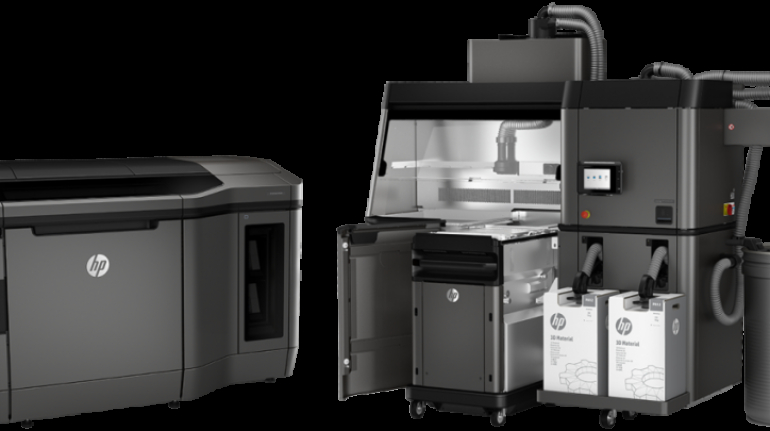
HP is showing off the impressive list of European clients that have alreayd adopted its MultiJet Fusion 3D 3D printing solutions. The company also announced that Henkel, a global leader of high-impact solutions, will be deepening its relationship with HP to become the first global reseller of HP’s Jet Fusion 3D Printing solutions. HP’s Jet Fusion 3D Printing solution is a production-ready commercial 3D printing system that delivers superior-quality physical parts up to 10 times faster and at half the cost of current 3D print systems.
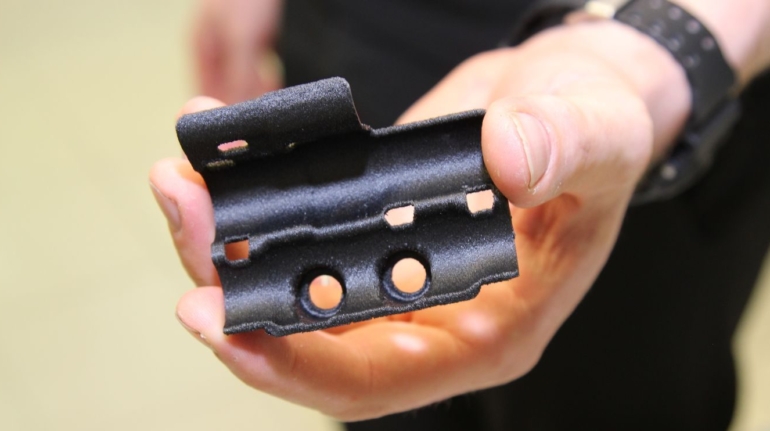
This year’s Professional MotorSport World Expo in Cologne (15- 17 Nov) will see global leader in applied additive technologies, Stratasys, demonstrate how the integration of its 3D printing solutions throughout design and production is enabling race teams and automotive manufacturers to accelerate vehicle development and transform the manufacture of composites for lighter race cars – all at reduced costs.

At the IAA Cars 2017 show in Frankfurt am Main, MINI is showcasing its take on future personal mobility in the city – in the form of the MINI Electric Concept. Designed for use in urban areas, this concept car offers a window into how pure-electric day-to-day mobility might look in the years ahead. And the MINI Electric Concept also brings the iconic design, city-dwelling heritage and customary go-kart feeling of the MINI brand into the electric mobility age. MINI will present an all-electric series-production model in 2019.
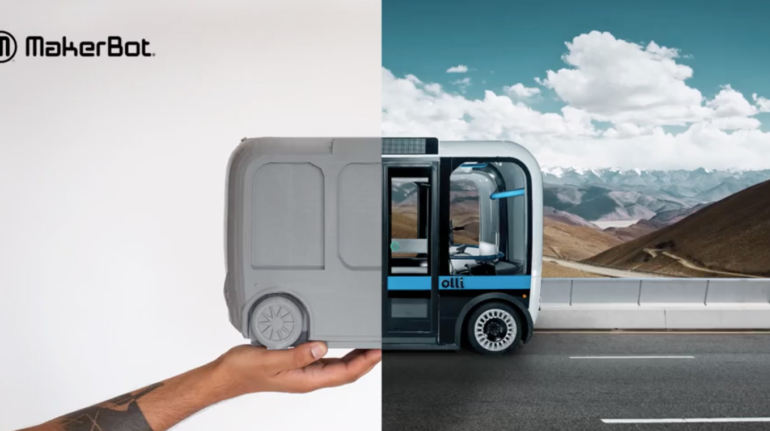
Reinventing itself as supplier of desktop prototyping tools, MakerBot helps Local Motors in streamlining production of the its OLLI autonomous vehicle.
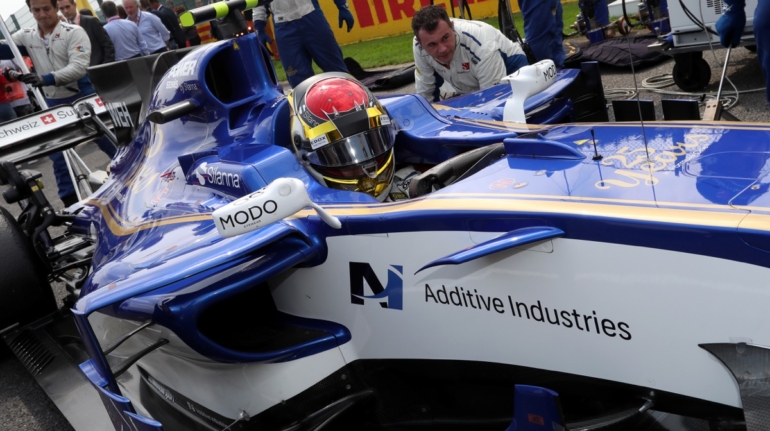
Metal 3D printer manufacturer Additive Industries, Technology Partner of the Sauber F1 Team, had a special branding on the side of the Sauber C36-Ferrari monocoque for the Belgian Grand Prix at Spa-Francorchamps. The company’s branding will continue to be present in the lower part of the car (albeit smaller) for upcoming Monza Grand Prix and future races as per the three year Technology Partnership signed with the Sauber F1 Team.

Altair, APWORKS, csi entwicklungstechnik, EOS GmbH, GERG, and Heraeus have used the front-end structure of a classic VW Caddy to demonstrate the full potential of industrial 3D printing within the automotive industry. The structure is very light, stable, and, at the same time, features a high degree of functional integration. In this joint development project known as 3i-PRINT, the involved companies covered every development step of the process, from design, simulation, optimization and manufacturing to post production of the part. From conceptual design to final vehicle, the project was completed in only nine months.
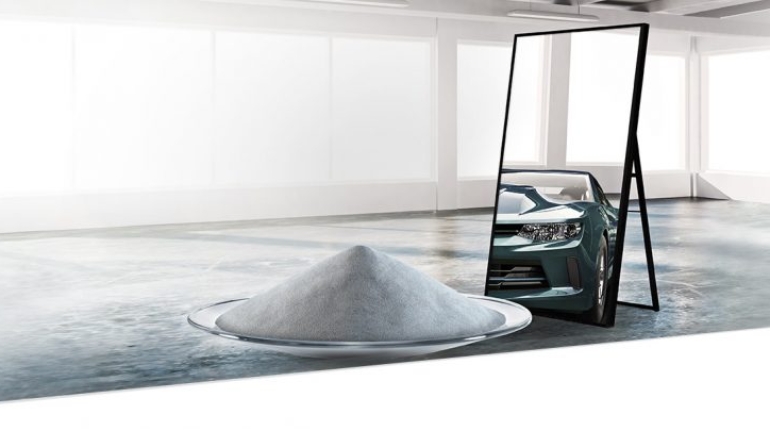
Since as early as the 1980s, automotive companies have been exploring the potential applications of additive manufacturing technologies in car making. Auto giant Ford purchased the third 3D printer ever made, a move which helped to solidify the intersection between the two industries early on. Now the time is here for the 3D printed vehicles of tomorrow to enter the stage.

This XK120 features unique bodywork by famed Italian coachbuilder and design house Pininfarina. It was first delivered to a Mr Max Hoffman in 1954, who was an Austrian-born, New York-based importer of luxury European automobiles into the United States during the 1950s.

At this year’s gathering of the most magnificent classic cars at Pebble Beach in California, Mercedes-Benz is once again set to present a highlight: the Vision Mercedes-Maybach 6 Cabriolet is a car which, with its sensual, emotionally appealing design and innovative technical concept solutions, defines the ultimate in luxury of the future. At the same time, the two-seater model pays homage to the glorious “automotive haute couture” of hand-finished, exclusive cabriolets. The glamorous cabriolet reinterprets classic, emotional design principles in an extravagant way and combines intelligent beauty with classic, aesthetic proportions and a reduced, technoid appearance – a perfect embodiment of the design philosophy of Sensual Purity.

In anticipation of her participation at the upcoming IN(3D)USTRY congress, we recently caught up with Stefanie Brickwede, Deutsche Bahn’s Head of AM, to speak about how the transport company has and continues to integrate 3D printing into its train manufacturing and maintenance processes.
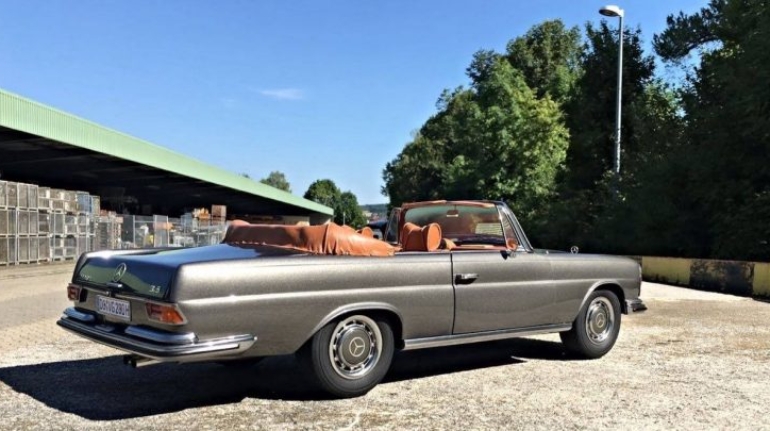
The Mercedes 280S 3.5L W111 is a collector’s favorite and is considered almost a work of art in and of itself. The latest 3D printed Mercedes 280S model shared by Sebastiaan Pot, whose amazing work we’ve covered on this website before, certainly does it justice.
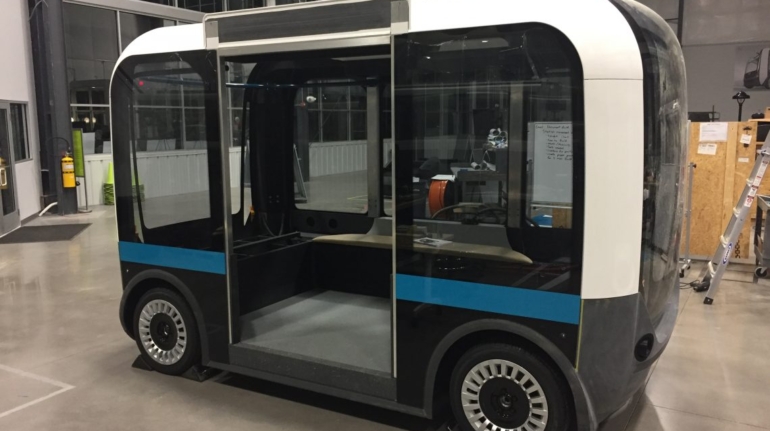
Marketing Director Carlo Iacovini Anticipates the Company’s Strategy for European Expansion of its OLLI 3D Printed Autonomous Vehicle Fleet
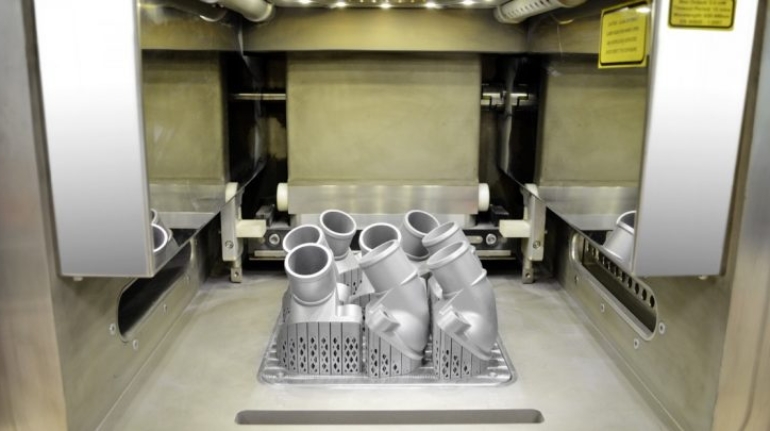
Mercedes-Benz Trucks has taken 3D printing a stage further: the first printed spare part made of metal, a thermostat cover for truck and Unimog models from older model series, has passed all the stages of the stringent quality assurance process at Mercedes-Benz smoothly and is now celebrating its premiere. This means that Mercedes-Benz Trucks is now the technological leader in the challenging segment of cutting-edge 3D printing processes for metal components.

In 2015 Fiat Chrysler Auto (FCA) Group, which also includes the stylish brand Alfa Romeo, went public with the Alfa Giulia 3D printed front grid project, revealing how intensive its use of AM has been for prototyping applications. Over the past two years, the company has been working to address the challenges of implementing both metal and polymer AM in the production of actual automotive end-use parts.
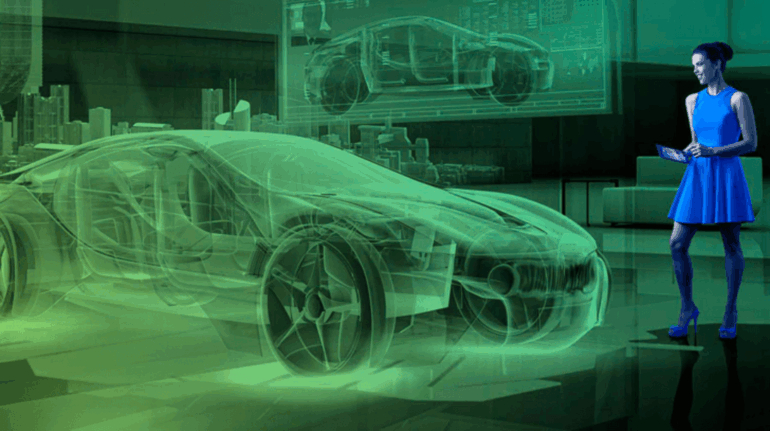
Techniplas, a leading global design and manufacturing provider of automotive products a ...
The trade show organizer Tarsus have scheduled conference keynote speakers and topics for Ad ...

Designer Eric Harrell designed a model of the Chevy Camaro LS3 V8 engine which is almost completely 3D printable. Hardware kits are available in partnership with MakerRX. You can purchase the full kit (which includes filaments and non-printable components) and get 10% off HatchBox/ColorFabb Filament.
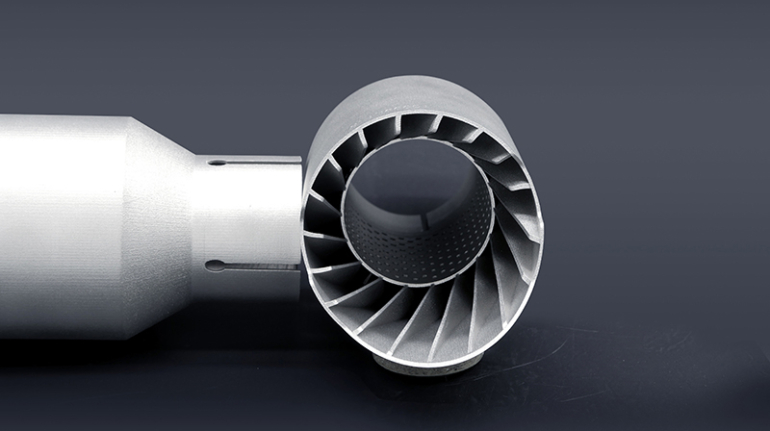
Leading desktop, professional and industrial 3D printer manufacturer Shining 3D worked with an undisclosed car customization company to design and produce a fully 3D printed exhaust pipe using its EP-M250 metal 3D printers. The exhaust pipe has already been installed and used in an assembly trial on a Ford Mustang.

Each year the editors of the MIT Technology Review identify 50 companies creating new opportunities by combining important technologies and business savvy. Some in the MIT 50 Smartest Companies 2017 list are large enterprises that seem to be growing ever larger, like Amazon and Apple. Others, like IBM, or General Electric are old-guard giants betting on technology renewal. And the list is full of ambitious startups like SpaceX, which is changing the economics of space travel with reusable rockets; Face ++, a pioneer in face recognition technology; and it also includes two pure player additive-manufacturing firms: Carbon and Desktop Metal.
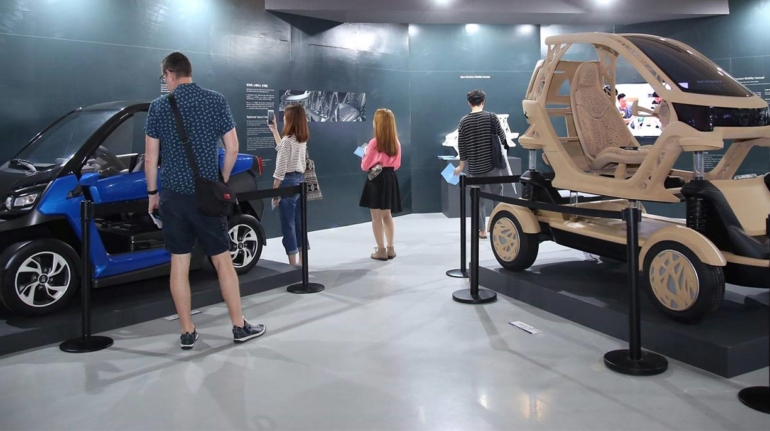
Korean smart mobility firm KLIO Design participated in a mobility confer ...
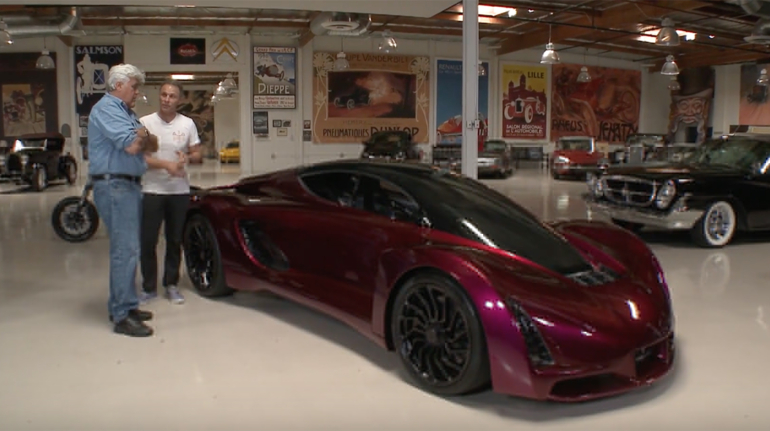
US talk show host, car lover and 3D printing enthusiast Jay Leno recently got the chance to get a close look and even test drive the Divergent Blade, the most 3D printed supercar ever built. Kevin Czinger, Founder & CEO of Divergent 3D, stopped by the garage to show Jay his 700 horsepower 3D printed ride. Thanks to Alex Polli from our Italian 3D printing news website Replicatore.it, for the tip!

Share Tweet Share Pin Buffer 0 Yo ...
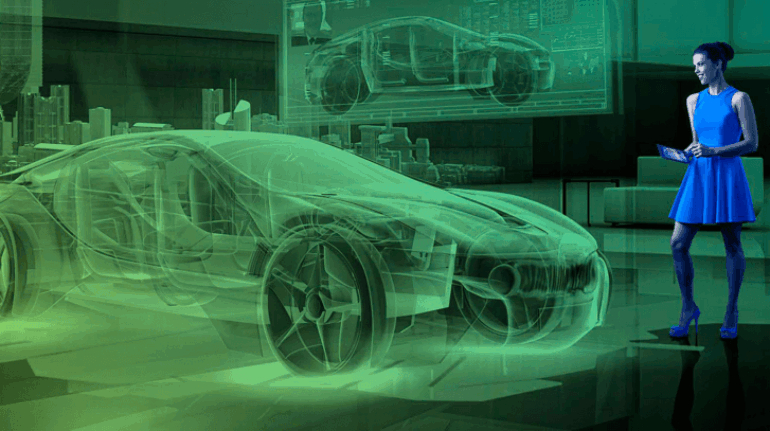
Automotive injection molder Techniplas is establishing an additive manufacturing center to speed up product development as it digitizes its operations across the board. “It’s coming to life as we speak,” said Avi Reichental, CEO of the new Techniplas Digital business unit.
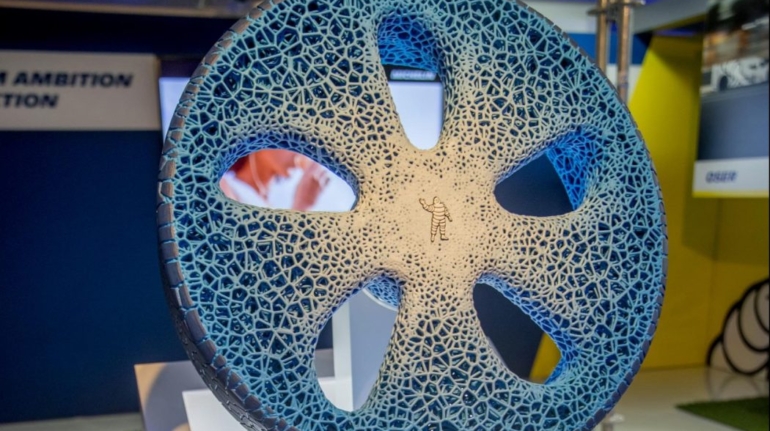
At Movin’On 2017, Michelin introduced VISION, its concept tire, which is a concentration of technologies. This concept tire, which is airless, connected, rechargeable, customizable and organic, is both a wheel and a tire. VISION is a dream within reach because this revolutionary solution is driving the convergence of innovations already explored by the Group’s R&D teams.
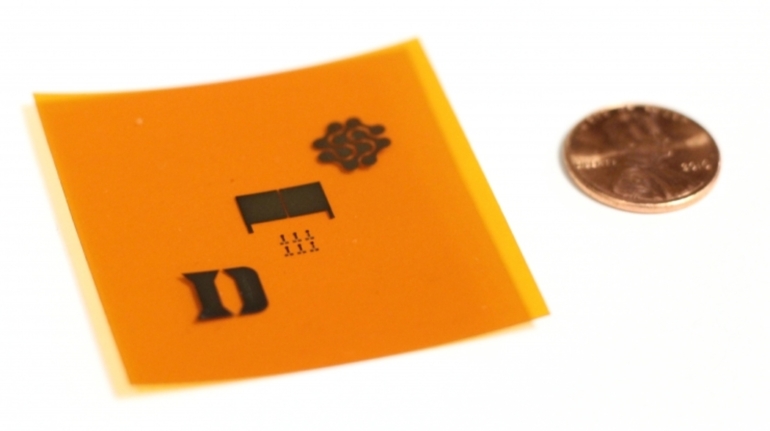
Electrical engineers at Duke University have invented an inexpensive printed sensor that can monitor the tread of car tires in real time, warning drivers when the rubber meeting the road has grown dangerously thin.
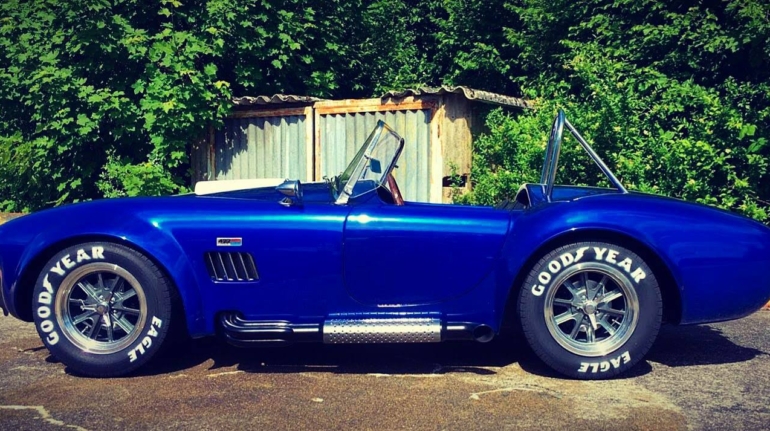
An impressive, largely 3D printed Cobra MKIII 1/4 curbside miniature model, measuring 99 cm in length was created by a Netherland’s based student, Sebastiaan Pot, with the goal to make every detail as realistic as possible. The amazing level of details shows not only how far 3D printing has come but also how much it has affected the miniature replica segment and all those who love superbly realistic collectables, especially those who build them.
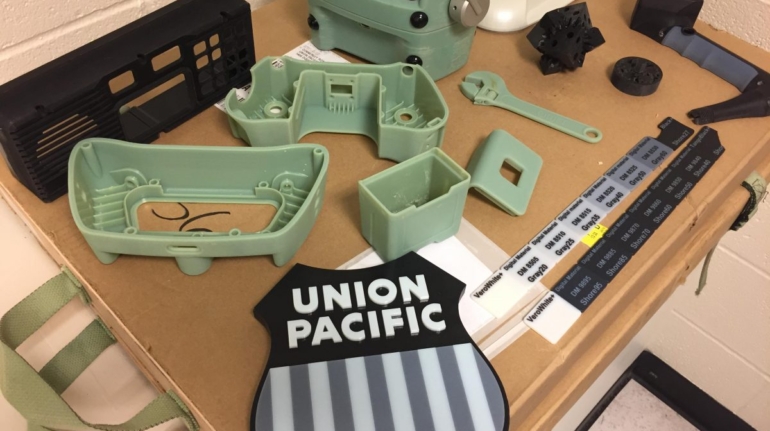
The railroad infrastructure is what really made America great. Today, much like other key infrastructures in the US, the US train network is having a hard time keeping up with the advancements made by other regions including Europe and Asia. While we wait for Elon Musk’s hyperloop, Union Pacific is applying 3D printing technology to make locomotive operations safer and more efficient, much like NASA is finding ways to use 3D printing to provide necessities for colonizing Mars.
Daimler Buses is exploiting the benefits of 3D printing to meet customers’ special requirements and produce small batches and replacement parts for the Mercedes-Benz and Setra brands. As a technology leader in the bus and coach sector, Daimler Buses is making use of the advantages of this cutting-edge digital component and production technology.

The Spanish city of Zaragoza has hosted the opening meeting for the European Project BARBARA (Biopolymers with advanced functionalities for building and automotive parts processed through additive manufacturing). This is a 36 month long research project within the European Union Framework Program for Research and Innovation Horizon 2020. With a 2.7 million euros budget, coming nearly exclusively from the EU, it brings together 11 partners from Spain, Italy, Germany, Sweden and Belgium. Coordinated by the Aragonese technology centre Aitiip, it envisages developing two prototypes helping demonstrate the prospects offered by that these new materials for key sectors of our economy such as the construction and automotive industries.
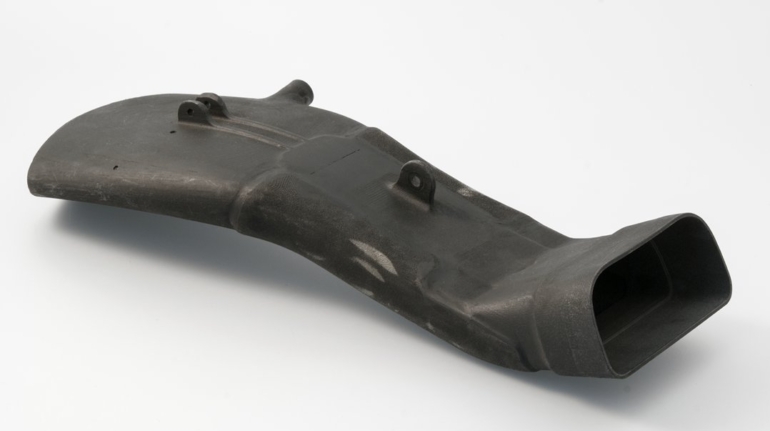
Wiring in race cars is becoming more and more complex. Power Units are made up of several parts that need to be integrated into the final assembly. Available space is increasingly limited, so engineers are frequently utilizing flexible parts such as cooling ducts and wiring harnesses. A new innovative SLS (Selective Laser Sintering) Front Air Inlet made with WINDFORM high performance materials can provide a viable solution to these issues.
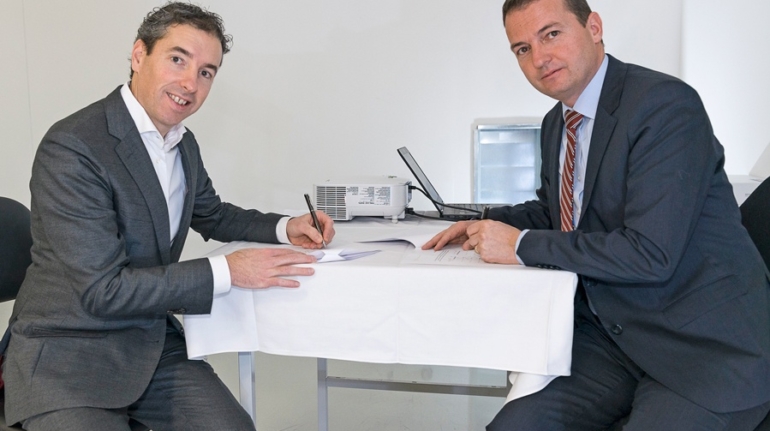
What is so revolutionary about your AM system and what makes it stand out compared to conventiona ...
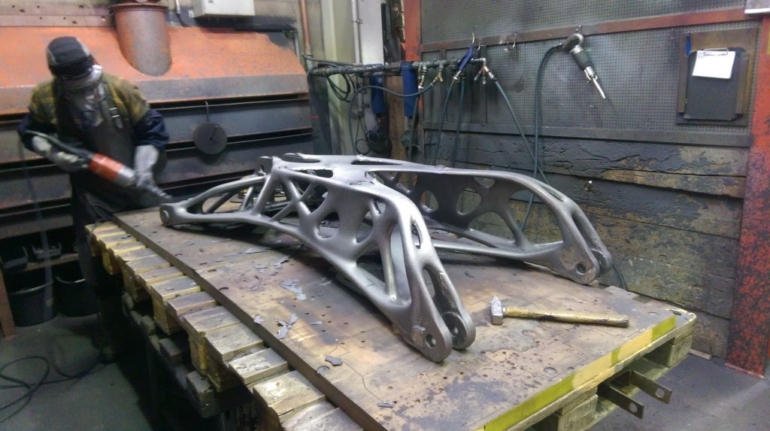
Amazone develops and produces innovative agricultural technology with a high standard of quality, enabling and supporting modern and economical arable farming methods. With these standards in mind, Amazone leverages advanced development tools, processes, and manufacturing methods to contribute to its customers’ success.
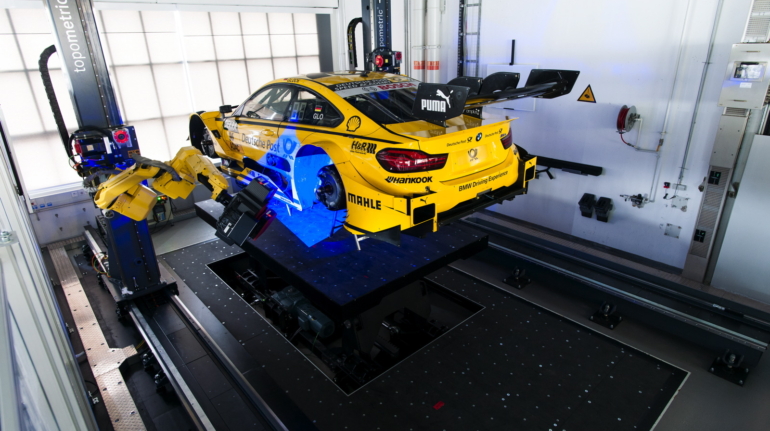
The motorsport department at BMW has long worked hand in hand with series development – and this remains the case for the quality controls on the newly-constructed BMW M4 DTM for the 2017 season. BMW Motorsport uses the same cutting-edge 3D measuring technology that is applied to production models at the BMW Group Plant Munich.
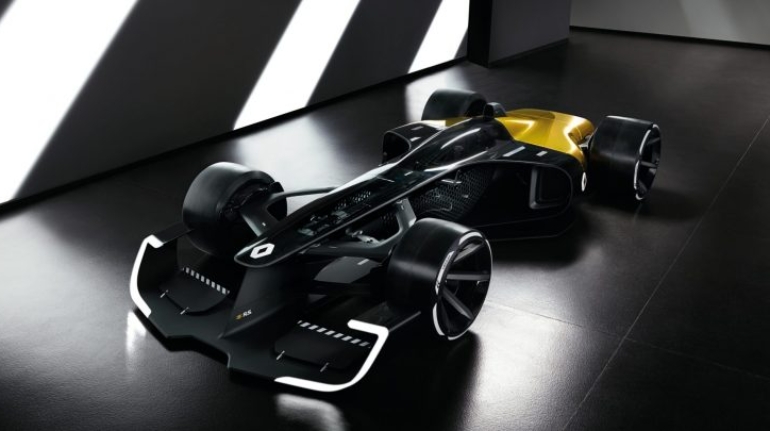
The Renault RS 2027 F1 concept is Renault’s vision of what Formula 1 cars could look like in 10 years: ultra light, safe, powerful and — almost redundantly — crazy cool. I mean, just look at it.
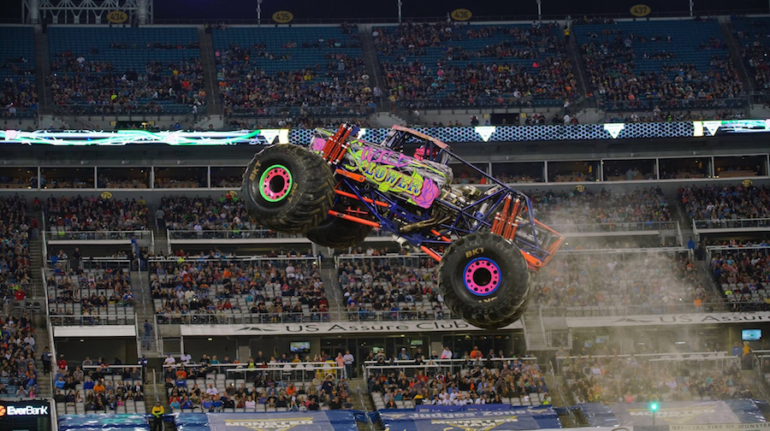
Cost efficient 3D printer manufacturer Afinia 3D reported on the story of professional monster truck driver Rosalee Ramer and how 3D printers made it possible for her to pursue her dream. She started driving monster trucks professionally at age 14. Now, at age 19, she is pursuing her Mechanical Engineering degree at Georgia Tech, and hopes to use it to improve her monster truck’s capabilities. Rosalee Ramer is a lot of things: a daughter, friend, college student, and role model, who holds the title as the youngest professional female monster truck driver in the world.
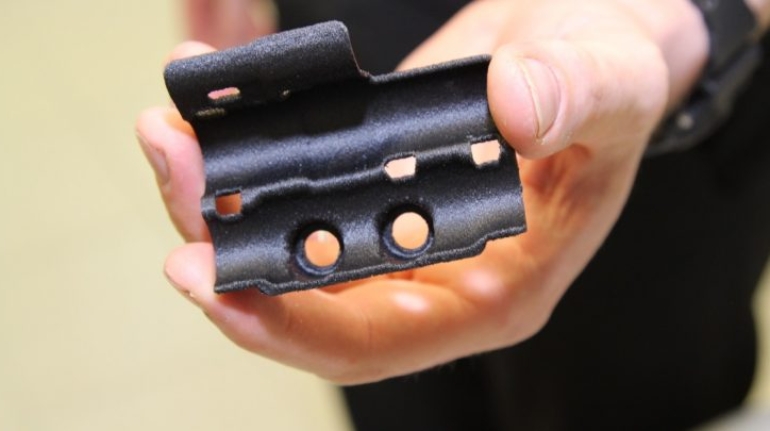
After signing a strategic collaboration with leading 3D printer manufacturer Stratasys, at the beginning of the season, McLaren Racing is now expanding its use of 3D printing (both polyjet and FDM) to produce components for its 2017 Formula 1 MCL32 race car. The goal is accelerating design modifications and reducing weight to increase performance.
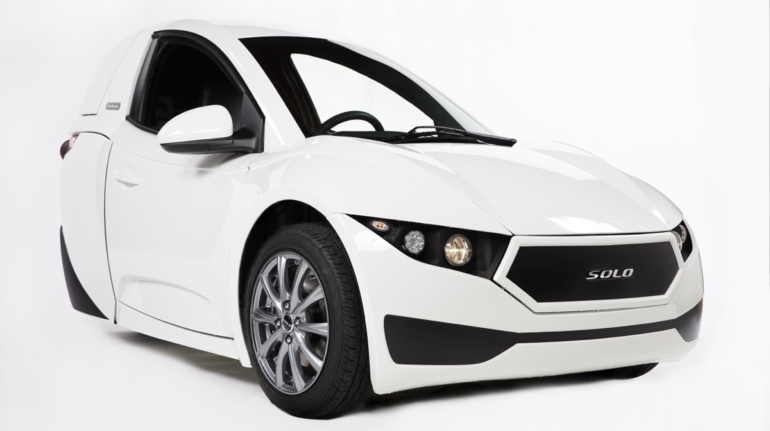
Additive manufacturing is changing how we build things and electric vehicles in how we go places. For these reasons they are often referred to as ‘disruptive technologies’ so combining them is sure to offer some interesting possibilities. This recently happened when Canada Makes, Precision ADM, and Electra Meccanica Vehicles (EMV) partnered on an additive manufactured battery box end cap for an electric automobile.

Officially unveiled at AMUG, the new Somos Taurus resin brings the combination of thermal and mechanical performance that until now has only been achieved using thermopolymer-based 3D printing techniques such as FDM and SLS. Somos Taurus is the latest addition to the high impact family of stereolithography (SLA) materials from Somos. Parts printed with this material are easy to clean and finish. The higher heat deflection temperature of this material increases the number of applications for the part producer and user.
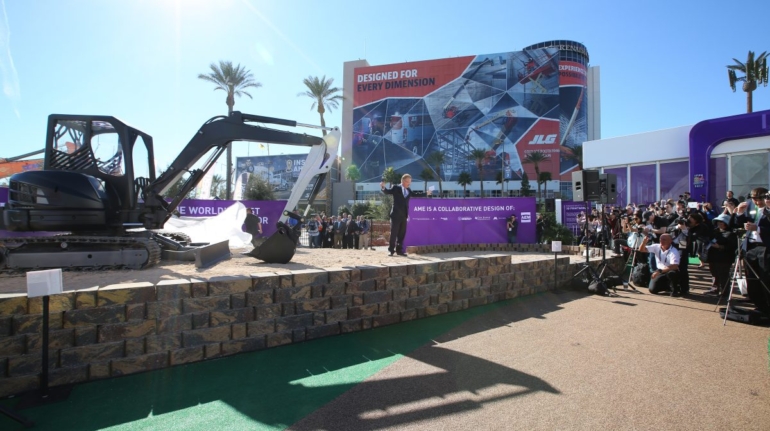
For the past two years a conglomerate of trade associations, industry, government and academia have been collaborating on the world’s first operational 3D printed excavator. That project made a giant leap forward with the recent printing of a prototype that leveraged large-scale additive manufacturing technologies and further explores the feasibility of printing with metal alloys. The fully operational 3D printed excavator is on display at the IFPE show in Las Vega Nevada until March 11th.

BMW i Ventures has announced a strategic investment in Desktop Metal, an emerging startup with the mission to bring metal 3D printing within reach of all design and manufacturing teams. Desktop Metal is committed to accelerating the adoption of metal 3D printing in manufacturing through the creation of innovative technology that produces complex parts. They are doing this with a world-class team of experts in the fields of materials science, engineering and software, consisting of 75 engineers.

Team Penske, one of the top teams in US Motorsports, announced that it has formed a technical partnership with Stratasys. As part of a multi-year agreement that begins in 2017, Stratasys will provide equipment and support services to assist Team Penske in its engineering and manufacturing efforts across its NASCAR and INDYCAR racing platforms. Stratasys, as an Official 3D Printing Solutions Partner, will furnish Team Penske with state-of-the-art 3D printing solutions to create manufacturing tooling and car parts as well as rapidly generate engineering prototypes.
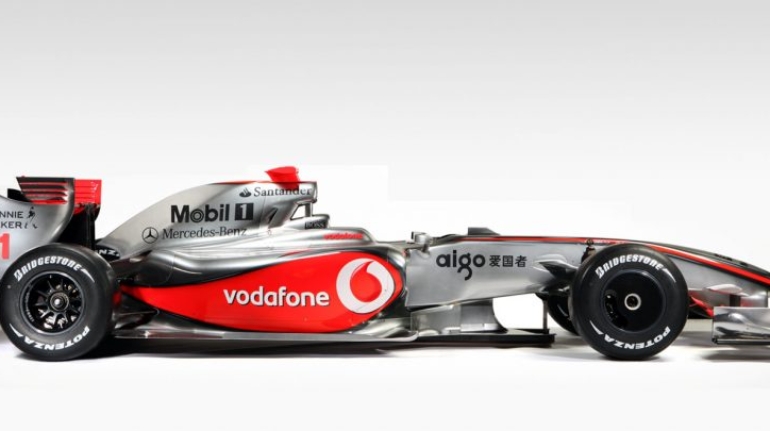
Stratasys will supply McLaren Racing with a suite of 3D printing and additive manufacturing solutions, as the Official Supplier of 3D Printing Solutions to the McLaren Honda Formula 1 team. Stratasys will work closely with the Formula 1 team as it ramps up its rapid manufacturing capacity at the McLaren Technology Centre in Woking, UK.
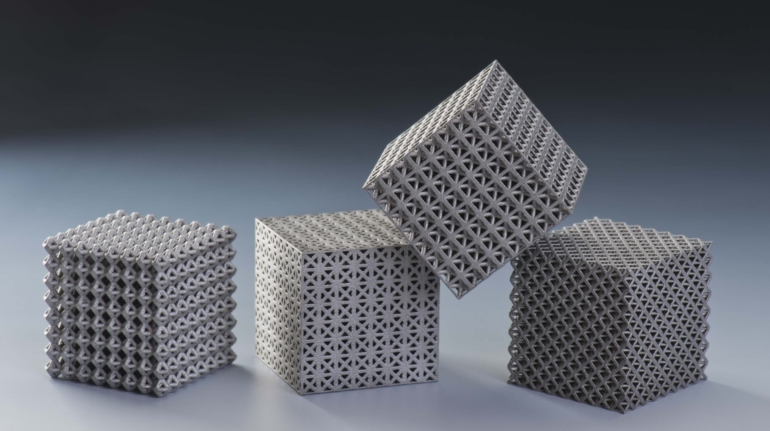
Engineers at The University of Nottingham, in collaboration with Hieta Technologies, are developing lightweight automotive components using new additive manufacturing processes to boost vehicle fuel efficiency, while cutting noise and CO2 emissions.
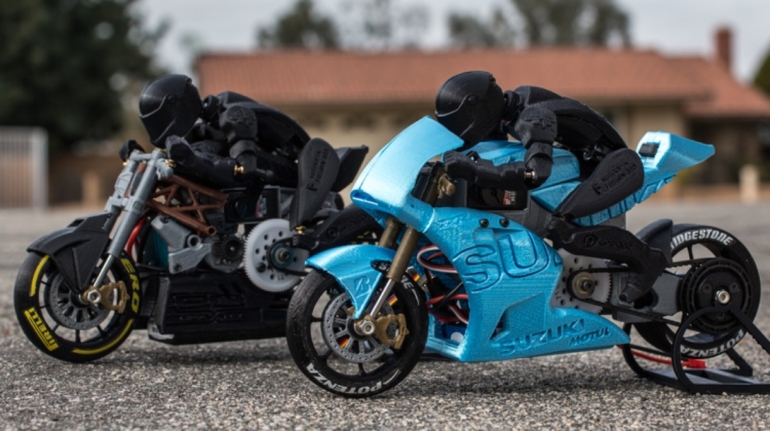
3D printing and racing fanatic Brett Turnage has just unveiled his most recent 3D printing project: two 3D printed functional RC motorcycles, complete with a 3D printed moving rider. The models and assembly instructions are free and available for download on Pinshape.
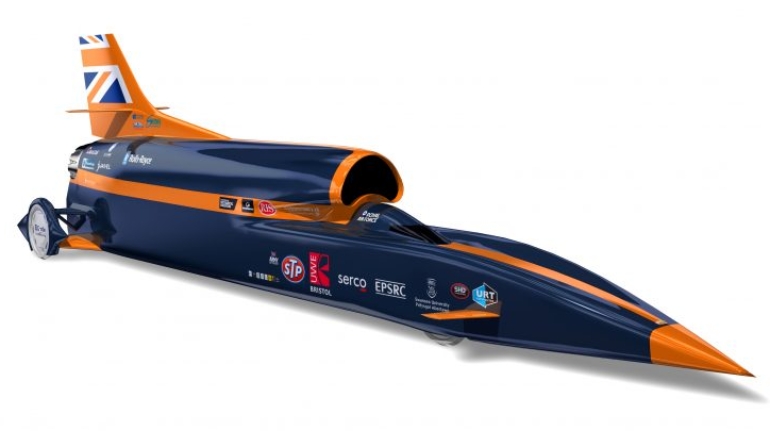
BLOODHOUND’s aim is not only to break the sound barrier but also to be the first land vehicle to exceed 1000 miles per hour (1609 km/hr) – at this speed it will be travelling the length of 4.5 football pitches every second. The majority of the cockpit and nose is made from carbon fibre reinforced epoxy. During the record attempt the car will experience more than 20000 kg of skin drag. However as the nose tip is on the ‘leading edge’ it will experience a greater proportion of this load; up to 12000 kg/m².
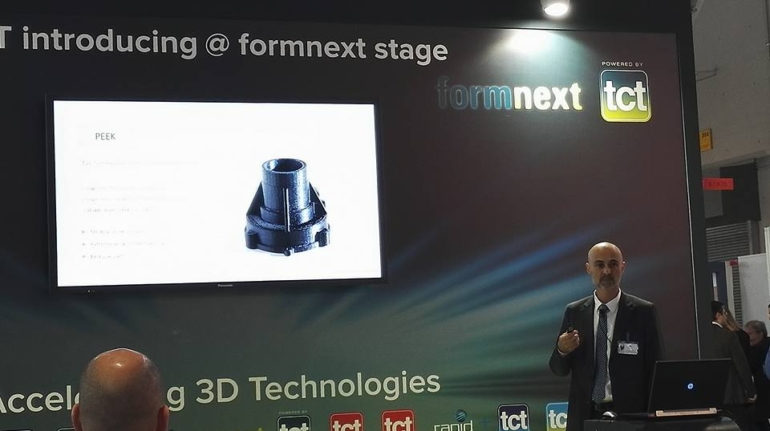
This year, the young Italian manufacturer of industrial grade filament extrusion 3D printers plans to support large corporations in adopting its advanced 3D printing technology to digitize short run manufacturing. With its innovative beltless mechanical movement system, offering new standards in accuracy and repeatability, and its unique range of advanced techno-polymers for metal replacement applications, the company is aiming to offer compamies operating in the heavy industry a solution to serve their vision of transforming manufacturing into a more flexible, efficient and profitable process.
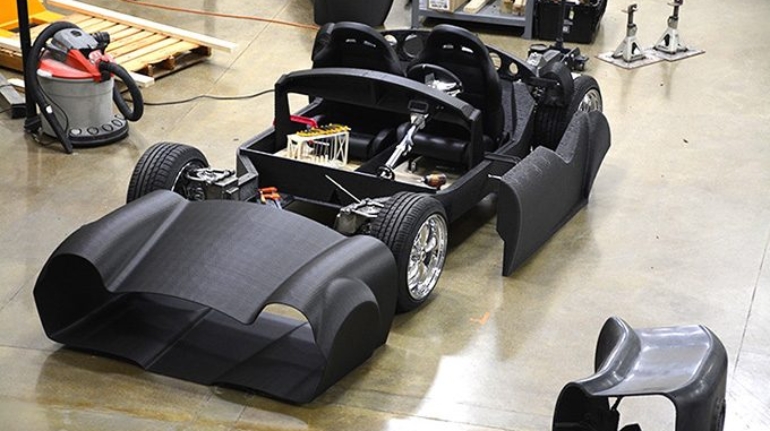
SmarTech Publishing has just released a new 160-page report showing where the money will be made through the 3D printing composites. This report, “3D-Printed Composite Materials Markets – 2017: An Opportunity Analysis and Ten-Year Forecast,” identifies and quantifies the commercial opportunities presented by implementation of fiber-reinforced composite and nanocomposite materials for 3D printing in major manufacturing sectors. According to the report, total revenues from 3D-printing composites will reach $580 million by 2026.
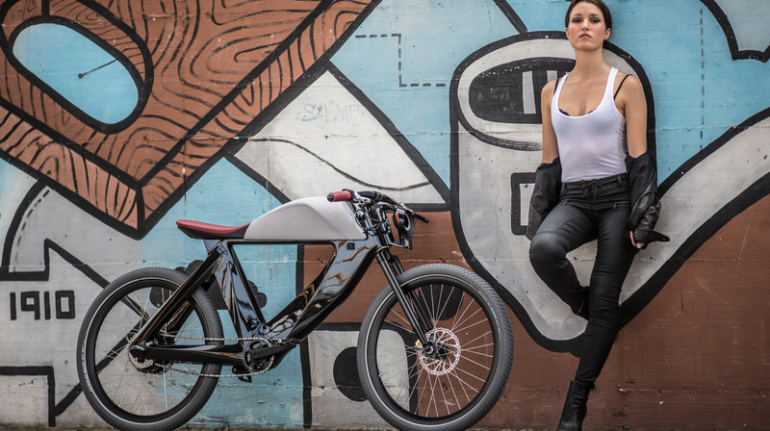
Bicicletto is an electric vehicle that turns mobility into an art, by blending the motorbike attitude and the bicycle spirit. Now with a major 3D-printed upgrade, Bicicletto is set to blur the lines of classic design and high-tech engineering even further. The upgrade is the first offering from the collaboration between Materialise NV (NASDAQ: MTLS), leader in Additive Manufacturing solutions and software, and Nuova SPA, historical Italian automotive brand, reborn in 2014. The new Bicicletto will feature additive manufactured end-use parts that make it lighter, faster and more cost-efficient to produce.

As you probably know, rapid prototyping (and 3D printing) are used extensively in car manufacturing. Many industrial 3D printing techniques used there can of course be applied to motorcycles. Let’s check out some of the most interesting cases for 3D printed motorcycles.
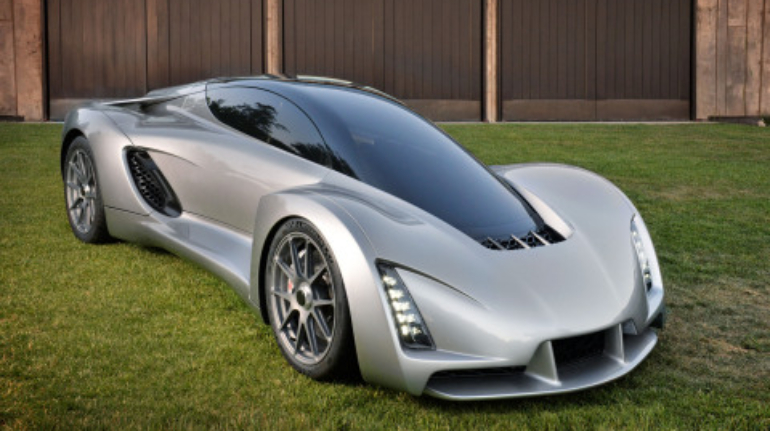
PSA Group has signed a Strategic Partnership Letter of Intent targeting multiple joint development projects with Los Angeles-based Divergent 3D, a company dedicated to revolutionizing manufacturing with its proprietary software-hardware platform enabled by 3D metal printing.

In September 2015, news of the “world’s first 3D-printed hotel suite” made its way to the public. Countless news outlets, from Forbes to USA Today, covered the story, allowing it to proliferate across the globe. Just two months later, however, another piece of news failed to gain the same traction. Lewis Yakich, the head of the project and main shareholder in the Lewis Grand Hotel, had gone missing.
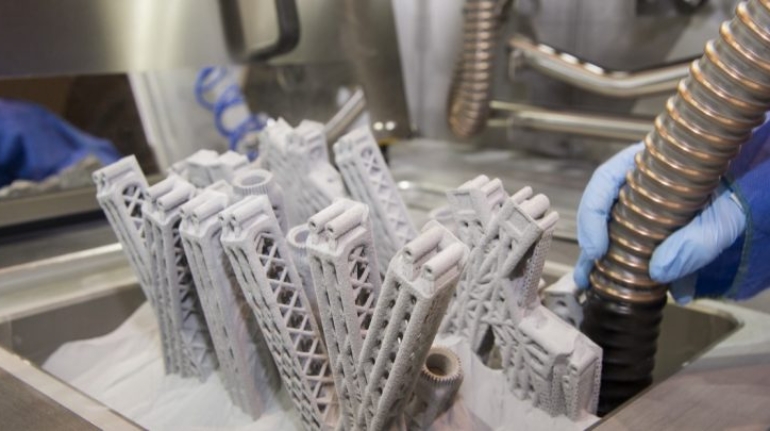
Scalmalloy RP is Airbus Group’s unique second-generation aluminum-magnesium-scandium alloy (AlMgS ...
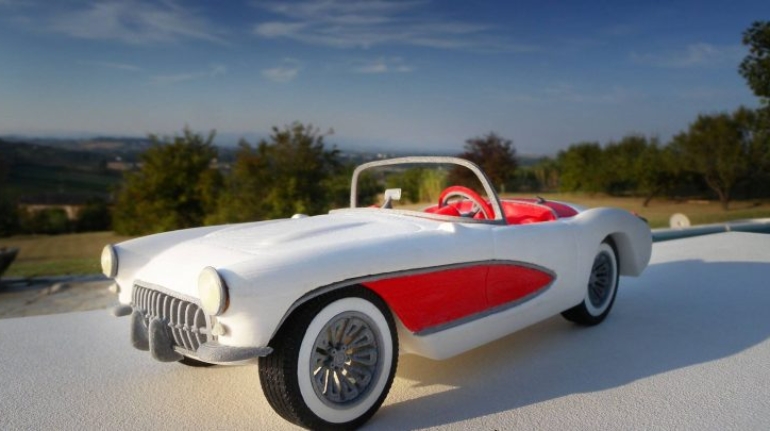
When it comes to 3D printable car models to assemble it does not get much better than Maurizio Casella’s work. His latest 3D printed ’57 Corvette, though, might just beat them all. “This ’57 Chevy Corvette is one of the most iconic design ever seen, and could not miss in my collection”, Maurizio said on Facebook. I modeled following blueprints for this first white and red version, and then printed it in white ABS by a Bnz 4070, red PLA on a Bad Devices BP2, silver metallic PLA on a WASP 2040. A second version light blue and white, with closed roof, is on the way.” I feel I “discovered” Maurizio “Mao” Casella, since we got in touch through Facebook when he was beginning to commercialize his 3D models. Judging by what he has produced so far, he might be one of the biggest talents out there at creating “consumer-ready” 3D printable models. He has shown it once again with three new creations straight out of “automotive mythology”: the Citroen 2CV, the original Mini Cooper, the Renault 5, the Wolkswagen Beetle, the “Hippy van”, and many more.

Just over a month ago, Tesla made a proposal to purchase SolarCity and today we are announcing that the two companies have reached an agreement to combine, creating the world’s only vertically integrated sustainable energy company. Solar and storage are at their best when they’re combined. As one company, Tesla (storage) and SolarCity (solar) can create fully integrated residential, commercial and grid-scale products that improve the way that energy is generated, stored and consumed. Now is the right time to bring our two companies together: Tesla is getting ready to scale our Powerwall and Powerpack stationary storage products and SolarCity is getting ready to offer next-generation differentiated solar solutions. By joining forces, we can operate more efficiently and fully integrate our products, while providing customers with an aesthetically beautiful and simple one-stop solar + storage experience: one installation, one service contract, one phone app. We expect to achieve cost synergies of $150 million in the first full year after closing. We also expect to save customers money by lowering hardware costs, reducing installation costs, improving our manufacturing efficiency and reducing our customer acquisition costs. We will also be able to leverage Tesla’s 190-store retail network and international presence to extend our combined reach. Here are some key terms of today’s announcement: this is an all-stock transaction with an equity value of $2.6 billion based on the 5-day volume-weighted average price of Tesla shares as of July 29, 2016. Under the agreement, SolarCity stockholders will receive 0.110 Tesla common shares per SolarCity share, valuing SolarCity common stock at $25.37 per share based on the 5-day volume weighted average price of Tesla shares as of July 29, 2016. After comprehensive due diligence in consultation with independent financial and legal advisors, the independent members of the Tesla and SolarCity boards of directors approved this transaction. Tesla’s financial advisor was Evercore, and Wachtell, Lipton, Rosen & Katz was its legal advisor. The financial advisor to the special committee of SolarCity’s board of directors was Lazard and its legal advisor was Skadden, Arps, Slate, Meagher & Flom. As part of the agreement, SolarCity has a 45-day period known as a “go-shop”, which runs through September 14, 2016. This means that SolarCity is allowed to solicit alternative proposals during that time. Each company today filed a Form 8-K with the SEC that provides additional details regarding the transaction. While today’s news is a big step, it isn’t the finish line – we expect the transaction to close in the fourth quarter of 2016. Before then, the deal must be approved by a majority of the disinterested shareholders of both Tesla and SolarCity voting at each shareholder meeting. We also need to obtain regulatory approval and meet other closing conditions.
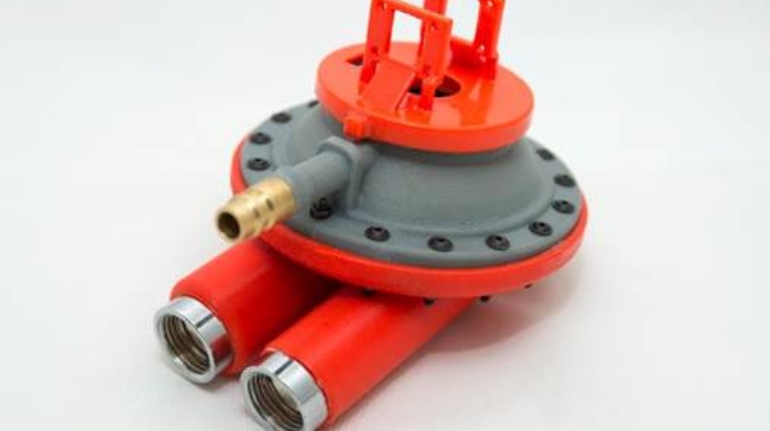
A 450bhp partially 3D printed racecar that competed in the 2015 24 Hours of Le Mans featuring a host of 3D printed parts will be on display at the Thinktank science museum in Birmingham from 28th July for six weeks. The car is a 300 km/h DOME S103 prototype that was fielded by British racing team Strakka Racing at the round the clock Le Mans endurance classic last year.
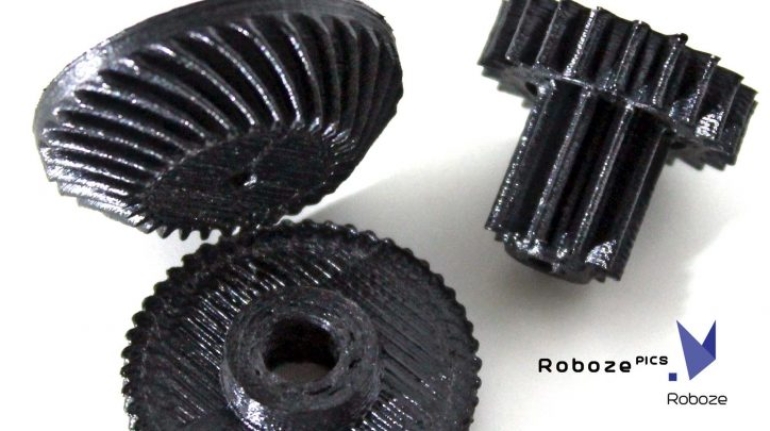
The Roboze One+400 is a powerful industrial 3D printer that enables the use of advanced thermoplastic materials for additive manufacturing applications. That means the ability for PEEK 3D printing on an accessibly priced desktop FDM 3D printing system. The Roboze One+400 presents two new unique features:
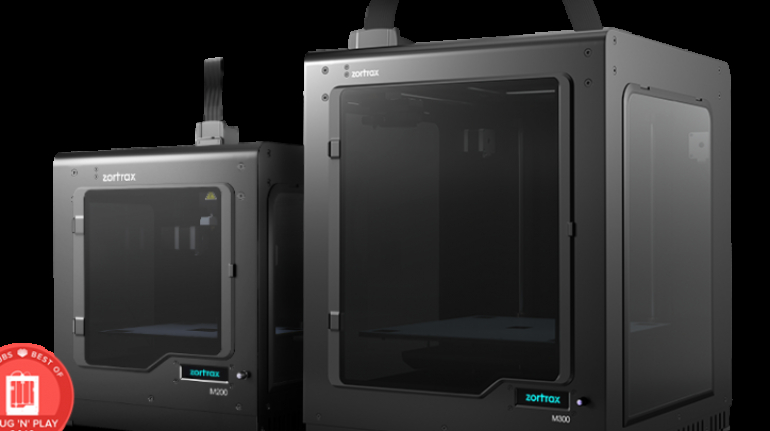
Zortrax, a global leader in the 3D printing industry and manufacturer of the award-winning M200 3D printer, unveiled its new, larger M300 3D printer at the Additive Manufacturing Europe 2016 expo.
The In(3D)ustry show opened today in the Italian Pavilion at Fira de Barcelona Montjuic and the first day was already intense with literally dozens of manifacturing industry speakers discussing how 3D printing has helped them to turn a manufacturing need into a manufacturing solution.
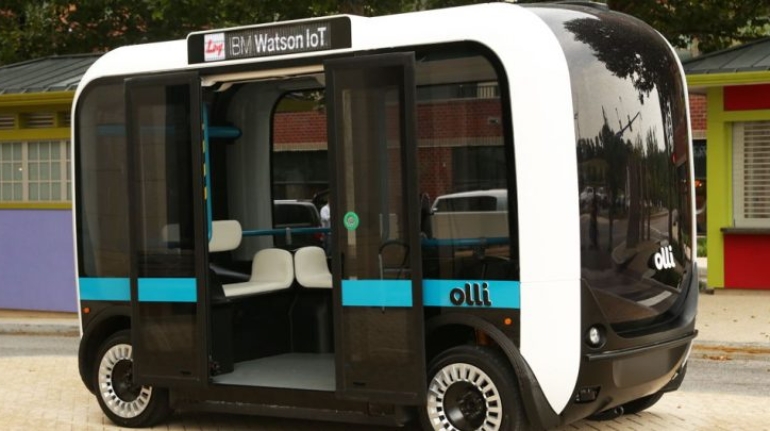
Local Motors transforms the passenger experience with IBM Watson Internet of Things technology and Olli; on roads now in Washington, DC and soon in Miami-Dade County and Las Vegas.
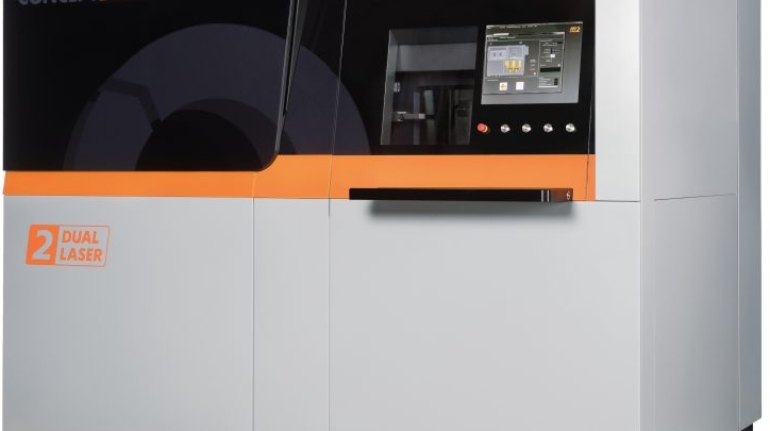
Kegelmann Technik and Concept Laser just concluded a framework agreement for multiple machines, the first being a Concept Laser M2 cusing Multilaser with QM Coating. Production begins in June 2016, and the first orders have already been received

Question: First and foremost, can you tell us what Maker Pro of In(3D)ustry From Needs to Solutions is all about? Answer: Maker Pro is a physical and mental space that comprises a series of activities for visualizing and experimenting with the true potential that individuals and communities will have in the future of manufacturing; these […]
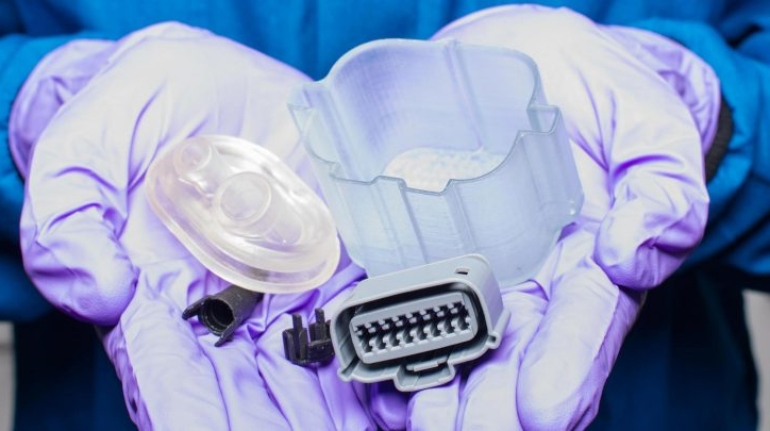
Jerry, Delphi’s manager of additive manufacturing development, was first introduced to Carbon in April, 2015. A 31-year veteran at Delphi, Jerry has been working with additive manufacturing technologies for more than 20 years. His team’s day to day operations focus on prototyping a host of parts including electrical connectors, grommets and housings. Working with the M1 has allowed them, for the first time, to develop functional prototypes, run true part validation testing and explore new opportunities for the production of final, end-use parts.
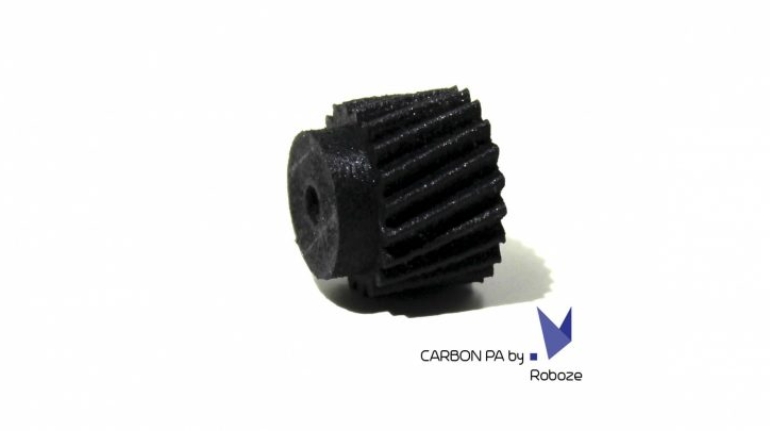
Some information about the objets in this image: front piece: X= 60; Y= 60; Z= 122 back piece: ...
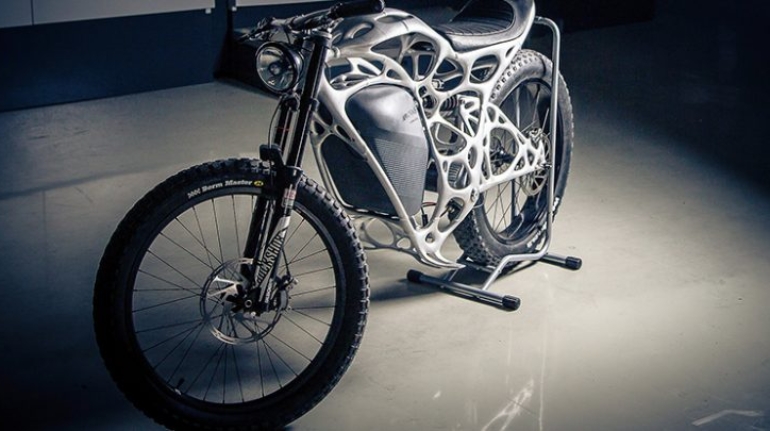
APWorks, a 100% subsidiary of Airbus Group, has worked at the forefront of additive layer manufacturing (ALM) and advanced materials since its launch in 2013. The company produces bionically optimized metal parts for a wide range of industries, from aerospace to automotive and robotics. Its newest creation? The world’s first 3D-printed motorcycle, Light Rider, made using APWorks’ Scalmalloy material and weighing in at a svelte 35 kg.
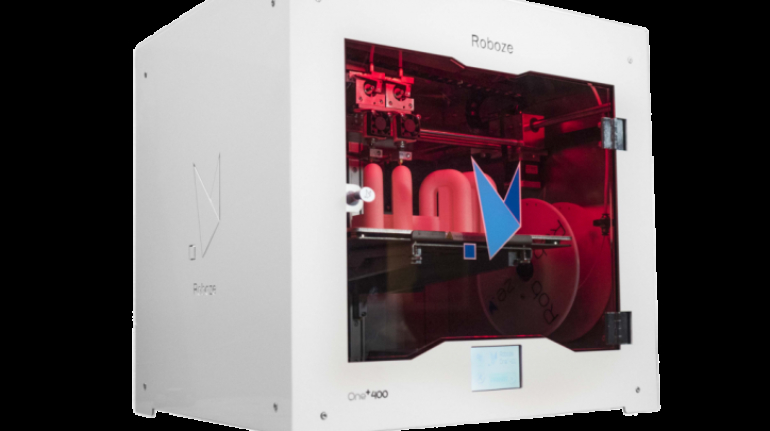
Roboze continues to build and expand the company’s distribution channels in EMEA territories appointing new partners in strategic regions
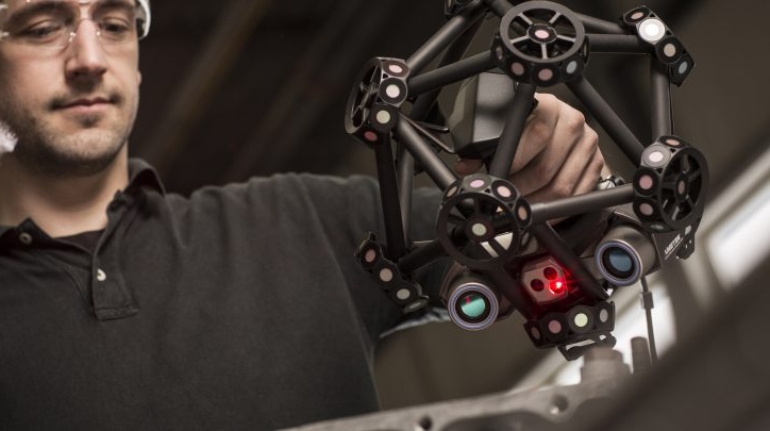
New MetraSCAN Laser 3D Scanner version is 12 times faster; can tackle black, multicolored and shiny surfaces with metrology accuracy for applications directly on the shop floor
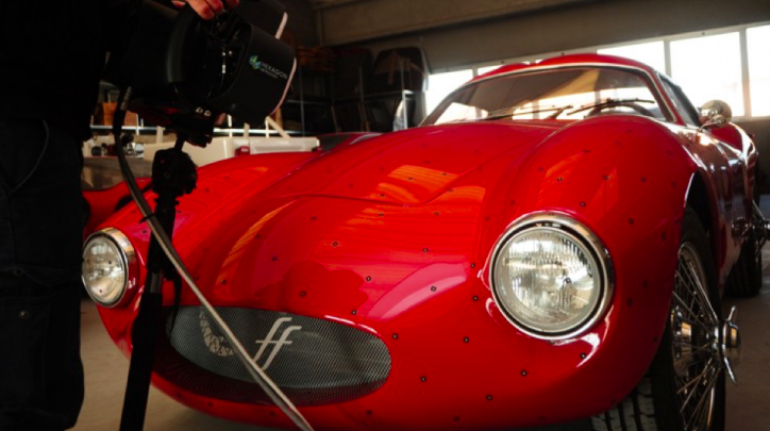
The use of innovative technologies such as 3D scanning and reverse engineering can play a huge role in the direct production of a classic dream car such as the Berlinetta Effeffe, handcrafted by Officine Fratelli Frigerio. Through the support of leading experts at The 3D Group (Solid Energy for 3D scanning and reverse engineering, Solid World for CAD 3D modeling and Energy Group, for 3D printing) digital manufacturing showed that it can perfectly blend with the Made in Italy style in automotive maufacturing. The Berlinetta Effeffe (www.effeffecars.com) represents a masterpiece of Made in Italy automotive style and engineering. It is inspired by the legendary 50’s Gran Turismo years yet extremely modern, born out of the passion and the experience of Leonardo and Vittorio Frigerio. This dream this is made entirely by hand by the utmost traditional handcraft, while, at the same time, it leverages on a high-quality craftsmanship process, supported by the most modern technologies.
As we’ve seen from the recent explosion of industry-grade open material 3D printers, even relatively low cost and affordable systems are now able to 3D print with temperature, high resistance products. We’ve seen nylon evolve into polycarbonates and even PEEK. And now we see Sabic’s 9085 Ultem, added to the range of the materials offered by 3DXTECH.
Share Tweet Share Pin Buffer 0 You ...
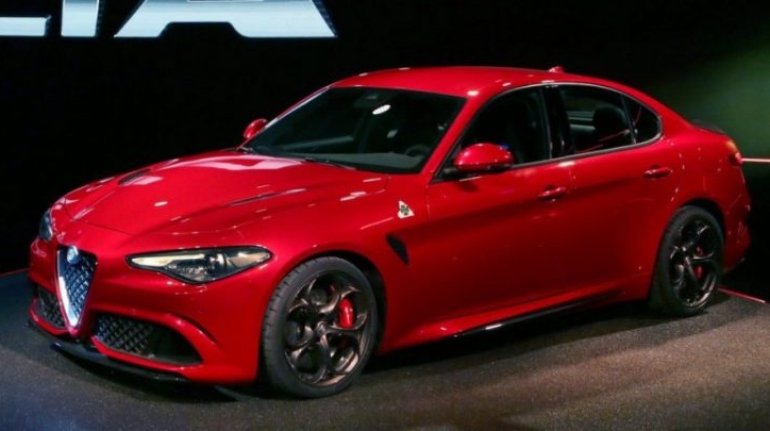
Today, I had the opportunity to speak at an event sponsored by FCA (Fiat Chrysler Automobiles) at ...

