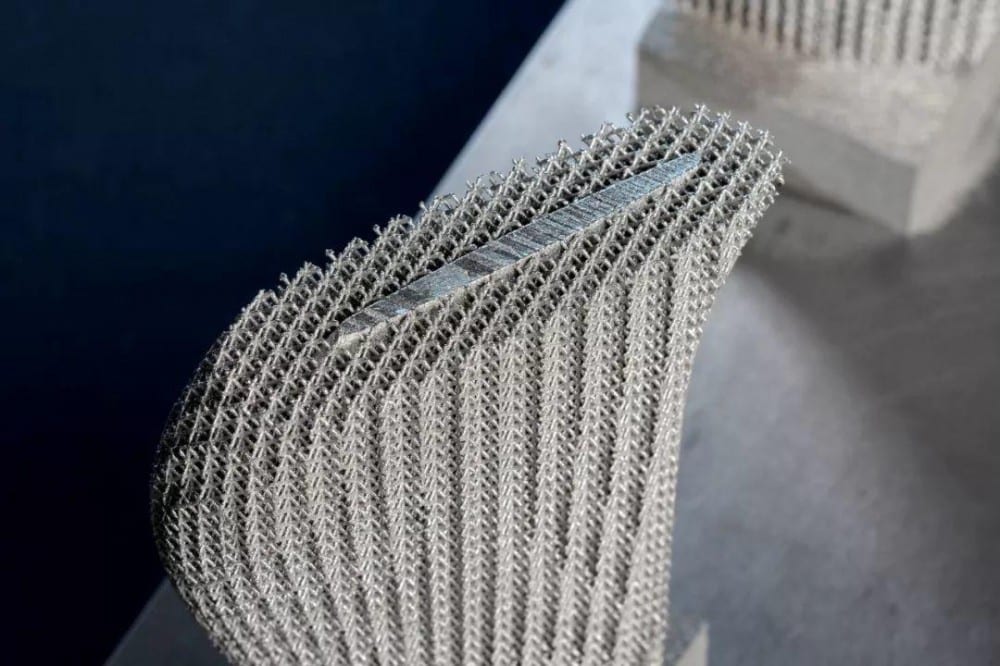
Fraunhofer develops thin-walled parts post-processing vibration reduction structure
One of the main features of the additive manufacturing process is that the complexity of the shape ...

News and Insights of 3D Printing and Manufacturing
One of the main features of the additive manufacturing process is that the complexity of the shape ...
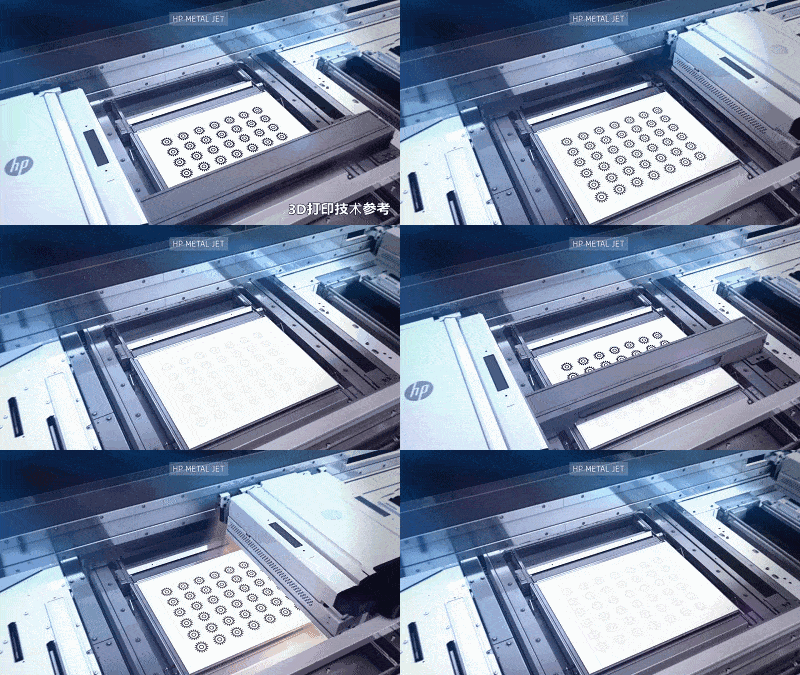
HP's 3D printing field is a menacing situation. The nylon machine released last year is not com ...
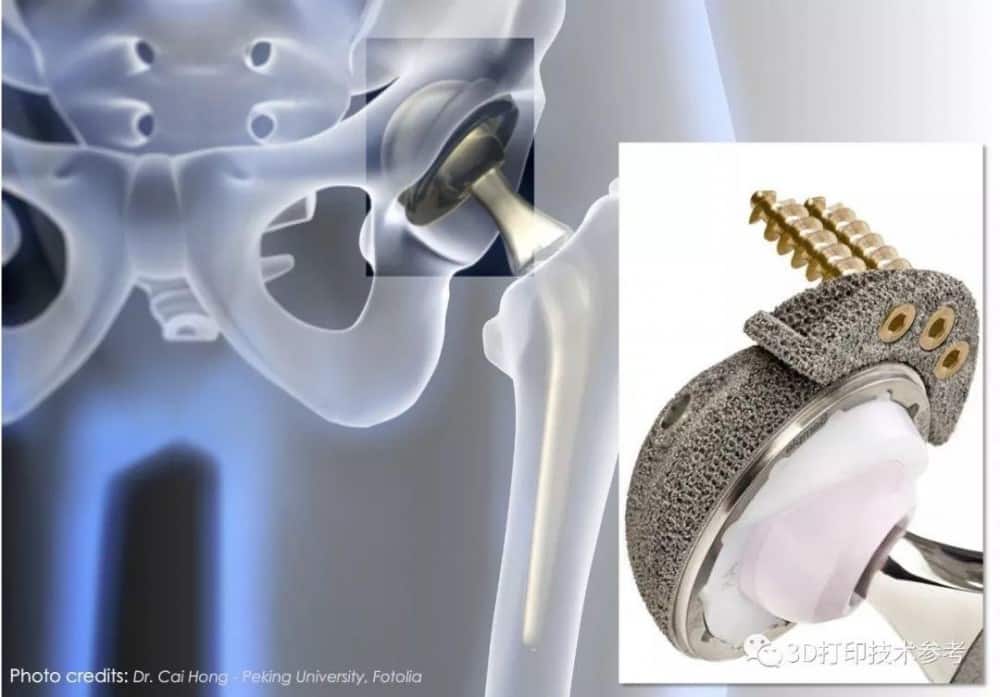
Traditional hard tissue implanted metal materials such as stainless steel, titanium and its alloys ...

In recent years, additive manufacturing applications in the aerospace, medical, mold and other show ...
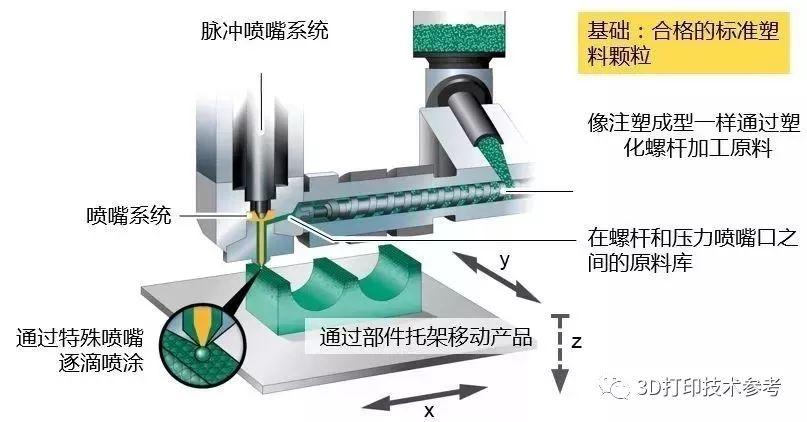
In the industrial field, the additive manufacturing of plastic functional components has high requi ...
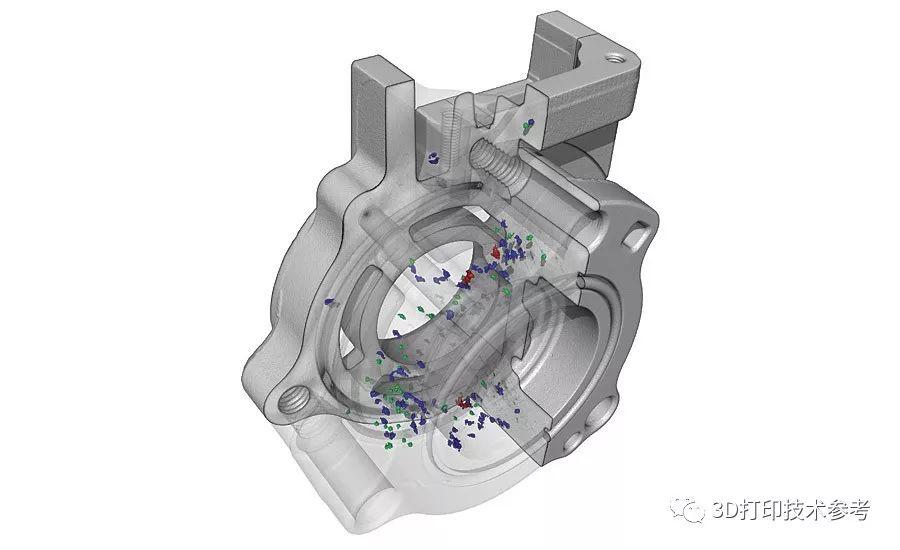
Prior to this, there were no comprehensive testing methods for additive-manufactured parts. Metal-p ...
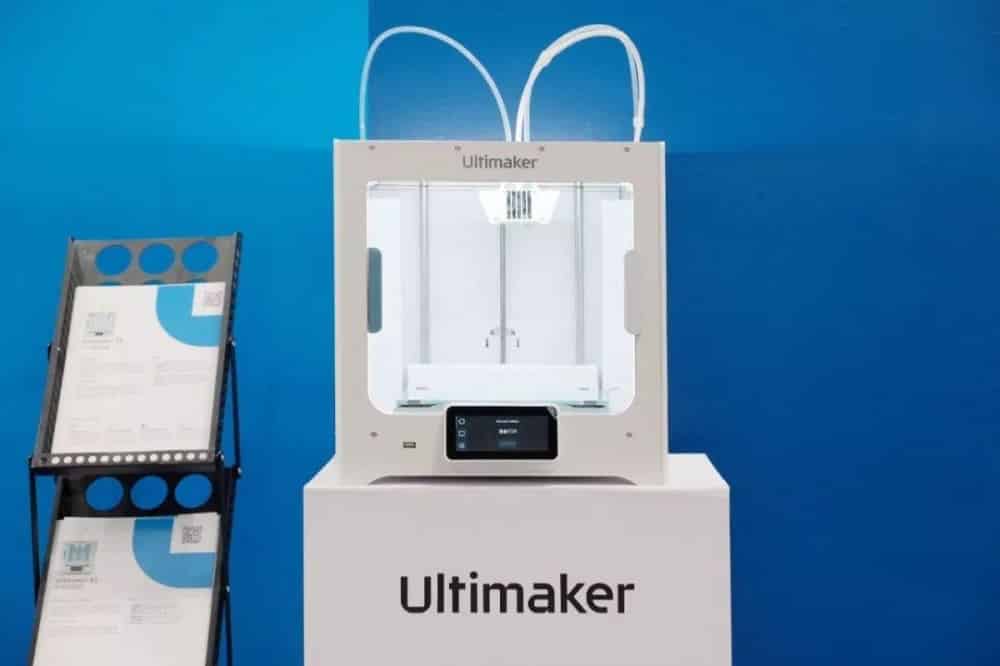
On the first day of TCT Shenzhen, Ultimaker, the global leader in desktop 3D printing, launched two ...
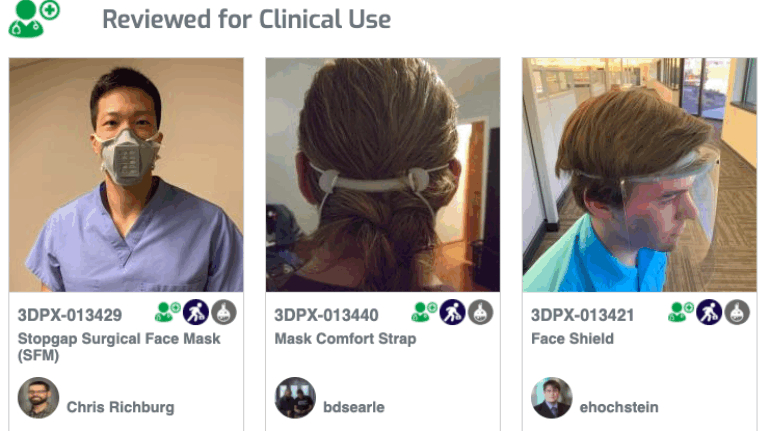
The NIH 3D Print Exchange by the U.S.’ National Institutes of Health is an important resource in the medical sector, providing 3D printable models for a range of biomedical applications. While the platform has primarily functioned as a repository for anatomical models, the NIH 3D Print Exchange now also hosts an important collection of 3D printable files for COVID-19 response.
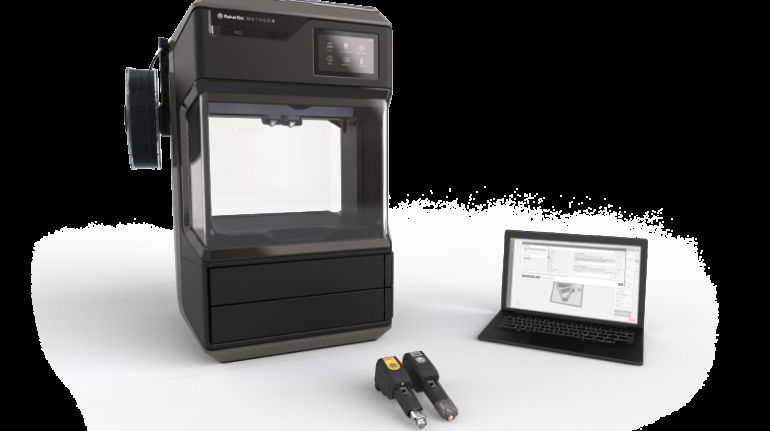
Desktop 3D printing company MakerBot, a subsidiary of Stratasys, has released the new MakerBot LABS Experimental Extruder for its METHOD 3D printer. The new piece of hardware effectively transforms the METHOD machine into an open material platform, allowing users to work with a broader range of third-party materials.
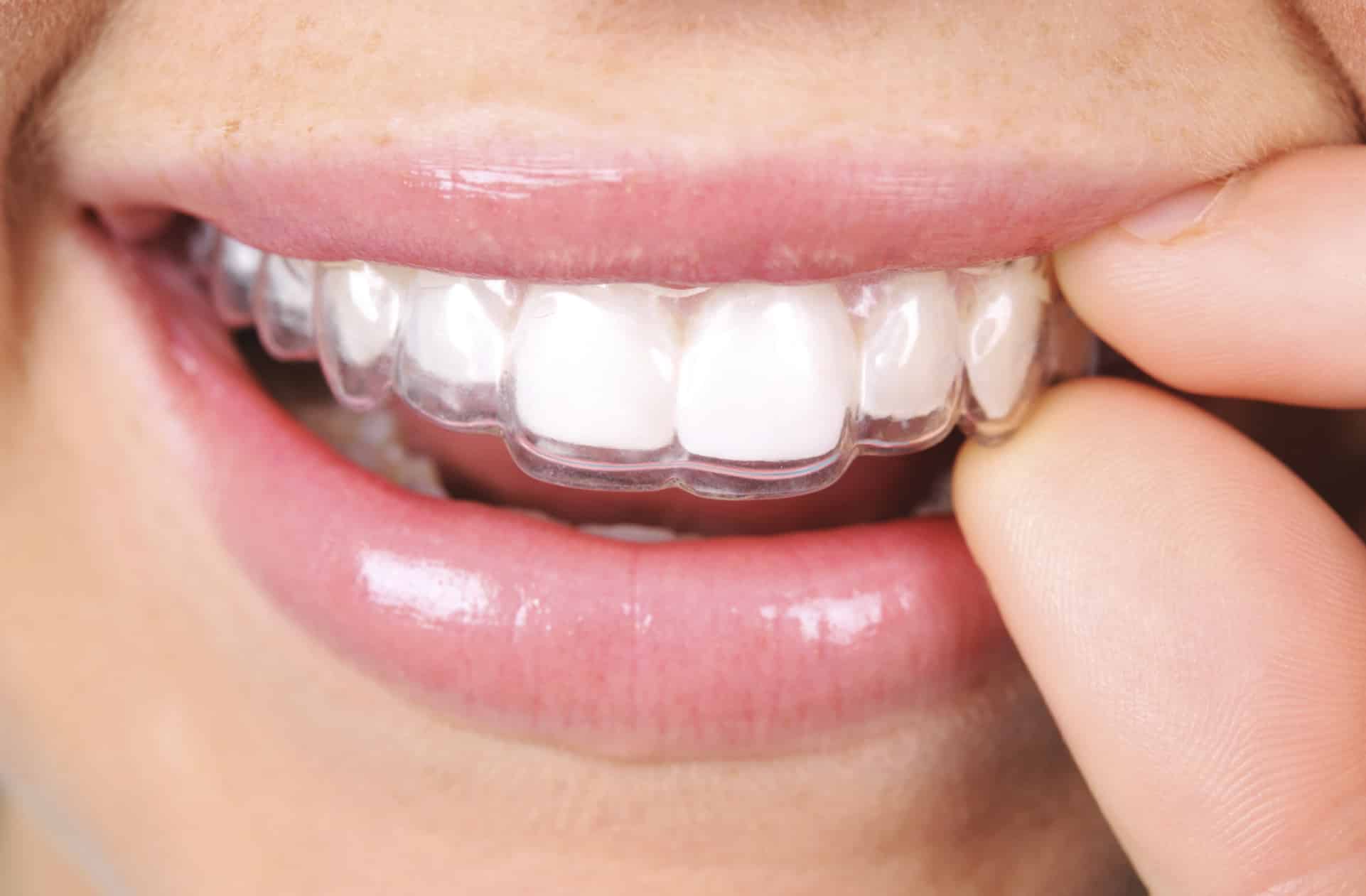
The emerge of customized medical devices is closely related to the actual clinical needs. After the ...