Material Resin
Quantity 1 pcs
Price Range $1-100
Lead Time 1 workdays
Gallery
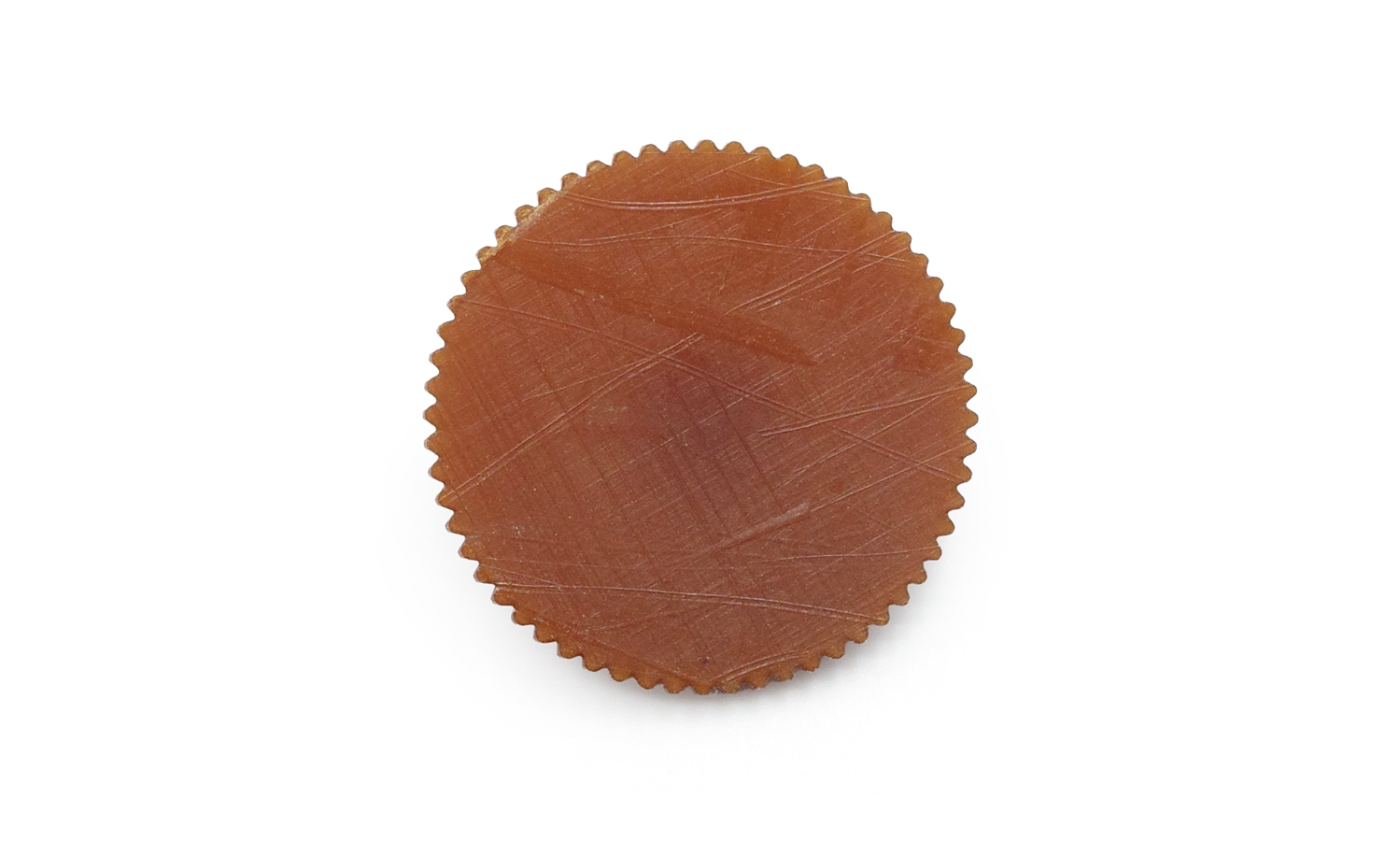
About Project
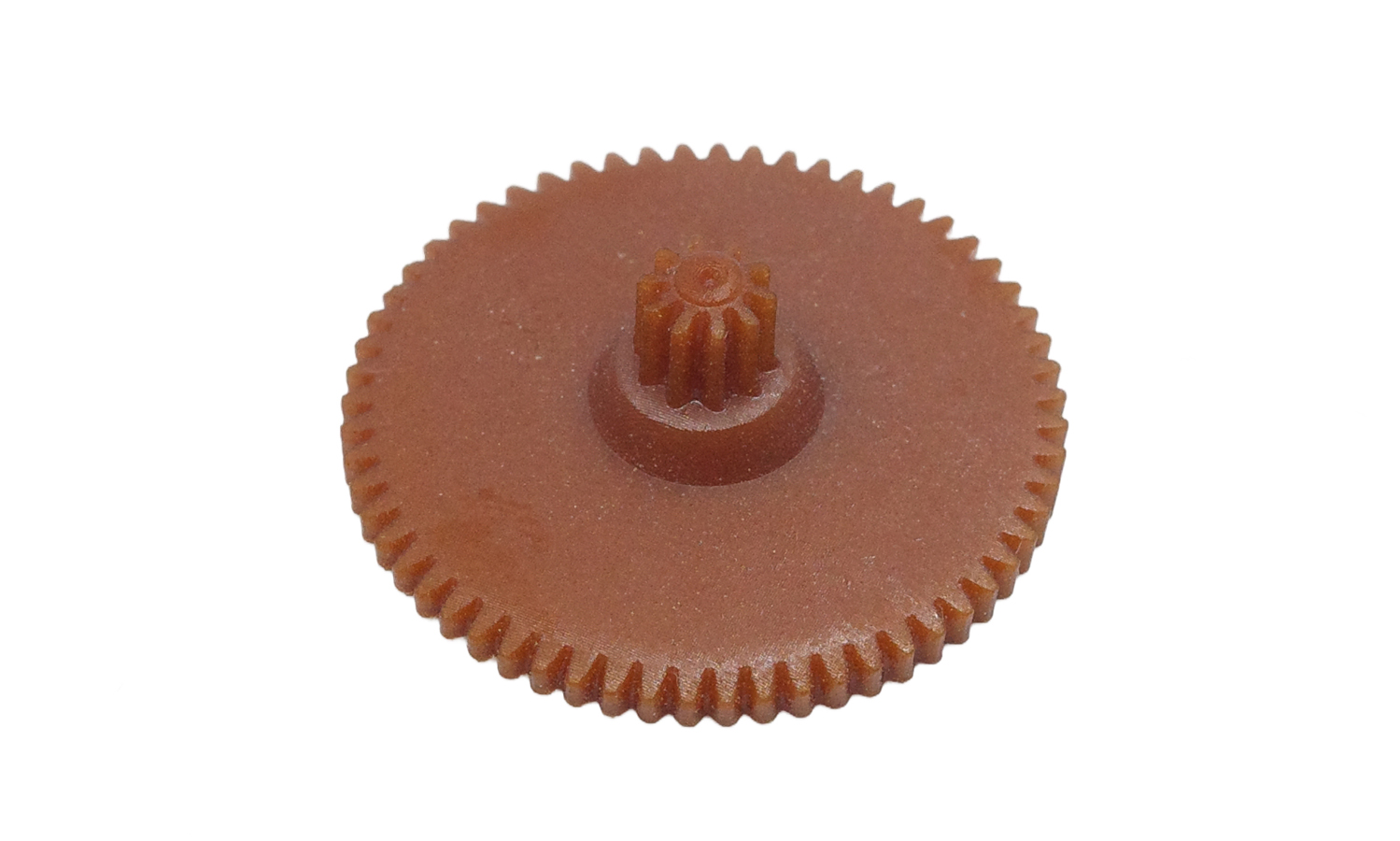
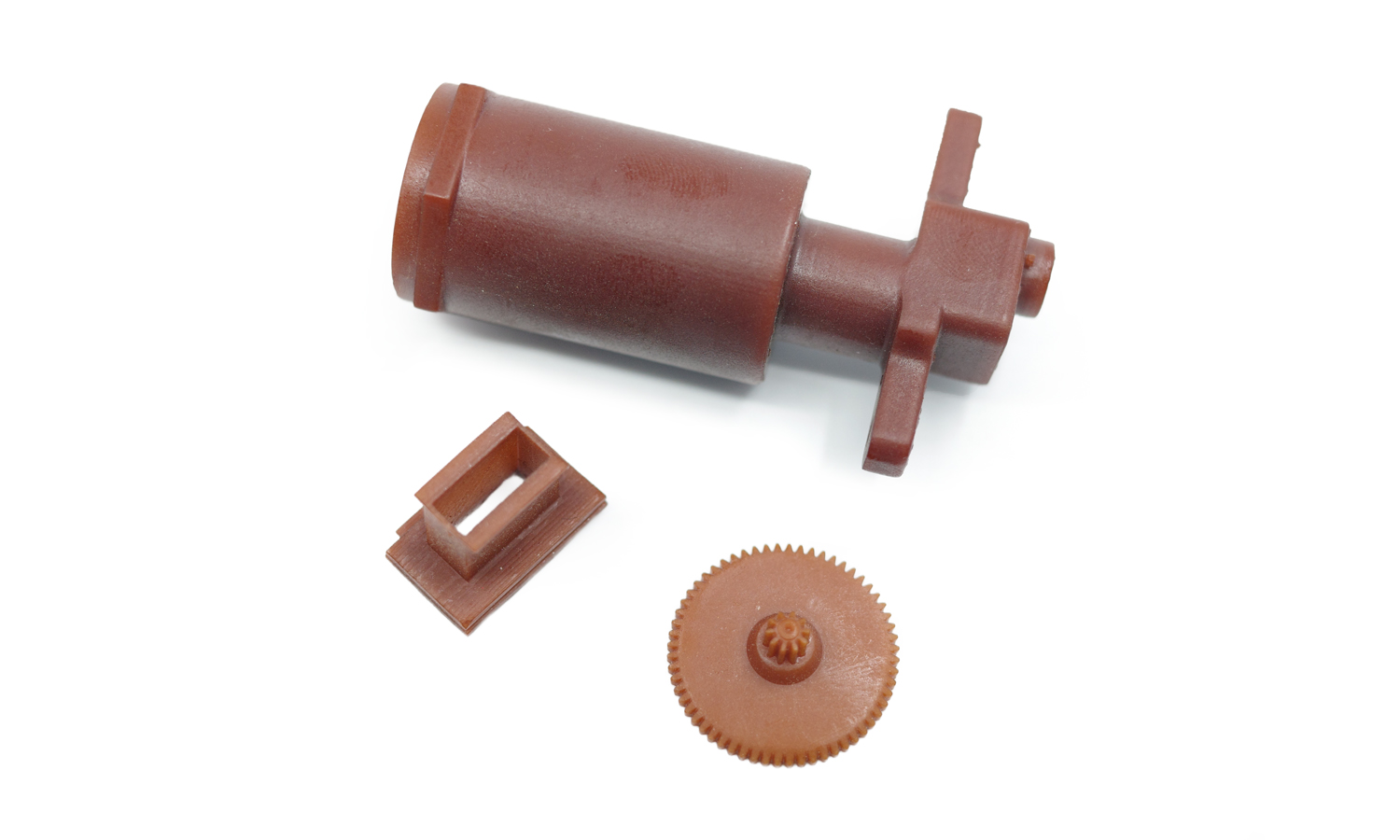
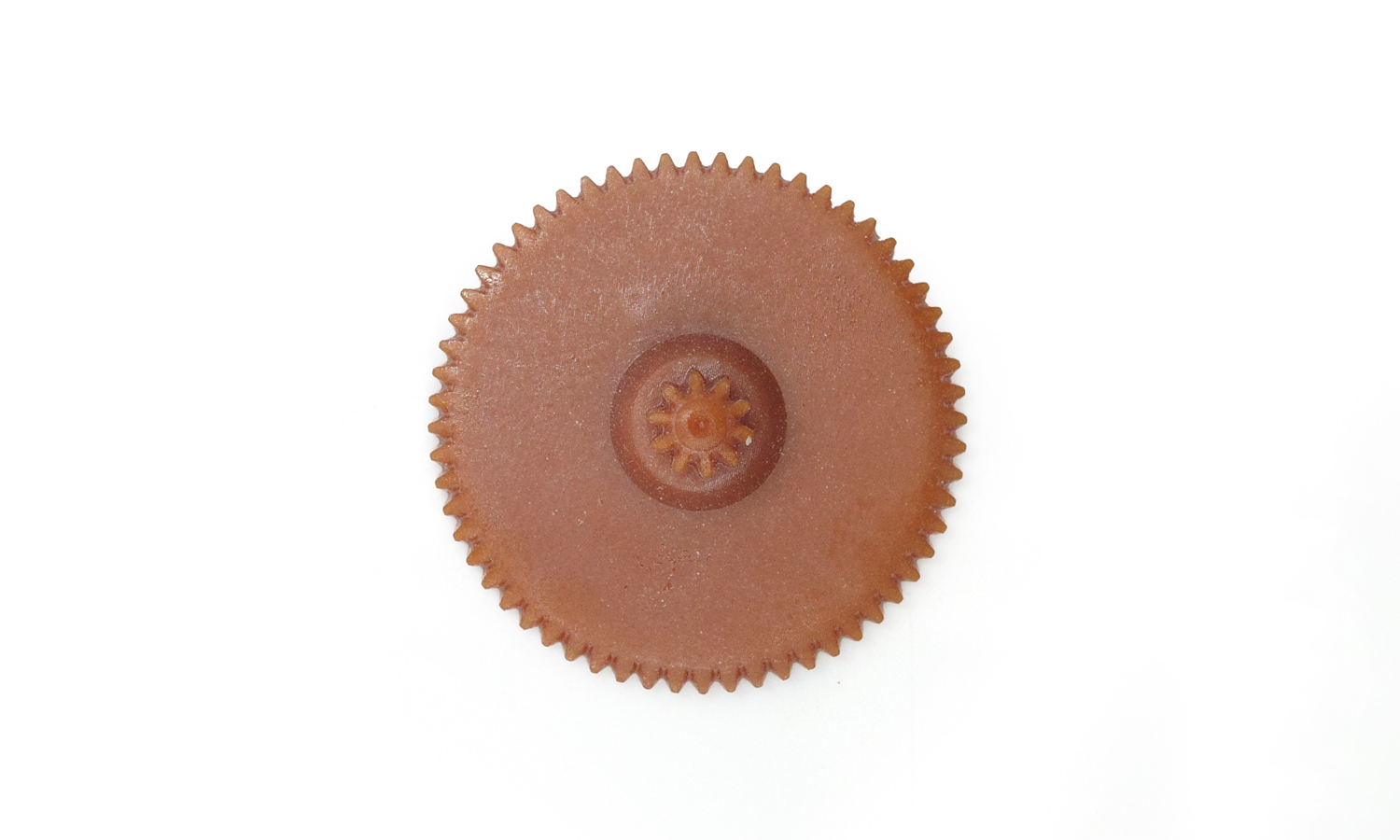
Gears operating in extreme environments face a dual threat: rapid thermal degradation and catastrophic teeth stripping. Standard 3D printed plastics soften and fail instantly, while machined metals add unwanted weight and noise. Enter the DLP 3D Printed PI Spur Gear with Pinion.
This dual-stage reduction gear showcases the phenomenal mechanical properties of Polyimide (PI). Known for its extreme wear resistance, low coefficient of friction, and immense fatigue strength, PI allows intricately detailed gear profiles to transmit torque continuously without wearing down. By utilizing DLP resin printing, FacFox ensures the microscopic pinion teeth are perfectly formed, sharp, and flawlessly balanced, eliminating the surface irregularities common in traditional machining.
Whether exposed to rapid mechanical cycling, abrasive friction, or intense kinetic stress, our PI prints maintain their high modulus and rigidity. They won’t warp, creep, or deform over time, delivering smooth mechanical transmission in lightweight assemblies where metal is too heavy and other plastics are too weak.
FacFox bridges the gap between intricate design and extreme survivability. Our advanced DLP PI printing guarantees that your custom gears, actuators, and moving mechanisms perform flawlessly when the pressure builds.
Don’t let mechanical wear halt your project. Contact FacFox at info@facfox.com to discover how our 3D printed Polyimide gears can revolutionize your drive systems.
Solution
- Step 1: The complex dual-stage reduction gear profile was oriented on the slicer software to maximize tooth integrity along the principal load-bearing axes.
- Step 2: A specialized high-modulus, particle-reinforced polyimide photopolymer resin formulation was selected and introduced into the vat to ensure low-friction mechanical performance.
- Step 3: The microscopic pinion teeth and large spur gear layers were printed via a precise digital micromirror projection sequence, ensuring flawless profile consistency.
- Step 4: The component was transferred into an automated agitated cleaner, where excess residual resin trapped between the dense gear teeth was carefully purged.
- Step 5: Micro-supports on the gear face were extracted using precision hand instruments to guarantee balanced concentricity during rotation.
- Step 6: The gear was subjected to a prolonged multistage high-temperature baking profile to maximize wear-resistant crystallization and prevent mechanical creep under heat stress.