Gallery
About Project
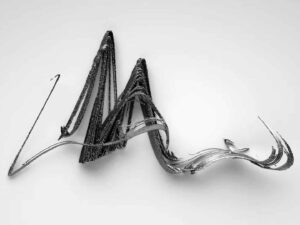
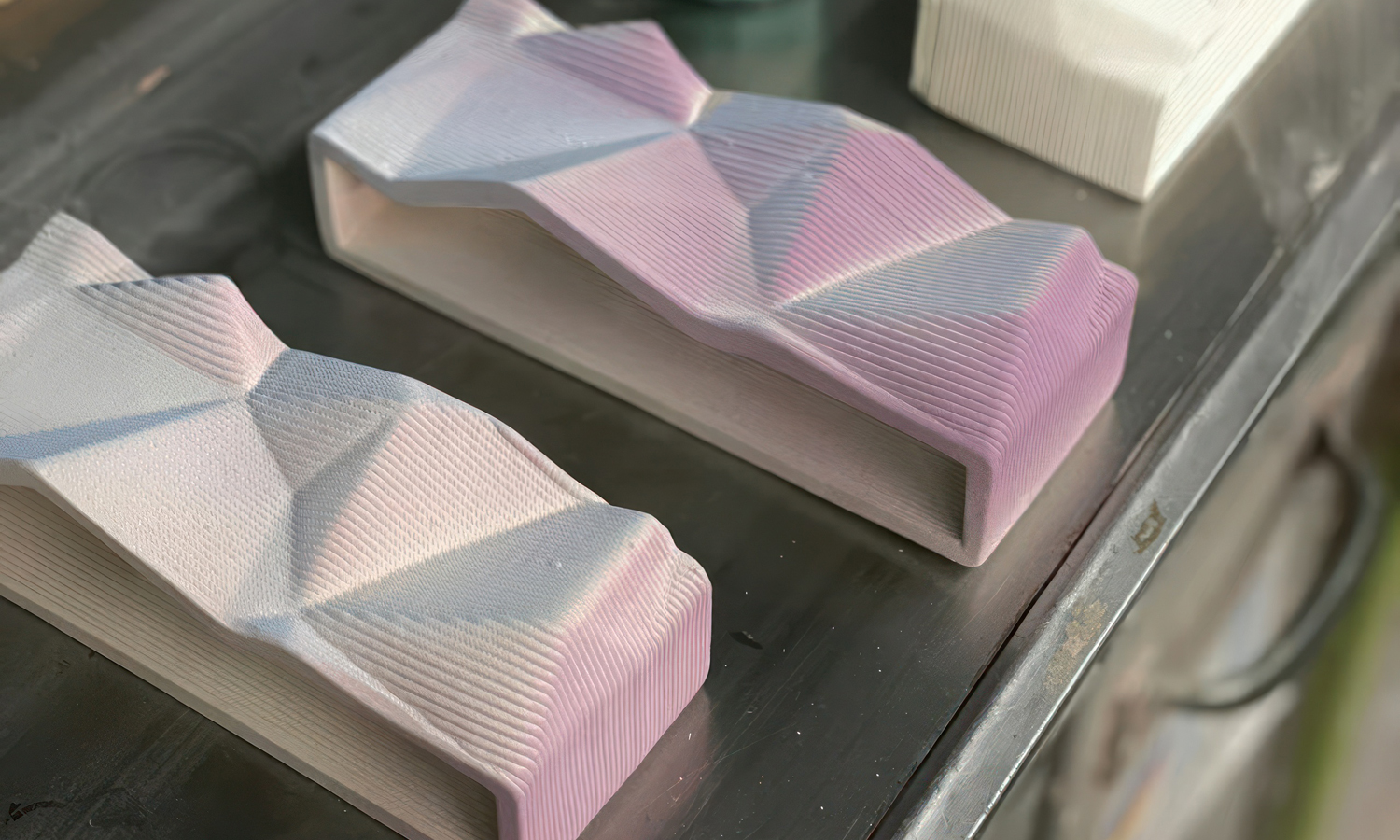
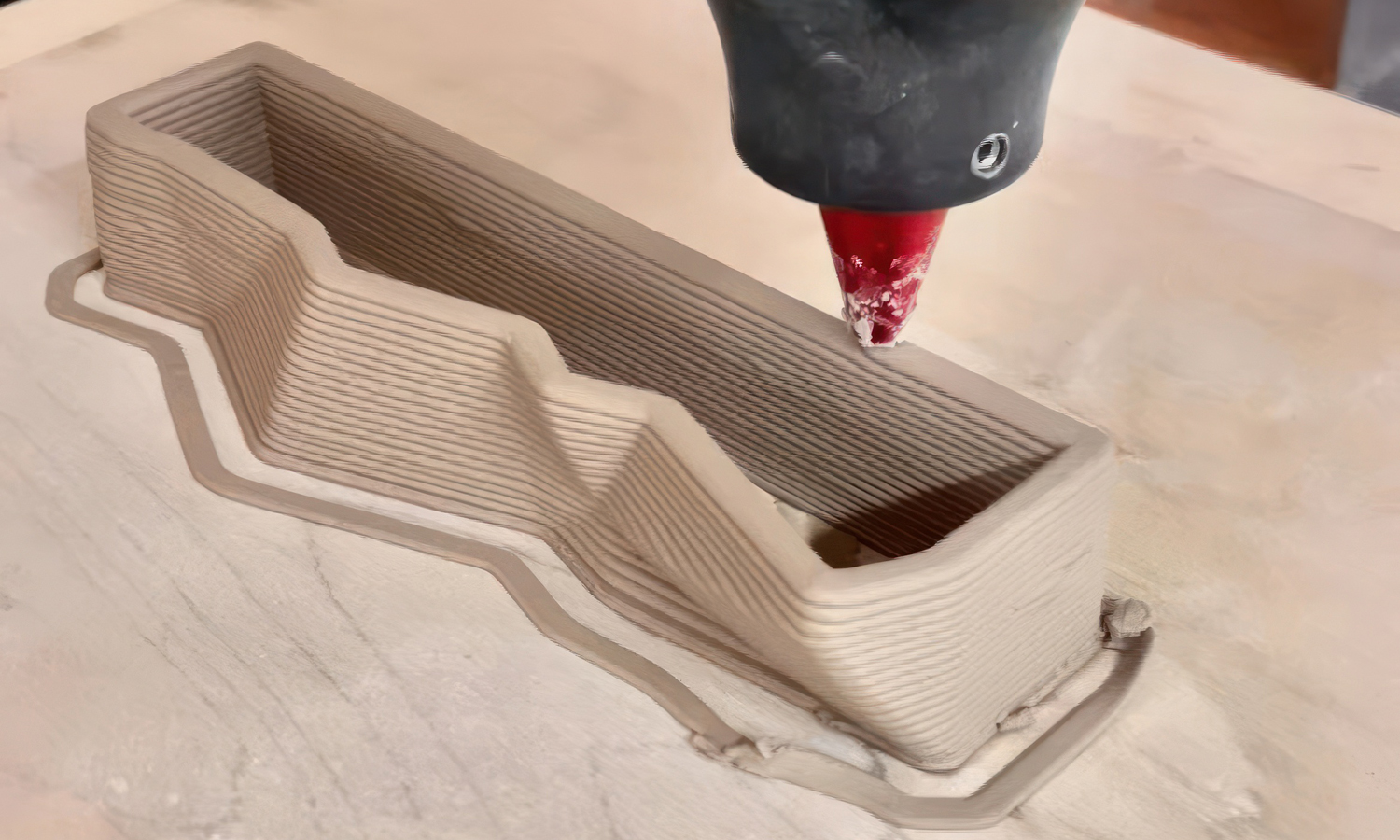
Ceramic 3D printing, specifically Liquid Deposition Modeling (LDM), represents a stunning intersection of ancient earth-working and modern digital precision. As seen in this collection, the process begins with the rhythmic extrusion of clay, layer by layer, creating complex, faceted geometries—like low-poly mountain ranges—that would be nearly impossible to achieve through traditional wheel-throwing.
The true magic, however, happens after the printer finishes its path. The aesthetic character of these pieces is defined by intentional post-processing. In this case, two distinct techniques highlight the unique “digital thumbprint” of the 3D-printed texture:
- Pre-Bisque Slips: By applying colored slips or “engobes” to the semi-dry greenware, artists achieve a soft, matte, and organic finish. The color feels integrated into the clay body itself, blurring the line between machine-made precision and natural mineral formations.
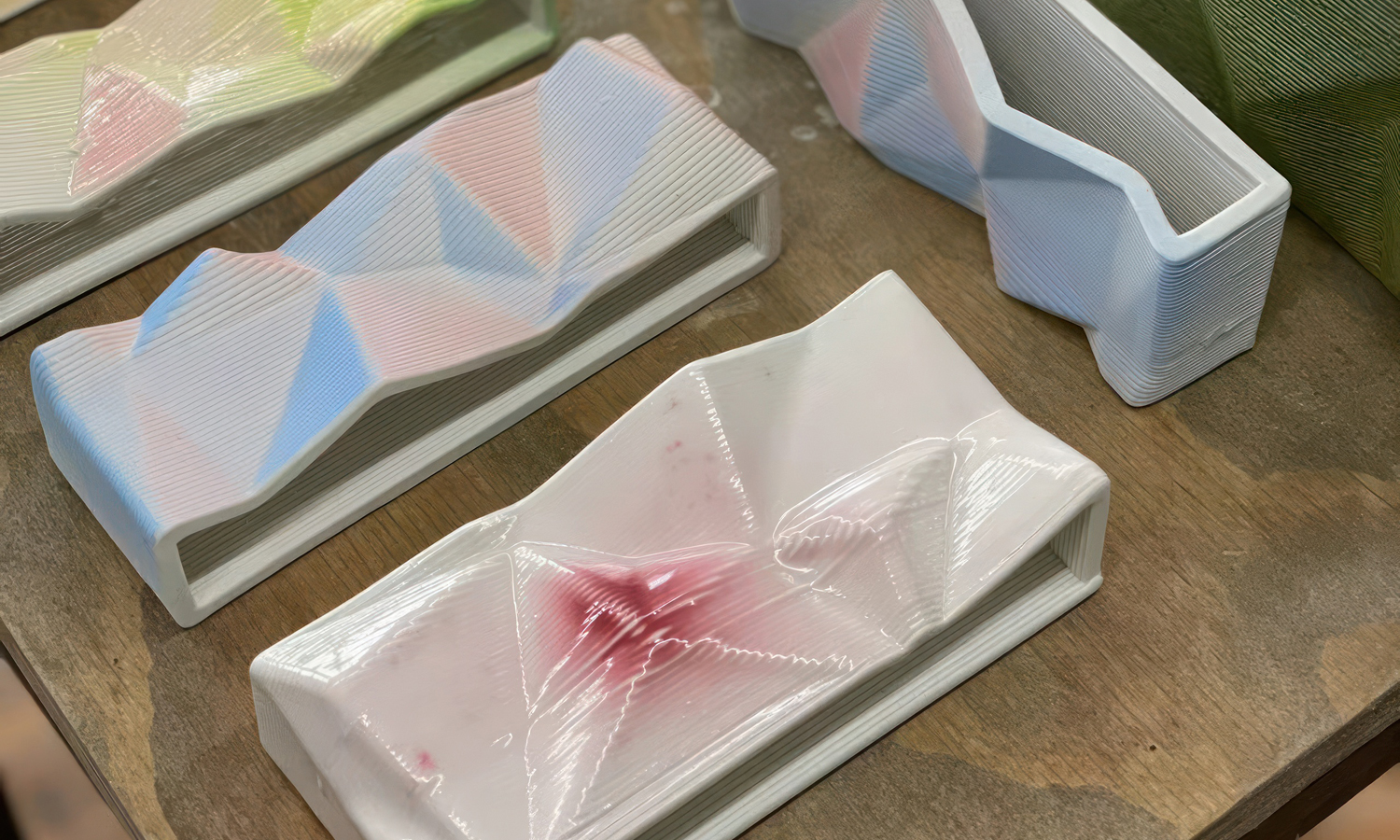
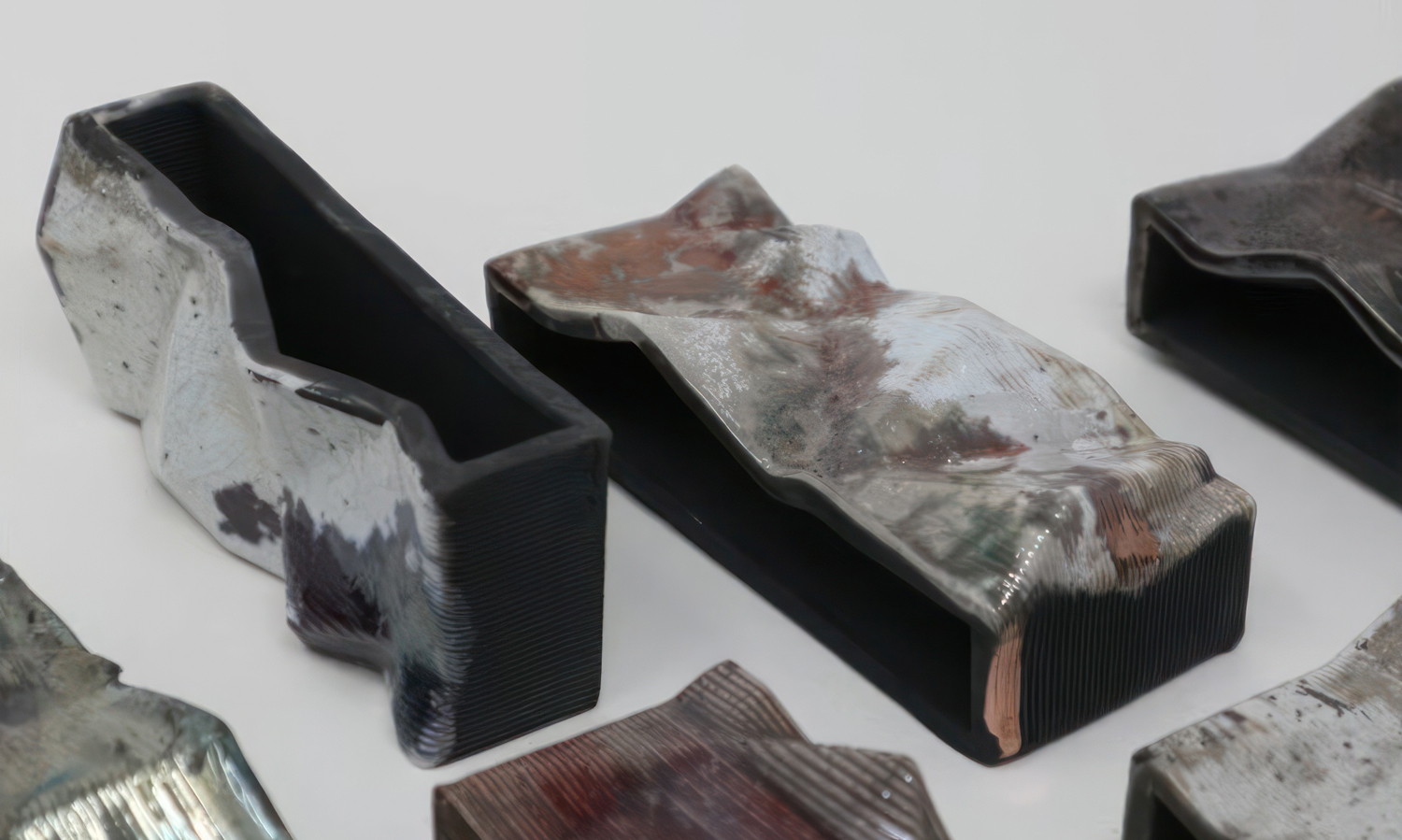
- Post-Bisque Glazing: After the first firing, the porous “bisque” surface is treated with glazes or underglazes. Techniques like sponge-patting or light spraying allow the pigments to settle into the printed grooves. This naturally accentuates the layer lines, creating a beautiful topographical map effect that celebrates the piece’s 3D-printed origins.
Whether opting for a high-gloss metallic finish or a soft pastel gradient, the result is a vessel that feels both futuristic and deeply grounded in tactile craft.
Bring Your Vision to Life with FacFox
At FacFox, we turn your digital blueprints into exquisite ceramic realities. Our professional 3D printing ceramic services offer the perfect blend of high-resolution LDM technology and expert kiln-firing. Whether you are an architect seeking complex structural modules or a designer creating a bespoke collection of homeware, FacFox provides a variety of clay bodies and finishing options to suit your needs. From raw, textured surfaces to vibrant glazed finishes, we help you master the art of digital ceramics.
Upload your CAD model to FacFox today and start your journey into the future of ceramic craft!
Solution
- Step 1: The digital 3D model was designed with complex faceted surfaces using CAD software and subsequently converted into G-code instructions.
- Step 2: A specialized ceramic clay body was prepared with optimal viscosity and loaded into a pressurized extrusion system.
- Step 3: The material was deposited layer by layer onto a fixed bed by a high-precision LDM nozzle to form the greenware.
- Step 4: The printed vessels were allowed to dry slowly under controlled humidity to prevent structural warping or cracking.
- Step 5: A preliminary bisque firing was performed in a kiln to transform the dry clay into a durable, porous ceramic state.
- Step 6: Colored slips and metallic glazes were applied to the surface via spraying and sponge-patting to accentuate the printed textures.
- Step 7: A final high-temperature glaze firing was executed to vitrify the clay and fuse the decorative finishes into a permanent glass-like coating.