Material Resin
Quantity 4 pcs
Price Range $100-1,000
Lead Time 8 workdays
Gallery
About Project
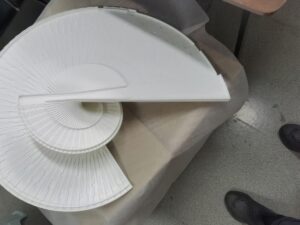
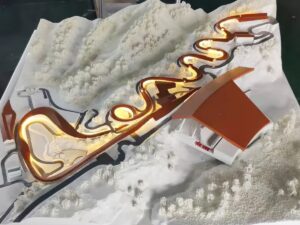
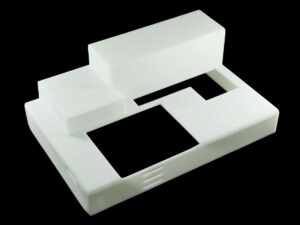
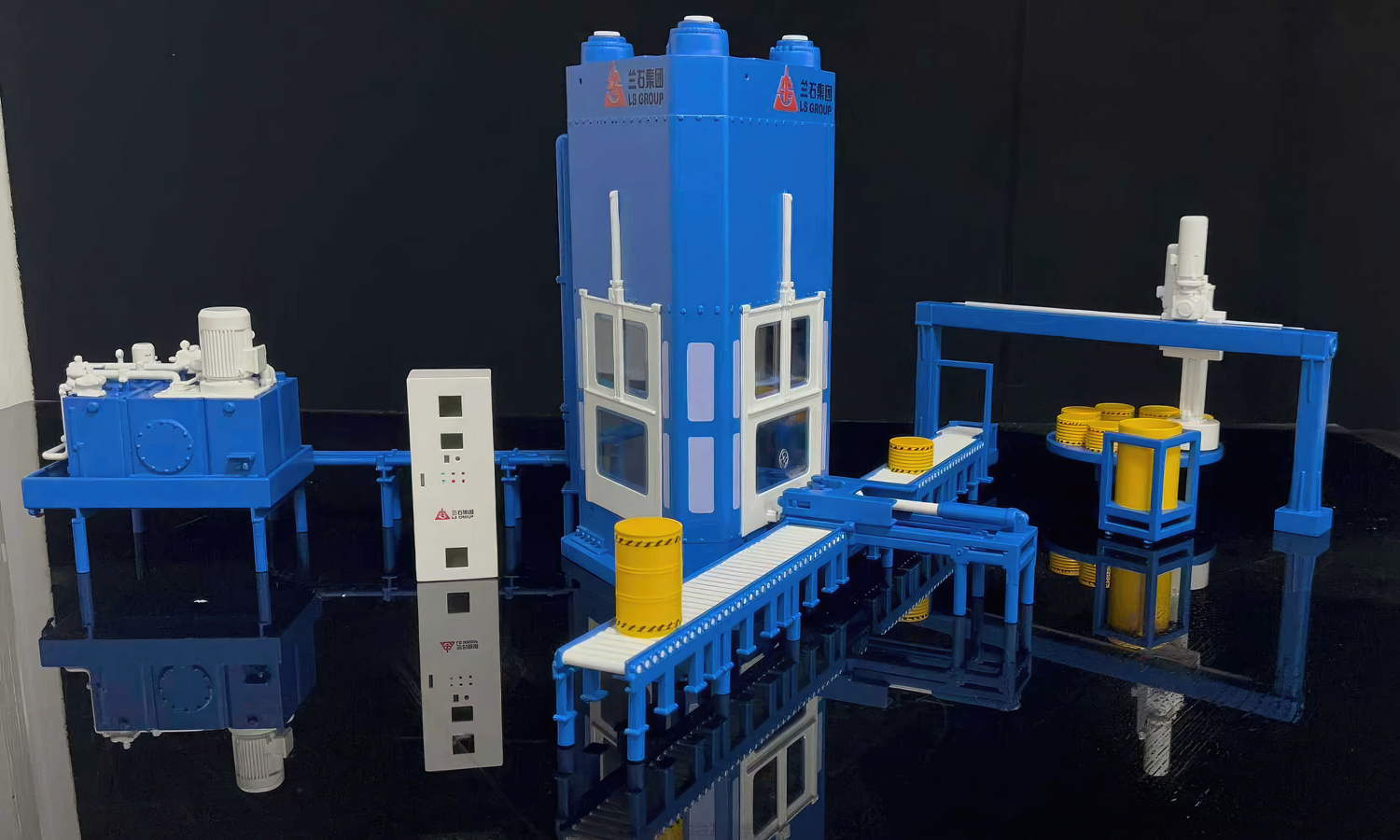
Ever wondered how to showcase a multi-ton oil rig or a complex automated factory line in a boardroom? At FacFox, we turn industrial giants into high-precision 3D printed scale models that fit right on your desk.
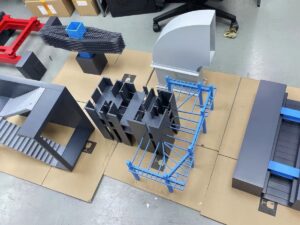
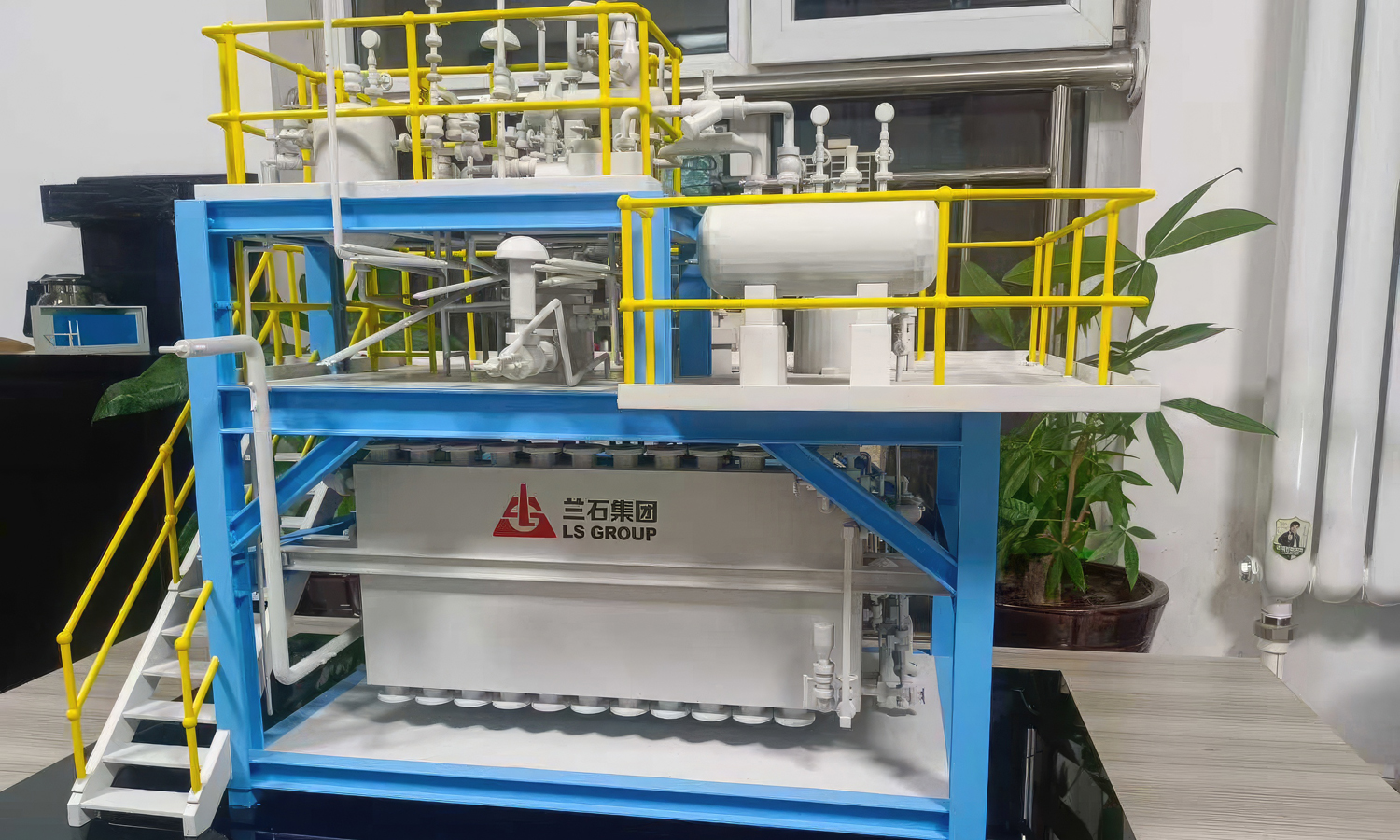
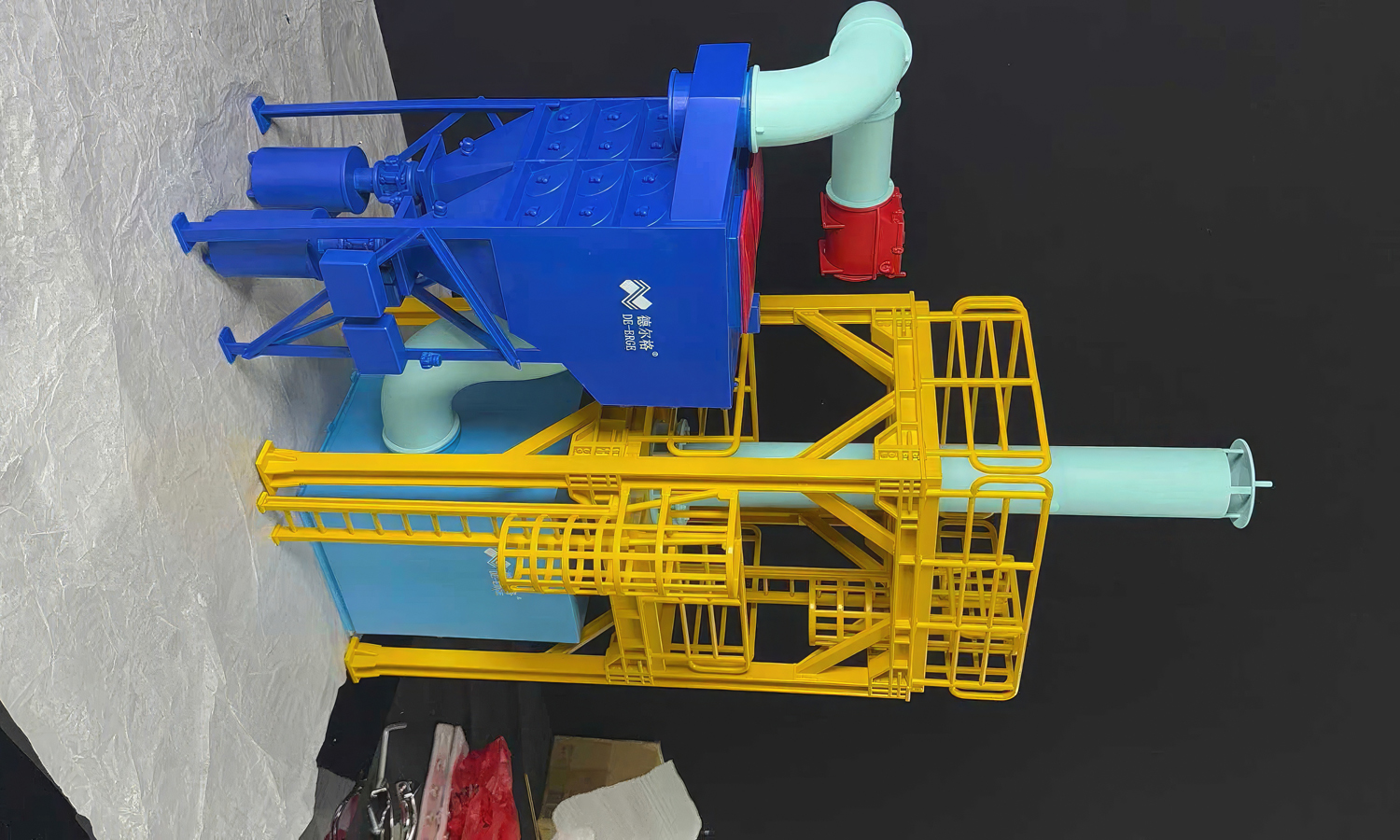
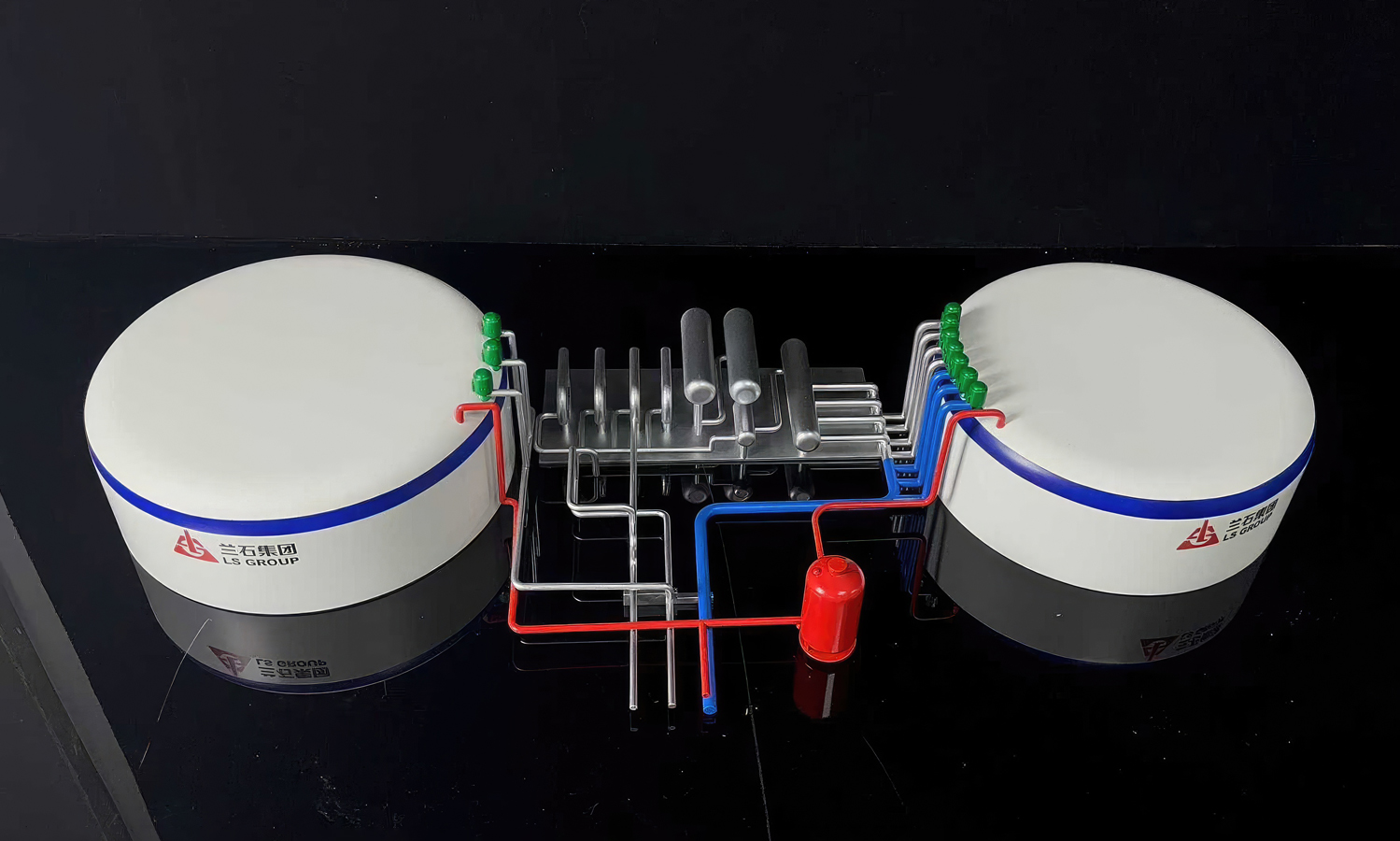
These recent projects for leaders like LS Group and De-Erge demonstrate the power of additive manufacturing in the energy and heavy machinery sectors. From intricate piping manifolds to multi-level refinery platforms, our models capture every bolt, valve, and structural beam with stunning accuracy.
Why Leading Industries Choose FacFox
- Trade Show Showstoppers: Transporting heavy equipment is a logistical nightmare. Our lightweight, durable models allow you to showcase your entire product catalog in a single booth.
- Tactile Training Aids: Help engineers and operators visualize complex internal geometries and workflows before they ever step onto a live site.
- Design Validation: Catch spatial conflicts in “plant-in-a-box” dioramas long before the first steel beam is poured.
Our Capabilities
Utilizing industrial-grade SLA (Stereolithography) for smooth finishes and SLS (Selective Laser Sintering) for durable functional parts, we bridge the gap between digital CAD and physical reality. Whether you need a 1:50 scale refinery or a full-color automated conveyor system, our fleet of 800+ machines is ready to deliver.
Ready to shrink your next big project? Contact FacFox today for an instant quote on your industrial modeling needs. Our expert team will help you choose the right materials and finishes to make your technology stand out.
Solution
- Step 1: The original industrial CAD designs were simplified and optimized for 3D printing. Overly thin walls were thickened, and complex assemblies were partitioned into manageable components to ensure printability.
- Step 2: High-resolution SLA (Stereolithography) technology was selected for the project. The digital files were sliced into thin horizontal layers, and support structures were automatically generated to stabilize overhanging parts like railings and pipes.
- Step 3: A UV laser was used to selectively cure liquid photosensitive resin, building the models layer by layer. This process allowed for the capture of fine details, such as the tiny valves and bolts visible on the LS Group equipment.
- Step 4: Upon completion of the print, the models were removed from the build plate and submerged in an isopropyl alcohol (IPA) bath. Excess uncured resin was dissolved to reveal the crisp edges of the industrial components.
- Step 5: The support structures were carefully removed by hand using precision tools. Any remaining attachment points were sanded down to create a perfectly smooth surface finish.
- Step 6: The cleaned parts were placed in a UV curing oven. This final exposure to light ensured that the resin reached its full mechanical strength and long-term stability.
- Step 7: Professional painting and branding were applied. The components were spray-painted in industry-standard colors (blue, yellow, and white), and the LS Group and De-Erge logos were added using high-precision silk screening or water-transfer decals.
- Step 8: The individual modules were meticulously assembled and bonded. Final quality inspections were conducted to ensure the scale accuracy of the piping and structural alignments before the models were prepared for shipping.