Gallery
About Project
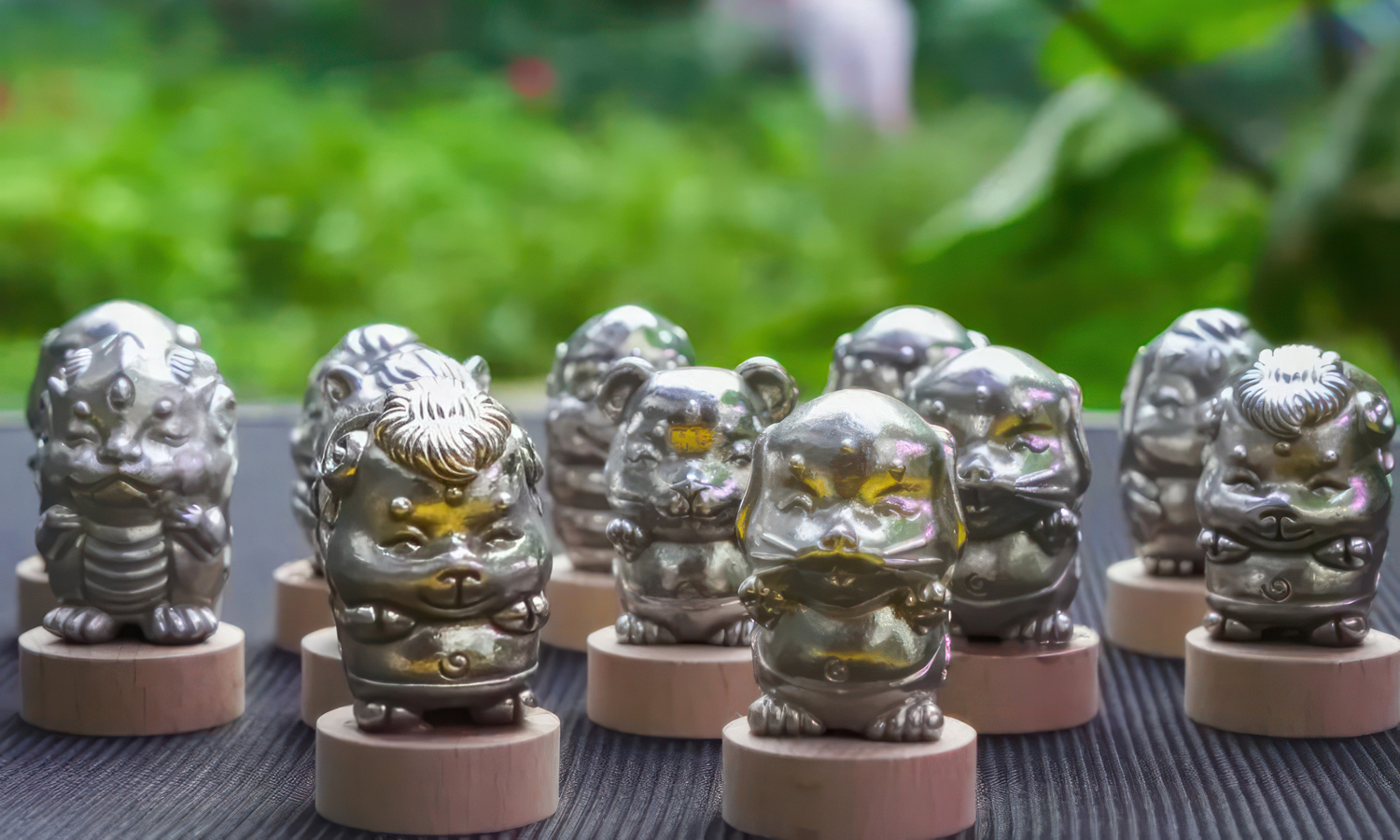
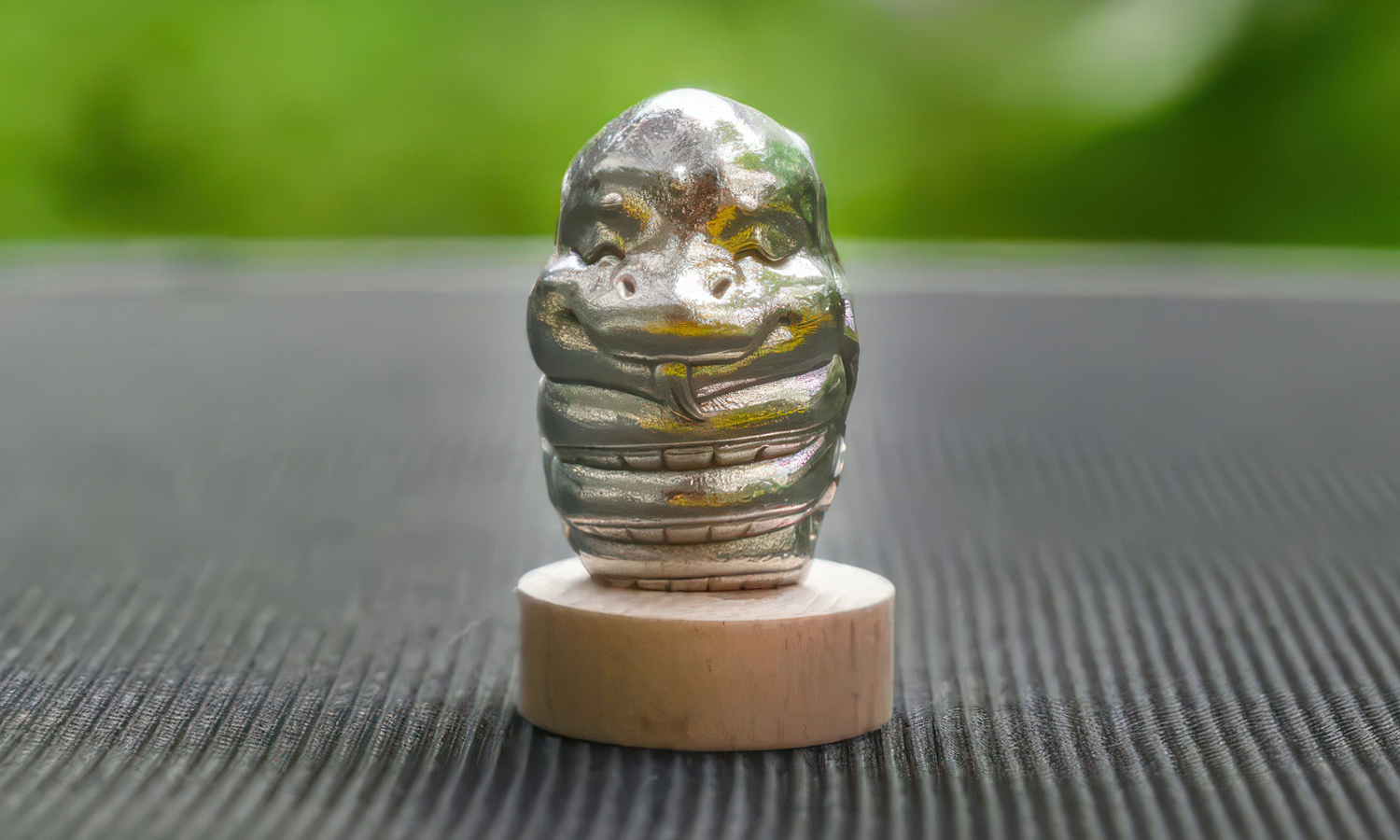
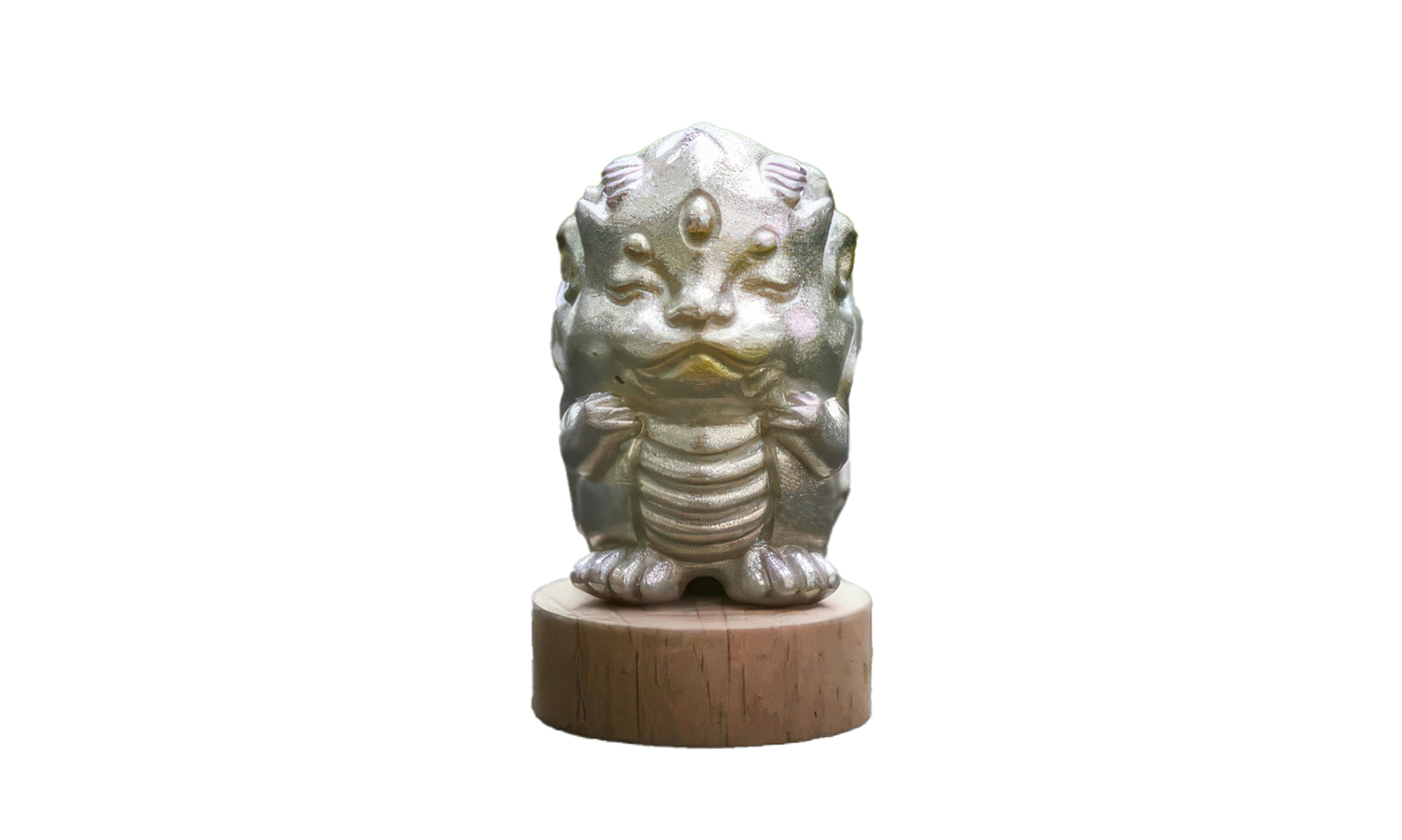
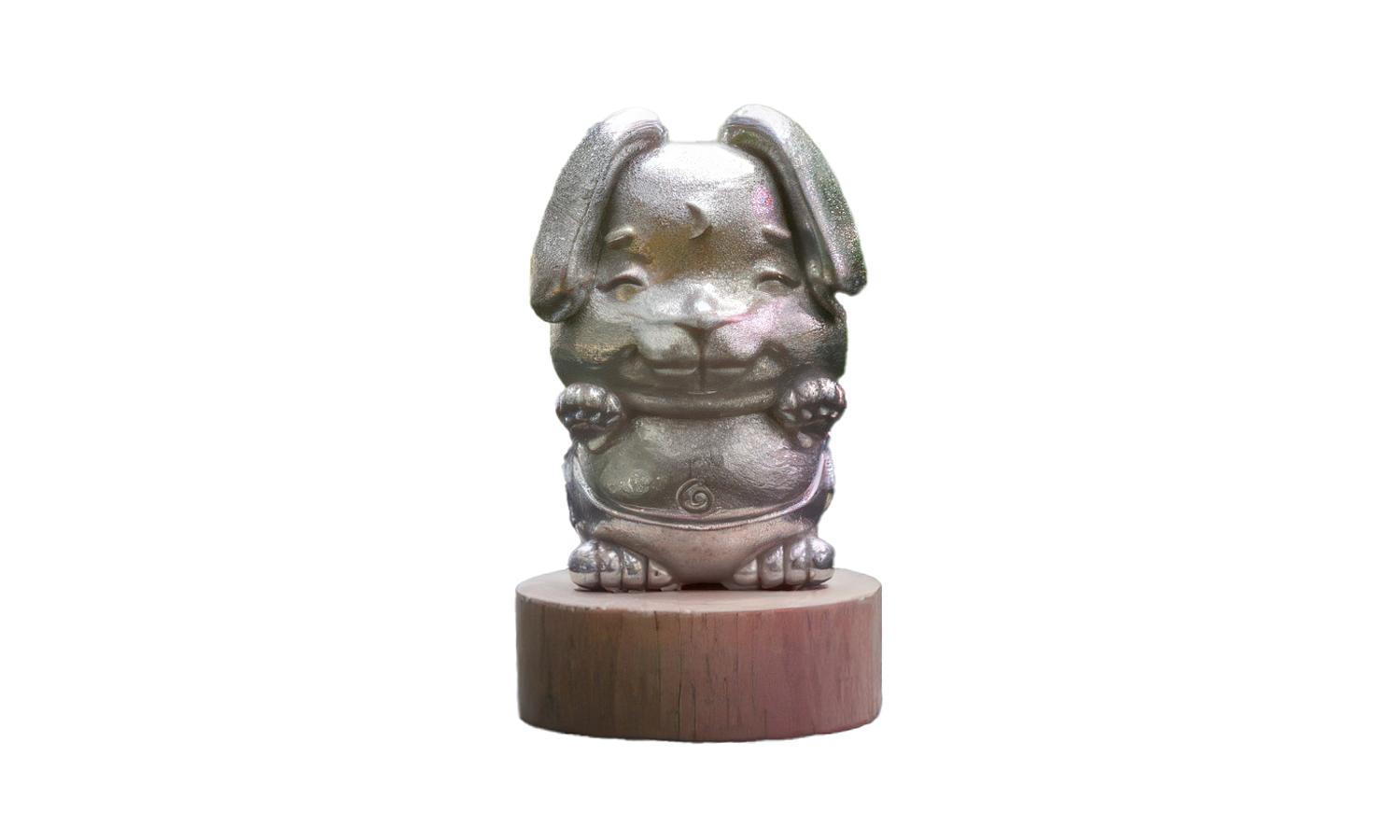
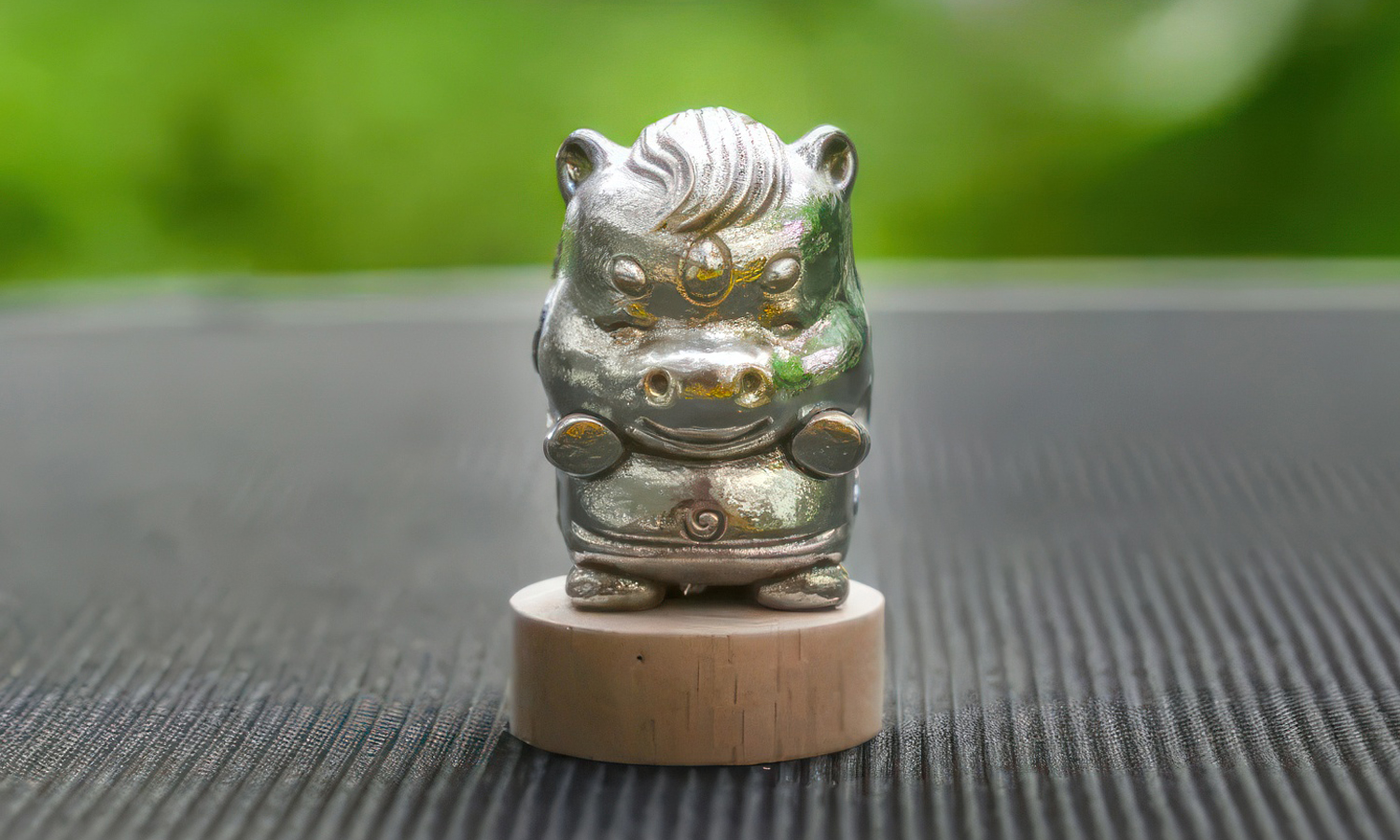
This miniature collection transforms the twelve animals of the Chinese zodiac into compact metal keepsakes. Each character measures approximately 32 × 32 × 47 mm and combines a rounded, friendly silhouette with individual facial expressions, poses, costumes, and symbolic details. Presented on simple wooden bases, the figures work as personal gifts, collectible sets, corporate souvenirs, or seasonal merchandise.
The miniatures were produced using metal Binder Jetting. During printing, a liquid binder selectively joins thin layers of metal powder to form a fragile green part; the metal is not melted by a laser inside the printer. After depowdering, the binder is removed and the parts are sintered at high temperature, causing the metal particles to bond, densify, and shrink toward their final dimensions.
Compared with laser powder bed fusion, Binder Jetting can offer attractive economics and throughput for batches of small components. The surrounding powder supports the geometry, so welded support structures are generally unnecessary, more parts can be nested throughout the build volume, and the printing stage avoids high thermal gradients and associated residual stress. These advantages make it useful for gift collections with several designs or repeated quantities.
The tradeoff is that sintering shrinkage, density, feature size, and distortion must be considered from the beginning. For this decorative series, the process was paired with glass-bead blasting, vibratory polishing, and selective hand polishing to balance detail with a brighter metallic appearance. Contact FacFox to develop a custom metal gift, or upload your 3D files for a quote.