Gallery
About Project
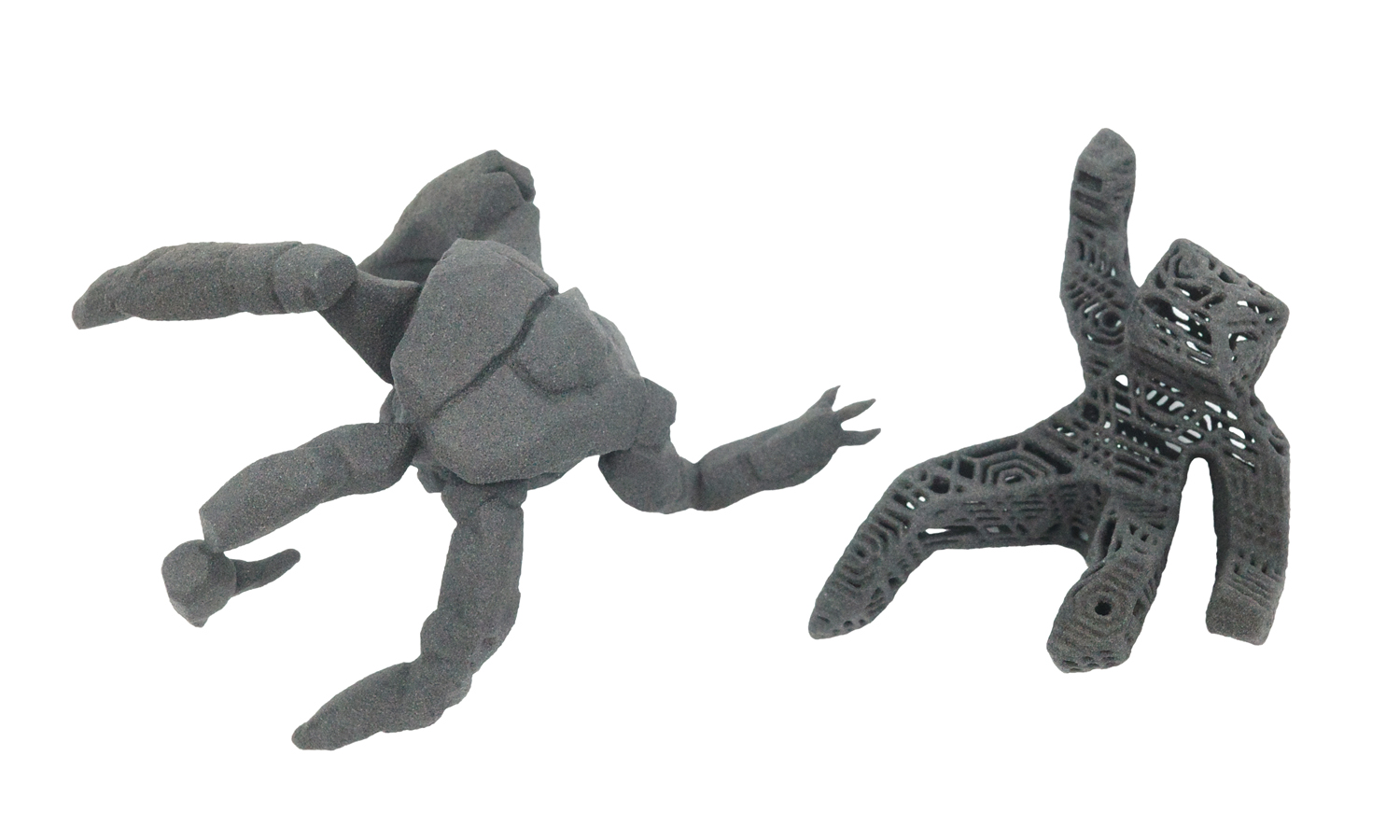
Since the release of the Project Hail Mary film earlier this year, fans have been captivated by the bond between Ryland Grace and Rocky. In the movie, we see a touching moment where Rocky uses his mastery of Xenonite to create a statue of his human friend. While we don’t have carbon-nanotube “glass” from Eridu just yet, we’ve used the next best thing on Earth to recreate this iconic duo: SLS 3D Printing.
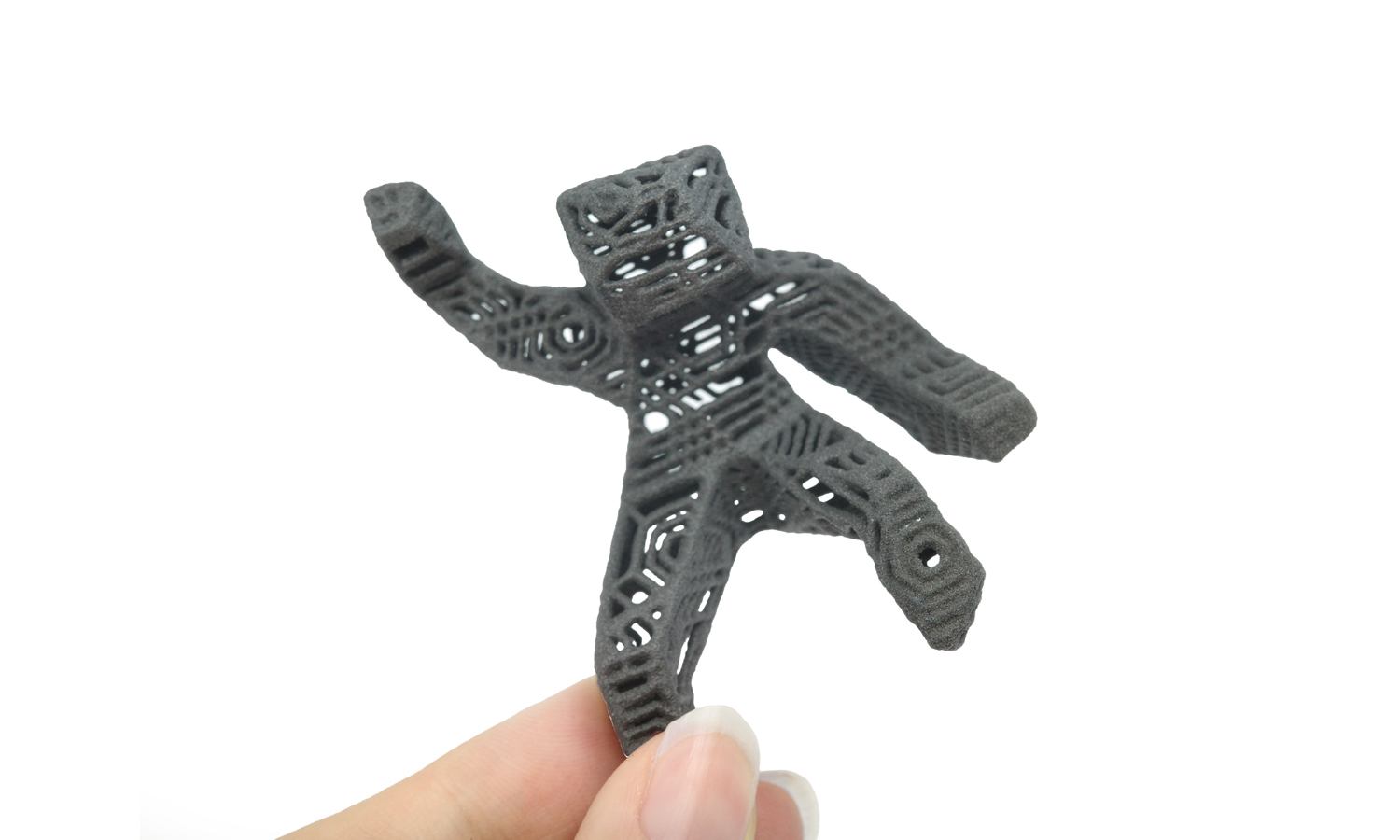
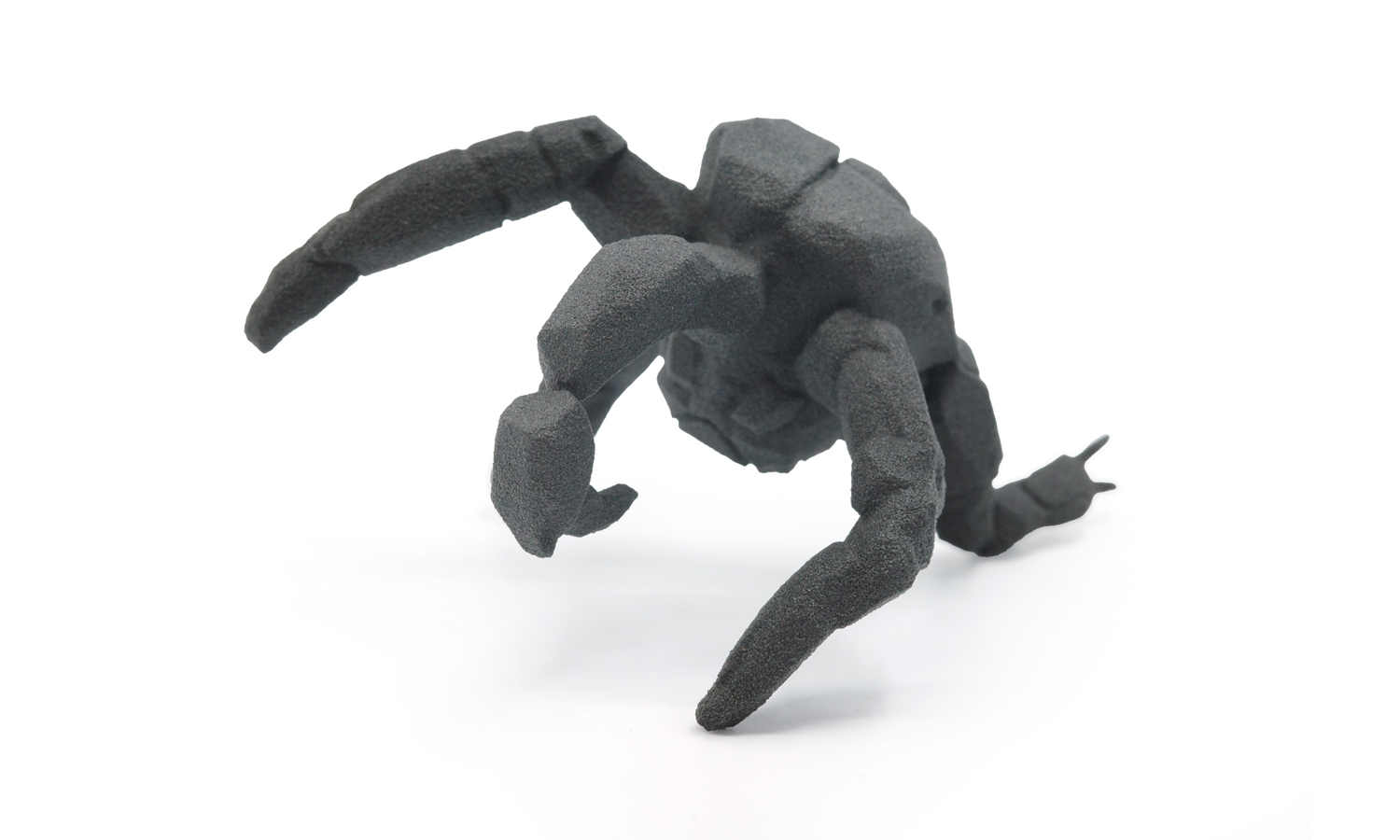
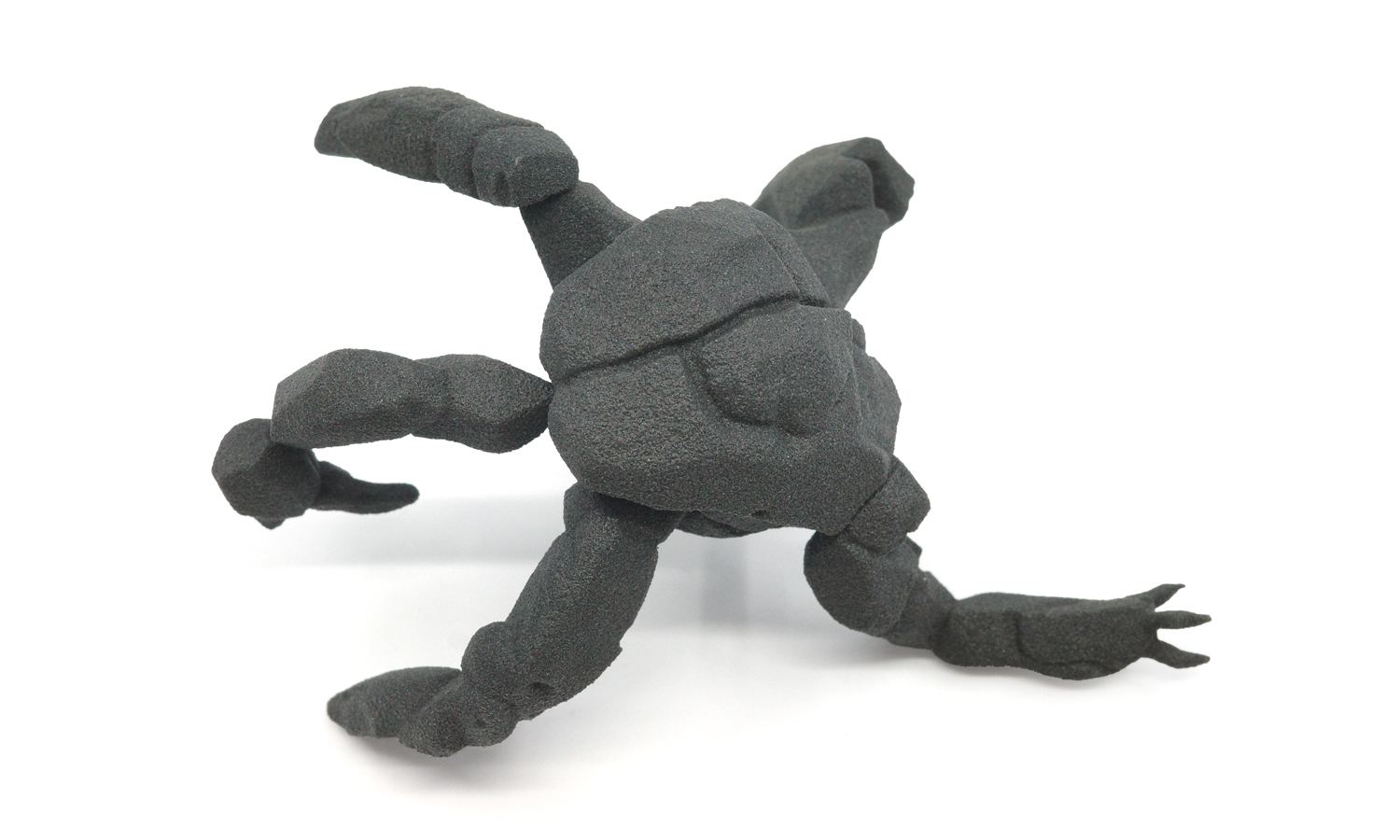
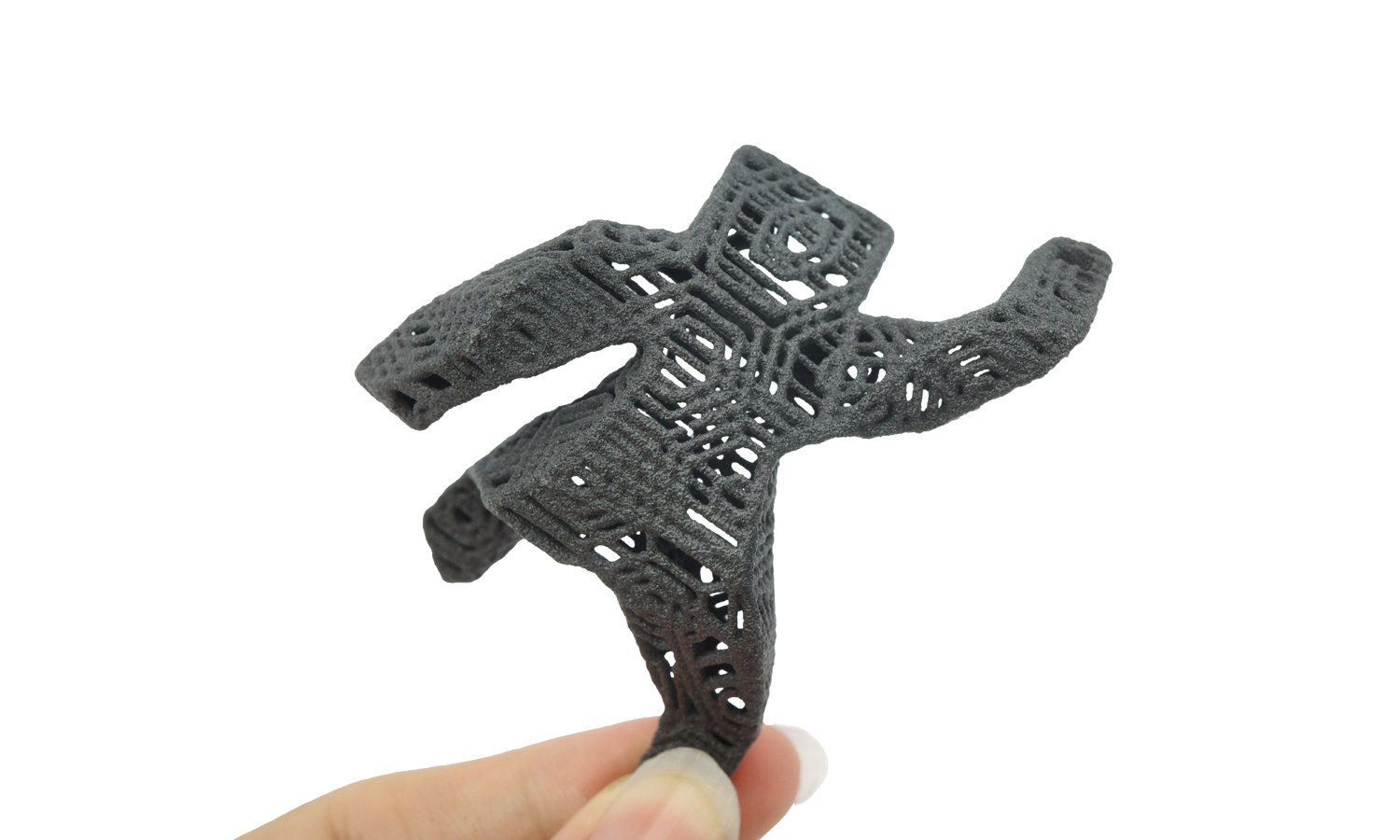
On the left is Rocky, the five-legged engineer we’ve all come to love. Printed in Nylon PA12, the model captures the rugged, stone-like texture of an Eridian carapace perfectly. To his right is his gift to Grace—not a solid human, but a beautiful, lattice-structured representation of how an Eridian sees us through sonar. By using an intricate generative design, we’ve mimicked that “echolocation” aesthetic, showing Grace as a collection of densities and shapes rather than just a surface.
These miniatures are more than just shelf candy; they are a testament to the idea that engineering is a universal language. The grainy, matte finish of the nylon powder gives them an authentic, “industrial space” feel that looks like it was pulled straight from the Blip-A’s laboratory.
Ready to Print Your Own Xenonite?
Whether you’re a fan looking to bring your favorite sci-fi characters to life or an engineer prototyping the next interstellar vessel, FacFox’s SLS 3D printing service is your ultimate partner. Our industrial-grade Selective Laser Sintering technology allows for complex, support-free geometries—like the intricate lattice on our Grace model—with the durability of high-performance nylon. From rapid prototyping to custom fan collectibles, FacFox delivers precision and speed that would make even Rocky say, “Amaze!” Visit FacFox.com today to get an instant quote and turn your most complex designs into reality.
Solution
- Step 1: The 3D models of Rocky and the lattice-structured Grace were designed and optimized for Selective Laser Sintering (SLS), ensuring the intricate internal webbing was self-supporting.
- Step 2: The digital files were sliced into thin horizontal layers and uploaded to the SLS machine’s control software to coordinate the laser paths.
- Step 3: A thin, uniform layer of Nylon PA12 powder was spread across the build platform by a reciprocating roller within the pre-heated build chamber.
- Step 4: A high-powered CO2 laser was directed onto the powder bed, where the particles were selectively fused (sintered) to form the first cross-section of the miniatures.
- Step 5: The build platform was lowered by one layer thickness, and a fresh layer of powder was applied over the previously sintered sections.
- Step 6: The sintering and layering cycle was repeated thousands of times until both the solid Rocky figure and the complex Grace statue were fully encased in the unsintered powder cake.
- Step 7: The entire build volume was allowed to cool gradually to prevent warping or thermal stress, after which the parts were “excavated” from the surrounding loose powder.
- Step 8: Any excess powder trapped within the intricate lattice of the Grace model was removed using compressed air and bead blasting, revealing the final matte, stone-like finish.