Gallery
About Project
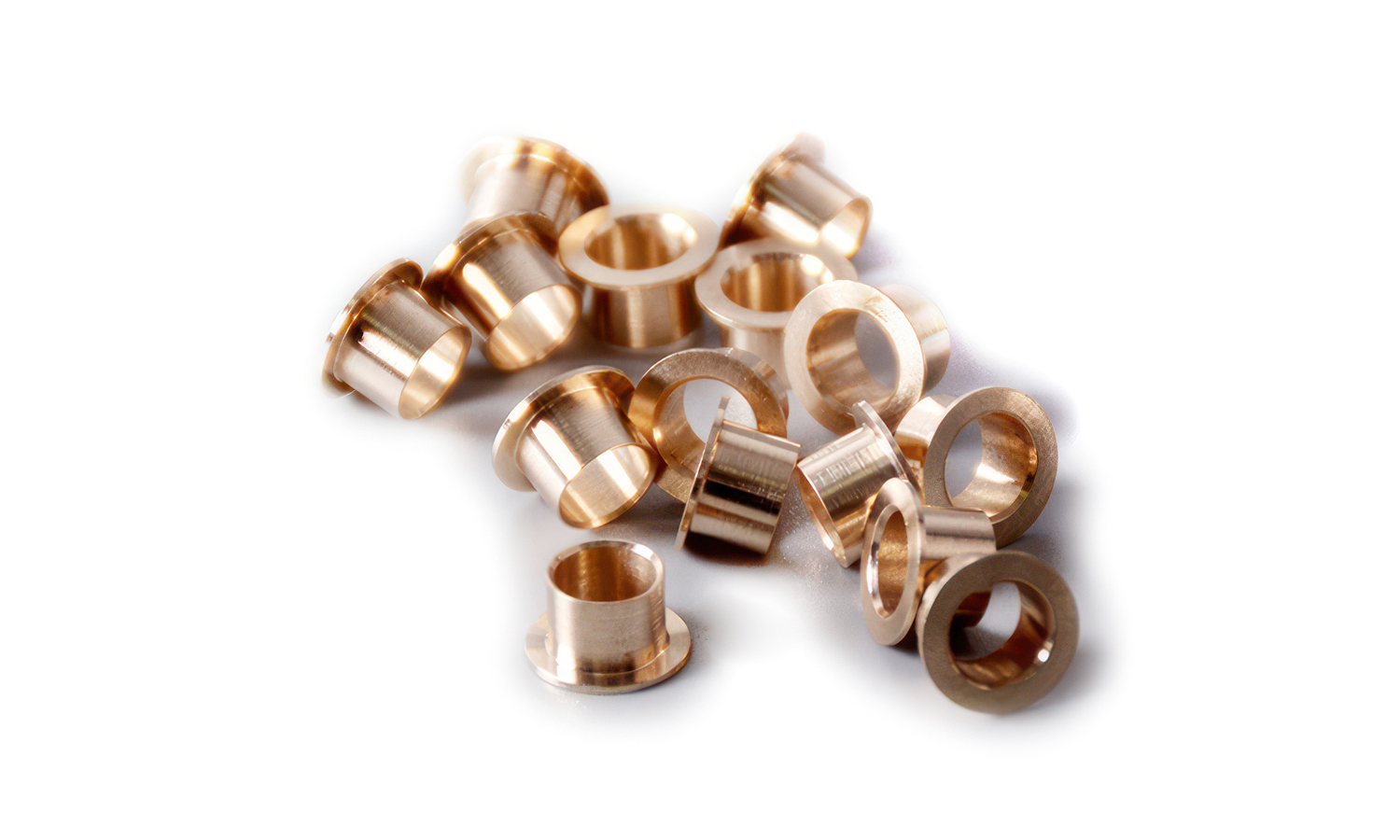
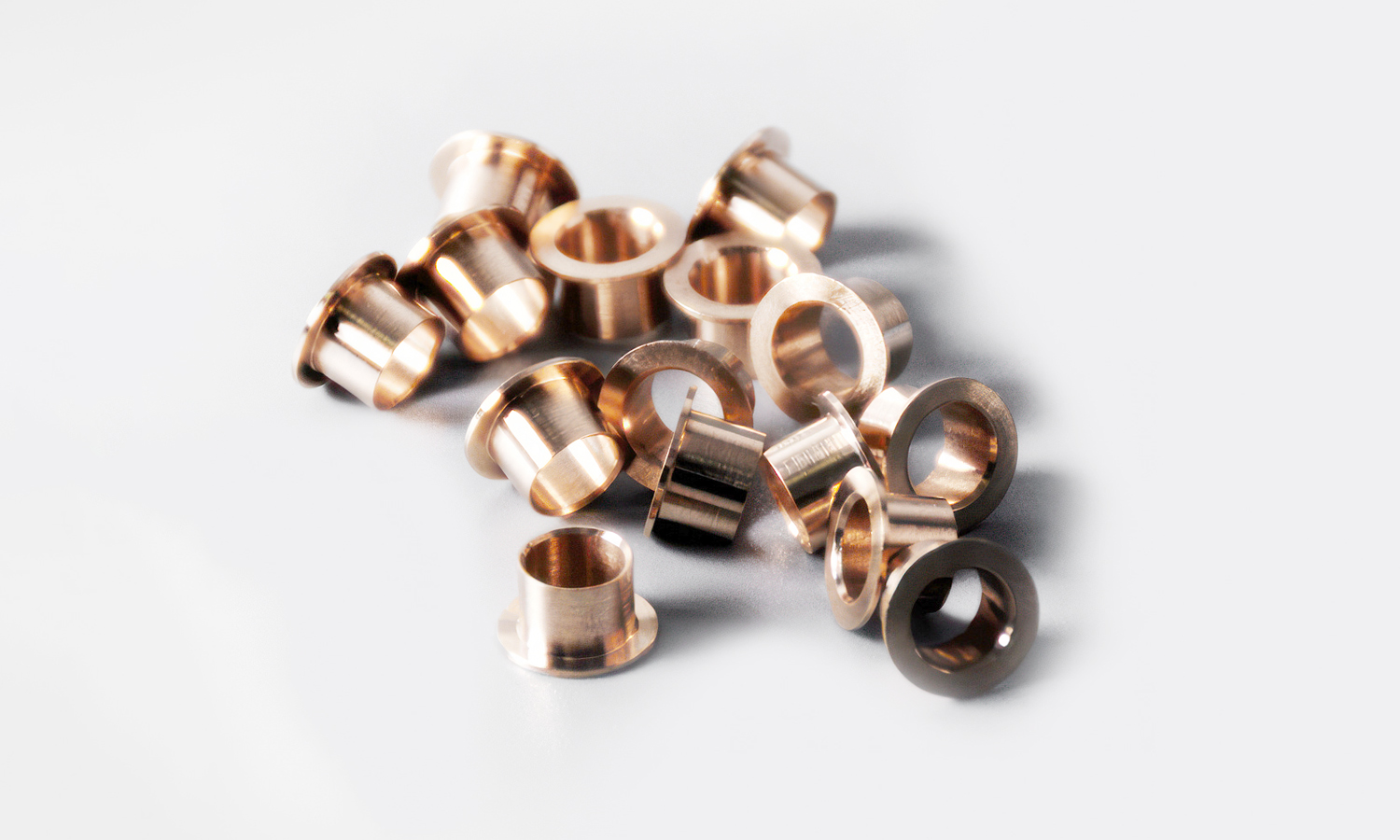
When it comes to mechanical assembly, sometimes the smallest components carry the heaviest workload. These CNC-machined brass flanged bushings are a perfect example of functional elegance. Engineered for high-wear environments, these parts provide a low-friction interface that ensures rotating shafts run smoothly and stay perfectly aligned.
Why Brass?
The choice of material here isn’t just about the golden aesthetic. Brass and high-copper alloys are prized in machining for their:
- Natural Lubricity: Reducing friction even in the absence of heavy oils.
- Corrosion Resistance: Ideal for components exposed to moisture or industrial fluids.
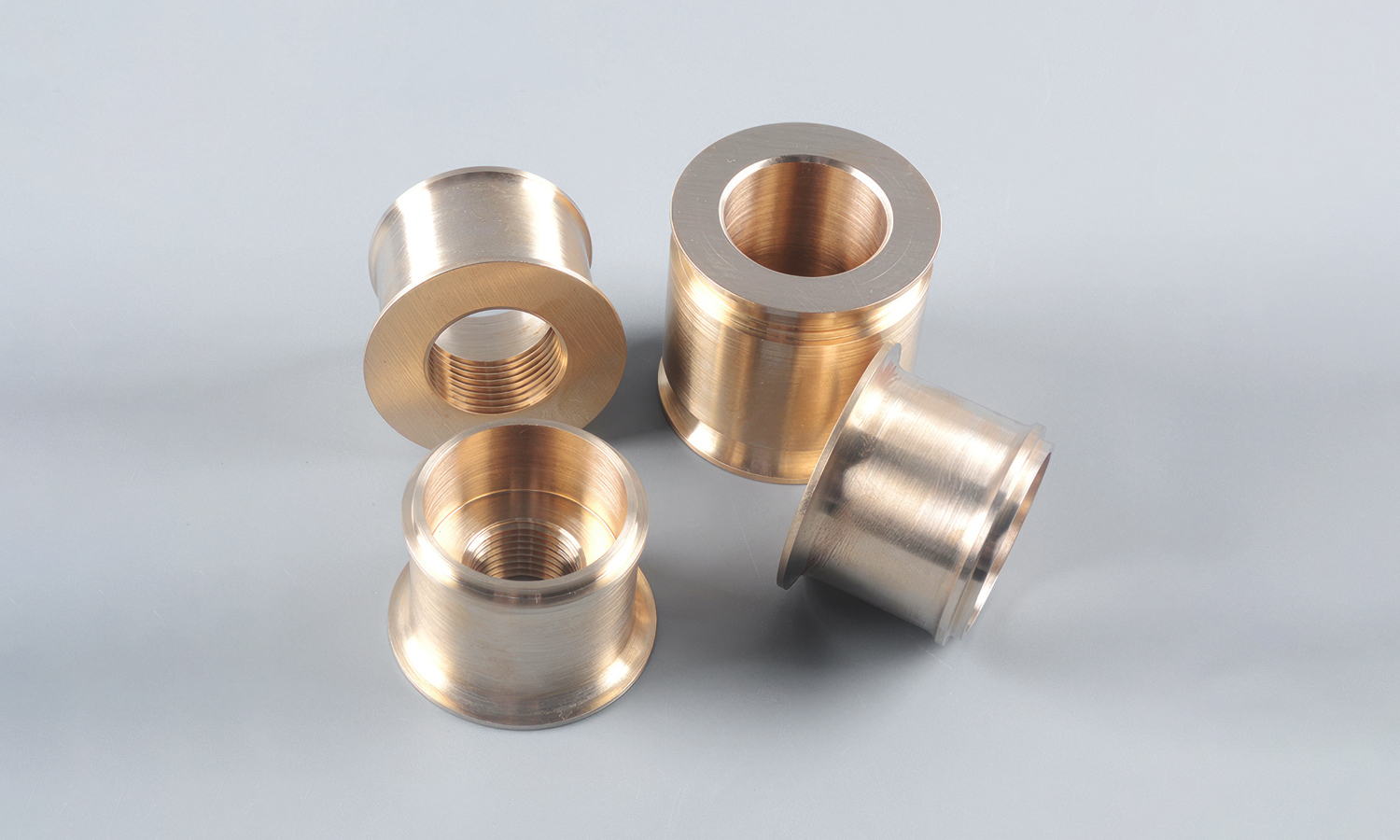
- Excellent Machinability: Allowing for the tight tolerances and crisp internal threading seen in these models.
The Geometry of Performance
To achieve the uniform wall thickness and concentricity required for these bushings, a 2-axis CNC lathe is the tool of choice. By rotating the workpiece at high speeds while a fixed cutting tool shapes the X and Z axes, we achieve a level of precision that manual machining simply can’t match. Whether it’s the simple sleeve design or the larger threaded variants, the consistency across the batch is what defines professional-grade hardware.
Bring Your Designs to Life with FacFox
If your next project requires the durability of brass or the precision of custom-engineered bearings, FacFox is here to help. Our advanced CNC turning and milling services are designed to handle everything from rapid prototyping to high-volume production runs. With a wide array of metal and plastic materials and a commitment to rigorous quality control, we turn your complex CAD files into high-performance reality.
Ready to start your next build? Upload your files to FacFox today for a fast, professional quote!
Solution
- Step 1: Material Selection and Loading. High-quality brass hex or round bars were selected based on the required outer diameter. The raw stock was then loaded into the automatic bar feeder of a CNC lathe to allow for continuous production.
- Step 2: Facing and Centering. The end of the brass bar was rotated at high RPM while a cutting tool moved across the face. The part was faced to create a perfectly flat reference surface, and a center drill was used to ensure the subsequent drilling stayed perfectly on-axis.
- Step 3: Rough and Finish Turning. The outer profile, including the distinct shoulder of the flange, was shaped using a carbide turning tool. Excess material was removed in a roughing pass, followed by a high-speed finishing pass to achieve the smooth surface texture seen in the photos.
- Step 4: Drilling and Boring. The internal cavity was created by driving a drill bit into the center of the rotating part. To ensure the strict tolerances required for a bearing, a boring bar was then used to enlarge the hole to its final, precise internal diameter (ID).
- Step 5: Parting and Deburring. Once the geometry was completed, a parting tool (cutoff blade) was fed into the stock to separate the finished bushing from the remaining bar. Finally, any sharp edges or “burrs” were removed through a tumbling process or manual edge breaking to ensure a professional finish.