What Comes after Binder Jetting?

What Comes after Binder Jetting?

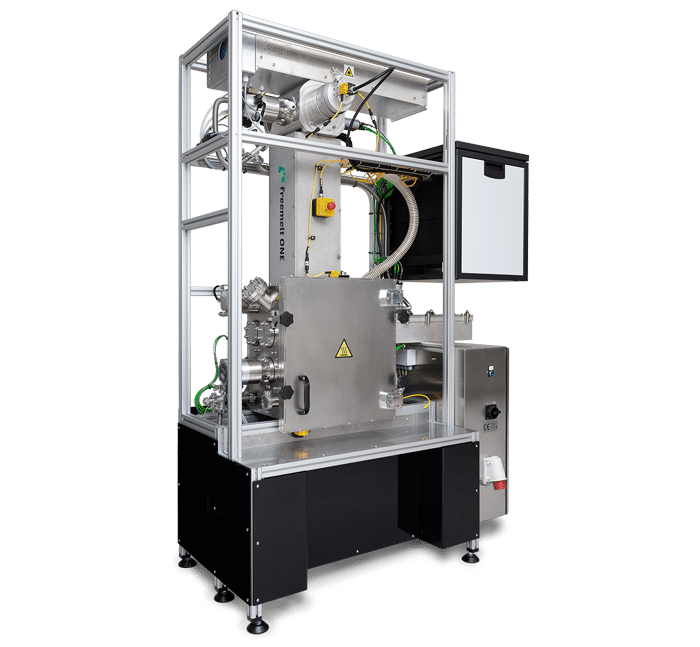
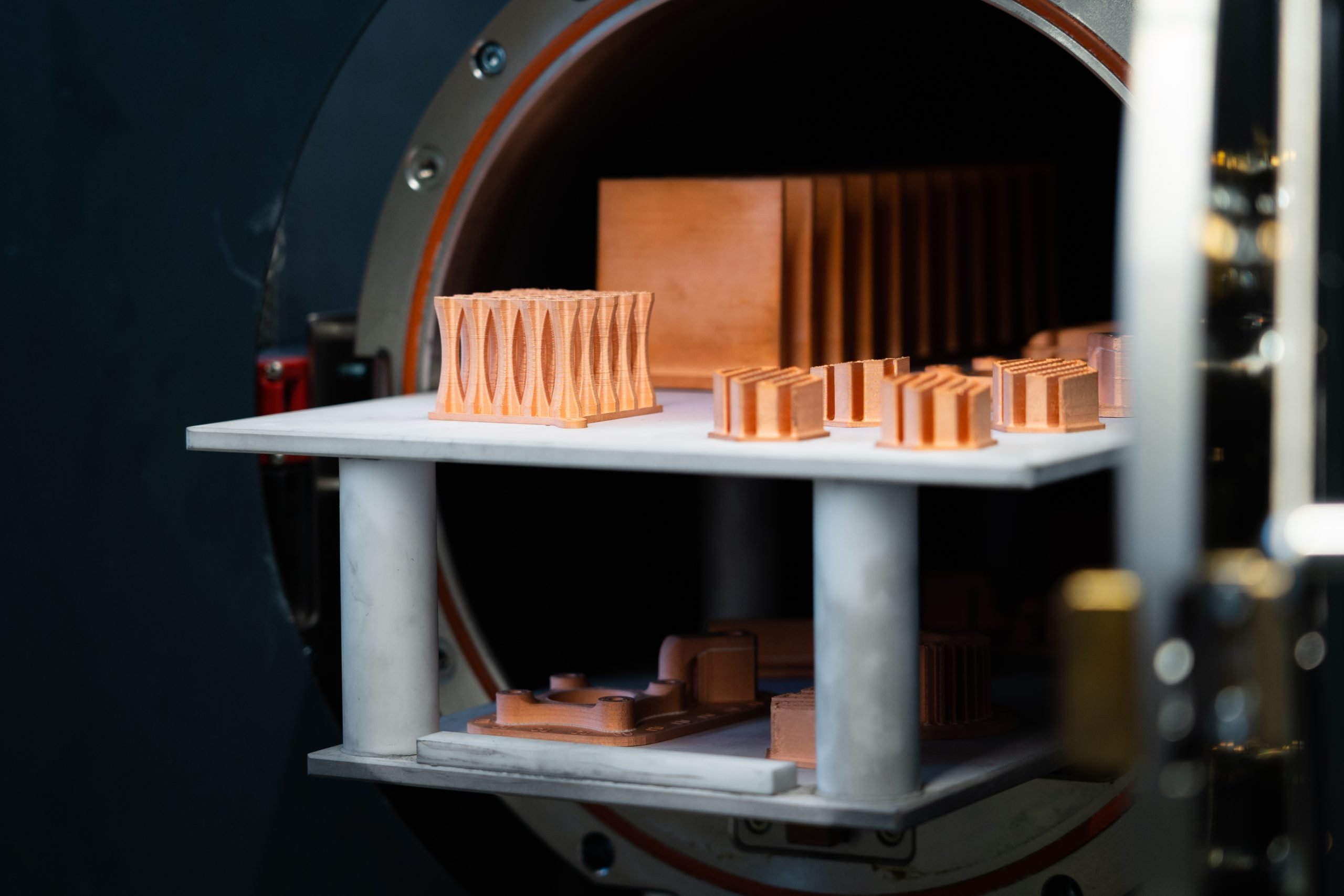
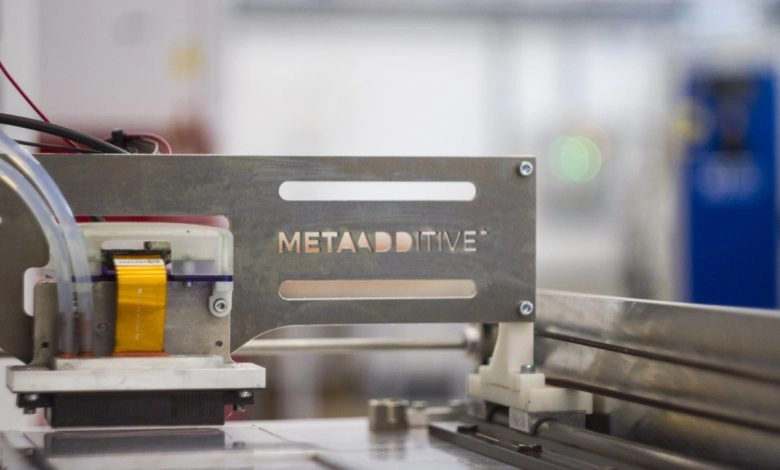
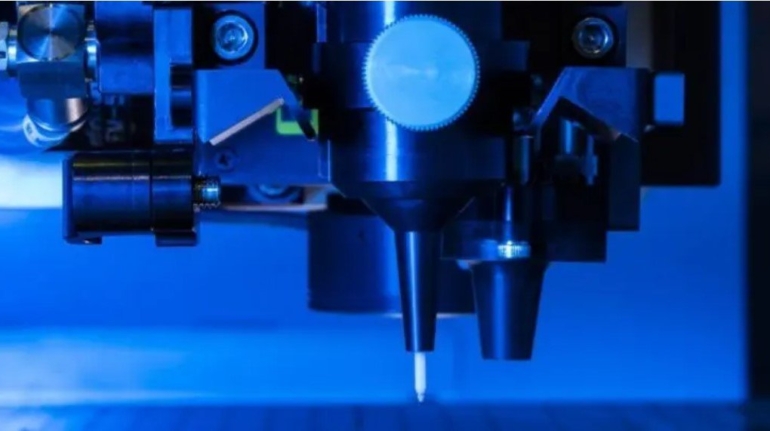
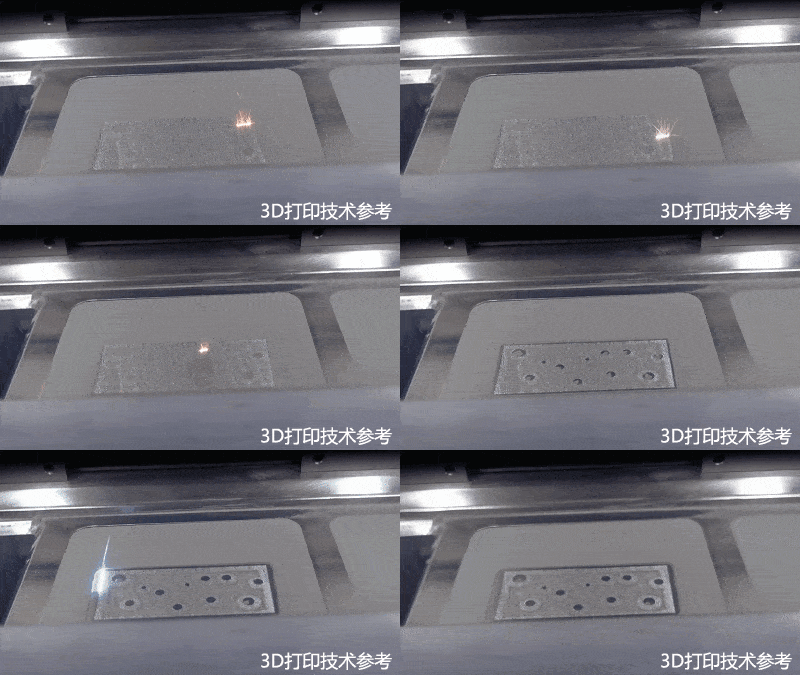
Even as the transition to metal and ceramic binder jetting for production has only but begun, it is clear that simply implementing fast binder jetting processes will not be enough to truly cater to production demands. Binder jetting materials and processes still present several challenges and bottlenecks that need to be addressed, from the limited number of available materials to the elevated number of highly complex post-processing steps, including infiltration and of course sintering. That’s exactly what UK-based Meta Additive intends to address with its uniquely advanced technology.

SILCA Introduces MENSOLA Metal 3D Printed Custom Computer Mount

SILCA Introduces MENSOLA Metal 3D Printed Custom Computer Mount

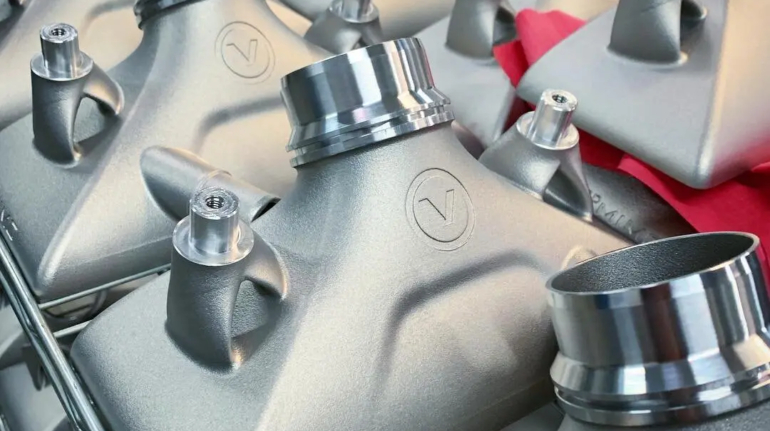
SILCA a bicycle parts manufacturer that was founded in 1917, introduced MENSOLA, as “the world’s smartest computer mount, designed by the wind and [additively] manufactured in 6Al/4V Titanium by lasers”. Each MENSOLA mount is designed for specific stem face-plate geometry, ensuring minimum weight and maximum strength and improved aerodynamics over the previous computer mount solutions.

Optomec Receives US Air Force Contract for Metal Additive Repairs

Optomec Receives US Air Force Contract for Metal Additive Repairs

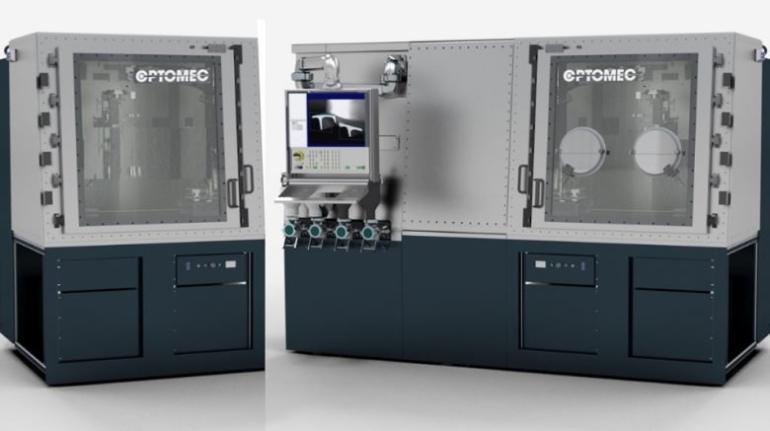
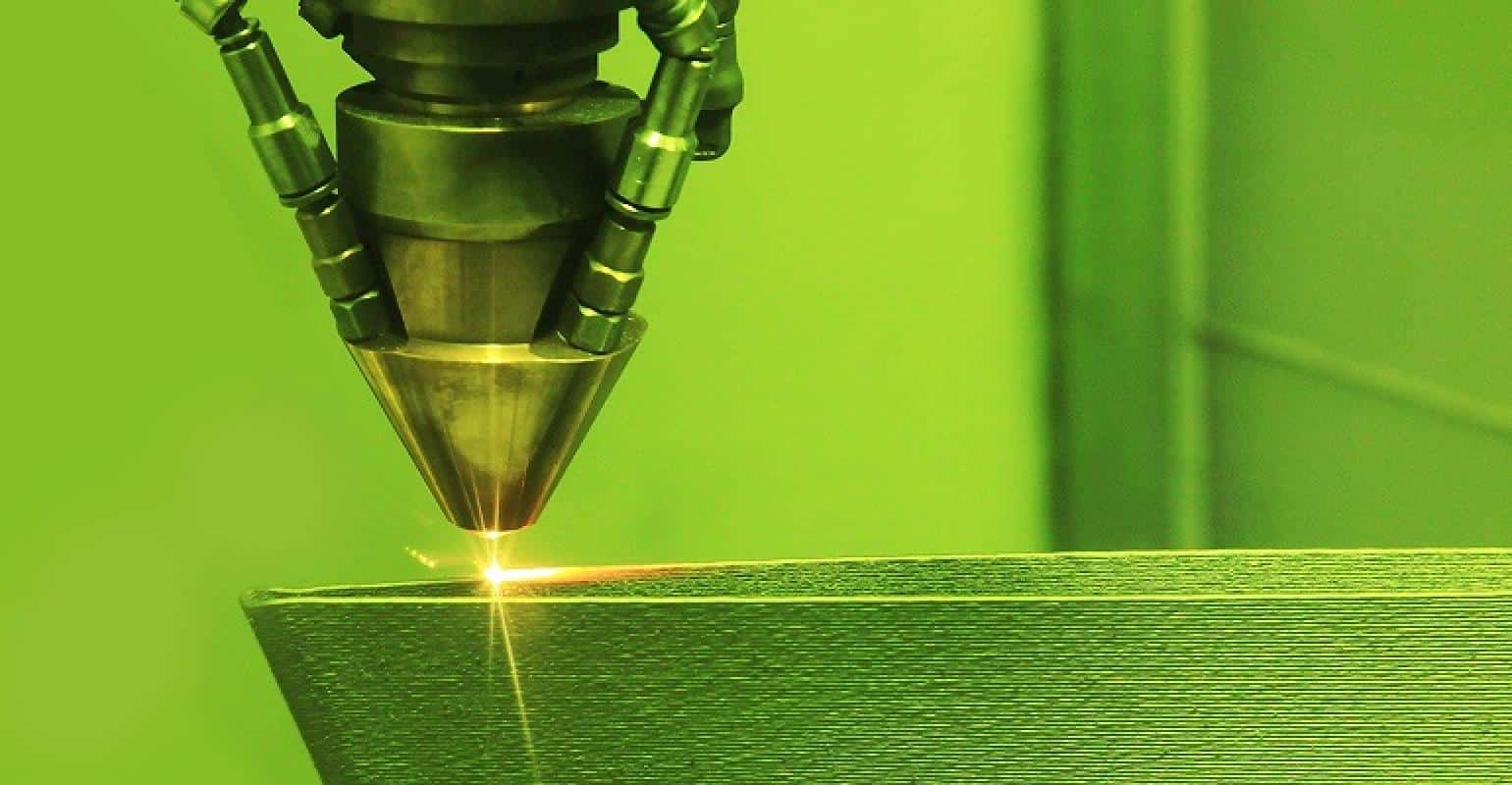
The Air Force Sustainment Center at Tinker Air Force base has awarded Optomec a $500,000 process development contract for the Additive Repair of jet engine components used in the F-15 and F-16 fighters. The solution will rely on Optomec’s LENS technology, a metal additive manufacturing technique based on powder-fed directed energy deposition (DED), together with proprietary enabling machine capabilities including advanced vision and distortion compensation software, Controlled Atmosphere processing, and batch automation using oxygen-free material handling.

PWR and E-plus 3D Collaborate to Provide Additive Cooling Solutions

PWR and E-plus 3D Collaborate to Provide Additive Cooling Solutions

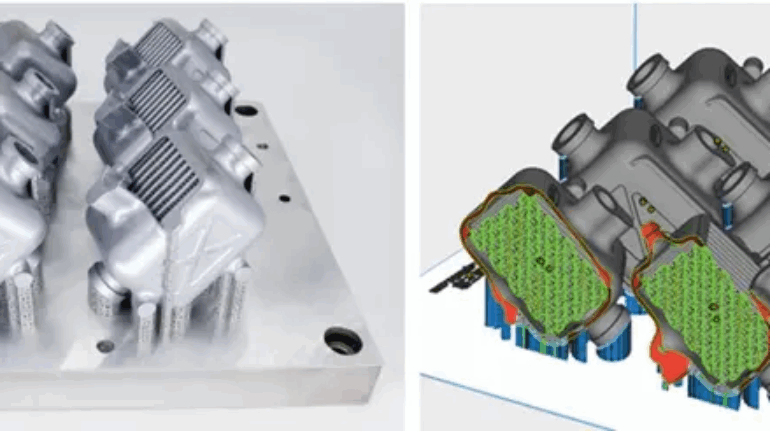
PWR Performance Solutions, based in Australia, decided to look into adding metal 3D printing technology to its current workflow, to stay at the forefront of manufacturing capacity. The heat exchanger pictured above was designed by PWR to test the capabilities of different aspects of 3D printing. PWR engineers designed the fin structure and tube array as a benchmark for testing minimum wall thickness, surface finish, and heat transfer efficiency. To produce the parts, PWR chose E-plus 3D as a supplier and ordered an EP-M250Pro MPBF system.

Naples ANM Trolleybuses Implement On-demand 3D Printed Spare Parts

Naples ANM Trolleybuses Implement On-demand 3D Printed Spare Parts

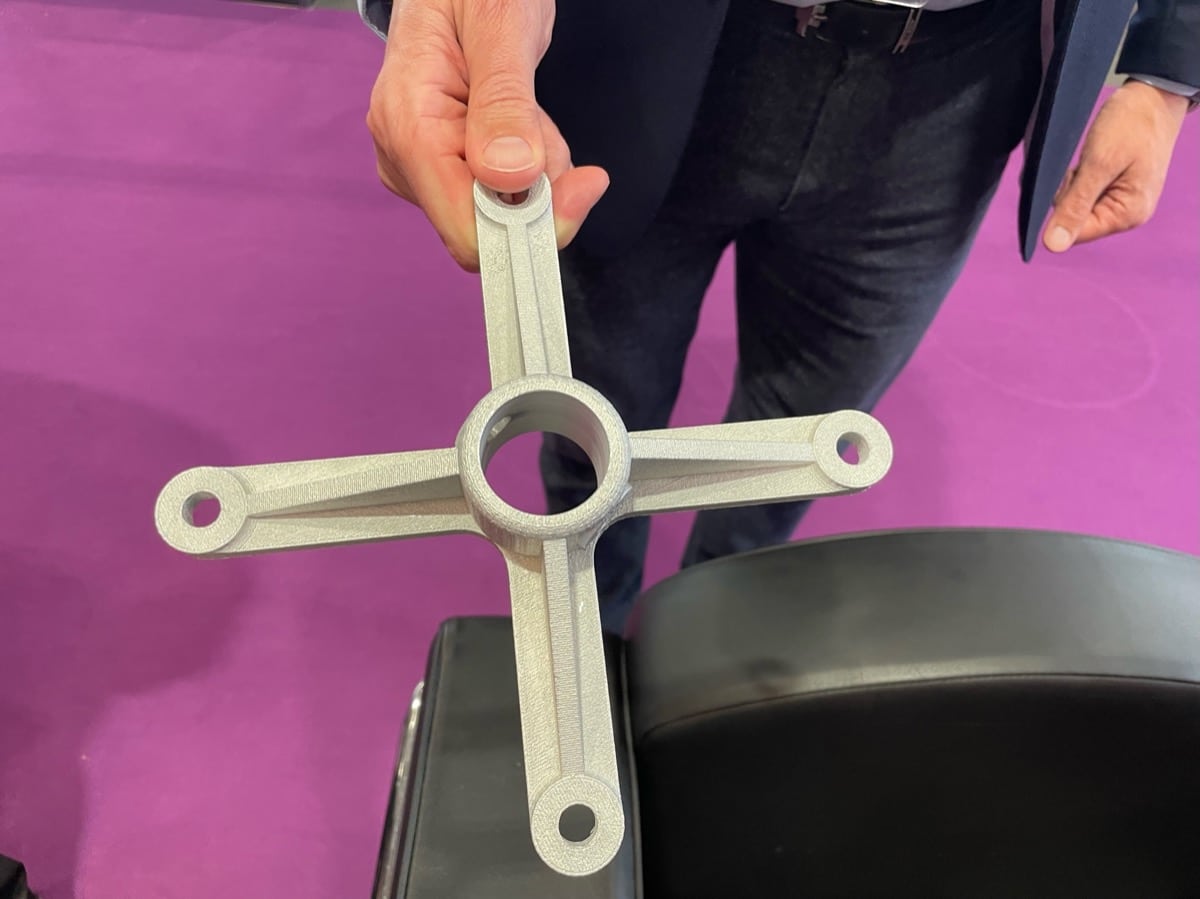
ANM (Azienda Napoletana Mobilità S.p.A.), the traditional Neapolitan public transport company, is collaborating with local AM service provider 3DnA to restore and maintain the mobility of its lines in the city of Naples. The production of needed replacement parts was made possible by re-engineering and 3D printing mechanical components no longer available from their supply chain, where the original technical documentation and drawings could not be recovered.

Automotive AM Kicking into Gear as Desktop Metal Ships First P-1 Systems to Ford and Cetim

Automotive AM Kicking into Gear as Desktop Metal Ships First P-1 Systems to Ford and Cetim

Desktop Metal​ has begun shipping a new, intermediate version of its P-50 Production System, the new P-1 printer, globally to its early customer base. Key clients who have already received the machine include Ford Motors, an early investor in Desktop Metal, and Cetim, the Centre Technique des Industries Mécaniques, in France, which is the first European institution to receive it. The P-50 remains on schedule to begin volume commercial shipments in 2021: achieving this milestone will be a key passage in DM’s strategy for growth, especially now that the company is publicly listed.