Gallery
About Project
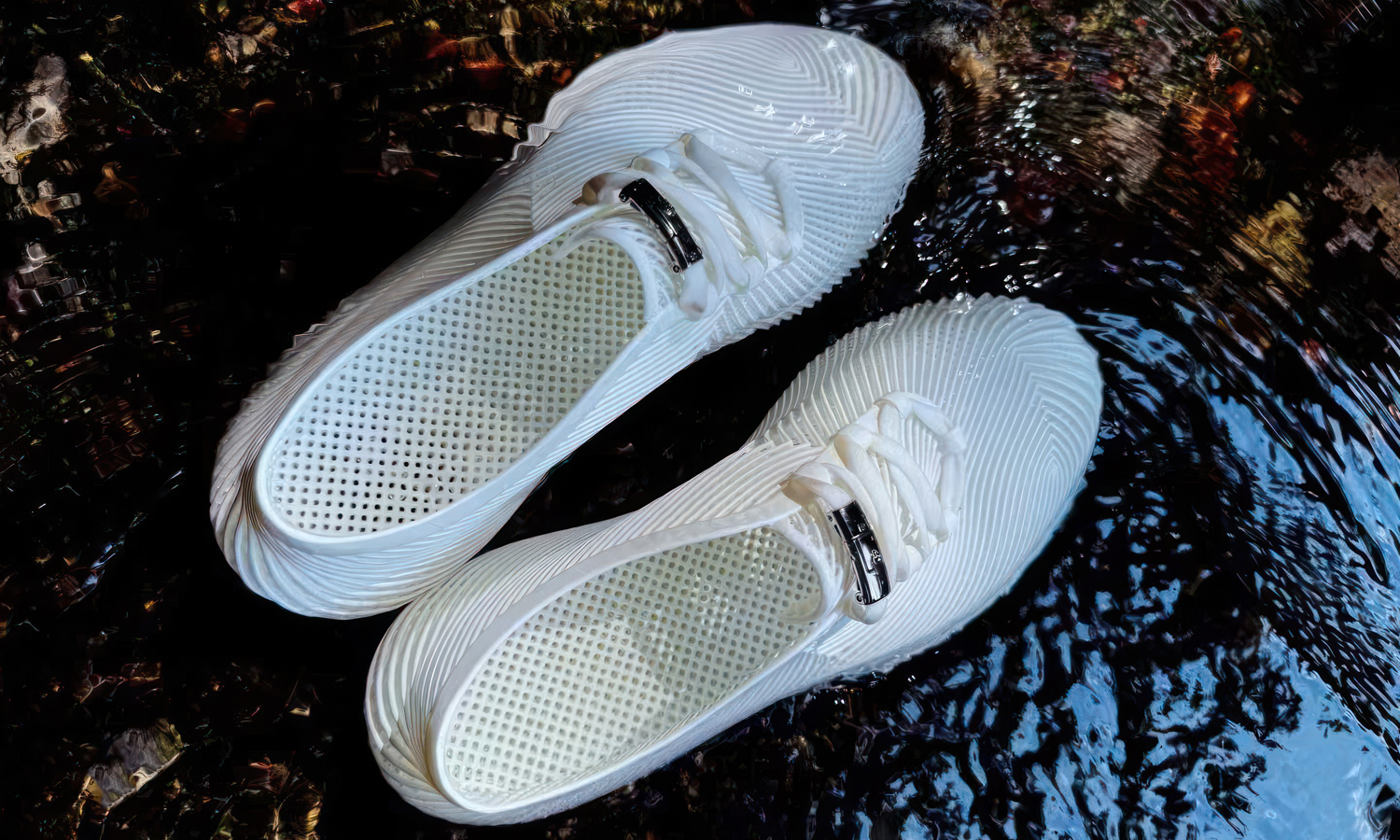
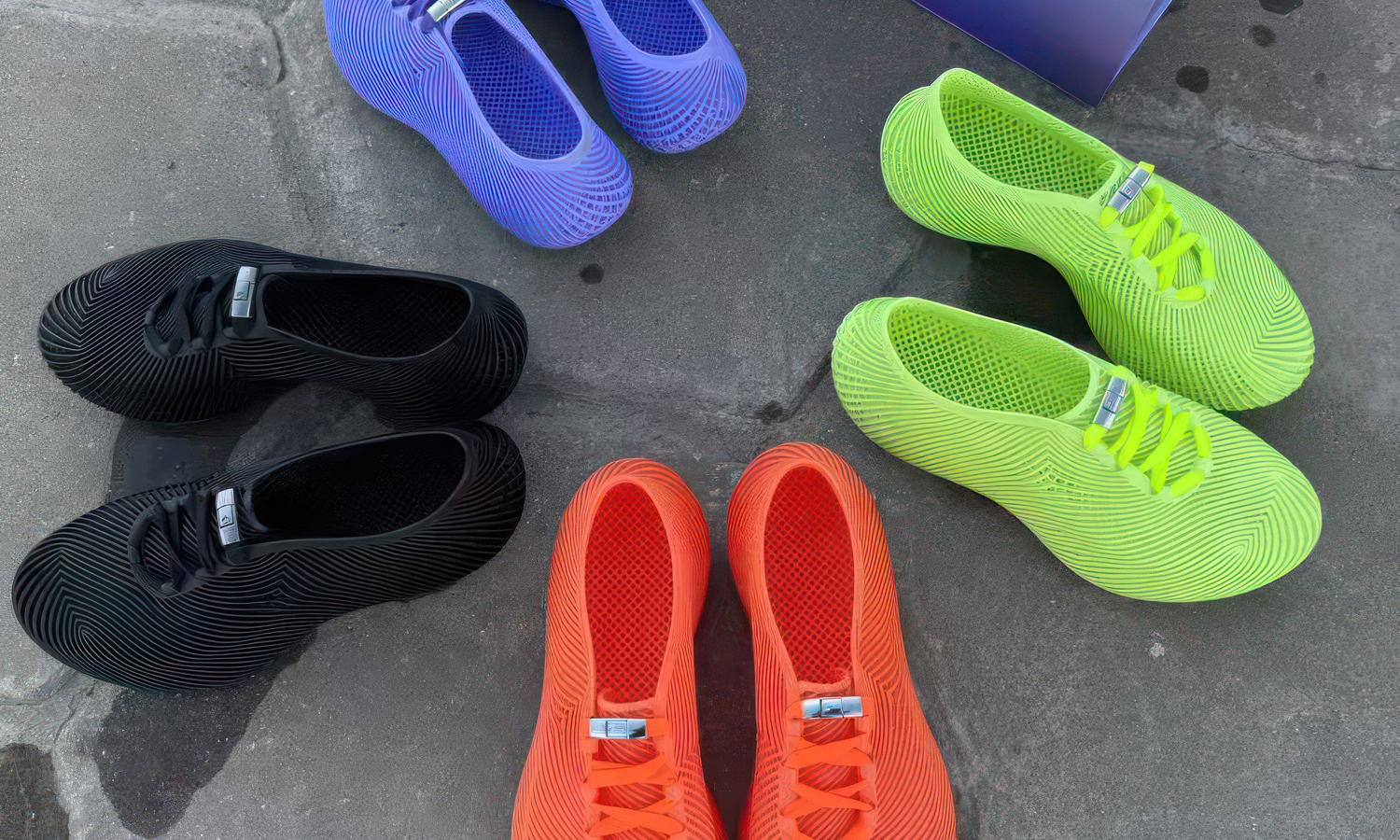
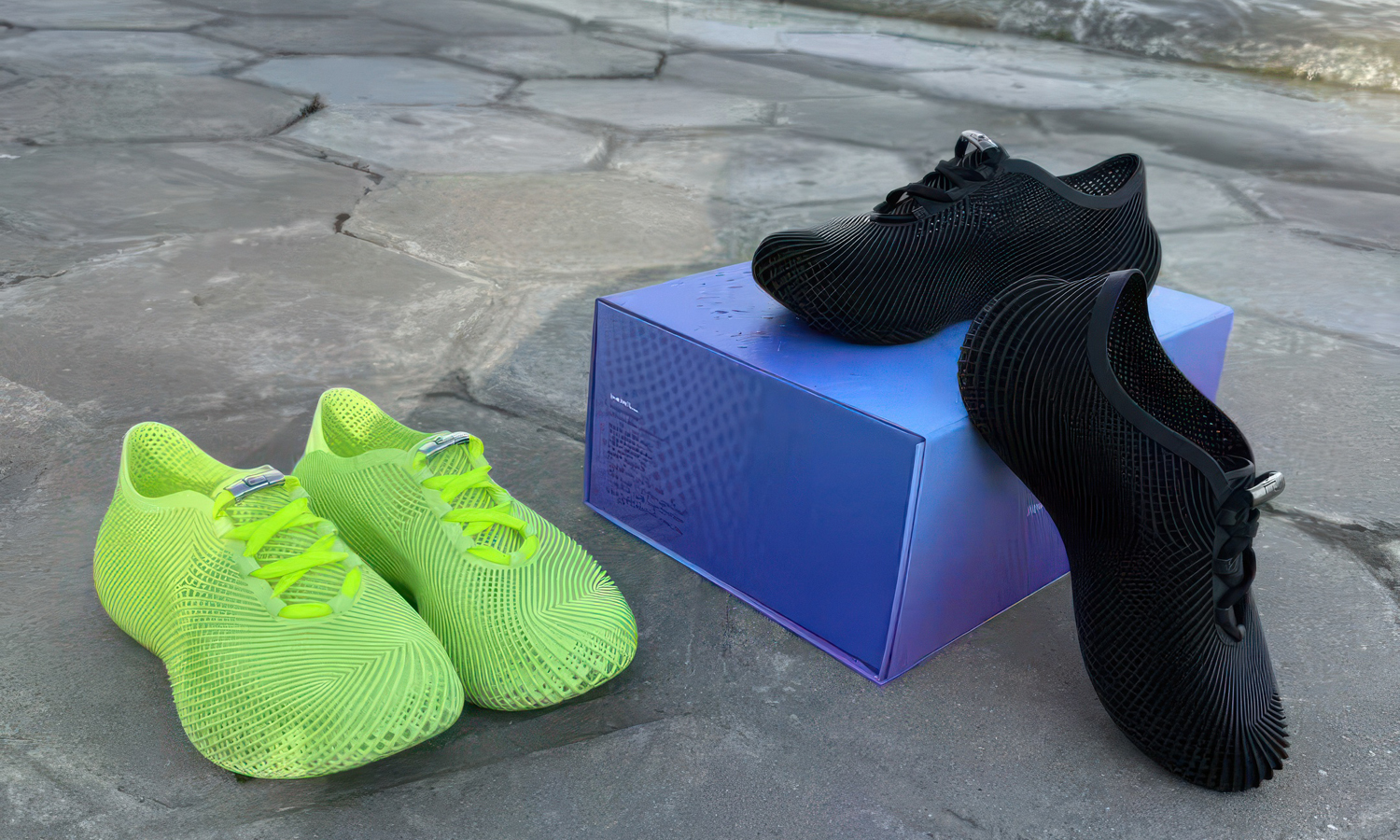
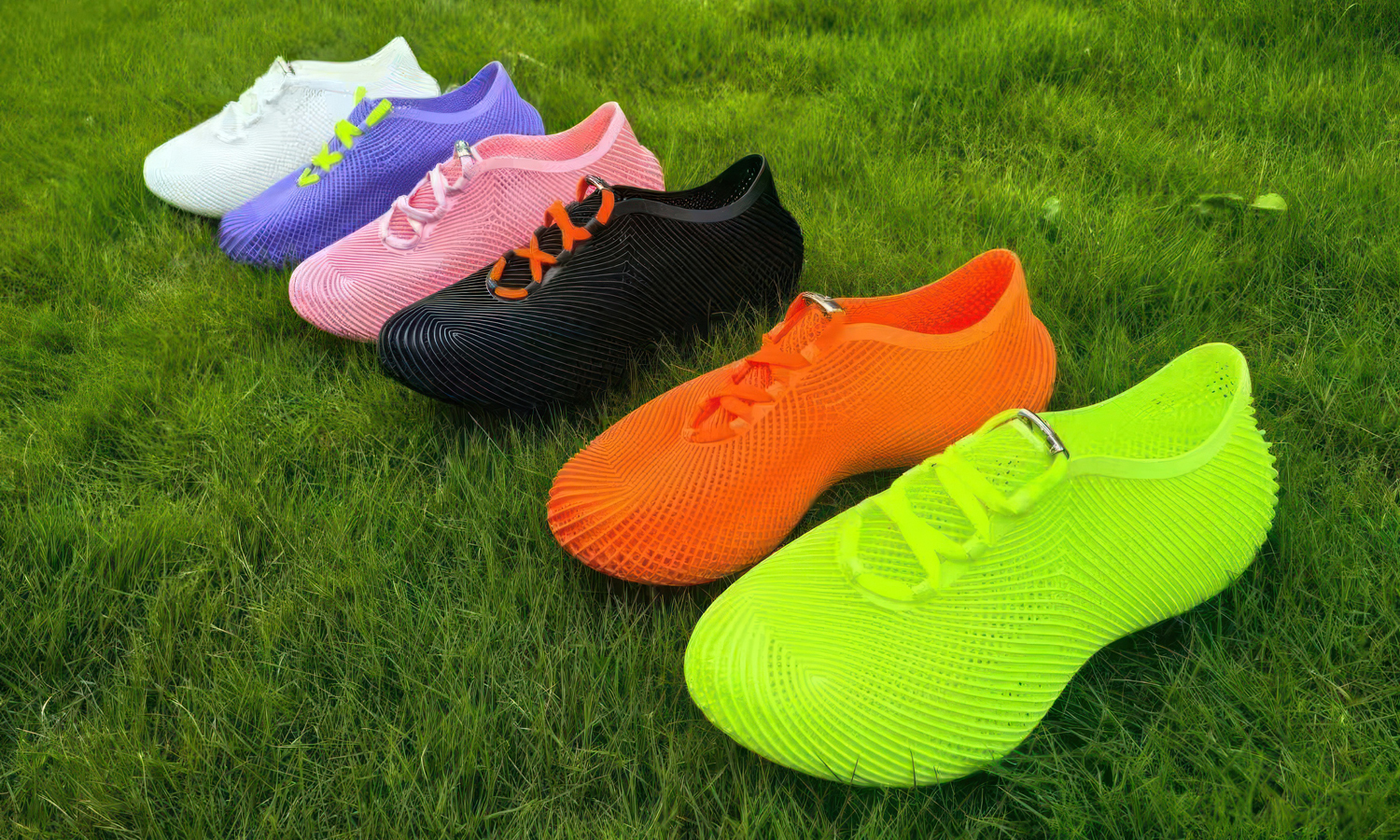
If your summer plans involve splashing through streams or navigating slippery riverbeds, your standard sneakers just won’t cut it. Meet the next generation of aquatic footwear: 3D-printed river tracing shoes. These aren’t just trendy accessories; they are high-performance tools designed specifically for the water.
What makes these shoes perfect for the river is the combination of elastomeric resin and a hyper-breathable lattice design. Unlike traditional water shoes that trap sand and stay soggy for hours, these 3D-printed marvels feature an open-cell structure that allows water to flow in and out instantly. They offer the “lockdown” feel of a sneaker with the drainage of a sieve. The material itself is naturally slip-resistant and provides a “springy” cushioning that protects your feet from jagged rocks while maintaining a firm grip on mossy surfaces. Plus, the vibrant neon colors aren’t just for style—they make your feet easily visible in murky or fast-moving water!
Ready to take your outdoor gear to the next level? FacFox’s shoe 3D printing service is the perfect partner for creating rugged, water-ready footwear. Whether you’re experimenting with avant-garde textures or functional drainage systems, FacFox utilizes industrial DLP technology and premium elastomeric resins to produce durable, high-grip shoes that perform in the toughest conditions. From vibrant color matching to specialized material selection, FacFox makes professional-grade 3D printing accessible for designers and adventurers alike. Contact FacFox today and start building the future of footwear!
Solution
- Step 1: An ergonomic, sleek footwear profile was digitally sculpted and integrated with a high-drainage internal mesh pattern using advanced CAD software.
- Step 2: The high-elasticity liquid resin was loaded into the DLP (Digital Light Processing) printer’s reservoir and leveled for precision.
- Step 3: The shoe’s complex geometry was built as a high-definition light engine projected cross-sectional images, curing the resin into solid layers in seconds.
- Step 4: Once the printing cycle was finished, the shoes were elevated from the vat and thoroughly rinsed in a specialized cleaning solution to remove residual liquid.
- Step 5: Any temporary structural supports used during the building phase were meticulously snipped away to ensure a smooth, comfortable interior.
- Step 6: A final post-curing stage was completed in a UV oven to stabilize the polymer chains, ensuring the shoes could withstand harsh river environments and constant water exposure.
- Step 7: The finished products were inspected for flexibility and then fitted with adjustable toggles and laces for a secure, custom fit.