Material Resin
Quantity 3 pcs
Price Range $100-1,000
Lead Time 2 workdays
Gallery
About Project
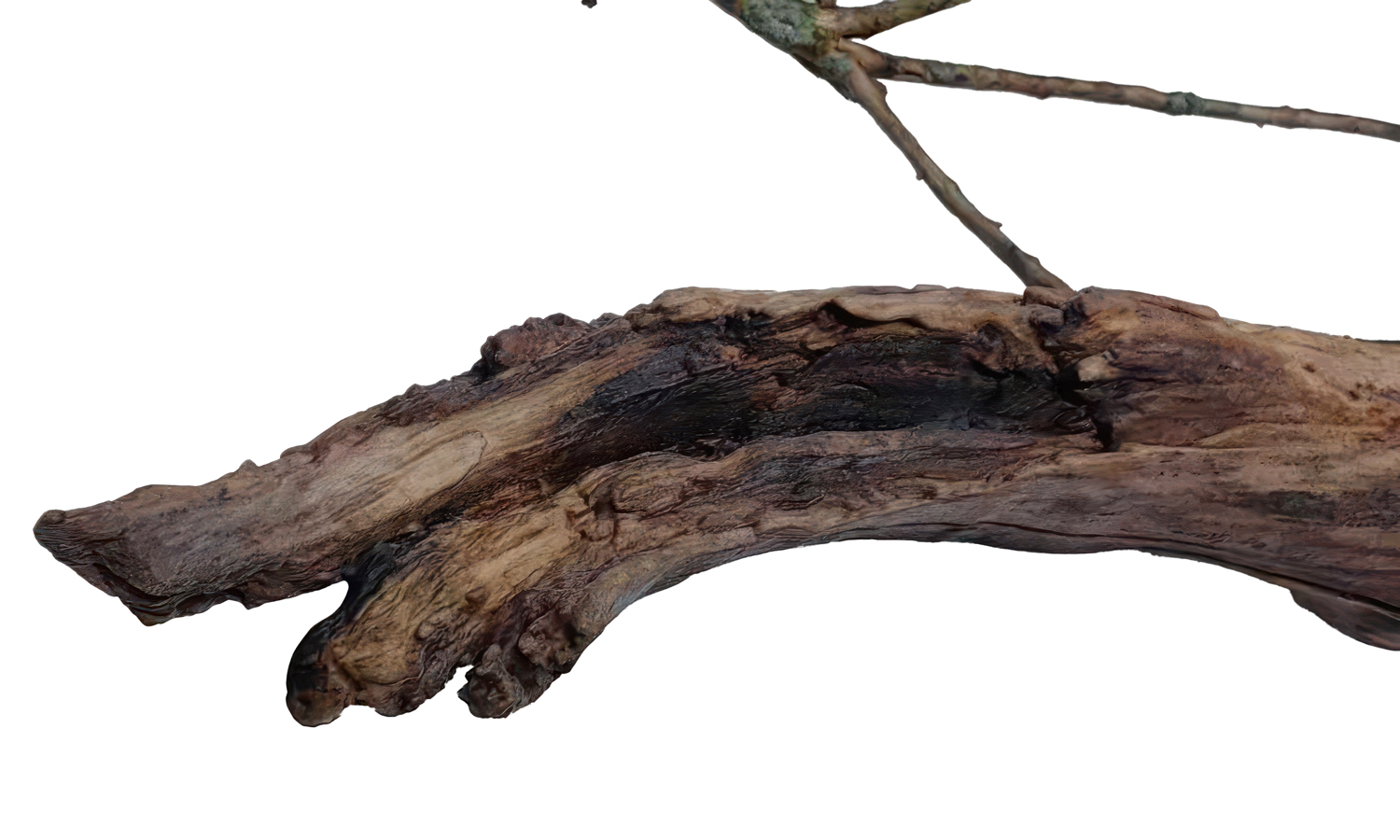
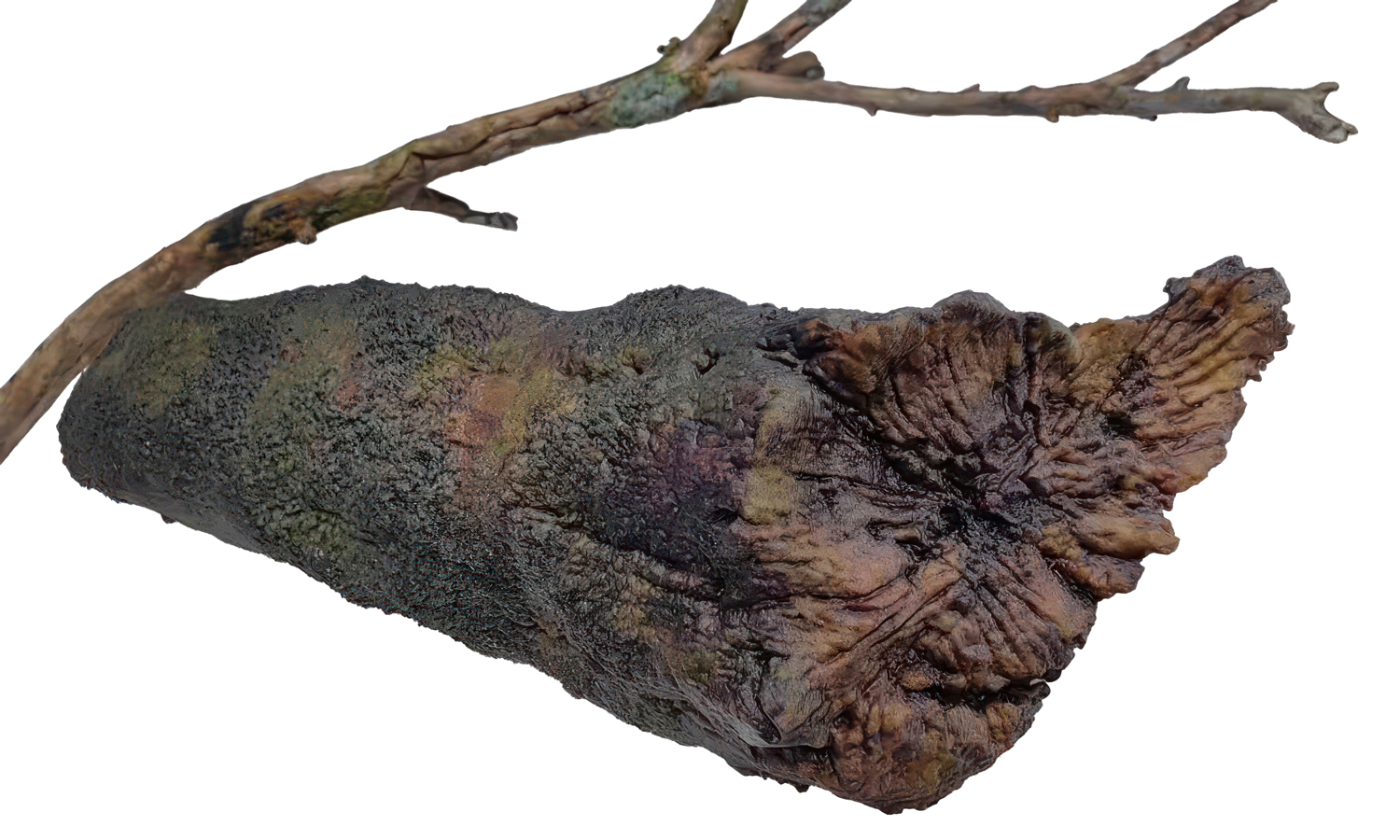
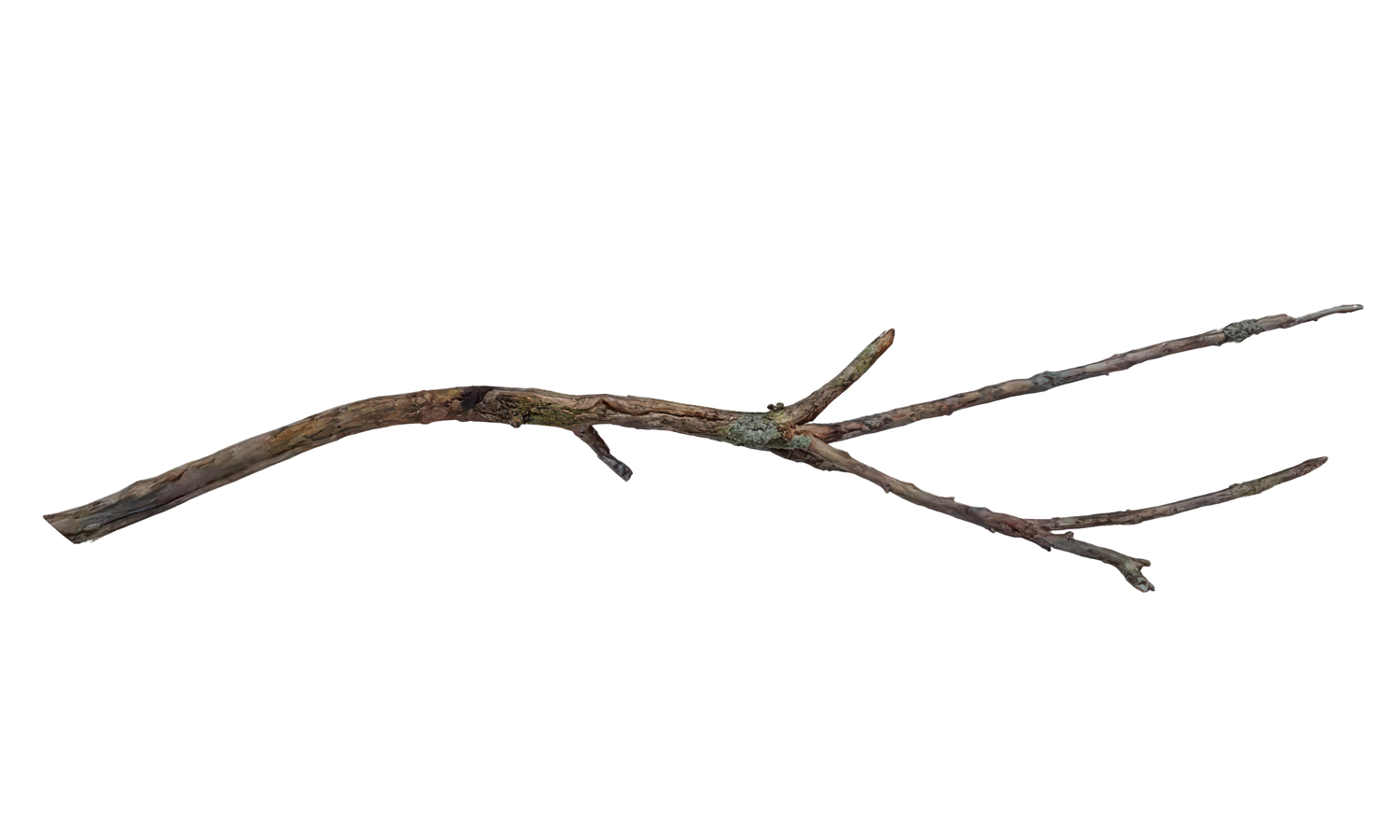
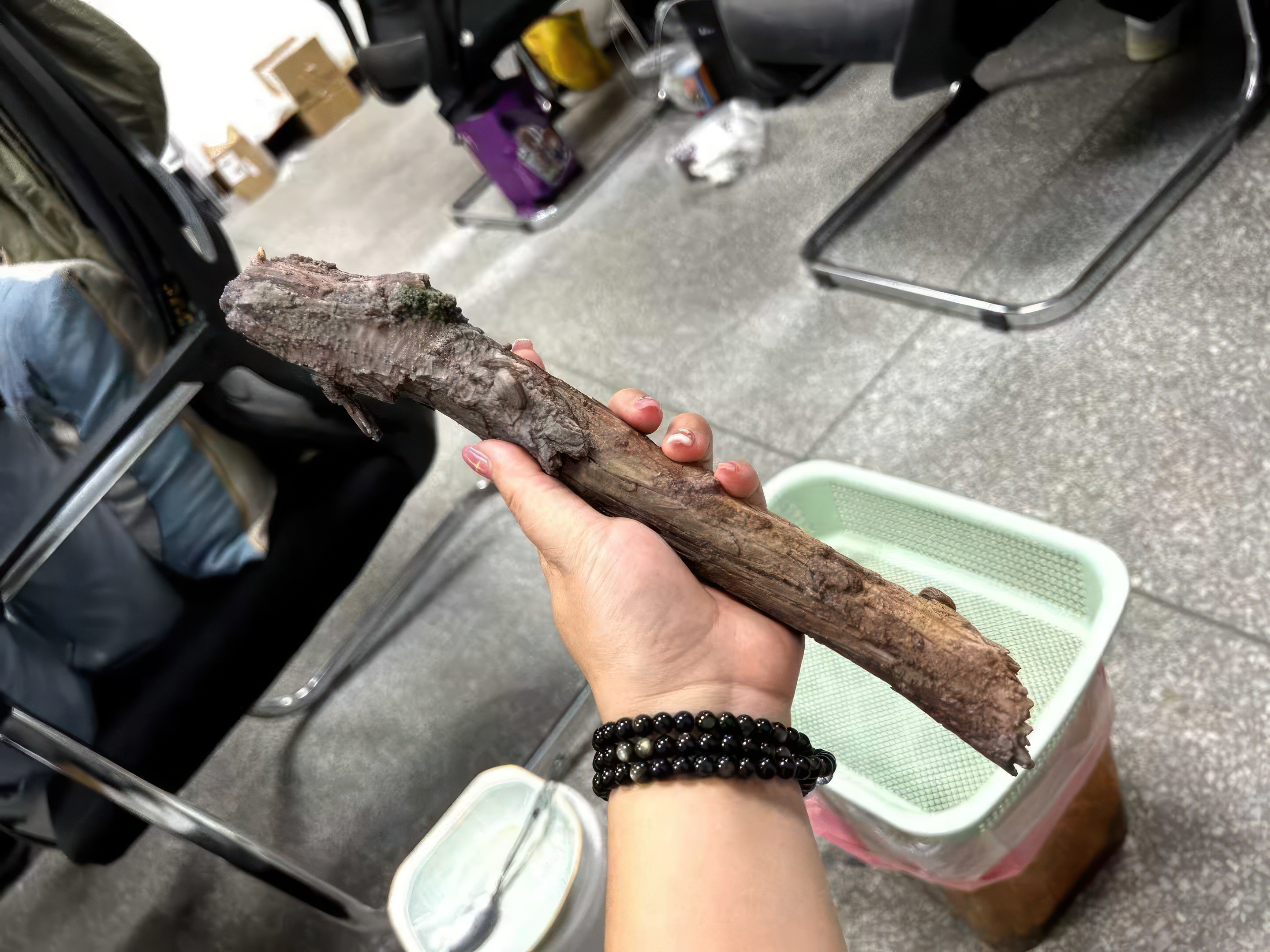
Take a look at this stick. Seriously, zoom in on the rough bark, the subtle mossy green dustings, and the raw, splintered fibers where the wood looks like it freshly snapped off a tree branch. Now, prepare to have your mind blown: it’s 100% 3D printed.
No real wood was used, and absolutely no paintbrush touched this piece. This hyper-realistic masterpiece was brought to life using cutting-edge WJP (White Jet Process) 3D printing technology.
Unlike traditional printing methods that require tedious post-processing, WJP operates at the voxel level. It blends high-resolution digital mapping with advanced liquid photopolymer jetting. Micro-droplets of liquid resin and specialized color pigments—including a white ink compensation layer—are deposited onto a build tray and instantly cured layer-by-layer under a UV light source. With layer heights as fine as 0.03mm, it captures every microscopic ridge of the bark’s geometry while simultaneously injecting vibrant, photorealistic gradients. The result is a synthetic resin model that completely mimics the chaotic, organic beauty of nature.
Looking to bring your own hyper-detailed designs, complex visual prototypes, or vibrant miniatures to physical reality? FacFox is your ultimate on-demand manufacturing partner. With our industrial-grade WJP full-color 3D printing services, you can skip the hand-painting and get ultra-smooth, high-definition parts directly from the print bed. From cinematic props and complex medical models to lifelike industrial prototypes, FacFox combines world-class printing technology with rapid global delivery. Upload your CAD files to FacFox today and watch your imagination take shape!
Solution
- Step 1: A highly detailed 3D model of the tree branch was captured via 3D scanning and digitally optimized for the printing software.
- Step 2: The digital file was sliced into micro-layers, and precise full-color texture maps were applied to the voxel data.
- Step 3: Photopolymer resins and vibrant color pigments were jetted onto the build platform in microscopic droplets through the WJP print heads.
- Step 4: Each deposited layer was instantly cured and solidified by an integrated UV light source.
- Step 5: The completed branch was removed from the print bed, and the temporary support structures were washed away to reveal the final product.