Material Plastic
Quantity 1 pcs
Price Range $1-100
Lead Time 2 workdays
Gallery
About Project
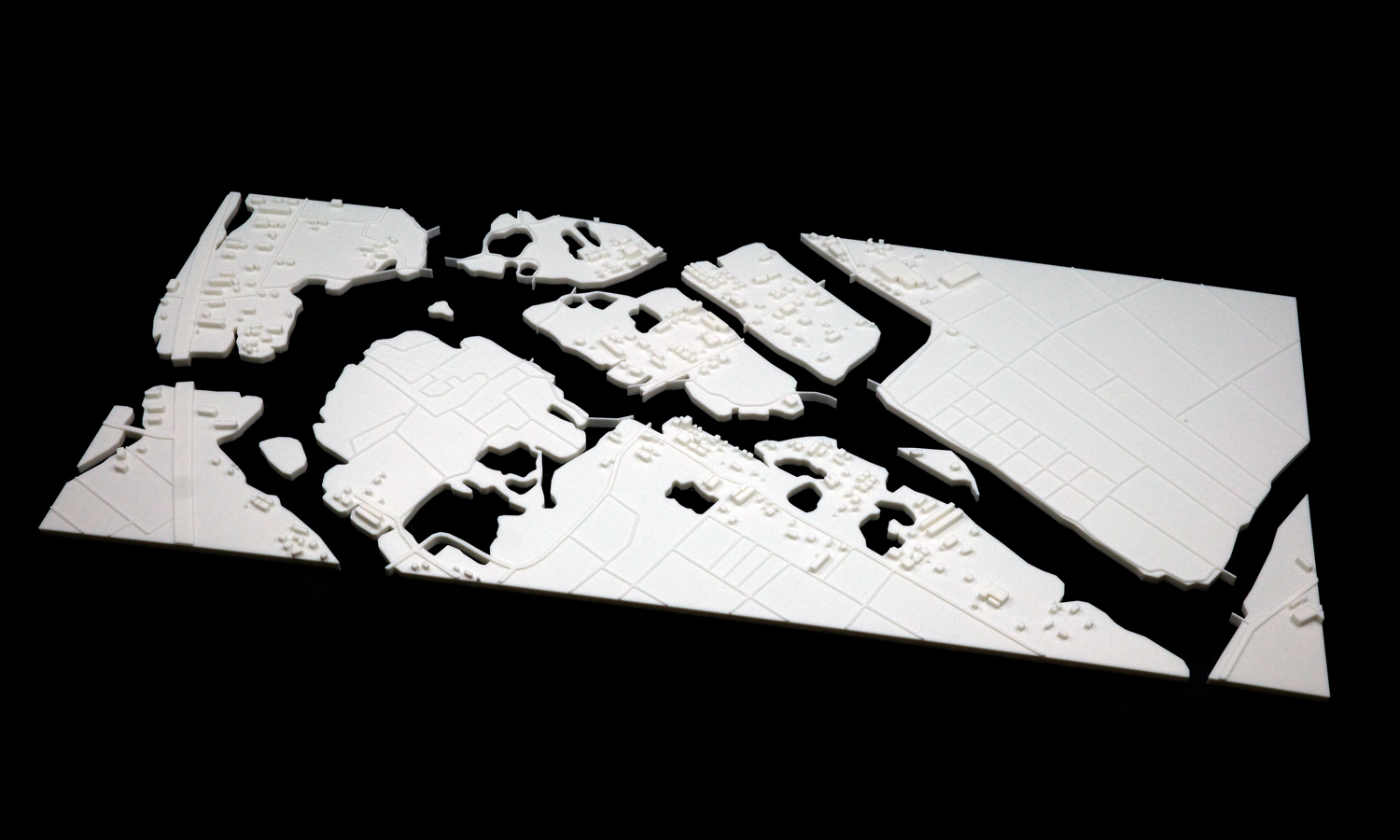
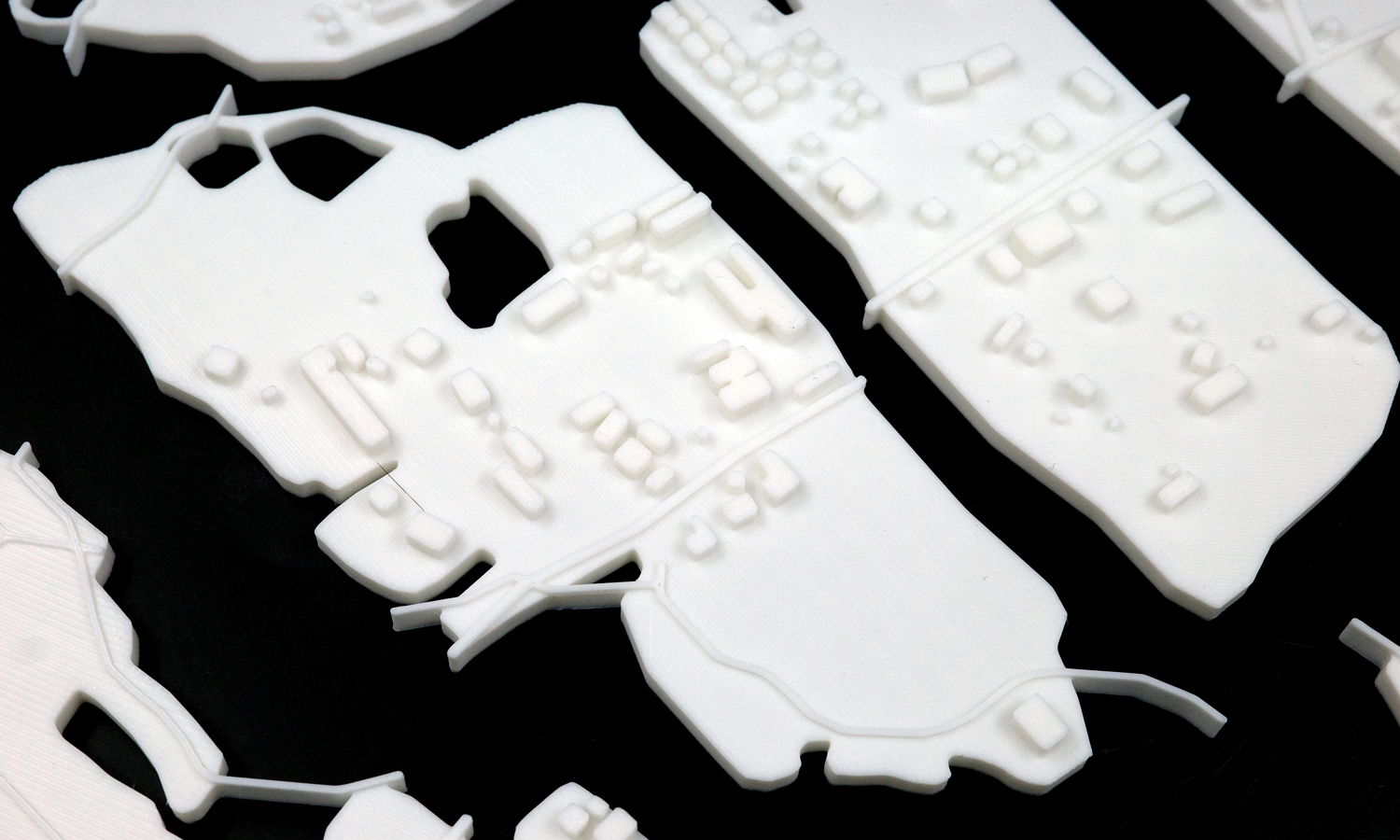
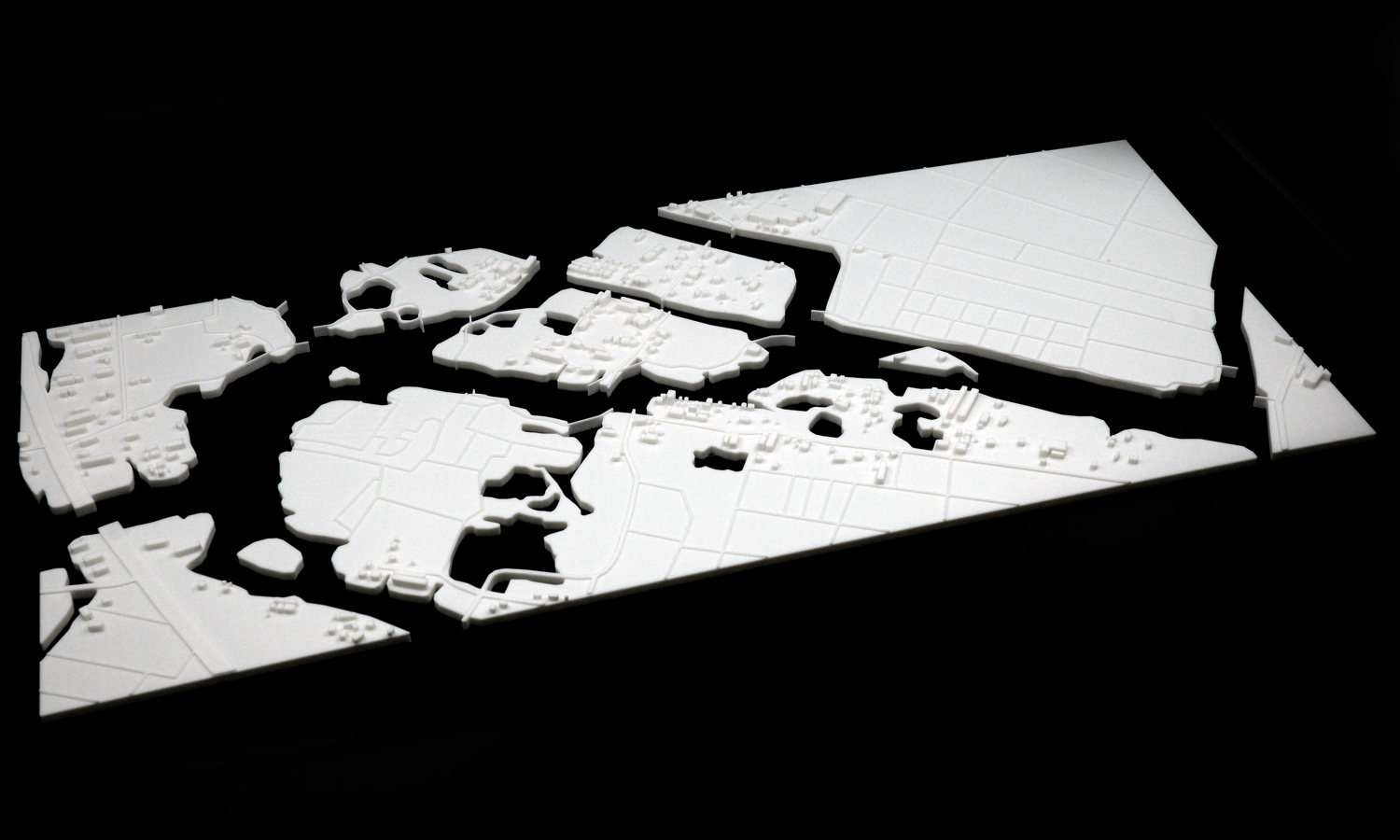
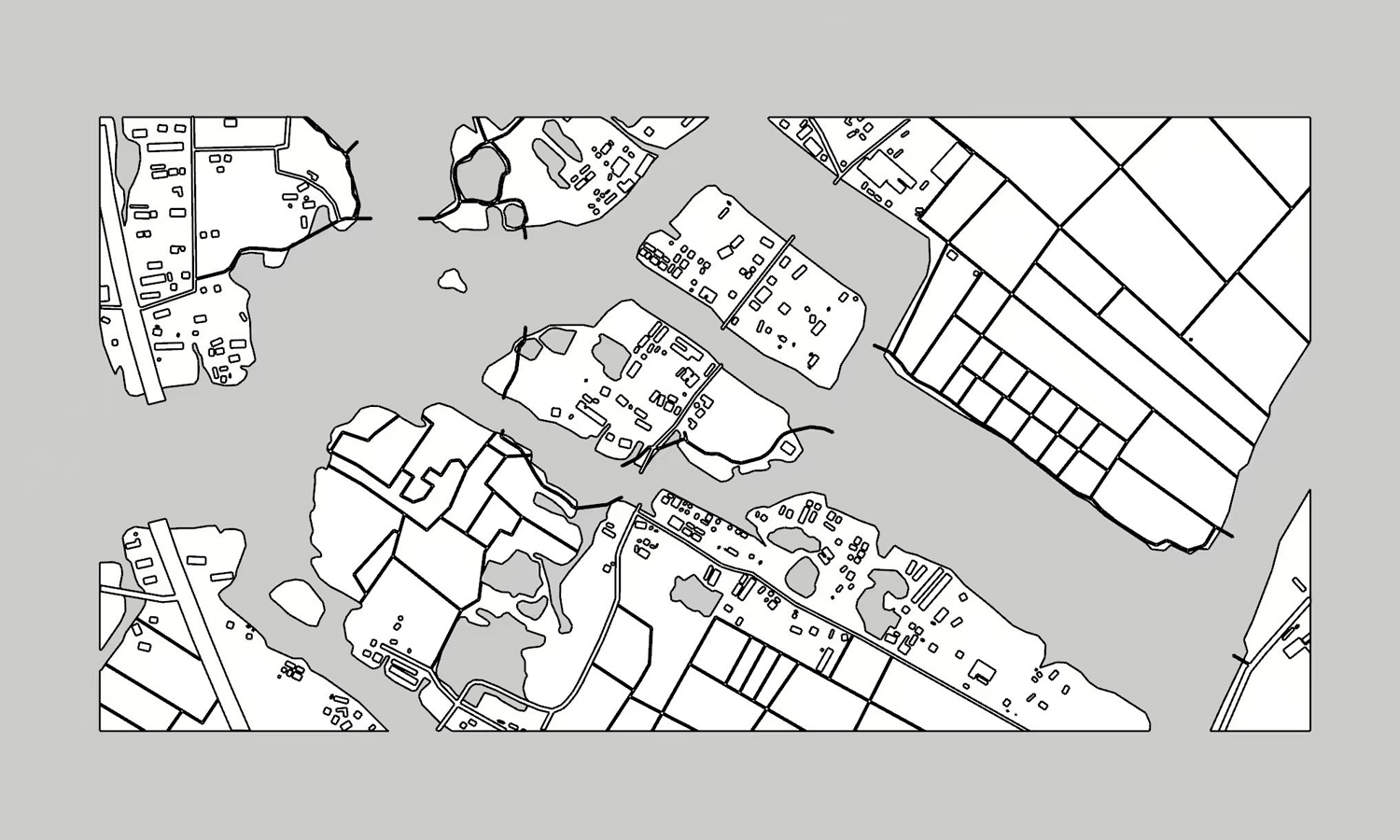
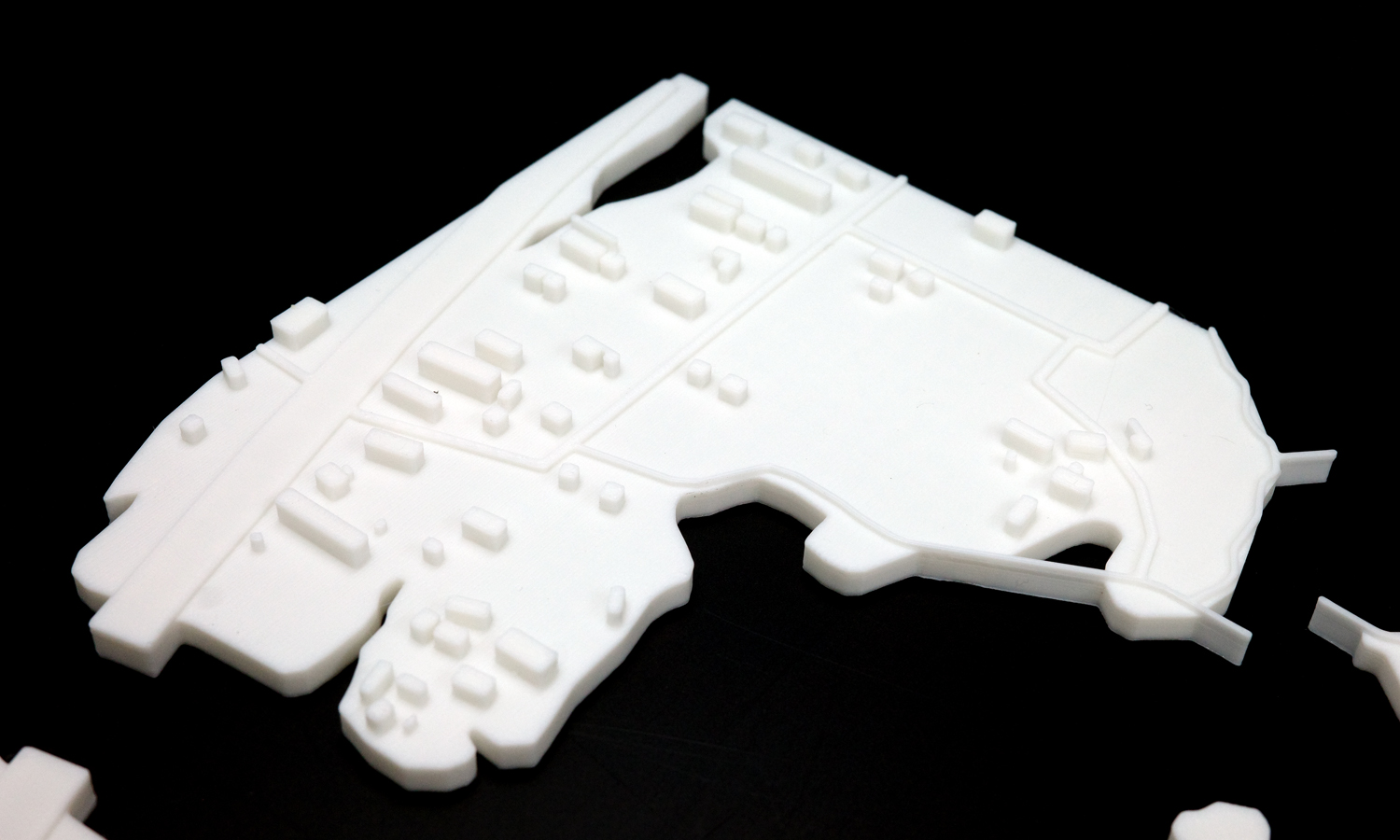
Every Game Master knows that nothing enhances a Tabletop RPG (TRPG) or D&D session quite like tactical, physical props. This striking custom terrain model brings that immersion to a whole new level, beautifully transforming a digital layout created via Watabou’s popular Village Generator into a tactile, tabletop masterpiece.
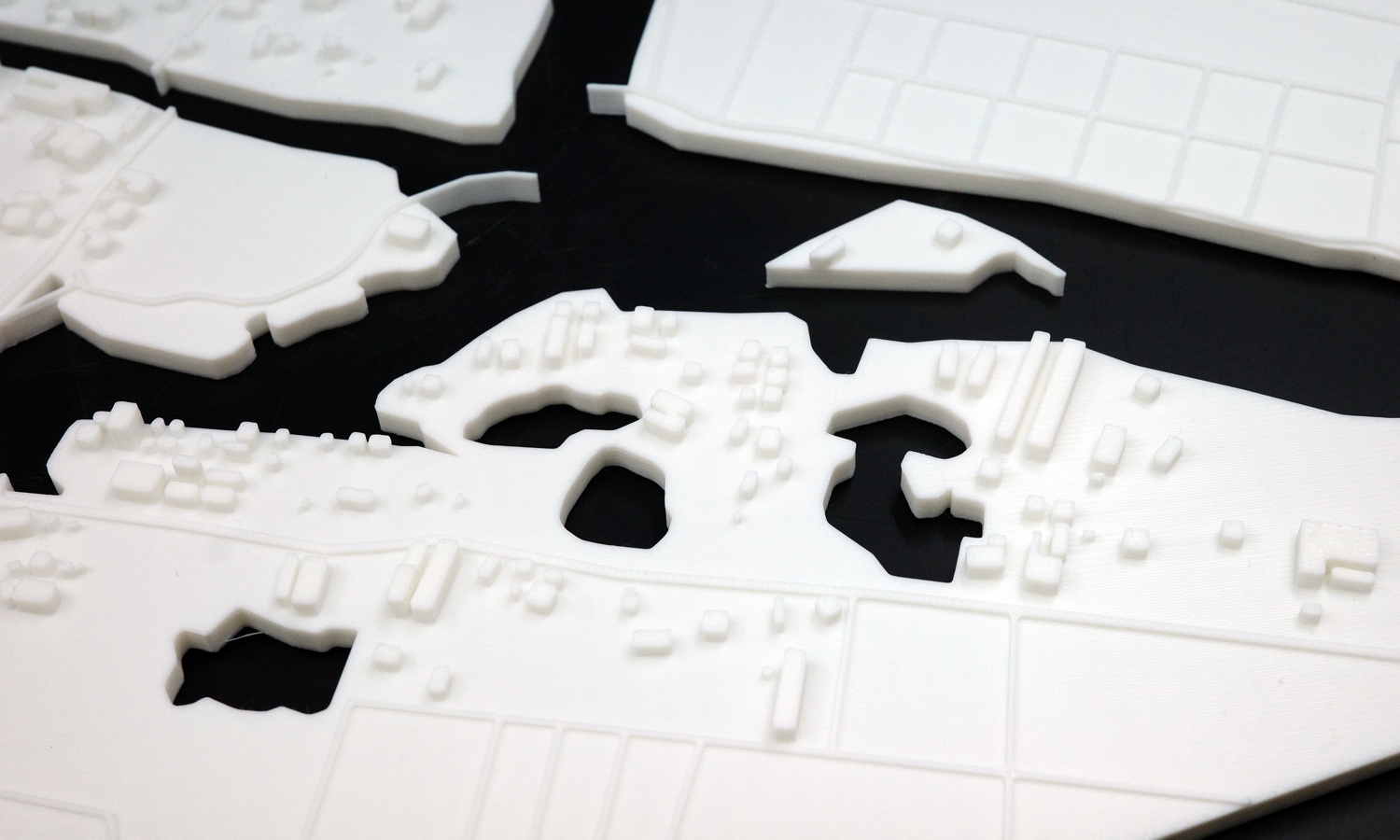
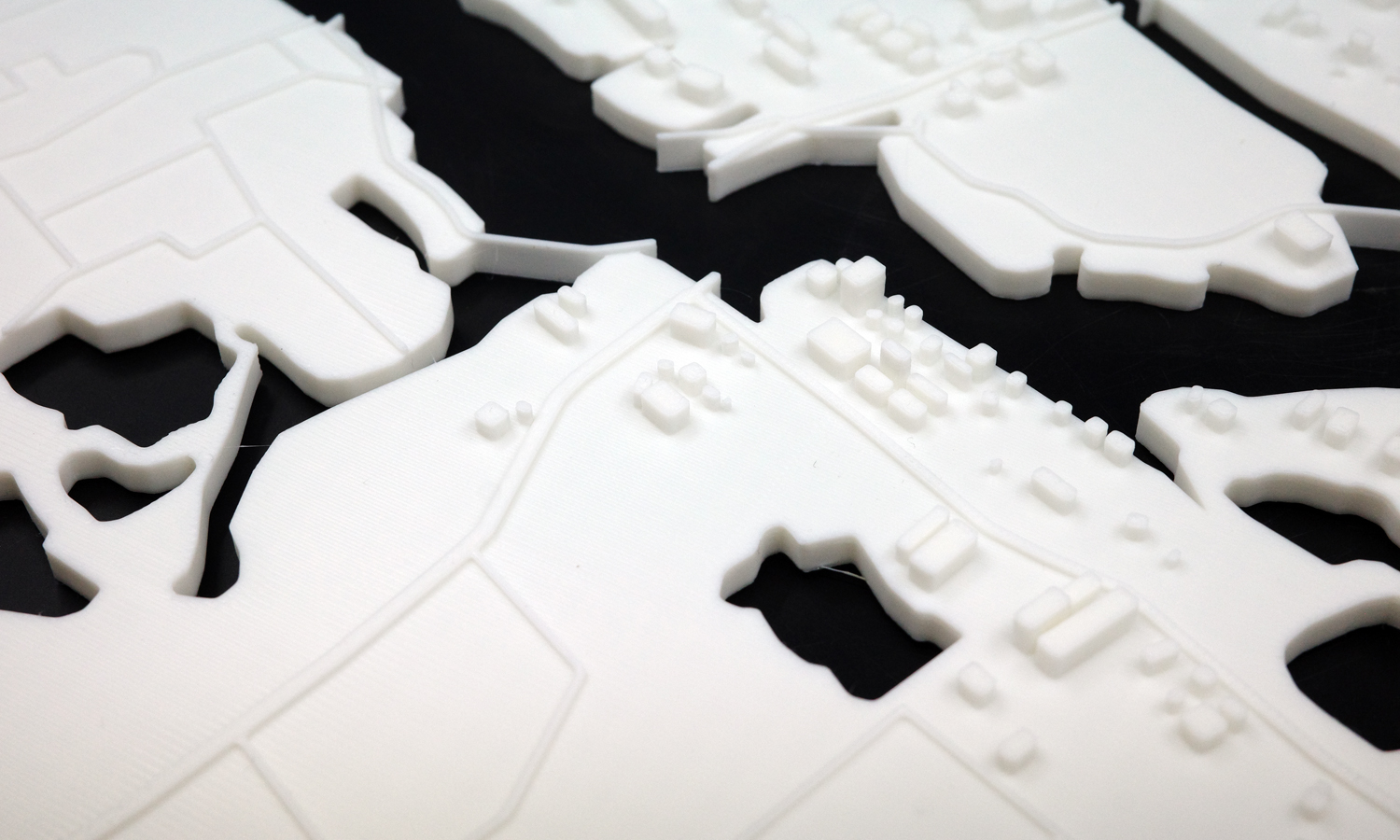
The layout perfectly captures the software’s signature aesthetic, making it an ideal centerpiece for tactical encounters. The design features individual landmasses separated by crisp waterways. On one side, a geometric grid pattern provides a clear reference for movement or planned urban sectors. Across the channels, scattered islands host dozens of micro-scale, blocky buildings representing a fantasy settlement. Tiny bridges span the narrow straits, connecting the separate components into a cohesive, interactive map ready for your miniatures.
The manufacturing quality showcases the incredible precision achievable with modern FDM (Fused Deposition Modeling) 3D printing. Printed in a clean, matte white material, the model boasts remarkable definition. Every tiny rectangular building, thin connecting bridge, and raised road network stands out with crisp, sharp edges. The smooth finish minimizes visible layer lines, preserving the minimalist aesthetic of the digital asset while offering a premium, durable feel built to withstand countless gaming sessions.
If you want to upgrade your next DND campaign, bring your own Village Generator designs, or print custom TRPG battle maps with this level of pristine quality, FacFox is here to help. As a leading provider of professional 3D printing services, FacFox offers advanced FDM, SLA, and SLS technologies to accommodate any scale or detail required for your tabletop gaming needs. Our expert team ensures quick turnaround times and meticulous attention to detail. Upload your design to FacFox today and transform your digital worldbuilding into a tangible masterpiece!
Solution
- Step 1: The 2D vector map layout generated from Watabou’s Village Generator was exported and converted into a manifold 3D digital model with extruded architectural elements and topography.
- Step 2: The finalized 3D model was imported into a slicing software where optimal print parameters, including a 0.15mm layer height and a grid infill pattern, were configured.
- Step 3: High-quality white PLA filament was loaded into an industrial FDM 3D printer, and the build plate was calibrated and leveled for maximum adhesion.
- Step 4: The thermoplastic material was heated to its melting point, extruded through a fine nozzle, and deposited layer by layer onto the heated bed to construct the terrain segments.
- Step 5: After cooling, the completed individual landmass pieces were carefully removed from the build plate and inspected for dimensional accuracy and surface sharpness.
- Step 6: Minor support structures and stray plastic strands were meticulously cleaned by hand to ensure pristine definition of the micro-scale buildings and narrow bridges.