Material Resin
Quantity 1 pcs
Price Range $100-1,000
Lead Time 8 workdays
Gallery
About Project
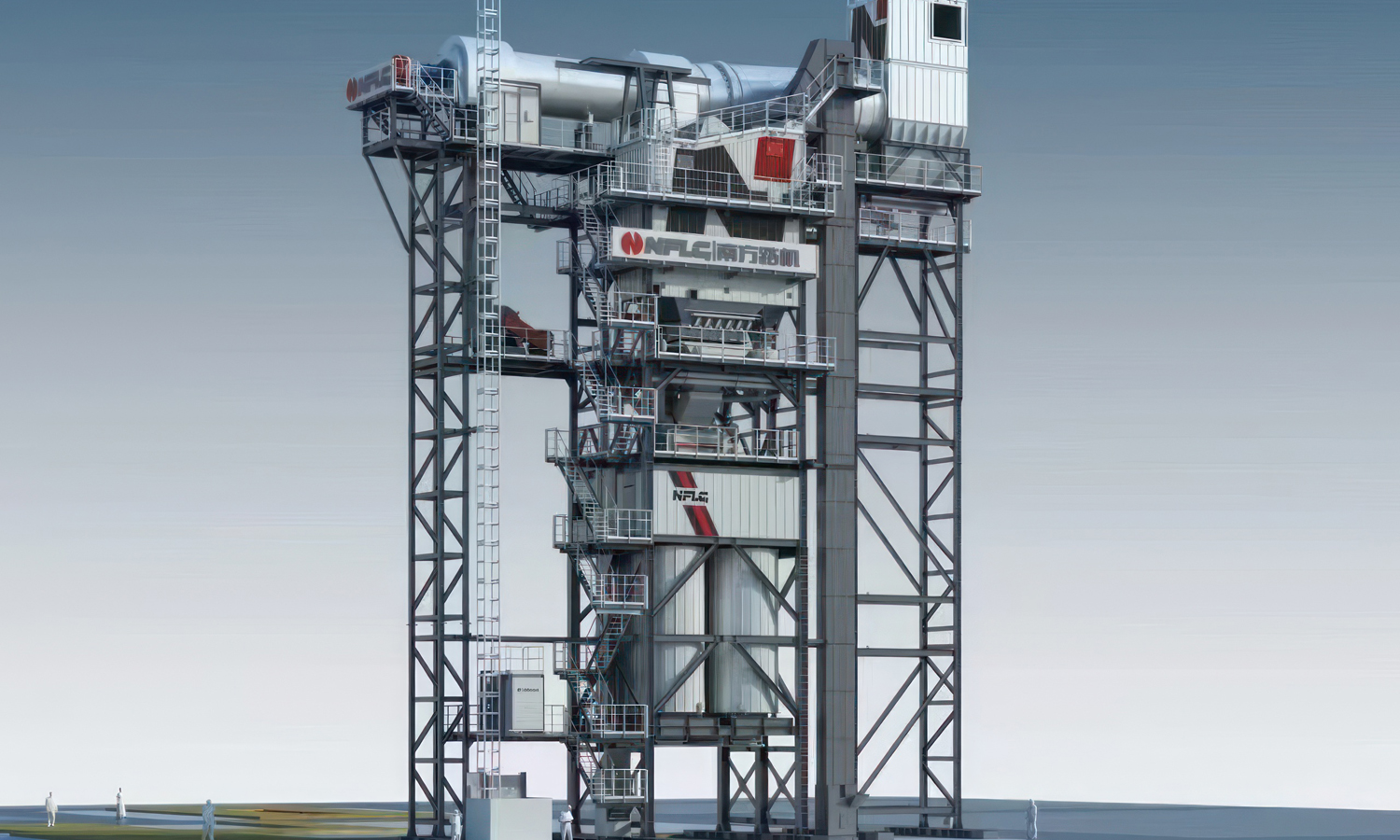
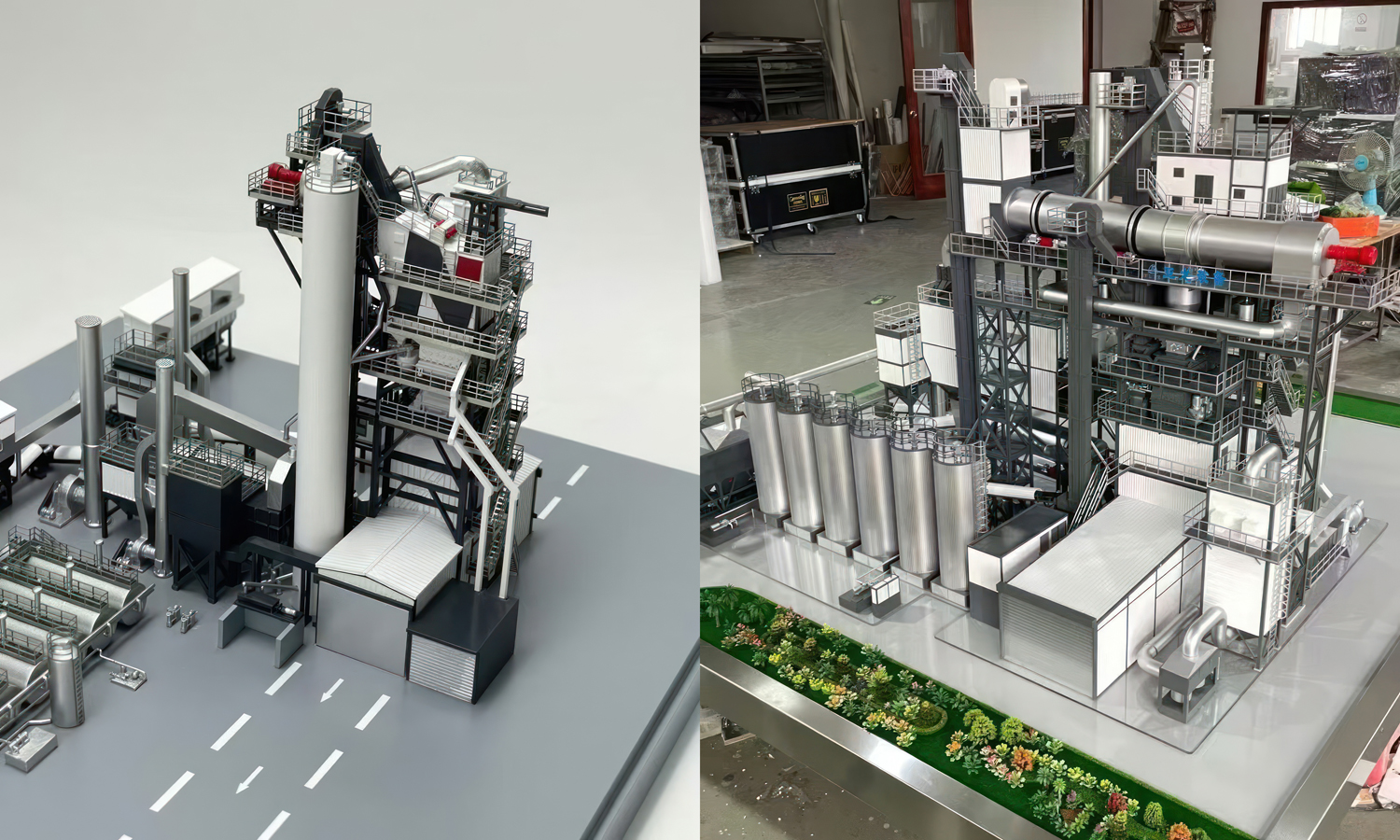
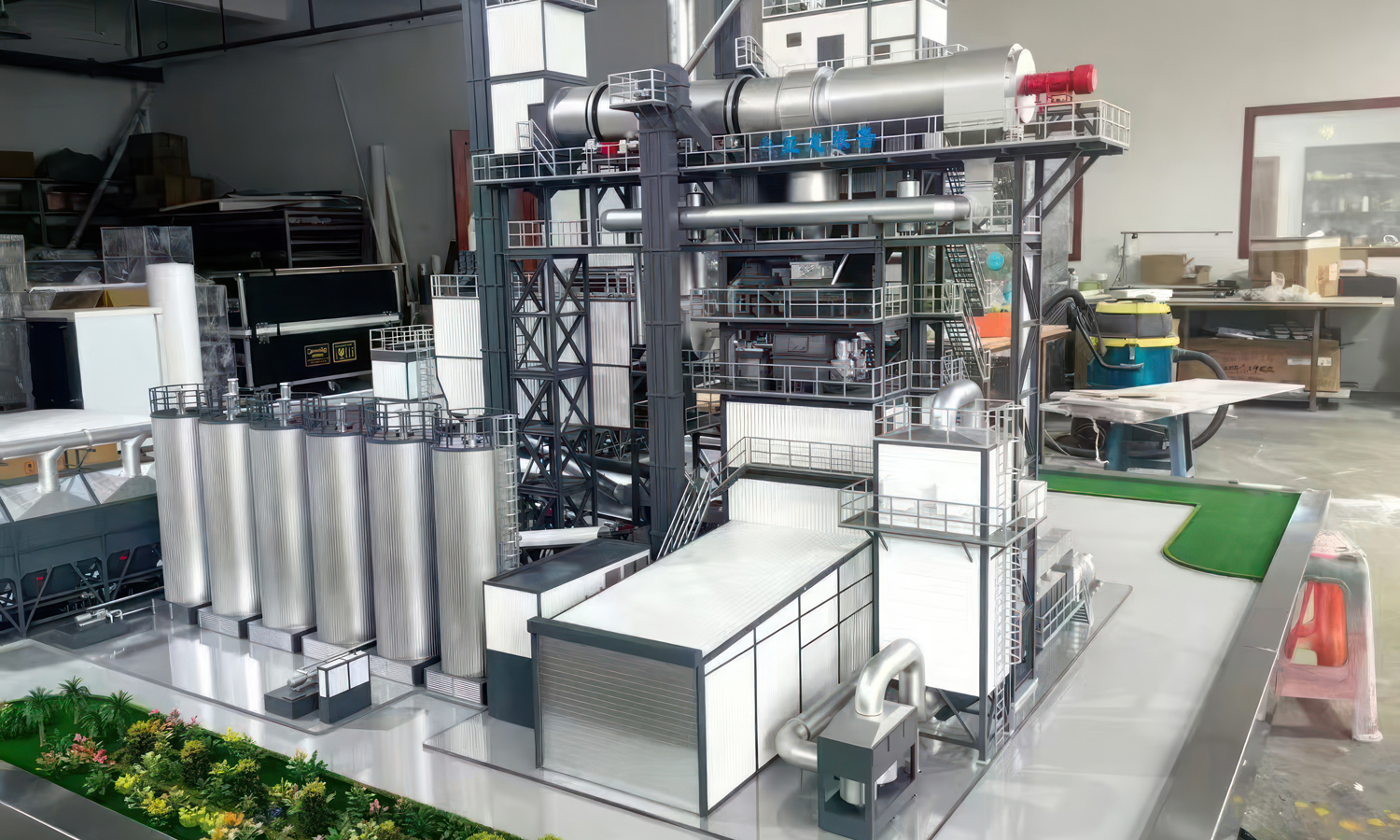
Industrial projects often involve immense scale and complex engineering, making it a challenge to showcase the full scope of a facility in a boardroom or at an exhibition. These high-fidelity 3D-printed models of NFLG and TTM asphalt mixing plants perfectly bridge that gap, translating massive structural achievements into intricate, tangible masterpieces.
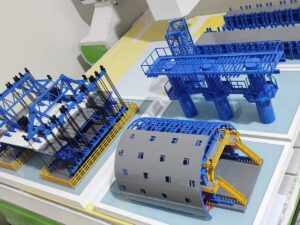
Every detail—from the modular aggregate bins and drying drums to the winding staircases and conveyor systems—has been captured with remarkable precision. The sharp lines of the steel framework and the smooth finish of the storage silos reflect the advanced manufacturing techniques used to create them. Whether it’s the integrated hot recycling technology of the NFLG units or the stationary batching efficiency of the TTM series, these models serve as powerful visual tools for project planning, client presentations, and technical demonstrations.
Beyond their functional use, these scale models are a testament to how modern manufacturing can bring industrial visions to life. If you are looking to transform your complex designs into high-quality physical replicas, FacFox’s 3D printing services offer the expertise you need. Utilizing state-of-the-art industrial printers and a wide range of materials, FacFox provides a seamless one-stop solution for creating professional-grade industrial models that leave a lasting impression.
Solution
- Step 1: Detailed CAD files were meticulously optimized for 3D printing to ensure that thin-walled structures and fine railings maintained structural integrity.
- Step 2: High-resolution SLA (Stereolithography) technology was selected to capture the complex geometries and smooth surfaces required for the plant components.
- Step 3: The individual modules were printed using durable photosensitive resin, after which they were cleaned in an isopropyl alcohol bath to remove excess material.
- Step 4: Support structures were carefully removed by hand, and each part was subjected to UV curing to achieve maximum material strength.
- Step 5: Surfaces were sanded and polished to eliminate layer lines, ensuring a professional, industrial-grade finish across all silos and conveyors.
- Step 6: A multi-stage painting process was executed, where metallic silver, industrial gray, and brand-specific accent colors were applied via airbrushing.
- Step 7: Custom decals and branding logos were applied to the facade, followed by the final assembly of all components onto a custom-built display base.