Material Resin
Quantity 1 pcs
Price Range $100-1,000
Lead Time 3 workdays
Gallery
About Project
Achieving a seamless widebody fitment used to require weeks of manual labor and endless clay modeling. Today, FacFox is redefining the workflow with a high-precision, digital-first approach to automotive customization.
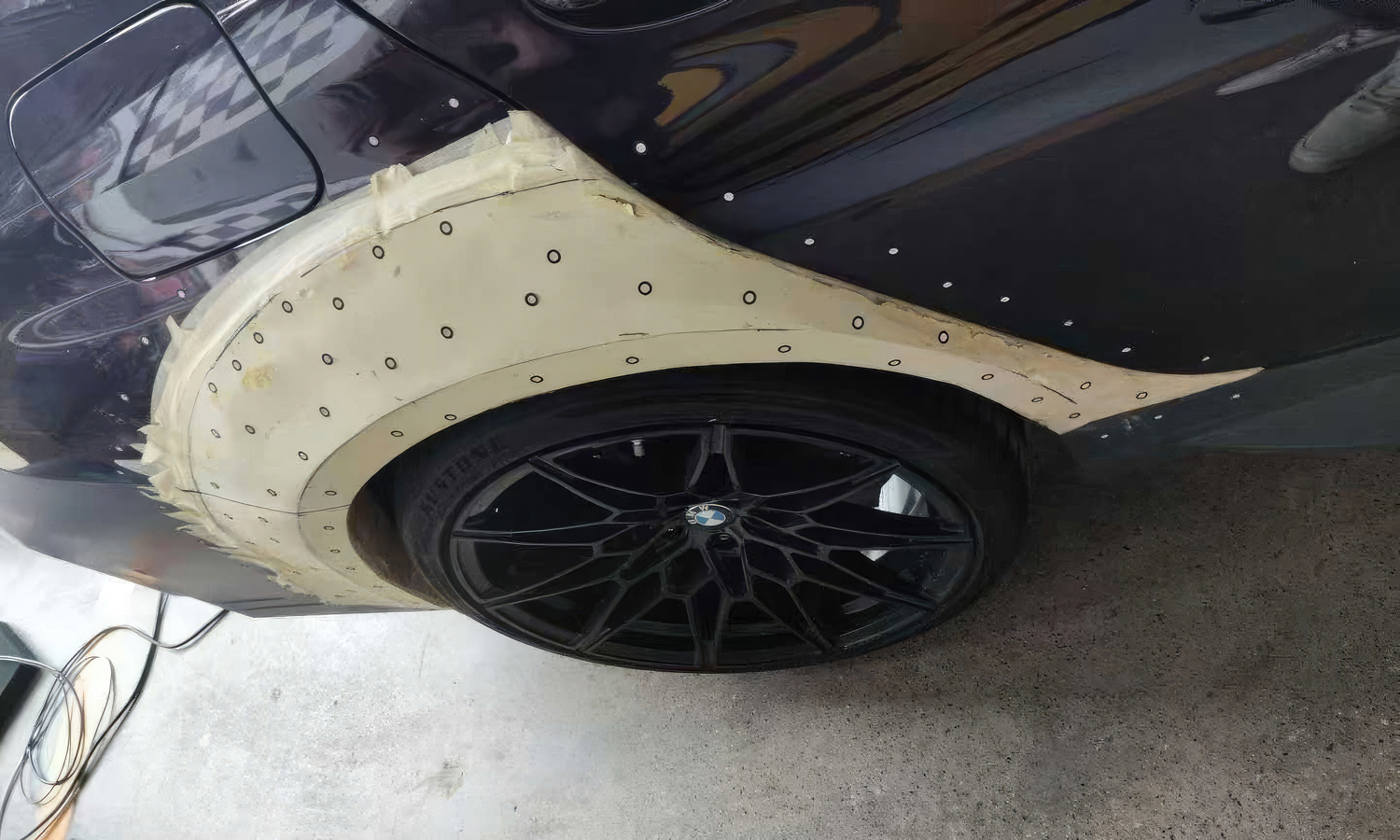
As showcased in this BMW M3 project, our process begins with professional 3D Scanning (currently exclusive to our China-based service centers ). By utilizing markers and specialized opacifiers, we capture every nuance of the vehicle’s chassis with sub-millimeter accuracy.
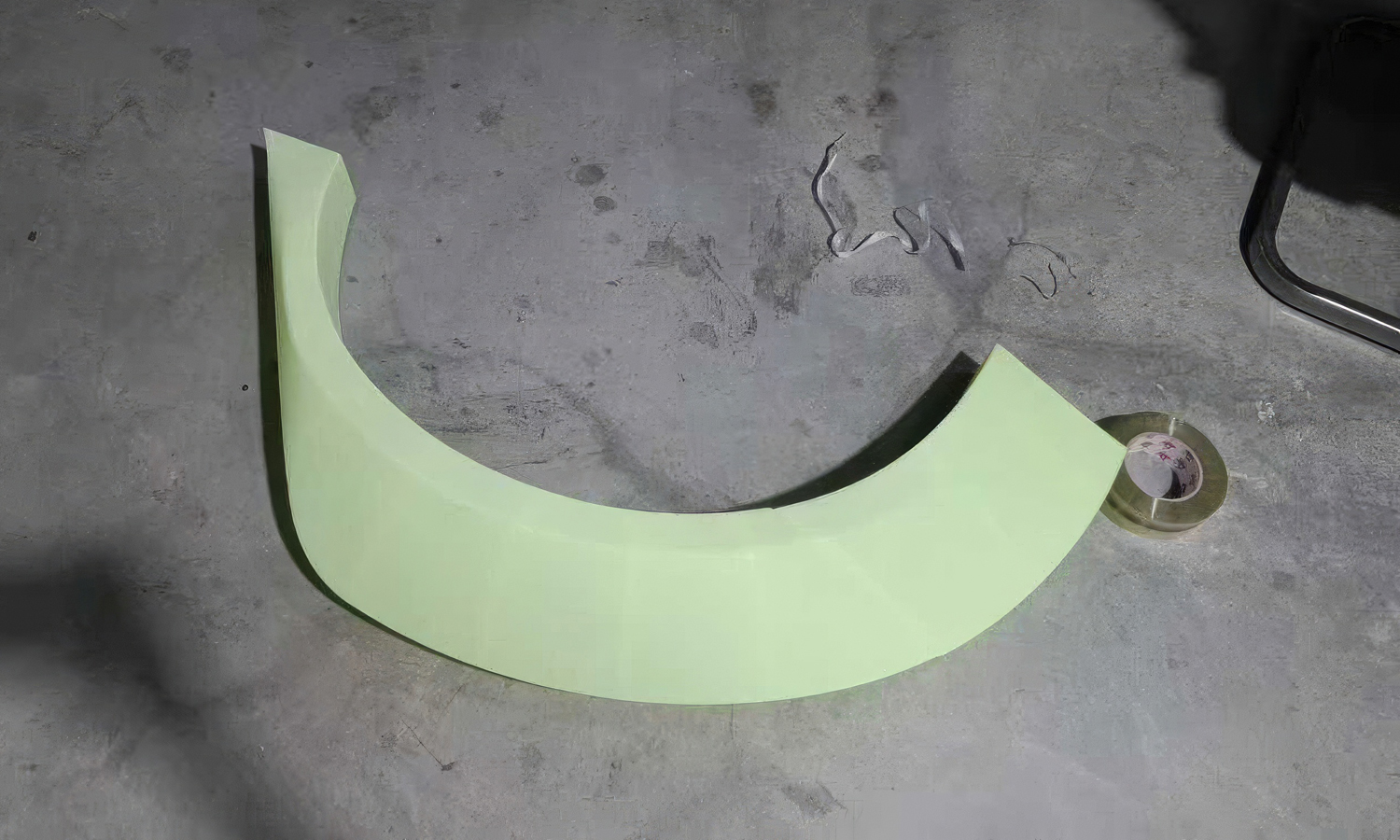
This digital “DNA” allows engineers to design custom aero kits that respect factory shut lines and fuel door clearances perfectly. The transition from virtual design to physical reality is then bridged by our SLA 3D Printing technology. Using high-performance resins like Tough or ABS-like , we produce full-scale master patterns for:
- Rapid Fitment Testing: Validate aerodynamics and aesthetics before final production.
- Master Tooling: Create flawless plugs for high-end carbon fiber or FRP molding.
- Bespoke Prototyping: Accelerate R&D for limited-edition styling kits.
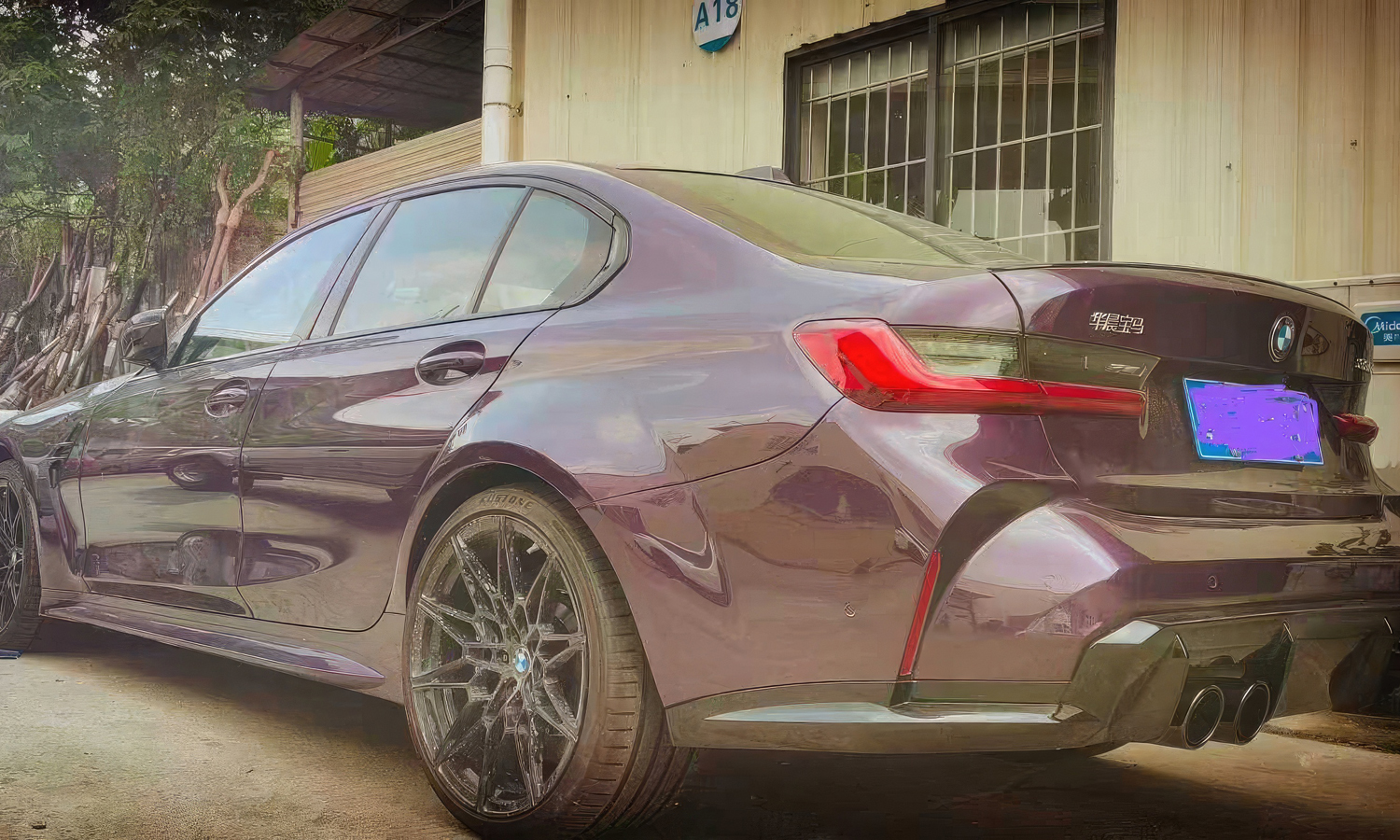
Whether you are an independent tuner or a global styling house, FacFox provides the technical backbone for your most ambitious builds. From the initial scan in China to global 3D printing delivery, we turn your sketches into street-ready masterpieces.
Solution
- Step 1: The vehicle surface was prepared with masking tape and high-contrast markers to establish a digital coordinate system.
- Step 2: A matte opacifier was applied to the glossy paintwork to eliminate interference during the light-reflection process.
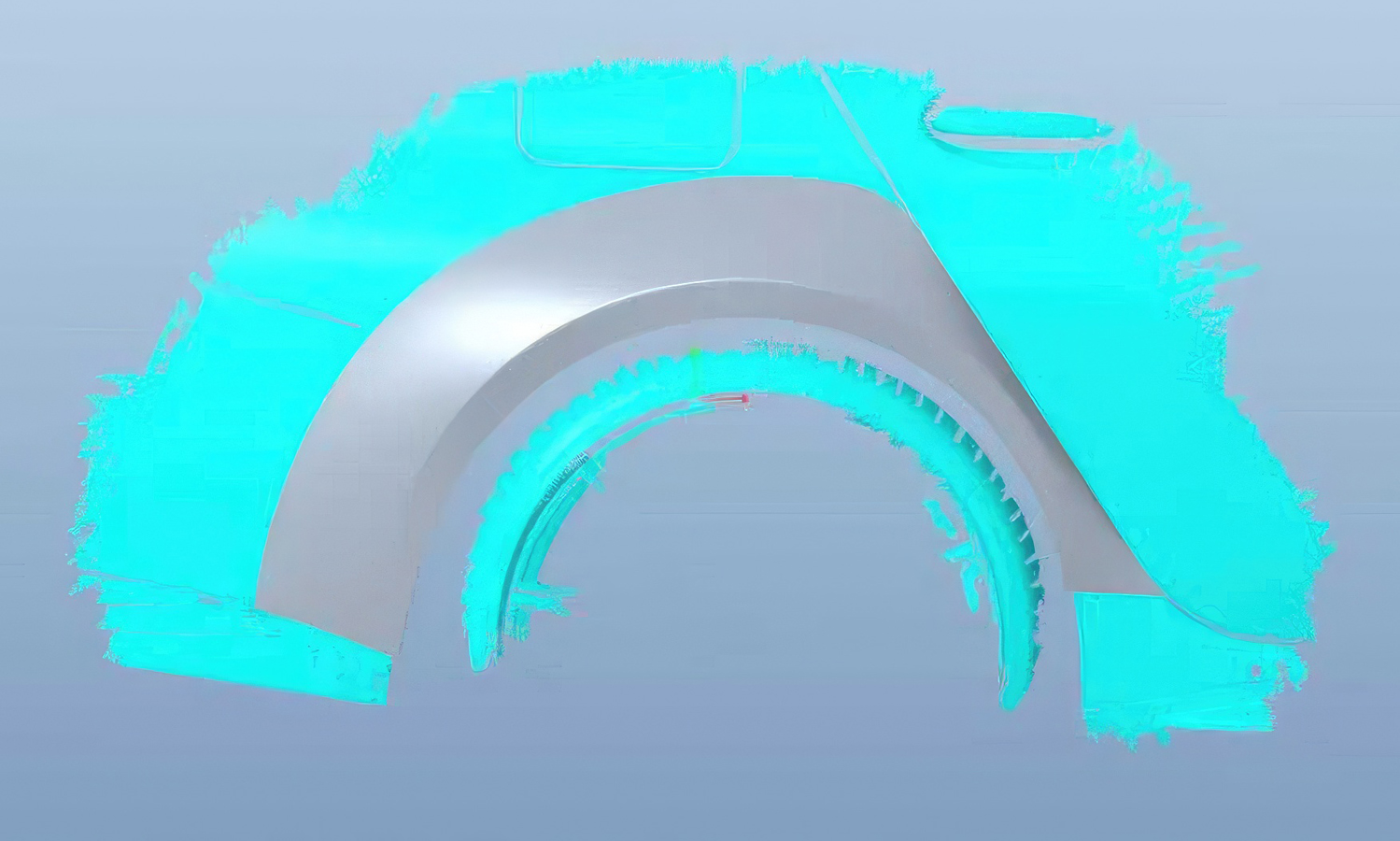
- Step 3: The high-resolution spatial data were captured via industrial 3D scanners at our specialized facility in China.
- Step 4: A precise digital twin of the chassis was generated from the raw point cloud data using reverse engineering software.
- Step 5: Custom widebody components were modeled digitally to ensure perfect alignment with factory shut lines and fuel ports.
- Step 6: The finalized CAD designs were exported to SLA 3D printers for high-fidelity physical realization.
- Step 7: The master prototypes were printed using industrial-grade Tough or ABS-like resins for fitment verification.
- Step 8: The 3D-printed patterns were utilized as master plugs for the subsequent molding of carbon fiber or FRP components.