Revolutionizing Manufacturing with 1200F PA12 3D Printing
Posted on 2026-03-19 in Consumer · 消费品
Gallery
About Project
In modern manufacturing, balancing speed, customization, and material performance is a constant challenge. Recent case studies using 1200F PA12 (Nylon) demonstrate how 3D printing is bridging the gap between design and functional end-use parts.
Diverse Applications, Proven Results
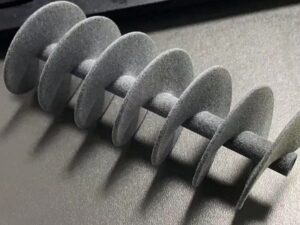
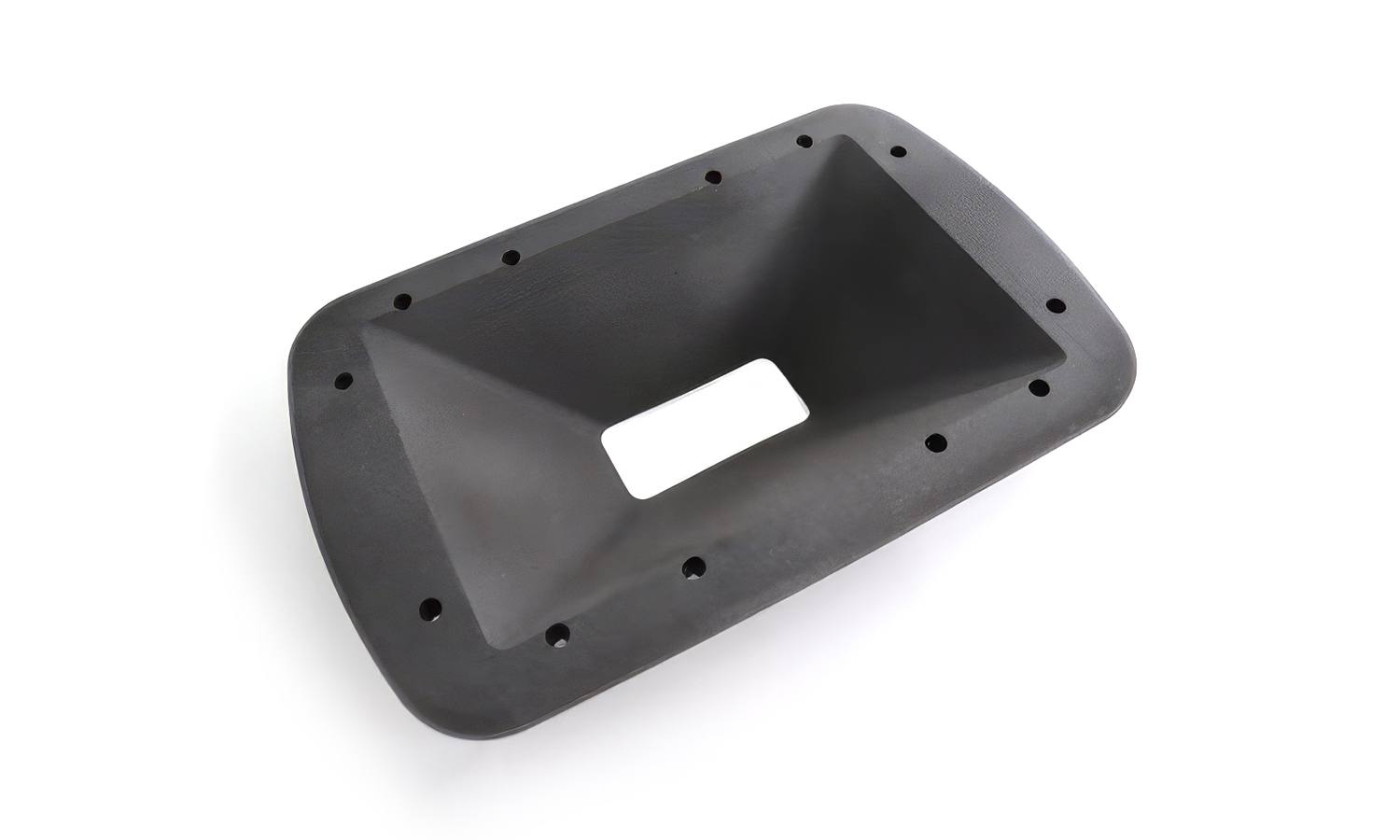
- Industrial Equipment: For a machine feeding inlet, the priority was high strength and rapid small-batch supply. By utilizing 1200F material on high-speed “flight” equipment, the production cycle was slashed by 1/3, ensuring the customer’s assembly line stayed on schedule without sacrificing part durability.
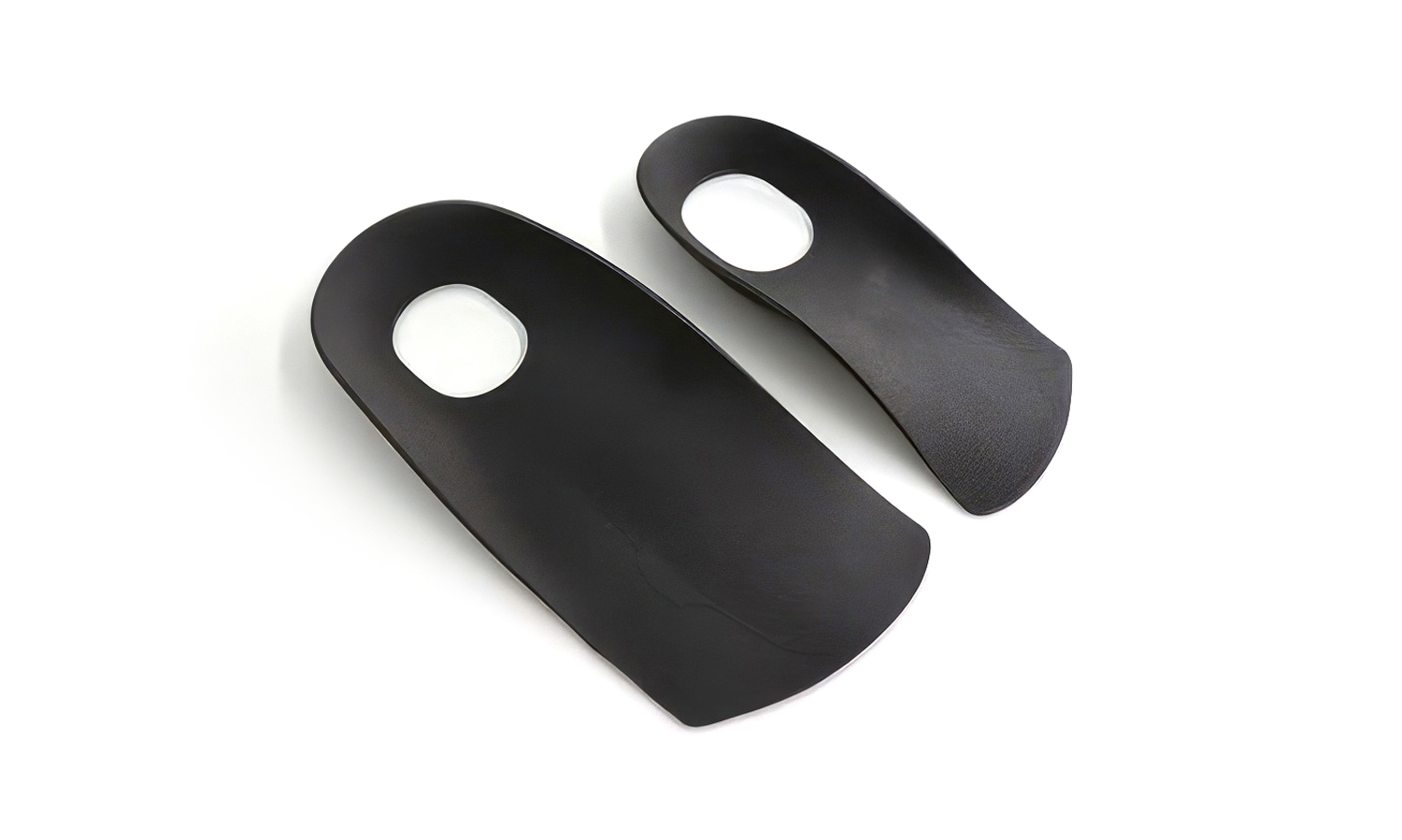
- Medical Personalization: Custom orthopedic insoles require unique geometries for every patient. Traditional molding is too slow and costly for such variety. 3D scanning combined with 1200F Nylon provides the perfect balance of toughness and flexibility, delivering a comfortable, anti-slip fit that is neither too hard nor too soft.
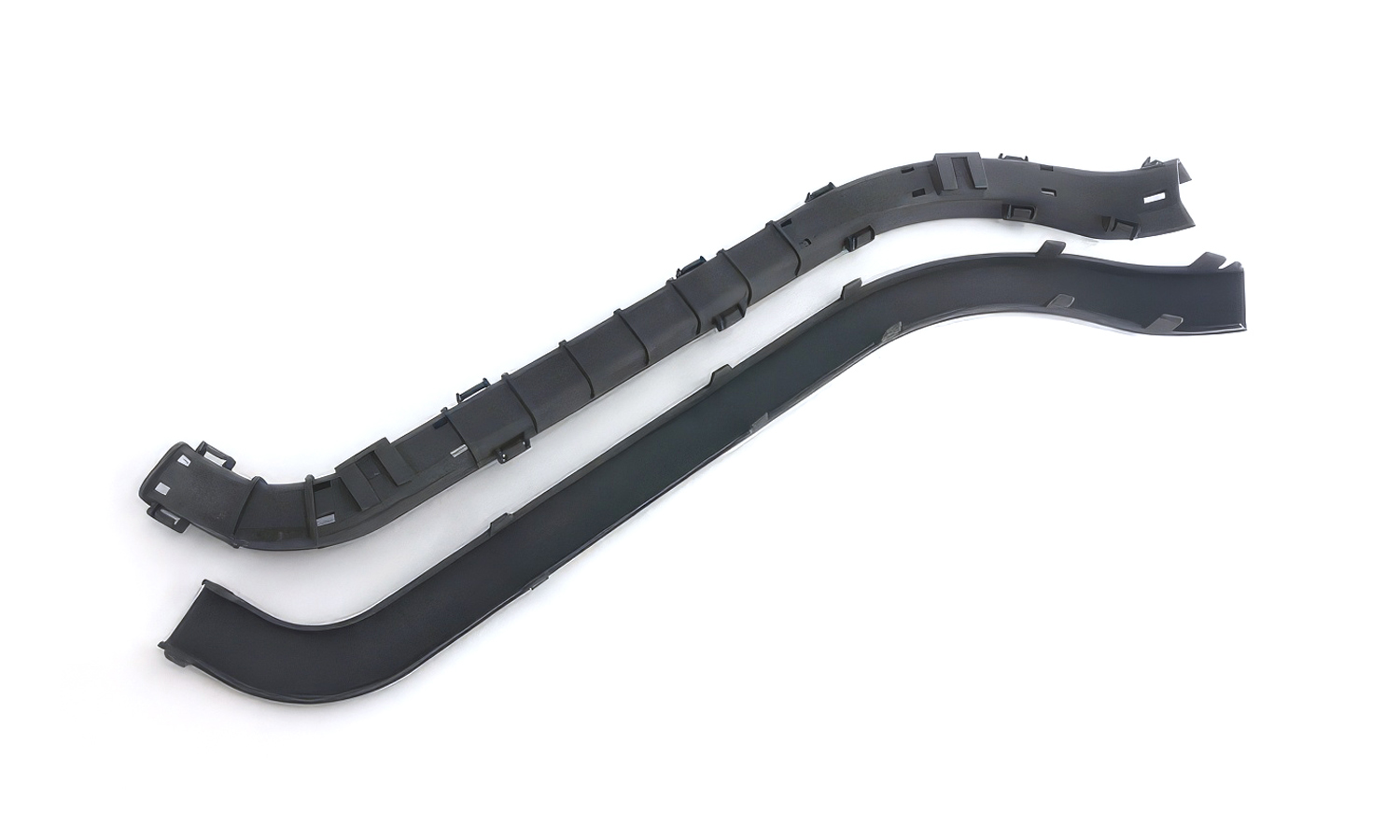
- Automotive Prototyping: Car wire harnesses often feature complex, elongated shapes that are difficult to mold. 3D printing allows for design consolidation—merging multiple parts into one. This significantly reduces assembly time and costs while allowing designers to iterate rapidly based on spatial constraints.
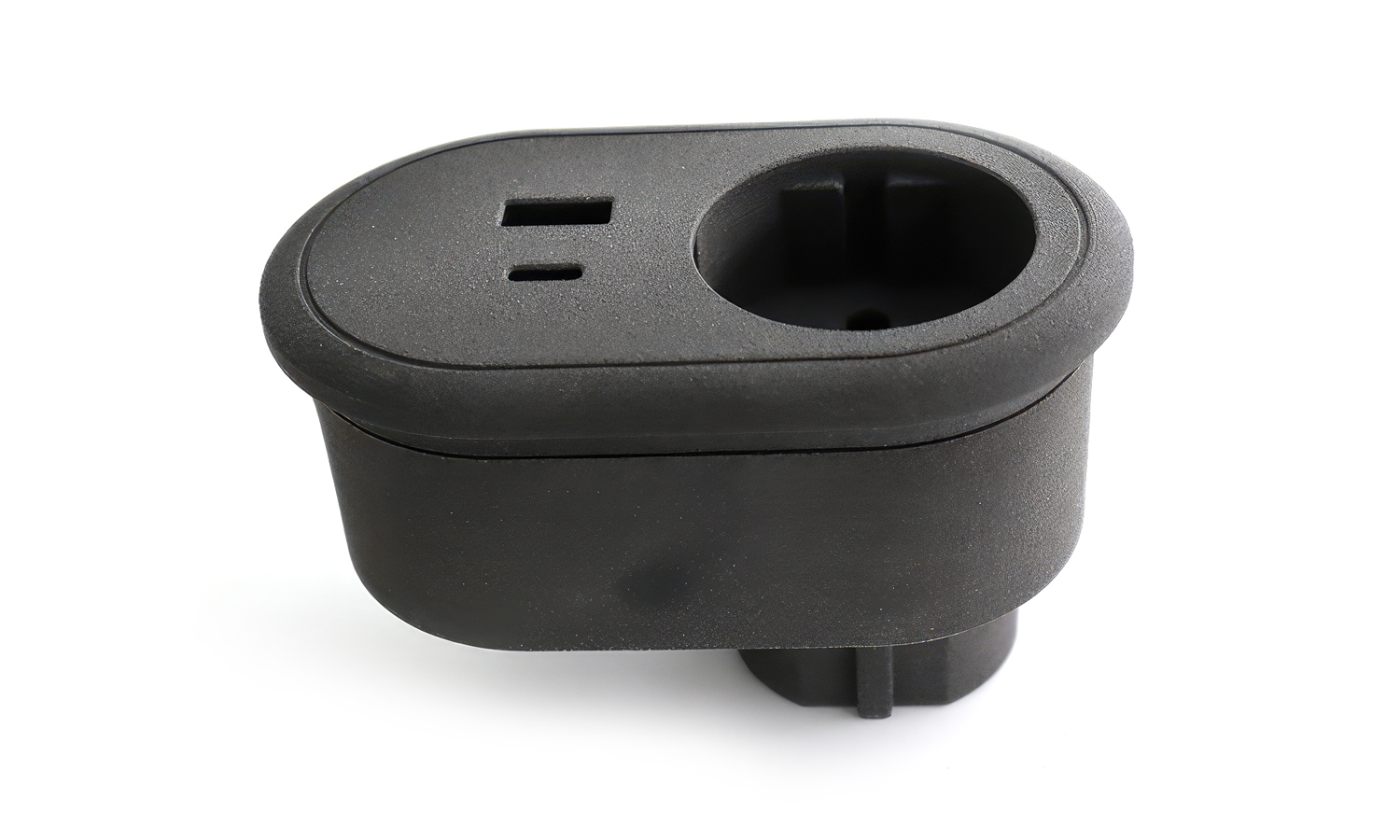
- Precision Electronics: For electrical box assemblies, dimensional stability is critical. By maintaining consistent cooling times and material batches, 3D printing ensures a seamless fit with perfectly aligned holes and zero deformation.
Why Choose FacFox for Your PA12 Needs?
At FacFox, we specialize in turning complex designs into high-performance realities. Whether you need the rugged durability of 1200F PA12 for industrial components or the precision of medical-grade nylon, our state-of-the-art 3D printing fleet is ready to scale with you. From rapid prototyping to small-batch production, we offer fast turnaround times, competitive pricing, and expert material guidance.
Solution
- Step 1: Digital Modeling and Scanning. The product designs were finalized using CAD software. For personalized items like the medical insoles, 3D scanning was utilized to capture precise anatomical data, which was then converted into a printable 3D mesh.
- Step 2: Material Preparation. High-performance 1200F PA12 (Nylon) fine powder was prepared. To ensure consistency for the electrical box assemblies, a single batch of powder was dedicated to the run to maintain uniform mechanical properties across all parts.
- Step 3: Build Preparation and Slicing. The digital models were oriented and nested within the build volume using specialized slicing software. For the machine feeding inlet, “flight” equipment settings were optimized to prioritize high-speed printing without compromising structural integrity.
- Step 4: Selective Laser Sintering (SLS). The parts were fabricated layer-by-layer. A high-precision laser was used to selectively fuse the nylon powder. The surrounding unsintered powder acted as a natural support, allowing for the complex, hollow geometries seen in the automotive wire harness.
- Step 5: Controlled Cooling. After the printing cycle was completed, the entire build cake was left to cool within the chamber. A strictly monitored, identical cooling duration was applied to all batches to prevent warping and ensure that holes and mating surfaces remained perfectly aligned.
- Step 6: Depowdering and Cleaning. The solid parts were extracted from the powder bed. Excess material was removed via compressed air and bead blasting, resulting in the clean, matte black finish characteristic of 1200F nylon.
- Step 7: Quality Inspection and Assembly. Each component was inspected for dimensional accuracy. The electrical boxes were test-fitted for seamless connection, and the industrial inlets were verified for high-strength requirements before being shipped for final assembly.