Material Resin
Quantity 1 pcs
Price Range $1-100
Lead Time 2 workdays
Gallery
About Project
At FacFox, we believe in transparency when it comes to the manufacturing process. 3D printing is often called “magic,” but the journey from a digital file to a premium physical object requires a deep understanding of material science and post-processing artistry.
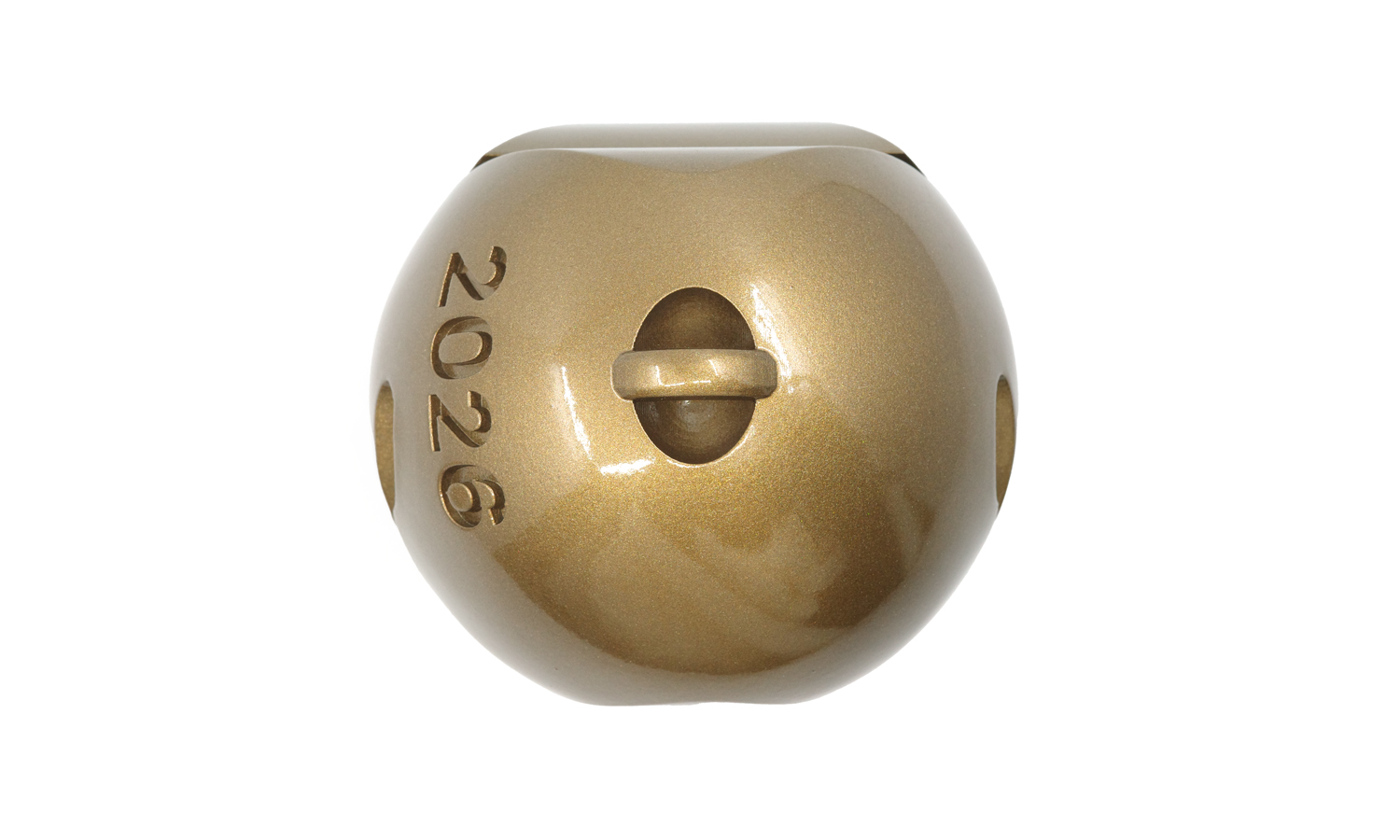
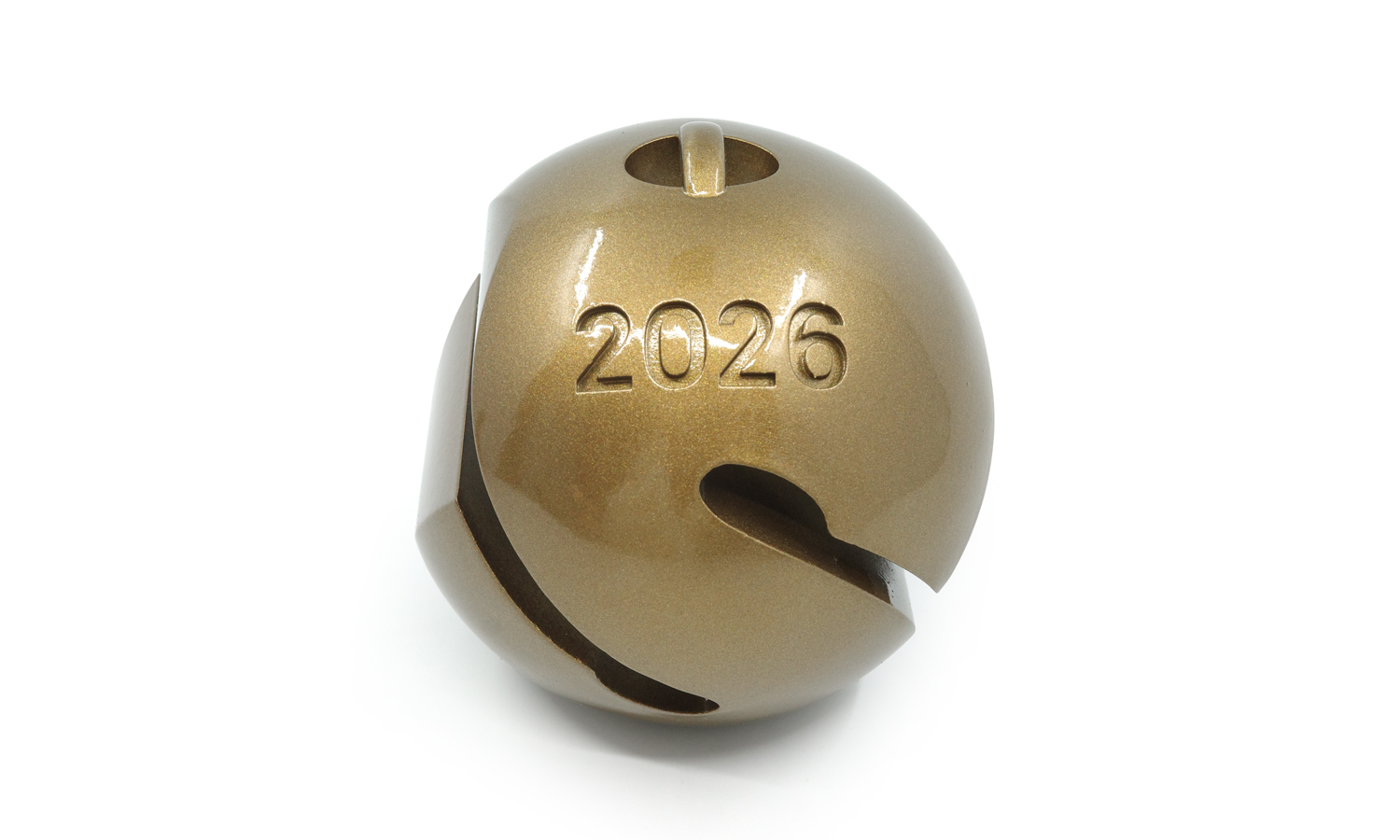
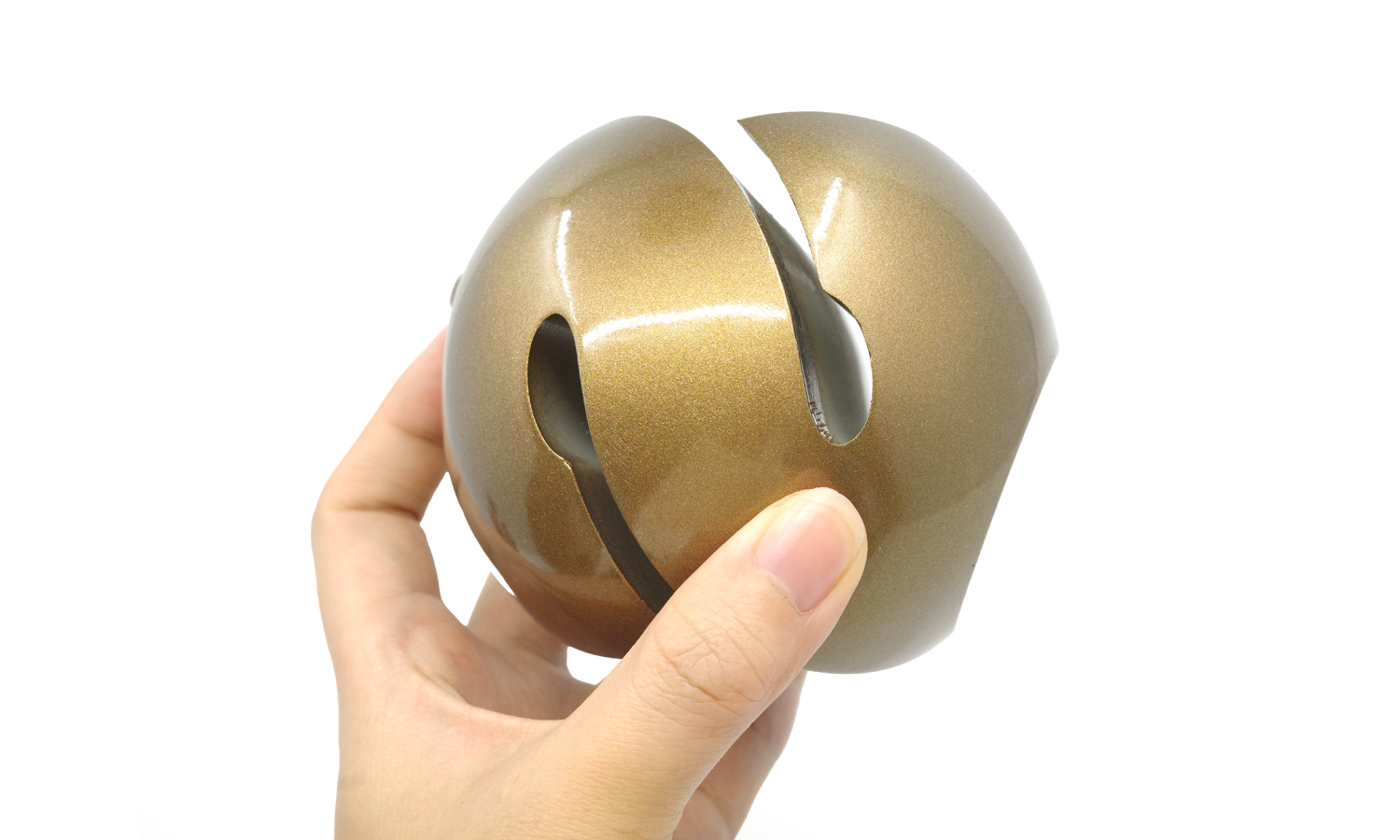
Take this recent Resin 3D Print of our 2026 commemorative sphere. At first glance, the geometry is striking-a perfectly balanced, hollow sphere with sweeping organic cutouts. However, a “macro” look reveals the common challenges that even high-end prints face:
- The Shadow Gap: Inside the deep, narrow slits, you’ll notice hints of the original white resin. These areas are notoriously difficult to reach with standard spray finishing, requiring specialized techniques to ensure 100% coverage.
- The Lighting Test: Under direct, high-intensity studio lights, subtle layer lines become visible on the sphere’s “poles.” This is the nature of additive manufacturing, where shallow slopes meet layer increments.
- Recessed Details: Achieving a uniform metallic sheen inside the “2026” engraving without paint pooling is a delicate balance of airbrush pressure and paint viscosity.
While this piece serves as a fantastic prototype, it also highlights the difference between a “standard print” and a “masterwork finish.” At FacFox, we use these insights to constantly refine our craft.
Elevate Your Project with FacFox Don’t settle for “good enough” when your design deserves perfection. FacFox’s 3D printing and finishing services go beyond the machine. We offer professional-grade sanding, custom color matching, and multi-stage coating processes designed to eliminate layer lines and ensure every internal crevice is flawlessly covered. Whether you need a shimmering metallic finish or a mirror-smooth surface, our team has the expertise to turn complex resin prints into retail-ready masterpieces.
Ready to see your design in its best light? Upload your CAD file to FacFox today and let our finishing experts handle the rest.
Solution
Step 1: The 3D model of the ornament was prepared and finalized, and all sharp internal corners were checked to ensure printability.
Step 2: The model was oriented in the slicing software to minimize visible support marks and to maintain smooth curvature on the main outer surfaces.
Step 3: The part was sliced at a fine layer height, and the print file was generated for a high-resolution resin printer.
Step 4: The ornament was printed using a UV-curable resin, and the build was completed under controlled temperature and exposure conditions.
Step 5: The printed part was removed from the build platform, and excess resin was drained.
Step 6: The part was washed in isopropyl alcohol to remove uncured resin from all external and internal surfaces.
Step 7: The part was post-cured under UV light to reach full mechanical strength and surface hardness.
Step 8: All supports were removed carefully, and the attachment points were trimmed.
Step 9: The surface was sanded progressively with fine grits to eliminate remaining support marks and to smooth the overall contour.
Step 10: A primer coat was applied to reveal surface imperfections, and localized sanding was performed again where needed.
Step 11: A metallic gold base coat was sprayed evenly over the ornament, and full coverage was achieved in multiple thin layers.
Step 12: The recessed areas and engraved text were inspected to ensure no paint clogging occurred.
Step 13: A clear gloss topcoat was applied to produce a smooth, reflective finish and to protect the metallic pigment.
Step 14: The ornament was allowed to cure and dry completely, ensuring surface hardness and coating stability.
Step 15: A final inspection was conducted to confirm uniform color, surface smoothness, and overall aesthetic quality before photography and delivery.