
Turkish Artist Melds Historic Figures with 3D Printed Sandstone Sculpture
Since the Hellenistic period in ancient Greece, sculptors have been making busts of some of the ...

News and Insights of 3D Printing and Manufacturing
Since the Hellenistic period in ancient Greece, sculptors have been making busts of some of the ...
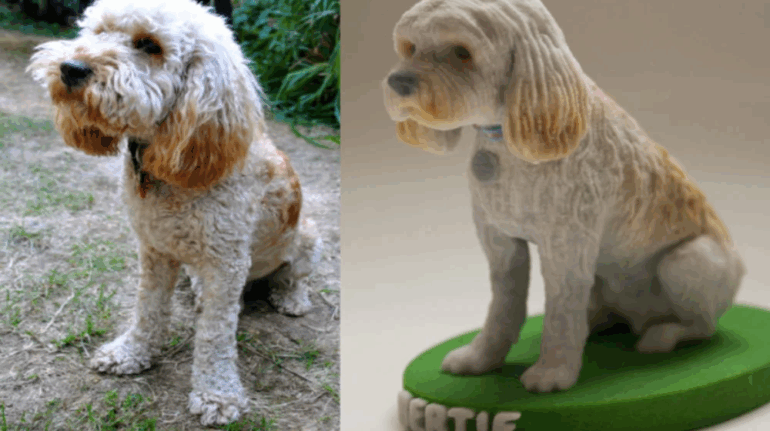
Although we all love pictures of our beloved furry creatures, having a 3D mini-replica can be an ext ...
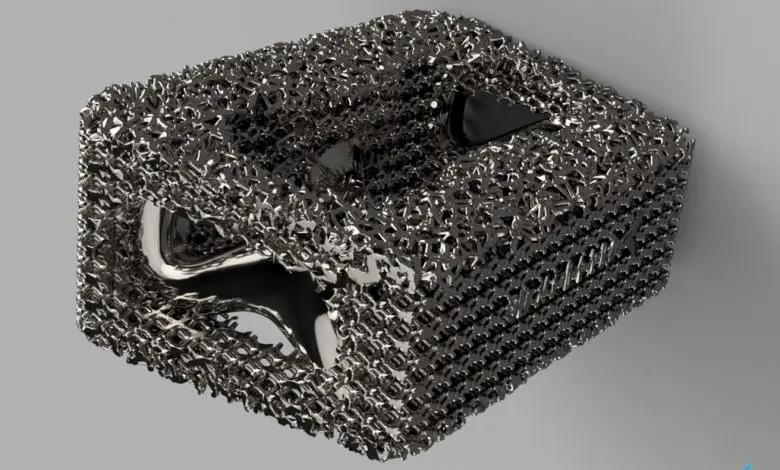
Once thought destined mainly for prototyping, additive manufacturing is now increasingly employed in the development of spare parts, small series production and tooling in forward-thinking manufacturing industries such as aerospace, electronics, automotive and medical devices. Among industries at the forefront of innovative manufacturing, the medical sector has emerged as a major segment driving the growth of additive manufacturing: France’s 3D MedLab operates at the forefront of this segment
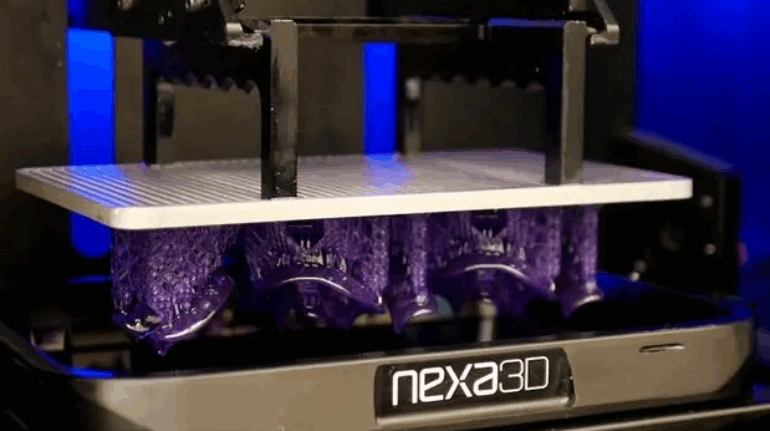
Nexa3D‘s ultra-fast NXE 400 3D printers will make all Keystone KeyPrint 3D printing resins for the global dental industry. This powerful new combination comes with Keystone’s best-in-class, FDA-cleared night guard resin, KeySplint Soft and KeyModel Ultra. All Keystone precision dental resins are manufactured in the USA, and available immediately through Nexa3D’s expanding global channels.

Trial-and-error build modeling in the additive manufacturing sector limits 3D-printing’s upt ...
Swiss firm Blackstone Resources has achieved a series of important milestones for its proprietary 3D printing technology to print lithium-ion solid-state batteries. The company has been investing in the next generation of battery technology through its German subsidiary Blackstone Technology GmbH. This includes patented 3D printing techniques and research into the mass production of batteries, which has been shown to offer greater energy density and a higher number of charging cycles.
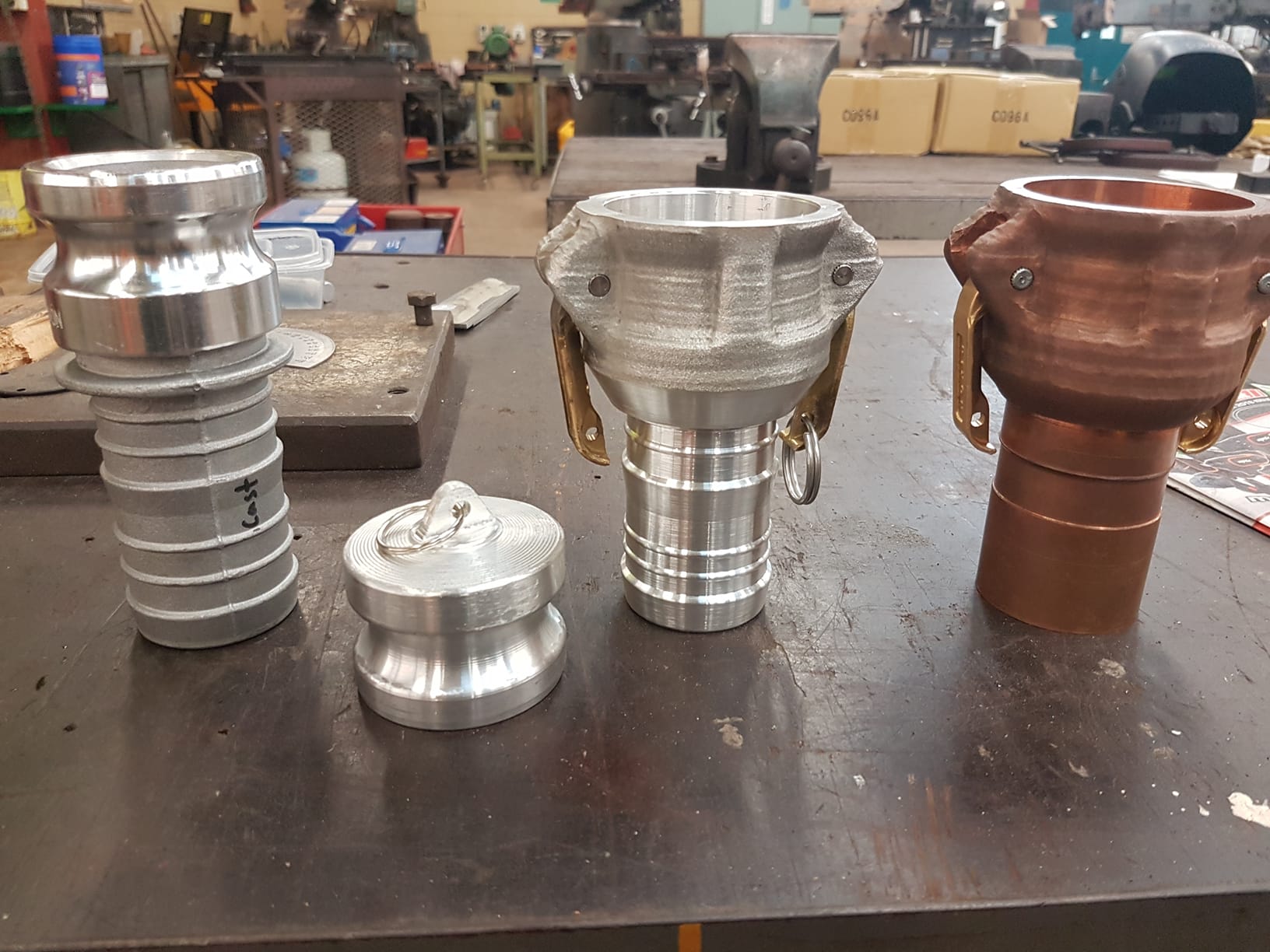
Australian company, SPEE3D, designers and manufacturers of kinetic consolidation (cold powder spray) metal 3D printers, continues its global expansion by entering the large Brazilian market. A recent agreement with Infocus Laser Systems, a consolidated and experienced distribution of industrial AM products based in the capital Sao Paulo, led to the establishment of a SPEE3D Brazil presence.
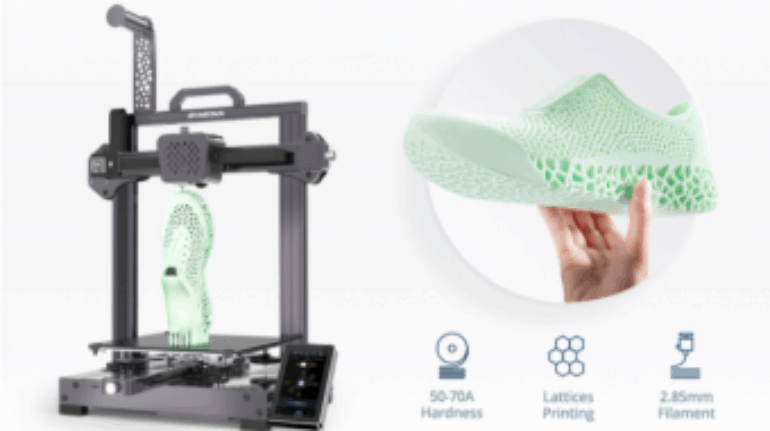
Atomstack, a Chinese intelligent manufacturing technology company, released its Cambrian line of desktop rubber 3D printers, a first for desktop printing. The printers promise greater prototyping and faster production of customized rubber items.

It seems just a short while ago that a reliable resin 3D printer cost several thousand dollars. And really not that long ago that they’d cost several tens and even hundreds of thousands. As someone who is definitely not very good at handling technical products, I’ve always kept away from resin 3D printing. Too hard to get low-cost systems to work and too expensive to get reliable ones. But that’s how fast 3D printing evolves. Today Companies like Anycubic can offer machines such as the Anycubic Photon Mono that, for just over $200, ensures a truly seamless, high-resolution, liquid resin 3D printing experience: here is 3dpbm’s Anycubic Photon Mono review.
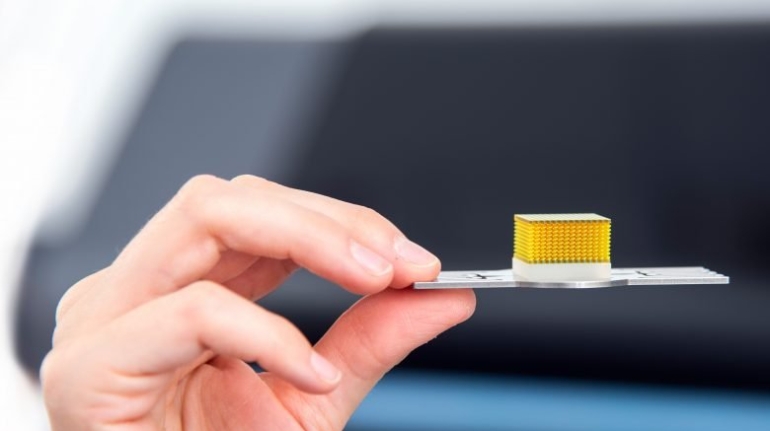
Competition is finally starting to pick up in the commercial 2PP nano 3D printing segment. After the segment was long dominated by one company, new systems are now starting to enter the market, including the NanoOne from Austrian firm UpNano, a TU Wien spin-off. Customers from both industry and academia recently acquired NanoOne 2PP 3D printers.