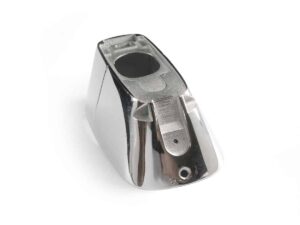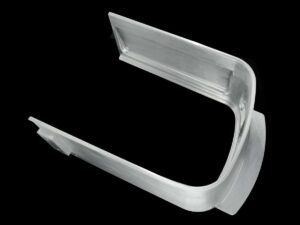
Material Plastic, Resin
Quantity 120 pcs
Price Range $100-1,000
Lead Time 3 workdays
Gallery
About Project
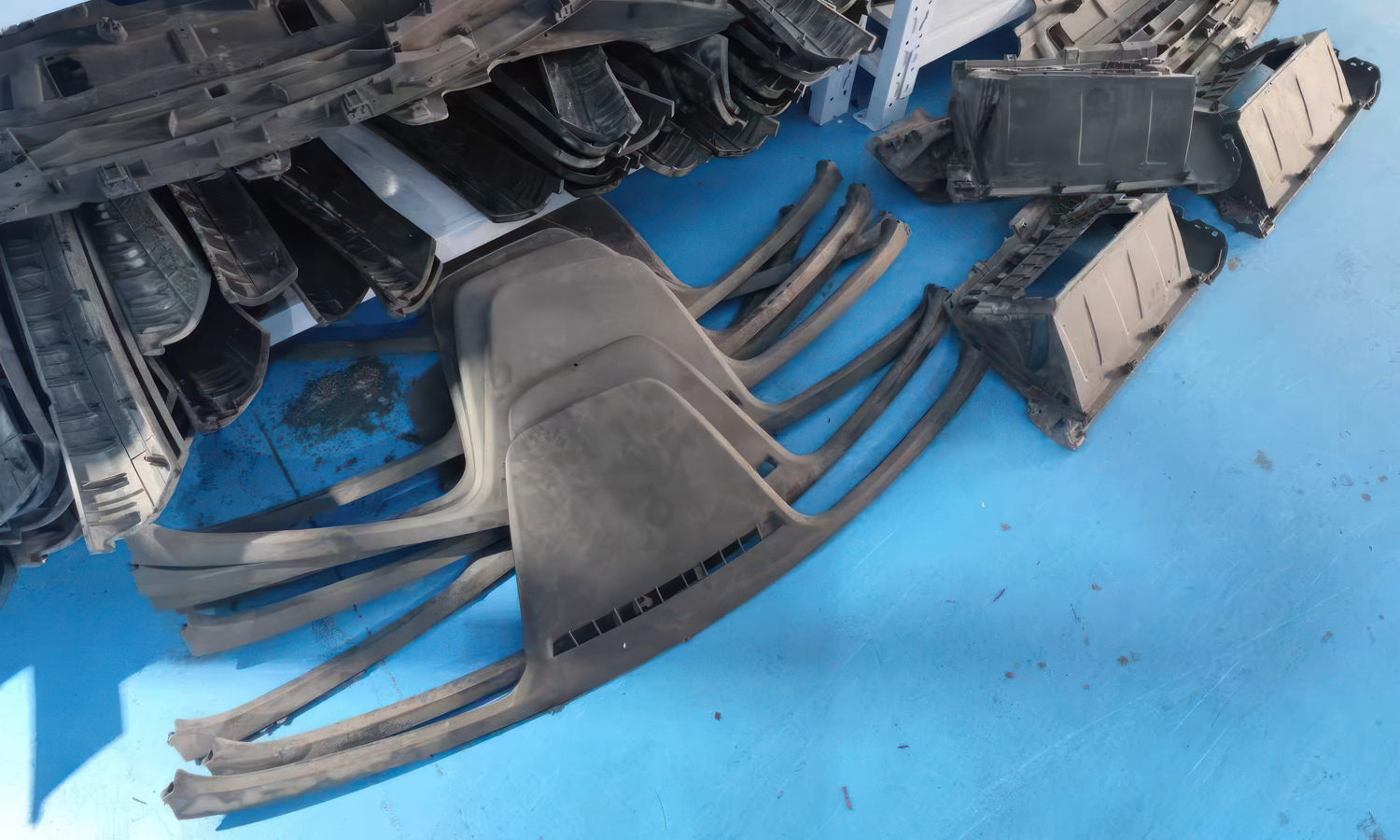
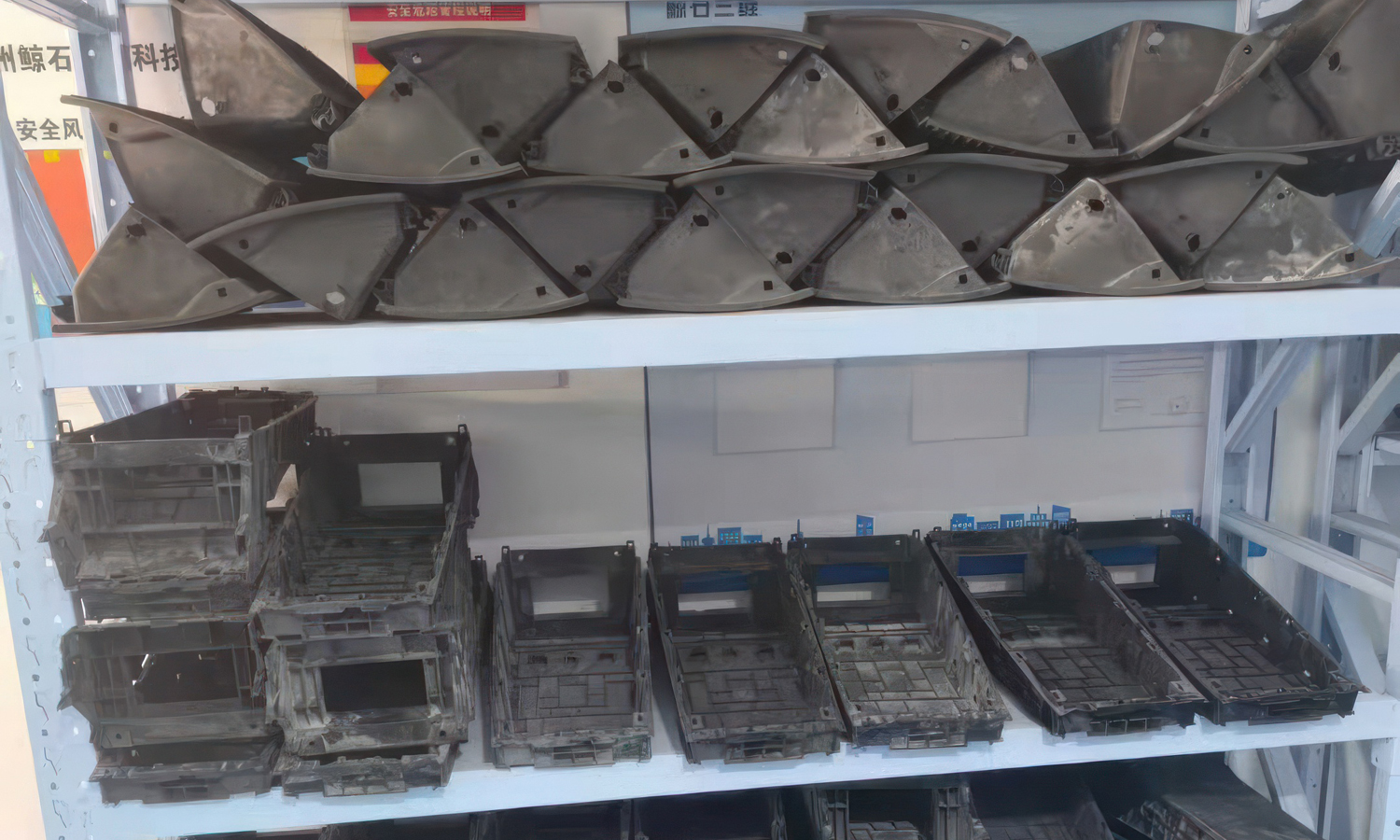
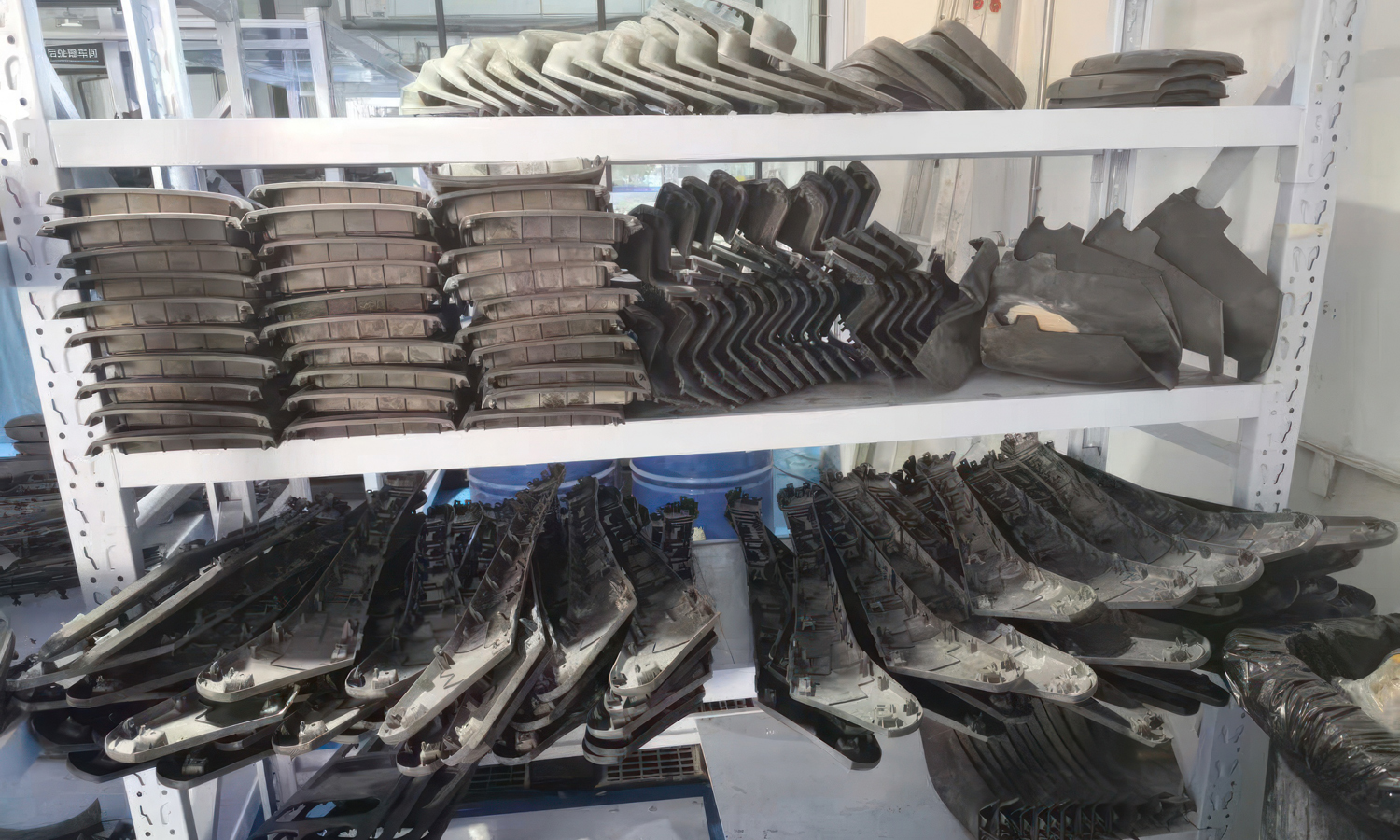
In the fast-paced world of automotive engineering, the gap between a digital CAD model and a physical testing vehicle is bridged by high-quality prototyping. As seen in the recent snapshots of interior structural components and dashboard frames, Vacuum Casting (also known as Urethane Casting) remains a cornerstone technology for Tier 1 suppliers and OEMs.
Why Vacuum Casting for Auto Parts?
When a project requires more than a single 3D-printed concept but doesn’t yet justify the massive capital investment of steel injection molds, vacuum casting is the ideal “middle ground.” It allows for the production of 20 to 50 high-fidelity parts with properties that closely mimic production-grade plastics like ABS, Nylon, or Polycarbonate.
- Complex Geometries: Automotive interiors are notorious for intricate snap-fits, thin-walled air ducts, and complex cable routing brackets. Vacuum casting captures these details with micron-level precision from a 3D-printed master pattern.
- Functional Testing: Unlike brittle SLA resins, the polyurethane resins used in casting can undergo rigorous mechanical stress tests, heat deflection analysis, and cabin fitment trials.
- Surface Excellence: The process delivers superior aesthetic finishes—from high-gloss transparent lenses to leather-textured panels—ensuring that “show cars” look and feel like the final consumer product.
Accelerate Your Automotive Journey with FacFox
At FacFox, we understand that in the automotive industry, time-to-market is everything. We specialize in providing end-to-end manufacturing solutions, from high-precision SLA/SLS 3D printing for master patterns to rapid Vacuum Casting for functional prototypes. Our state-of-the-art facilities and deep material expertise ensure that your interior trims, housings, and structural components meet the most stringent engineering standards. Whether you are validating a new EV dashboard or testing specialized bracketry, FacFox delivers the speed, quality, and scale you need to drive innovation forward.
Contact FacFox today to turn your automotive blueprints into reality.
Solution
- Step 1: A high-precision master pattern was created using SLA (Stereolithography) or CNC machining, ensuring every dimensional detail was accurately captured.
- Step 2: The master pattern was meticulously finished and polished to achieve the desired surface texture, which was then reflected in the final parts.
- Step 3: The pattern was suspended inside a casting box, and liquid silicone rubber was poured around it under a vacuum to eliminate air bubbles.
- Step 4: Once the silicone was fully cured, the mold was carefully cut open and the master pattern was removed, leaving a precise cavity.
- Step 5: Pre-heated polyurethane resin was injected into the silicone mold within a vacuum chamber to ensure complete material flow into complex geometries.
- Step 6: The resin-filled mold was placed in a curing oven until the material reached its optimal mechanical strength and hardness.
- Step 7: The finished part was extracted from the mold, and any excess material or gates were trimmed away during the final quality inspection.