Material Resin
Quantity 3 pcs
Price Range $100-1,000
Lead Time 3 workdays
Gallery
About Project
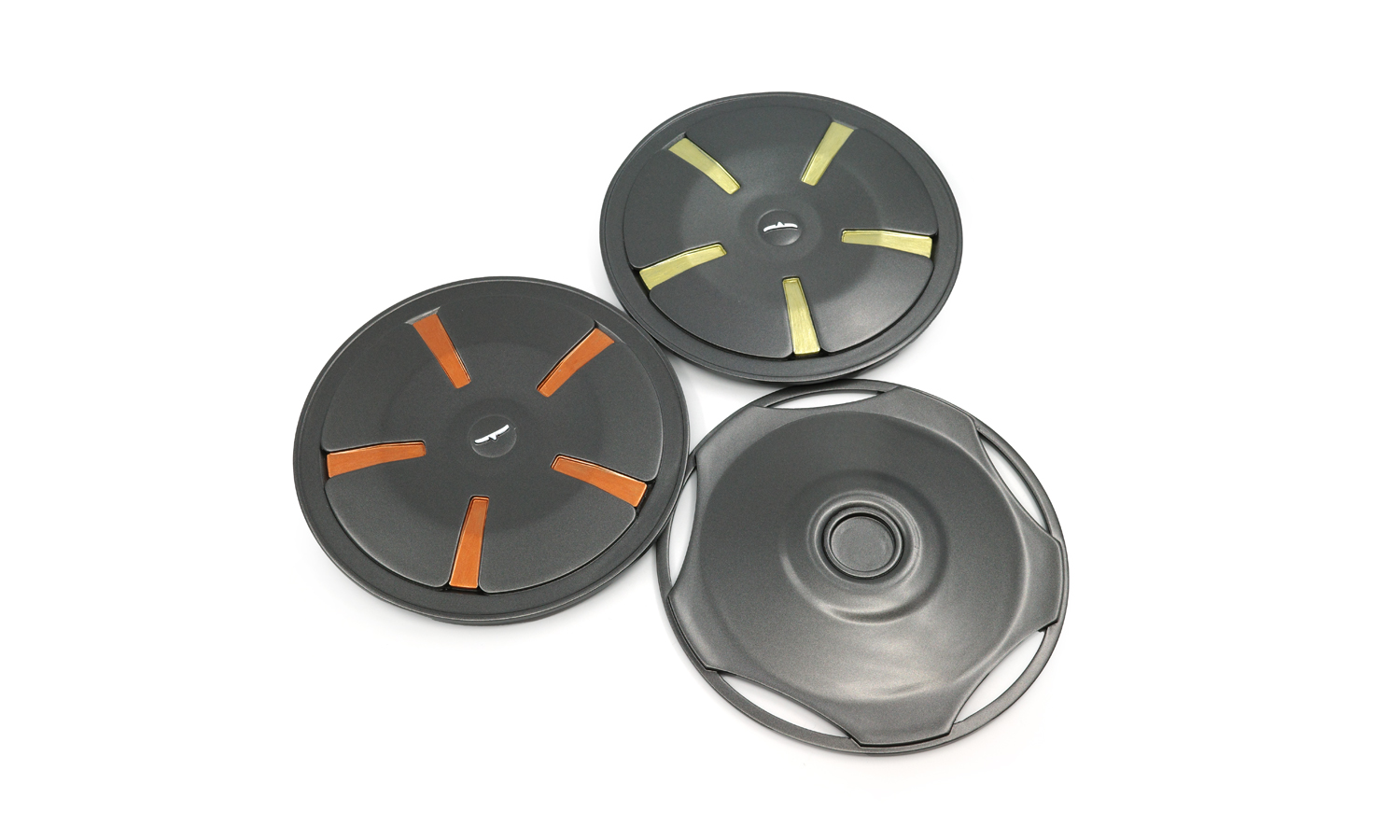
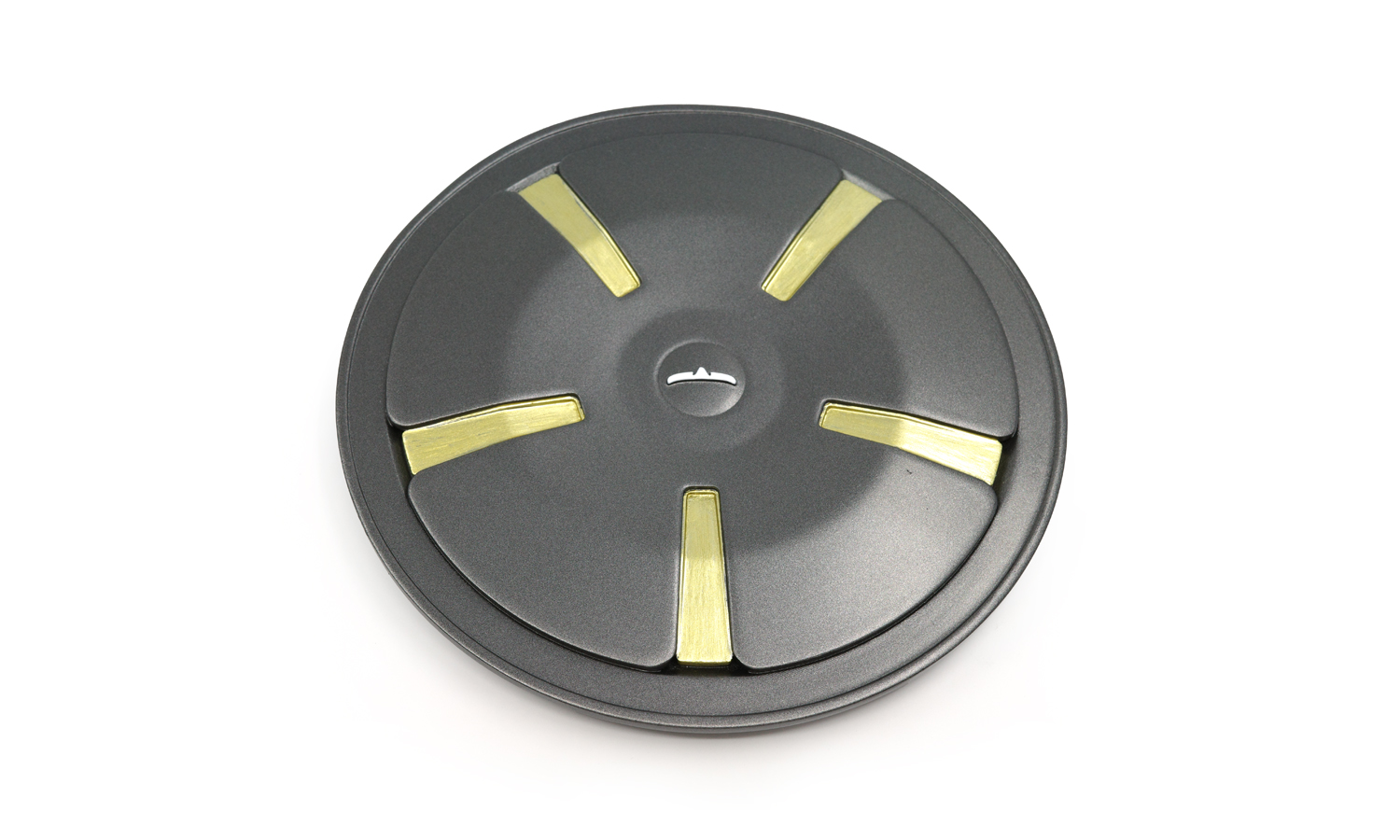
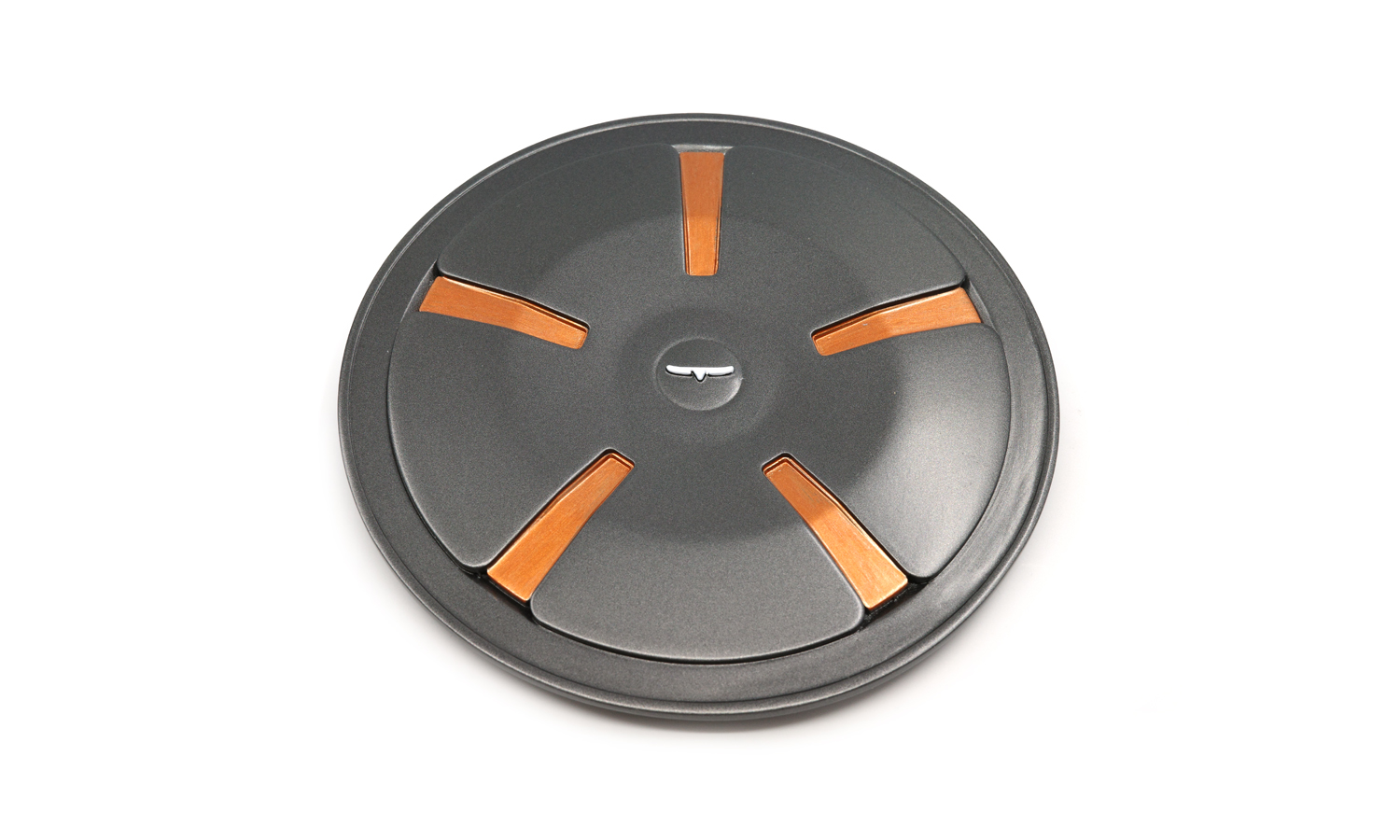
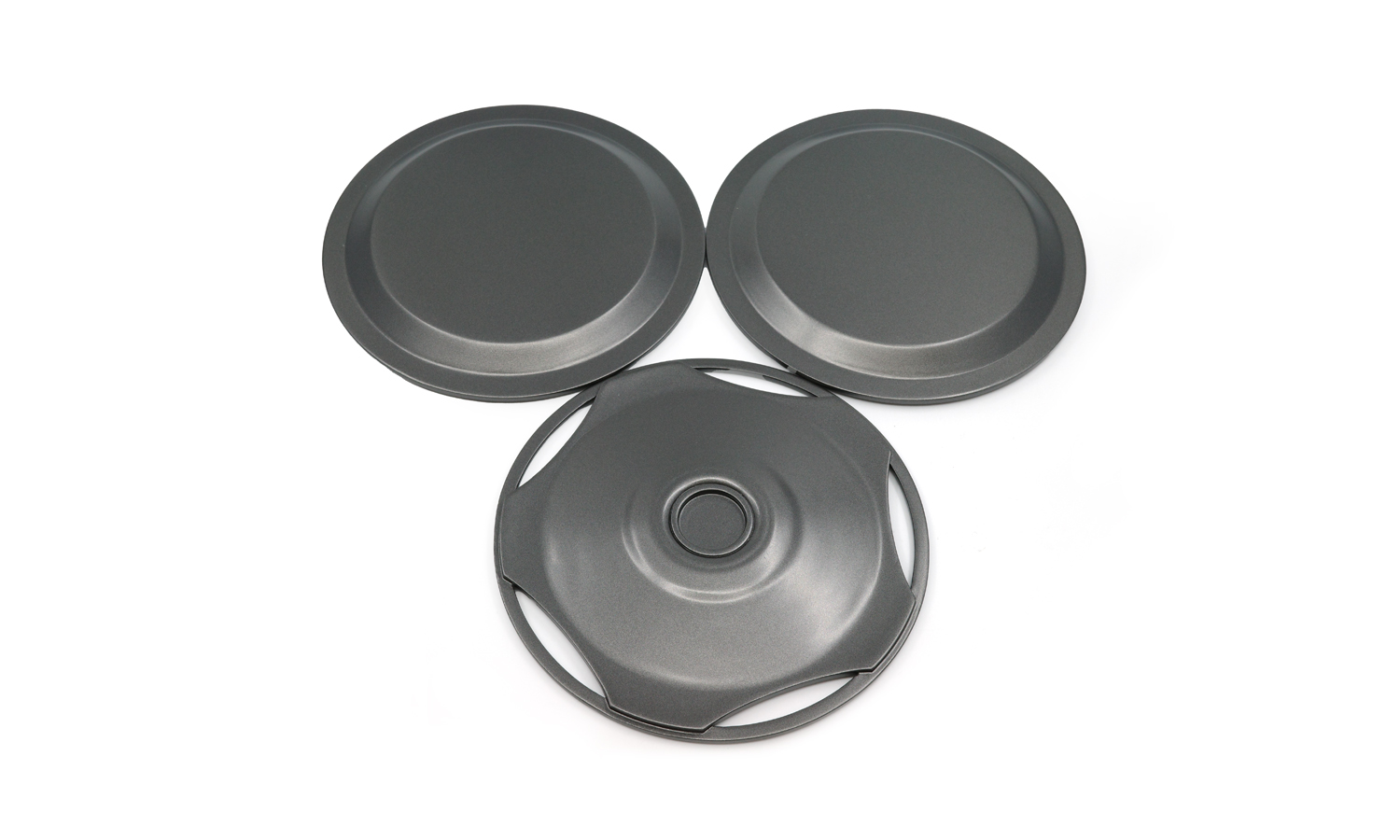
This project features several SLA 3D printed wheel hub cover prototypes made from resin and finished with a dark painted surface. Two versions include gold or bronze accent strips, while another version focuses on the molded shape and spoke-like layout without colored inserts. These prototypes were suitable for checking the overall circular profile, curved surface, central detail, recessed groove layout, and color direction before moving toward tooling or more production-oriented manufacturing.
SLA 3D printing was a practical choice for this kind of automotive appearance prototype because it can produce smooth resin parts with relatively fine surface detail directly from CAD data. For wheel hub cover concepts, this allows designers to review the silhouette, surface transitions, and decorative layout quickly, without committing to injection molding or metal tooling too early.
The finish shown here is more suitable for prototype review rather than final showroom presentation. The dark painted areas have a relatively uniform overall appearance, and the circular geometry is easy to read from the photos. However, the gold and bronze accent strips still show visible brush marks, which is acceptable for a design sample used to compare color placement and visual style. If the same part were needed for exhibition, marketing photography, or production-like evaluation, additional fine sanding, masking, spray painting, and clear coating would be recommended.
For automotive designers and product teams, this workflow is useful when the goal is to compare shapes, surface language, and CMF options before finalizing a wheel cover design. To prototype your own resin automotive parts, send your files to info@facfox.com or visit FacFox to discuss your project.
Solution
- Step 1: The wheel hub cover models were reviewed before production, including the circular profile, outer rim, central raised area, recessed grooves, spoke-like surface divisions, and decorative accent strip positions.
- Step 2: The parts were oriented and supported for SLA 3D printing so that the main visible surfaces could be formed with stable geometry and manageable support contact areas.
- Step 3: The prototypes were printed in resin using SLA technology, where liquid photopolymer resin was selectively cured layer by layer to form the curved hub cover shapes.
- Step 4: After printing, the support structures were removed, and the resin parts were cleaned and post-cured according to the material requirements.
- Step 5: The visible surfaces, rim edges, grooves, and support contact areas were sanded to prepare the prototypes for painting.
- Step 6: A dark base finish was applied to the hub covers, and the gold or bronze accent strips were manually colored to provide quick CMF reference options for design review.
- Step 7: The finished prototypes were inspected for overall shape, groove definition, surface coverage, accent color placement, and visual consistency as appearance samples.