Material Resin
Quantity 1 pcs
Price Range $1-100
Lead Time 4 workdays
Gallery
About Project
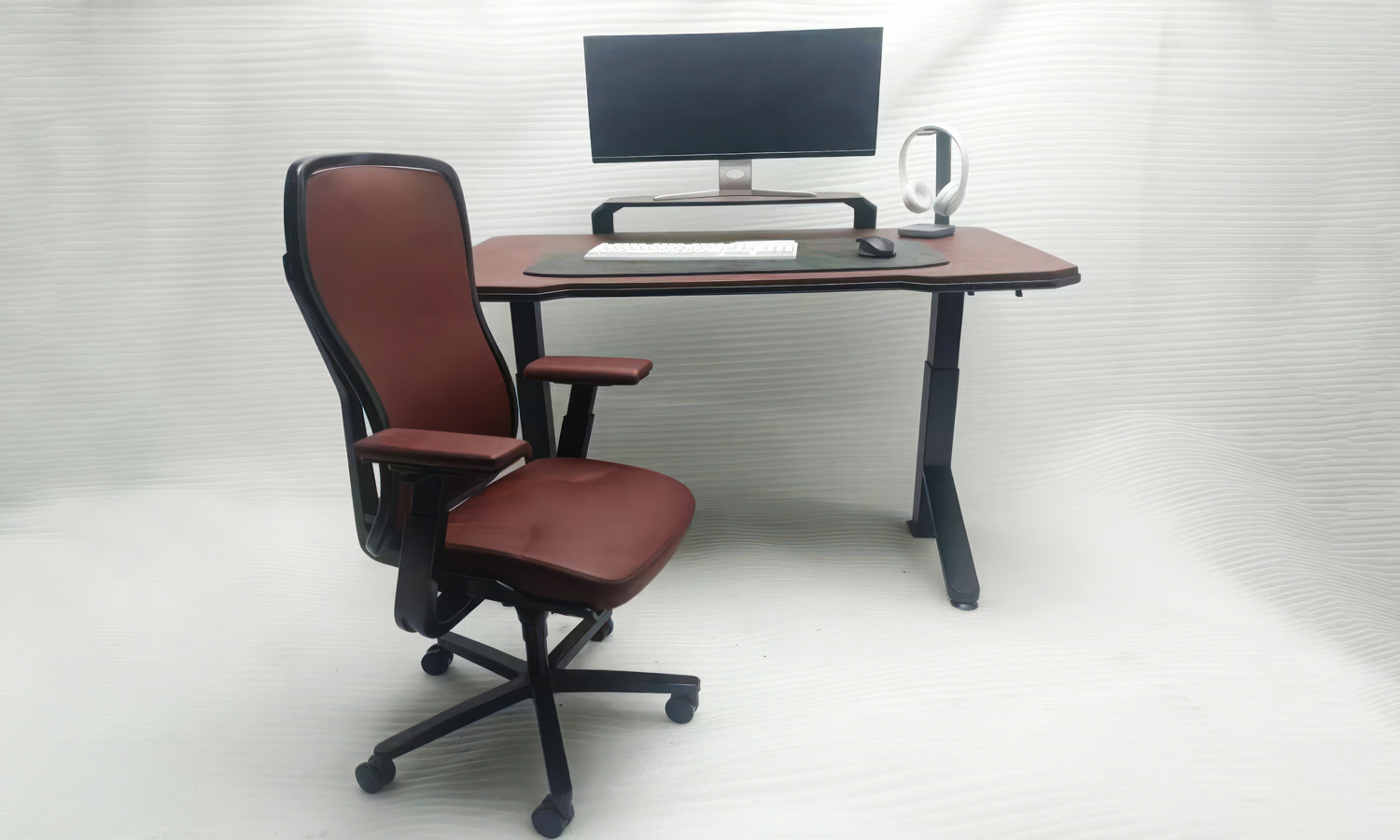
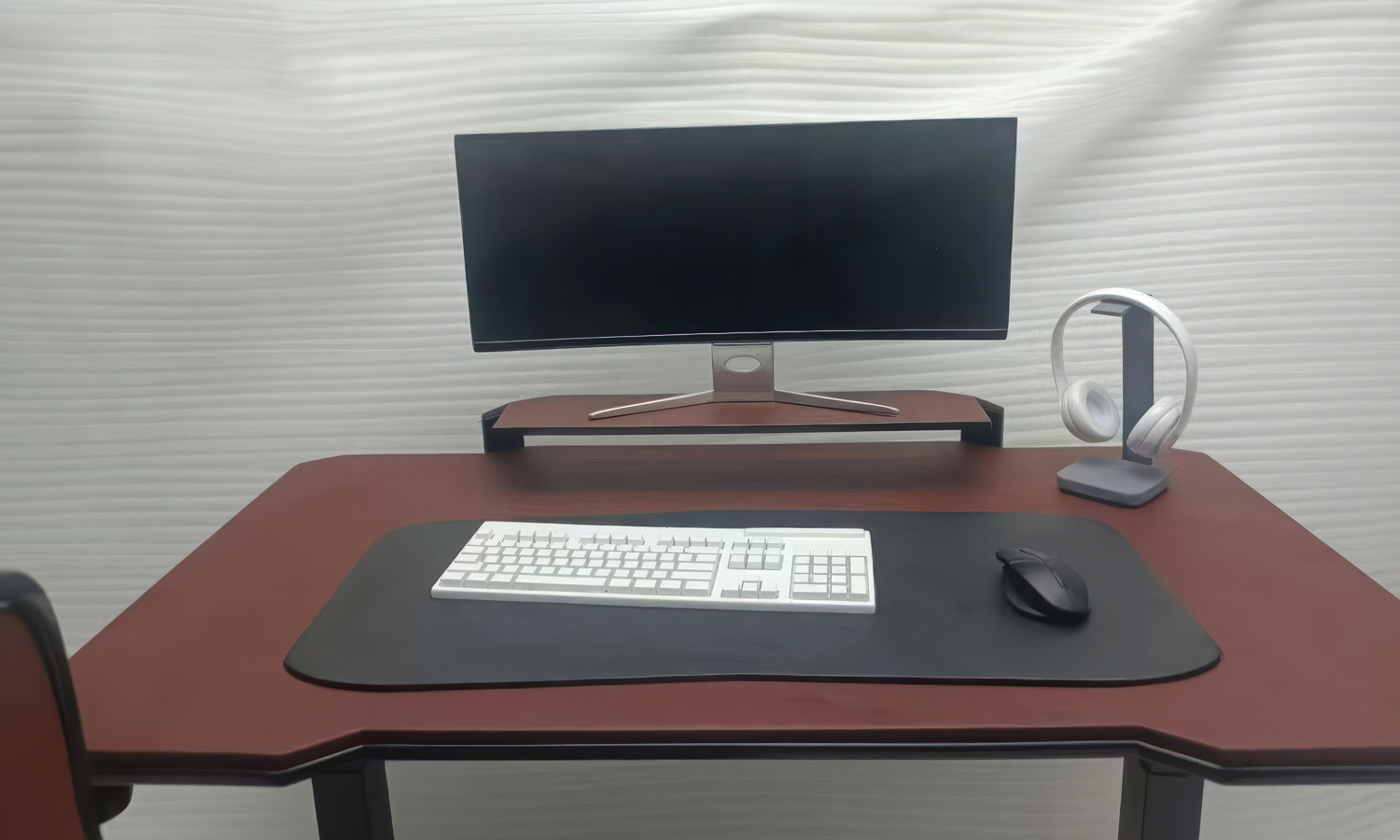
Take a close look at this workspace. The sleek ergonomic chair with rich, leather-textured brown cushions, the flawless curve of the ultrawide monitor, the crisp mechanical keyboard, and even a tiny headset resting on its stand. It looks like a high-end, clean office setup ready for a productive workday.
But here is the catch that might make your skin crawl just a little bit: this entire setup is completely 3D printed.
Why It’s Borderline Terrifying
There is an eerie, surreal feeling when an object plays tricks on your spatial awareness. The level of detail achieved here crosses straight over into the uncanny valley, making it genuinely unsettling to look at.
- The Textures: The matte finish on the desktop and the faux-leather sheen on the chair look so tactile that your brain automatically registers them as full-sized materials.
- The Scale Illusion: Without a coffee mug or a human hand in the frame for scale, the pristine geometry mimics a real-world photograph so perfectly it can induce a brief wave of vertigo.
- The Precision: From the tiny scroll wheel on the mouse to the individual keycaps on the keyboard, there are no visible layer lines or printing defects to break the illusion.
It feels less like a manufactured model and more like someone used a sci-fi shrink ray on a real room.
Turn Your Designs Into Reality
Whether you are looking to create mind-bending architectural dioramas, industrial prototypes, or hyper-realistic miniatures that challenge reality, achieving this level of fidelity requires professional execution. If you want to bring your own hyper-realistic models or custom prototypes to life with incredible precision and fast global delivery, look no further than FacFox’s comprehensive 3D printing services. What would you print if you could replicate reality this perfectly?
Solution
- Step 1: The digital 3D models of the desk, chair, monitor, and accessories were designed using advanced CAD software to ensure precise proportions and micro-details.
- Step 2: The completed digital files were imported into slicing software, where optimal printing orientations were determined and support structures were generated.
- Step 3: The prepared data was transferred to an industrial SLA 3D printer, where liquid photopolymer resin was cured layer by layer using a high-precision ultraviolet laser beam.
- Step 4: Once the printing process was completed, the components were removed from the build platform and submerged in an isopropyl alcohol (IPA) bath to dissolve any remaining uncured resin.
- Step 5: The washed parts were placed inside a UV curing chamber, where they were exposed to ultraviolet light to finalize the polymerization process and achieve maximum material strength.
- Step 6: The support structures were carefully snipped off using micro-cutters, and the residual contact points were sanded down to create flawlessly smooth surfaces.
- Step 7: High-quality primers and custom-mixed matte paints were applied to the individual pieces to replicate the realistic textures of leather, metal, and wood before the final model was meticulously assembled.