Material Resin
Quantity 1 pcs
Price Range $1-100
Lead Time 2 workdays
Gallery
About Project
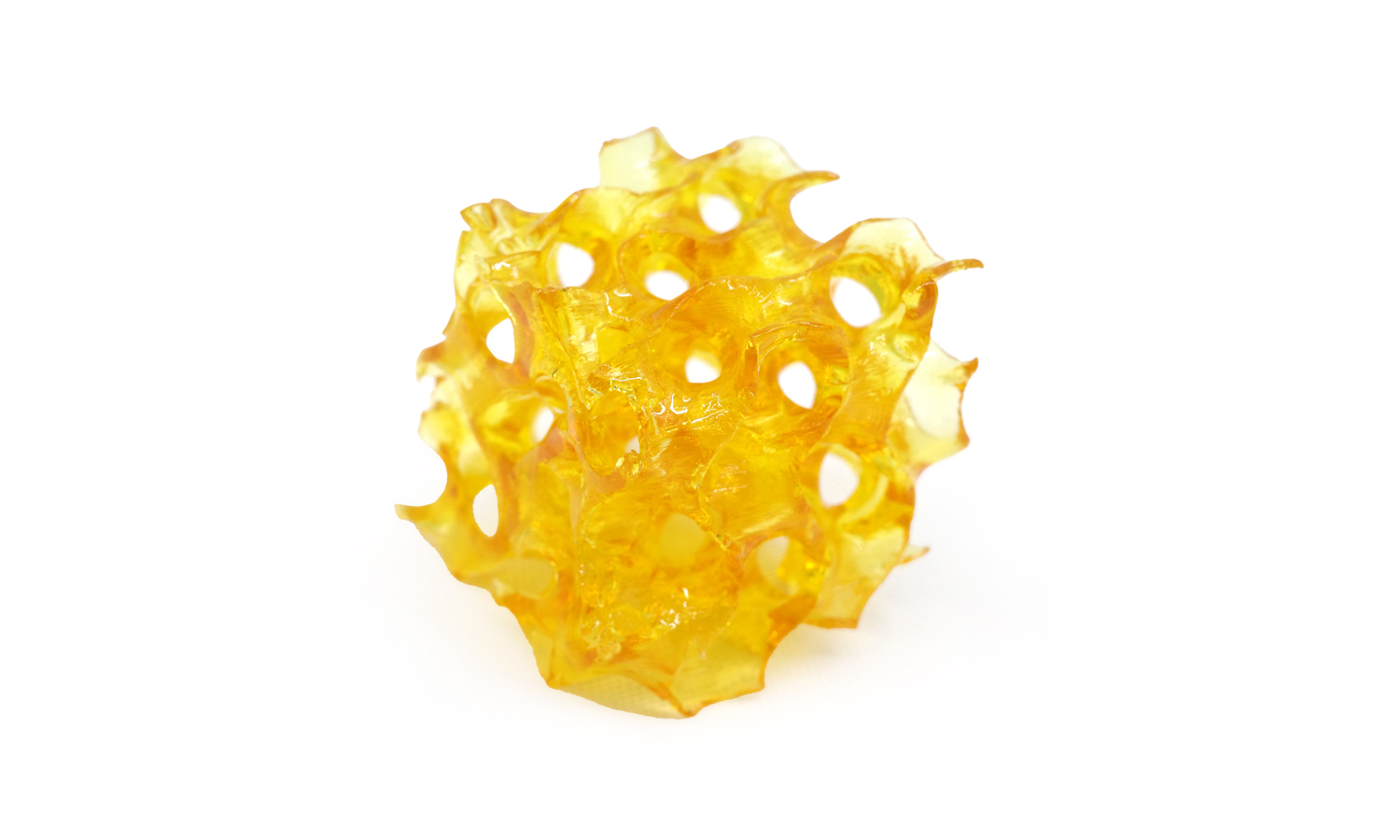
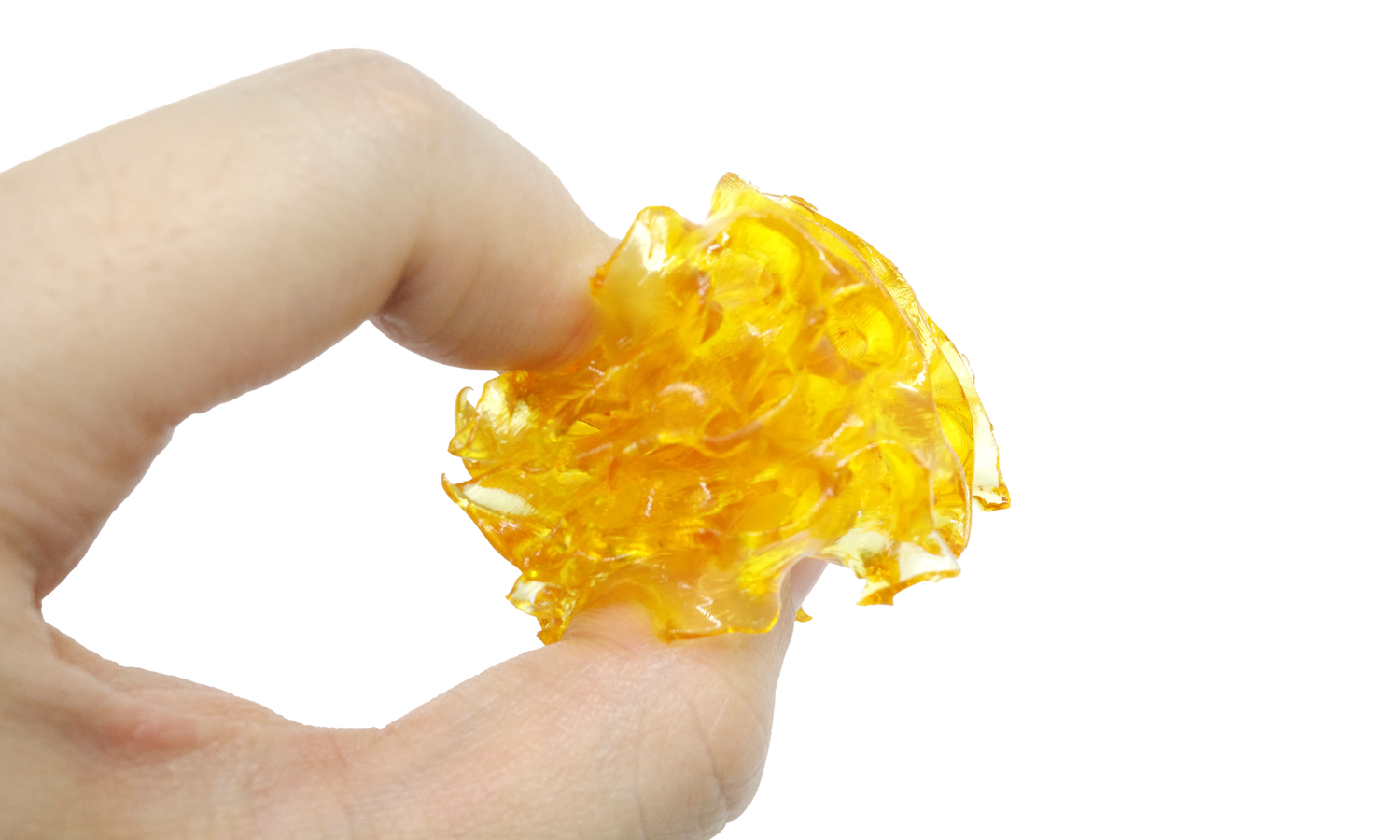
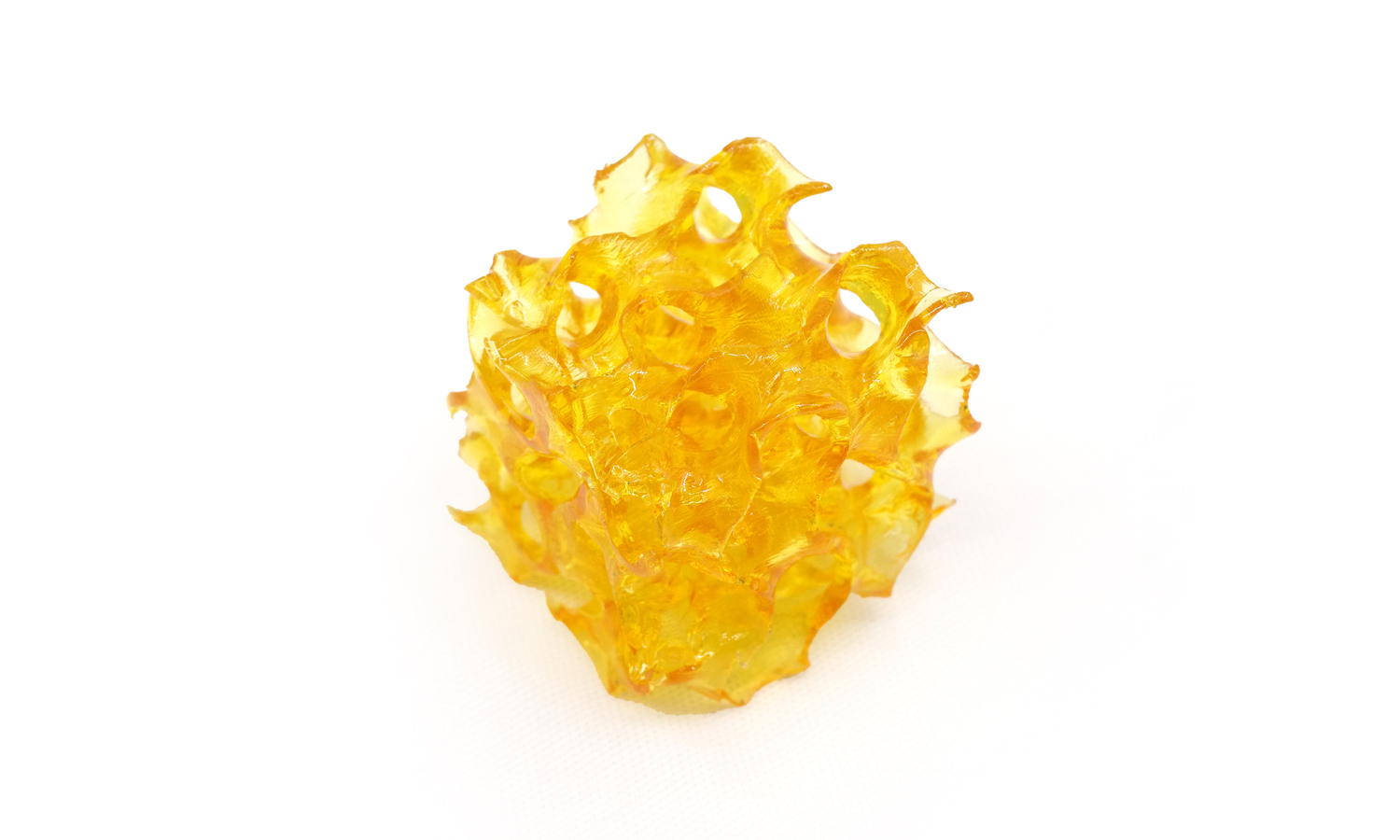
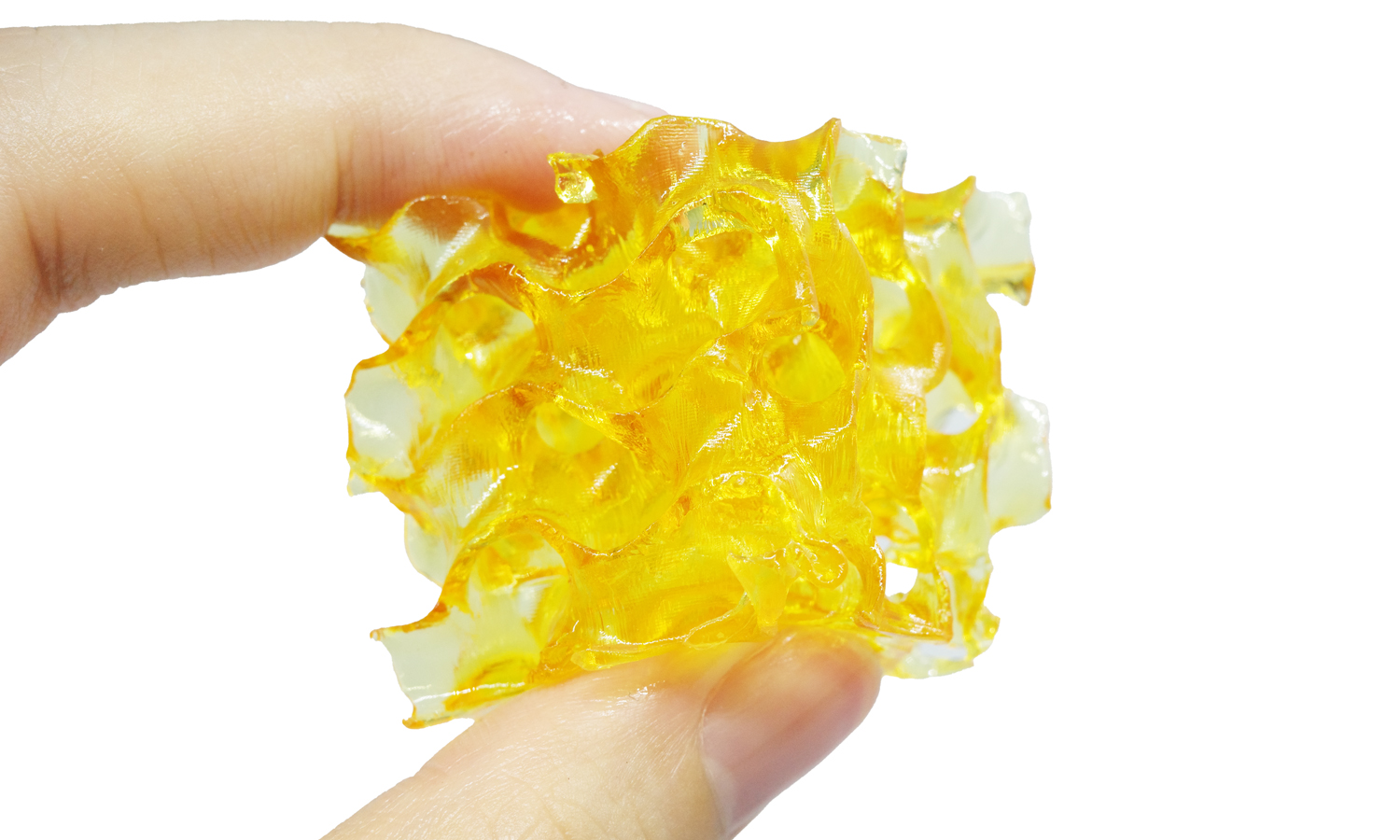
Take a closer look at this striking gyroid lattice. The true marvel here isn’t just its shape—it is the material it is made of. This is a 3D-printed hydrogel, an advanced polymer network capable of absorbing and retaining vast amounts of water (often over 90%). By combining photosensitive monomers like PEGDA (Polyethylene glycol diacrylate) or modified biopolymers with light-activated initiators, scientists have successfully unlocked the ability to “light-cure” water-based matrices into rugged, three-dimensional shapes.
What makes hydrogels revolutionary is their mechanical biomimicry. In their fully hydrated state, they possess an elastic modulus and high hydration profile that almost perfectly mirrors natural human soft tissues—such as cartilage, blood vessels, and skin. Yet, as seen in this highly complex, self-supporting gyroid configuration, the material retains surprising structural integrity. It can stretch, compress, and flex under repeated loading cycles without tearing, offering a unique bridge between liquid flexibility and solid stability that traditional plastics simply cannot match.
Turn Your Advanced Concepts Into Reality with FacFox
At FacFox, we specialize in bridging the gap between cutting-edge material science and functional manufacturing. As a global online leader in additive manufacturing, we support advanced material options, including specialized flexible elastomers and biocompatible resins designed to emulate high-hydration hydrogel profiles. Whether you are conducting university research or developing next-generation commercial products, our precision light-curing systems deliver flawless material execution every single time. Visit FacFox today, upload your design, and experience premium high-performance 3D printing made simple.
Solution
- Step 1: The triply periodic minimal surface (TPMS) gyroid lattice was mathematically generated using advanced design software.
- Step 2: The complex 3D digital model was processed by a slicing engine to break the geometry down into distinct horizontal layer slices.
- Step 3: A water-soluble photopolymerizable monomer base was blended with an orange photo-initiator compound to prepare the reactive ink.
- Step 4: The blended liquid resin was introduced into the transparent-bottomed tank of an industrial DLP printer.
- Step 5: The printer’s mechanical build head was lowered into the tank, squeezing the fluid into a precise microscopic film.
- Step 6: The projector unit underneath flashed an entire digital image layer of UV light, cross-linking the liquid resin into a solid hydrogel slice.
- Step 7: The build head was raised, fresh liquid was allowed to settle, and the process was repeated hundreds of times to form the complex, interlocking gyroid curves layer-by-layer.
- Step 8: The finalized lattice was peeled from the platform and rinsed in a chemical solvent bath to clear the intricate internal tortuous paths of excess liquid.
- Step 9: The part was transferred to a secondary UV and thermal post-curing chamber to complete the polymer matrix stabilization.