Material Resin
Quantity 1 pcs
Price Range $1-100
Lead Time 1 workdays
Gallery
About Project
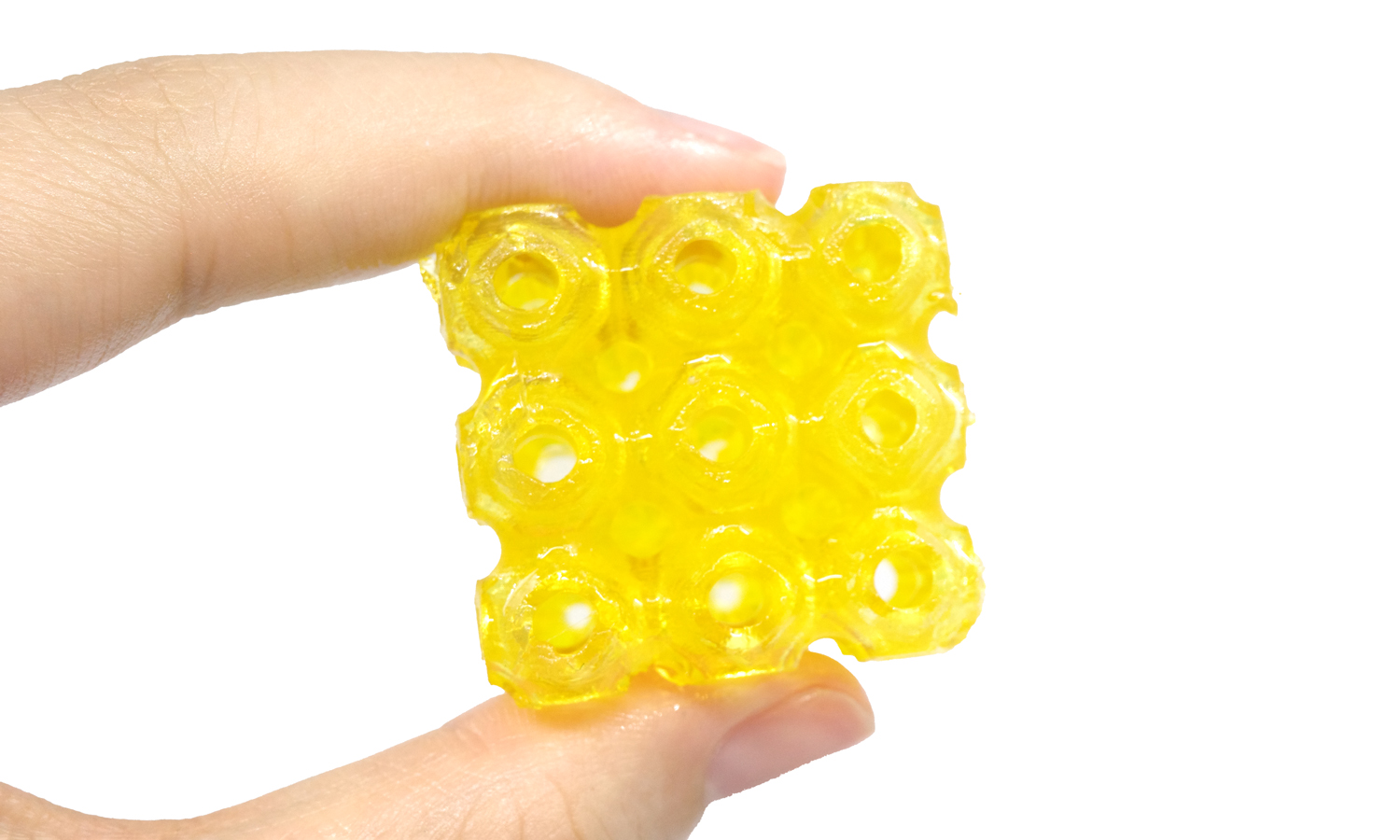
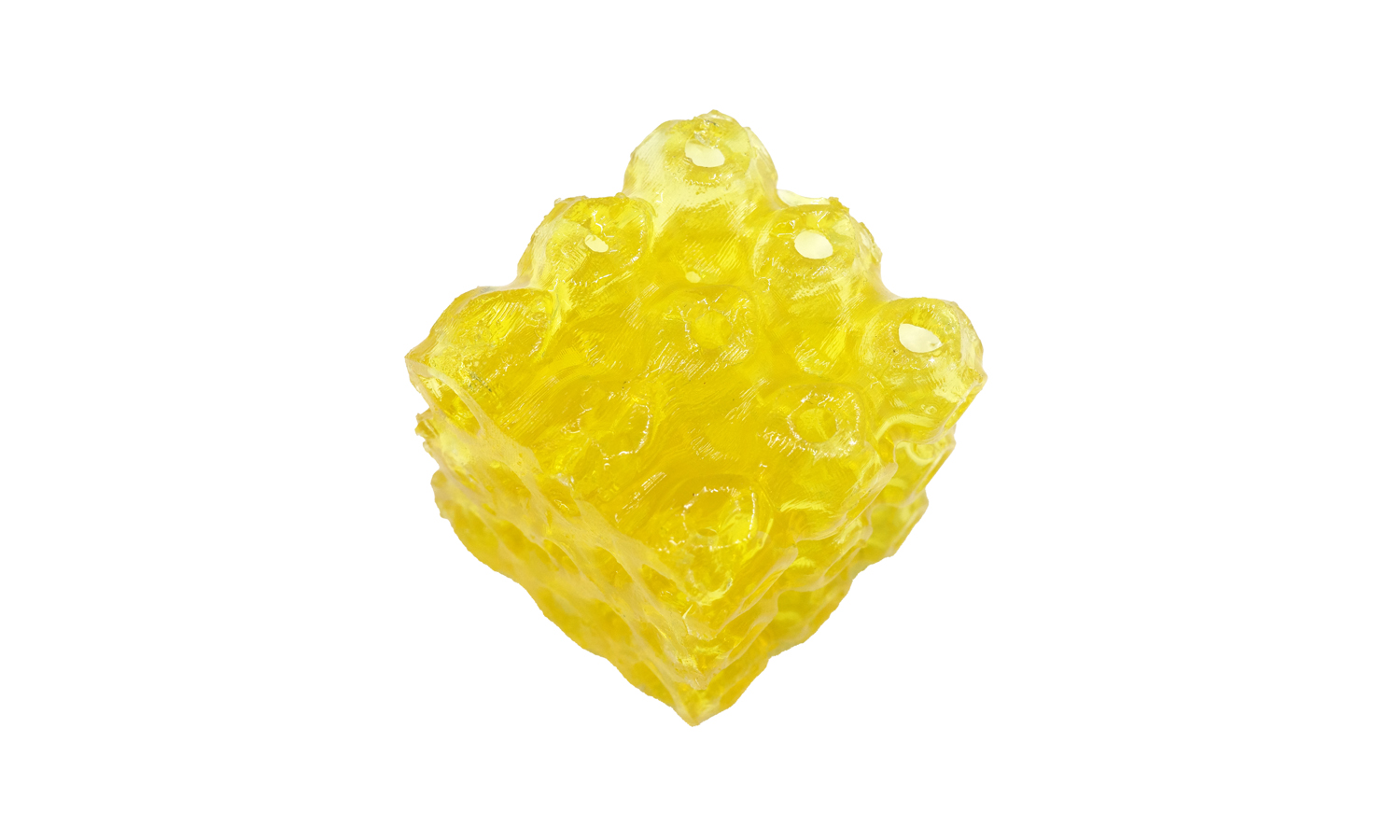
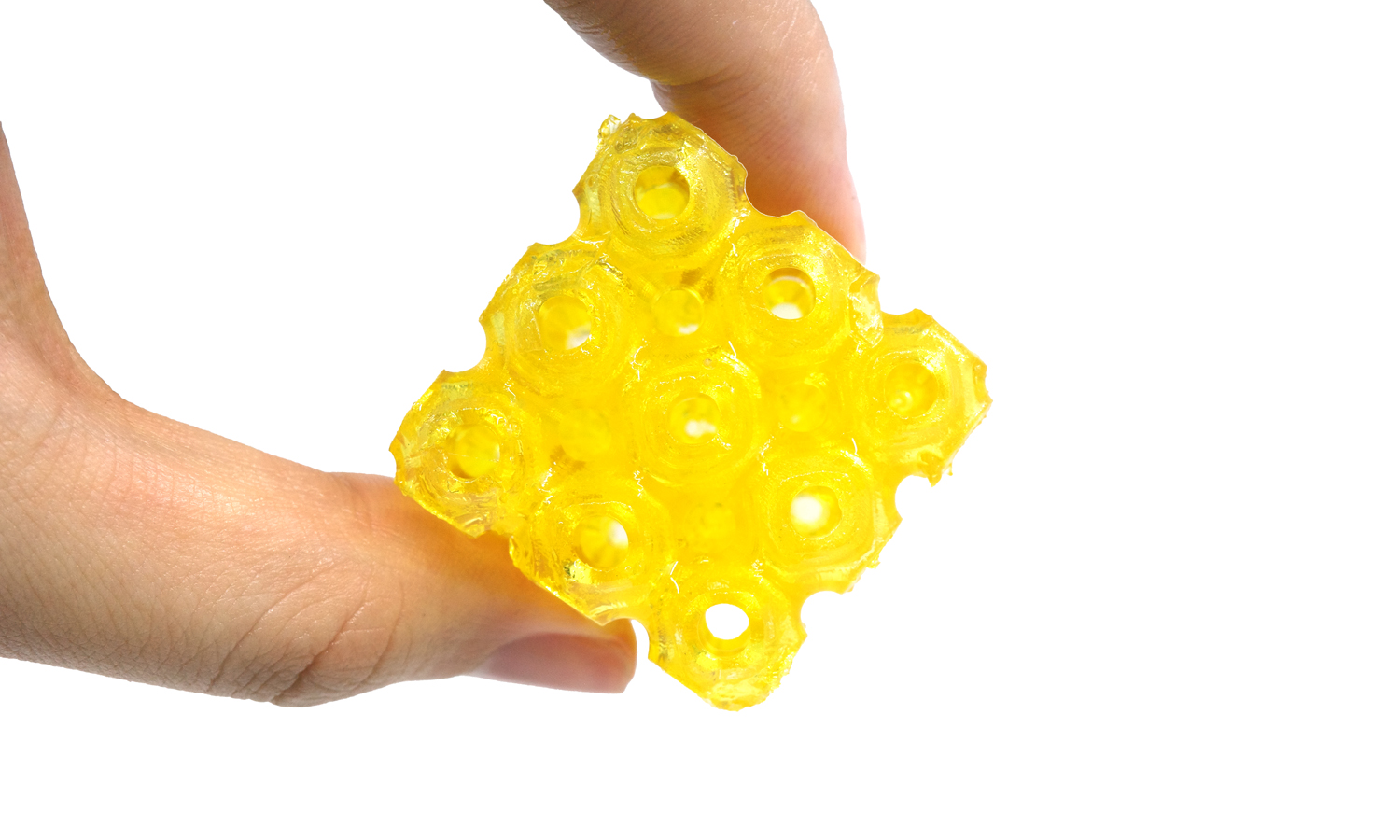
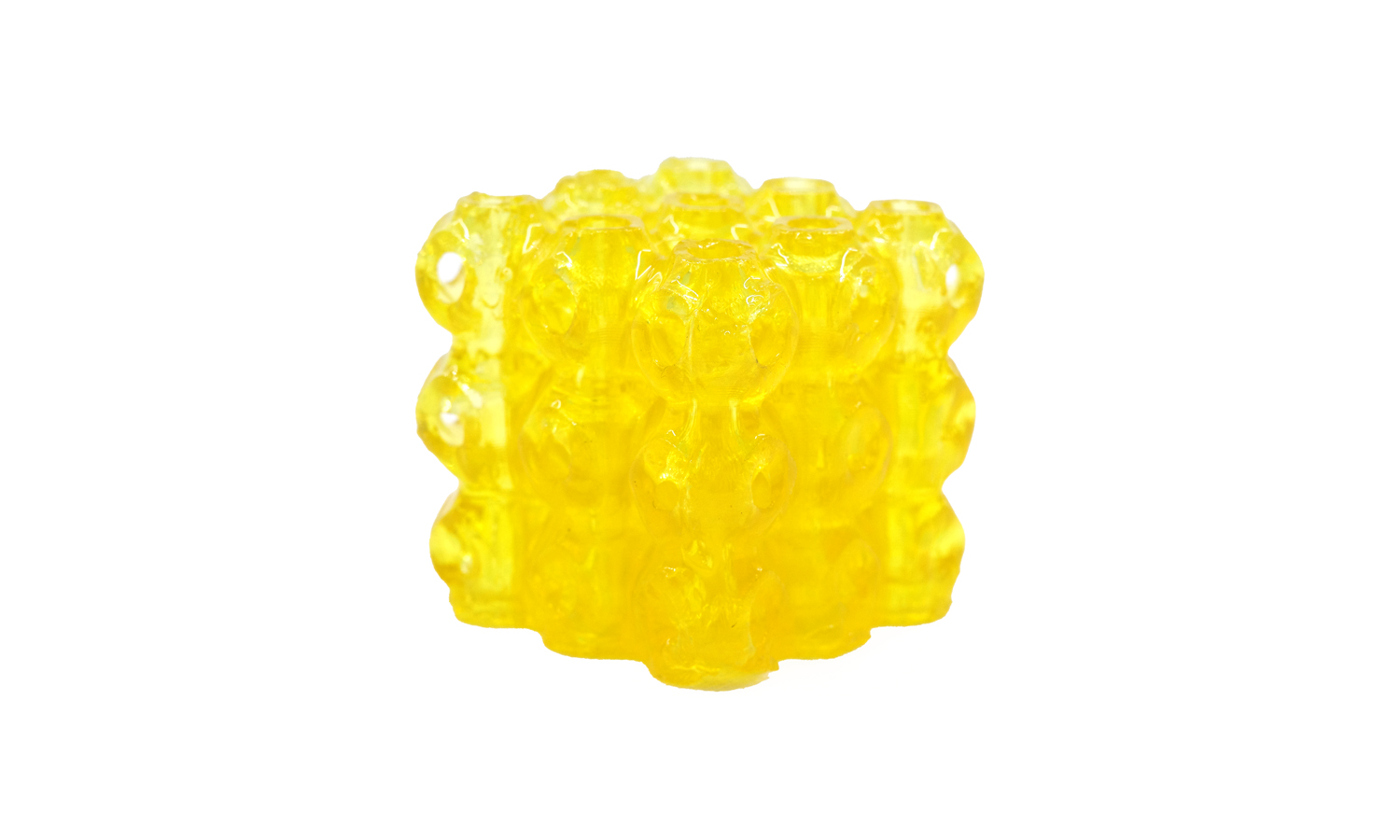
Why are industries obsessing over complex, porous hydrogel lattices like this grid component? Because they hold the key to solving some of medicine and technology’s biggest bottlenecks. In Tissue Engineering and Regenerative Medicine, these structures act as “biomimetic scaffolds.” By mixing living cells directly into the hydrogel ink before printing, scientists can grow cellular networks layer-by-layer. The hollow channels you see in this block are vital; they mimic an engineered vascular highway, allowing nutrient-rich fluids to flow freely so cells deep inside the structure can breathe and survive.
Beyond the human body, 3D-printed hydrogels are driving major breakthroughs in Soft Robotics and Flexible Biosensors. Because certain hydrogels are “smart” materials—meaning they expand or contract in response to external stimuli like temperature, electricity, or pH changes—printing them into optimized architectures allows engineers to build autonomous, muscle-like actuators for soft robots. From targeted, time-released drug delivery devices to wearable skin-like electronics for virtual reality tracking, these little printed blocks are at the epicenter of tomorrow’s technological revolutions.
Turn Your Advanced Concepts Into Reality with FacFox
Ready to transition your project from a theoretical concept to a functional, real-world breakthrough? FacFox is here to accelerate your R&D lifecycle. Our comprehensive online 3D printing services are tailored to meet the demanding specifications of the biomedical, aerospace, and robotics sectors. With a massive fleet of high-precision industrial printers and a deeply knowledgeable engineering support team, we turn complex geometries and specialized materials into seamless realities. Upload your files to the FacFox instant quoting engine today, and let us elevate your manufacturing capabilities!
Solution
- Step 1: An orthogonal grid architecture featuring open, cross-hatched micro-channels was mapped out using 3D modeling software.
- Step 2: The model files were sent to a digital slicer, where printing parameters and thin horizontal layer profiles were assigned.
- Step 3: A highly transparent, yellow-tinted liquid photopolymer solution with high water-retention characteristics was synthesized in the lab.
- Step 4: The yellow liquid formulation was carefully poured into a clean, dust-free DLP printer resin reservoir.
- Step 5: The printer build plate was submerged into the fluid to set the initial microscopic exposure thickness.
- Step 6: A high-intensity digital light engine projected the first grid mask from underneath, instantly solidifying the liquid via UV-induced polymerization.
- Step 7: The build plate was lifted sequentially after each layer exposure, enabling new resin to flow underneath until the entire cube structure was fully grown.
- Step 8: The raw printed block was extracted from the platform and gently washed in a solvent bath to ensure all internal holes were free of trapped fluid.
- Step 9: The washed part was placed under a post-curing UV lamp array to eliminate residual stickiness and secure the final mechanical properties.