c5723fdd04196a096a2ad8fc09f994e2.jpg

Polygonica Present a New Hole Filling Feature for 3D Scanning 3D Scanning Sevices

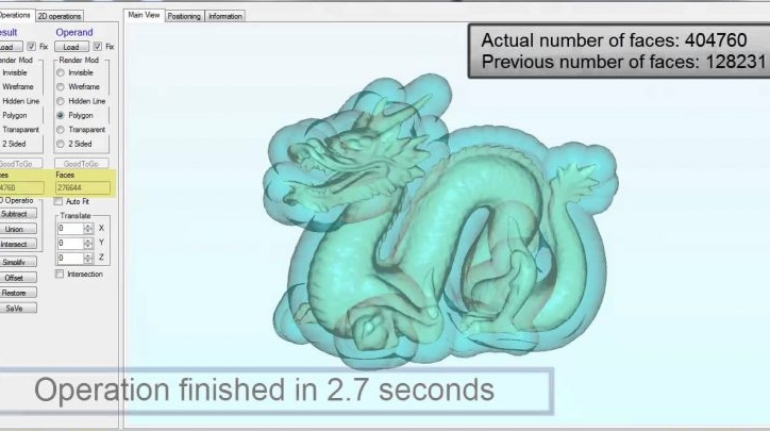
MachineWorks Ltd, creator of the Polygonica Polygonal Modelling Software Engine, is introducing new solutions for solving difficult 3D scanning problems such as complex hole filling in a point cloud of the 3D object. 3D scanners often produce 3D models with missing regions or with holes. Polygonica’s latest function addresses hole filling by recapturing the original geometry of the 3D data thanks to clever geometry manipulation.

4489d4bfbcd378cb4a007d4fcf63c8cb.jpg

“Man of Steel” Ivano Corsini Unleashes Steel 3D Printing with New 3D4Steel Solution 3D Printer Hardware

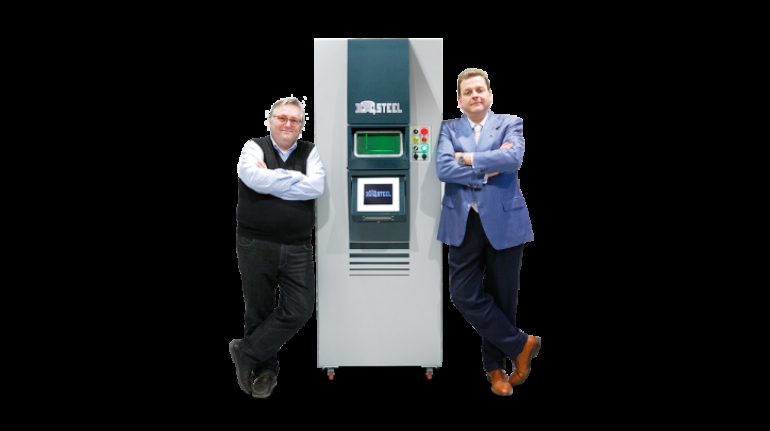
Ivano Corsini founded 3D4STEEL together with business partner Gabriele Carloni, with the goal of making steel 3D printing truly accessible to all. For this reason, the company chose to focus specifically on the most used metal, steel and the wide family of steel alloys. Not only does 3D4STEEL provide a range of metal 3D printers specifically optimized for steel, but it also intends to provide customers with a fully customized service solution. This comprehensive plan is based on its open, highly optimized AM systems for production and 3D4YOU, a tailor-made consultancy and support program that will make implementing 3D printing much smoother than it is today.

0698def1b4b5bbe396a44c4c8f993cd8.jpg

Massivit 3D Extends It Portfolio with New Massivit 1500 Exploration 3D Printer 3D Printer Hardware

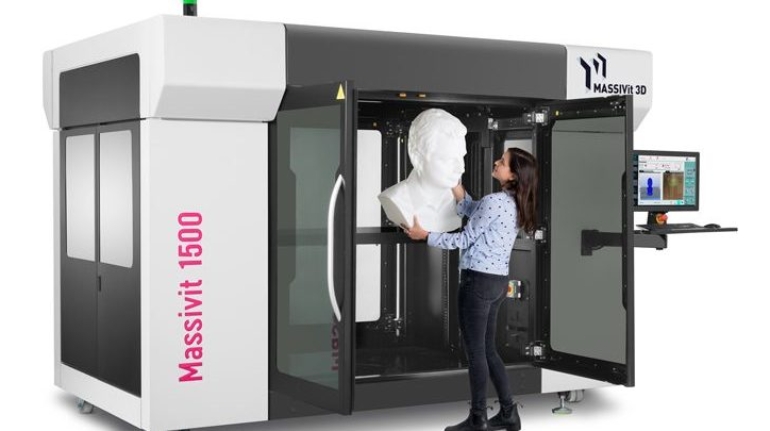
Massivit 3D Printing Technologies, the leading provider of large format 3D printing solutions for visual communication applications, has expanded its product portfolio with the Massivit 1500 Exploration 3D Printer. This new business-enhancing solution is being debuted at ISA Sign Expo (booth 629) and is designed to enable print businesses of all sizes to target new revenue opportunities.

b46b09be71232bc9b4739223fb892116.jpg

How the Next Gen of Affordable Systems Is Making PBF 3D Printing Available to All 3D Printing Processes

The inception of RepRap in 2005 was also the birth of a subsequently increasing trend to make 3D printing more accessible, by way of smaller hardware platforms, lower capital and running costs and ease of use. Obviously, RepRap was, is and likely will continue to be much more than that, with its inherent philosophy of self-replicating machines. However, this trend of increasing accessibility to 3D printing for a much wider audience is, arguably, currently the most impactful consequence of RepRap to date.