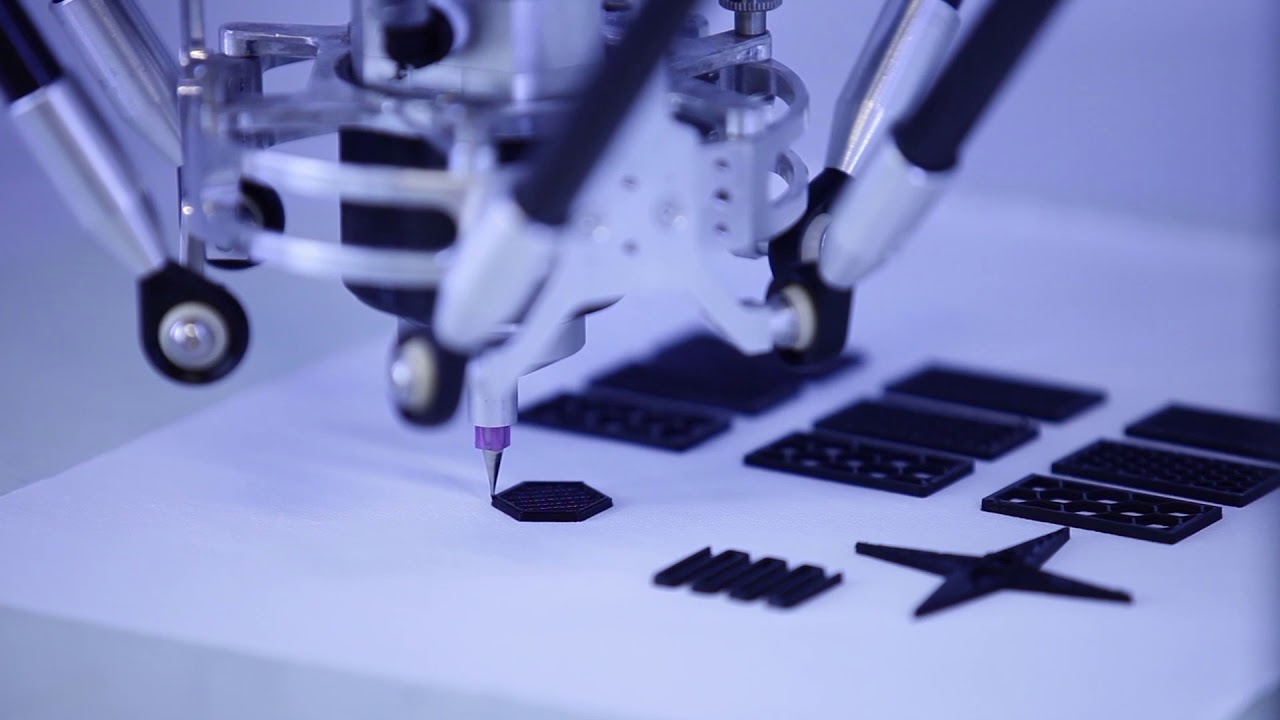
Lynxter Used ViscoTec’s Printheads for An Textile 3D Printing Project
The German company ViscoTec has developed the systems needed to transport, meter, apply, fill, and e ...

News and Insights of 3D Printing and Manufacturing
The German company ViscoTec has developed the systems needed to transport, meter, apply, fill, and e ...
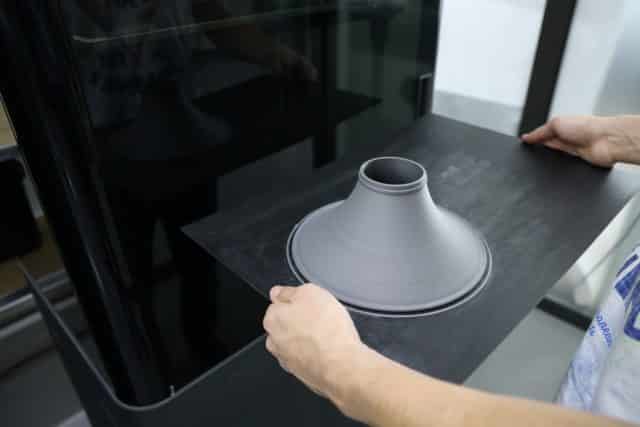
It is hard to imagine that brass instruments (named for the metal they are made of) can be made of a ...
The European Union has taken a critical interest in regulating 3D printed toys. As 3D printing conti ...
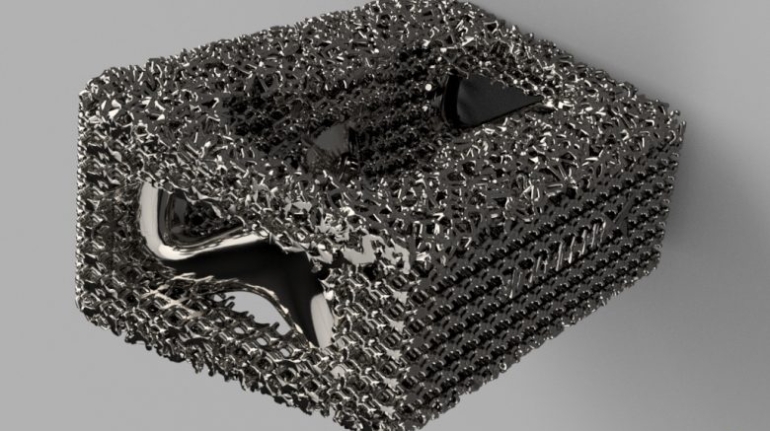
Gas specialist Linde has started pioneering research into how atmospheric conditions in the additive manufacturing process can be optimized to produce complex latticed structures for medical devices. On this first of its kind project, Linde partners with 3D Medlab, working to reach a new milestone in the field of orthopedic device development.

It is hard to imagine that brass instruments—so named because of the metal they are made from—could be produced using any other material. However, a recent, and rather melodious, project led by LOOP 3D and trombone musician Peter Körner has demonstrated that other materials and production methods could be viable for instrument repair. The production method I’m referring to is, of course, 3D printing. And this is the real story of the first 3D printed trombone.
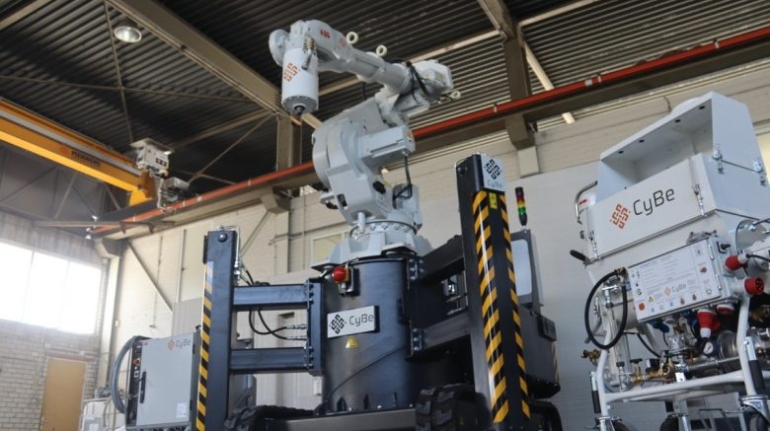
Today, the emerging construction 3D printing sector is being pioneered by a relatively small number of companies, each of which is presenting its own technology and vision for disrupting the global construction industry. Amongst them is CyBe, a Netherlands-based company that has taken an encompassing and holistic approach to construction AM.
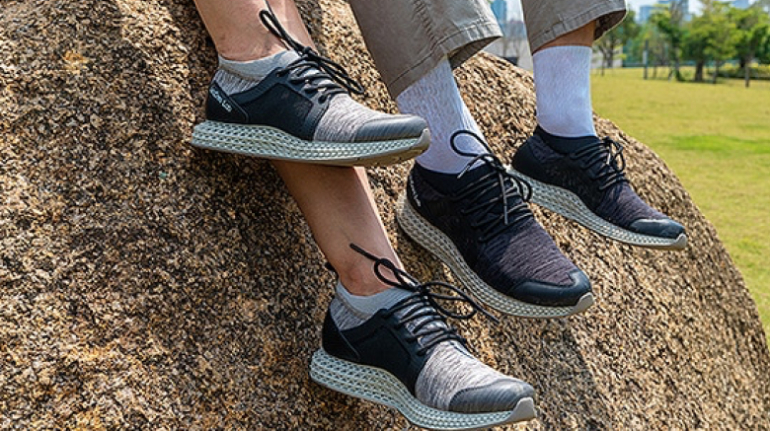
Chinese 3D printer manufacturer LuxCreo is launching its own venture into 3D printed shoes via a Kickstarter crow-funding campaign. The new Bisca360 models are marketed as the first breathable and fully waterproof shoes with a 3D printed midsole. LuxCreo’s high-speed photopolymerization technology LEAP (Light Enabled Additive Production) is used to mass-produce the midsoles.

Mike Tyka, a Google staff who joined Google in 2012 and worked on creating a neuron-level map of fly ...
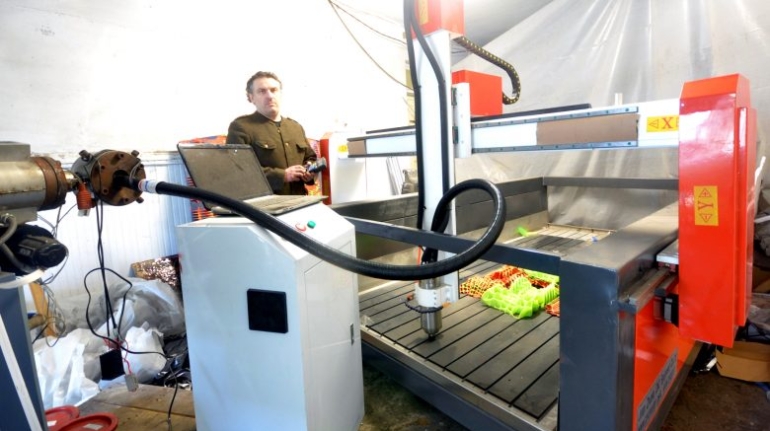
Total-Corbion donated to artist Ioan Florea more than a metric ton of PLA Luminy made from renewable sugar cane used to produce thousands of 3D printed face shields.
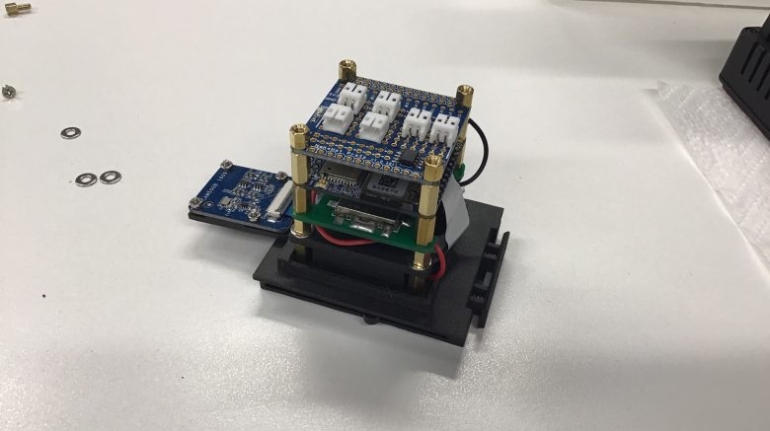
US-based CRP USA manufactured three engineering models for Mini-Cubes. It is the first time that entire PocketQube functional prototypes flight-ready are manufactured using a carbon-reinforced composite material – Windform® XT 2.0 – and laser sintering process