Gallery
About Project
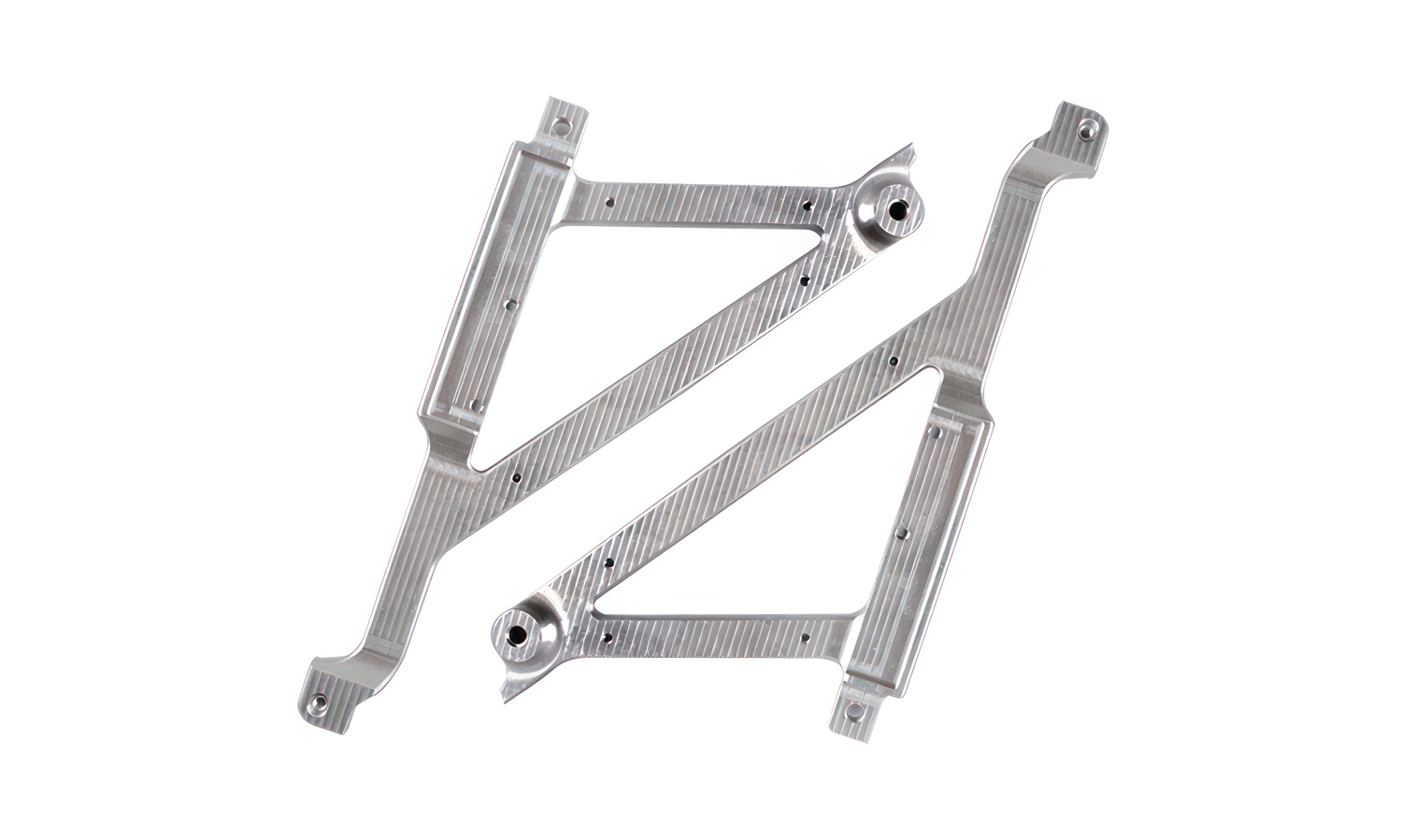
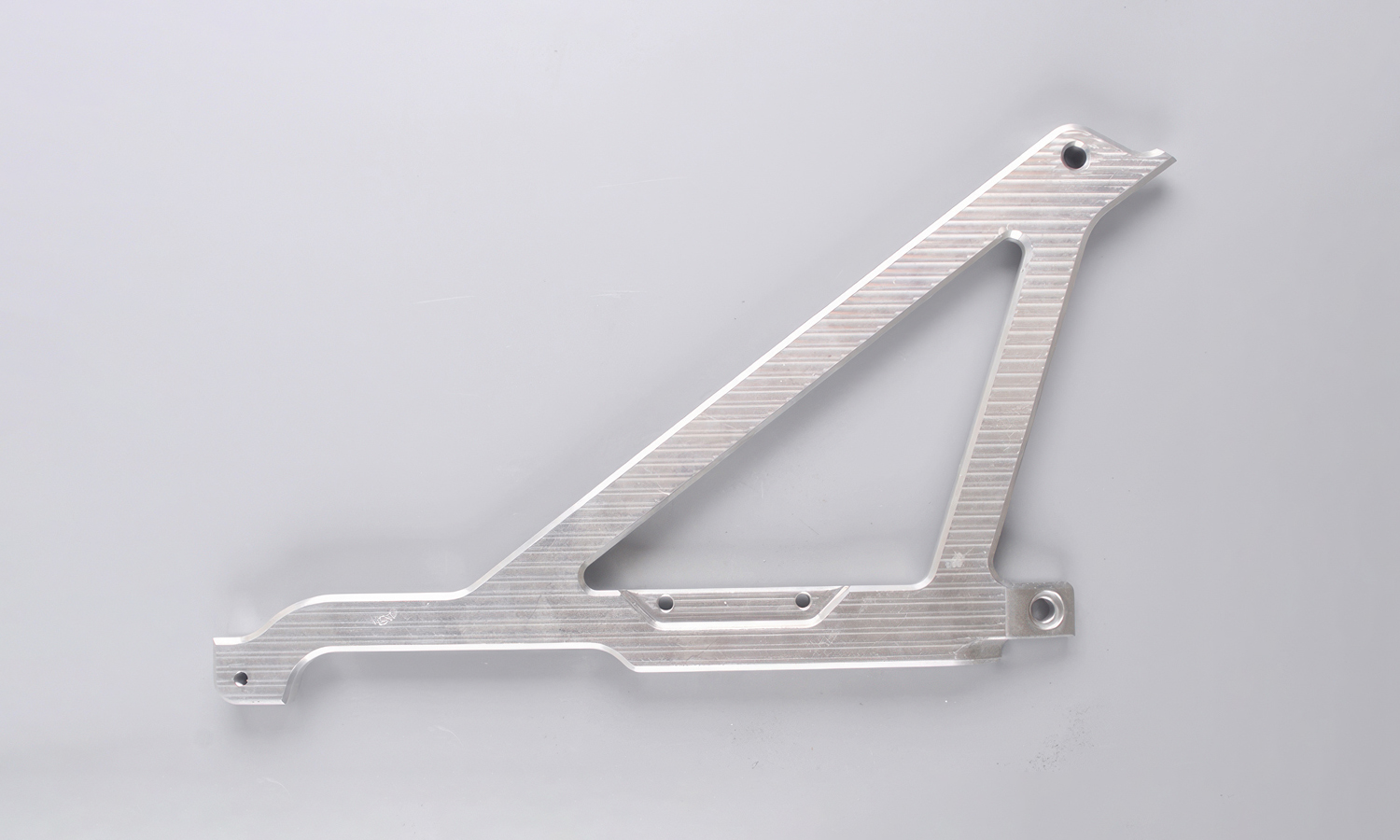
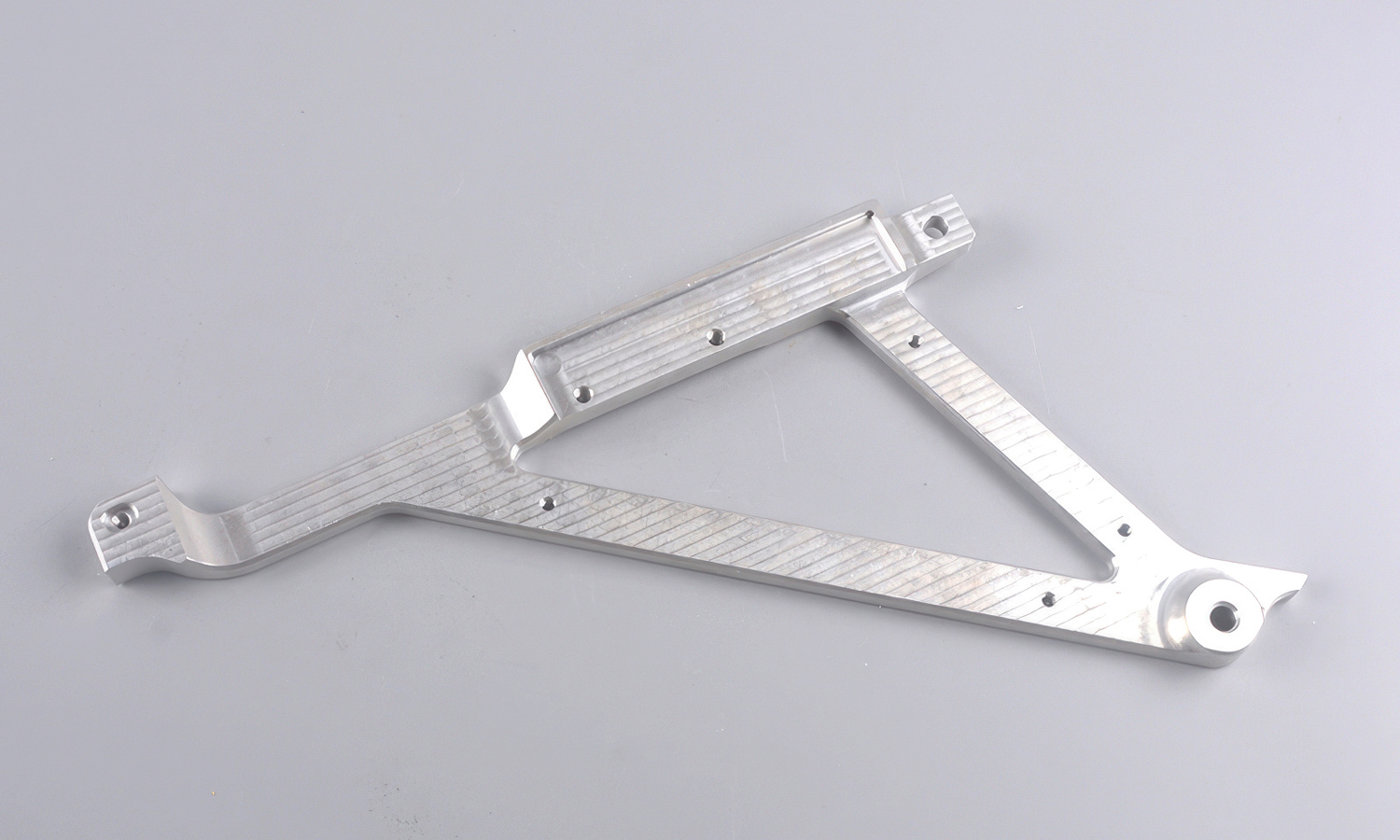
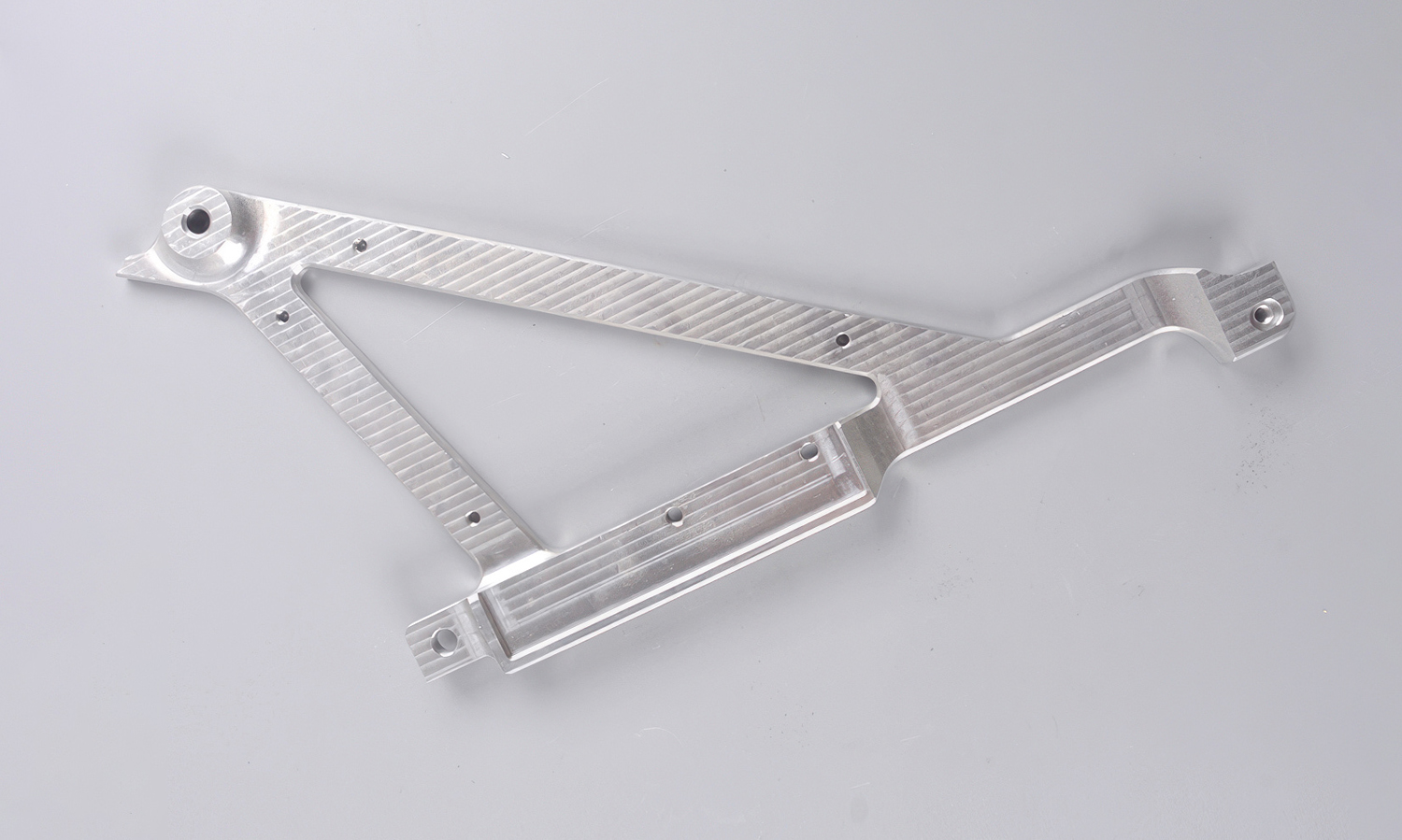
Check out these beauties! What you’re looking at are custom-engineered CNC-machined aluminum chassis plates, likely the new backbone for a high-performance RC crawler or a precision scale model.
The first thing you notice is that unmistakable “as-milled” finish. Those fine, parallel tool paths aren’t just for show—they are the signature of a high-speed CNC mill carving these parts from a solid block of aircraft-grade aluminum. By using a triangular A-frame design, the creator has maximized structural rigidity while shaving off every unnecessary gram of weight. Whether these are suspension mounts or side frames, they are built to take a beating on the trail while keeping the center of gravity exactly where it needs to be.
It’s a perfect example of how custom metalwork can take a hobby project from “off-the-shelf” to “pro-tier.” The precision of the countersunk holes and the recessed mounting channels ensures that everything from servos to gearboxes will bolt on with zero play.
If you’re looking to bring this level of precision to your own designs, FacFox is your go-to partner. While they excel at high-tolerance CNC machining like this, they are also industry leaders in 3D printing services. Whether you need to rapidly prototype a complex geometry in resin or print end-use metal parts using DMLS (Direct Metal Laser Sintering), FacFox offers over 100 material options and professional finishing to turn your digital models into reality. From one-off passion projects to small-batch production, they make high-end manufacturing accessible to everyone.
Solution
- Step 1: Design and CAD Modeling. A detailed 3D model was first developed using CAD software, where every mounting hole, recessed channel, and structural taper was meticulously defined.
- Step 2: Material Selection. High-grade aluminum alloy plate stock was selected for its optimal strength-to-weight ratio and excellent machinability.
- Step 3: CAM Programming. The digital model was processed through CAM software, where tool paths were generated and specific cutting speeds and feed rates were established.
- Step 4: Workholding and Setup. The raw aluminum billet was securely clamped onto the CNC machine bed using specialized fixtures to prevent vibration during the milling process.
- Step 5: CNC Milling. The excess material was systematically removed by high-speed rotating cutting tools. The triangular “A-frame” geometry and internal pockets were carved out in multiple passes.
- Step 6: Drilling and Countersinking. Precision holes for mounting hardware were drilled, and specific apertures were countersunk to allow for flush-fit screw heads.
- Step 7: Deburring and Cleaning. Sharp edges were smoothed out, and all residual metal shavings and coolant were removed from the finished surfaces.
- Step 8: Quality Inspection. The final components were measured against the original design specifications to ensure all tolerances were strictly met.