Gallery
About Project
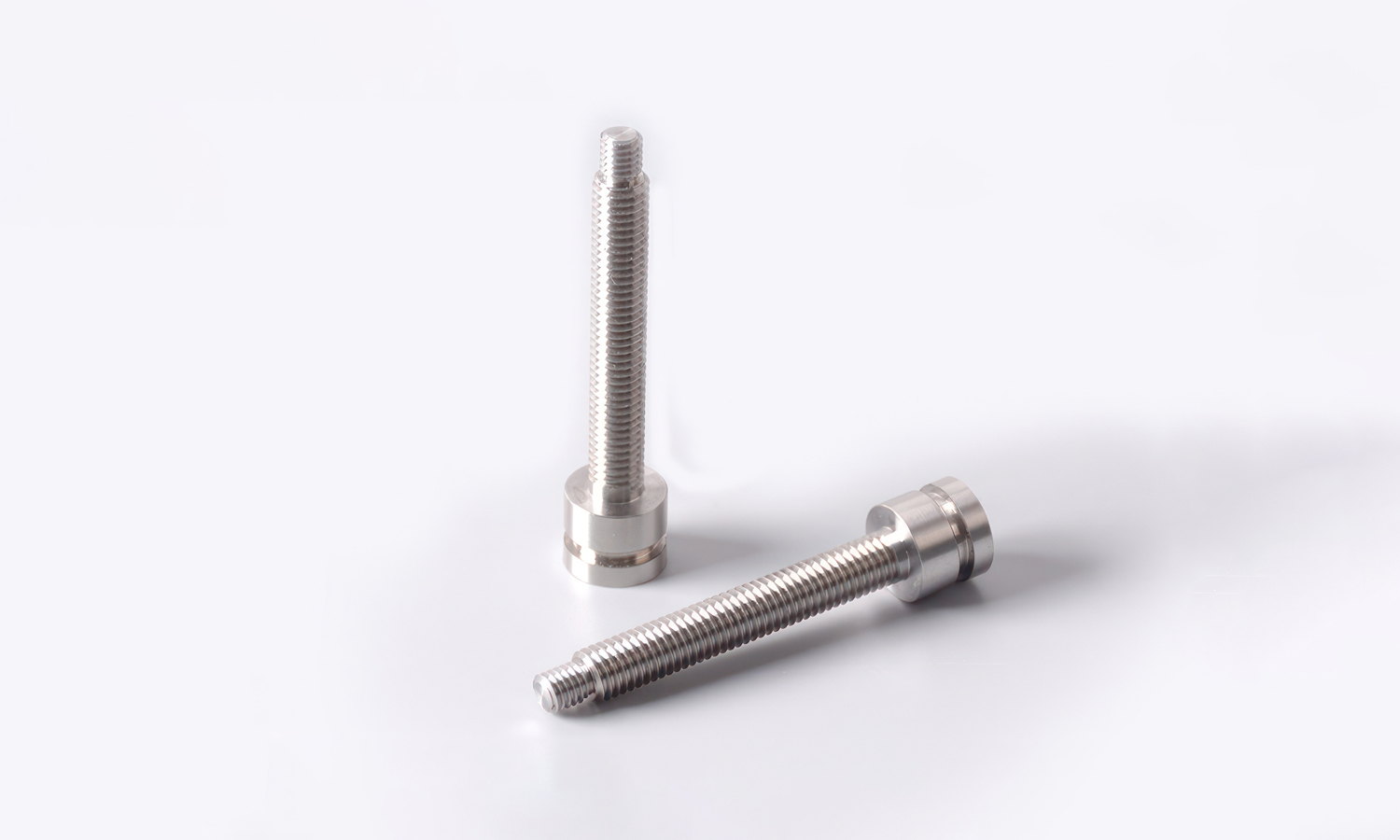
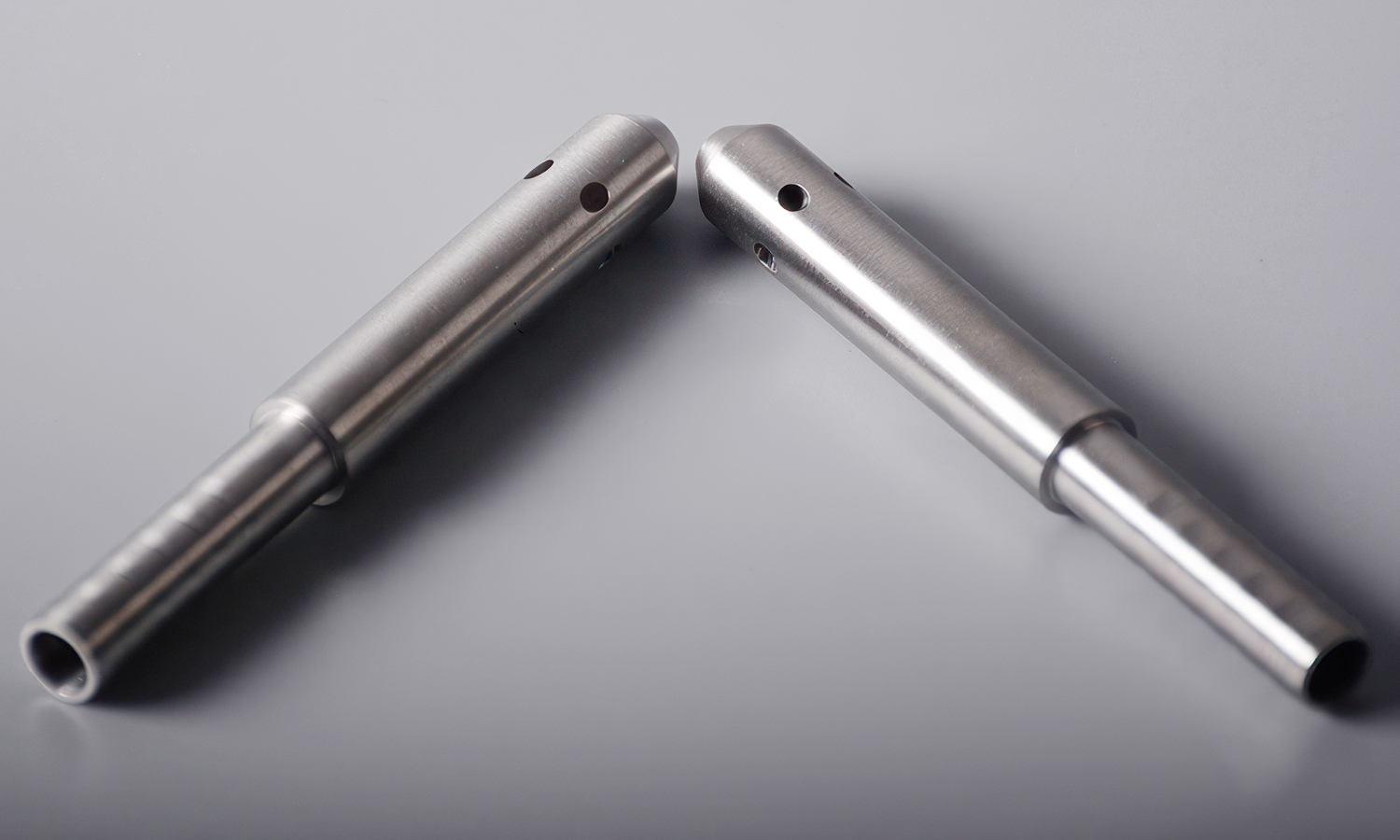
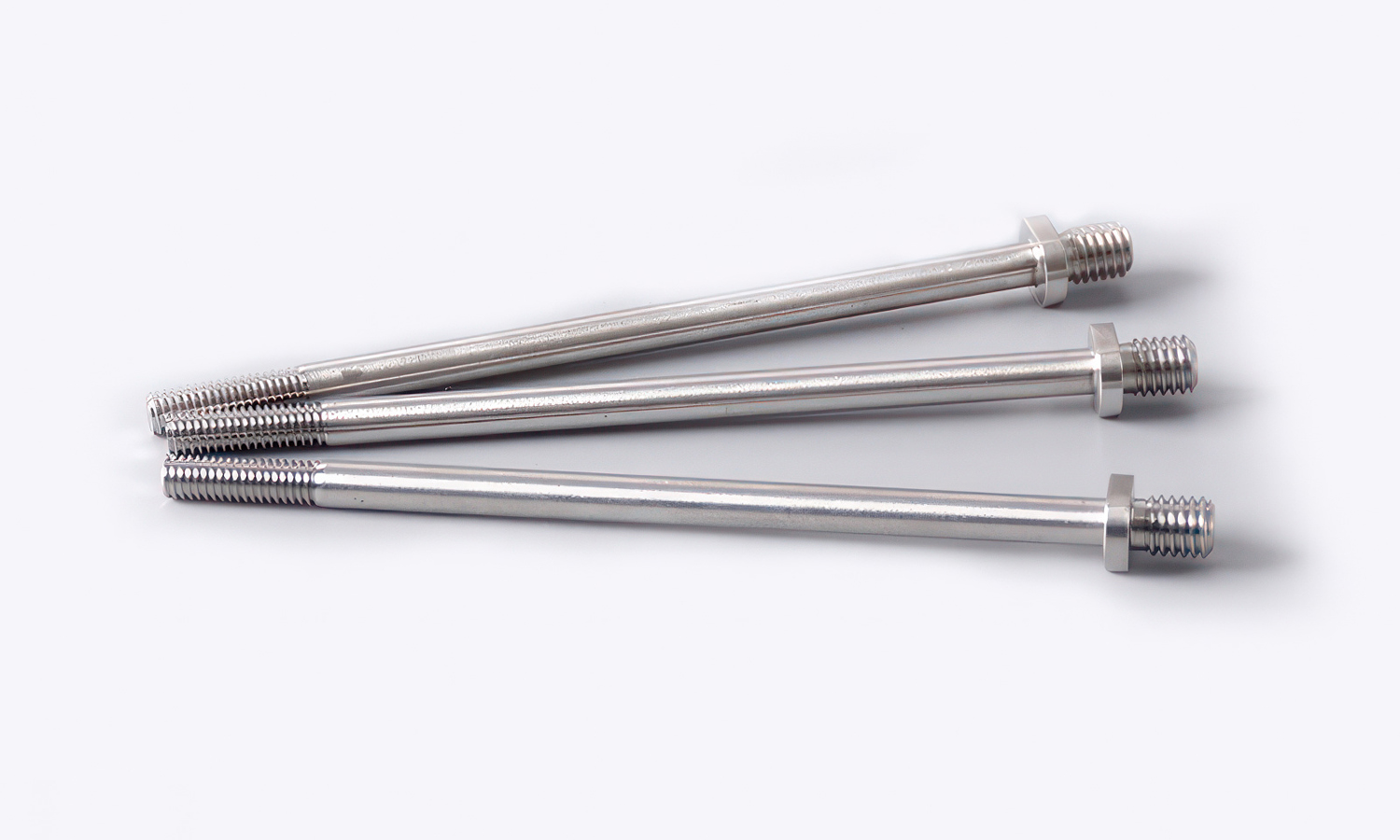
When it comes to high-performance mechanical assemblies, “off-the-shelf” hardware rarely makes the cut. The components shown here—from slender tension rods and ported fluid nozzles to grooved adjuster screws—demonstrate the level of complexity required in modern engineering.
These aren’t just bolts; they are mission-critical parts. The deep-groove heads allow for captive rotation in precision instruments, while the radial ports on the hollow sleeves are designed for exact fluid or gas distribution. Achieving these features in 316 stainless steel requires more than just a lathe; it requires tight tolerances, chatter-free finishes, and a deep understanding of material behavior. Whether it’s for medical devices, laboratory equipment, or aerospace prototypes, the difference between a functional part and a failure is often measured in microns.
Bring Your Designs to Life with FacFox
If your project demands this level of accuracy, FacFox’s CNC machining services are the solution. We specialize in turning complex CAD models into high-precision reality using state-of-the-art 3-, 4-, and 5-axis machining. Whether you need a single prototype in stainless steel or a production run of thousands in aluminum or titanium, our engineers ensure every thread and bore meets your exact specifications.
Ready to start your next build? Upload your files to FacFox today for an instant quote and expert manufacturing support.
Solution
- Step 1: The high-grade 316 stainless steel round bars were selected and inspected for material integrity.
- Step 2: Technical CAD drawings were converted into G-code to program the multi-axis CNC turning center.
- Step 3: The raw stock was loaded into the machine and the primary cylindrical profiles were turned to exact diameters.
- Step 4: Deep-groove features and captive collars were precision-cut using specialized grooving tools.
- Step 5: External threads were chased onto the studs, and internal bores were drilled into the nozzle components.
- Step 6: Radial flow ports were cross-drilled using live tooling on a 4-axis CNC lathe to ensure perfect alignment.
- Step 7: All components were deburred, ultrasonic cleaned, and passivated to enhance corrosion resistance.