Plastic 3D Printing Services
Turn digital designs into plastic prototypes and production parts with FDM, SLA/DLP, MJF, and PolyJet 3D printing.
Overview: How Plastic 3D Printing Works
The Basics of Plastic 3D Printing
Plastic 3D printing is an additive manufacturing process: a digital model is built layer by layer to create a physical part. Depending on the required material, surface quality, strength, accuracy, and production volume, FacFox selects the most suitable plastic printing technology.
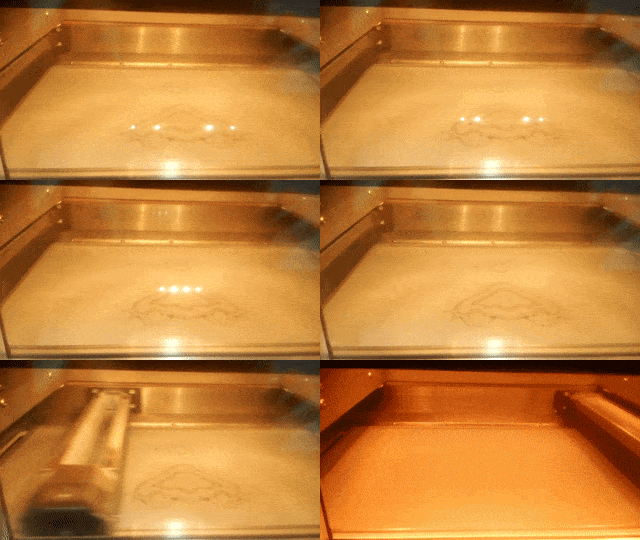
Plastic 3D printing builds parts layer by layer.
Plastic 3D printing is well suited to prototypes, functional test parts, visual models, jigs, fixtures, and low-volume end-use products. It eliminates dedicated tooling and lets teams validate a design before committing to mass production or injection molding.
How Plastic 3D Printing Works
Each technology creates a part by selectively adding material from a digital file. FDM melts and deposits thermoplastic filament; SLA/DLP cures liquid resin with light; MJF fuses polymer powder; and PolyJet/MJP jets fine layers of photopolymer. Supports are removed and the part can receive finishing when required.
Choosing a Plastic 3D Printing Service
Choose FDM for cost-effective, durable thermoplastic parts; SLA/DLP for fine detail and smooth surfaces; MJF for strong, repeatable nylon parts; and PolyJet/MJP for high-detail visual models and multi-material effects. Our team reviews your part geometry, material requirements, tolerances, finish, and quantity to recommend the right process.
Features of Plastic 3D Printing
Advantages
Considerations
Plastic 3D Printing Technologies
FDM extrudes heated thermoplastic filament layer by layer. It is a practical choice for economical prototypes, large parts, jigs, fixtures, and durable functional components in materials such as ABS, ASA, nylon, polycarbonate, and ULTEM. SLA and DLP use light to cure liquid resin into highly detailed parts with smooth surfaces. They are ideal for presentation models, intricate prototypes, patterns, dental applications, and parts that benefit from fine features. MJF produces strong nylon parts with consistent mechanical properties for functional prototypes and low-volume production. PolyJet/MJP delivers exceptional detail, smooth surfaces, and material effects for visual and multi-material models.FDM 3D Printing
SLA/DLP 3D Printing
MJF & PolyJet/MJP
Available Plastic Materials
Available Finishes
The standard post-processing step removes supports and loose powder so the part is ready for inspection or use.
The resulting surface reflects the selected printing process, material, build orientation, and part geometry.
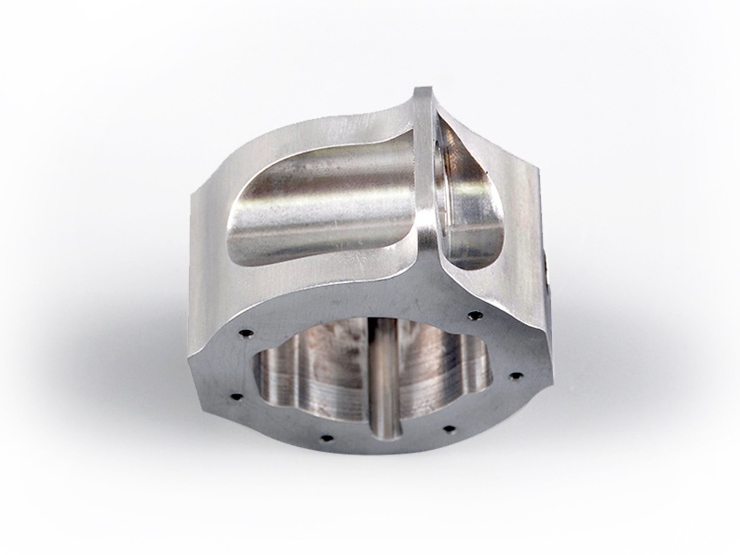
Sanding smooths visible layer lines and support marks. Primer and paint can then create a consistent cosmetic finish for presentation models, enclosures, and visual prototypes.
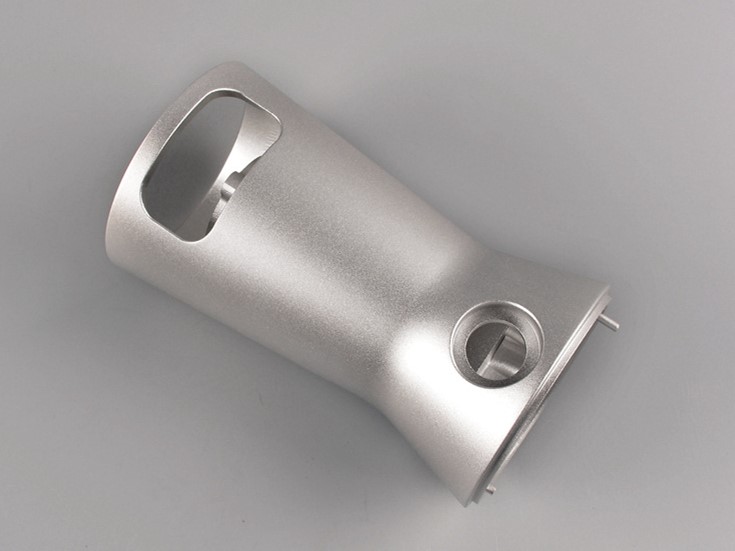
Dyeing is available for suitable nylon powder parts. It colors the material beneath the surface, helping functional MJF parts maintain a more durable appearance than a surface-only coating.
Clear coating can improve the appearance and cleanability of selected plastic printed parts. It is often paired with sanding or painting when a polished display finish is required.
- Polishing
- Electroplating
- Don’t see the finish you need? Submit an RFQ and describe the required appearance or performance; we’ll review the suitable finishing process.
Plastic 3D Printing Applications
Validate fit, form, and function early with fast plastic prototypes. Select the material and process that best represents the intended production part. Durable FDM and MJF materials can produce lightweight manufacturing aids, assembly fixtures, drill guides, and custom tools without dedicated tooling. Use plastic 3D printing for custom, low-volume, and bridge-production parts when design freedom and speed are more valuable than mass-production tooling.
Prototypes

Jigs & Fixtures

End-Use Parts
Industries Using Plastic 3D Printing






Resources for Plastic 3D Printing