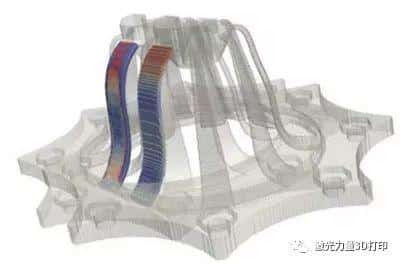
Why should the metal powder and laser action process be simulated
There was once a graduate tutor in the direction of 3D printing that "encouraged" his dis ...

News and Insights of 3D Printing and Manufacturing
There was once a graduate tutor in the direction of 3D printing that "encouraged" his dis ...
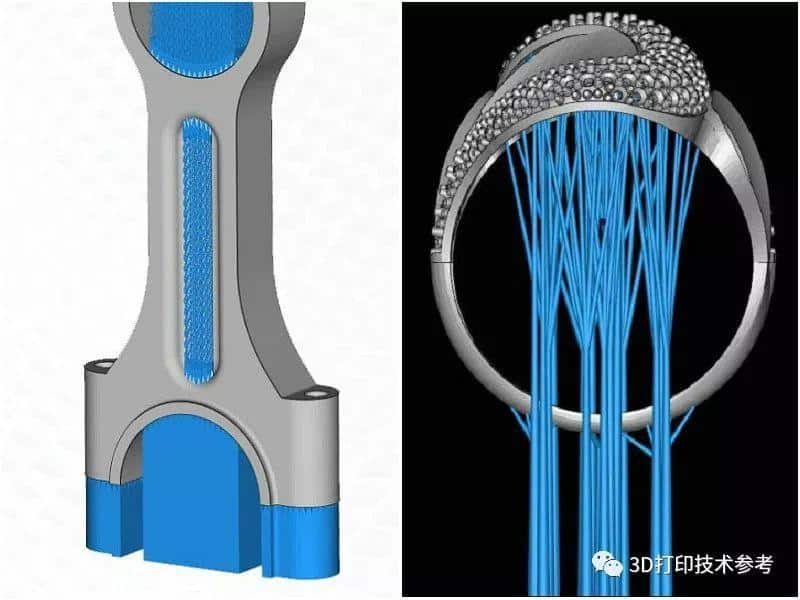
First discuss why metal printing needs support. Compared with SLS's use of powder self-supporti ...
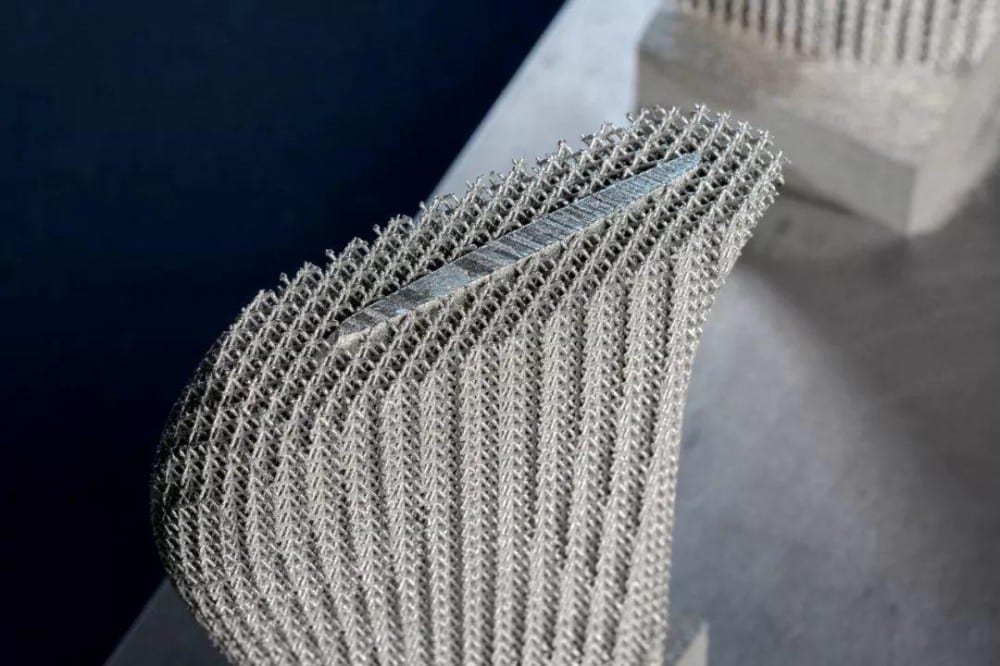
One of the main features of the additive manufacturing process is that the complexity of the shape ...
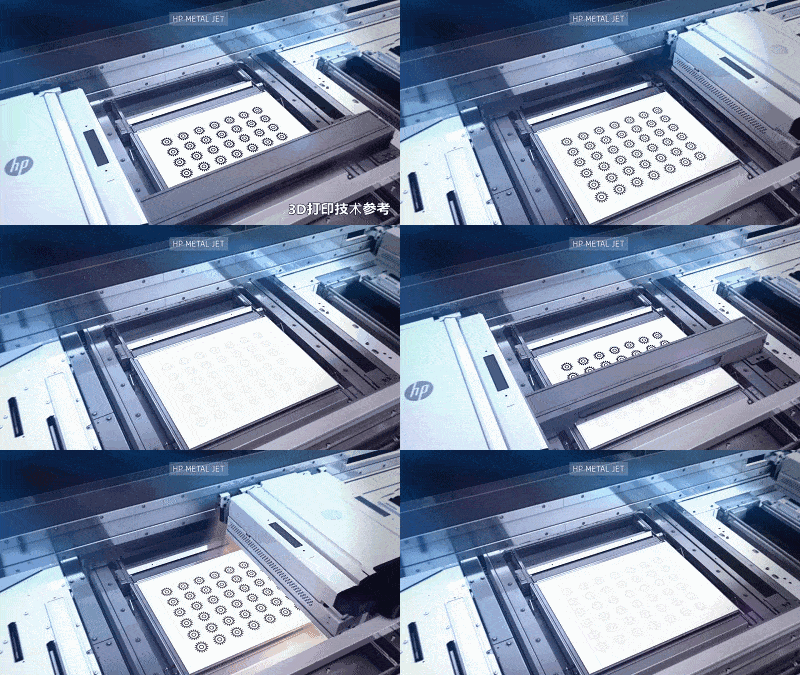
HP's 3D printing field is a menacing situation. The nylon machine released last year is not com ...
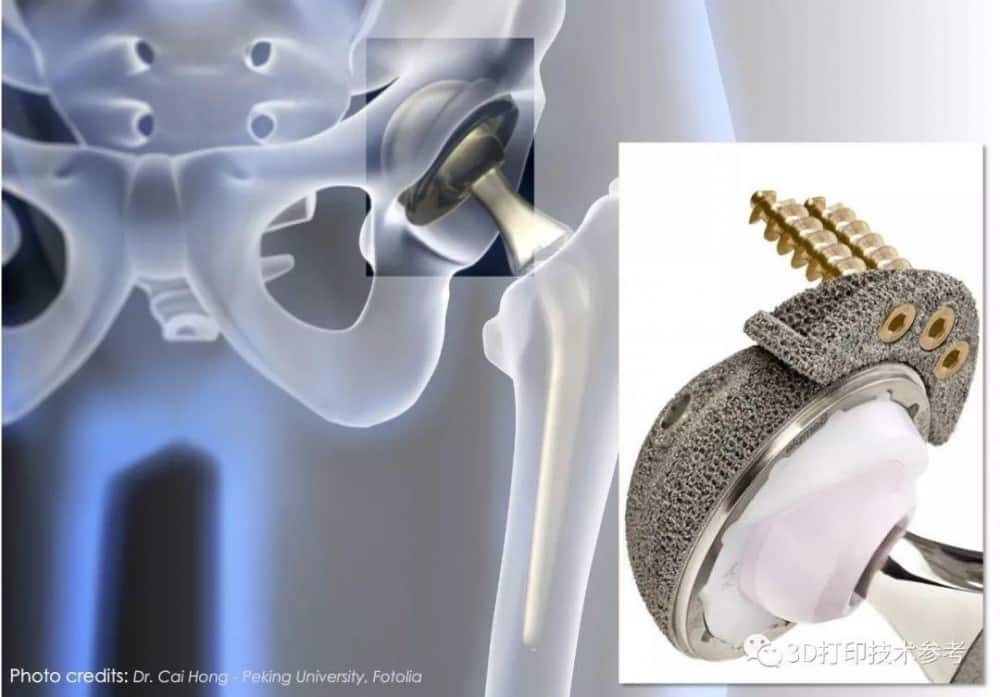
Traditional hard tissue implanted metal materials such as stainless steel, titanium and its alloys ...
![[Additive Manufacturing] Get the standard out](https://facfox.com/wp-content/uploads/2020/04/20200408_5e8ddb8435cbe-1.jpg "[Additive Manufacturing] Get the standard out")
In recent years, additive manufacturing applications in the aerospace, medical, mold and other show ...
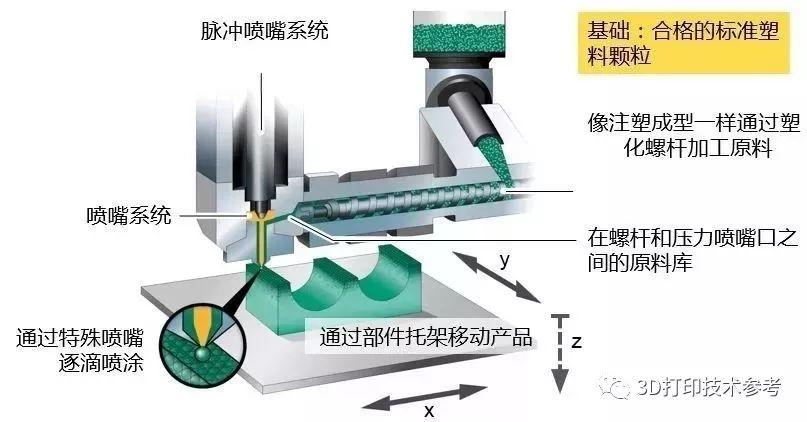
In the industrial field, the additive manufacturing of plastic functional components has high requi ...
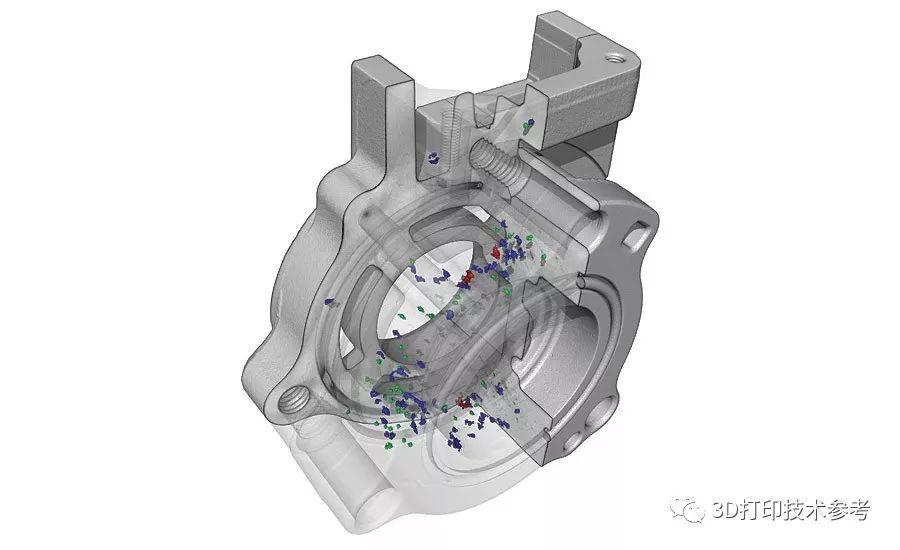
Prior to this, there were no comprehensive testing methods for additive-manufactured parts. Metal-p ...
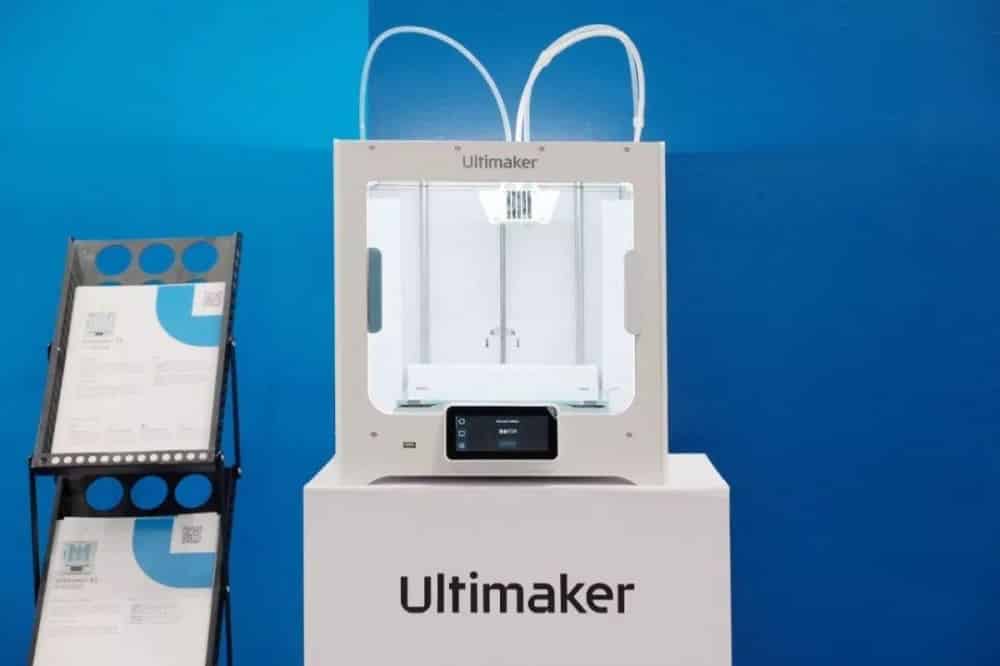
On the first day of TCT Shenzhen, Ultimaker, the global leader in desktop 3D printing, launched two ...
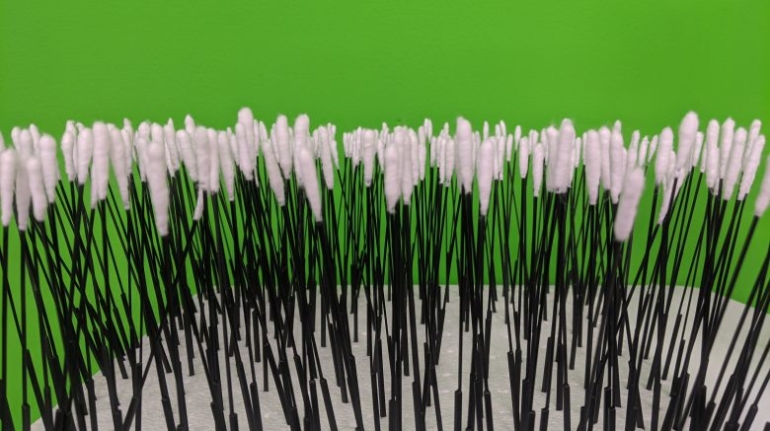
Massachusetts-based 3D printing company Markforged has just announced a partnership with optical equipment provider Neurophotometrics (NPM) to produce 3D printed nasopharyngeal swabs for COVID-19 diagnostic testing. The swab design, called Fiberflex Rayon, reportedly detected the virus in all patients tested, while commercial swabs reported false negatives. Markforged says it is now producing 10,000 nasal swabs per day and plans to scale production up to 100,000 per day.