
Bionic Pets: 3D printing prosthetics for our animal friends Medical
Writing about 3D printing technologies, we come across a lot of inspiring moments: we’ve seen how ...

News and Insights of 3D Printing and Manufacturing
Writing about 3D printing technologies, we come across a lot of inspiring moments: we’ve seen how ...
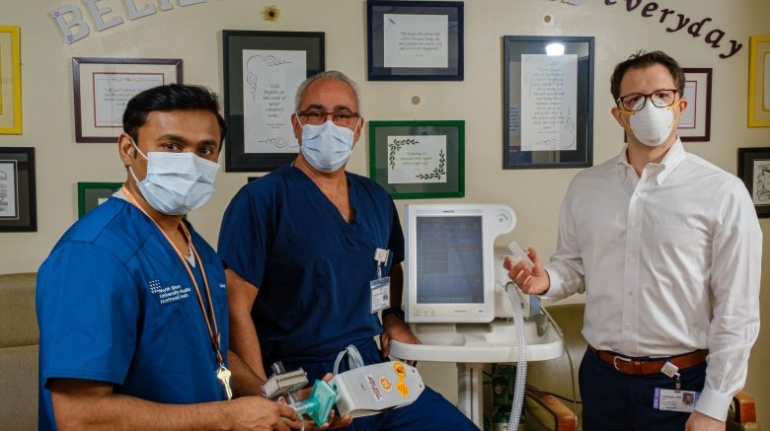
3D printing company Formlabs has not been idle since the novel coronavirus was declared a pandemic. The company has used its resources to support COVID-19 relief efforts with face shields, nasal swabs and more. Most recently, Formlabs revealed it has been granted emergency use authorization by the FDA to 3D print adapters which can convert BiPAP machines into much-needed ventilator systems. The company says it has the capacity to produce up to 3,000 3D printed adapters a day, which can be deployed to hospitals treating critically ill COVID-19 patients.

General Atomics Aeronautical Systems, Inc. (GA-ASI) has partnered with Australia-based Conflux Technology on the development of a heat exchanger. The part is being developed using a metal additive manufacturing process for possible integration onto GA-ASI’s line of Remotely Piloted Aircraft Systems (RPAS).
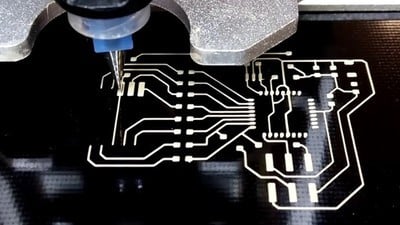
Introduction Speeding up innovation is always easier with the right tools. Additive manuf ...
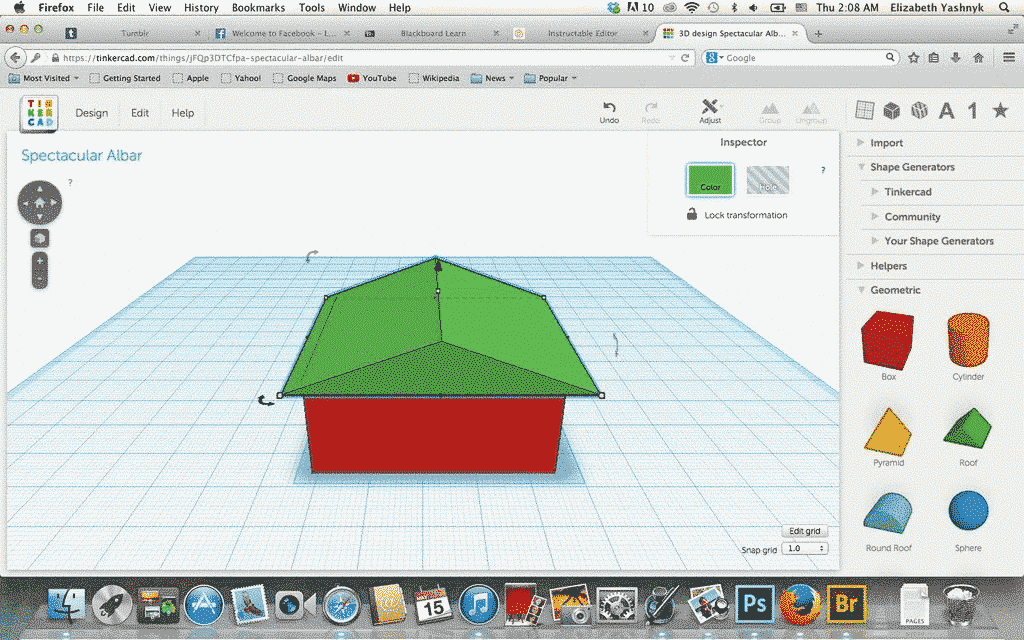
Tinkercad is a simple, intuitive, and FREE website available to easily design models for 3D printing ...
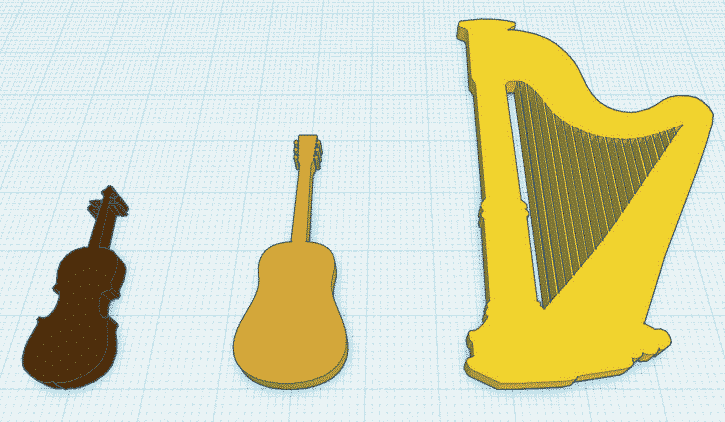
The development of 3D printing in today's education is very attractive. In Digital Production: 3D Pr ...

3D printing has changed the traditional teaching rules. Teachers can introduce 3D printing into teac ...
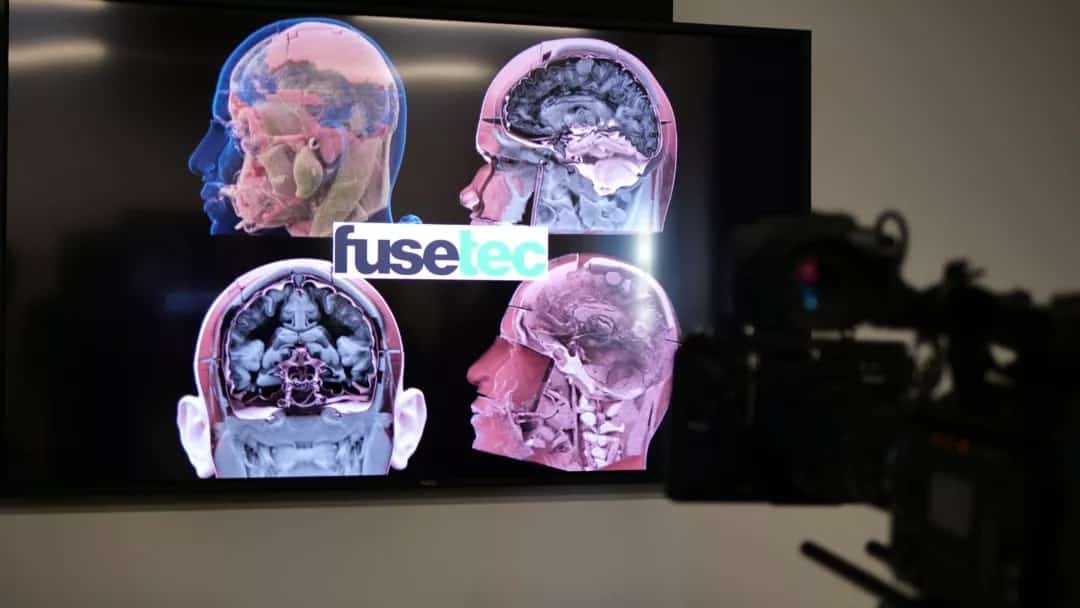
In recent years, the application of 3D printing technology has gradually developed from the initial ...

The Blue Origin National Team, which includes Lockheed Martin, Northrop Grumman, and Draper, was selected by NASA to begin to develop the Artemis Human Landing System. Existing and in development, technologies provide the head start needed to meet NASA’s goal of landing at the South Pole of the Moon. Lockheed Martin’s Ascent Element is based on Orion; Northrop Grumman’s Transfer Element is based on Cygnus; and Blue Origin’s Descent Element is based on the Blue Moon lander and BE-7 engine, which has been in development for several years.

An IBM scientist has taken it upon himself to build a low-cost microscope after being disappointed with image quality results using his lab’s commercial device. The DIY microscope, which just about anyone can recreate at home, costs just $300 and is made of LEGO bricks, a Raspberry Pi computer, an 8MP Raspberry Pi camera and some 3D printed components.