81e5a97311b601ffea385d53aa5dfa37.jpg

Nivalon Leverages AI and 3D Printing to Create Personalized, Motion-Preserving Spinal Implants

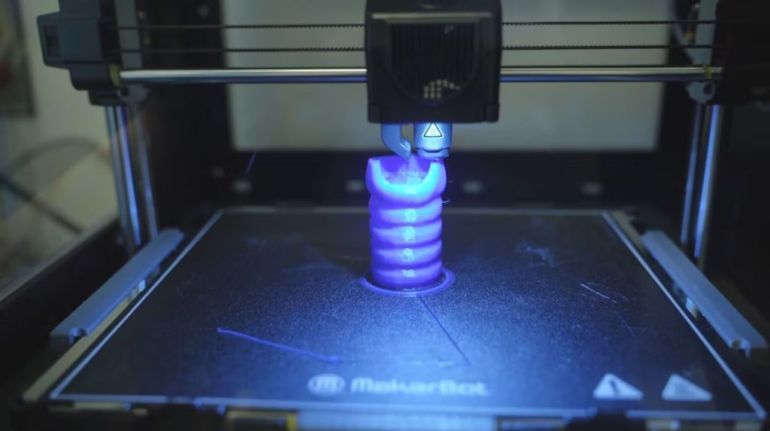
U.S. company creating patient-specific spinal implants Nivalon Medical Technologies has developed what it describes as the first fully patient-specific spinal implant that preserves natural motion without metal components. The device combines AI-driven design with advanced ceramic 3D printing, using a zirconia-toughened alumina (ZTA) structure and a flexible core to replicate spinal movement.
Create it REAL and Vitalitecs bring digital orthopedic manufacturing to Mexico

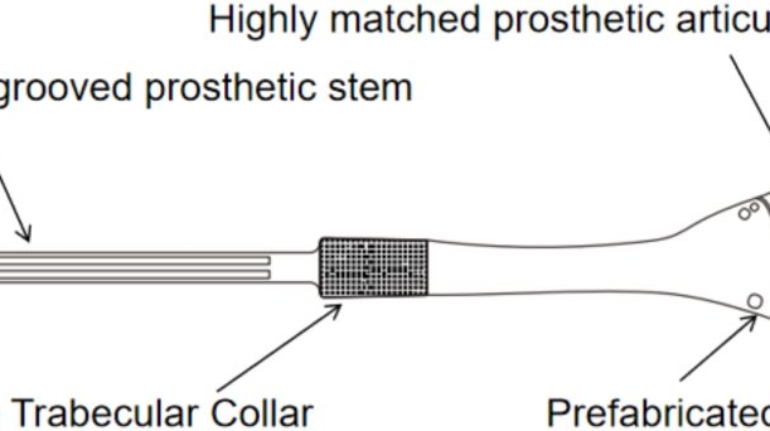
Danish digital orthopedic manufacturing company Create it REAL has partnered with Monterrey-based Vitalitecs to expand access to advanced digital production technologies for orthopedic devices across Mexico. Announced in January 2026, the collaboration aims to support the local production of patient-specific orthotics, prosthetics, and medical devices using 3D printing-enabled workflows.

FUGO Precision 3D Integrates Graphy Materials for High-Precision Dental Manufacturing

FUGO Precision 3D, a developer of 3D printing technology for dental manufacturing, has announced a strategic collaboration with South Korea’s Graphy, a developer of photopolymer materials for 3D printing, ahead of its official market debut at LMT Lab Day 2026 in Chicago. The partnership will integrate Graphy’s advanced photopolymer materials into FUGO’s centrifugal 3D printing platform, creating a streamlined, high-precision workflow for dental applications.

70dd763323aee2562d960301562338db.jpg

MUHC Researchers Test VR and 3D Printing for Better Lung Repair

Researchers from McGill University Health Centre Research Institute (RI-MUHC) are using virtual reality (VR) and 3D printing to study whether damaged lungs could one day be repaired rather than replaced through transplantation. In one of the institute’s laboratories in Montreal, the team is using VR headsets to examine detailed digital models of lung anatomy, moving through airways to identify damaged areas and plan where 3D printed, hollow components could be used to connect healthy sections of the organ.