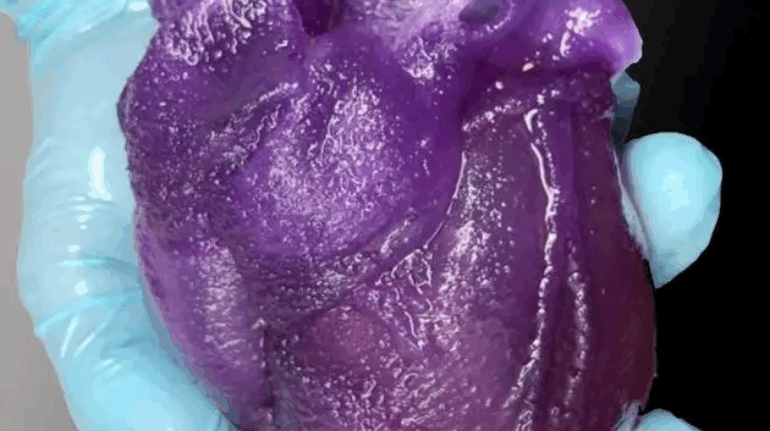
This Squishy 3D-Printed Human Heart Feels Like the Real Thing
In the intro to the HBO sci-fi series Westworld, a 3D printer churns out humanoid robots, delicately ...

News and Insights of 3D Printing and Manufacturing
In the intro to the HBO sci-fi series Westworld, a 3D printer churns out humanoid robots, delicately ...
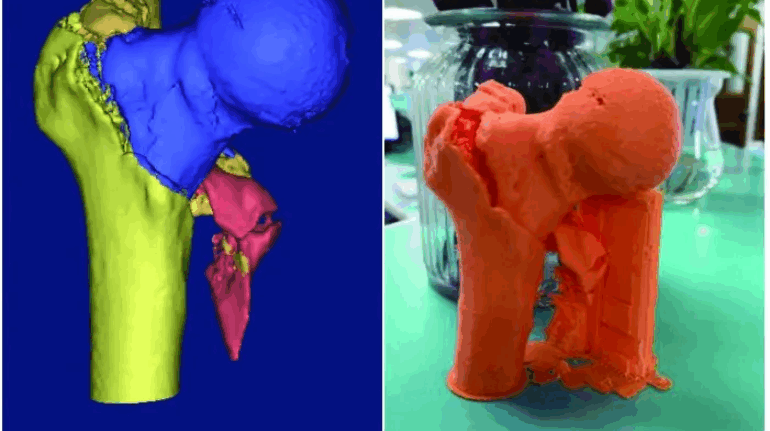
Personalized precision medicine is on the rise. New tools and advanced technologies bring doctors cl ...
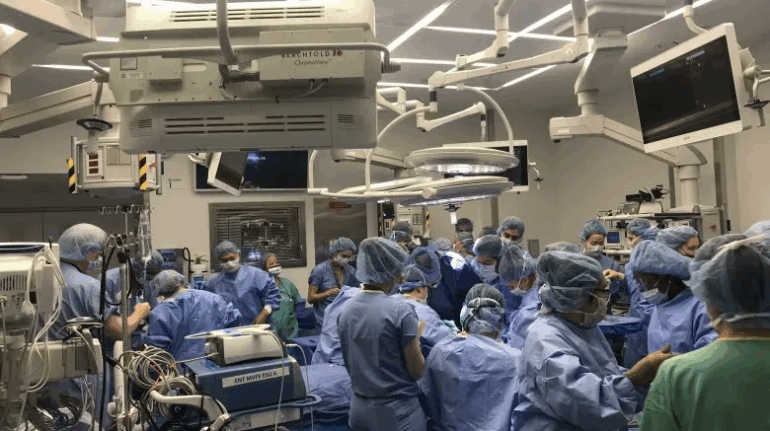
Materialise‘s 3D technologies played a crucial role in the world’s first successful si ...
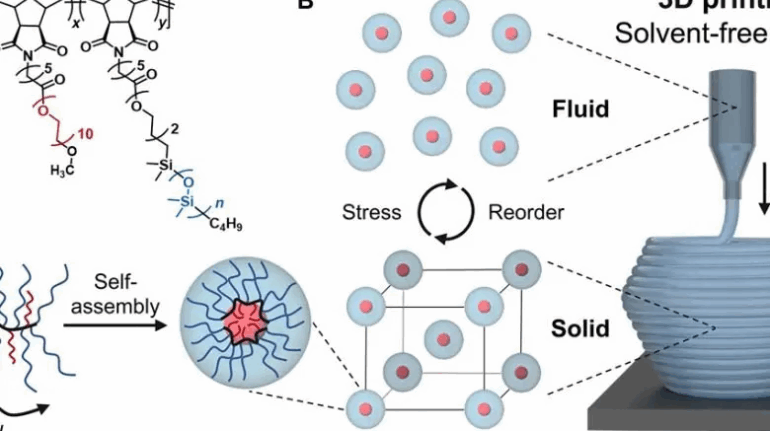
Two postdoctoral researchers at UC Santa Barbara, Renxuan Xie and Sanjoy Mukherjee, developed the first 3D-printable “bottlebrush” elastomer. The new material results in printed objects that have unusual softness and elasticity that closely resemble those of human tissue. The researchers’ findings were published in the journal Science Advances.
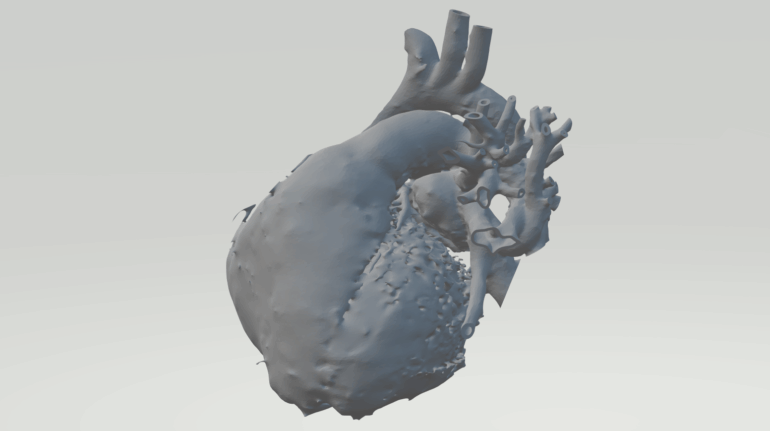
3D printing has been of interest in the medical sector since the technology’s inception and is today used for a myriad of applications—from surgical guides and anatomical models to implants and tools. Recently, the technology has become especially important, providing support to local medics in times of great need. Selective laser sintering (SLS), specifically, has been an important tool in the medical AM world, supporting complex surgeries and procedures in the form of tools and visual aids.
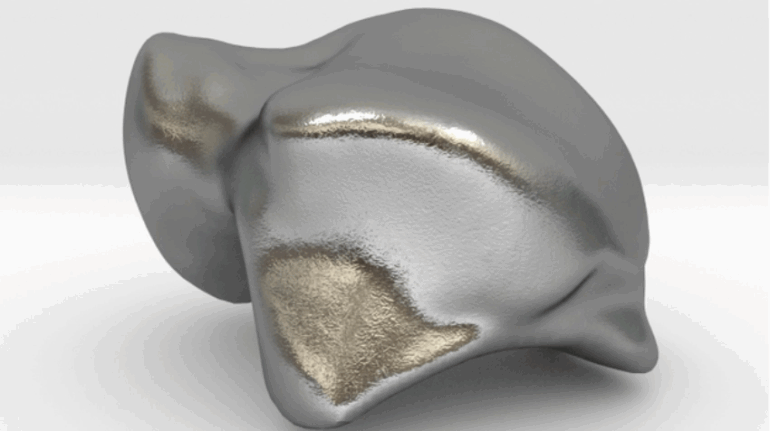
The FDA has approved its first 3D printed talus metal implant designed to replace the main bone in the ankle joint connecting the leg to the foot. The agency issued a green light to New Jersey-based Additive Orthopaedics under humanitarian use for the treatment of avascular necrosis, a progressive condition that can lead to the death of bone tissue following a sudden injury that cuts off blood flow, such as a broken bone or dislocation.
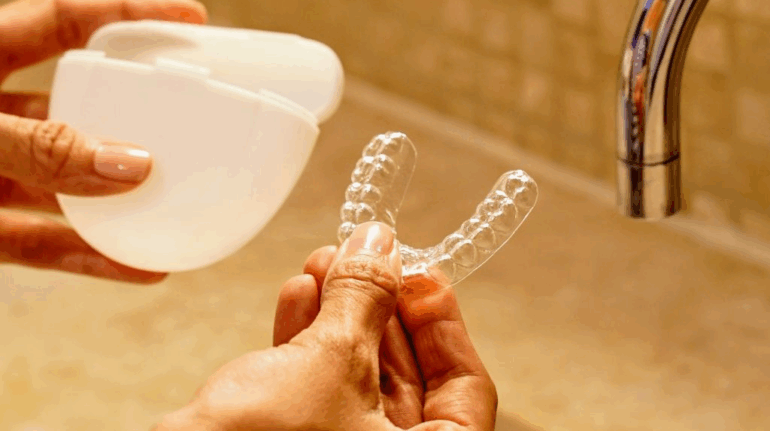
3D-printed orthodontics have come a long way in the past three years, and Carbon and Candid’s new partnership to produce models for clear aligners that straighten teeth is grist for this mill. Carbon’s L1 printers and DLS process allow Candid to introduce Candid Pro, its “orthodontics-as-a-service” doctor-driven clear aligner therapy. This service offers customized, on-demand clear aligners designed specifically for dental and orthodontic practices. The entire service is delivered on Candid’s digital platform.
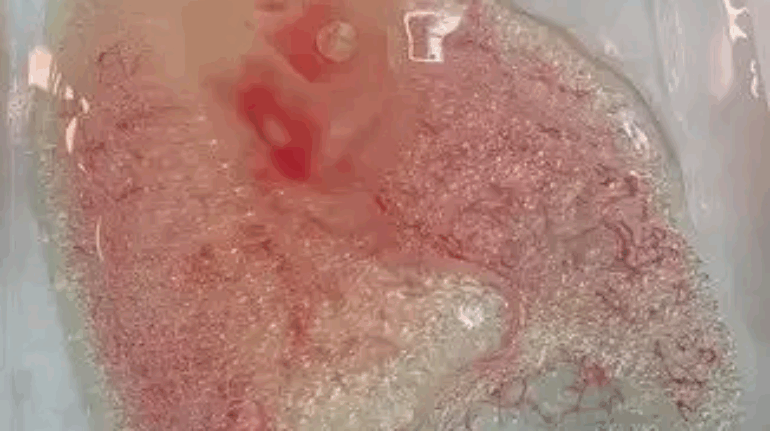
3D Systems significantly expanded its focus on regenerative medicine and bioprinting solutions after reducing its workforce to concentrate on the healthcare AM sector. The expanded focus follows on great progress made in the development of 3D printing systems for solid-organ scaffolds. This progress is the product of collaboration between 3D Systems, United Therapeutics Corporation and UTC’s organ manufacturing and transplantation-focused subsidiary, Lung Biotechnology PBC. 3D Systems intends to leverage this work and accomplishments with other partners to invest, further develop and commercialize solutions for regenerative medicine. Applications of its R&D program include the development of non-solid organ applications requiring biologically sustainable vasculature.
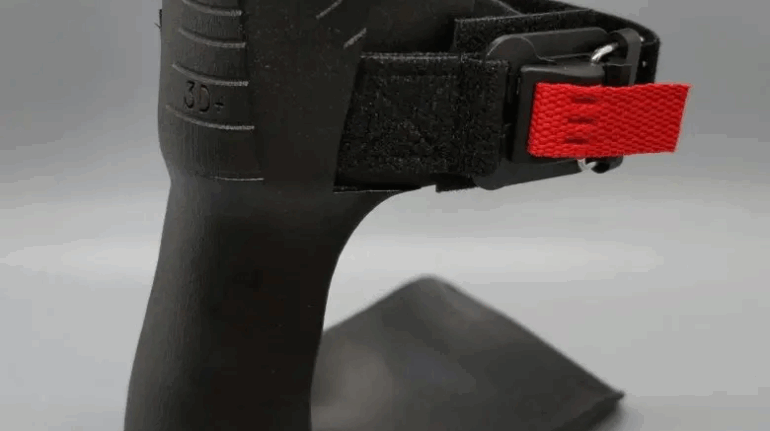
Thrive Orthopedics, a distribution enterprise founded in 2017, debuted its very own product line with 3D-printed orthoses called the Balance 3D+ Brace, an ankle foot orthoses (AFO). The brace reduces postural sway and increases postural stability. This relative newcomer to the AM scene has created an orthotic that lines the sole of one’s foot while also bracing the heel and calf for additional support. The company prides itself on the elegance and aesthetically pleasing look of its product. It also projects product prices in line with industry standards.
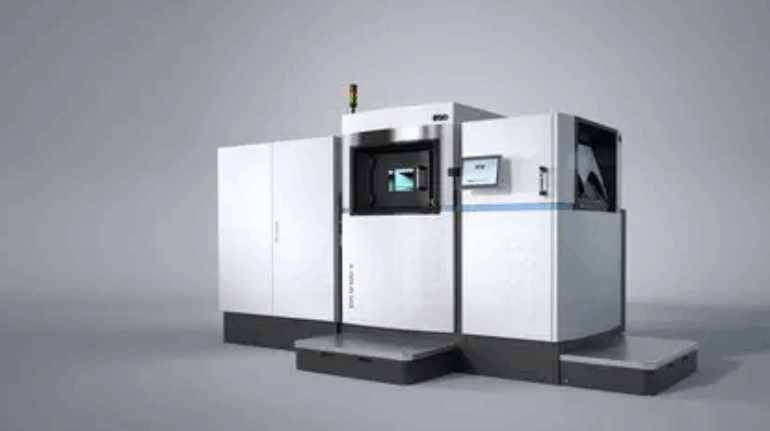
Lincotek Additive has taken another step in its development program by increasing its production capacity to meet customer demand. The company is adding further EOS M400-4 additive machines in its brand new, state-of-the-art Additive Production Center for the aerospace and industrial sectors in Switzerland and obtained EN9100:2018 certification for its quality management system.