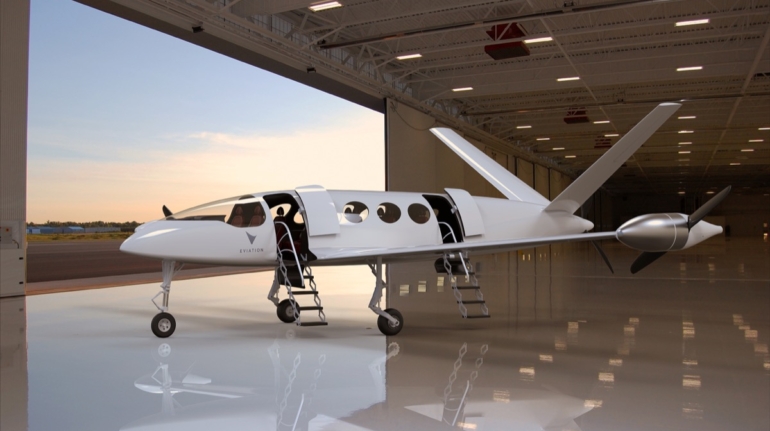
Eviation Uses 3D Printing to Develop All Electric Commuter Aircraft Aerospace
“In the next four years, Eviation aims to make regional air t ...

News and Insights of 3D Printing and Manufacturing
“In the next four years, Eviation aims to make regional air t ...
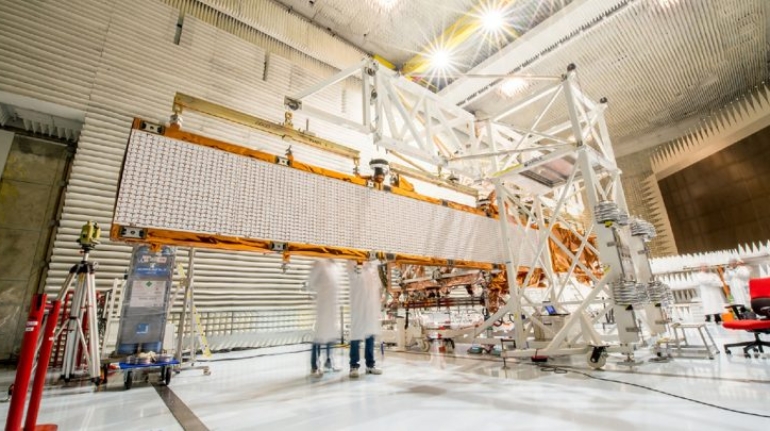
Sending satellites into orbit is both expensive and complex. Breaking free of Earth’s orbit is costly and the extreme conditions of space can be difficult to endure. This means that satellite parts need to be both very light and very strong. The advantages of additive manufacturing for space applications are evident and the entire space industry is excited about the possibilities that 3D printing can offer. Some of the latest solutions developed available in the market for payload components will be presented at IN(3D)USTRY next October 3-5 at Fira de Barcelona.

Nano Dimension, a leader in the field of 3D printed electronics, has received grant approval from the Israel Innovation Authority, which will be used to finance a project to develop 3D printing of electronic modules for space applications. The total approved budget for this project is approximately $87,000 (NIS 309,000), of which the Israel Innovation Authority will finance 50%. According to the terms of the grant, Nano Dimension will pay royalties on future sales up to the full grant amount.
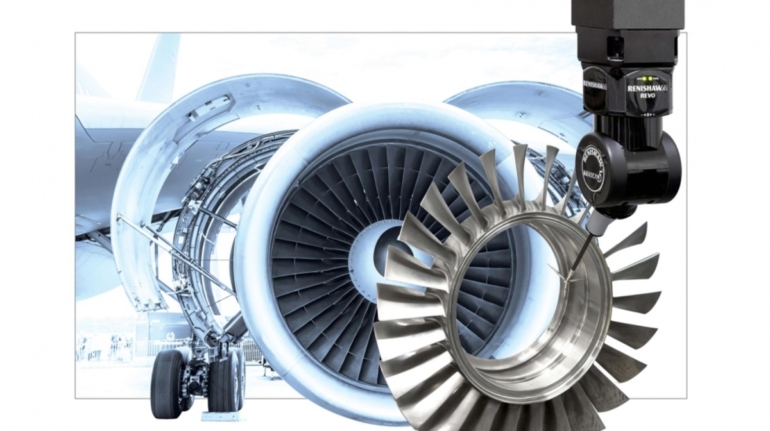
Renishaw, a global engineering company specialising in metrology and metal 3D printing, was born out of the aerospace business and its efforts in advancing the manufacturing of complex components have never stopped. Its Spanish subsidiary Renishaw Ibérica, S.A.U. is working with a unique selection of other Spanish engineering companies and research centres in a ground-breaking project which could change the way aerospace turbines are manufactured forever.
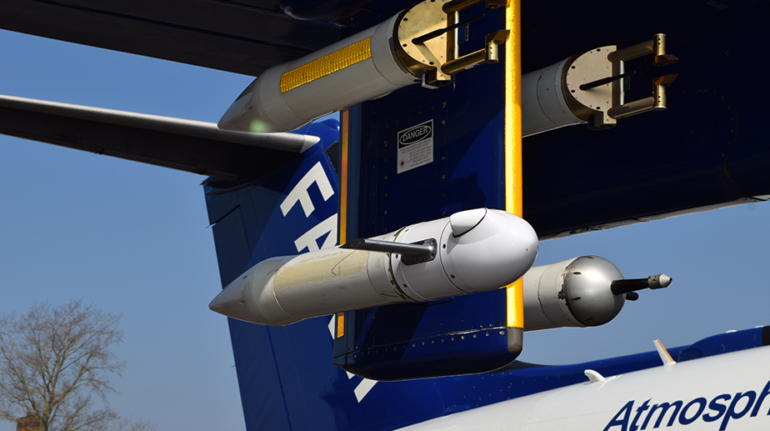
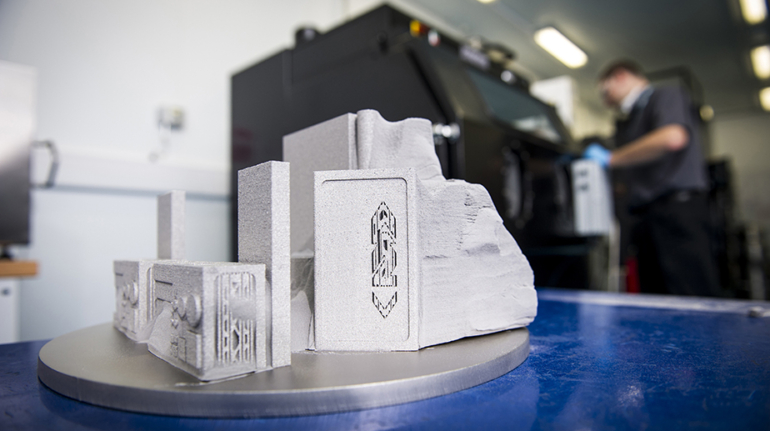
GKN Aerospace has successfully flown an enhanced ice protection system (IPS) that allows for a more targeted and efficient defence against ice accretion. The UK company is the global leader in electro thermal IPS and flew its patented Optical Ice Detector (OID) on-board the Atmospheric Research Aircraft (ARA) operated by the Facility for Airborne Atmospheric Measurements (FAAM), based at Cranfield, UK. The titanium probe housing was enabled by GKN’s laser powder bed manufacturing process.
Share Tweet Share Pin Buffer ...

GE and its partners have received more than $31 billion in new business at the show, which opened ...
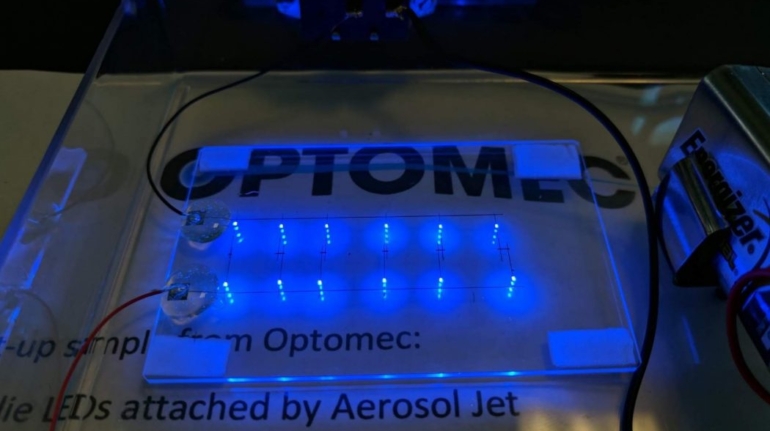
Optomec, a leading global supplier of production-grade additive manufacturing systems for 3D printed electronics and 3D printed metals, today announced that the company was awarded a NASA SBIR contract for the further development of an Adaptive Laser Sintering System (ALSS) The success of this endeavor will enable electronic circuitry to be printed onto a wider variety of temperature sensitive substrates expanding its use for production applications. The fully automated system will also enable printed circuitry to be repaired or manufactured with minimal human intervention paving the way for its use in long duration NASA space missions.
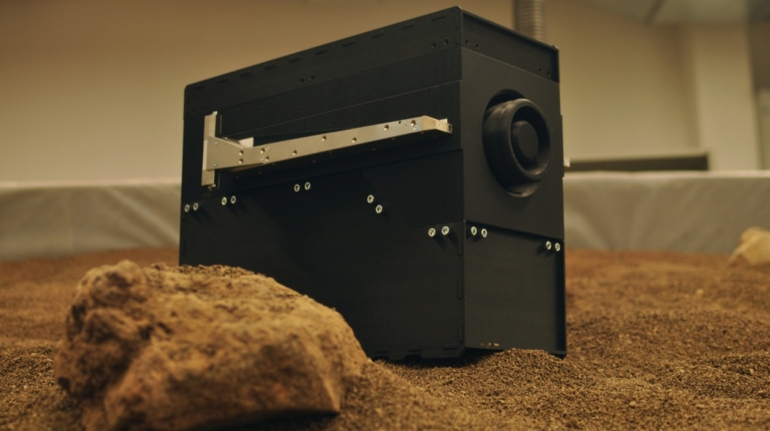
The German Aerospace Centre (Das Deutsche Zentrum für Luft- und Raumfahrt e.V.) is using a Stratasys FDM 3D printing for the production of a fully-working prototype of TransRoPorter (TRP), a robot for future unmanned Mars exploration missions.
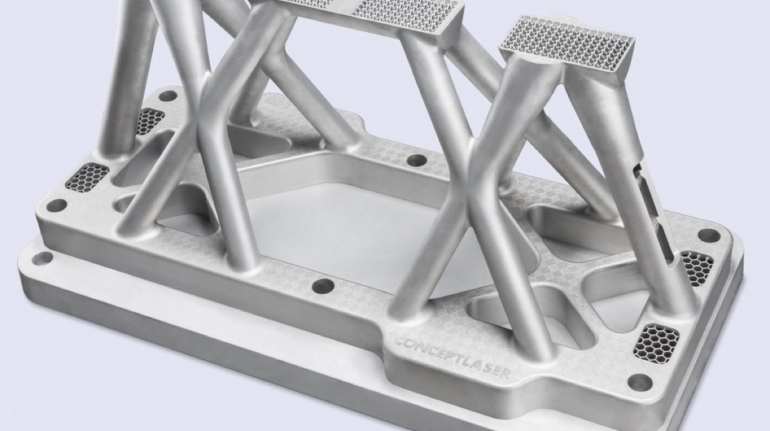
Additive machines fuse together fine layers of powdered metal with a laser beam and print three-dimensional objects directly from a computer file. With few limits on the final shape, the method gives engineers new freedoms and eliminates the need for factories filled with specialized machines or expensive tooling. “This is an engineer’s dream,” Ehteshami says.