NASA ACO program selects multiple partners for 3D printing technologies Aerospace

NASA ACO program selects multiple partners for 3D printing technologies Aerospace

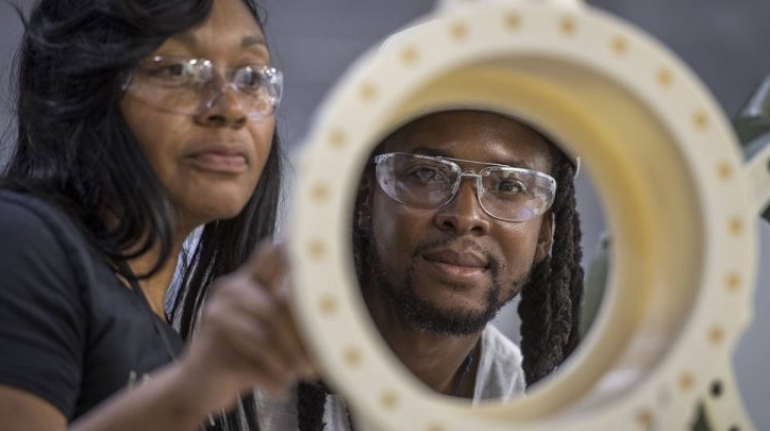
The NASA ACO program selected 17 US companies for 20 partnerships to mature industry-developed space technologies for the Moon and beyond. Of these, at least seven are involved, directly or indirectly, with 3D printing technologies. At least three of these – Ai SpaceFactory, Elementum 3D and Blue Origin – will work specifically on 3D printing and additive manufacturing related projects.

3D printing

Lockheed picks Relativity’s 3D printed rocket for NASA Tipping Point selection Aerospace

Lockheed Martin picked Relativity for the NASA Tipping Point mission. Relativity signed a contract with Lockheed to provide its rockets for a particularly complex mission Lockheed is undertaking for NASA’s Tipping Point program. While Relativity has not yet flown any fully 3D printed rocket, its technology promises to produce rockets in days instead of months once the development process will have been completed).

NASA JPL provides more details about Perseverance Rover’s 3D printed metal parts Aerospace

NASA JPL provides more details about Perseverance Rover’s 3D printed metal parts Aerospace

NASA is exploring additive manufacturing to build rocket engines as well as potential outposts on the Moon and Mars. Nearer in the future is a different milestone: NASA’s Perseverance rover, which lands on the Red Planet on Feb. 18, 2021, carries 11 metal parts made with 3D printing (some of which were produced by Carpenter Technology as we reported in this exclusive interview for 3dpbm’s AM Focus 2020 Service Providers eBook)

NASA to “RAMPT up” Artemis program by DED 3D printing SLS rocket engine nozzles Aerospace

NASA to “RAMPT up” Artemis program by DED 3D printing SLS rocket engine nozzles Aerospace

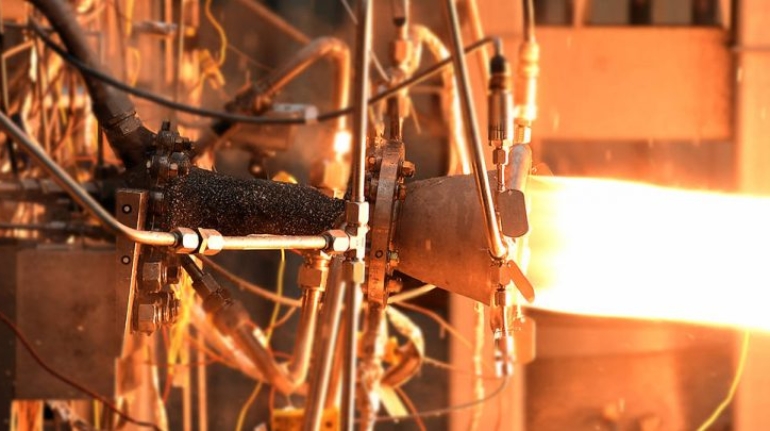
As part of the Artemis program, NASA is returning astronauts to the Moon where humanity will prepare to reach Mars. Through NASA’s Rapid Analysis and Manufacturing Propulsion Technology project, or RAMPT, the US space agency is advancing the development and implementation of metal DED technology to 3D print large rocket engine parts. The method will bring down costs and lead times for producing large, complex engine components like nozzles and combustion chambers for use in the SLS (Space Launch System) launch vehicle, which will bring humans back to the Moon and eventually to Mars as part of the ongoing Artemis program.

Elon Musk wants you to help create more 3D printed parts for his rockets Aerospace

Elon Musk wants you to help create more 3D printed parts for his rockets Aerospace

Maybe it’s because of the new contract that the DoD just awarded to SpaceX help get its Space Force satellites into orbit (and that will bring Elon Musk’s company $2 billion dollars). Maybe it’s just because SpaceX was among the first to understand the benefits of AM for end-use space parts. Either way, the company is now expanding AM activities and looking for new Additive Manufacturing Engineers, and for Process and Applications Development.

Orbex Prime readies to launch from newly approved Space Hub Sutherland spaceport Aerospace

Orbex Prime readies to launch from newly approved Space Hub Sutherland spaceport Aerospace

The first orbital spaceflight from the United Kingdom is getting closer following the Highland Council’s decision to give the go-ahead for the Space Hub Sutherland spaceport. Orbex, the UK-based space launch company known for its large single-piece 3D printed rocket engine, has confirmed that Orbex Prime will be the first vertical launch vehicle to fly into orbit from the Space Hub, which will be constructed near Melness on the northern coast of Scotland. Orbex today confirmed the company has already signed six launch contracts.

Space Perspective reboots vision of flying passengers to stratosphere on a balloon Aerospace

Space Perspective reboots vision of flying passengers to stratosphere on a balloon Aerospace

The space entrepreneurs who planned to send passengers ballooning into the stratosphere for astronaut’s-eye views of the Earth below, way back in 2013, have revived the idea for a new venture called Space Perspective. Co-CEOs Taber MacCallum and Jane Poynter unveiled their concept for a balloon-borne capsule called Spaceship Neptune today, and said that uncrewed test flights are due to begin early next year.

Rocket Lab successfully launches Don’t Stop Me Now satellite delivery mission Aerospace

Rocket Lab successfully launches Don’t Stop Me Now satellite delivery mission Aerospace

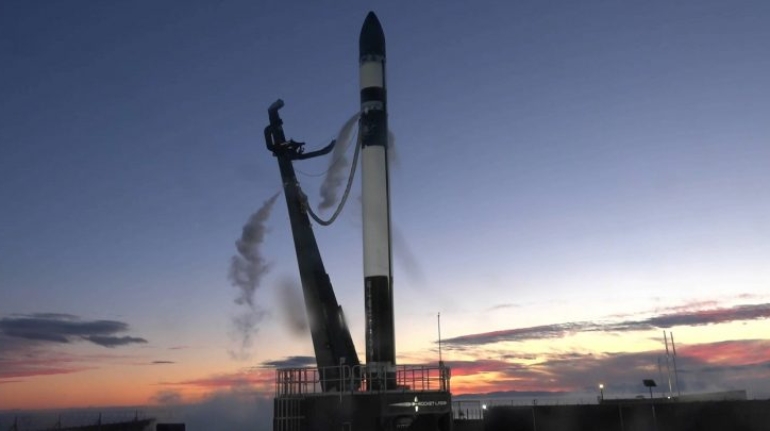
Rocket Lab, one of the space industry’s unicorn startups, successfully launched its Electron rocket to deliver a payload of satellites to orbit in the Don’t Stop Me Now mission. Rocket Lab is known for its massive use of additive manufacturing in the production of the Electron rocket’s propulsion system, the Rutherford Engine. The rocket launched, as scheduled, on June 13th, from Rocket Lab Launch Complex 1 in New Zealand.

0ebece3859702701b05897f4e3d81f6d.jpg

Relativity Space to move rocket 3D printing factory into new 120,000 sq. ft. HQ Aerospace

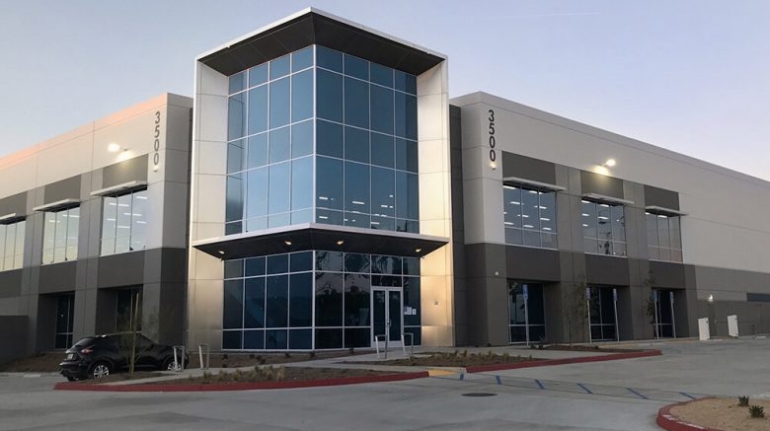
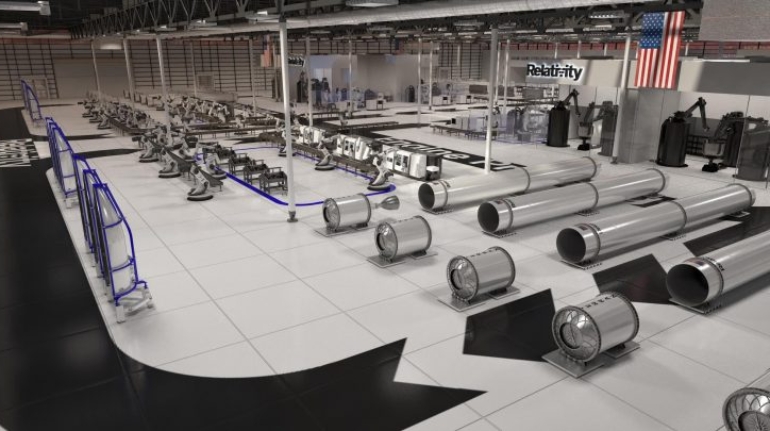
Relativity Space, one of the few tech-media-darling 3D printing companies, has moved into a new headquarters located at 3500 E Burnett, Long Beach. The California company employs robotic deposition metal DED additive manufacturing to build an entire launch vehicle: the new 120,000 sq. ft. space will house both business operations and an unprecedented manufacturing facility. Relativity integrates machine learning, software, and robotics with metal additive manufacturing technology and is working to produce its first Terran 1 3D printed rocket, at the Long Beach facility.

d900461a3c67bb316b760060ba8332fc.jpg

3D printed SuperDraco engines not to blame in Space X Dragon accident Aerospace

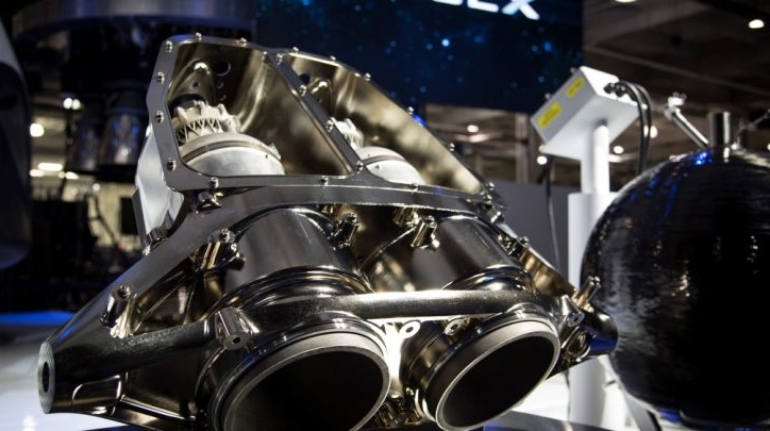
Space X is in the process of testing the crewed version of its Dragon space capsule that will be capable of ferrying humans to and from the International Space Station. The date for the first test with humans on board(initially scheduled for July) however, will need to be moved up, as the capsule suffered a failure during the activation of its engine abort SuperDraco thrusters and – Space X just confirmed – was destroyed.

0669874b0fffd424a566292f4d69c8bb.jpg

Thales Alenia Space ramps up 3D printing with series production for satellites Aerospace

Thales Alenia Space, a French-Italian aerospace manufacturer, has announced the next step in its additive manufacturing adoption: series production. The company, which first began its journey with AM in 2015 with 3D printed aluminum antenna brackets for the TürkmenÄlem/MonacoSAT satellite and polymer tube supports for the Iridium NEXT constellation, will begin turning out 3D printed components for telecom satellites built on its all-electric Spacebus Neo platform.

8efa2c526b1375af0eff762ef162b1b3.jpg

Relativity Space to launch 3D printed rockets from Cape Canaveral site Aerospace

Relativity Space, an aerospace startup with a focus on 3D printed rockets, recently penned a deal with the U.S. Air Force to begin launching its rockets from the Launch Complex 16 at Cape Canaveral in Florida. Launch Complex 16, also known as LC-16, is something of a historic site: it was built in the late 1950s to launch LGM-25 Titan missiles, was used by NASA for some time and has not seen a launch since 1988’s Intermediate-Range Nuclear Forces Treaty.

48da4bd4438d8ba7f4c3e36a265ed3b0.jpg

Stratolaunch Systems offers update on 85% 3D printed PGA liquid rocket engine Aerospace

Stratolaunch Systems Corporation, a space transportation company founded by Microsoft co-founder Paul G. Allen, has released the latest update about its PGA liquid rocket engine. The engine, named after the billionaire business magnate and philanthropist, is being developed with the help of additive manufacturing and could offer an innovative solution for launching vehicles into space.