
STRUNG by Adidas looks to (again) revolutionize shoe upper and midsole production Consumer Products
A few years ago Adidas was among the first companies to think and bring additive manufacturing in ...

News and Insights of 3D Printing and Manufacturing
A few years ago Adidas was among the first companies to think and bring additive manufacturing in ...
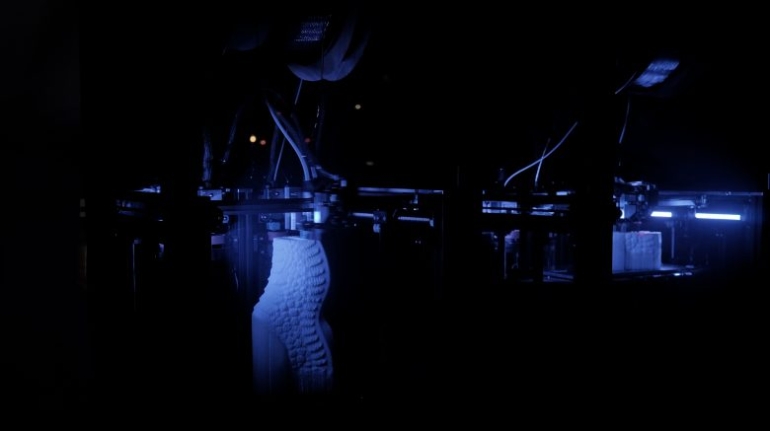
Zellerfeld, an original fully 3D printed shoe brand, is presenting the next model, created in collaboration with American artist Heron Preston, at the Copenhagen Fashion Summit, the largest event for sustainability in Fashion.
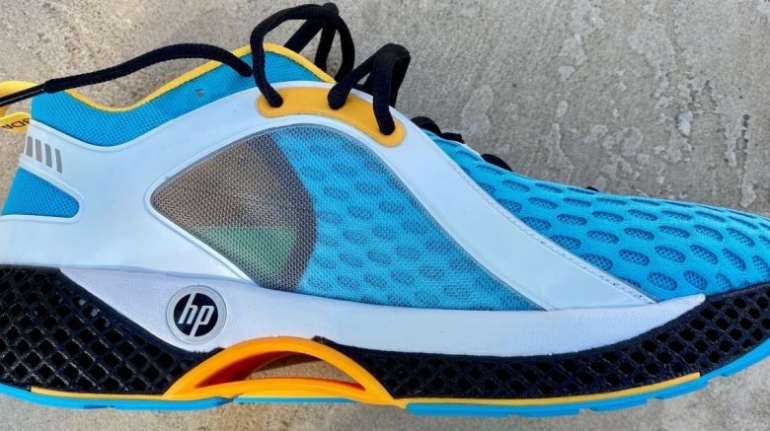
HP senior exec Edward Ponomarev showed off a pair of HP-3D printed, HP-branded running shoes prototypes that he just used on a 5 Km run. The shoes are the latest example of 3D printing applied to custom midsole and insole production: they are the first functional running shoes with 3D printed parts from MJF. The shoe weight under 200grams, featuring lightweight uppers (similar to adidas’ Futurecraft), ensuring excellent energy return and cushioning.
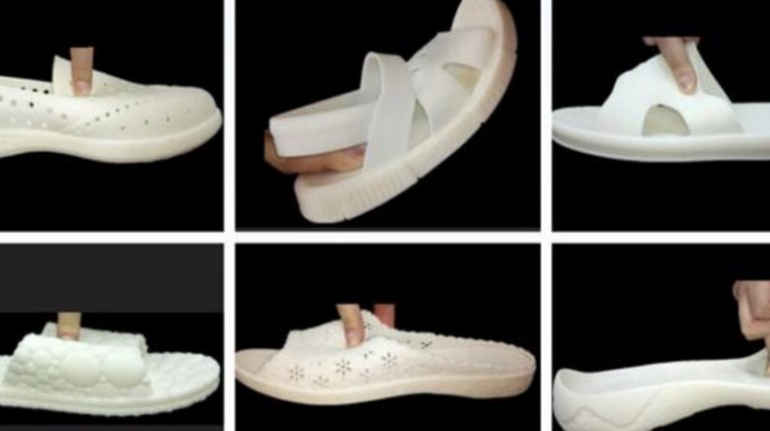
Apart from a few exceptions – like SHINING 3D and Farsoon – Chinese 3D printing companies are not easy to reach from this side of the Great Wall. Likewise, it’s not easy for them to make their products known in the West. It’s usually a gradual process. The most successful companies are able to gain enough of a foothold in the – very large – domestic market that they can start to invest in global expansion with initiatives that go beyond the hiring of armies of business developers sending out messages on social media. Kings 3D may be one of the next companies to make the jump. And even if it’s not, the company has been able to stand out enough to be noticed, especially for its vibrant activity in the footwear AM segment, a business that is expected to grow significantly over the next decade.
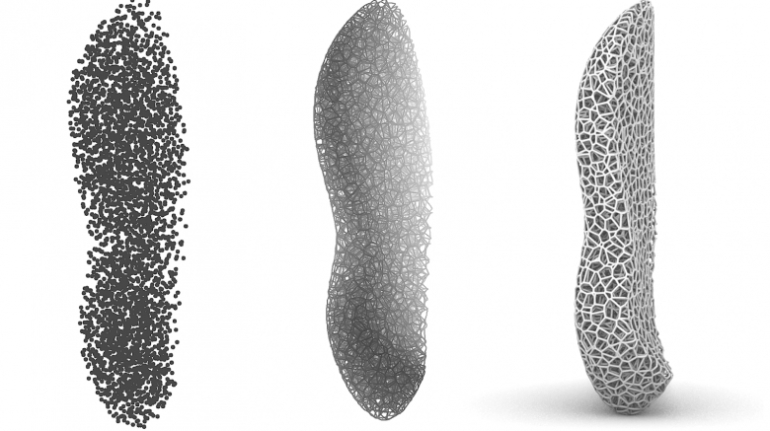
While a simple piece of responsive foam goes a long way, modern developments are pushing the threshold of footwear performance through supplemental components; embedded carbon-plates, airbags, and controversial tensile strands. In essence, the capacity of advancement is expanded with greater control over the midsole arrangement. This notion served as the foundation of our project examining ‘The enhancement of running performance through 3D printed midsole design’.
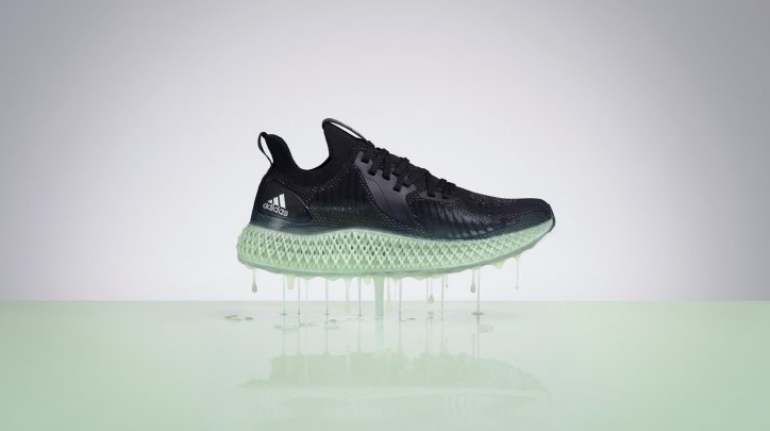
Sportswear brand Adidas has introduced a new sneaker model as part of its ALPHAEDGE 4D series. The new shoe, which leverages Adidas and Carbon’s 3D printed FUTURECRAFT concept, stands out for its reflective style.
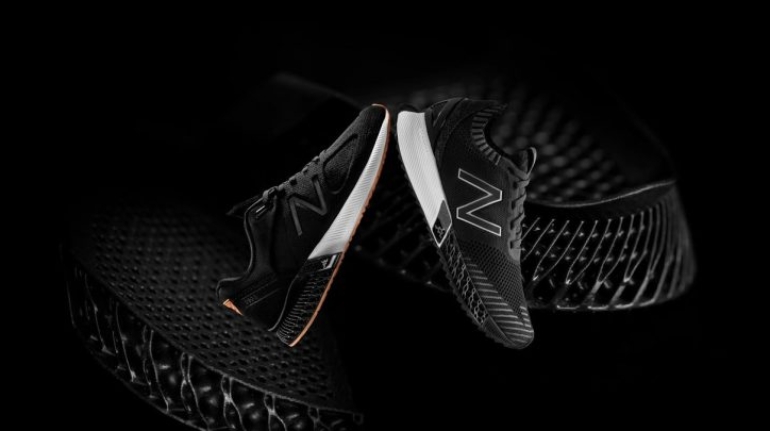
Following the success of the first 3D printed sneaker produced using the TripleCell platform—the 990 Sport—partners New Balance and Formlabs have debuted a second sneaker model, the FuelCell Echo Triple. The new running was produced using the innovative footwear 3D printing platform, which combines Formlabs’ stereolithography (SLA) technology with the custom Rebound Resin.
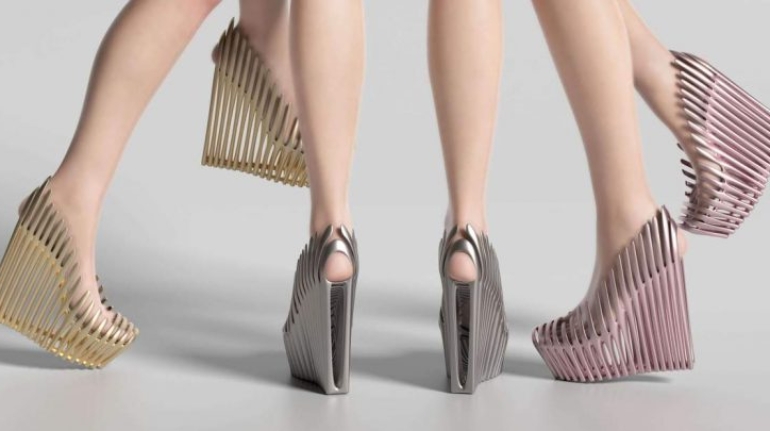
Additive manufacturing of end-use consumer products still has a long way to but every day more steps are made towards achieving that goal. For now, it remains more about highly customized and exclusive products, rather than mass-produced ones, and the first thing that pops up is that these products are becoming more and more appealing. While true appreciation of the futuristic, natural and complex forms made possible by 3D printing may still be confined to a niche of first adopters, products such as the generative 3D printed shoe collection introduced by studio Ica & Kostika are sure to draw a wider public’s awe.
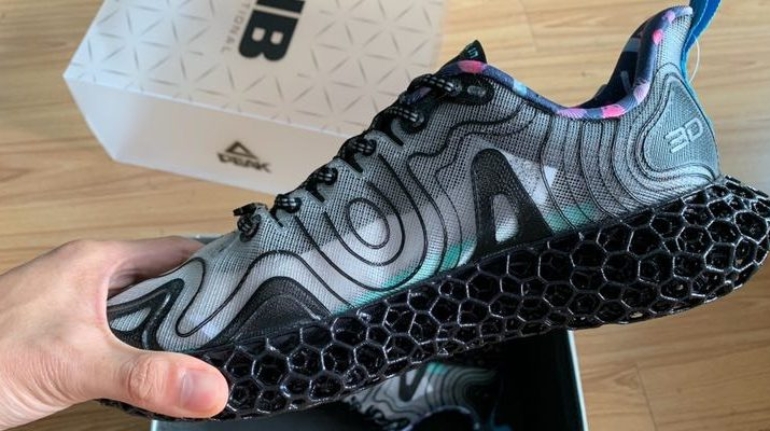
Chinese sportswear brand PEAK Sports Products introduced a new model of fully 3D printed sneakers – upper, midsole and outsole – in the domestic Chinese market. As leading Chinese 3D printing media Nanjixiong reports, the first 600 pairs of the new FUTURE FUSION PEAK3D sneakers were briefly available on the company’s online store, on July 5th, for 1,299 Yuan (about $190) and sold out in a matter of seconds.
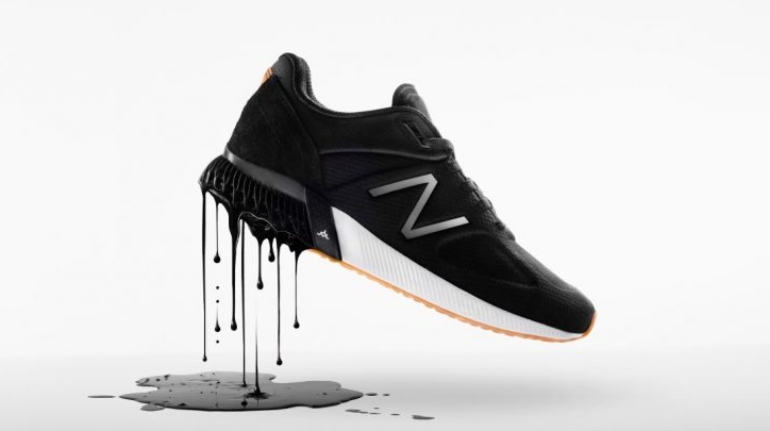
Boston-based sportswear giant New Balance has showcased a keen interest in 3D printing technologies since as far back as 2016, when it unveiled the Zante Generate shoe with a 3D printed midsole—the first 3D printed sneaker to become commercially available (though in extremely limited quantities). When, in 2017, New Balance announced a partnership with Formlabs to develop high performance materials, hardware and process for athletic footwear, it was clear its intentions were to keep pursuing AM.