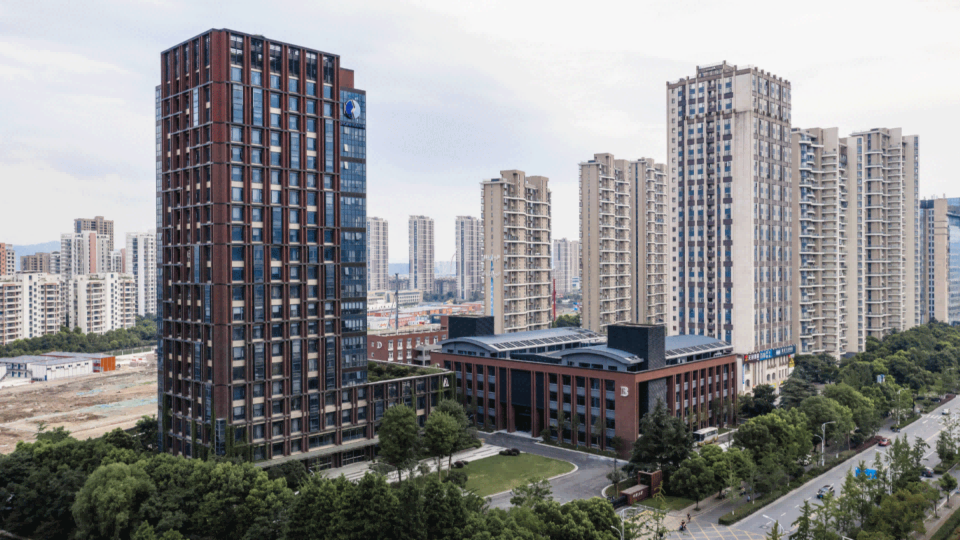
FacFox Expands R&D and Quality Control Capabilities with Relocation to New Hangzhou Facility
HANGZHOU, China – June 4, 2026 – FacFox, a leading provider of on-demand manufacturing and 3D printi ...

News and Insights of 3D Printing and Manufacturing
HANGZHOU, China – June 4, 2026 – FacFox, a leading provider of on-demand manufacturing and 3D printi ...

ICON, an Austin, Texas-based 3D printed construction company, has started work on 10 barracks buildings at Fort Bliss, Texas, that will house 560 soldiers in open bays by August.
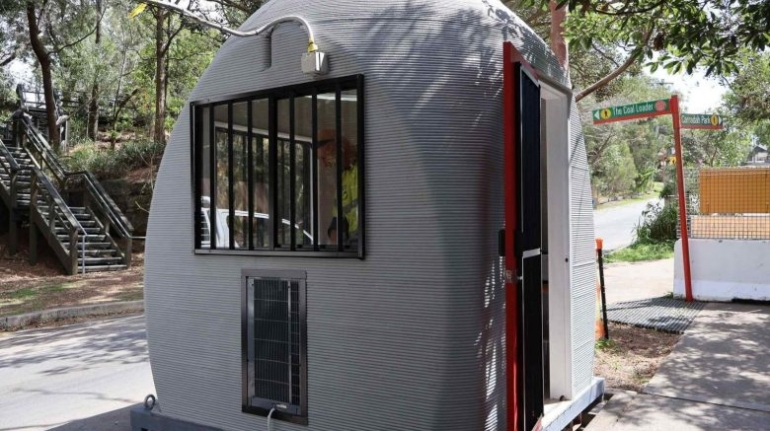
ACCIONA, a renewable energy and sustainable infrastructure solutions company headquartered in Spain, has deployed 3D printed traffic control and security huts in Australia as part of a trial.

Just 45 km northeast of Milan is the Milan Bergamo Airport, which serves over 17 million passengers a year and is Italy’s third busiest airport (after Rome-Fiumicino and Milan-Malpensa). As a key international transport hub, the airport must (and is) embracing innovation: last year, for instance, it launched a digital twin initiative through which the entire airport is being replicated digitally with the aim of optimizing ground operation management. On the ground, the airport also recently completed a new service building made using construction 3D printing technology.
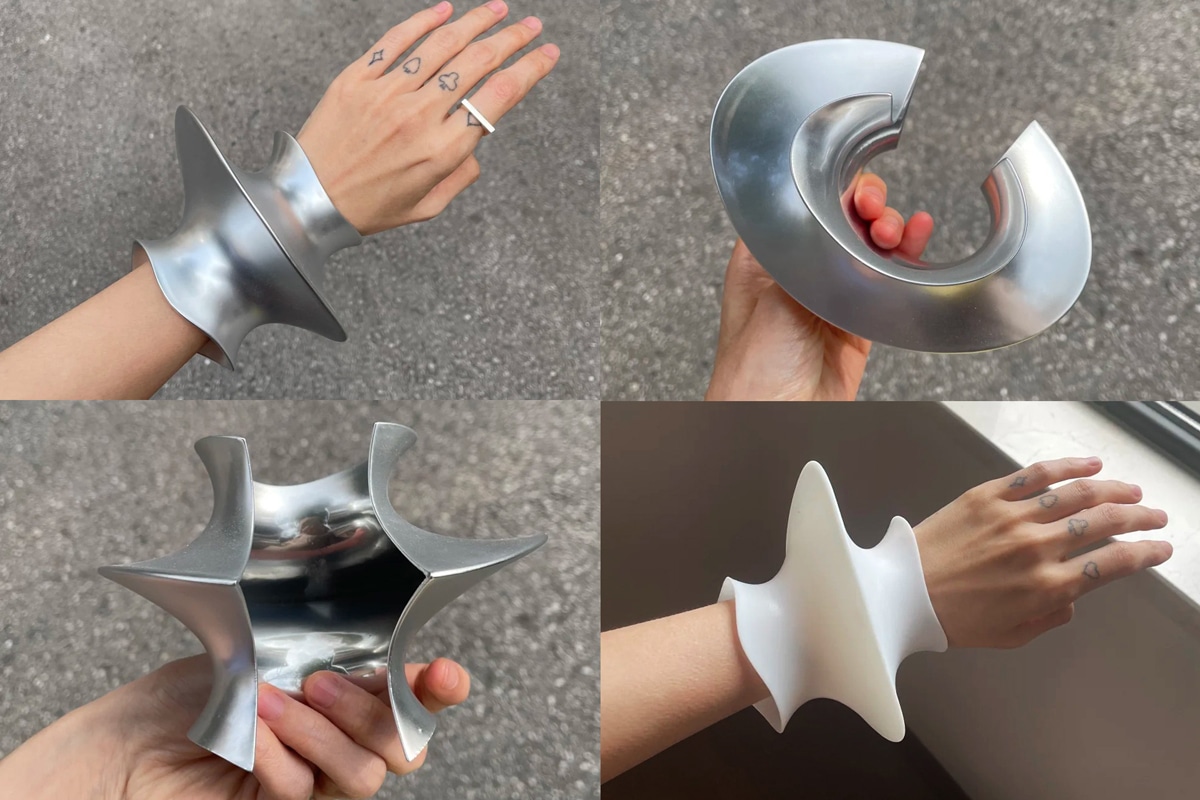
The 3D printing community continues to amaze with innovations that span from haute couture jewelry t ...

Texas-based ICON opened reservations for Titan, a multi-story robotic construction system the Austin company made available for purchase by builders and construction firms for the first time. The program marks a shift from ICON’s previous model, in which the company operated its own printing technology on behalf of clients. Reservations require a $5,000 deposit, with customer training expected to begin in Q3 2026 and first system deliveries anticipated in early 2027.

On February 20, 2026, the final arm of the cross was lifted onto the Tower of Jesus Christ at the Sagrada Família in Barcelona, marking the completion of the cathedral’s exterior and the culmination of 144 years of construction. The cross now crowns the structure at 172.5 meters, making it the world’s tallest church. The robotic 3D printed ceramic tiles that form the tower’s white glazed ceramic skin were developed by LAMÁQUINA in collaboration with Ceramica Cumella.
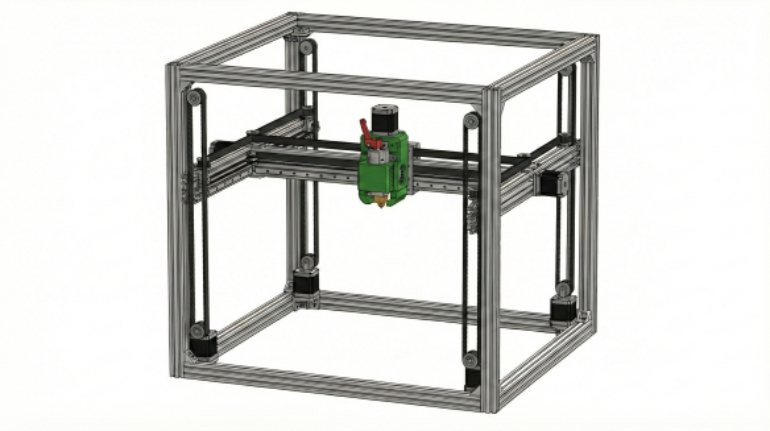
Sunnyday Technologies is releasing M3-CRETE, a fully open-source concrete 3D printer built for field deployment and research validation. The project sits alongside CEMFORGE, Sunnyday Technologies’ AI-driven concrete formulation platform, which the firm positions as a mix-design engine for additive construction. Sunnyday Technologies publishes documentation, CAD files, and a draft bill of materials (BOM) to a public GitHub repository for customization and comment.
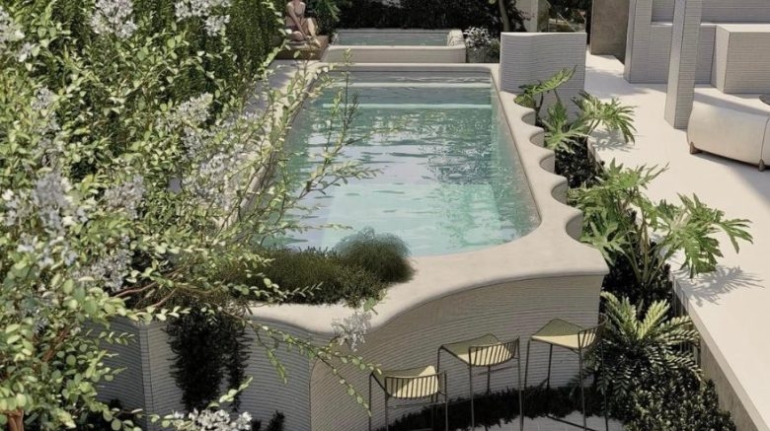
While an outdoor swim might seem like a far-off dream to those of us trying to warm up in the Northern Hemisphere, it’s an essential cool-down tactic for Aussies at this time of year, with summertime temperatures in Western Australia soaring above 30°C. Most in the region will be doing their laps in standard in-ground pools, but soon a small number of locals will be able to say they’re swimming in the country’s first 3D printed pool.
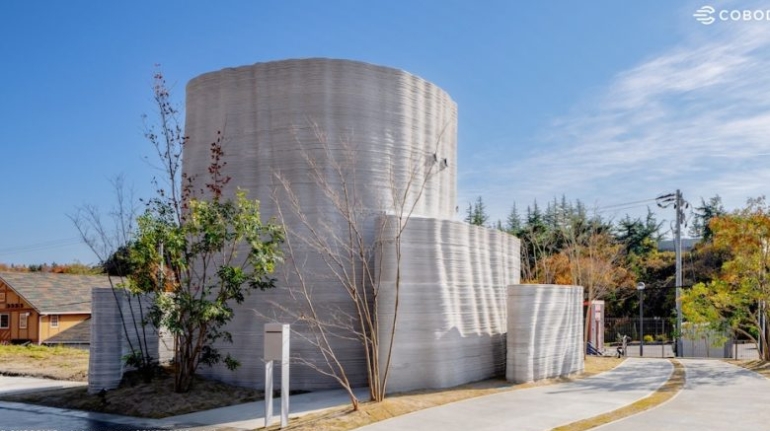
As a country that experiences upwards of 500,000 earthquakes every year, Japan is correct to have highly stringent building requirements. These requirements—the New Anti-seismic Structure Standard from 1981 in particular— ensure that only buildings with earthquake-resistant structures are erected. In a milestone for the emerging construction 3D printing sector, the first two-story 3D printed home has been approved by Japan’s government based on these standards, demonstrating that reinforced 3D printed concrete is a valid construction material for earthquake-resistant homes.