
Default resin post-processing generally includes cleaning, curing, support removal and basic sanding. This treatment makes the part suitable for handling, inspection and general prototyping, but it does not create a polished, painted or injection-molded surface.
Visible layer lines, support contact marks, sanding scratches and localized roughness may therefore remain. These are expected surface characteristics under the default finishing level rather than signs that the part has received full cosmetic finishing.
For display models, product photography, retail products and other customer-facing applications, additional polishing and painting should be selected before production.
Default sanding improves the printed surface, while additional polishing and painting provide a more uniform, product-grade appearance.
What Does Default Resin Finishing Include?
| Generally included | Not included |
|---|---|
| Cleaning the printed part | Fine cosmetic sanding of the complete surface |
| Post-curing | Filler or putty application |
| Support removal | Primer application |
| Basic sanding of accessible support areas | Spray painting or color matching |
| General cleanup for handling and inspection | Gloss coating or clear coating |
| Optical transparency treatment | |
| Injection-molded surface simulation |
The purpose of default sanding is basic cleanup. It does not guarantee the removal of every layer line, support mark, scratch or change in surface texture.
Common Surface Characteristics After Default Sanding
1. Visible Layer Lines
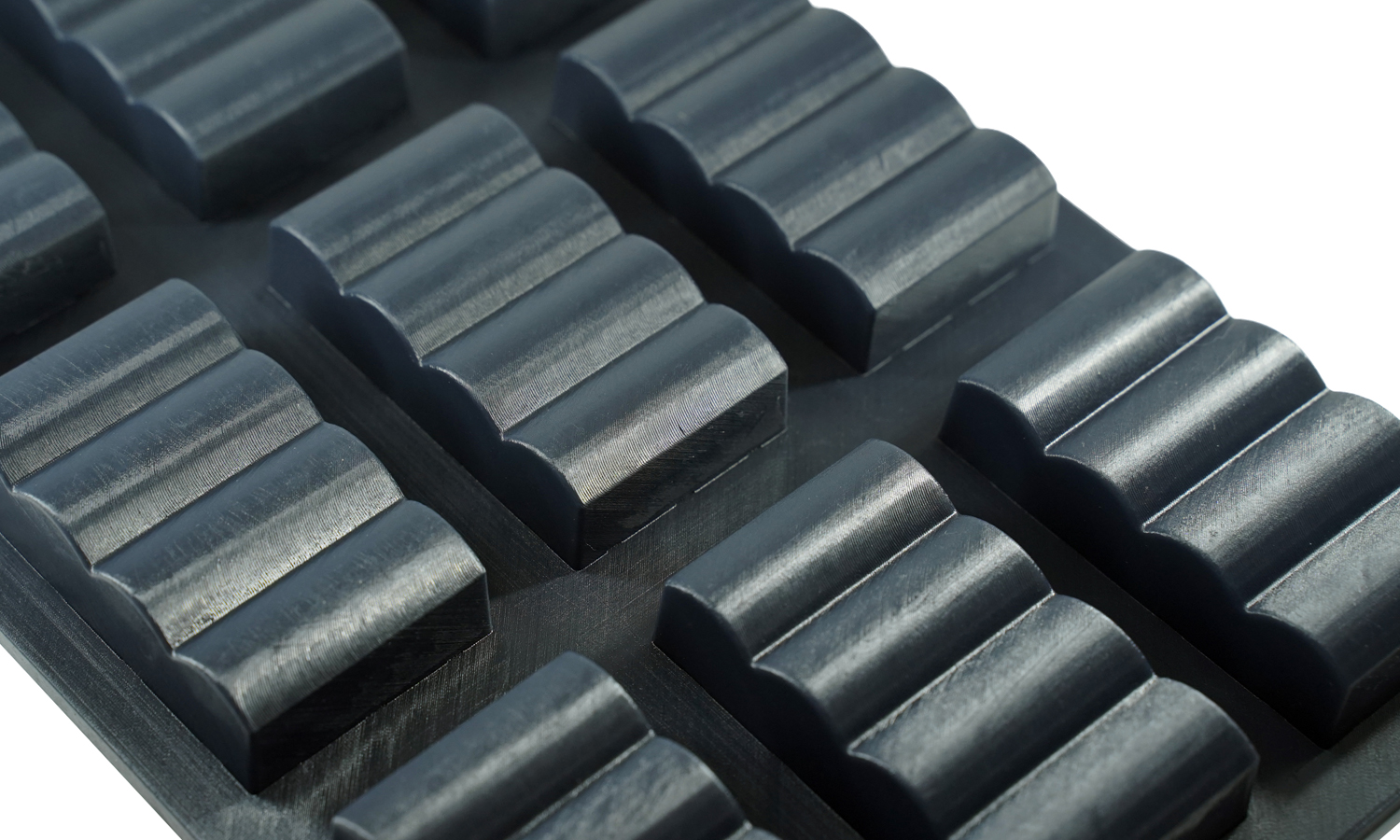
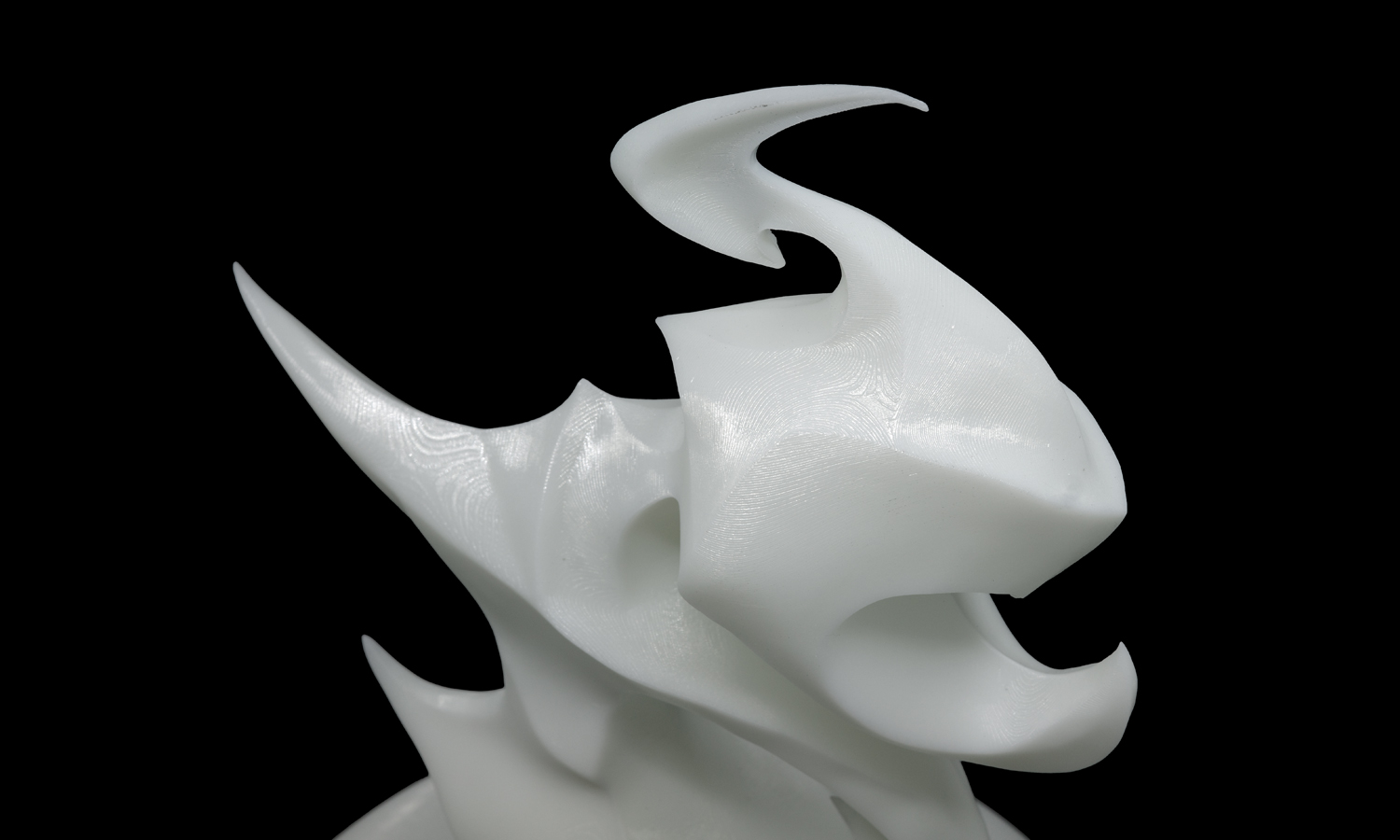
Resin parts are manufactured layer by layer. Fine layer transitions may remain visible, particularly on curved surfaces, sloped faces, rounded corners and large smooth areas.
Layer lines may become more noticeable under strong side lighting, close-up photography or certain viewing angles. Basic sanding can reduce their appearance but does not necessarily remove them completely.
2. Support, Trimming and Small Pit Marks
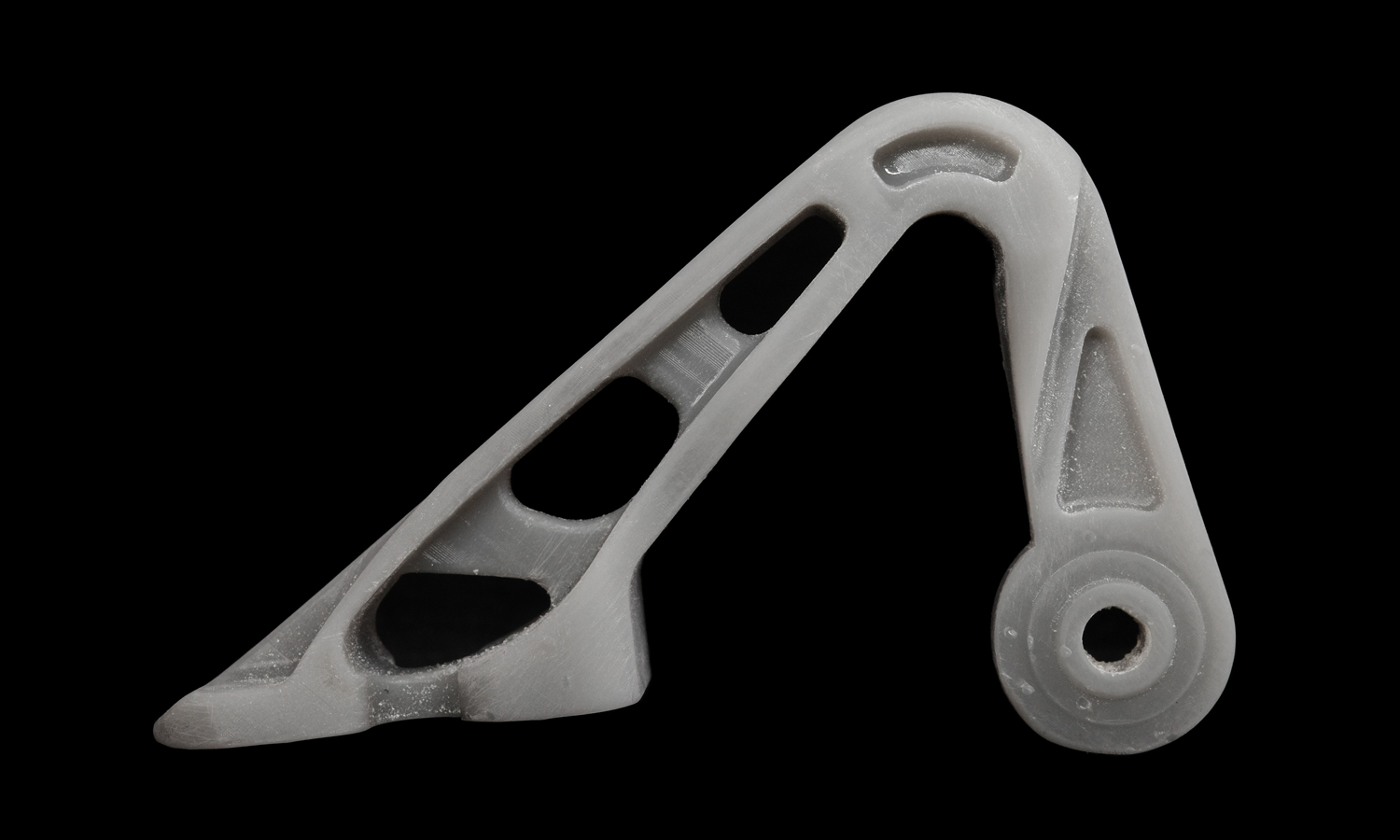
Support structures are required for overhangs, suspended features, thin walls and other areas that cannot be printed without reinforcement. Small contact marks may remain after these supports are removed.
Depending on the geometry and support layout, these marks may appear as:
- small dots or raised points;
- shallow pits or localized dents;
- trimmed or clipped areas;
- small knife marks;
- slightly flattened or rough patches.
They are most commonly found on downward-facing surfaces, overhangs, hidden areas and locations with dense support placement.
3. Sanding Scratches and Gloss Variation
Sanding is an abrasive process. Fine scratches, sanding lines and directional marks may remain, especially on flat surfaces or parts viewed under strong lighting.
Different areas of the same part may also have different levels of gloss. One area may appear smooth or slightly reflective, while another looks matte, dull or cloudy. This variation can result from print orientation, support placement and the amount of sanding required in each area.
4. Roughness in Recessed or Inaccessible Areas
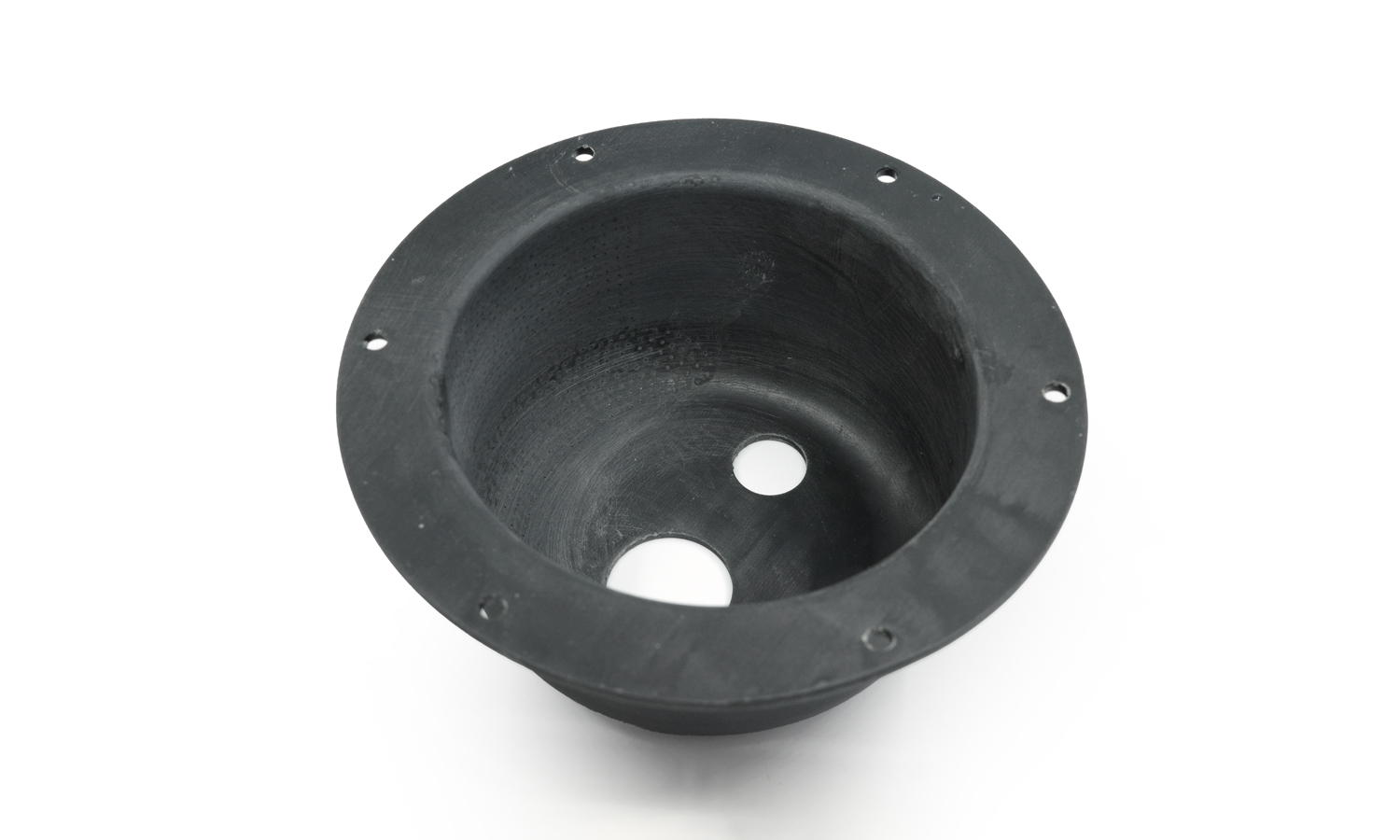
Deep holes, narrow slots, internal corners, cavities, undercuts and fine grooves are difficult to reach with standard sanding tools. These areas may retain more visible layer lines, support marks or general roughness than accessible outer surfaces.
Default finishing focuses mainly on surfaces that can be reached without damaging the part. It does not include complete cosmetic resurfacing of internal or deeply recessed geometry.
5. Slightly Softened Edges and Fine Details
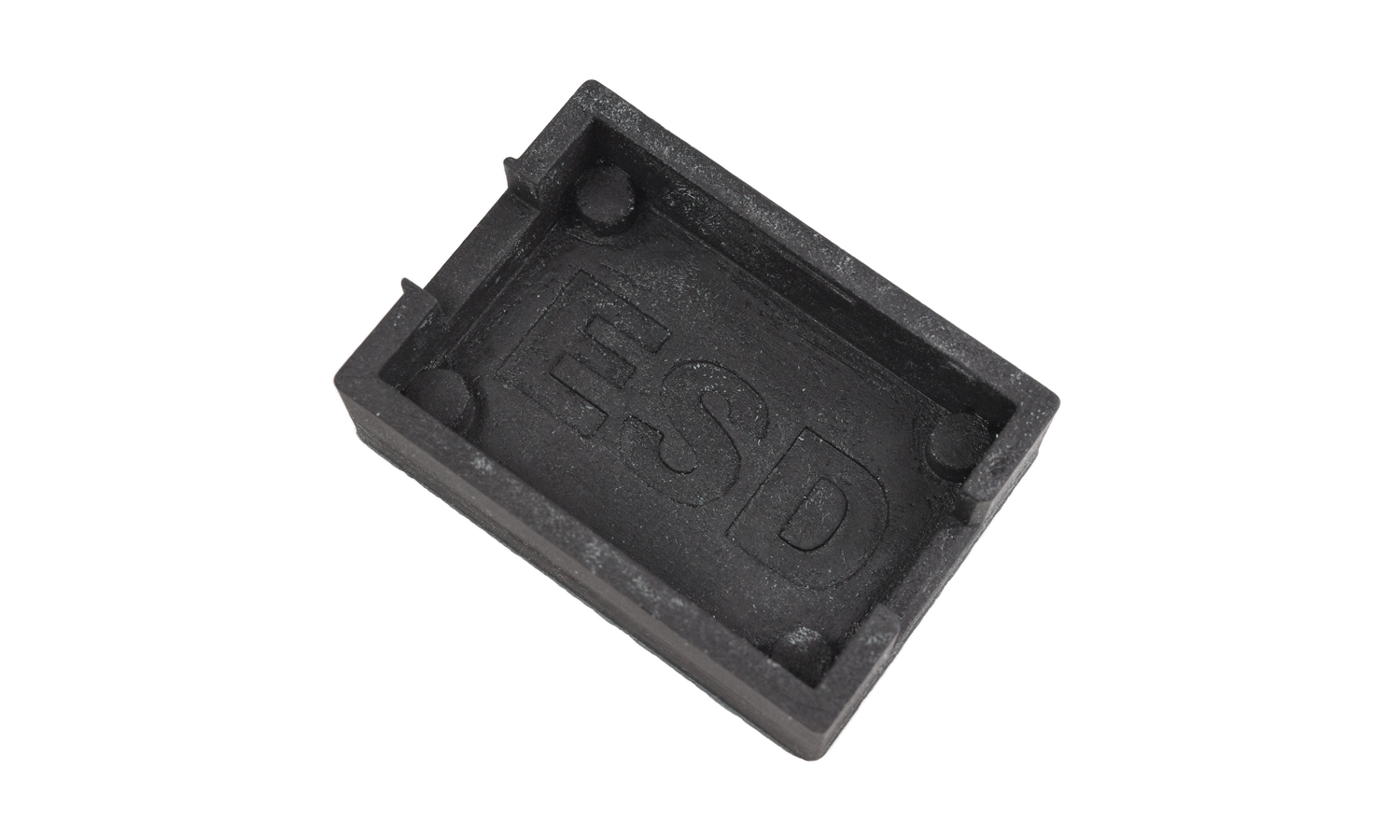
Sharp corners, thin edges, embossed text, engraved lines, logos, grids and other small surface features can be affected by abrasive finishing.
Aggressive sanding could remove or deform these details. Cleanup around them may therefore be limited, which means minor roughness can remain. In other cases, edges may become slightly softer during support removal and sanding.

6. Minor Waviness or Uneven Surface Texture
Large flat panels, broad curves and thin-walled areas may show minor waviness, sanding direction or subtle changes in surface smoothness.
These characteristics can be influenced by part geometry, support layout, curing behavior and manual sanding. Creating a uniformly smooth cosmetic surface on a large area usually requires additional leveling, fine sanding, primer and paint.
Materials and Features That Show Surface Marks More Easily
| Material or feature | What to expect under default finishing |
|---|---|
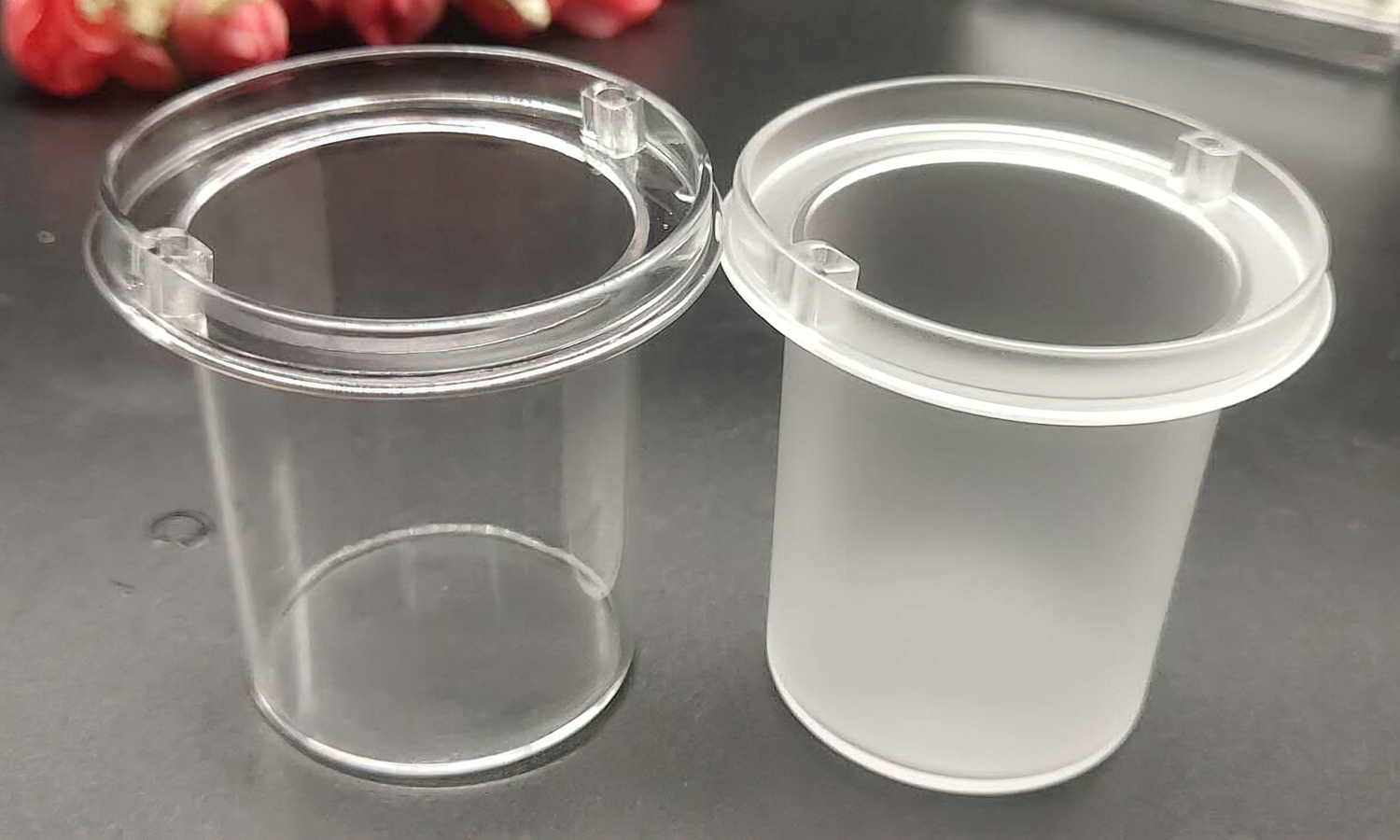
| Transparent or translucent resin | Usually appears frosted, hazy or semi-transparent after sanding. Scratches and support marks may remain visible. |
| Dark or glossy resin | Fine scratches, dust, fingerprints and gloss differences are often more noticeable. |
| Large flat surfaces | May show sanding direction, layer patterns, minor waviness and uneven gloss. |
| Fine text and small details | May retain localized roughness or become slightly softened during cleanup. |
| Deep or internal features | May remain visibly rough because sanding tools cannot reach them effectively. |
Special Note for Transparent Resin
Default sanding does not produce a glass-like transparent surface. Sanded transparent resin normally has a frosted or cloudy appearance because microscopic scratches scatter the light passing through the material.
Improved clarity may require progressive fine polishing, clear coating or another specialized finishing process. The achievable result also depends on the resin, geometry, wall thickness and internal structure of the part.
When Is Default Sanding Suitable?
Default sanding is generally suitable when the primary purpose of the part is:
- shape or structure verification;
- assembly and fit testing;
- engineering evaluation;
- an internal or non-visible component;
- an early-stage prototype;
- a part that the customer will finish or paint later.
In these situations, remaining cosmetic marks normally do not prevent the part from performing its intended basic function.
When Should You Select Polishing and Painting?
Additional finishing is recommended for:
- customer-facing end-use products;
- display and exhibition models;
- product photography samples;
- appearance prototypes;
- consumer product housings;
- decorative parts;
- parts requiring uniform color, gloss or texture;
- transparent parts requiring improved clarity;
- parts intended to resemble injection-molded products.
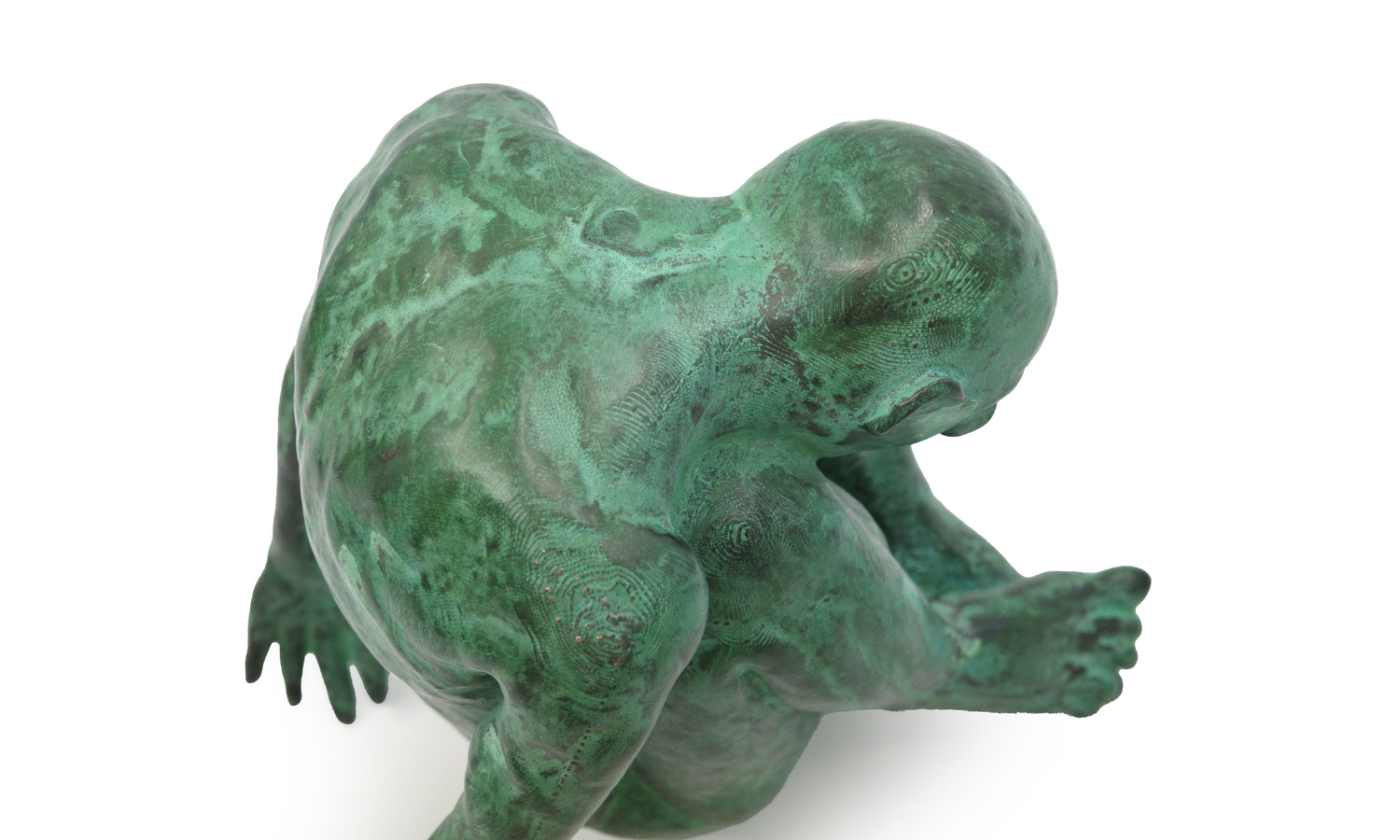
A product-grade finishing workflow may include repeated fine sanding, filler application, primer, polishing, painting and clear coating. The exact process should be selected according to the required appearance and the part geometry.

Expected Cosmetic Characteristics vs. Issues Requiring Review
| Expected under default sanding | Issues that may require separate review |
|---|---|
| Visible layer lines | Broken or missing major structures |
| Small support marks and pits | Major cracks through the part |
| Fine sanding or trimming marks | Severe deformation preventing assembly |
| Uneven gloss or matte patches | Wrong material or color |
| Cloudy or frosted areas | Incorrect quantity |
| Minor waviness | Major dimensional issues beyond the expected process tolerance |
| Rough recessed surfaces | Severe uncured resin residue affecting handling |
| Slightly softened fine details | Shipping damage |
This article describes normal cosmetic characteristics associated with resin printing, support removal and basic sanding. Structural, dimensional, material and order-related issues are different and should be reviewed separately.
Choose the Finishing Level Before Production
Before placing an order, consider how the part will be used and viewed.
If it is intended for engineering verification, internal use, assembly testing or further processing, default sanding may be sufficient.
If it will be displayed, photographed, sold, handled by customers or compared with an injection-molded product, additional polishing and painting should be selected.
Default-sanded resin parts should not be expected to have a polished, painted or injection-molded appearance. Visible layer lines, support marks, sanding scratches, gloss variation, cloudiness and localized roughness may remain.
Claims based solely on these expected cosmetic characteristics will generally not be accepted as manufacturing defect claims. For parts with strict cosmetic requirements, please confirm the required finishing level before production.